Hooglandse Kerk things to do, attractions, restaurants, events info and trip planning
Basic Info
Hooglandse Kerk
Nieuwstraat 20, 2312 KC Leiden, Netherlands
4.4(411)
Closed
Save
spot
spot
Ratings & Description
Info
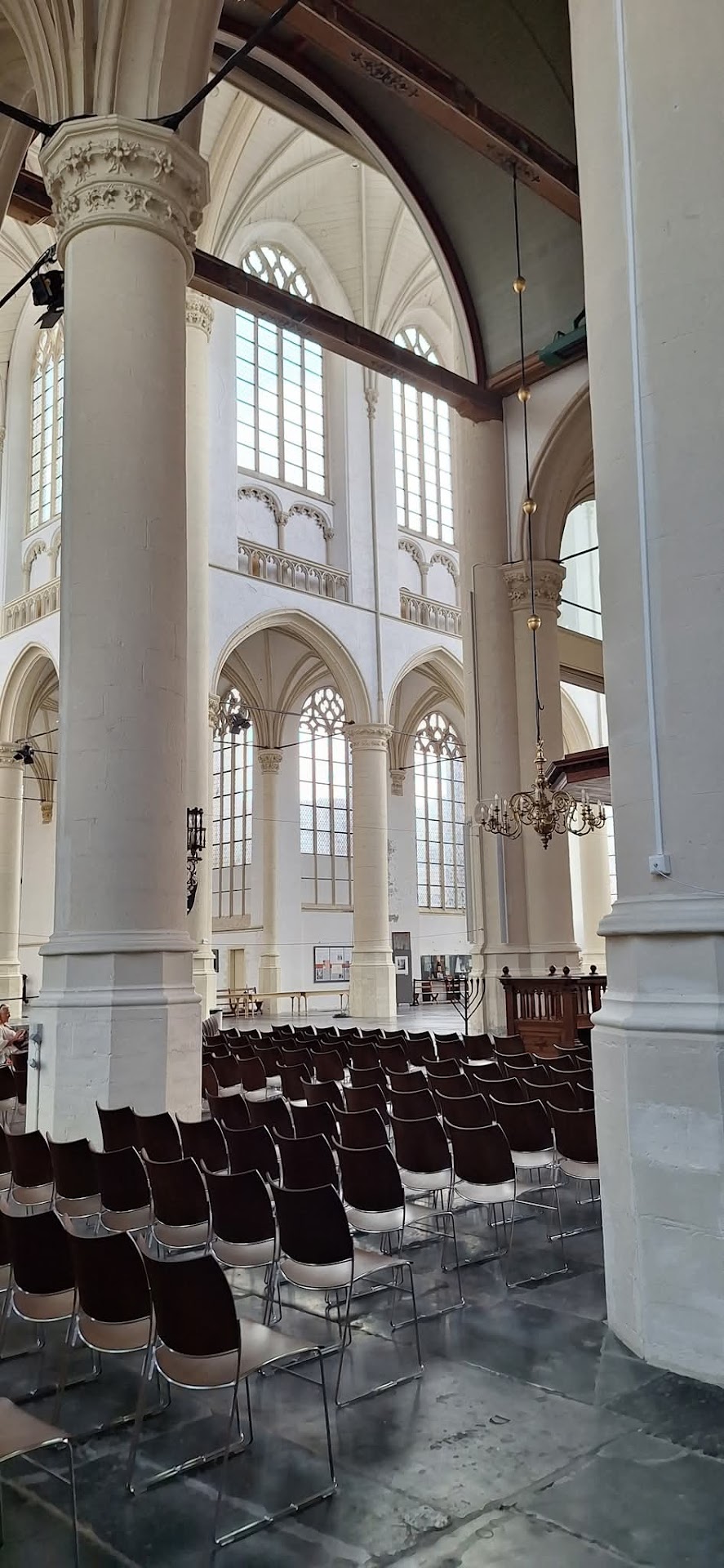
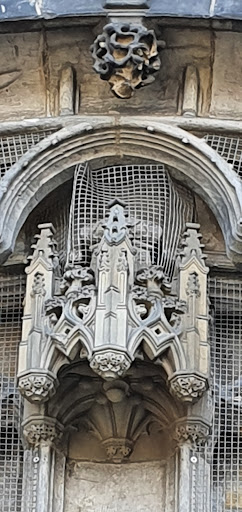
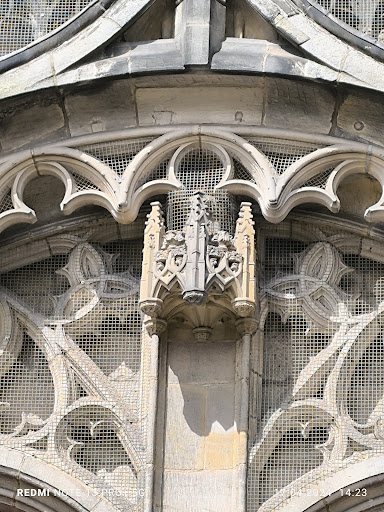
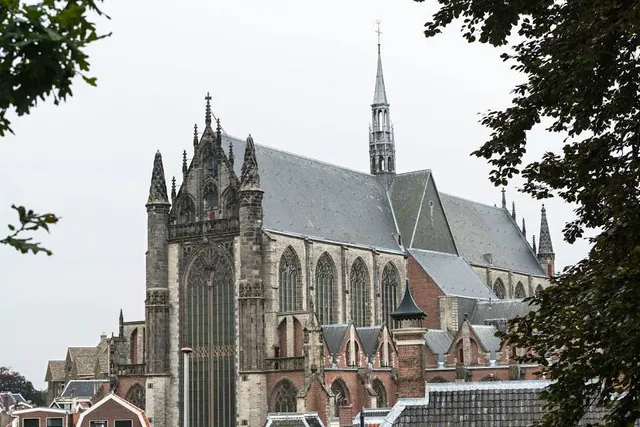
The Hooglandse Kerk is a Gothic church in Leiden. Its earliest parts date back to the last quarter of the fourteenth century. Most of the current structure dates from the fifteenth century. The brick church was dedicated to St. Pancras and today serves parishioners of the Protestant Church in the Netherlands.
Cultural
Scenic
Entertainment
Family friendly
Accessibility
attractions: Burcht van Leiden, Art Gallery SANTINO ® Leiden, Kunsthuis Leiden, Galerie Zône: toegepaste kunst, beeldende kunst en vormgeving, Modernekunst.nl / Modernart.co, Van der Werf Park, Young Rembrandt Studio, Stadsgehoorzaal, Universiteit Leiden, Museum Sint Anna Aalmoeshuis, restaurants: Pavarotti Leiden, De Twee Spieghels, Einstein Leiden, Bocconi Pasta Italiana, Delphi Leiden 🇬🇷, Café De Uyl van Hoogland, Bar Lokaal, The Bishop, De Bonte Koe, Borgman & Borgman, local businesses: Meltem Lekker en Vers, Leiden City Hall, Hartendief, Young Rembrandt Studio, Pieterskerk, Leiden, Sushi Bento, National Museum of Antiquities, Vishandel Atlantic B.V., Het Plantsoen, Il Camino
 Learn more insights from Wanderboat AI.
Phone
+31 71 514 9636
Website
hooglandsekerk.com
Open hoursSee all hours
Wed9 AM - 5 PMClosed
Plan your stay

Pet-friendly Hotels in Leiden
Find a cozy hotel nearby and make it a full experience.

Affordable Hotels in Leiden
Find a cozy hotel nearby and make it a full experience.

The Coolest Hotels You Haven't Heard Of (Yet)
Find a cozy hotel nearby and make it a full experience.

Trending Stays Worth the Hype in Leiden
Find a cozy hotel nearby and make it a full experience.
Reviews
Live events
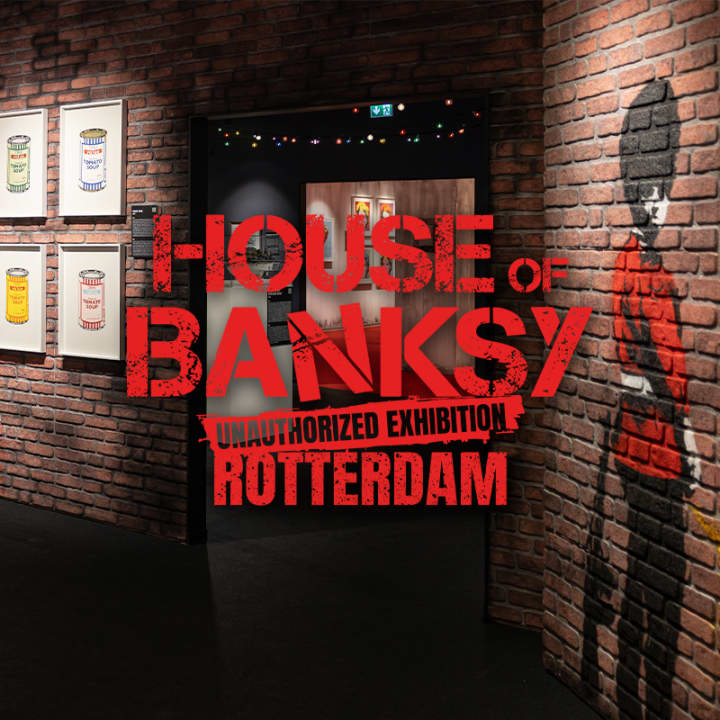
House of Banksy Rotterdam – An Unauthorized Exhibition
Thu, Feb 26 • 10:00 AM
Kop van Zuid, Wilhelminakade 332, Rotterdam, 3072 AR
View details
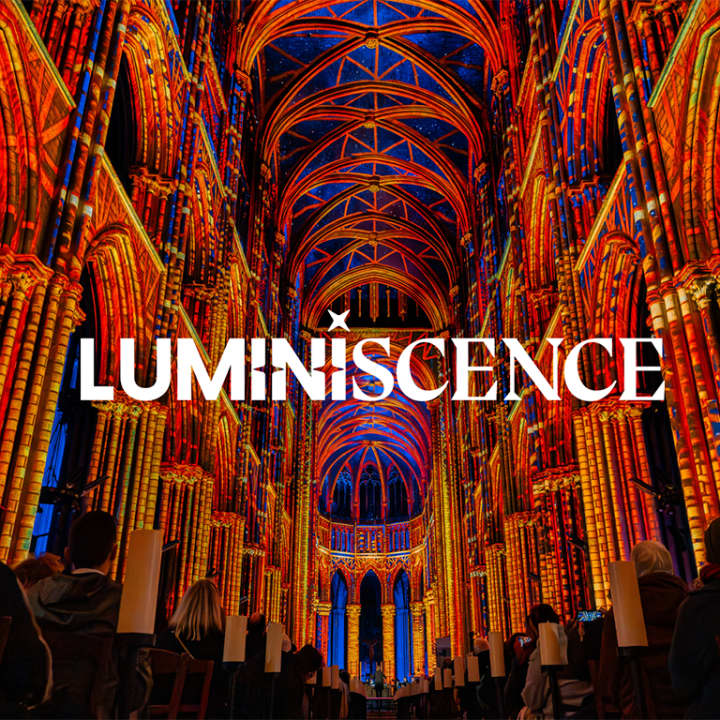
LUMINISCENCE: De meest spectaculaire lichtshow ter wereld, voor het eerst in Nederland!
Thu, Feb 26 • 7:00 PM
HH Geestkerkhof 25, Delft, Netherlands, 2611 HT
View details
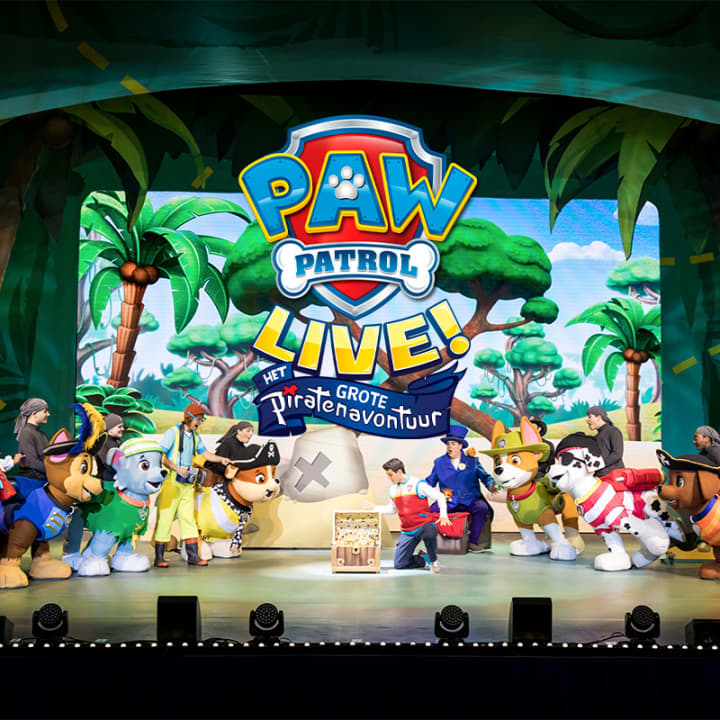
PAW Patrol Live! Het Grote Piratenavontuur - Den Haag
Sat, Feb 28 • 2:00 PM
Churchillplein 10, Den Haag, 2517 JW
View details
Nearby attractions of Hooglandse Kerk
Burcht van Leiden
Art Gallery SANTINO ® Leiden
Kunsthuis Leiden
Galerie Zône: toegepaste kunst, beeldende kunst en vormgeving
Modernekunst.nl / Modernart.co
Van der Werf Park
Young Rembrandt Studio
Stadsgehoorzaal
Universiteit Leiden
Museum Sint Anna Aalmoeshuis
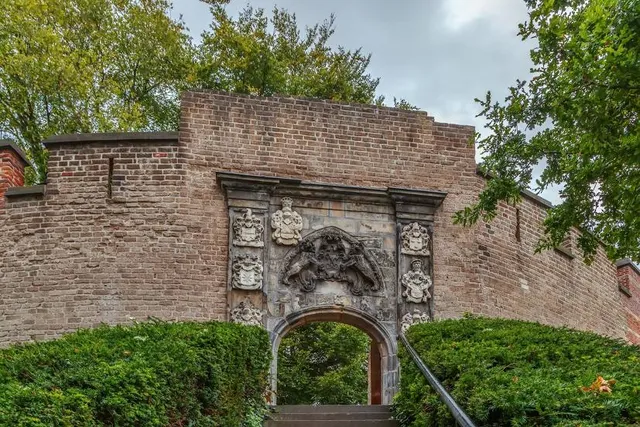
Burcht van Leiden
4.4
(2.2K)
Closed
Click for details

Art Gallery SANTINO ® Leiden
5.0
(40)
Open 24 hours
Click for details

Kunsthuis Leiden
4.3
(35)
Open until 12:00 AM
Click for details

Galerie Zône: toegepaste kunst, beeldende kunst en vormgeving
4.6
(14)
Open until 12:00 AM
Click for details
Nearby restaurants of Hooglandse Kerk
Pavarotti Leiden
De Twee Spieghels
Einstein Leiden
Bocconi Pasta Italiana
Delphi Leiden 🇬🇷
Café De Uyl van Hoogland
Bar Lokaal
The Bishop
De Bonte Koe
Borgman & Borgman
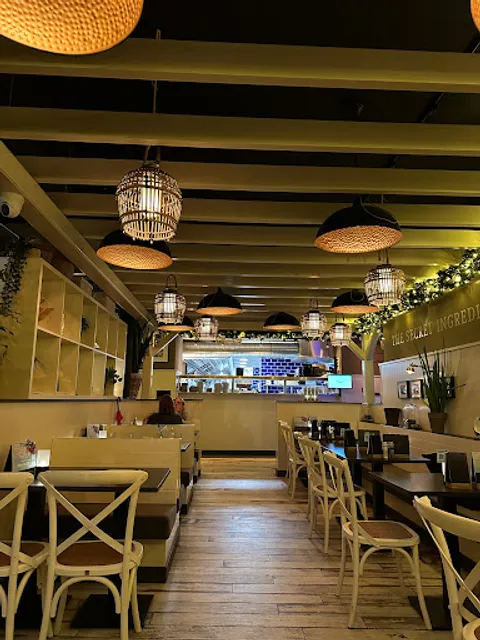
Pavarotti Leiden
4.5
(1.1K)
Open until 12:00 AM
Click for details

De Twee Spieghels
4.5
(406)
Open until 2:00 AM
Click for details
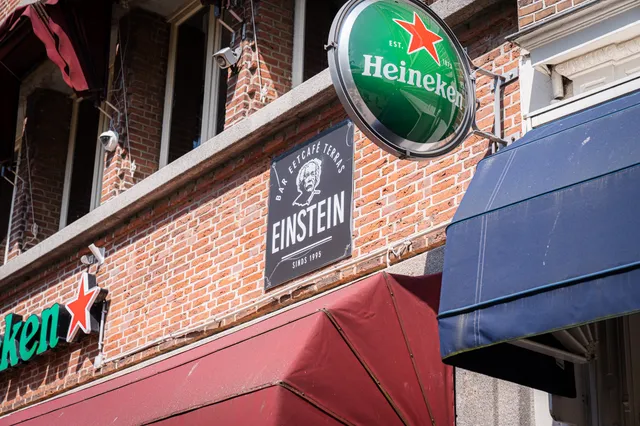
Einstein Leiden
4.2
(1.2K)
Open until 1:00 AM
Click for details
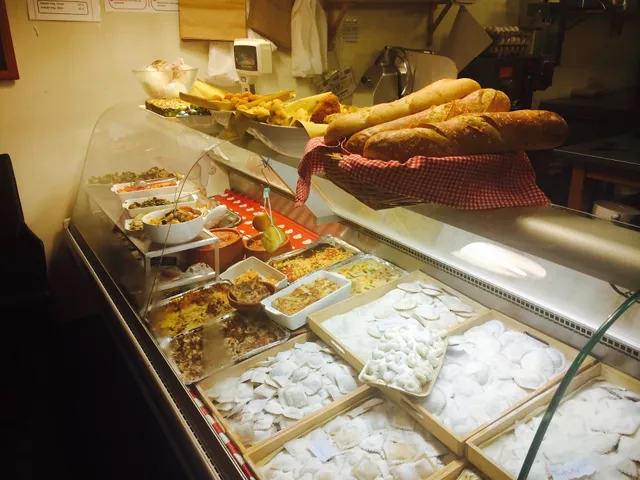
Bocconi Pasta Italiana
4.7
(553)
Closed
Click for details
Nearby local services of Hooglandse Kerk
Meltem Lekker en Vers
Leiden City Hall
Hartendief
Young Rembrandt Studio
Pieterskerk, Leiden
Sushi Bento
National Museum of Antiquities
Vishandel Atlantic B.V.
Het Plantsoen
Il Camino
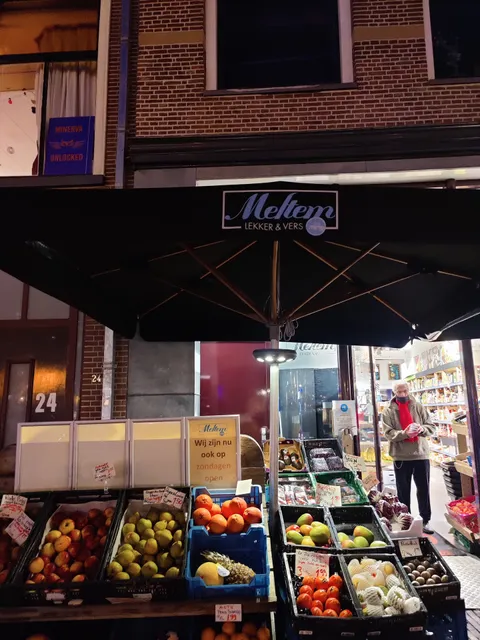
Meltem Lekker en Vers
4.7
(32)
Click for details
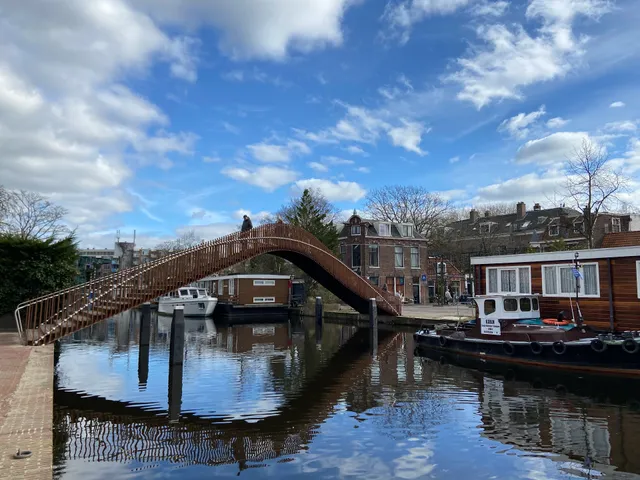
Leiden City Hall
4.3
(80)
Click for details
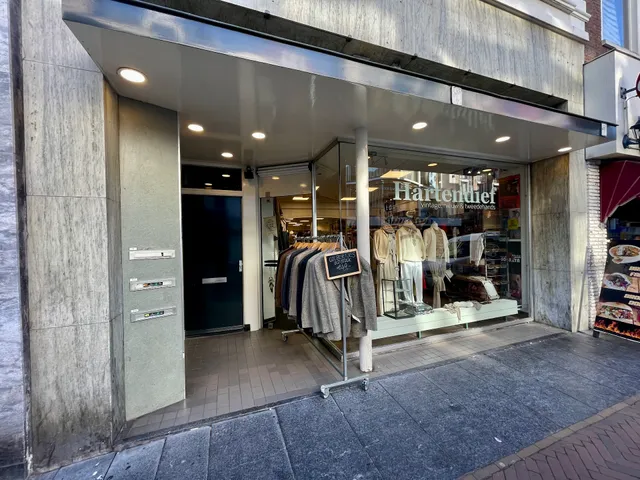
Hartendief
4.3
(30)
Click for details
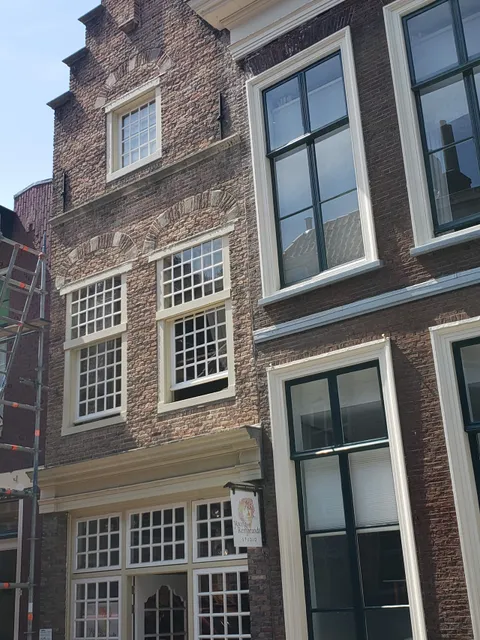
Young Rembrandt Studio
4.6
(116)
Click for details