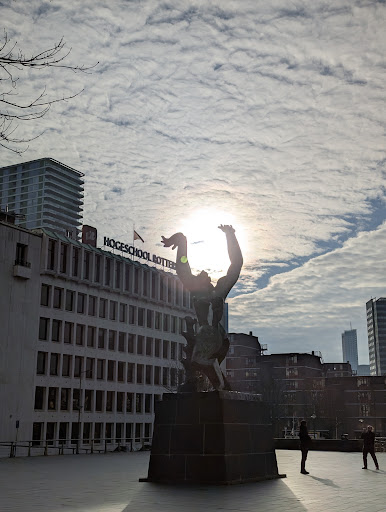
statue The Destroyed City by Ossip Zadkine things to do, attractions, restaurants, events info and trip planning
Basic Info
statue The Destroyed City by Ossip Zadkine
3011 TA Rotterdam, Netherlands
4.6(329)
Open until 12:00 AM
Save
spot
spot
Ratings & Description
Info
The Destroyed City is a bronze memorial sculpture in the Dutch city of Rotterdam. It commemorates the German bombing of Rotterdam on 14 May 1940, which destroyed the medieval centre of the city. Unveiled in 1953, it was designated as a Dutch national monument in 2010.
Cultural
Scenic
Accessibility
attractions: Maritime Museum, IJsvrij | Schaatsbaan, World Trade Center Rotterdam, Fair Play Casino, Cube Houses, Iris Galerie Rotterdam Markthal, Digital Playground, Tyger Home, Port Pavilion, Kids Marina, restaurants: Goginara Korean Charcoal BBQ, Vessel 11, Tensai ramen, Fjord Eat & Drink, Markthal, Olympia Kitchen Bar, The Poké Box Posthoornstraat, Hinoki Noodle Soup, Baek Food & Drinks, BACKYARD, local businesses: Markthal, MediaMarkt Tech Village Rotterdam, Live Escape, De IJsmaker - Witte de Withstraat 7A, Waffel, Musée maritime – Port, Danny de Cactus, Blaak, Comptoir - Tapas & Lounge, Galerie Kralingen
 Learn more insights from Wanderboat AI.
Website
4en5mei.nl
Open hoursSee all hours
WedOpen 24 hoursOpen
Plan your stay

Pet-friendly Hotels in Rotterdam
Find a cozy hotel nearby and make it a full experience.

Affordable Hotels in Rotterdam
Find a cozy hotel nearby and make it a full experience.

The Coolest Hotels You Haven't Heard Of (Yet)
Find a cozy hotel nearby and make it a full experience.

Trending Stays Worth the Hype in Rotterdam
Find a cozy hotel nearby and make it a full experience.
Reviews
Live events
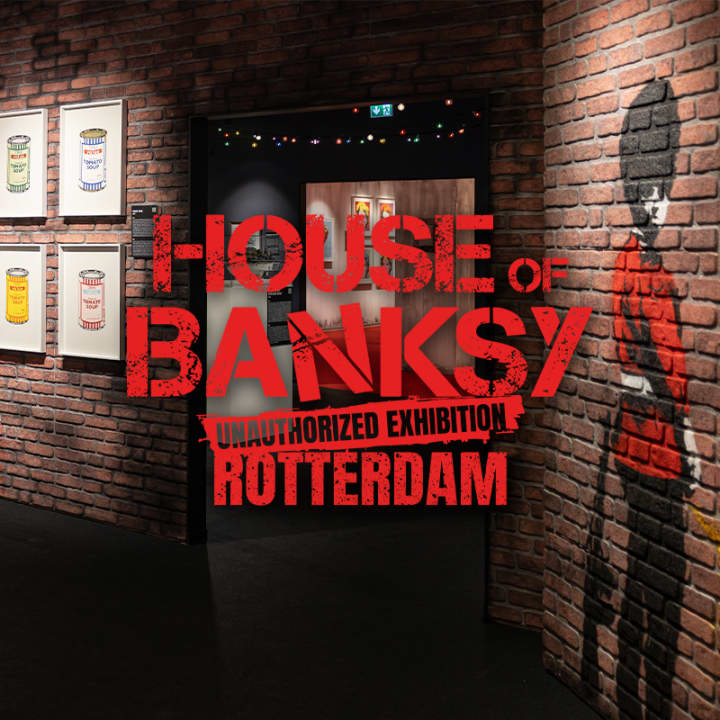
House of Banksy Rotterdam – An Unauthorized Exhibition
Wed, Feb 25 • 10:00 AM
Kop van Zuid, Wilhelminakade 332, Rotterdam, 3072 AR
View details
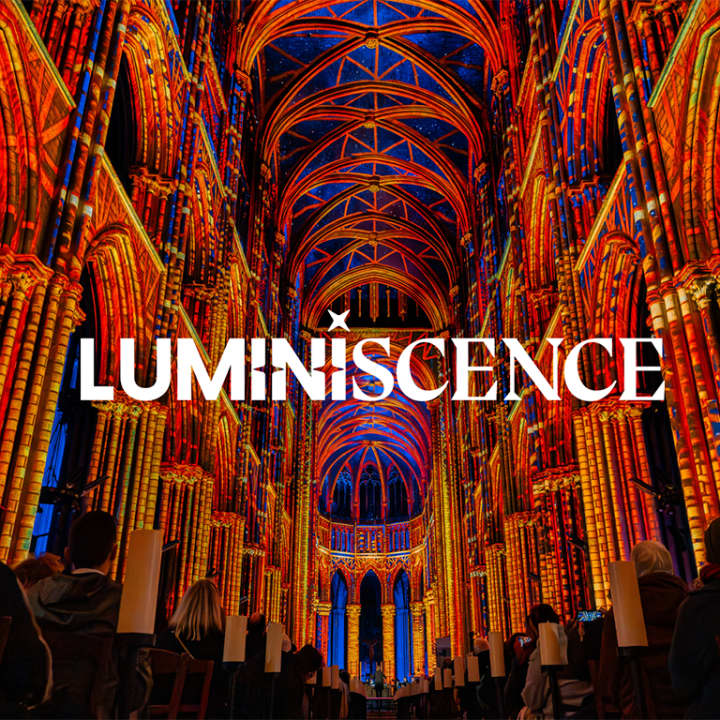
LUMINISCENCE: De meest spectaculaire lichtshow ter wereld, voor het eerst in Nederland!
Wed, Feb 25 • 7:00 PM
HH Geestkerkhof 25, Delft, Netherlands, 2611 HT
View details
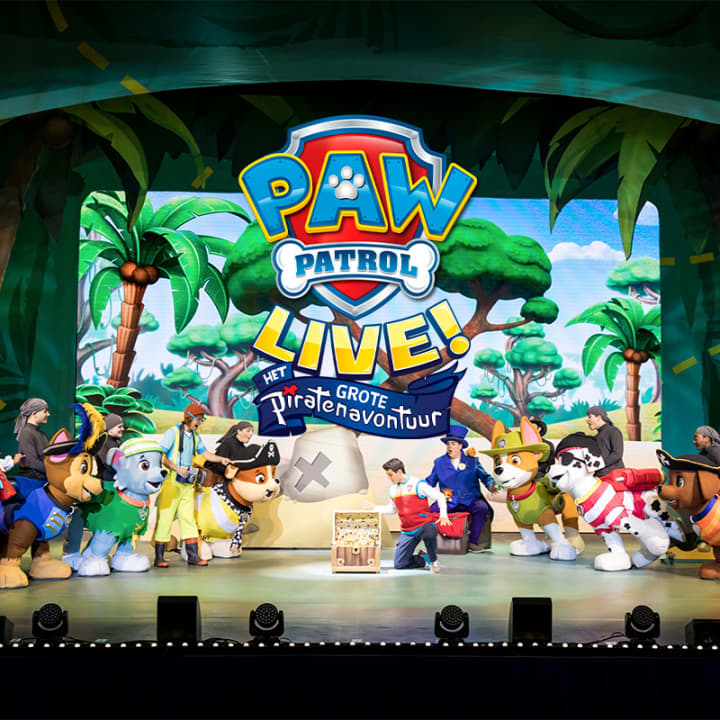
PAW Patrol Live! Het Grote Piratenavontuur - Den Haag
Sat, Feb 28 • 2:00 PM
Churchillplein 10, Den Haag, 2517 JW
View details
Nearby attractions of statue The Destroyed City by Ossip Zadkine
Maritime Museum
IJsvrij | Schaatsbaan
World Trade Center Rotterdam
Fair Play Casino
Cube Houses
Iris Galerie Rotterdam Markthal
Digital Playground
Tyger Home
Port Pavilion
Kids Marina
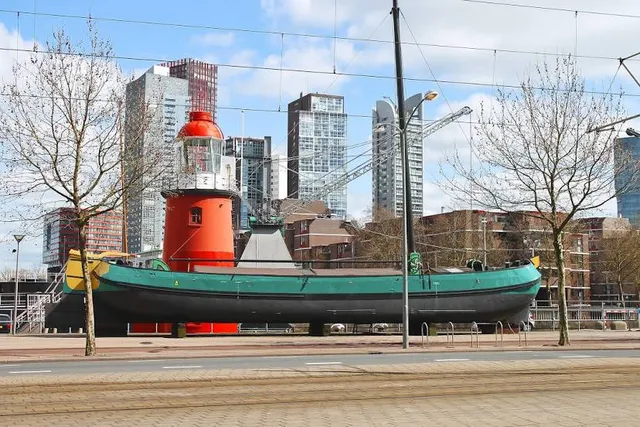
Maritime Museum
4.3
(3.1K)
Open until 5:00 PM
Click for details

IJsvrij | Schaatsbaan
3.9
(41)
Open 24 hours
Click for details

World Trade Center Rotterdam
4.2
(1.5K)
Open until 6:00 PM
Click for details

Fair Play Casino
3.7
(155)
Open until 12:00 AM
Click for details
Nearby restaurants of statue The Destroyed City by Ossip Zadkine
Goginara Korean Charcoal BBQ
Vessel 11
Tensai ramen
Fjord Eat & Drink
Markthal
Olympia Kitchen Bar
The Poké Box Posthoornstraat
Hinoki Noodle Soup
Baek Food & Drinks
BACKYARD

Goginara Korean Charcoal BBQ
4.7
(70)
$$$
Open until 12:00 AM
Click for details
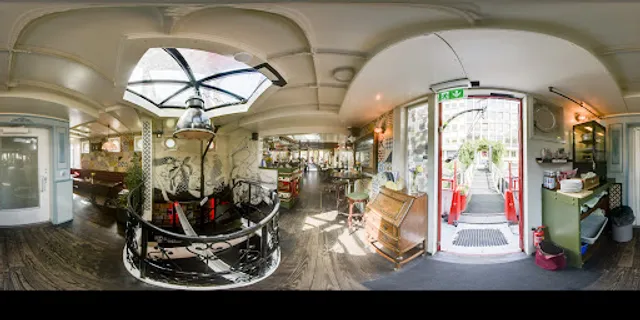
Vessel 11
4.3
(1.4K)
$$
Closed
Click for details
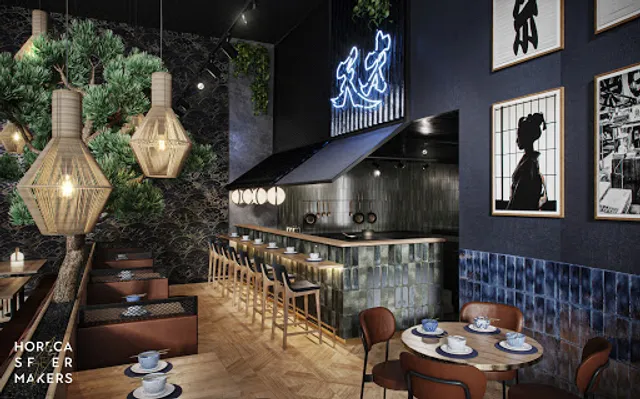
Tensai ramen
4.7
(1.2K)
$
Closed
Click for details
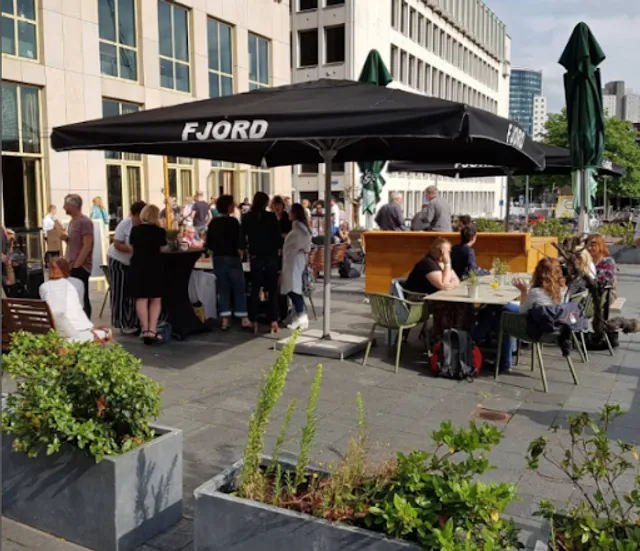
Fjord Eat & Drink
4.2
(239)
$$
Closed
Click for details
Nearby local services of statue The Destroyed City by Ossip Zadkine
Markthal
MediaMarkt Tech Village Rotterdam
Live Escape
De IJsmaker - Witte de Withstraat 7A
Waffel
Musée maritime – Port
Danny de Cactus
Blaak
Comptoir - Tapas & Lounge
Galerie Kralingen
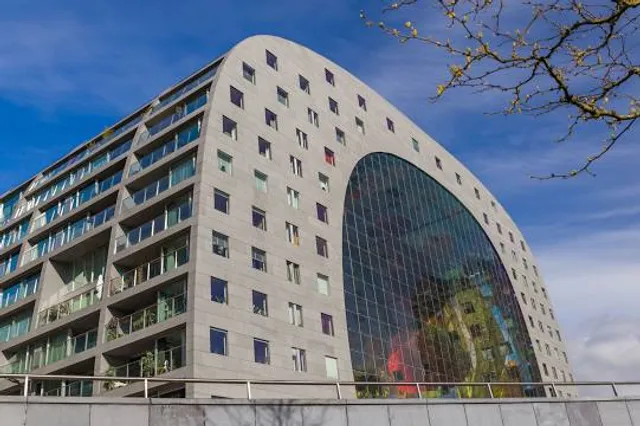
Markthal
4.4
(15.8K)
Click for details
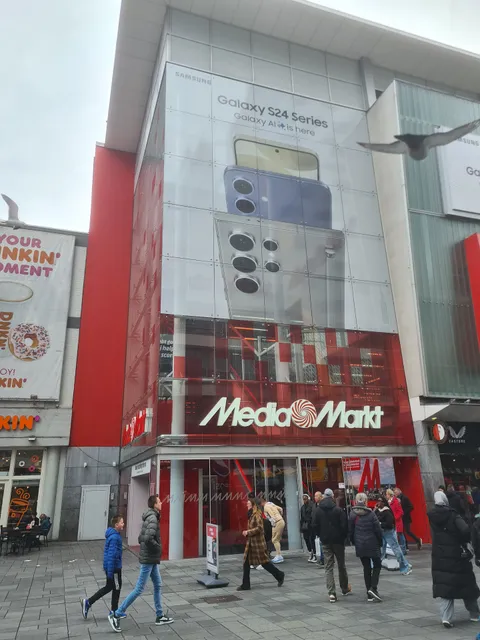
MediaMarkt Tech Village Rotterdam
3.9
(4K)
Click for details
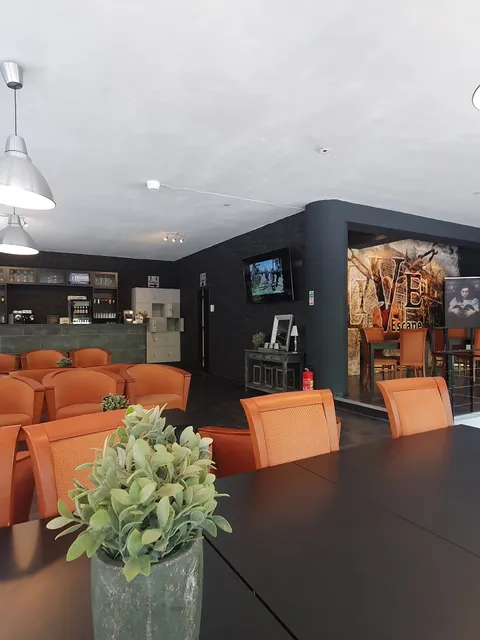
Live Escape
4.6
(623)
Click for details
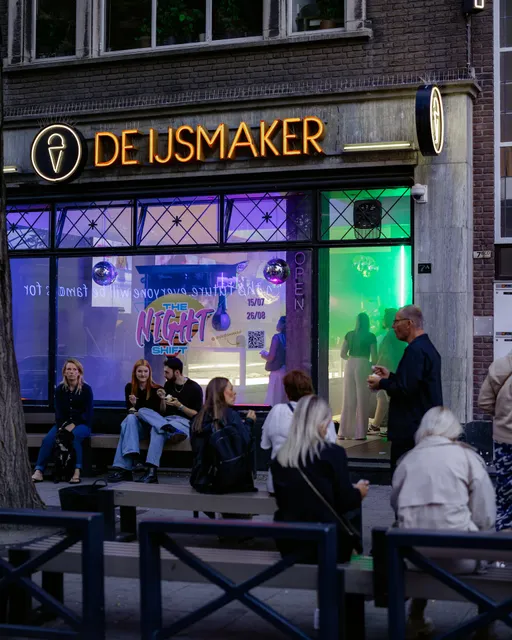
De IJsmaker - Witte de Withstraat 7A
4.3
(693)
Click for details