Rosenkrantz Tower things to do, attractions, restaurants, events info and trip planning
Basic Info
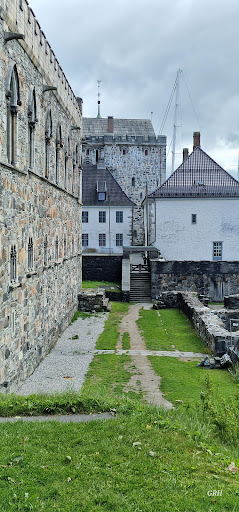
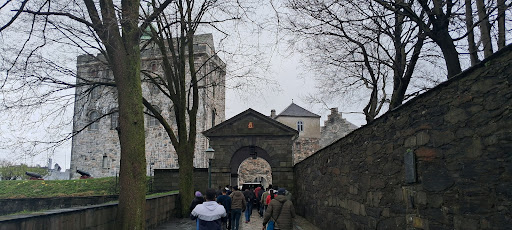
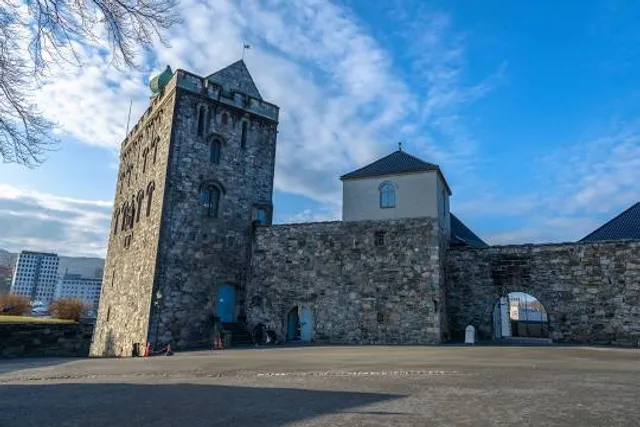
Rosenkrantz Tower
Bergenhus 4, 5003 Bergen, Norway
4.3(299)
Closed

tickets
Save
spot
spot
Ratings & Description
Info
Cultural
Scenic
Family friendly
Accessibility
attractions: Bergenhus Fortress, Håkonshallen - Bymuseet i Bergen, Bergenhus Fortress Museum, Bergen Harbour, Bryggens Museum - Bymuseet i Bergen, Bryggen, Bryggen Hansa Quarter, St. Mary's Church, The Hanseatic Museum and Schøtstuene assembly rooms, Nykirken, restaurants: Statsraaden Bar & Reception, Magic Ice Bar, Dr. Wiesener, 26 North Restaurant & Social Club, Snekkerbrakken, Da Stefano, The Unicorn Fish Restaurant, Bryggeloftet Restaurant, Kaf Kafe Bryggen, Bryggen Tracteursted, local businesses: Bryggen, Seafood People AS, Nirvana Kebab, Bergen Live, Escape Bryggen, Norled AS - Customer Strandkaiterminalen, Bergen cruise port, Fløibanen, Fløibanen, Cruise Terminal Bergen
 Learn more insights from Wanderboat AI.
Phone
+47 55 30 80 38
Website
bymuseet.no
Open hoursSee all hours
Sat10 AM - 4 PMClosed
Plan your stay

Pet-friendly Hotels in Bergen
Find a cozy hotel nearby and make it a full experience.

Affordable Hotels in Bergen
Find a cozy hotel nearby and make it a full experience.

The Coolest Hotels You Haven't Heard Of (Yet)
Find a cozy hotel nearby and make it a full experience.

Trending Stays Worth the Hype in Bergen
Find a cozy hotel nearby and make it a full experience.
Reviews
Live events

Discover Bergen’s rich history and vibrant present
Sat, Feb 21 • 10:00 AM
5003, Bergen, Norway
View details
Bergen Murder Mystery: Solve the case!
Sun, Feb 1 • 12:00 AM
Torgallmenningen, Bergen, 5014
View details

Sailing in the fjords and discover Lysøen
Sat, Feb 21 • 9:00 AM
5259, Bergen, Norway
View details
Nearby attractions of Rosenkrantz Tower
Bergenhus Fortress
Håkonshallen - Bymuseet i Bergen
Bergenhus Fortress Museum
Bergen Harbour
Bryggens Museum - Bymuseet i Bergen
Bryggen
Bryggen Hansa Quarter
St. Mary's Church
The Hanseatic Museum and Schøtstuene assembly rooms
Nykirken
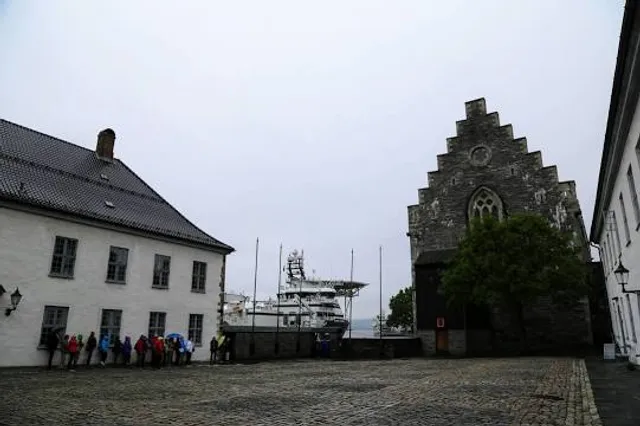
Bergenhus Fortress
4.4
(3.4K)
Open until 11:00 PM
Click for details
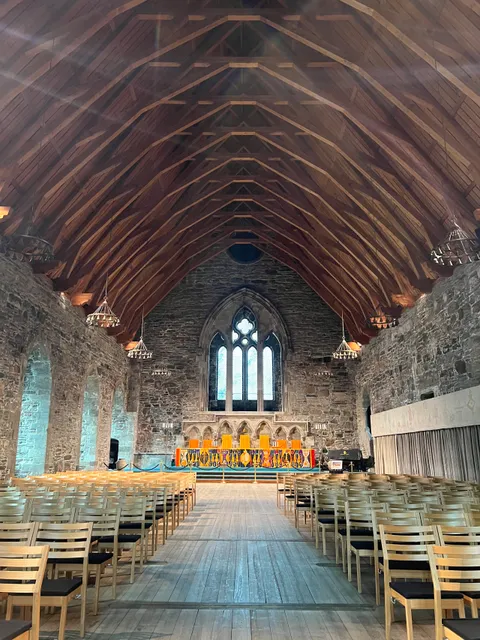
Håkonshallen - Bymuseet i Bergen
4.3
(346)
Closed
Click for details
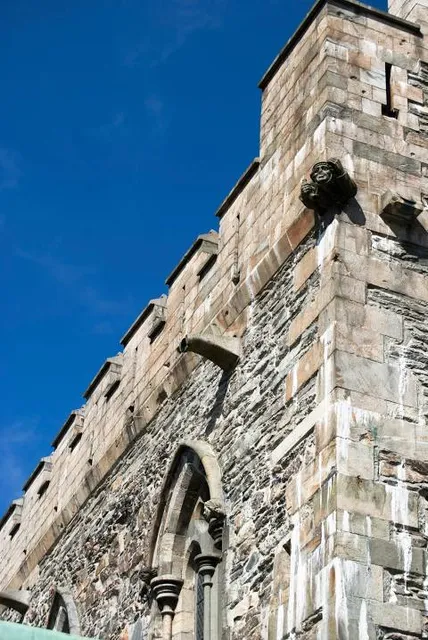
Bergenhus Fortress Museum
4.6
(249)
Open 24 hours
Click for details
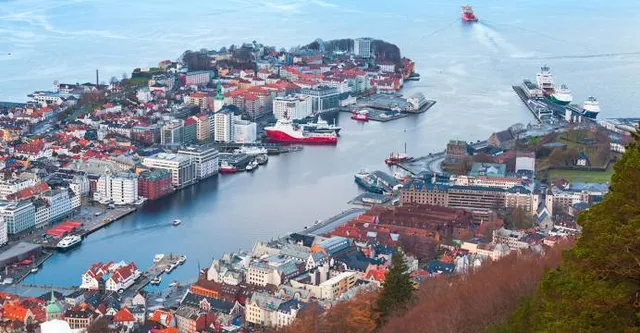
Bergen Harbour
4.7
(510)
Open until 12:00 AM
Click for details
Nearby restaurants of Rosenkrantz Tower
Statsraaden Bar & Reception
Magic Ice Bar
Dr. Wiesener
26 North Restaurant & Social Club
Snekkerbrakken
Da Stefano
The Unicorn Fish Restaurant
Bryggeloftet Restaurant
Kaf Kafe Bryggen
Bryggen Tracteursted
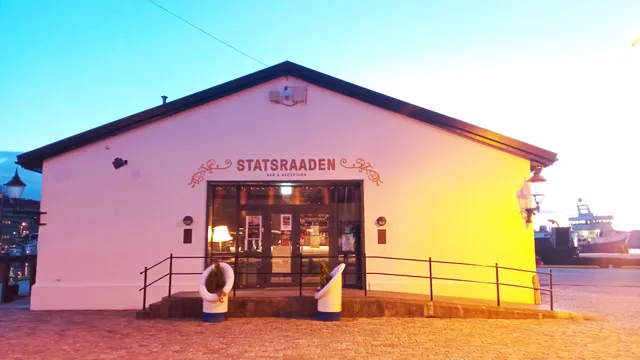
Statsraaden Bar & Reception
4.5
(216)
Closed
Click for details
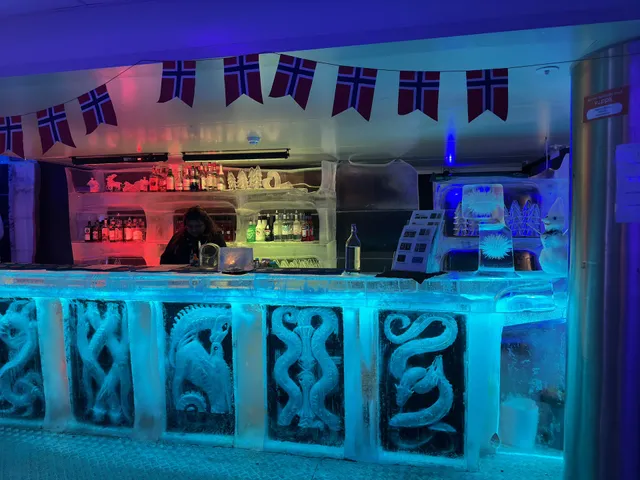
Magic Ice Bar
4.4
(798)
$$
Click for details
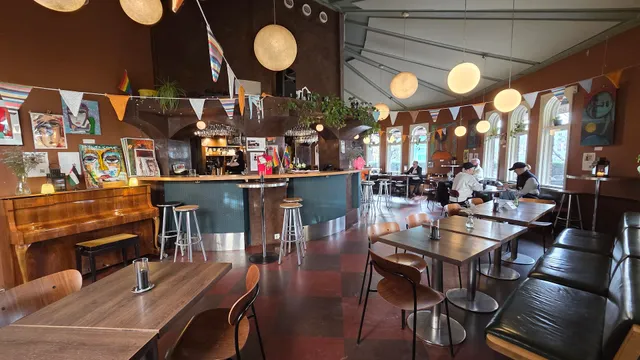
Dr. Wiesener
4.6
(358)
$$
Closed
Click for details
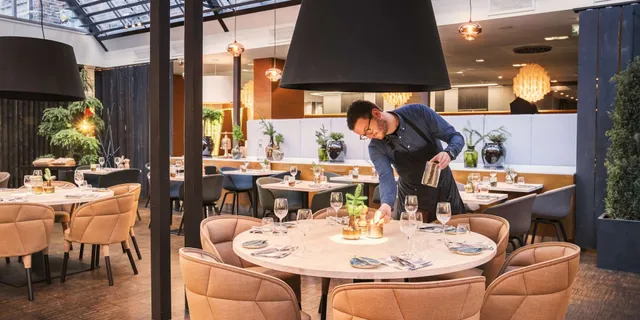
26 North Restaurant & Social Club
3.7
(163)
Closed
Click for details
Nearby local services of Rosenkrantz Tower
Bryggen
Seafood People AS
Nirvana Kebab
Bergen Live
Escape Bryggen
Norled AS - Customer Strandkaiterminalen
Bergen cruise port
Fløibanen
Fløibanen
Cruise Terminal Bergen
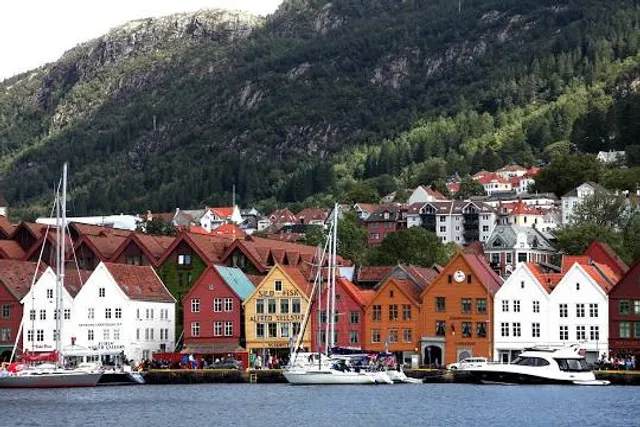
Bryggen
4.7
(1.2K)
Click for details

Seafood People AS
4.3
(15)
Click for details
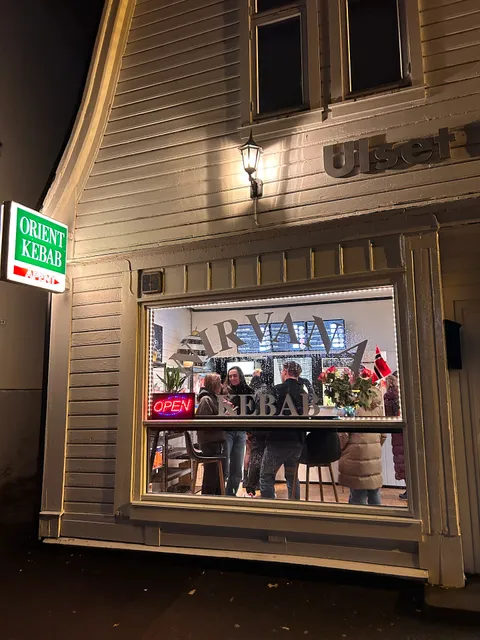
Nirvana Kebab
4.4
(314)
Click for details
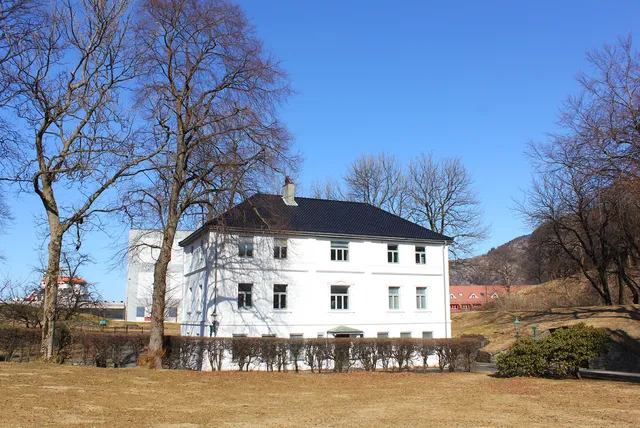
Bergen Live
4.5
(53)
Click for details