Our Lady of Remedies Parish Church things to do, attractions, restaurants, events info and trip planning
Basic Info
Our Lady of Remedies Parish Church
HX9P+J2R, 2000 Del Pilar St, Malate, Manila, 1004 Metro Manila, Philippines
4.6(810)
Open 24 hours
Save
spot
spot
Ratings & Description
Info
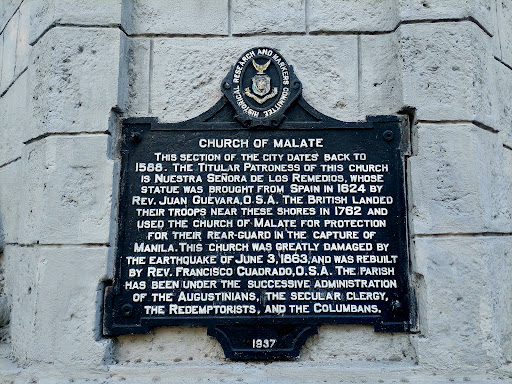
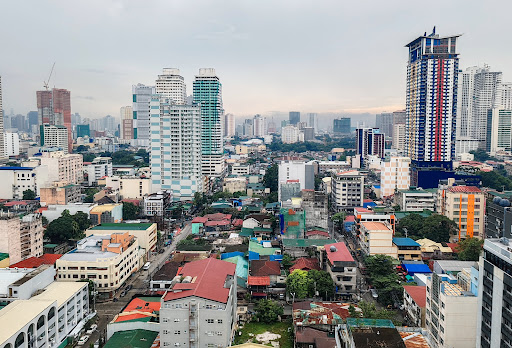
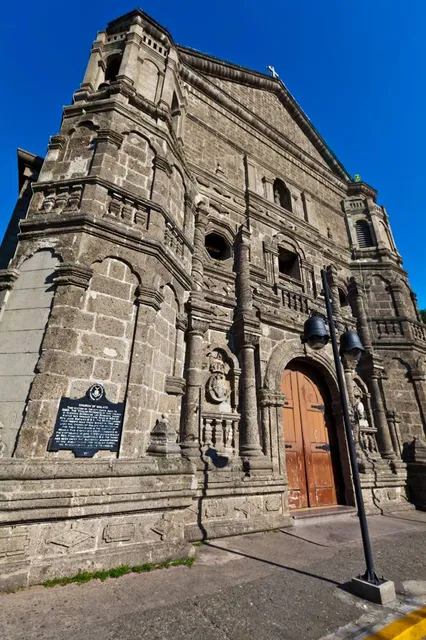
The Our Lady of Remedies Parish, also known as Malate Church, is a parish church in the district of Malate in the city of Manila, Philippines. This Mexican Baroque-style church is overlooking Plaza Rajah Sulayman and, ultimately, Manila Bay.
Cultural
Scenic
Family friendly
Accessibility
attractions: Rajah Sulayman Park, Aquasphere Waterpark, Manila Zoo, Manila Bay Beach, Manila Korea town, Manila Baywalk Dolomite Beach, Children's Road Safety Park, The Butterfly Garden, restaurants: Cafe Roo Malate - Premium Rooftop Cafe, The Aristocrat Restaurant, Max's Restaurant - Malate, Wok Inn, Shakey's Pizza Parlor, Premier The Samgyupsal - Malate, Cafe Adriatico, Bistro Remedios, INTRO LOUNGE BAR & RESTAURANT, Chung Dam Korean Fine Dining Restaurant Malate, local businesses: Manila Bay Beach, Billionaire Sports Pub (빌리어네어 당구펍), Room 526 International Luxury Lounge, Forbest Grill - Korea Town Manila, Robinsons Place Manila, Coconut Palace, Lobby Lounge @ Diamond Hotel Philippines, El Atrio | Admiral Hotel Manila, Robinsons Manila Atrium, Metropolitan Museum of Manila
 Learn more insights from Wanderboat AI.
Phone
+63 2 8523 2593
Website
malatecatholicchurch.org
Plan your stay

Pet-friendly Hotels in Manila
Find a cozy hotel nearby and make it a full experience.

Affordable Hotels in Manila
Find a cozy hotel nearby and make it a full experience.

The Coolest Hotels You Haven't Heard Of (Yet)
Find a cozy hotel nearby and make it a full experience.

Trending Stays Worth the Hype in Manila
Find a cozy hotel nearby and make it a full experience.
Reviews
Live events
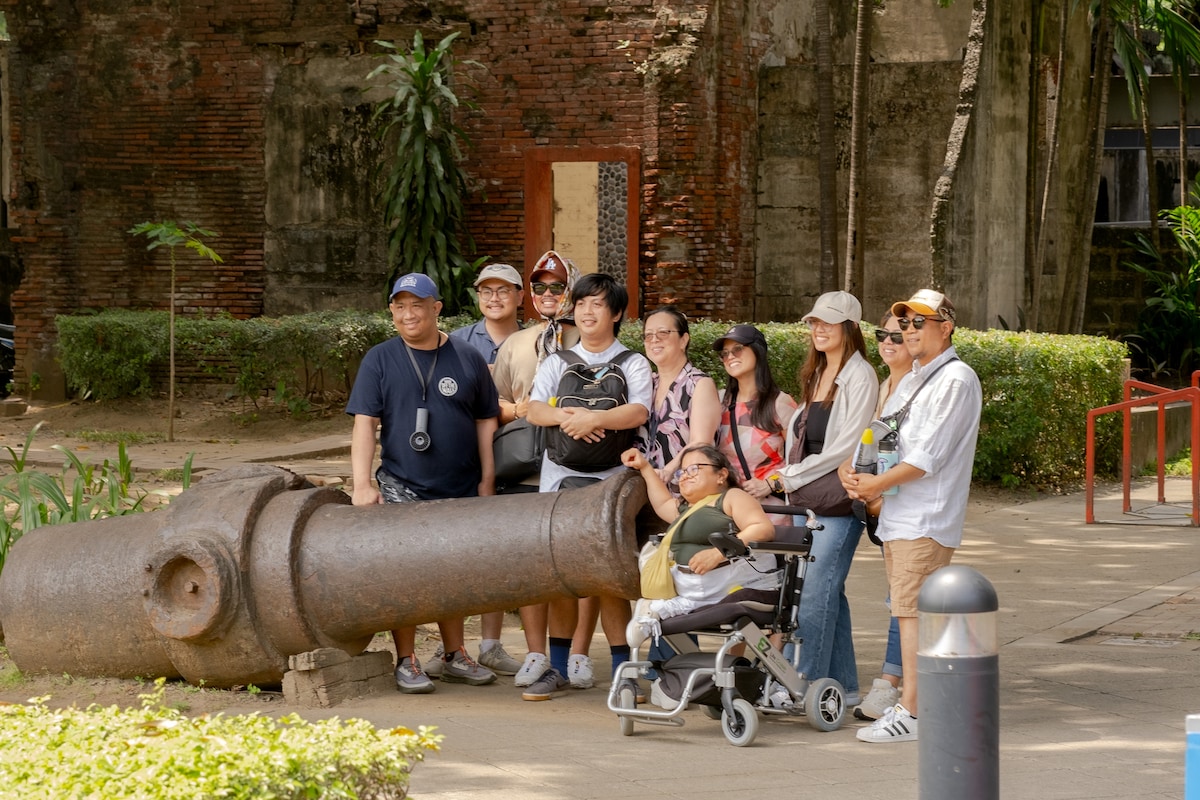
Explore Intramuros with Local Guide
Wed, Jan 28 • 9:00 AM
Manila, 1002, Metro Manila, Philippines
View details
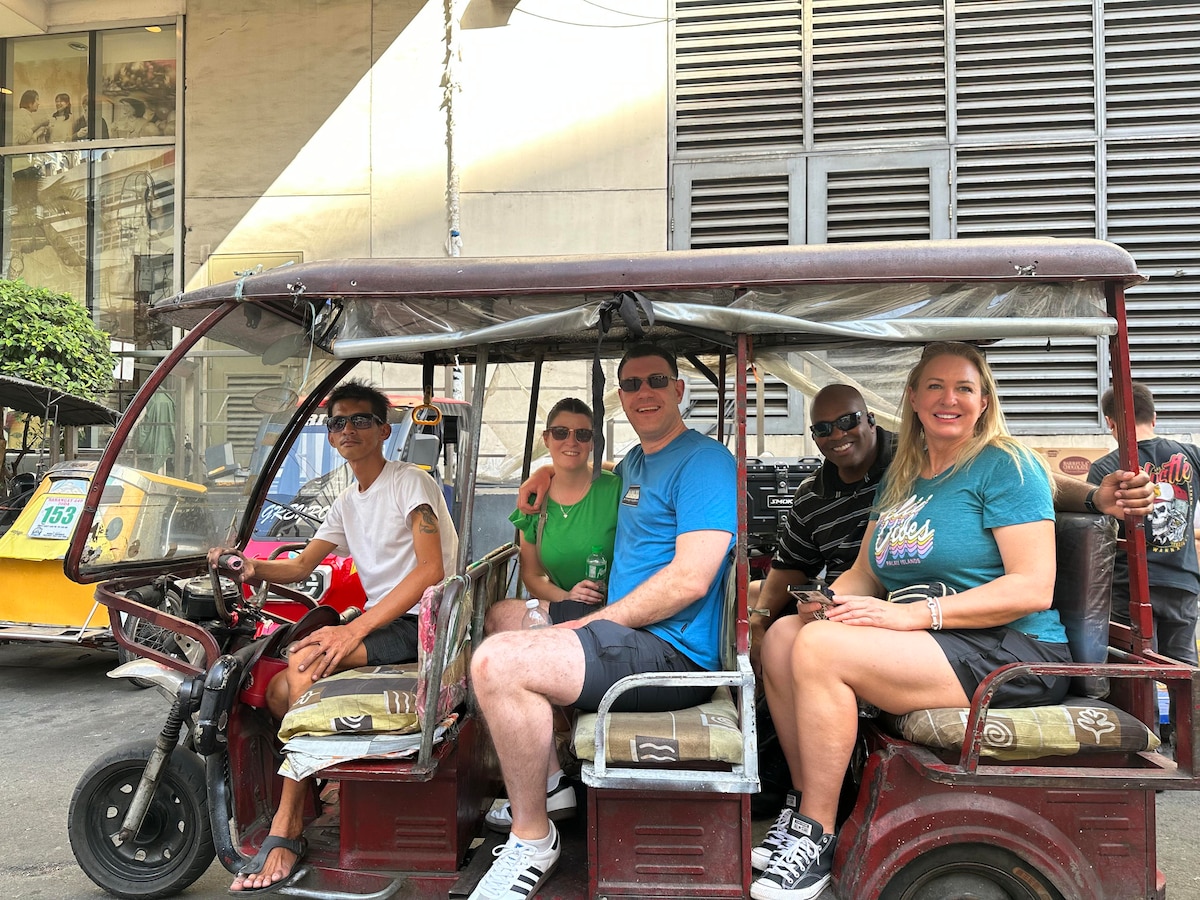
Discover the Real Manila with Tuktuk and Jeepney
Wed, Jan 28 • 8:00 AM
Manila, 1012, Metro Manila, Philippines
View details

Makati Street Food Experience End in a Rooftop Bar
Wed, Jan 28 • 6:00 PM
Makati, 1210, Metro Manila, Philippines
View details
Nearby attractions of Our Lady of Remedies Parish Church
Rajah Sulayman Park
Aquasphere Waterpark
Manila Zoo
Manila Bay Beach
Manila Korea town
Manila Baywalk Dolomite Beach
Children's Road Safety Park
The Butterfly Garden
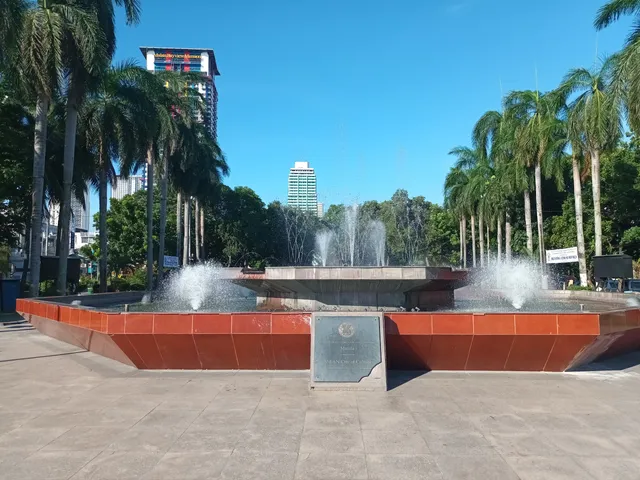
Rajah Sulayman Park
4.2
(307)
Open until 12:00 AM
Click for details
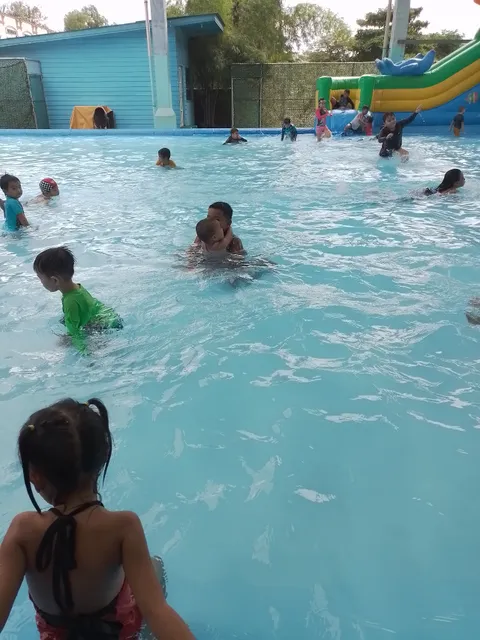
Aquasphere Waterpark
3.5
(24)
Open 24 hours
Click for details
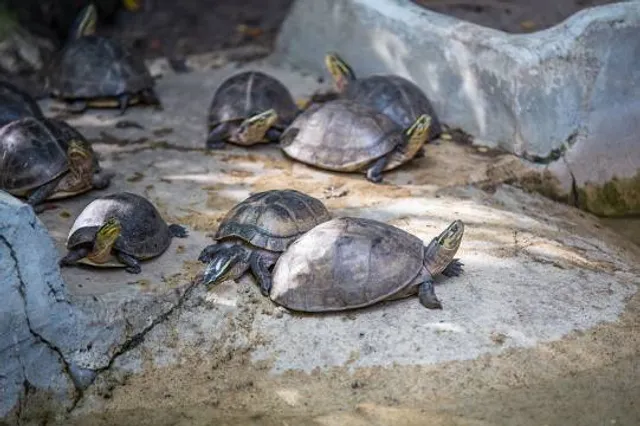
Manila Zoo
3.7
(2.6K)
Closed
Click for details
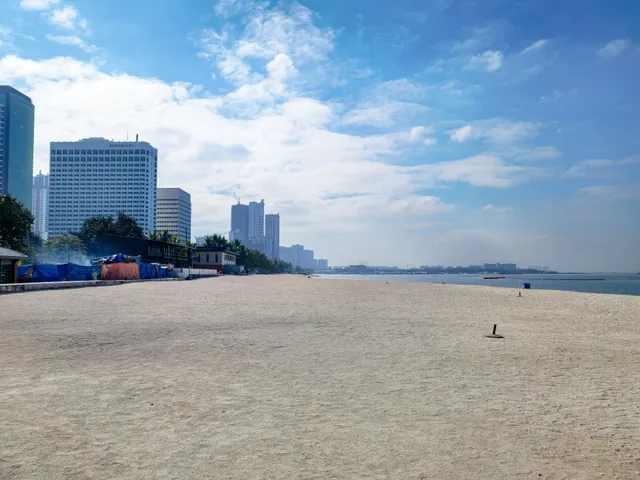
Manila Bay Beach
4.2
(2.9K)
Open until 6:00 PM
Click for details
Nearby restaurants of Our Lady of Remedies Parish Church
Cafe Roo Malate - Premium Rooftop Cafe
The Aristocrat Restaurant
Max's Restaurant - Malate
Wok Inn
Shakey's Pizza Parlor
Premier The Samgyupsal - Malate
Cafe Adriatico
Bistro Remedios
INTRO LOUNGE BAR & RESTAURANT
Chung Dam Korean Fine Dining Restaurant Malate
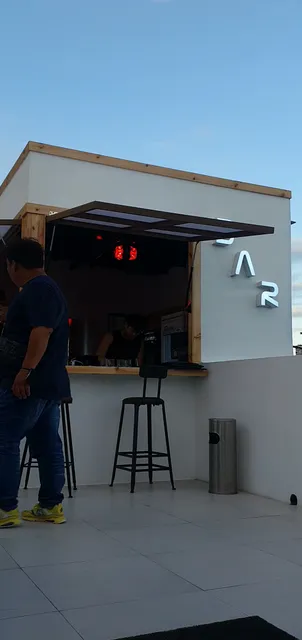
Cafe Roo Malate - Premium Rooftop Cafe
4.8
(1.1K)
Closed
Click for details
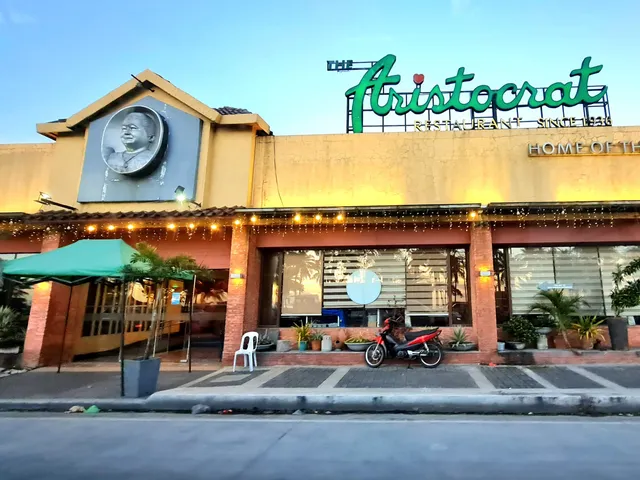
The Aristocrat Restaurant
4.2
(2K)
Open until 12:00 AM
Click for details
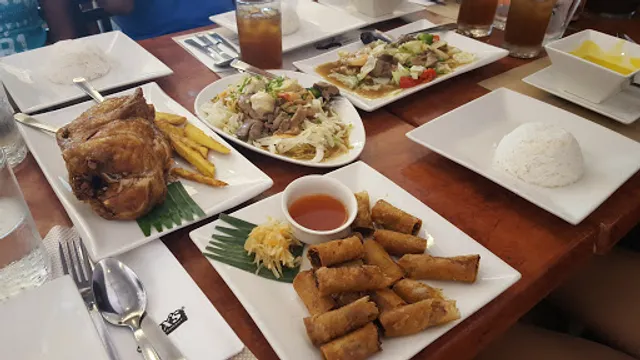
Max's Restaurant - Malate
4.2
(546)
$$
Closed
Click for details
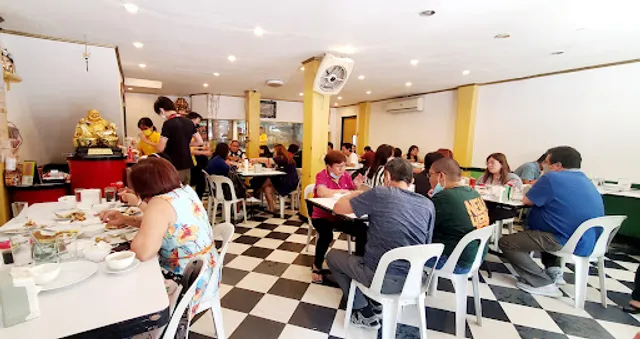
Wok Inn
4.4
(218)
Closed
Click for details
Nearby local services of Our Lady of Remedies Parish Church
Manila Bay Beach
Billionaire Sports Pub (빌리어네어 당구펍)
Room 526 International Luxury Lounge
Forbest Grill - Korea Town Manila
Robinsons Place Manila
Coconut Palace
Lobby Lounge @ Diamond Hotel Philippines
El Atrio | Admiral Hotel Manila
Robinsons Manila Atrium
Metropolitan Museum of Manila
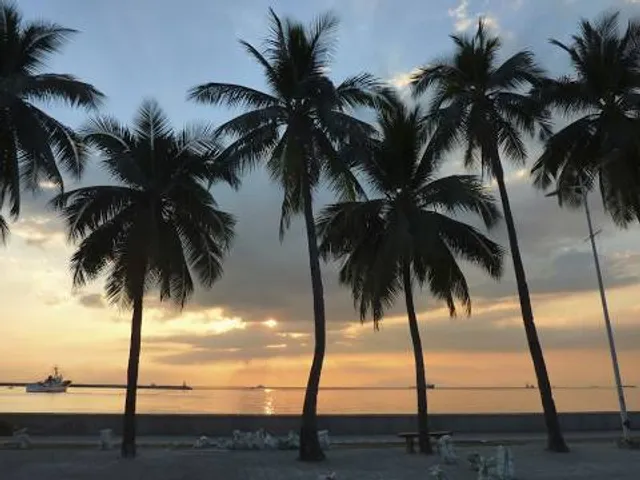
Manila Bay Beach
4.2
(52)
Click for details
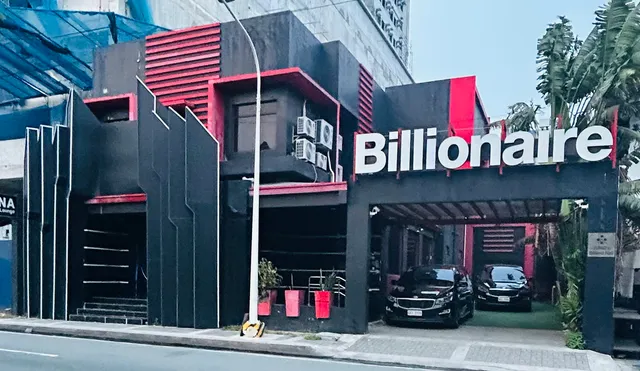
Billionaire Sports Pub (빌리어네어 당구펍)
4.1
(28)
Click for details
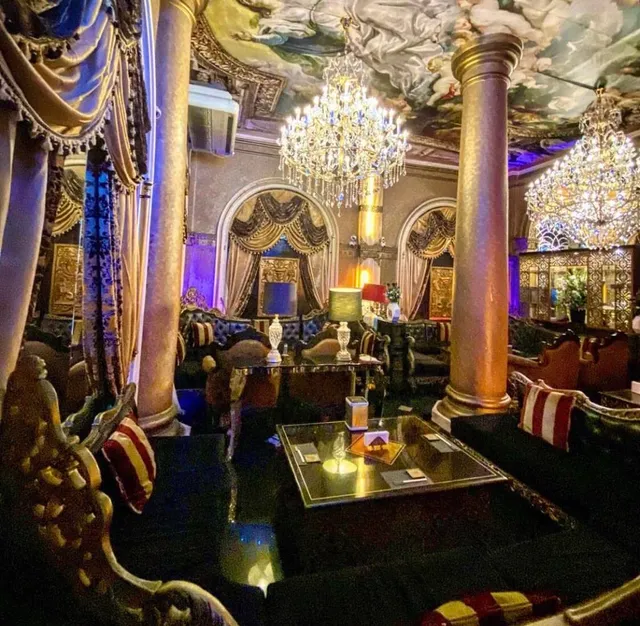
Room 526 International Luxury Lounge
4.3
(103)
Click for details
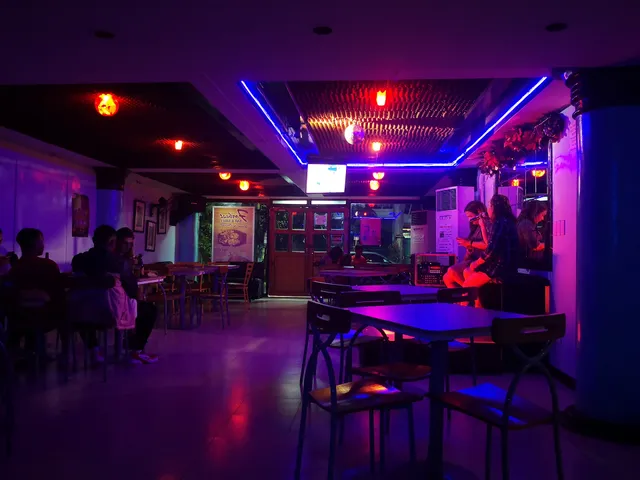
Forbest Grill - Korea Town Manila
4.2
(50)
Click for details