HTML SitemapExplore
logo
Find Things to DoFind The Best Restaurants

Monument to the Fallen Shipyard Workers of 1970 — Attraction in Gdansk

Name
Monument to the Fallen Shipyard Workers of 1970
Description
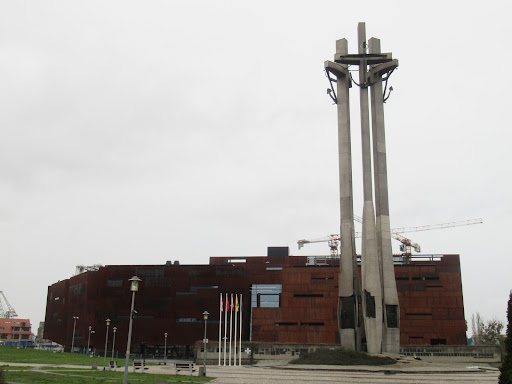
The Monument to the fallen Shipyard Workers 1970 was unveiled on 16 December 1980 near the entrance to what was then the Lenin Shipyard in Gdańsk, Poland. It commemorates the 42 or more people killed during the Coastal cities events in December 1970.
Nearby attractions
European Solidarity Centre
pI. Solidarności 1, 80-863 Gdańsk, Poland
BHP Hall
Księdza Jerzego Popiełuszki 6, 80-864 Gdańsk, Poland
NOMUS Nowe Muzeum Sztuki. Dział Muzeum Narodowego w Gdańsku
Stefana Jaracza 14, 80-863 Gdańsk, Poland
Gdansk Gallery of Photography
NOMUS, Stefana Jaracza 14, 80-863 Gdańsk, Poland
Góra Gradowa
Gradowa, 80-001 Gdańsk, Poland
Amber AXE | AXE throwing club | Gdańsk
Niterów 29b, 80-864 Gdańsk, Poland
Muzeum Bursztynu. Oddział Muzeum Gdańska
Wielkie Młyny 16, 80-849 Gdańsk, Poland
Museum of the Second World War
plac Władysława Bartoszewskiego 1, 80-862 Gdańsk, Poland
St. Catherine's Church
Profesorska 3, 80-856 Gdańsk, Poland
Kindertransport Memorial
80-980 Gdańsk, Poland
Nearby restaurants
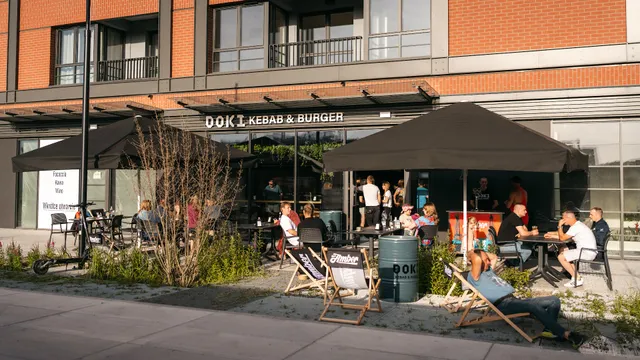
DOKI KEBAB & BURGER
Księdza Jerzego Popiełuszki 22, 80-864 Gdańsk, Poland
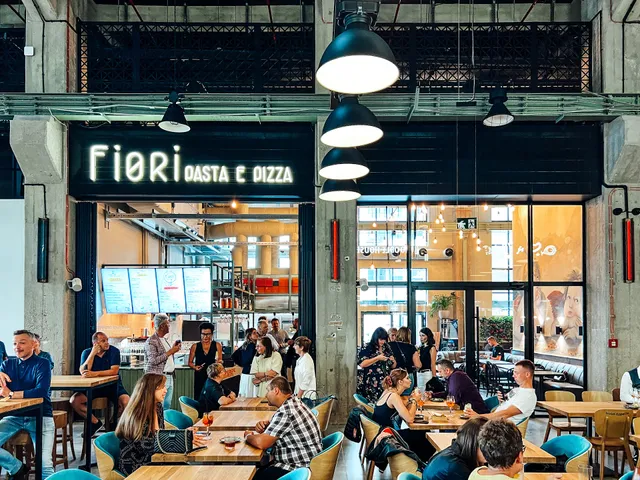
Fiori Pasta e Pizza
Lisia Grobla 7, 80-860 Gdańsk, Poland
Restauracja La Fontaine | Kuchnia Polska | Obiady domowe | Imprezy okolicznościowe Gdańsk
Kupiecka 5, 80-852 Gdańsk, Poland
Panorama
ul. Wały Piastowskie 1 (Zieleniak 16 piętro), 80-854 Gdańsk
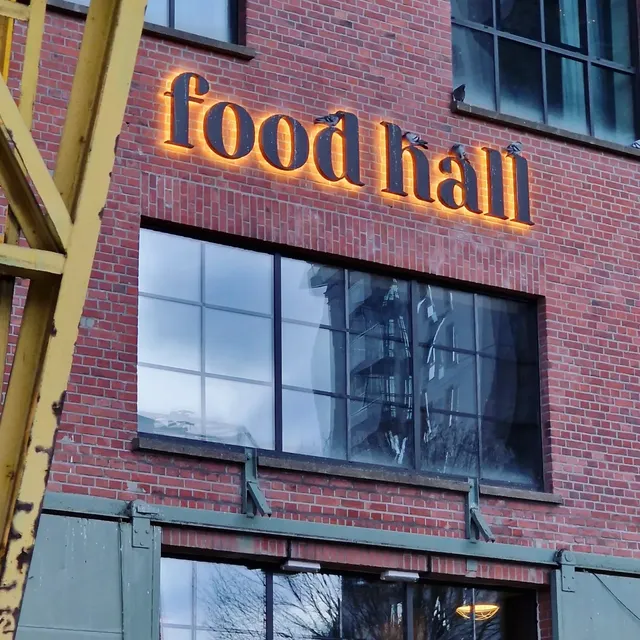
Green Egg Montownia
Food Hall Montownia, Lisia Grobla 7, 80-860 Gdańsk, Poland
Swojski Smak
Jana Heweliusza 25/27, 80-861 Gdańsk, Poland
ZERO ZERO
Narzędziowców 9, 80-864 Gdańsk, Poland
Trattoria Al Dente
Rajska 12, 80-850 Gdańsk, Poland
SUMO RAMEN GDA. 相撲ラーメン屋
Księdza Jerzego Popiełuszki 22/14, 80-864 Gdańsk, Poland
Neon Gdańsk
Księdza Jerzego Popiełuszki 22, 80-864 Gdańsk, Poland
Nearby hotels
Hostel Filip
Wały Piastowskie 11/12, 80-855 Gdańsk
Olympic Hostel
ul, Jana z Kolna 7/7, 80-864 Gdańsk, Poland
Youth Hostel
Wałowa 21, 80-858 Gdańsk, Poland
Montownia Lofts & Experience Gdańsk. MORE THAN A HOTEL
Lisia Grobla 7, 80-860 Gdańsk, Poland
Maya’s Apartments
Toruńska 22, 80-747 Gdańsk, Poland
Hostel Filip II
Aksamitna 2, 80-858 Gdańsk, Poland
ibis Gdansk Stare Miasto
Jana Heweliusza 24, 80-861 Gdańsk, Poland
Hotel Mercure Gdańsk Stare Miasto
Jana Heweliusza 22, 80-890 Gdańsk, Poland
Grand Apartments Waterlane Vintage
Wałowa 17/12, 80-858 Gdańsk, Poland
Grand Apartments Bastion Wałowa - Zarządzanie wynajmem
Wałowa 25, 80-858 Gdańsk, Poland
Related posts
Keywords
Monument to the Fallen Shipyard Workers of 1970 tourism.Monument to the Fallen Shipyard Workers of 1970 hotels.Monument to the Fallen Shipyard Workers of 1970 bed and breakfast. flights to Monument to the Fallen Shipyard Workers of 1970.Monument to the Fallen Shipyard Workers of 1970 attractions.Monument to the Fallen Shipyard Workers of 1970 restaurants.Monument to the Fallen Shipyard Workers of 1970 travel.Monument to the Fallen Shipyard Workers of 1970 travel guide.Monument to the Fallen Shipyard Workers of 1970 travel blog.Monument to the Fallen Shipyard Workers of 1970 pictures.Monument to the Fallen Shipyard Workers of 1970 photos.Monument to the Fallen Shipyard Workers of 1970 travel tips.Monument to the Fallen Shipyard Workers of 1970 maps.Monument to the Fallen Shipyard Workers of 1970 things to do.
Monument to the Fallen Shipyard Workers of 1970 things to do, attractions, restaurants, events info and trip planning
Monument to the Fallen Shipyard Workers of 1970
PolandPomeranian VoivodeshipGdanskMonument to the Fallen Shipyard Workers of 1970

Basic Info

Monument to the Fallen Shipyard Workers of 1970

Plac Solidarności, 80-001 Gdańsk, Poland
4.7(1.8K)
Open until 12:00 AM
Save
spot

Ratings & Description

Info

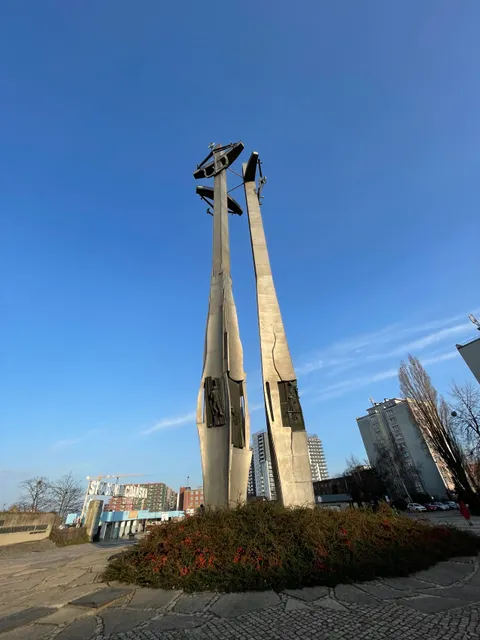
The Monument to the fallen Shipyard Workers 1970 was unveiled on 16 December 1980 near the entrance to what was then the Lenin Shipyard in Gdańsk, Poland. It commemorates the 42 or more people killed during the Coastal cities events in December 1970.

Cultural
Accessibility
attractions: European Solidarity Centre, BHP Hall, NOMUS Nowe Muzeum Sztuki. Dział Muzeum Narodowego w Gdańsku, Gdansk Gallery of Photography, Góra Gradowa, Amber AXE | AXE throwing club | Gdańsk, Muzeum Bursztynu. Oddział Muzeum Gdańska, Museum of the Second World War, St. Catherine's Church, Kindertransport Memorial, restaurants: DOKI KEBAB & BURGER, Fiori Pasta e Pizza, Restauracja La Fontaine | Kuchnia Polska | Obiady domowe | Imprezy okolicznościowe Gdańsk, Panorama, Green Egg Montownia, Swojski Smak, ZERO ZERO, Trattoria Al Dente, SUMO RAMEN GDA. 相撲ラーメン屋, Neon Gdańsk
logoLearn more insights from Wanderboat AI.
Website
gdansk.pl
Open hoursSee all hours
FriOpen 24 hoursOpen

Plan your stay

hotel
Pet-friendly Hotels in Gdansk
Find a cozy hotel nearby and make it a full experience.

hotel
Affordable Hotels in Gdansk
Find a cozy hotel nearby and make it a full experience.

hotel
The Coolest Hotels You Haven't Heard Of (Yet)
Find a cozy hotel nearby and make it a full experience.

hotel
Trending Stays Worth the Hype in Gdansk
Find a cozy hotel nearby and make it a full experience.

Reviews

Nearby attractions of Monument to the Fallen Shipyard Workers of 1970

European Solidarity Centre

BHP Hall

NOMUS Nowe Muzeum Sztuki. Dział Muzeum Narodowego w Gdańsku

Gdansk Gallery of Photography

Góra Gradowa

Amber AXE | AXE throwing club | Gdańsk

Muzeum Bursztynu. Oddział Muzeum Gdańska

Museum of the Second World War

St. Catherine's Church

Kindertransport Memorial

European Solidarity Centre

European Solidarity Centre

4.8

(3.7K)

Closed
Click for details
BHP Hall

BHP Hall

4.6

(997)

Closed
Click for details
NOMUS Nowe Muzeum Sztuki. Dział Muzeum Narodowego w Gdańsku

NOMUS Nowe Muzeum Sztuki. Dział Muzeum Narodowego w Gdańsku

4.2

(112)

Open 24 hours
Click for details
Gdansk Gallery of Photography

Gdansk Gallery of Photography

4.3

(43)

Open 24 hours
Click for details

Things to do nearby

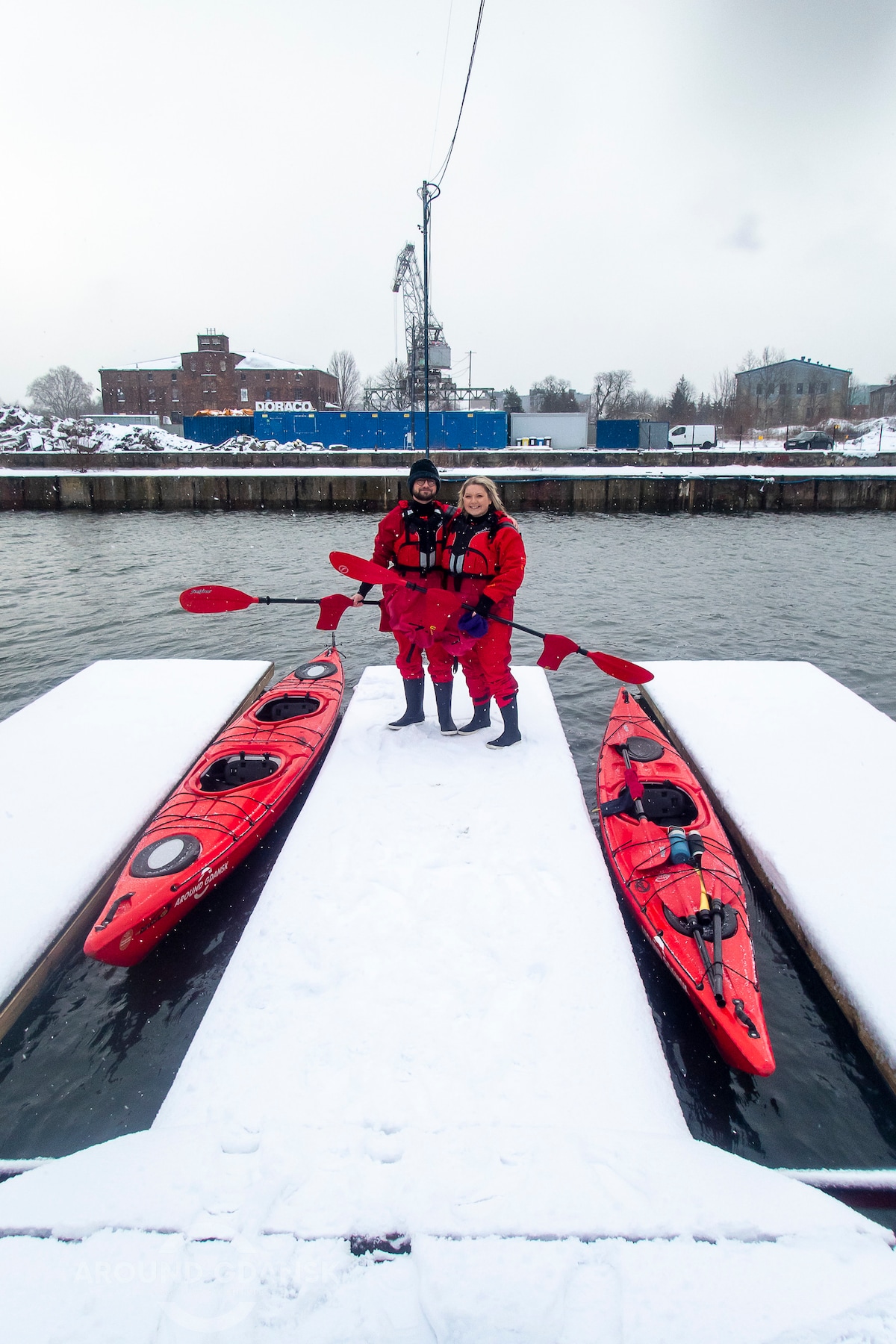
Explore Gdansk by kayak – Winter Edition
Sat, Dec 6 • 11:00 AM
80-863, Gdańsk, Pomeranian Voivodeship, Poland
View details

Gdynia Walking Tour
Gdynia Walking Tour
Mon, Dec 8 • 2:00 PM
81-547, Gdynia, Pomeranian Voivodeship, Poland
View details
The Jazz Room: Podróż do serca Nowego Orleanu
Sun, Dec 7 • 5:00 PM
Świętego Ducha 2, Gdańsk, 80-834
View details

Nearby restaurants of Monument to the Fallen Shipyard Workers of 1970

DOKI KEBAB & BURGER

Fiori Pasta e Pizza

Restauracja La Fontaine | Kuchnia Polska | Obiady domowe | Imprezy okolicznościowe Gdańsk

Panorama

Green Egg Montownia

Swojski Smak

ZERO ZERO

Trattoria Al Dente

SUMO RAMEN GDA. 相撲ラーメン屋

Neon Gdańsk

DOKI KEBAB & BURGER

DOKI KEBAB & BURGER

4.7

(703)

Click for details
Fiori Pasta e Pizza

Fiori Pasta e Pizza

4.7

(778)

Click for details
Restauracja La Fontaine | Kuchnia Polska | Obiady domowe | Imprezy okolicznościowe Gdańsk

Restauracja La Fontaine | Kuchnia Polska | Obiady domowe | Imprezy okolicznościowe Gdańsk

4.4

(255)

Click for details
Panorama

Panorama

4.3

(1.4K)

Click for details
Get the Appoverlay
Get the AppOne tap to find yournext favorite spots!
Wanderboat LogoWanderboat

Your everyday Al companion for getaway ideas

CompanyAbout Us
InformationAI Trip PlannerSitemap
SocialXInstagramTiktokLinkedin
LegalTerms of ServicePrivacy Policy

Get the app

© 2025 Wanderboat. All rights reserved.
logo

Posts

Dejan BrakiDejan Braki
This is a very moving, symbolic and important monument, standing in front of the magnificent Solidarnost Museum. Three Crosses with anchors on top of them were erected in honor of around 40 killed workers who participated in the first strike of shipyard workers in Dec 1970. The strike, better say uprising for better rights, was brutally bloody suppressed. However, that event marked the roots of forming the Solidarnost (Solidarity) movement, which led to dramatic and essential changes in Poland and all eastern Europe. Intriguing fact is that the monument was erected in 1980, a decade after these events, when Soviet communist oppression was still in force. Therefore, it's considered the first monument ever to Communist oppression. TIP: The Cross Monument is a pass by, 5 min attraction to take pics and pay your respects. The main star is the terrific must see Solidarnost Museum behind it, which I strongly advise to visit
Robert KrawczykRobert Krawczyk
Pomnik Poległych Stoczniowców 1970, kiedyś Pomnik ofiar grudnia 1970, to charakterystyczny monument w kształcie trzech wysokich na 43 metry krzyży z kotwicami, ustawiony w 1980 roku na Placu Solidarności, w pobliżu słynnej Bramy nr 2 Stoczni Gdańskiej. Pomysł upamiętnienia ofiar Grudnia 1970 wysunął już w 1971 roku opozycjonista, uczestnik wydarzeń grudniowych i członek komitetu strajkowego, a później członek NSZZ Solidarność Henryk Lenarciak, który został też w 1980 roku przewodniczącym społecznego komitetu budowy pomnika. Inicjatywa doczekała się realizacji właśnie w 1980 roku, a odsłonięcie pomnika miało miejsce w dziesiątą rocznicę wydarzeń Grudnia 1970. Pierwotnie pomnik miały stanowić cztery krzyże (na pamiątkę czterech poległych w pobliżu miejsca postawienia pomnika stoczniowców), ostatecznie projektanci zaproponowali znany dziś układ jako lepszy architektonicznie i symbolicznie. Każdy z trzech krzyży wykonano z płyt ze stali kwasoodpornej (chromoniklowej), każdy waży 36 ton i ma 42 metry wysokości. Na każdym wisi dwutonowa kotwica z mosiądzu, zaś w dolnej części znajdują się płaskorzeźby z brązu ze scenami z życia stoczniowców. Na pomniku odnaleźć można fragment psalmu 29 (Pan da siłę swojemu ludowi…), fragment poruszającego wiersza Czesława Miłosza „Który skrzywdziłeś” oraz liczne tablice pamiątkowe (m.in. poświęcona Henrykowi Lenarciakowi czy umieszczane przy okazji kolejnych rocznic tych tragicznych wydarzeń). Odwiedzając dzisiaj to miejsce warto sobie uświadomić, że pomnik powstał mimo oporu ówczesnej władzy, która próbowała odwlec jego budowę, ingerowała nawet w zaproponowaną nazwę, chcąc upamiętnienia również milicjantów. Został wybudowany w trzy miesiące dzięki datkom społecznym, uporowi i odwadze społecznego komitetu budowy pomnika i grupy osób z nim współpracujących – chwała im za doprowadzenie do końca podjętego dzieła i za walkę o prawdę historyczną.
Mike EyeMike Eye
When we visited Poland I was surprised with how much I enjoyed everything beyond my expectations. Originally, I thought how enjoyable can this be. Man, was I wrong. There is something about history. Reading is one thing but, to be there and seeing, touching is another. To see where it began was a moving experience. Maybe, not to the everyday citizens but, to people who lived through it. History is needed in our lives or we forget and we are doomed to repeat the past.
See more posts
See more posts
hotel
Find your stay

Pet-friendly Hotels in Gdansk

Find a cozy hotel nearby and make it a full experience.

This is a very moving, symbolic and important monument, standing in front of the magnificent Solidarnost Museum. Three Crosses with anchors on top of them were erected in honor of around 40 killed workers who participated in the first strike of shipyard workers in Dec 1970. The strike, better say uprising for better rights, was brutally bloody suppressed. However, that event marked the roots of forming the Solidarnost (Solidarity) movement, which led to dramatic and essential changes in Poland and all eastern Europe. Intriguing fact is that the monument was erected in 1980, a decade after these events, when Soviet communist oppression was still in force. Therefore, it's considered the first monument ever to Communist oppression. TIP: The Cross Monument is a pass by, 5 min attraction to take pics and pay your respects. The main star is the terrific must see Solidarnost Museum behind it, which I strongly advise to visit
Dejan Braki

Dejan Braki

hotel
Find your stay

Affordable Hotels in Gdansk

Find a cozy hotel nearby and make it a full experience.

Get the Appoverlay
Get the AppOne tap to find yournext favorite spots!
Pomnik Poległych Stoczniowców 1970, kiedyś Pomnik ofiar grudnia 1970, to charakterystyczny monument w kształcie trzech wysokich na 43 metry krzyży z kotwicami, ustawiony w 1980 roku na Placu Solidarności, w pobliżu słynnej Bramy nr 2 Stoczni Gdańskiej. Pomysł upamiętnienia ofiar Grudnia 1970 wysunął już w 1971 roku opozycjonista, uczestnik wydarzeń grudniowych i członek komitetu strajkowego, a później członek NSZZ Solidarność Henryk Lenarciak, który został też w 1980 roku przewodniczącym społecznego komitetu budowy pomnika. Inicjatywa doczekała się realizacji właśnie w 1980 roku, a odsłonięcie pomnika miało miejsce w dziesiątą rocznicę wydarzeń Grudnia 1970. Pierwotnie pomnik miały stanowić cztery krzyże (na pamiątkę czterech poległych w pobliżu miejsca postawienia pomnika stoczniowców), ostatecznie projektanci zaproponowali znany dziś układ jako lepszy architektonicznie i symbolicznie. Każdy z trzech krzyży wykonano z płyt ze stali kwasoodpornej (chromoniklowej), każdy waży 36 ton i ma 42 metry wysokości. Na każdym wisi dwutonowa kotwica z mosiądzu, zaś w dolnej części znajdują się płaskorzeźby z brązu ze scenami z życia stoczniowców. Na pomniku odnaleźć można fragment psalmu 29 (Pan da siłę swojemu ludowi…), fragment poruszającego wiersza Czesława Miłosza „Który skrzywdziłeś” oraz liczne tablice pamiątkowe (m.in. poświęcona Henrykowi Lenarciakowi czy umieszczane przy okazji kolejnych rocznic tych tragicznych wydarzeń). Odwiedzając dzisiaj to miejsce warto sobie uświadomić, że pomnik powstał mimo oporu ówczesnej władzy, która próbowała odwlec jego budowę, ingerowała nawet w zaproponowaną nazwę, chcąc upamiętnienia również milicjantów. Został wybudowany w trzy miesiące dzięki datkom społecznym, uporowi i odwadze społecznego komitetu budowy pomnika i grupy osób z nim współpracujących – chwała im za doprowadzenie do końca podjętego dzieła i za walkę o prawdę historyczną.
Robert Krawczyk

Robert Krawczyk

hotel
Find your stay

The Coolest Hotels You Haven't Heard Of (Yet)

Find a cozy hotel nearby and make it a full experience.

hotel
Find your stay

Trending Stays Worth the Hype in Gdansk

Find a cozy hotel nearby and make it a full experience.

When we visited Poland I was surprised with how much I enjoyed everything beyond my expectations. Originally, I thought how enjoyable can this be. Man, was I wrong. There is something about history. Reading is one thing but, to be there and seeing, touching is another. To see where it began was a moving experience. Maybe, not to the everyday citizens but, to people who lived through it. History is needed in our lives or we forget and we are doomed to repeat the past.
Mike Eye

Mike Eye

See more posts
See more posts

Reviews of Monument to the Fallen Shipyard Workers of 1970

4.7
(1,798)
avatar
5.0
3y

Monument has been build in the respect to fallen shipyard workers and their resistance to the communist system and its collapse. The monument and European Solidarity Center is especially worth visiting for young people or foreigners unfamiliar with the regime. Plan a couple of hours for the audio-guided tour. The monument of the most notable atrocities of the state’s repressive apparatus was the firing at innocent workers leaving a train in Gdynia to go to work in the morning of December 17,1970. The unrest was too much for the authorities. Armed militia units attacked the crowd with tear gas and brutally pacified the demonstrators, who over the next few days fought for their rights, not only in Gdańsk but in other port cities, notably Gdynia and Szczecin. Armed militia confrontations with the protestors led to the deaths of around 40 people, while over 1,000 people were injured. The economy in Poland had been slowing down throughout the 1960s, with a drop in foreign investment, a decline in production and – most importantly – a lack of everyday goods becoming commonplace throughout the country. According to official statistics, in 1969 Poles spent an average of 1.5 hours a day standing in line for...

   Read more
avatar
5.0
1y

This is a very moving, symbolic and important monument, standing in front of the magnificent Solidarnost Museum. Three Crosses with anchors on top of them were erected in honor of around 40 killed workers who participated in the first strike of shipyard workers in Dec 1970. The strike, better say uprising for better rights, was brutally bloody suppressed. However, that event marked the roots of forming the Solidarnost (Solidarity) movement, which led to dramatic and essential changes in Poland and all eastern Europe. Intriguing fact is that the monument was erected in 1980, a decade after these events, when Soviet communist oppression was still in force. Therefore, it's considered the first monument ever to Communist oppression.

TIP: The Cross Monument is a pass by, 5 min attraction to take pics and pay your respects. The main star is the terrific must see Solidarnost Museum behind it, which I strongly...

   Read more
avatar
5.0
32w

Pomnik Poległych Stoczniowców 1970, kiedyś Pomnik ofiar grudnia 1970, to charakterystyczny monument w kształcie trzech wysokich na 43 metry krzyży z kotwicami, ustawiony w 1980 roku na Placu Solidarności, w pobliżu słynnej Bramy nr 2 Stoczni Gdańskiej. Pomysł upamiętnienia ofiar Grudnia 1970 wysunął już w 1971 roku opozycjonista, uczestnik wydarzeń grudniowych i członek komitetu strajkowego, a później członek NSZZ Solidarność Henryk Lenarciak, który został też w 1980 roku przewodniczącym społecznego komitetu budowy pomnika. Inicjatywa doczekała się realizacji właśnie w 1980 roku, a odsłonięcie pomnika miało miejsce w dziesiątą rocznicę wydarzeń Grudnia 1970. Pierwotnie pomnik miały stanowić cztery krzyże (na pamiątkę czterech poległych w pobliżu miejsca postawienia pomnika stoczniowców), ostatecznie projektanci zaproponowali znany dziś układ jako lepszy architektonicznie i symbolicznie. Każdy z trzech krzyży wykonano z płyt ze stali kwasoodpornej (chromoniklowej), każdy waży 36 ton i ma 42 metry wysokości. Na każdym wisi dwutonowa kotwica z mosiądzu, zaś w dolnej części znajdują się płaskorzeźby z brązu ze scenami z życia stoczniowców. Na pomniku odnaleźć można fragment psalmu 29 (Pan da siłę swojemu ludowi…), fragment poruszającego wiersza Czesława Miłosza „Który skrzywdziłeś” oraz liczne tablice pamiątkowe (m.in. poświęcona Henrykowi Lenarciakowi czy umieszczane przy okazji kolejnych rocznic tych tragicznych wydarzeń). Odwiedzając dzisiaj to miejsce warto sobie uświadomić, że pomnik powstał mimo oporu ówczesnej władzy, która próbowała odwlec jego budowę, ingerowała nawet w zaproponowaną nazwę, chcąc upamiętnienia również milicjantów. Został wybudowany w trzy miesiące dzięki datkom społecznym, uporowi i odwadze społecznego komitetu budowy pomnika i grupy osób z nim współpracujących – chwała im za doprowadzenie do końca podjętego dzieła i za walkę o prawdę...

   Read more
Page 1 of 7
Previous
Next