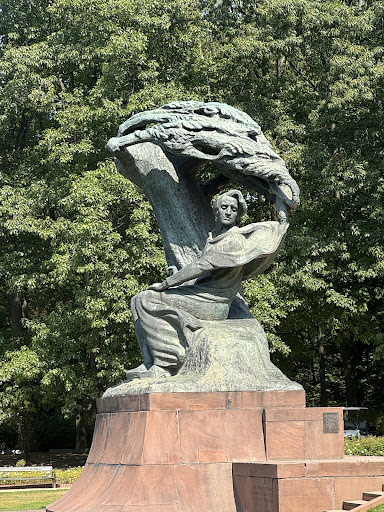
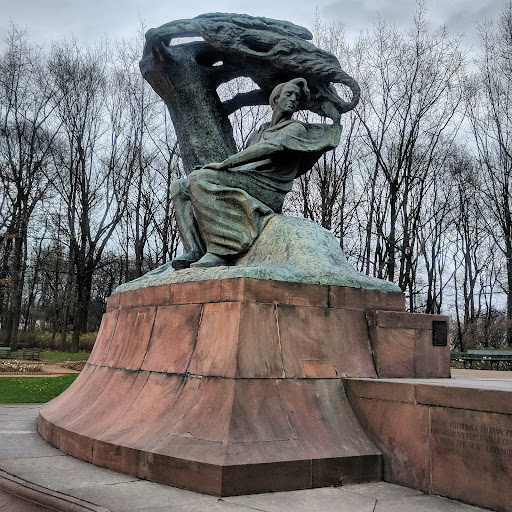
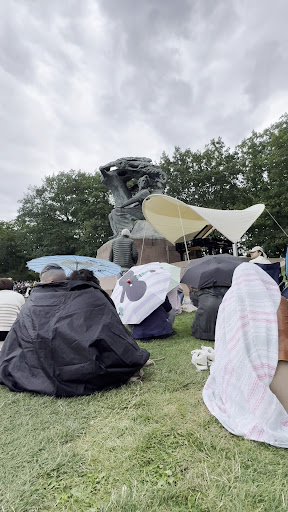
Fryderyk Chopin Monument things to do, attractions, restaurants, events info and trip planning
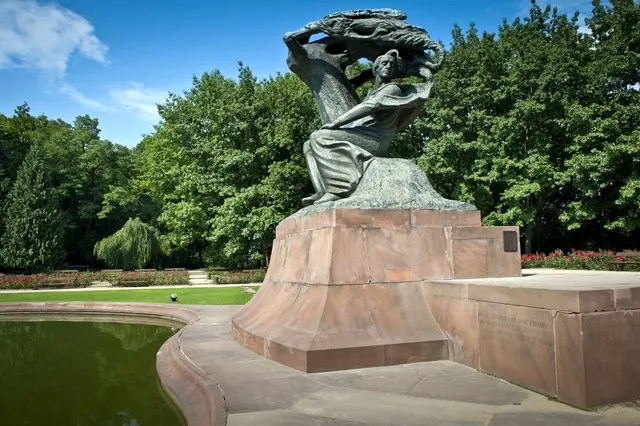
Basic Info
Fryderyk Chopin Monument
Royal Baths Park, Al. Ujazdowskie, 00-001 Warszawa, Poland
4.8(5.3K)
Open 24 hours
Save
spot
spot
Ratings & Description
Info
Cultural
Outdoor
Scenic
Family friendly
Accessibility
attractions: Royal Baths Park, Koncerty Chopinowskie, Belweder Palace, Józef Piłsudski Monument, Monument to Henryk Sienkiewicz, Royal Baths Park, Ogród Botaniczny Uniwersytetu Warszawskiego, The White Pavilion, Palace on the Isle, The Chinese Garden, restaurants: Być Może, Rest. Baczewskich, Rozdroże, The Cool Cat TR, Prasowy, Xin Chào, Trou Madame, KawaŁykSztuki Vintage-style Restaurant with Café and Bar in Art Gallery, KLONN, DZiK House of Fun and Culture, local businesses: Parc Łazienki, Bagatela 10, Instytut Teatralny, Perfumeria Douglas, Embassy of India, Puławska 16, Sucré, MINT GREY, Galilu olfactory, Central Warsaw: Wirtualne biuro, adres dla spółki, sale konferencyjne
 Learn more insights from Wanderboat AI.
Website
lazienki-krolewskie.pl
Plan your stay

Pet-friendly Hotels in Warsaw
Find a cozy hotel nearby and make it a full experience.

Affordable Hotels in Warsaw
Find a cozy hotel nearby and make it a full experience.

The Coolest Hotels You Haven't Heard Of (Yet)
Find a cozy hotel nearby and make it a full experience.

Trending Stays Worth the Hype in Warsaw
Find a cozy hotel nearby and make it a full experience.
Reviews
Live events

Eonarium Genesis: immersyjny pokaz świetlny
Thu, Feb 26 • 5:45 PM
aleja Solidarności 74, Warszawa, 00-145
View details
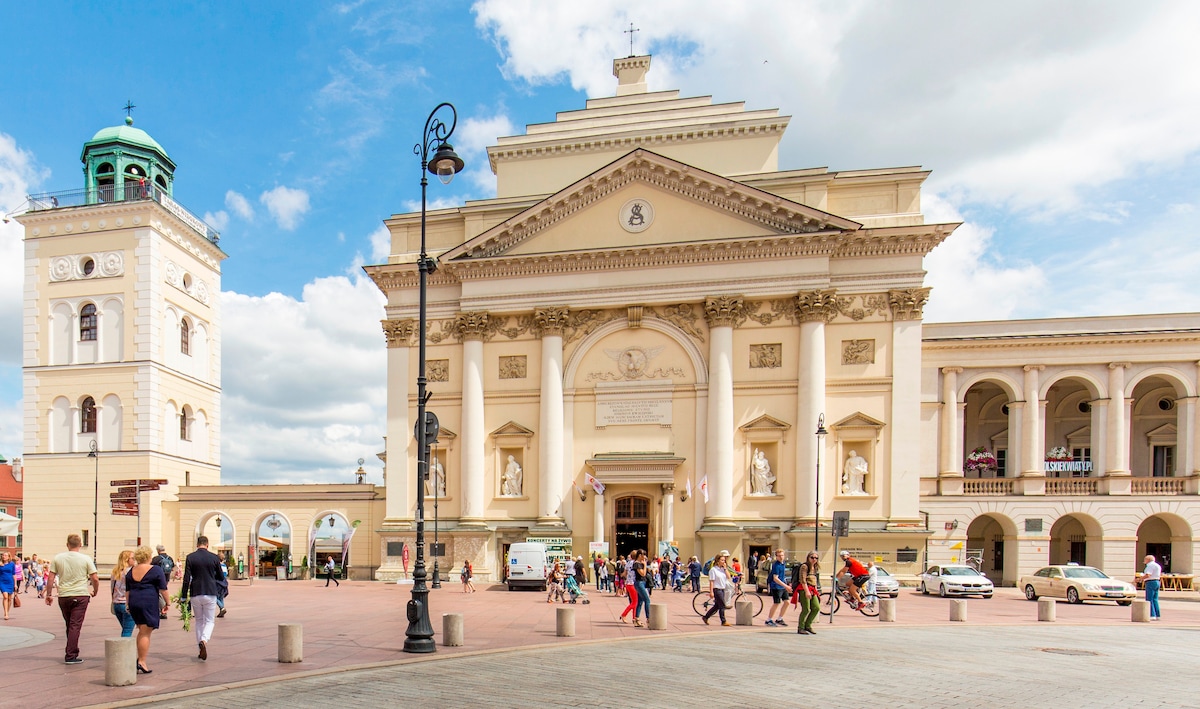
Warsaw Old Town and more with Antek and Tomek
Fri, Feb 27 • 2:00 PM
01-195, Warsaw, Masovian Voivodeship, Poland
View details

The Jazz Room: Podróż do serca Nowego Orleanu
Sun, Mar 1 • 6:00 PM
Nowogrodzka 11, Warszawa, 00-513
View details
Nearby attractions of Fryderyk Chopin Monument
Royal Baths Park
Koncerty Chopinowskie
Belweder Palace
Józef Piłsudski Monument
Monument to Henryk Sienkiewicz
Royal Baths Park
Ogród Botaniczny Uniwersytetu Warszawskiego
The White Pavilion
Palace on the Isle
The Chinese Garden
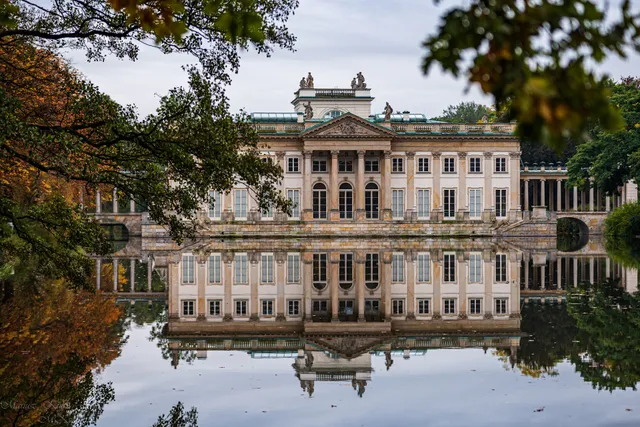
Royal Baths Park
4.8
(32.5K)
Open until 9:00 PM
Click for details
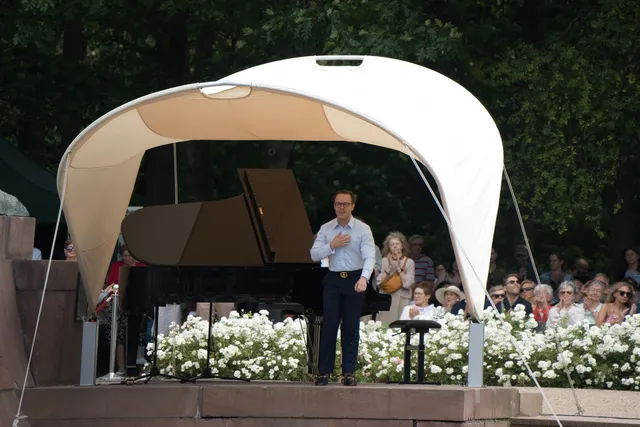
Koncerty Chopinowskie
4.8
(37)
Open 24 hours
Click for details
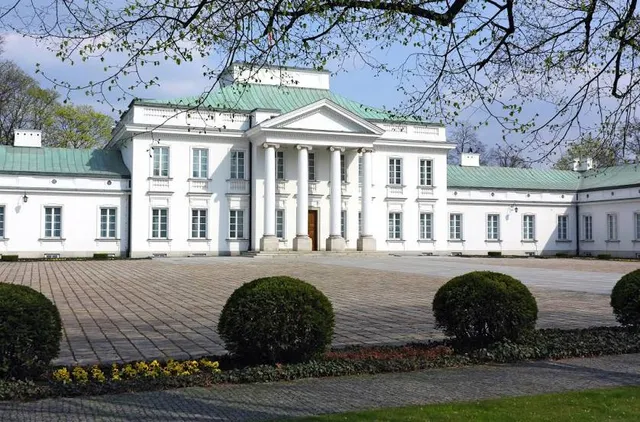
Belweder Palace
4.6
(278)
Open 24 hours
Click for details
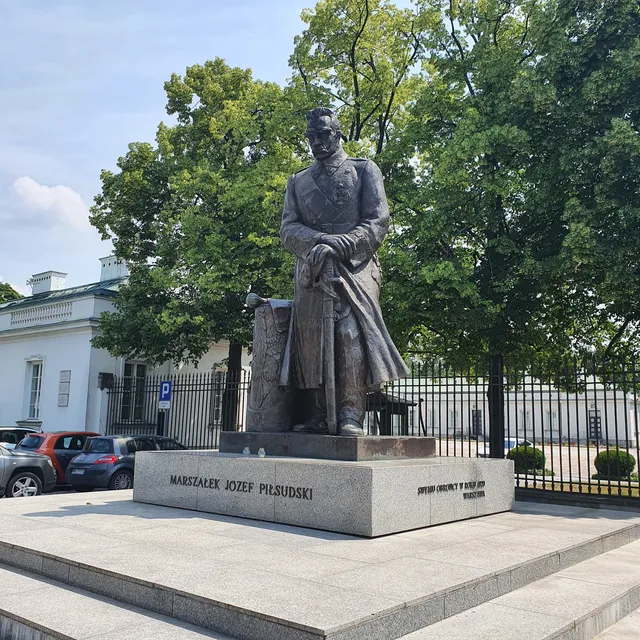
Józef Piłsudski Monument
4.7
(195)
Open until 12:00 AM
Click for details
Nearby restaurants of Fryderyk Chopin Monument
Być Może
Rest. Baczewskich
Rozdroże
The Cool Cat TR
Prasowy
Xin Chào
Trou Madame
KawaŁykSztuki Vintage-style Restaurant with Café and Bar in Art Gallery
KLONN
DZiK House of Fun and Culture
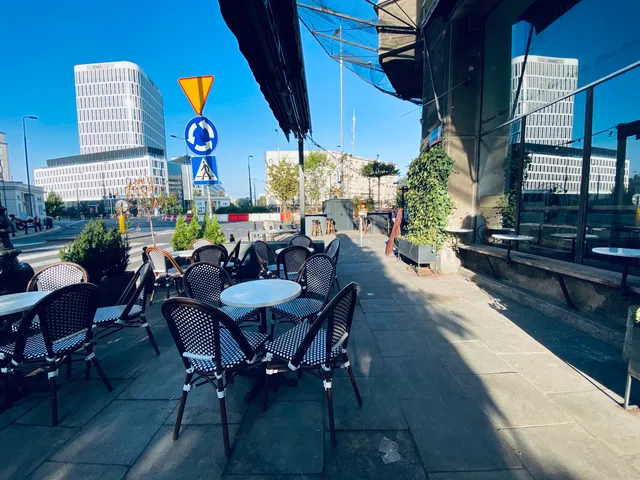
Być Może
4.0
(1.3K)
Open until 10:00 PM
Click for details
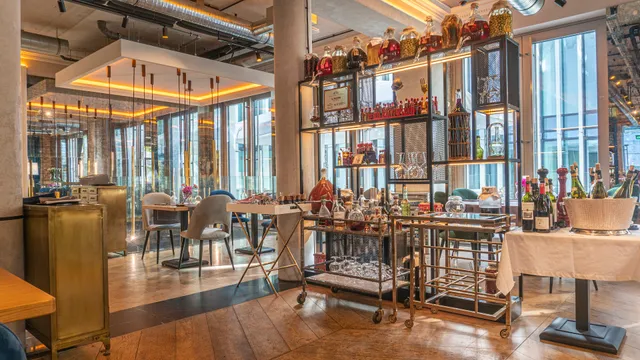
Rest. Baczewskich
4.6
(937)
Closed
Click for details
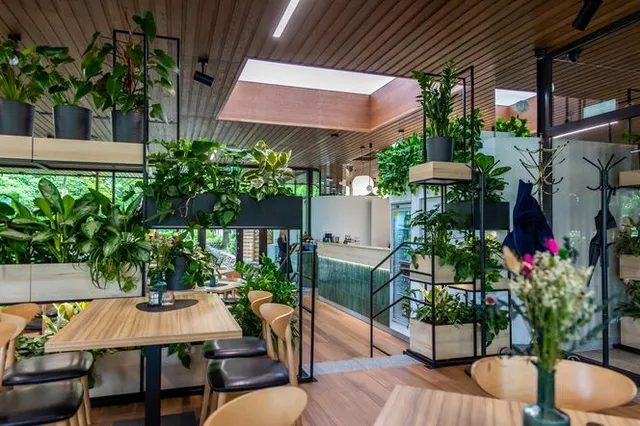
Rozdroże
4.0
(986)
$$
Closed
Click for details
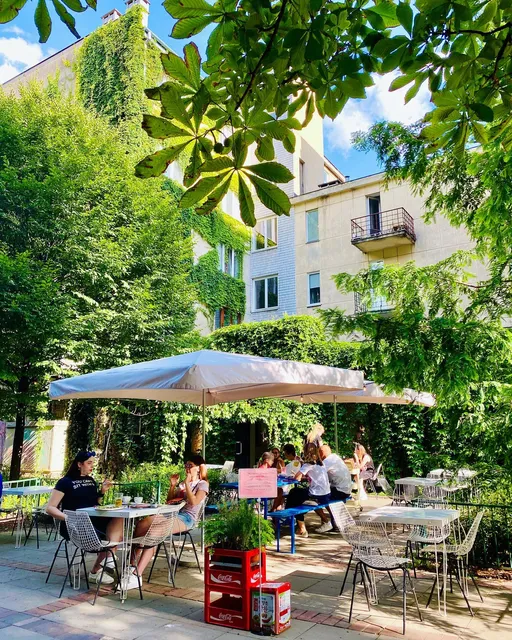
The Cool Cat TR
4.3
(739)
Closed
Click for details
Nearby local services of Fryderyk Chopin Monument
Parc Łazienki
Bagatela 10
Instytut Teatralny
Perfumeria Douglas
Embassy of India
Puławska 16
Sucré
MINT GREY
Galilu olfactory
Central Warsaw: Wirtualne biuro, adres dla spółki, sale konferencyjne
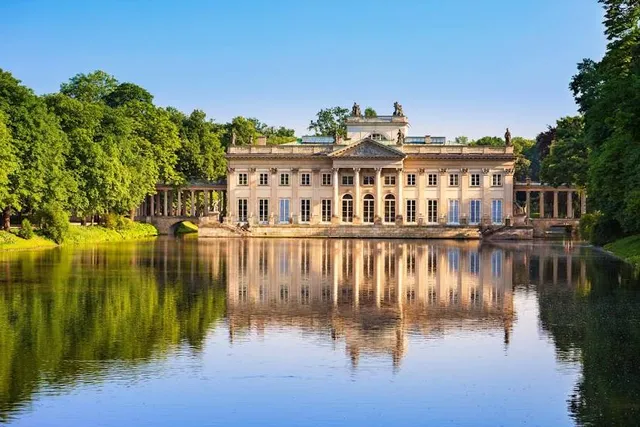
Parc Łazienki
4.8
(26.8K)
Click for details
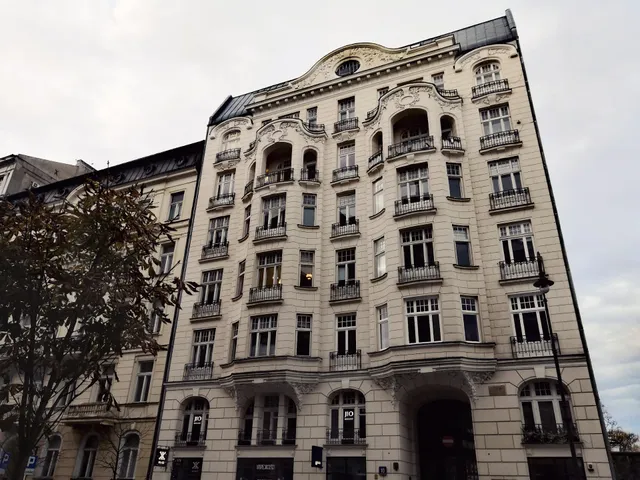
Bagatela 10
4.7
(1.0K)
Click for details
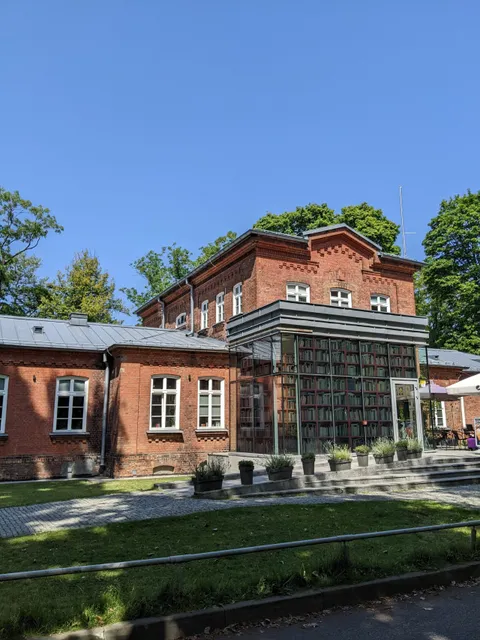
Instytut Teatralny
4.6
(135)
Click for details

Perfumeria Douglas
4.5
(93)
Click for details