Bridge of Penitents things to do, attractions, restaurants, events info and trip planning
Basic Info
Bridge of Penitents
Szewska 10, 50-122 Wrocław, Poland
4.7(4.6K)
Open until 7:00 PM
Save
spot
spot
Ratings & Description
Info
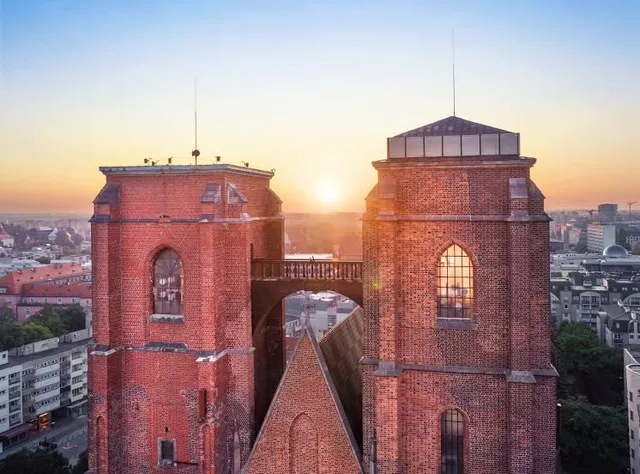
St. Mary Magdalene Church in Wrocław, Poland, is a gothic church located between Szewska and Laciarska street close to the central market square, established in the 13th century. It serves as a cathedral of the Polish Catholic Church led by Piotr Mikołajczak.
Cultural
Outdoor
Accessibility
attractions: Wrocław Market Square, Cathedral of St. Mary Magdalene, Museum of Bourgeois Art, Pharmacy Museum, The Pillory, Krasnal Wentyl (Motocyklista), Krasnale Syzyfki, Krasnal Klucznik, Monument of Alexander Fredro, Życzliwek Gnome, restaurants: Bernard, Pierogarnia Stary Młyn Wrocław, Pierogarnia Rynek 26, Restauracja & Browar Złoty Pies, Izakaya Sushi Ramen Rynek Wrocław, Whiskey in the Jar, Iggy Pizza, Shrimp House, Panczo Śniadaniownia, Vega, local businesses: Department Store "Feniks", Ministerstwo 2.0 food&lounge bar, Krasnale Syzyfki, Super-Pharm Drogeria, EXIT19.PL - Escape Rooms Wroclaw, Lody Włoskie Gelatiamo, The Pancake Place, Stanisława Leszczyńskiego 3, Rynek 48, Galeria Dominikańska
 Learn more insights from Wanderboat AI.
Website
katedramm.pl
Open hoursSee all hours
Wed10 AM - 7 PMOpen
Plan your stay

Pet-friendly Hotels in Wrocław
Find a cozy hotel nearby and make it a full experience.

Affordable Hotels in Wrocław
Find a cozy hotel nearby and make it a full experience.

The Coolest Hotels You Haven't Heard Of (Yet)
Find a cozy hotel nearby and make it a full experience.

Trending Stays Worth the Hype in Wrocław
Find a cozy hotel nearby and make it a full experience.
Reviews
Live events
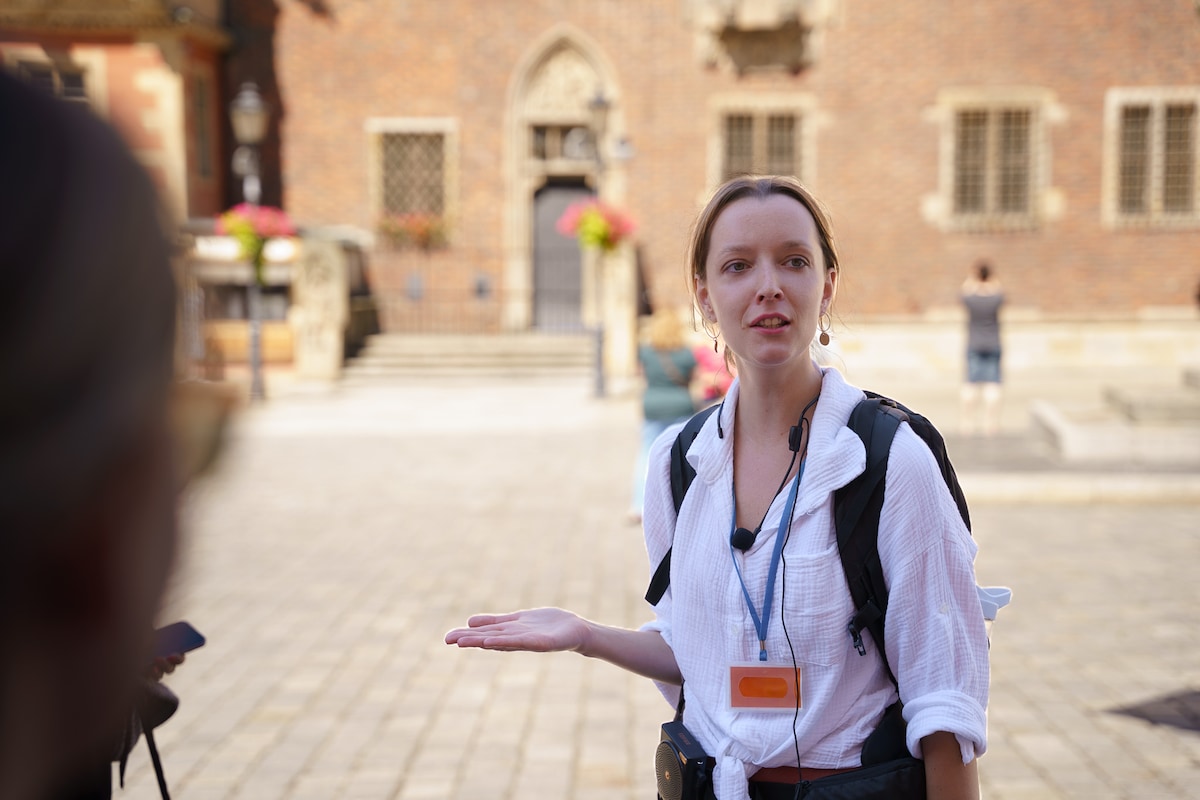
Discover the most beautiful corners of Wrocław
Fri, Feb 27 • 11:00 AM
50-116, Wrocław, Lower Silesian Voivodeship, Poland
View details

Lower Silesian Power Platform Community Meetup #4
Thu, Feb 26 • 4:30 PM
Gen. Władysława Sikorskiego 26, 53-659 Wrocław, Poland
View details
Nearby attractions of Bridge of Penitents
Wrocław Market Square
Cathedral of St. Mary Magdalene
Museum of Bourgeois Art
Pharmacy Museum
The Pillory
Krasnal Wentyl (Motocyklista)
Krasnale Syzyfki
Krasnal Klucznik
Monument of Alexander Fredro
Życzliwek Gnome
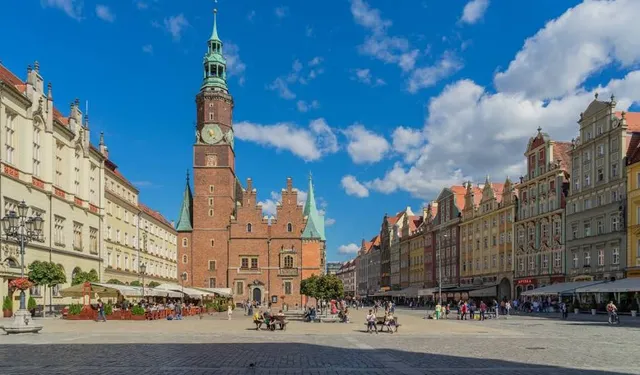
Wrocław Market Square
4.8
(28.2K)
Open 24 hours
Click for details
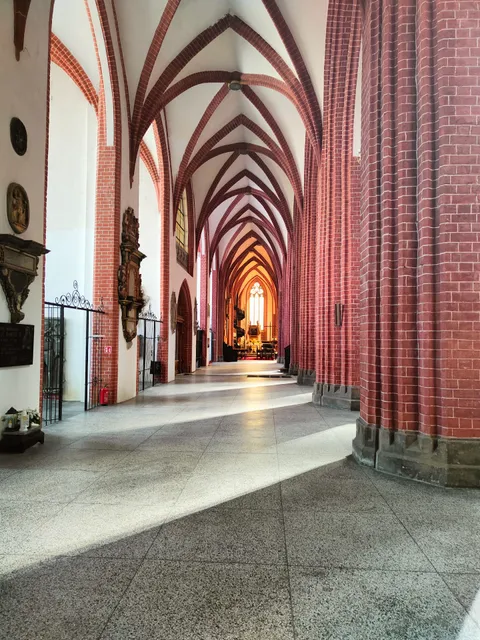
Cathedral of St. Mary Magdalene
4.8
(228)
Open until 12:00 AM
Click for details
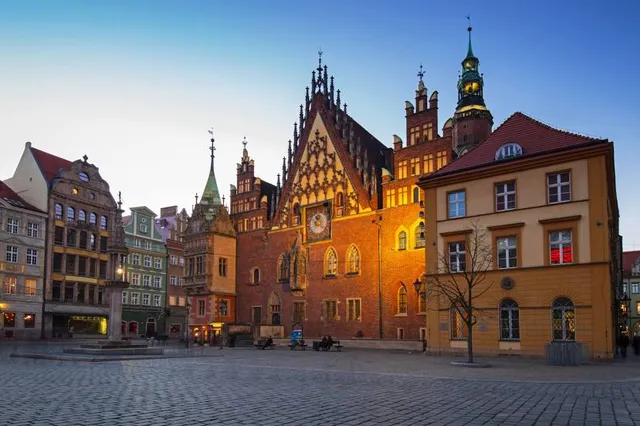
Museum of Bourgeois Art
4.7
(2.2K)
Open until 12:00 AM
Click for details
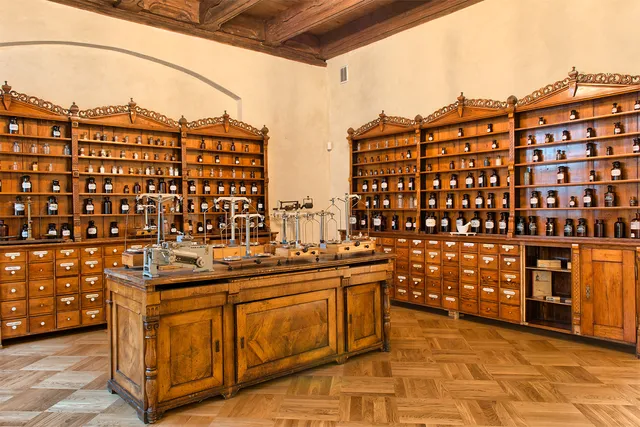
Pharmacy Museum
4.7
(198)
Open until 6:00 PM
Click for details
Nearby restaurants of Bridge of Penitents
Bernard
Pierogarnia Stary Młyn Wrocław
Pierogarnia Rynek 26
Restauracja & Browar Złoty Pies
Izakaya Sushi Ramen Rynek Wrocław
Whiskey in the Jar
Iggy Pizza
Shrimp House
Panczo Śniadaniownia
Vega
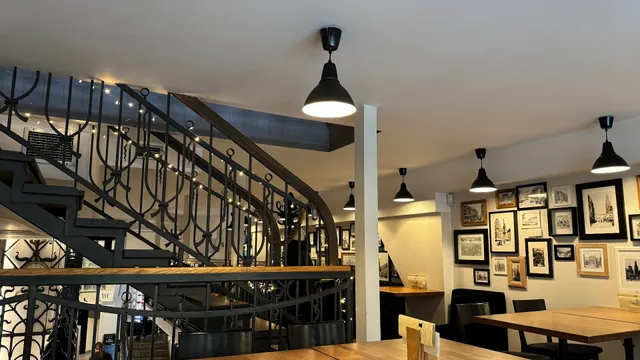
Bernard
4.6
(3.4K)
$$
Open until 10:30 PM
Click for details
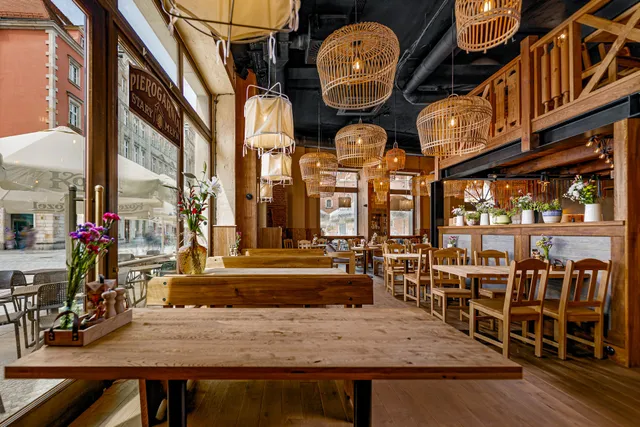
Pierogarnia Stary Młyn Wrocław
4.3
(3.4K)
$$
Open until 9:56 PM
Click for details
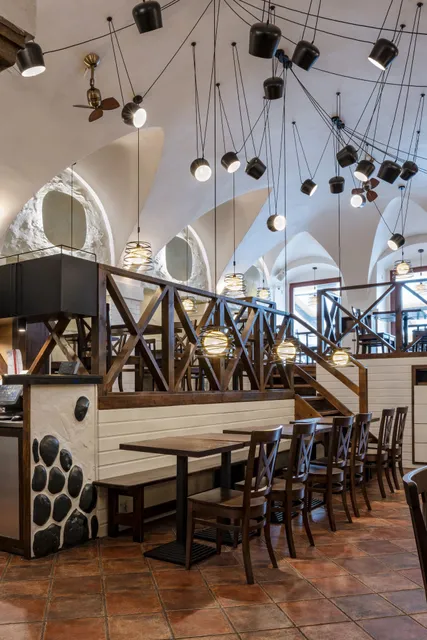
Pierogarnia Rynek 26
4.6
(5K)
Open until 10:56 PM
Click for details

Restauracja & Browar Złoty Pies
4.2
(1.8K)
$$
Open until 11:00 PM
Click for details
Nearby local services of Bridge of Penitents
Department Store "Feniks"
Ministerstwo 2.0 food&lounge bar
Krasnale Syzyfki
Super-Pharm Drogeria
EXIT19.PL - Escape Rooms Wroclaw
Lody Włoskie Gelatiamo
The Pancake Place
Stanisława Leszczyńskiego 3
Rynek 48
Galeria Dominikańska
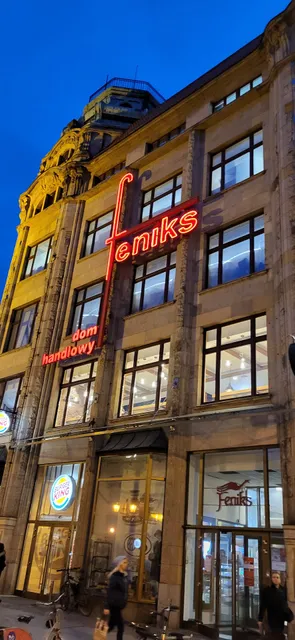
Department Store "Feniks"
4.2
(1.6K)
Click for details
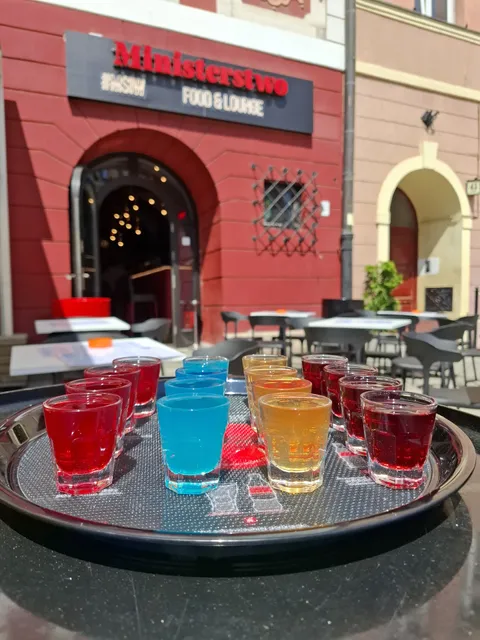
Ministerstwo 2.0 food&lounge bar
4.5
(337)
Click for details
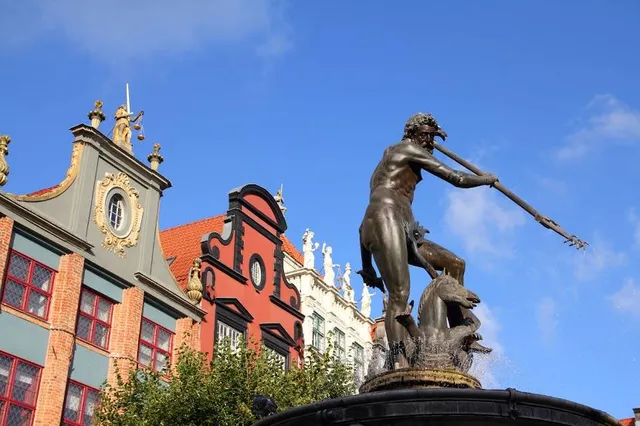
Krasnale Syzyfki
4.9
(270)
Click for details
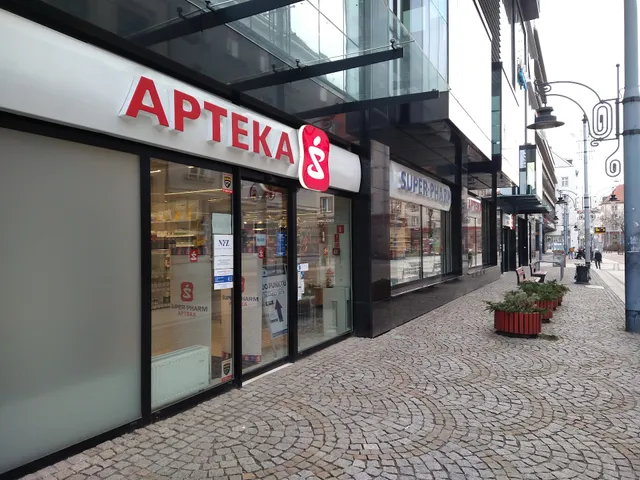
Super-Pharm Drogeria
3.9
(139)
Click for details