The Pillory things to do, attractions, restaurants, events info and trip planning
Basic Info
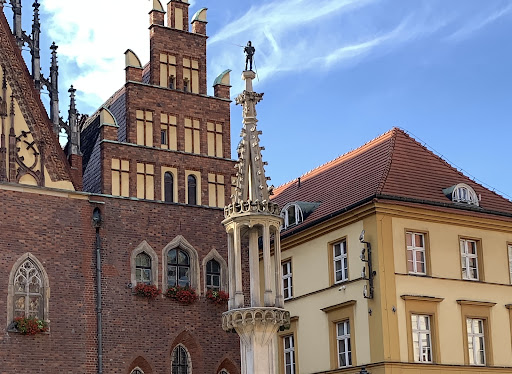
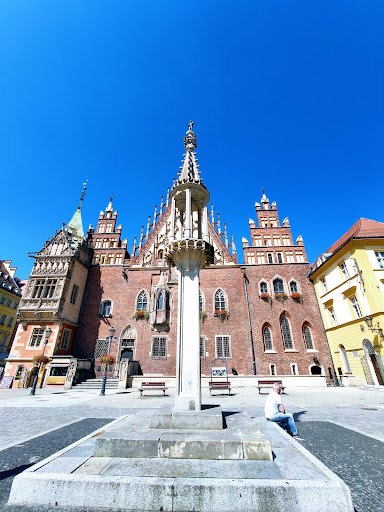
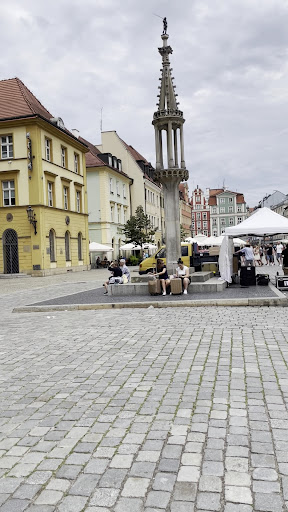
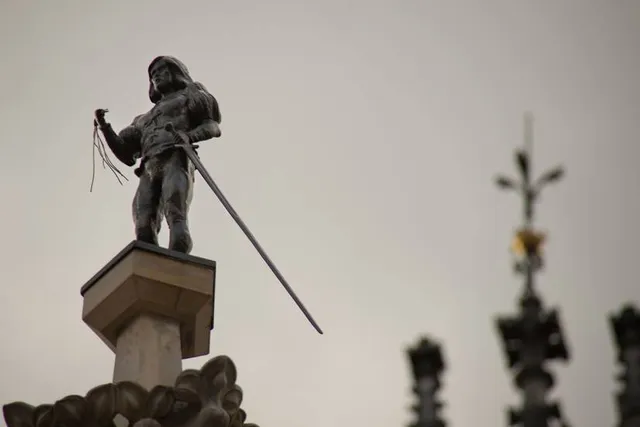
The Pillory
Rynek, 50-116 Wrocław, Poland
4.7(477)
Open until 12:00 AM
Save
spot
spot
Ratings & Description
Info
Cultural
Scenic
attractions: Wrocław Market Square, Museum of Bourgeois Art, Bridge of Penitents, Krasnale Syzyfki, Monument of Alexander Fredro, Życzliwek Gnome, Pharmacy Museum, Museum of Pan Tadeusz, Cathedral of St. Mary Magdalene, Krasnale Ślepak, Głuchak i Wózkers, restaurants: Pierogarnia Stary Młyn, Pierogarnia Stary Młyn Wrocław, Vega, Hard Rock Cafe Wrocław, Restauracja Piwnica Świdnicka Wrocław, Bernard, Spiż - Microbrewery and Restaurant, Bierhalle. Restauracja, Św. Jan - pub regionalny, Soczewka, local businesses: Department Store "Feniks", Krasnale Syzyfki, EXIT19.PL - Escape Rooms Wroclaw, Stanisława Leszczyńskiego 3, Ministerstwo 2.0 food&lounge bar, Lody Baroli, The Pancake Place, Lody Włoskie Gelatiamo, Rynek 48, Super-Pharm Drogeria
 Learn more insights from Wanderboat AI.
Open hoursSee all hours
SunOpen 24 hoursOpen
Plan your stay

Pet-friendly Hotels in Wrocław
Find a cozy hotel nearby and make it a full experience.

Affordable Hotels in Wrocław
Find a cozy hotel nearby and make it a full experience.

The Coolest Hotels You Haven't Heard Of (Yet)
Find a cozy hotel nearby and make it a full experience.

Trending Stays Worth the Hype in Wrocław
Find a cozy hotel nearby and make it a full experience.
Reviews
Live events

Żywe we mnie – otwarty krąg kobiet
Mon, Feb 9 • 6:00 PM
Masaż tantryczny Akademia Przyjemności, Jabłeczna 18, 50-539 Wrocław, Poland
View details
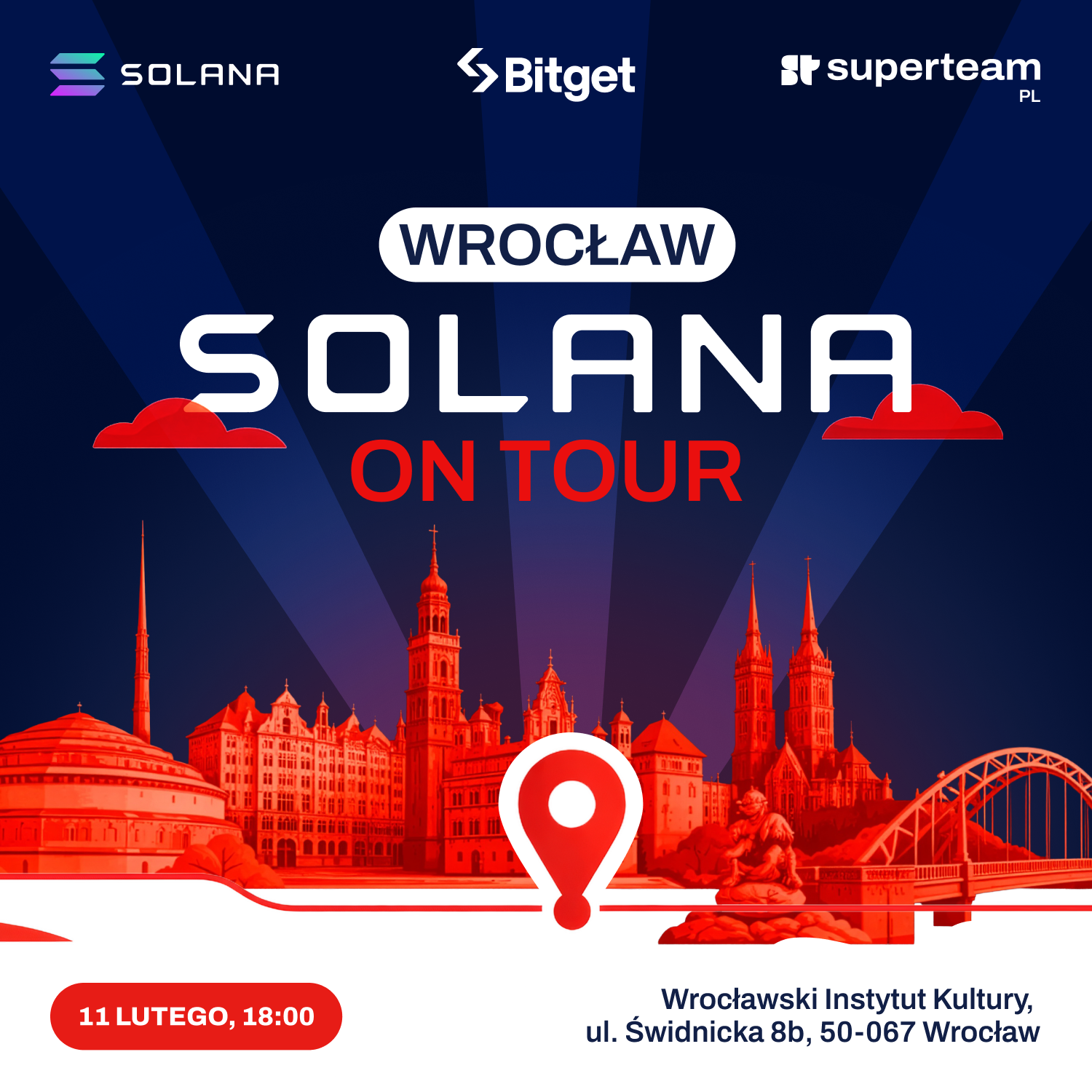
Solana on Tour: Wrocław
Wed, Feb 11 • 5:00 PM
Wrocław, Województwo dolnośląskie
View details
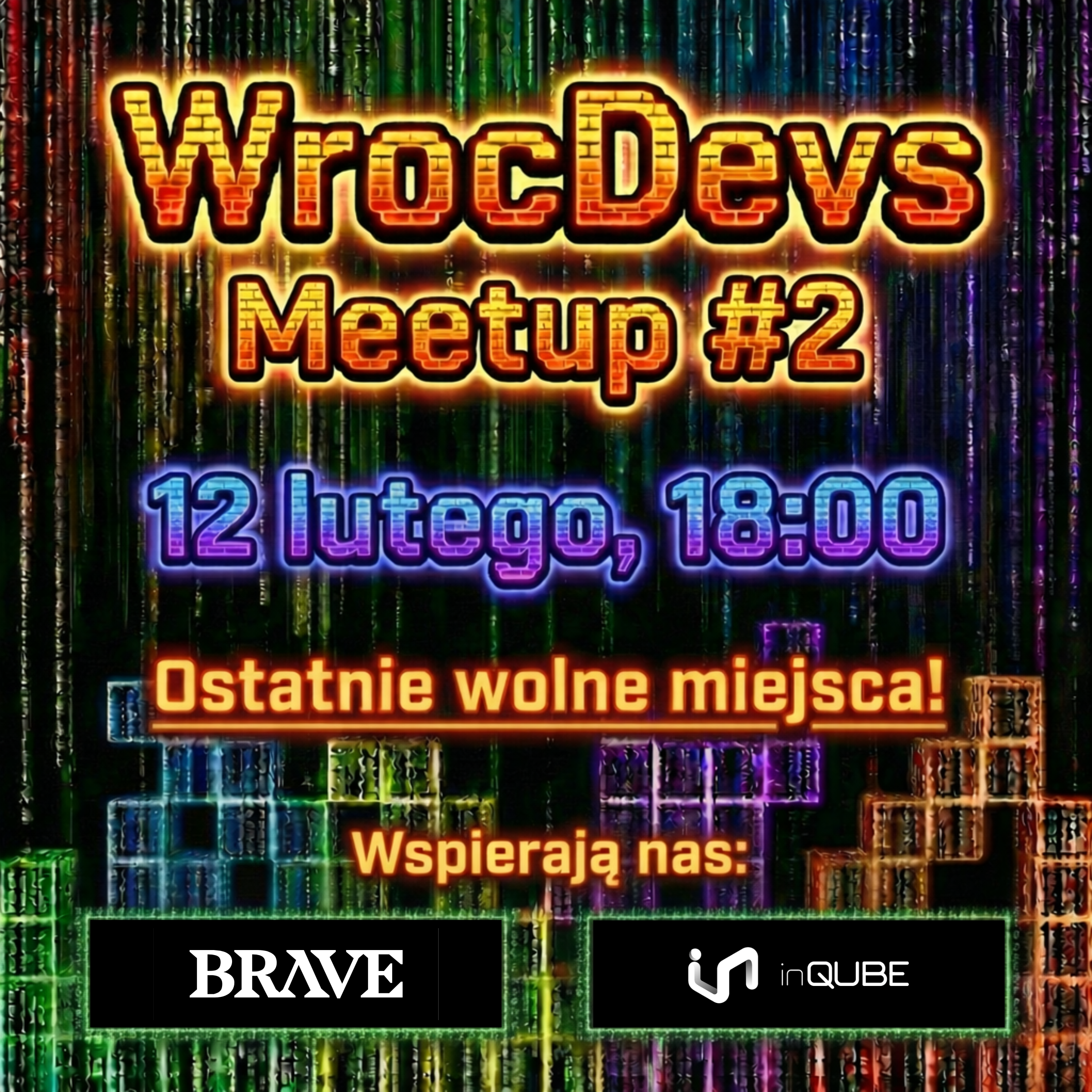
WrocDevs Meetup #2
Thu, Feb 12 • 5:00 PM
Wielka 67, 53-340 Wrocław, Poland
View details
Nearby attractions of The Pillory
Wrocław Market Square
Museum of Bourgeois Art
Bridge of Penitents
Krasnale Syzyfki
Monument of Alexander Fredro
Życzliwek Gnome
Pharmacy Museum
Museum of Pan Tadeusz
Cathedral of St. Mary Magdalene
Krasnale Ślepak, Głuchak i Wózkers
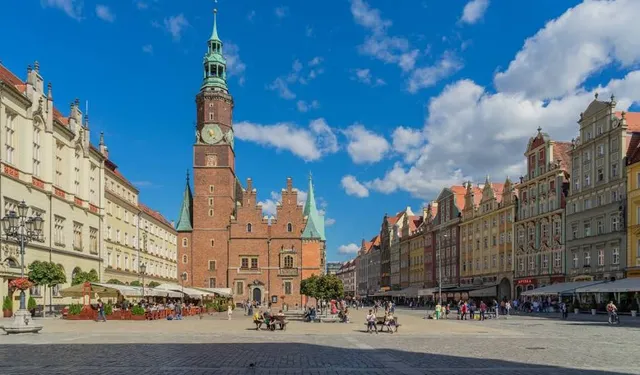
Wrocław Market Square
4.8
(30.2K)
Open 24 hours
Click for details
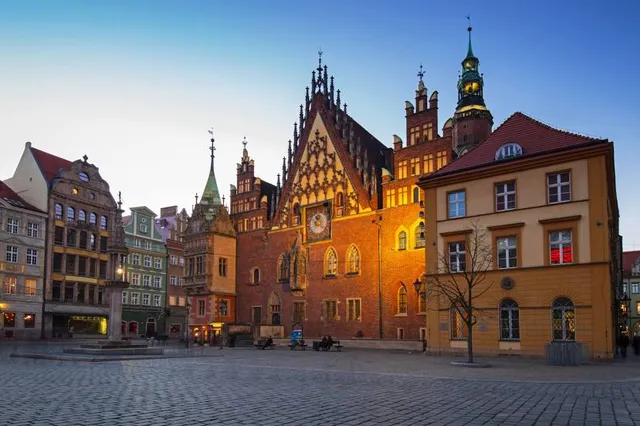
Museum of Bourgeois Art
4.7
(2.3K)
Closed
Click for details
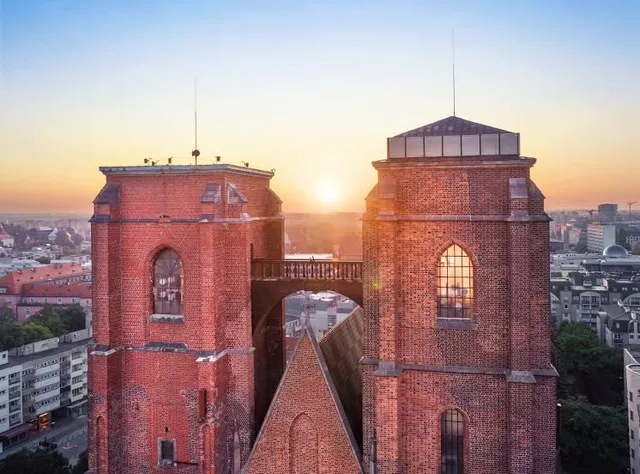
Bridge of Penitents
4.7
(4.6K)
Closed
Click for details
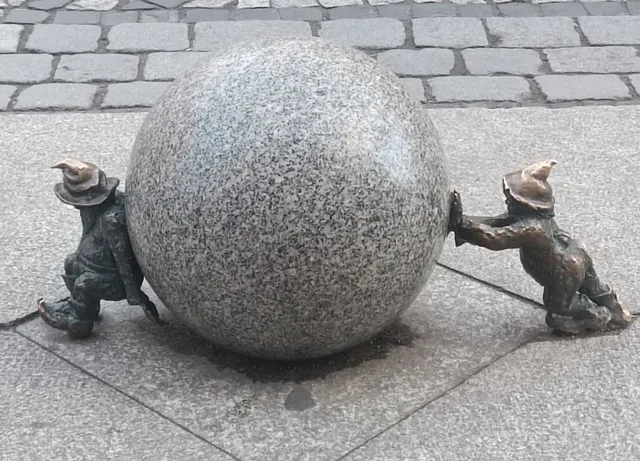
Krasnale Syzyfki
4.9
(489)
Open until 12:00 AM
Click for details
Nearby restaurants of The Pillory
Pierogarnia Stary Młyn
Pierogarnia Stary Młyn Wrocław
Vega
Hard Rock Cafe Wrocław
Restauracja Piwnica Świdnicka Wrocław
Bernard
Spiż - Microbrewery and Restaurant
Bierhalle. Restauracja
Św. Jan - pub regionalny
Soczewka
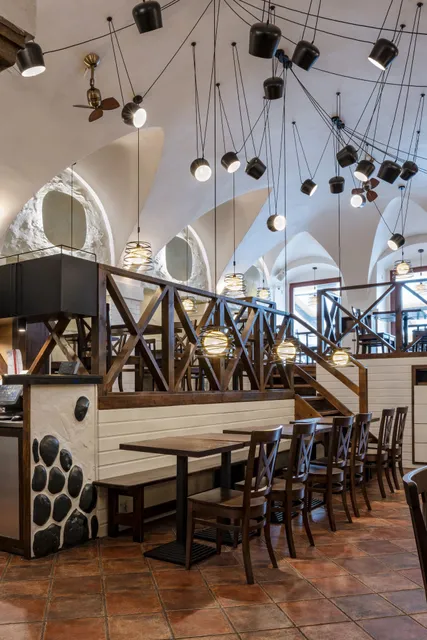
Pierogarnia Stary Młyn
4.5
(7.8K)
Closed
Click for details
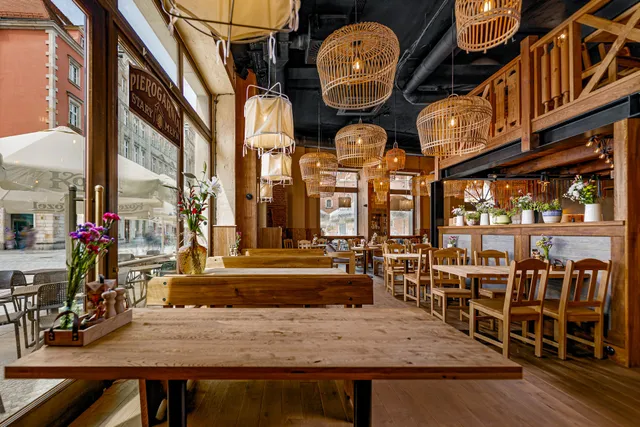
Pierogarnia Stary Młyn Wrocław
4.3
(3.3K)
Closed
Click for details

Vega
4.5
(2.3K)
Closed
Click for details
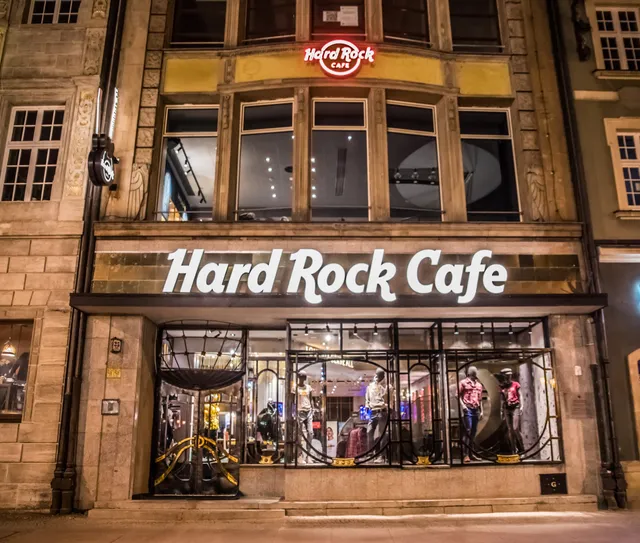
Hard Rock Cafe Wrocław
4.5
(2.8K)
$$$
Closed
Click for details
Nearby local services of The Pillory
Department Store "Feniks"
Krasnale Syzyfki
EXIT19.PL - Escape Rooms Wroclaw
Stanisława Leszczyńskiego 3
Ministerstwo 2.0 food&lounge bar
Lody Baroli
The Pancake Place
Lody Włoskie Gelatiamo
Rynek 48
Super-Pharm Drogeria
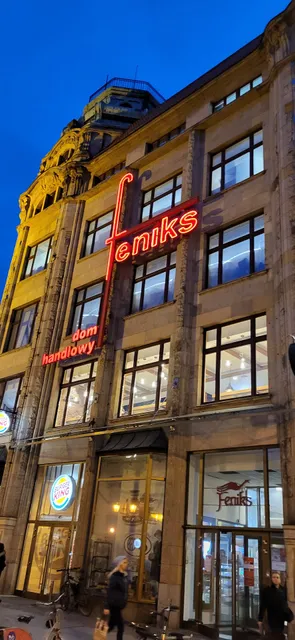
Department Store "Feniks"
4.2
(1.1K)
Click for details
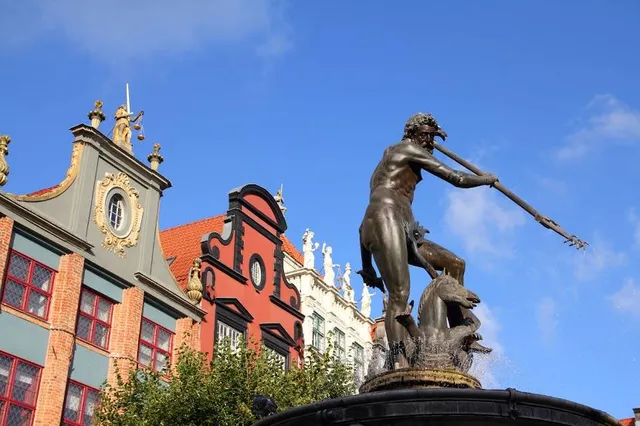
Krasnale Syzyfki
4.9
(258)
Click for details

EXIT19.PL - Escape Rooms Wroclaw
4.9
(690)
Click for details
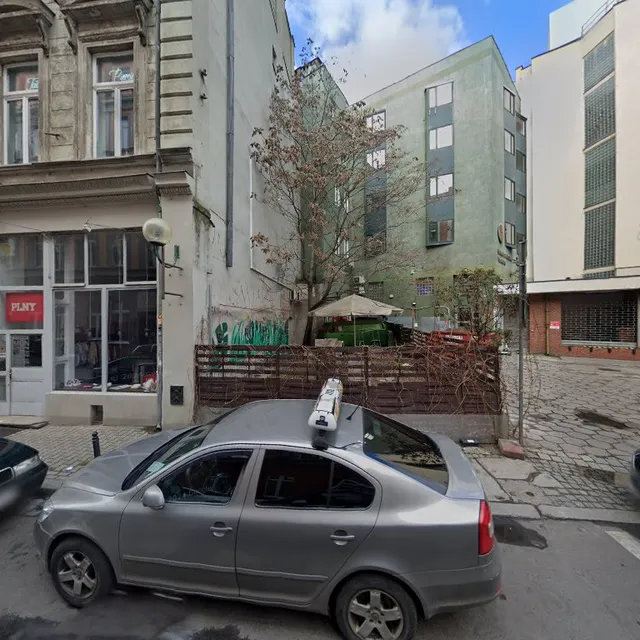
Stanisława Leszczyńskiego 3
4.8
(710)
Click for details