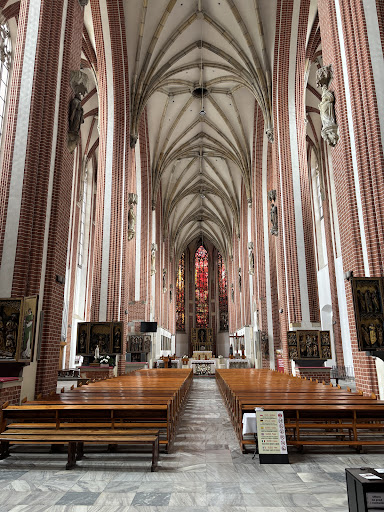
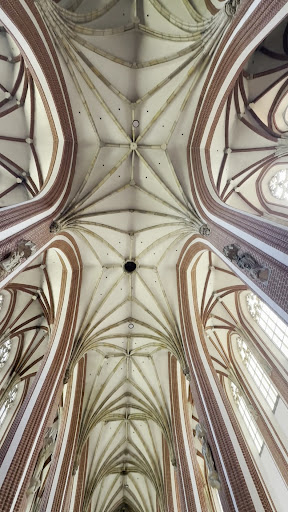
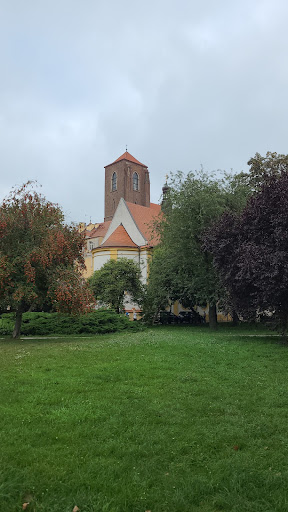
Roman Catholic parish church NMP on the Sand in Wroclaw things to do, attractions, restaurants, events info and trip planning
Basic Info
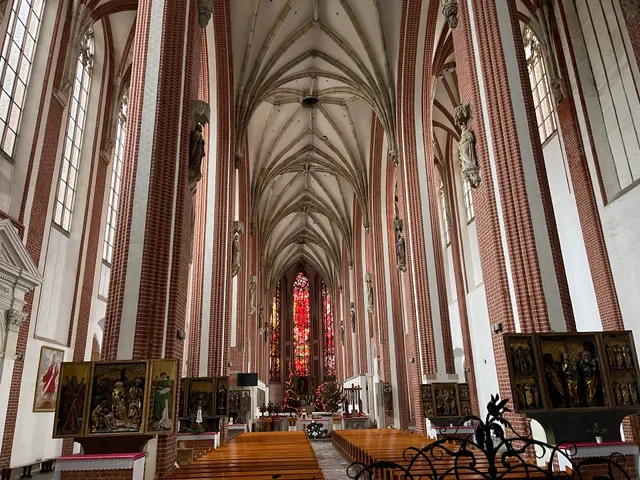
Roman Catholic parish church NMP on the Sand in Wroclaw
adres korespondencyjny, Katedralna 4, 50-328 Wrocław, Poland
4.7(375)
Open until 5:30 PM
Save
spot
spot
Ratings & Description
Info
Cultural
Family friendly
Accessibility
attractions: Tumski Bridge, Muzeum Iluzji Wrocław / Museum of illusions Wroclaw, Collegiate Church of the Holy Cross and St. Bartholomew, Cathedral of St. John the Baptist, Church of Sts. Peter and Paul, Krasnal Rachciach, Krasnal Gazuś, Krasnale Wromeo i Julianka (Wroclovka), Botanical Garden of the University of Wrocław, Ruins of the Castle of the Silesian Piasts, restaurants: THE INDIAN ISLAND, Rajskie Ogrody, Oliwa i Ogień św. Marcina, Elizium. Residence, Restauracja Selection, Baldachim Kawiarnia, Restauracja Lwia Brama², Herbaciarnia Targowa, SOLLEIM 설레임 - Plac Bema, Kawiarenka św. Jadwigi, local businesses: Roman Catholic parish church NMP on the Sand in Wroclaw, wyspa Słodowa 7, Market Hall, Piaskowa 17, Wrocław Market Hall, Świętego Marcina 12, Wyspa Piasek, Statue of St. John Nepomunk, Słodowa Island, Ostrów Tumski, Wrocław
 Learn more insights from Wanderboat AI.
Phone
+48 576 482 292
Website
napiasku.org
Open hoursSee all hours
Sun10 AM - 5:30 PMOpen
Plan your stay

Pet-friendly Hotels in Wrocław
Find a cozy hotel nearby and make it a full experience.

Affordable Hotels in Wrocław
Find a cozy hotel nearby and make it a full experience.

The Coolest Hotels You Haven't Heard Of (Yet)
Find a cozy hotel nearby and make it a full experience.

Trending Stays Worth the Hype in Wrocław
Find a cozy hotel nearby and make it a full experience.
Reviews
Live events
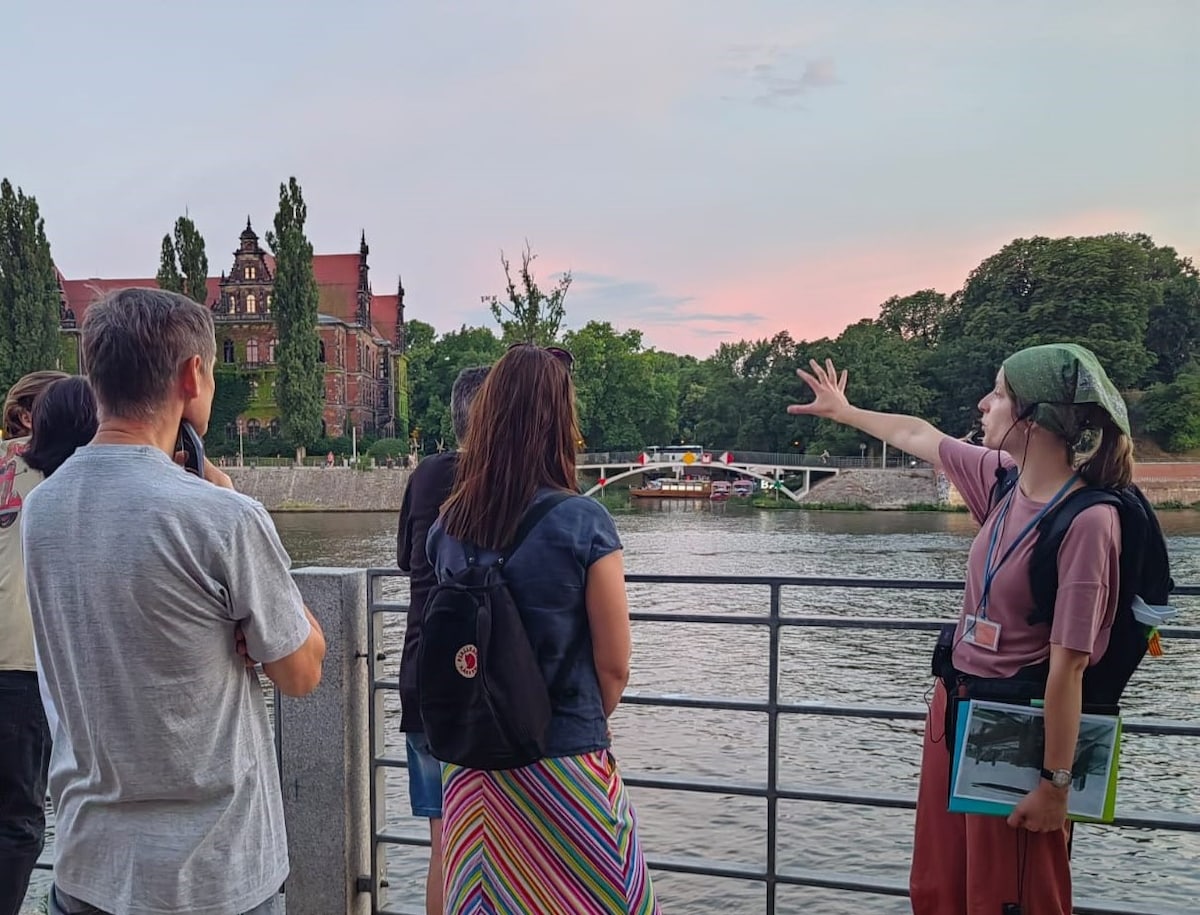
Discover the most beautiful corners of Wrocław
Sun, Feb 15 • 11:00 AM
50-116, Wrocław, Lower Silesian Voivodeship, Poland
View details
Żywe we mnie – otwarty krąg kobiet
Mon, Feb 9 • 6:00 PM
Masaż tantryczny Akademia Przyjemności, Jabłeczna 18, 50-539 Wrocław, Poland
View details
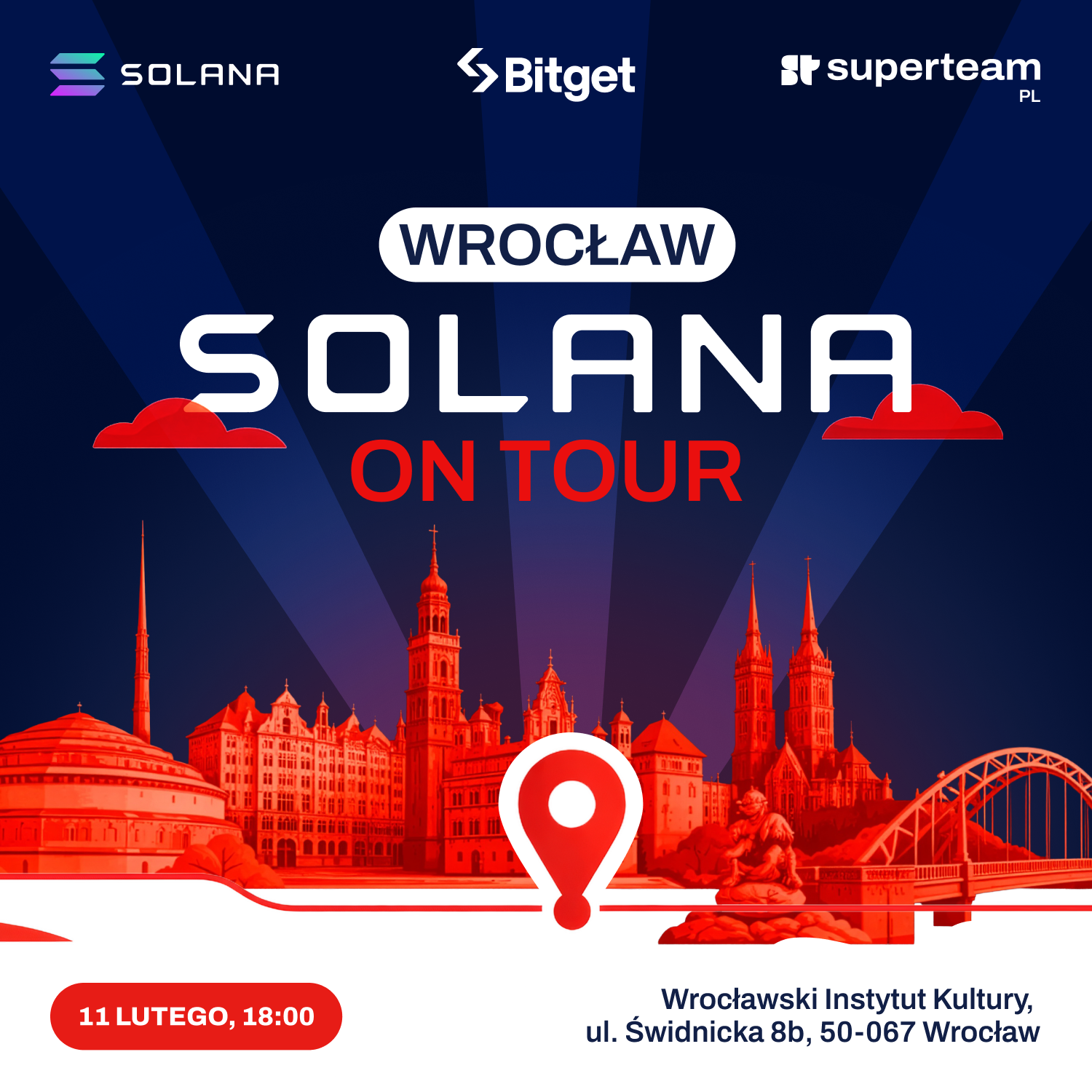
Solana on Tour: Wrocław
Wed, Feb 11 • 5:00 PM
Wrocław, Województwo dolnośląskie
View details
Nearby attractions of Roman Catholic parish church NMP on the Sand in Wroclaw
Tumski Bridge
Muzeum Iluzji Wrocław / Museum of illusions Wroclaw
Collegiate Church of the Holy Cross and St. Bartholomew
Cathedral of St. John the Baptist
Church of Sts. Peter and Paul
Krasnal Rachciach
Krasnal Gazuś
Krasnale Wromeo i Julianka (Wroclovka)
Botanical Garden of the University of Wrocław
Ruins of the Castle of the Silesian Piasts
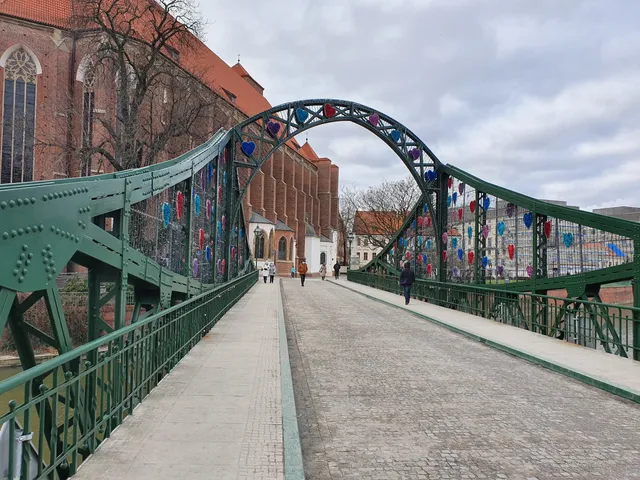
Tumski Bridge
4.8
(7K)
Open until 12:00 AM
Click for details
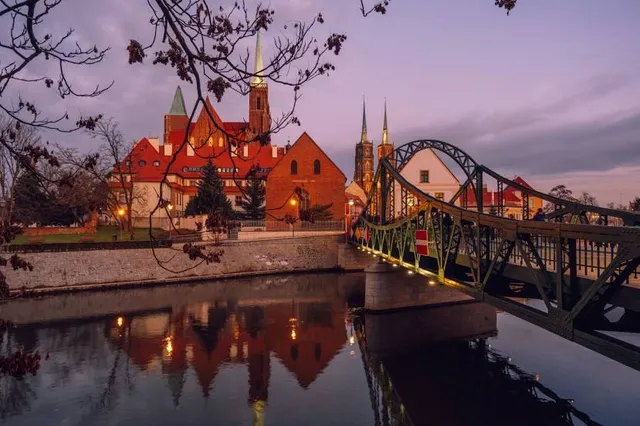
Muzeum Iluzji Wrocław / Museum of illusions Wroclaw
4.5
(1.9K)
Open until 8:00 PM
Click for details
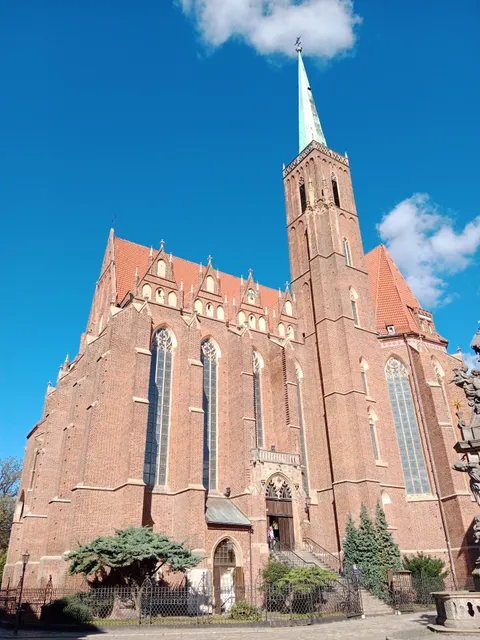
Collegiate Church of the Holy Cross and St. Bartholomew
4.6
(354)
Open until 12:00 AM
Click for details
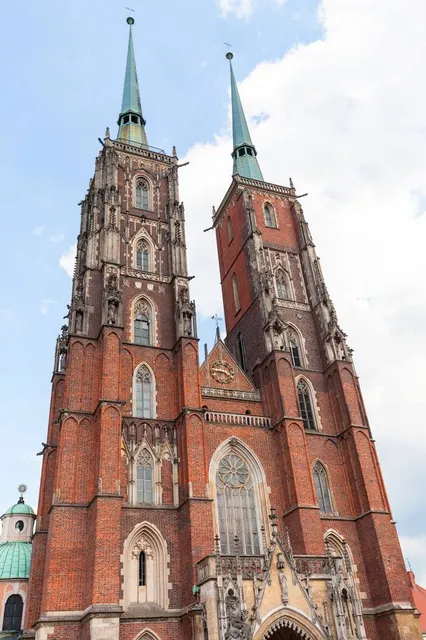
Cathedral of St. John the Baptist
4.7
(4.5K)
Open until 7:30 PM
Click for details
Nearby restaurants of Roman Catholic parish church NMP on the Sand in Wroclaw
THE INDIAN ISLAND
Rajskie Ogrody
Oliwa i Ogień św. Marcina
Elizium. Residence
Restauracja Selection
Baldachim Kawiarnia
Restauracja Lwia Brama²
Herbaciarnia Targowa
SOLLEIM 설레임 - Plac Bema
Kawiarenka św. Jadwigi
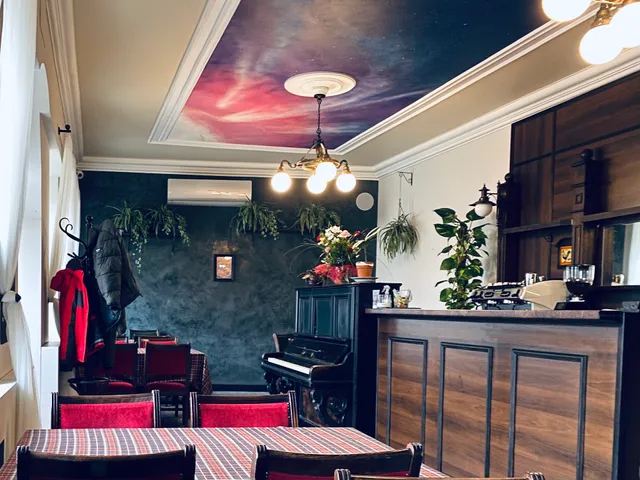
THE INDIAN ISLAND
4.7
(698)
Closed
Click for details
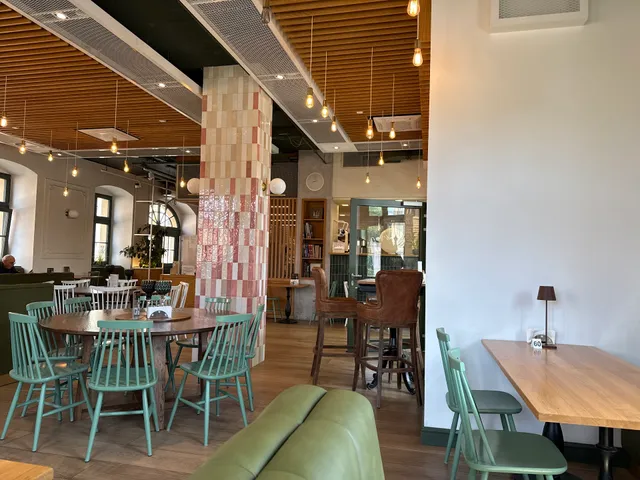
Rajskie Ogrody
4.0
(1.0K)
Open until 10:00 PM
Click for details
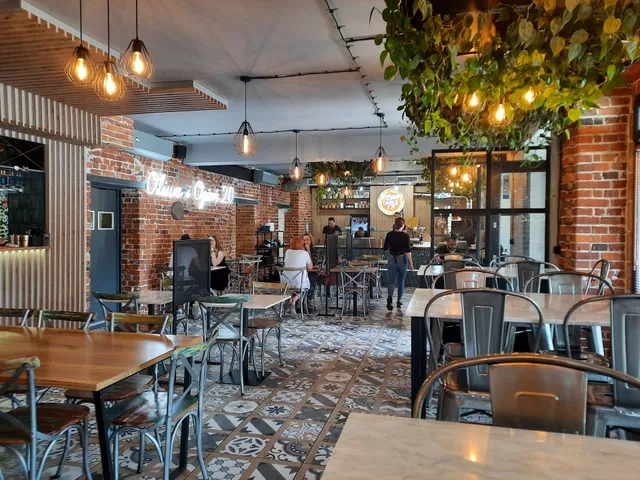
Oliwa i Ogień św. Marcina
4.5
(2K)
Closed
Click for details
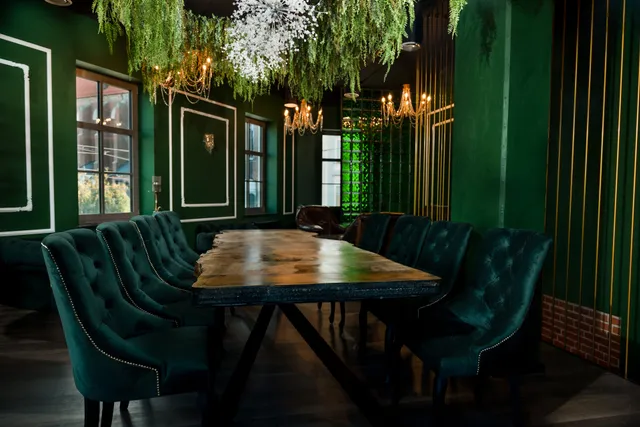
Elizium. Residence
4.4
(323)
$$
Closed
Click for details
Nearby local services of Roman Catholic parish church NMP on the Sand in Wroclaw
Roman Catholic parish church NMP on the Sand in Wroclaw
wyspa Słodowa 7
Market Hall
Piaskowa 17
Wrocław Market Hall
Świętego Marcina 12
Wyspa Piasek
Statue of St. John Nepomunk
Słodowa Island
Ostrów Tumski, Wrocław
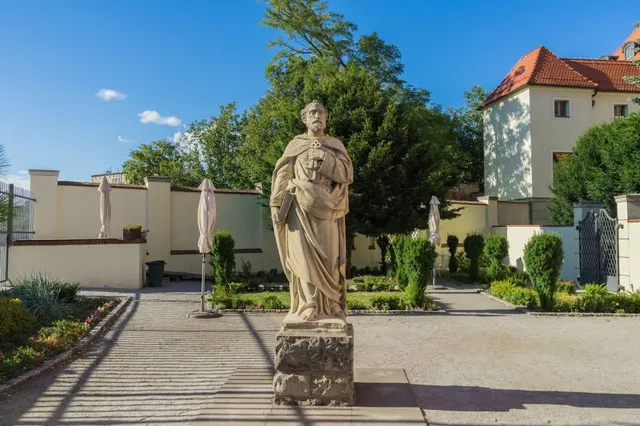
Roman Catholic parish church NMP on the Sand in Wroclaw
4.6
(348)
Click for details
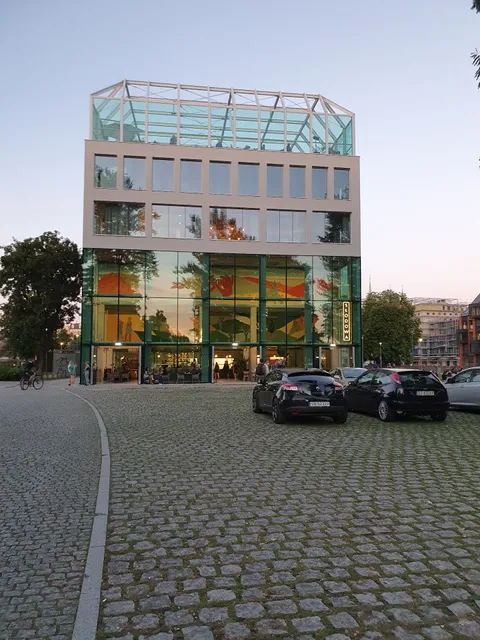
wyspa Słodowa 7
4.7
(3.2K)
Click for details
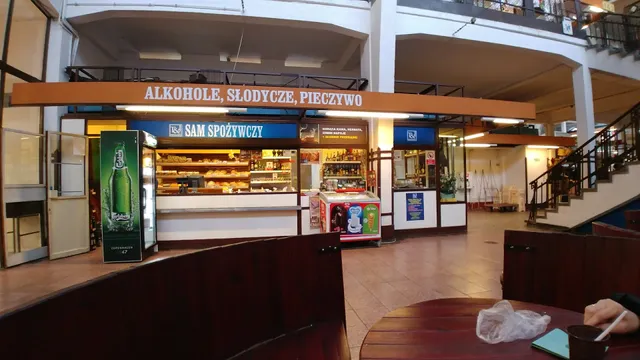
Market Hall
4.4
(5.6K)
Click for details
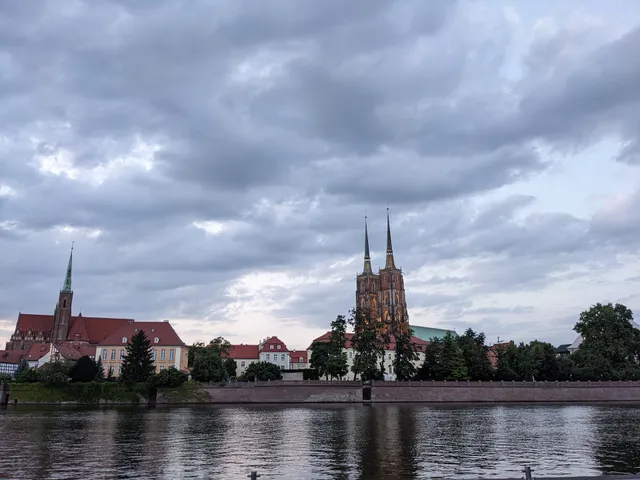
Piaskowa 17
4.4
(5.3K)
Click for details