Panorama of the Battle of Racławice things to do, attractions, restaurants, events info and trip planning
Basic Info
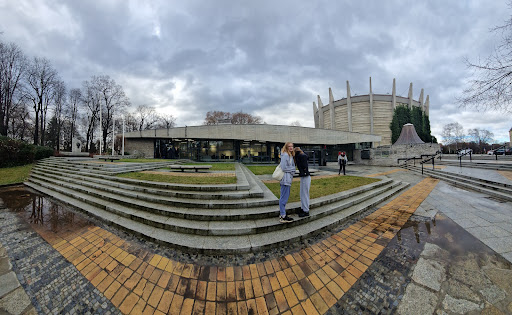
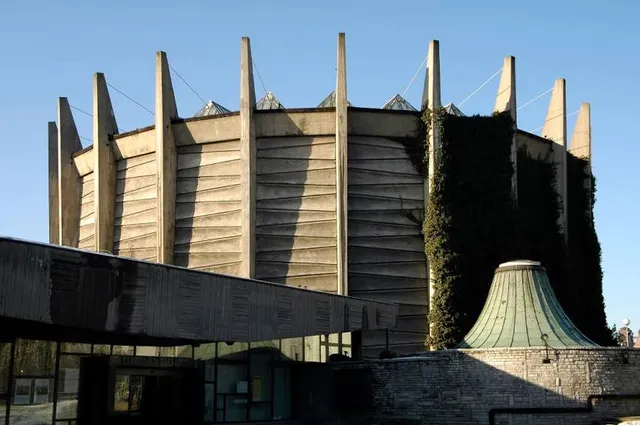
Panorama of the Battle of Racławice
Jana Ewangelisty Purkyniego 11, 50-155 Wrocław, Poland
4.8(10.1K)
Closed

tickets
Save
spot
spot
Ratings & Description
Info
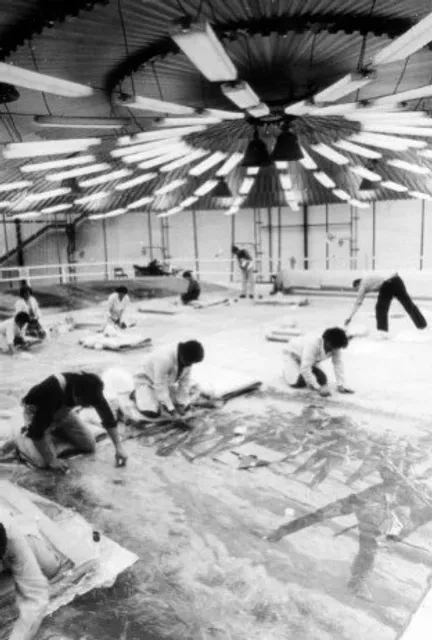
The Racławice Panorama is a monumental cycloramic painting depicting the Battle of Racławice, during the Kościuszko Uprising. It is located in Wrocław, Poland. The painting is one of only a few preserved relics of a genre of 19th-century mass culture, and the oldest in Poland.
Cultural
Accessibility
attractions: Juliusz Słowacki Park, National Museum in Wrocław, The Lower Silesian Family Of Katyn, Panorama Dwarf, Museum of Architecture, Post and Telecommunication Museum, Juliusz Słowacki Monument in Wrocław, Zatoka Gondoli, Cathedral of St. John the Baptist, Tumski Bridge, restaurants: Drevny Kocur OVO Wroclaw, Pinta Wrocław, Dim Sum Garden, Przybij Piątaka, Stary Klasztor, OVO Bar&Restaurant, ORZO Viola Wrocław, Herbaciarnia Targowa, Kuchnia Marché Galeria Dominikańska Wrocław, Restauracja Lwia Brama², local businesses: Ziegel-Bastion, Zatoka Gondoli, Galeria Dominikańska, Piaskowa 17, Market Hall, Wrocław Market Hall, Campo Modern Grill, Ostrów Tumski, Wrocław, Sevi Kebab Galeria Dominikańska Wrocław, Nowy Targ Square
 Learn more insights from Wanderboat AI.
Phone
+48 71 344 16 61
Website
mnwr.pl
Open hoursSee all hours
Fri9 AM - 4 PMClosed
Plan your stay

Pet-friendly Hotels in Wrocław
Find a cozy hotel nearby and make it a full experience.

Affordable Hotels in Wrocław
Find a cozy hotel nearby and make it a full experience.

The Coolest Hotels You Haven't Heard Of (Yet)
Find a cozy hotel nearby and make it a full experience.

Trending Stays Worth the Hype in Wrocław
Find a cozy hotel nearby and make it a full experience.
Reviews
Live events
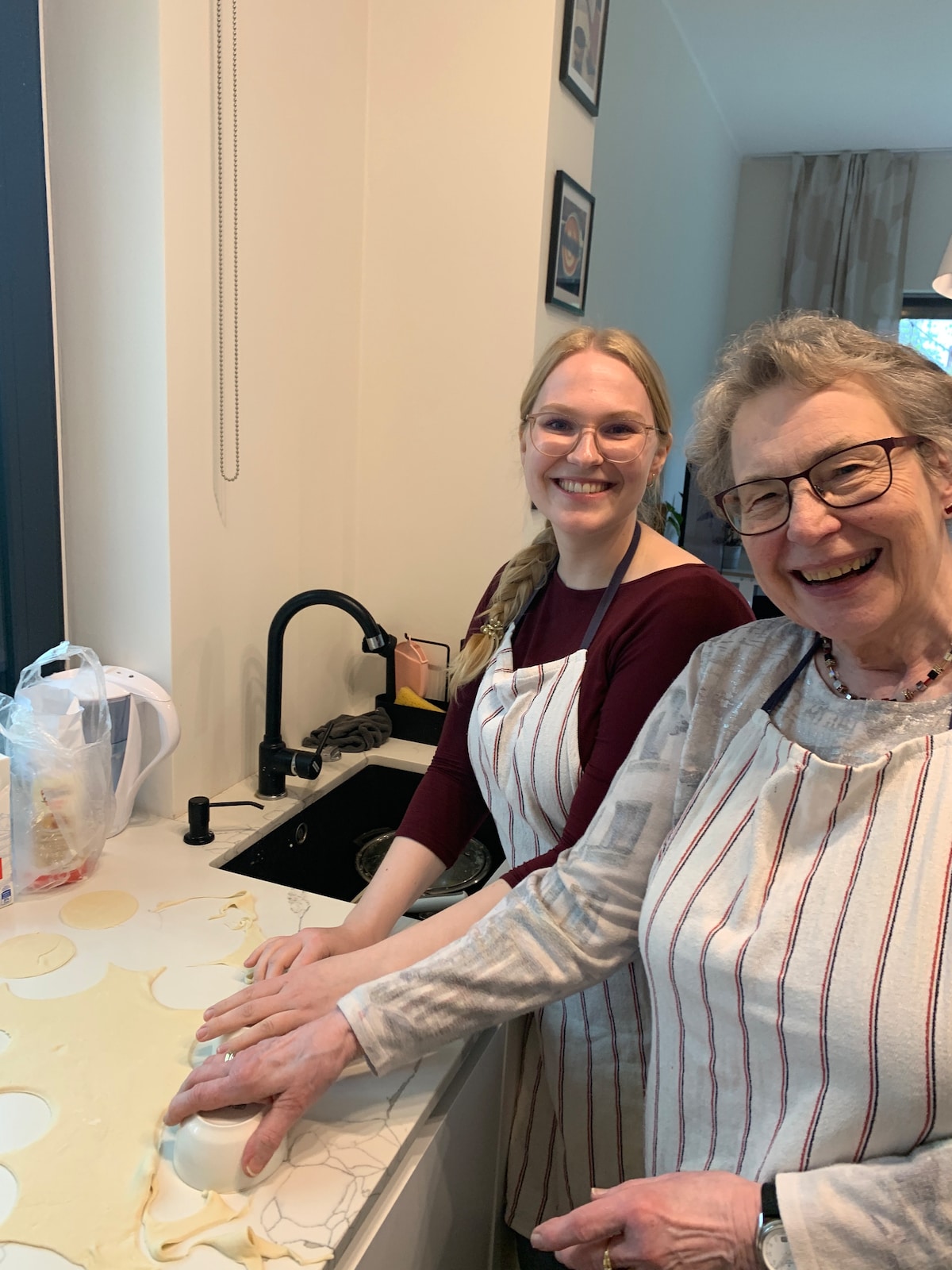
Make pierogi dumplings in workshop
Sat, Feb 21 • 11:00 AM
53-020, Wrocław, Lower Silesian Voivodeship, Poland
View details
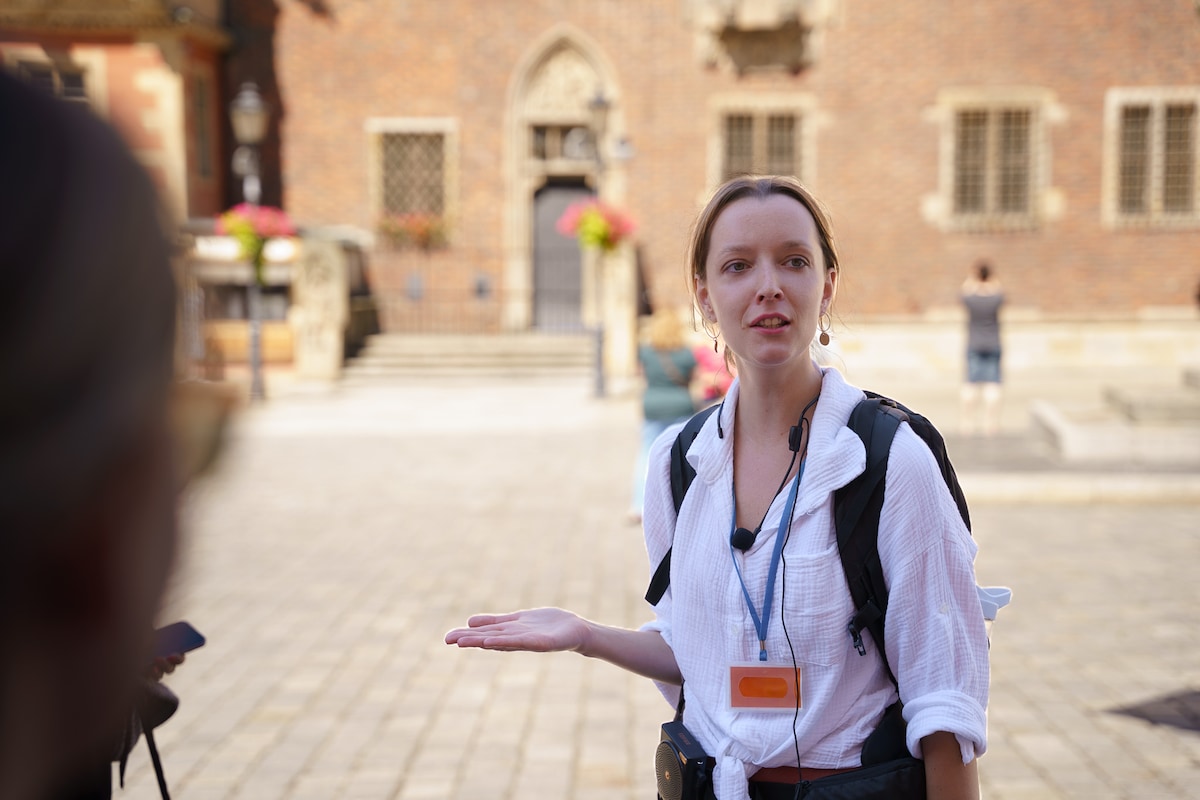
Discover the most beautiful corners of Wrocław
Fri, Feb 20 • 11:00 AM
50-116, Wrocław, Lower Silesian Voivodeship, Poland
View details

„Most do relacji” - otwarta grupa wsparcia w budowaniu relacji
Mon, Feb 23 • 6:00 PM
Kostrzyńska, Wrocław, Poland
View details
Nearby attractions of Panorama of the Battle of Racławice
Juliusz Słowacki Park
National Museum in Wrocław
The Lower Silesian Family Of Katyn
Panorama Dwarf
Museum of Architecture
Post and Telecommunication Museum
Juliusz Słowacki Monument in Wrocław
Zatoka Gondoli
Cathedral of St. John the Baptist
Tumski Bridge
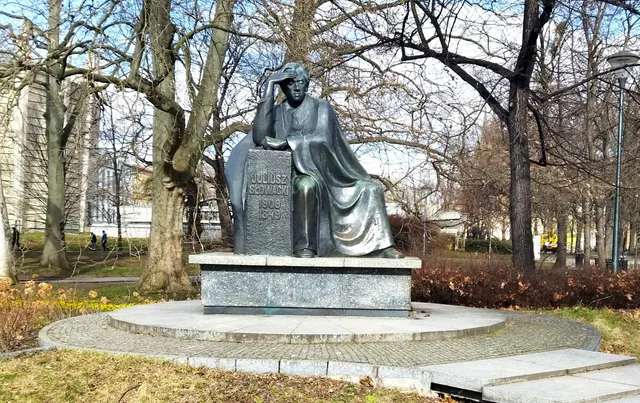
Juliusz Słowacki Park
4.6
(10.1K)
Open until 12:00 AM
Click for details
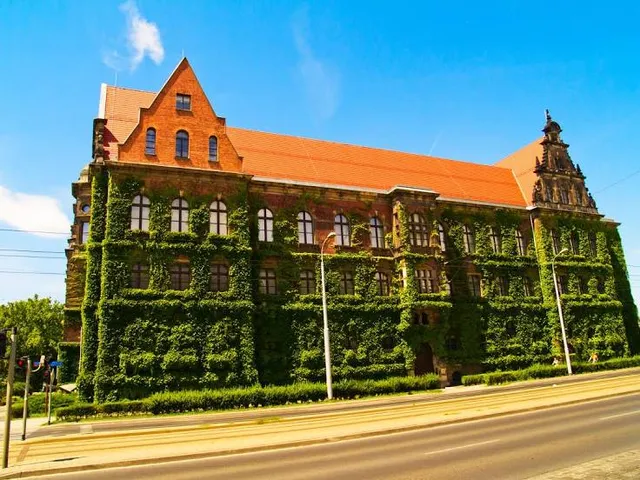
National Museum in Wrocław
4.6
(3.8K)
Closed
Click for details
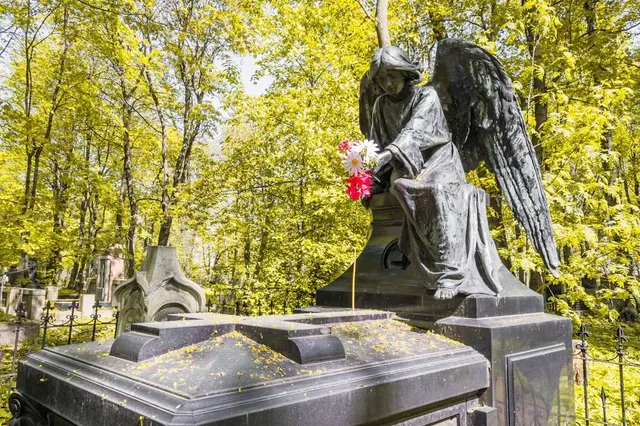
The Lower Silesian Family Of Katyn
4.9
(127)
Open until 12:00 AM
Click for details
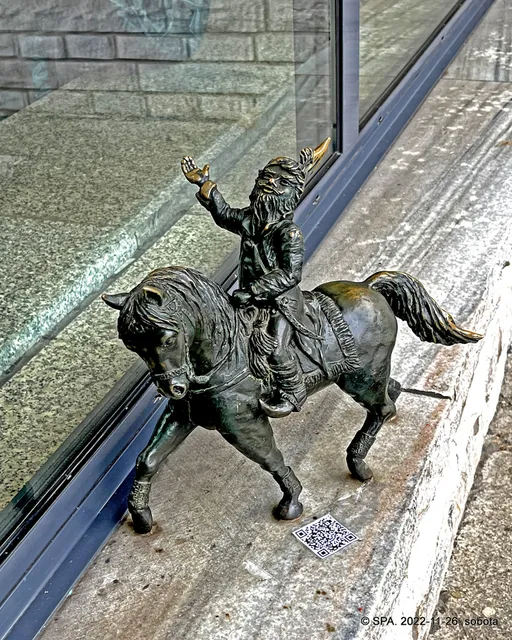
Panorama Dwarf
5.0
(36)
Open until 12:00 AM
Click for details
Nearby restaurants of Panorama of the Battle of Racławice
Drevny Kocur OVO Wroclaw
Pinta Wrocław
Dim Sum Garden
Przybij Piątaka
Stary Klasztor
OVO Bar&Restaurant
ORZO Viola Wrocław
Herbaciarnia Targowa
Kuchnia Marché Galeria Dominikańska Wrocław
Restauracja Lwia Brama²
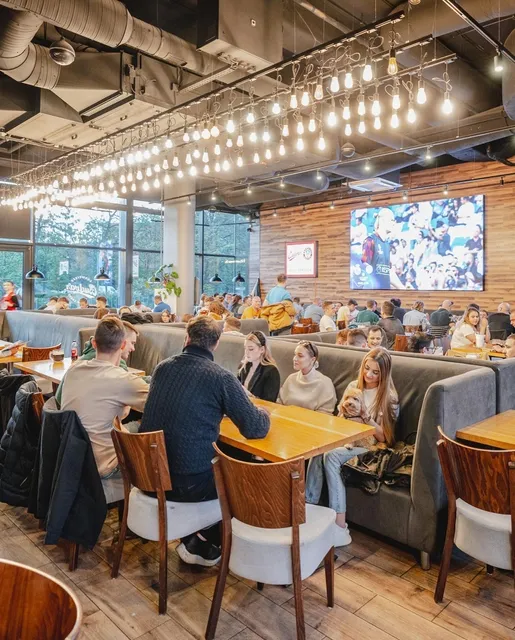
Drevny Kocur OVO Wroclaw
4.5
(3.7K)
Closed
Click for details
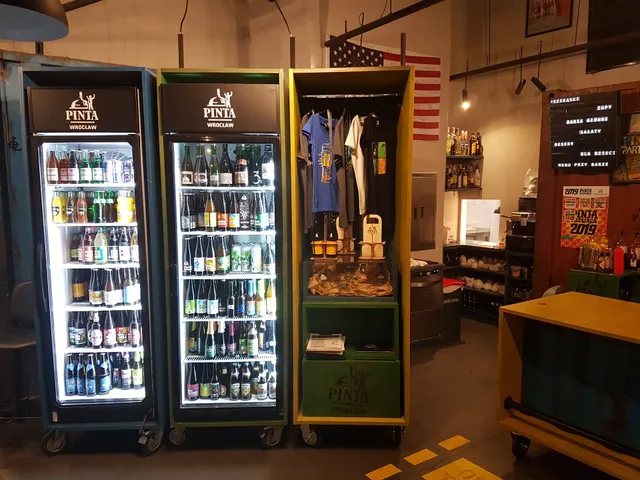
Pinta Wrocław
4.5
(1.5K)
Closed
Click for details
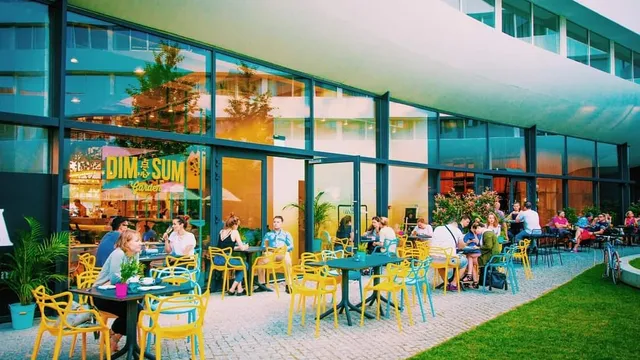
Dim Sum Garden
4.6
(1.4K)
Closed
Click for details
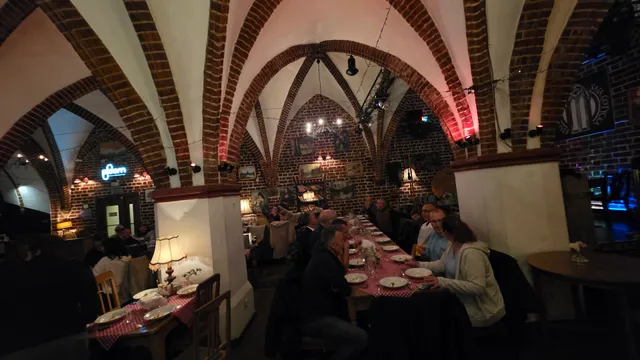
Przybij Piątaka
4.6
(2.5K)
Closed
Click for details
Nearby local services of Panorama of the Battle of Racławice
Ziegel-Bastion
Zatoka Gondoli
Galeria Dominikańska
Piaskowa 17
Market Hall
Wrocław Market Hall
Campo Modern Grill
Ostrów Tumski, Wrocław
Sevi Kebab Galeria Dominikańska Wrocław
Nowy Targ Square
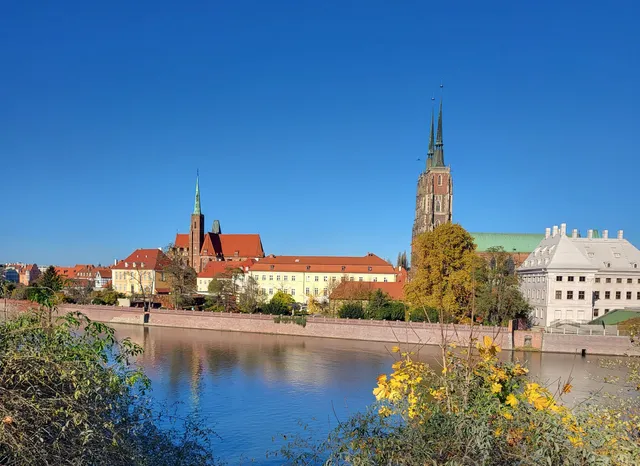
Ziegel-Bastion
4.6
(1.2K)
Click for details
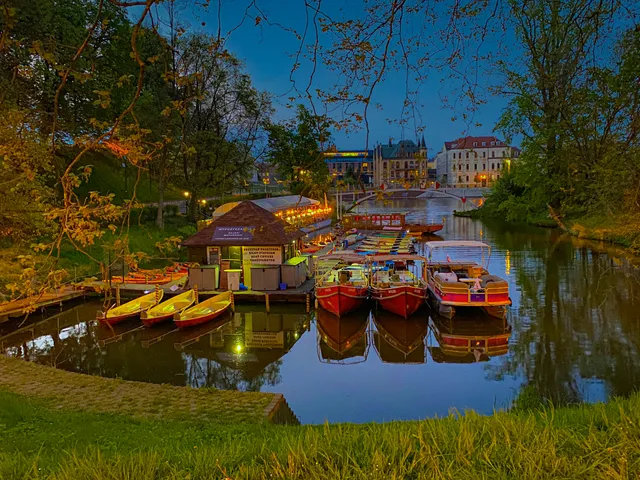
Zatoka Gondoli
4.6
(325)
Click for details

Galeria Dominikańska
4.3
(14.4K)
Click for details
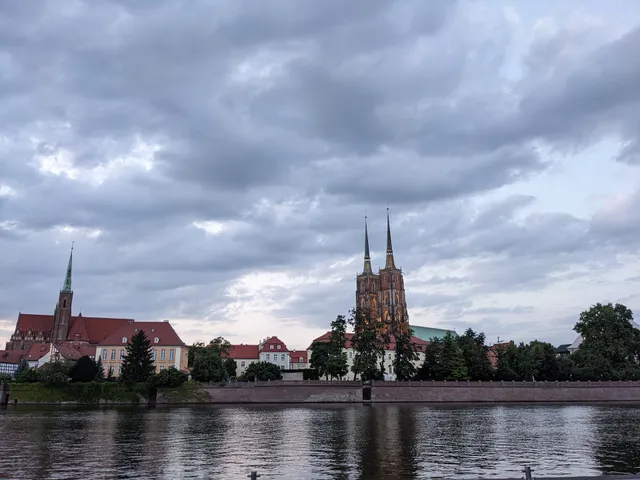
Piaskowa 17
4.4
(5.3K)
Click for details