Santa Maria House Museum things to do, attractions, restaurants, events info and trip planning
Basic Info
Santa Maria House Museum
Praceta Farol, 2750-642 Cascais, Portugal
4.5(529)
Open until 12:00 AM

tickets
Save
spot
spot
Ratings & Description
Info
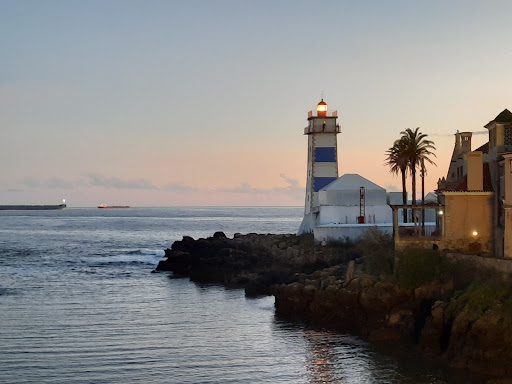
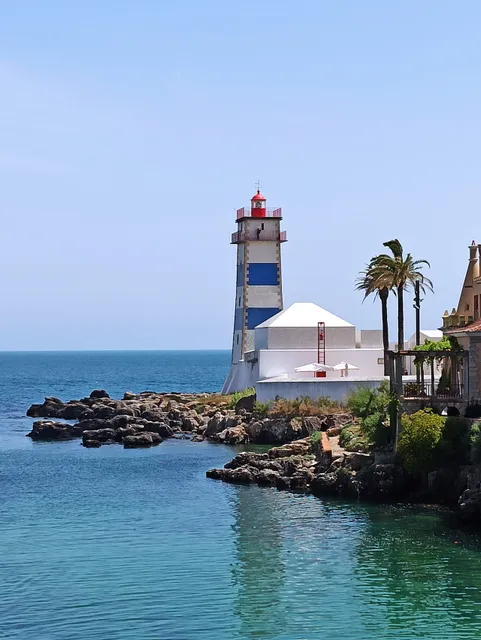
The Santa Marta Lighthouse is situated to the south of the centre of Cascais, Lisbon District, Portugal, on the estuary of the River Tagus, providing a light for the Cascais Bay and for the town's new marina. It is a quadrangular masonry tower covered with white tiles, with blue horizontal stripes and a red lantern.
Cultural
Scenic
Family friendly
Accessibility
attractions: Cascais Marina, Parque Marechal Carmona, Praia de Santa Marta, Museu Condes de Castro Guimarães, Farol Museu de Santa Marta, Forte de Santa Marta, Dom Luis I Foundation, Casa das Histórias Paula Rego, Casa Sommer, Museu do Mar Rei Dom Carlos I, restaurants: Lusophonica Online Radio, Pizzaria Gordinni Marina Cascais, Mercearia vencedora, Marisco na Praça - Marina de Cascais, Kafeine Cascais, Valério, La Brasserie de L'Entrecôte, espaço trium, Tasca da Linha, YAM Asian Restaurant Bar, local businesses: Museu Condes de Castro Guimarães, Fortress Nossa Senhora da Luz de Cascais, Cidadela de Cascais, Chapel São Sebastião, Iglesia Parroquial de Nuestra Señora de la Asunción, Igreja de Nossa Senhora dos Navegantes, R. Visc. Luz 21, Portugal Guided Tours - Cascais & Sintra, Church of Our Lady of the Assumption
 Learn more insights from Wanderboat AI.
Phone
+351 21 481 5383
Website
bairrodosmuseus.cascais.pt
Open hoursSee all hours
Tue10 AM - 1 PM, 2 - 6 PMOpen
Plan your stay

Pet-friendly Hotels in Cascais
Find a cozy hotel nearby and make it a full experience.

Affordable Hotels in Cascais
Find a cozy hotel nearby and make it a full experience.

The Coolest Hotels You Haven't Heard Of (Yet)
Find a cozy hotel nearby and make it a full experience.

Trending Stays Worth the Hype in Cascais
Find a cozy hotel nearby and make it a full experience.
Reviews
Live events

Splash&Spa
Tue, Feb 24 • 10:00 AM
Rua das Palmeiras, Lote 5 - Quinta da Marinha, 2750-005
View details
Horizonte de Quéops: Viagem ao Antigo Egito
Thu, Feb 26 • 12:00 PM
Terreiro do Paço, Lisboa, 1100-278
View details
Museu das Ilusões - Lisboa
Tue, Feb 24 • 10:00 AM
R. Ivens 62, Lisboa, 1200-227
View details
Nearby attractions of Santa Maria House Museum
Cascais Marina
Parque Marechal Carmona
Praia de Santa Marta
Museu Condes de Castro Guimarães
Farol Museu de Santa Marta
Forte de Santa Marta
Dom Luis I Foundation
Casa das Histórias Paula Rego
Casa Sommer
Museu do Mar Rei Dom Carlos I
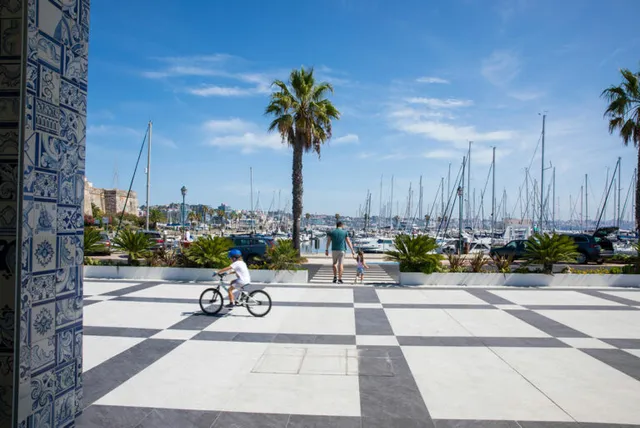
Cascais Marina
4.5
(3.5K)
Open until 2:00 AM
Click for details
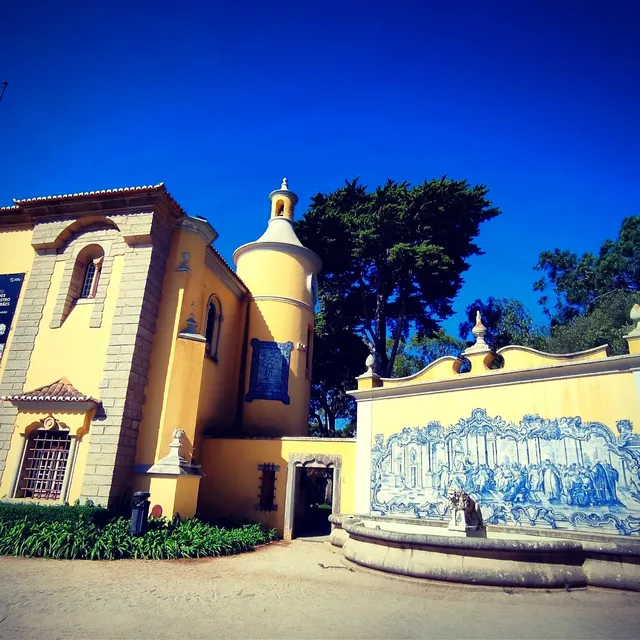
Parque Marechal Carmona
4.6
(4.2K)
Open 24 hours
Click for details
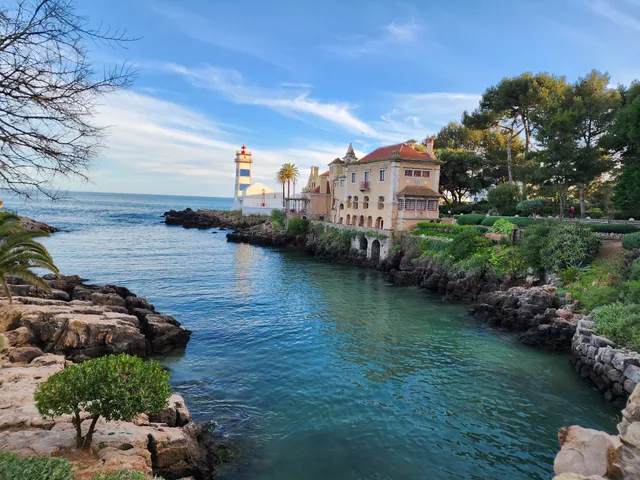
Praia de Santa Marta
4.5
(444)
Open until 12:00 AM
Click for details
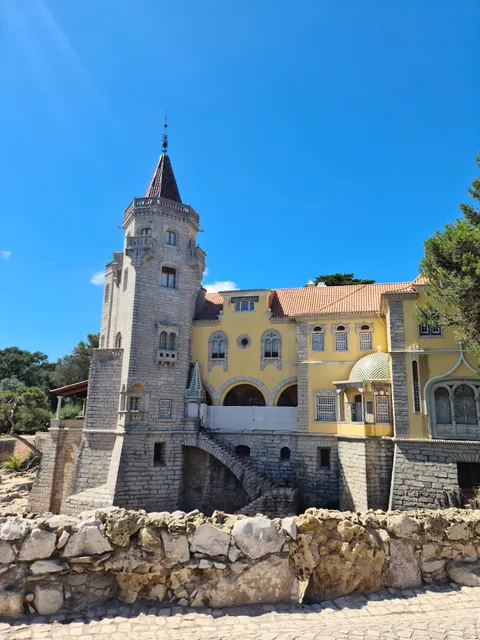
Museu Condes de Castro Guimarães
4.6
(352)
Open until 12:00 AM
Click for details
Nearby restaurants of Santa Maria House Museum
Lusophonica Online Radio
Pizzaria Gordinni Marina Cascais
Mercearia vencedora
Marisco na Praça - Marina de Cascais
Kafeine Cascais
Valério
La Brasserie de L'Entrecôte
espaço trium
Tasca da Linha
YAM Asian Restaurant Bar
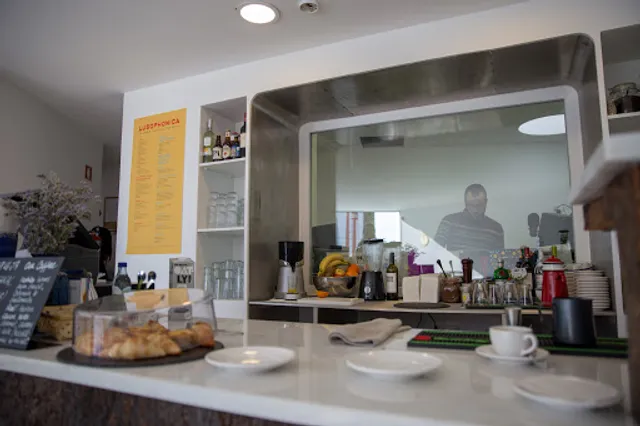
Lusophonica Online Radio
4.6
(197)
Open until 12:00 AM
Click for details
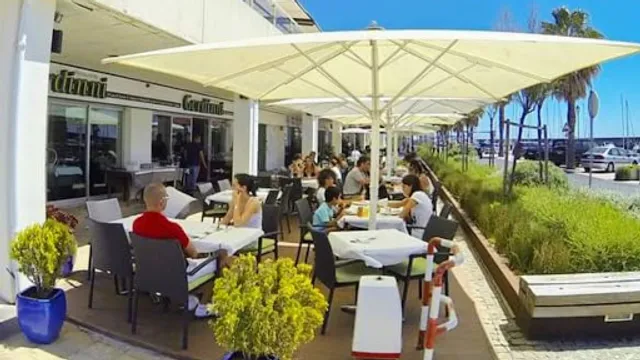
Pizzaria Gordinni Marina Cascais
4.0
(578)
$$
Closed
Click for details
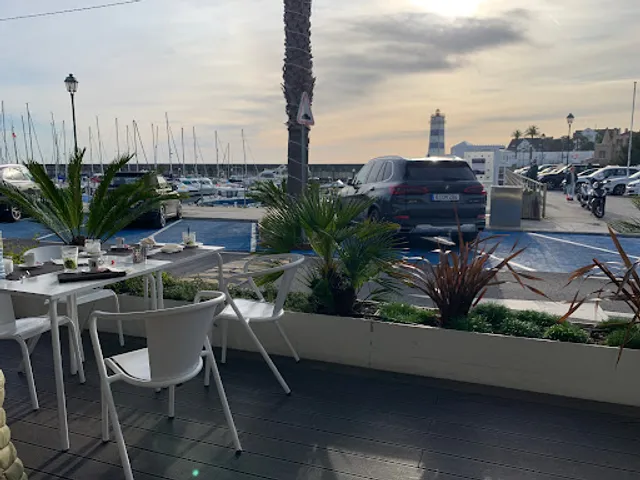
Mercearia vencedora
4.1
(537)
$$
Closed
Click for details
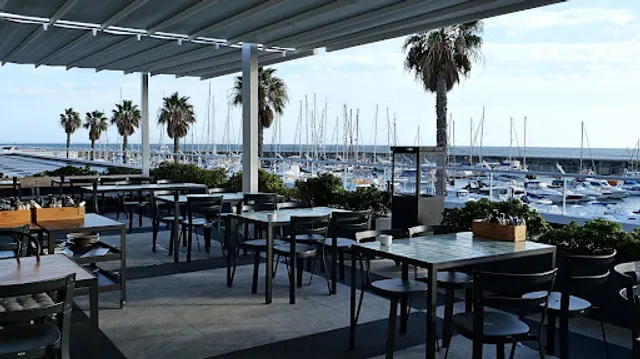
Marisco na Praça - Marina de Cascais
4.2
(424)
$$
Closed
Click for details
Nearby local services of Santa Maria House Museum
Museu Condes de Castro Guimarães
Fortress Nossa Senhora da Luz de Cascais
Cidadela de Cascais
Chapel São Sebastião
Iglesia Parroquial de Nuestra Señora de la Asunción
Igreja de Nossa Senhora dos Navegantes
R. Visc. Luz 21
Portugal Guided Tours - Cascais & Sintra
Church of Our Lady of the Assumption
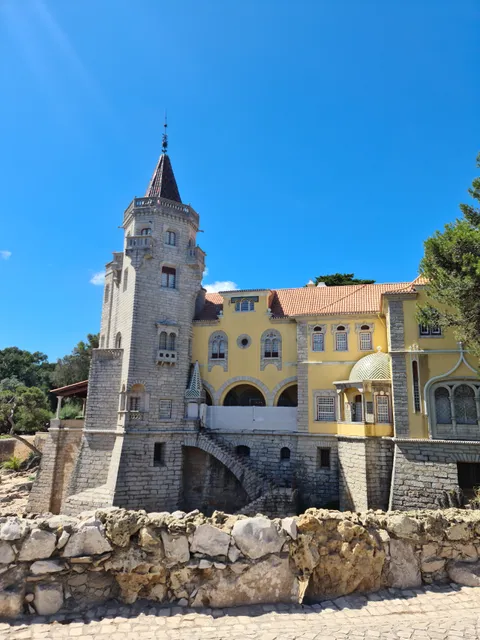
Museu Condes de Castro Guimarães
4.6
(251)
Click for details

Fortress Nossa Senhora da Luz de Cascais
4.4
(813)
Click for details
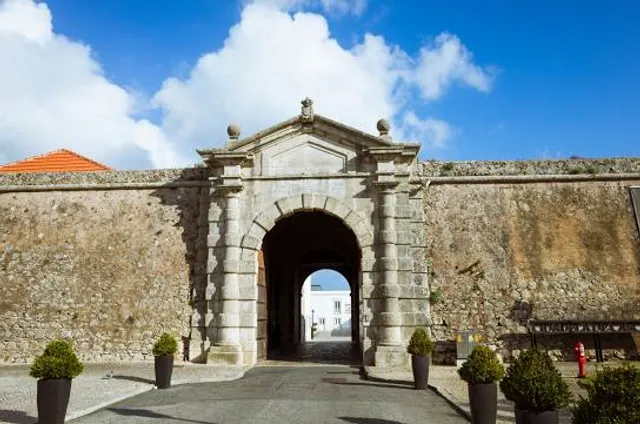
Cidadela de Cascais
4.6
(544)
Click for details
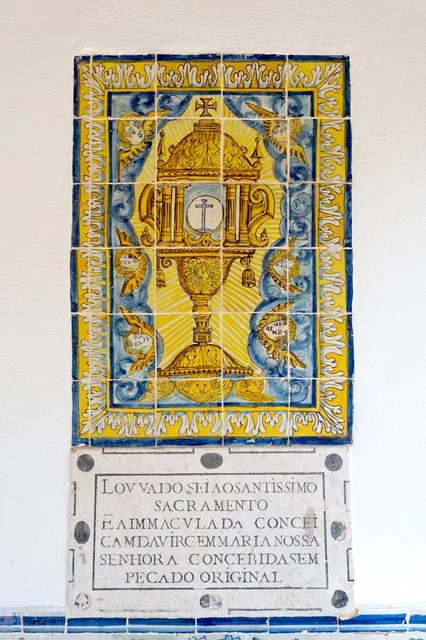
Chapel São Sebastião
4.8
(24)
Click for details