Mosteiro de Santa Clara-a-Velha things to do, attractions, restaurants, events info and trip planning
Basic Info
Mosteiro de Santa Clara-a-Velha
R. Parreiras, 3040-266 Coimbra, Portugal
4.4(723)
Open 24 hours
Save
spot
spot
Ratings & Description
Info
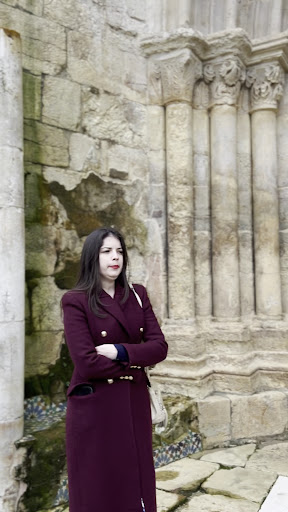
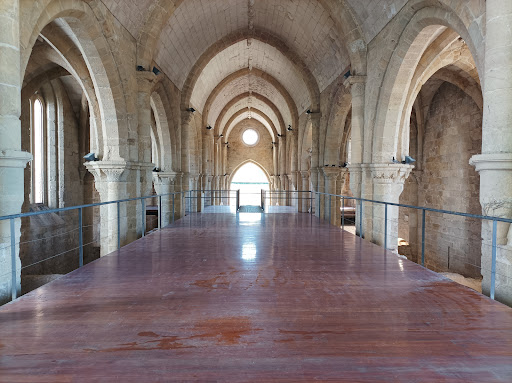
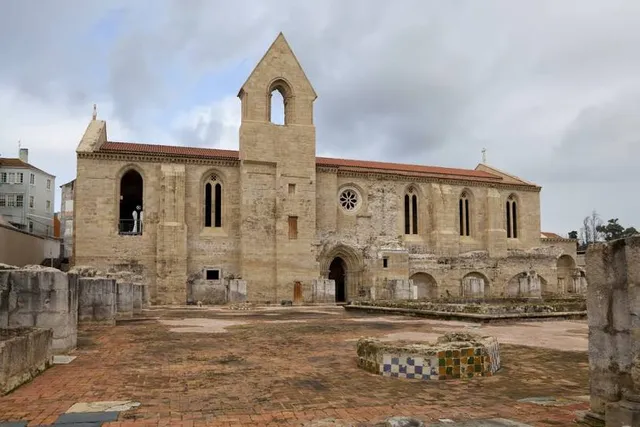
The ruins of the Monastery of Santa Clara-a-Velha are located in the city of Coimbra, in Portugal. The monastery was built in the 14th century on the left bank of the Mondego River, but had to be abandoned in the 17th century due to frequent floods.
Cultural
Scenic
Outdoor
Family friendly
Accessibility
attractions: Portugal dos Pequenitos, St Francis Convent, Monastery of Santa Clara-a-Nova, Jardins da Quinta das Lágrimas, Parque da Cidade Manuel Braga, Ponte Pedonal Pedro e Inês, Bienal Anozero — Convento de Santa Clara-a-Nova, Barbican Gate, University of Coimbra, Sé Velha - Coimbra, restaurants: Galeria Santa Clara, Gelataria Novalis, O Convento, Tasquinha Tirene, Restaurante Dona Taska, Restaurante Sabores da Romeira, Kebab Mir Baba, Taberna de Portugal, La Vara - Handmade Burgers & Portuguese Wines, Ragu fresh pasta, local businesses: Estádio Universitário de Coimbra, Palacio de las Escuelas, Museo del Agua, Exploratório - Centro Ciência Viva de Coimbra, Maggio, Torre, Biblioteca Joanina, Estatua de D. Juan III, Centro de Arte Contemporânea de Coimbra, Rua Direita
 Learn more insights from Wanderboat AI.
Phone
+351 239 801 160
Website
culturacentro.gov.pt
Plan your stay

Pet-friendly Hotels in Coimbra
Find a cozy hotel nearby and make it a full experience.

Affordable Hotels in Coimbra
Find a cozy hotel nearby and make it a full experience.

The Coolest Hotels You Haven't Heard Of (Yet)
Find a cozy hotel nearby and make it a full experience.

Trending Stays Worth the Hype in Coimbra
Find a cozy hotel nearby and make it a full experience.
Reviews
Live events
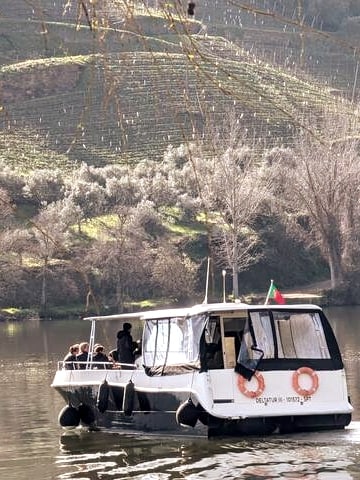
Royale Douro Valley Powered by Luxury Mercedes
Mon, Feb 23 • 9:30 AM
5050-280, Peso da Régua, Portugal
View details
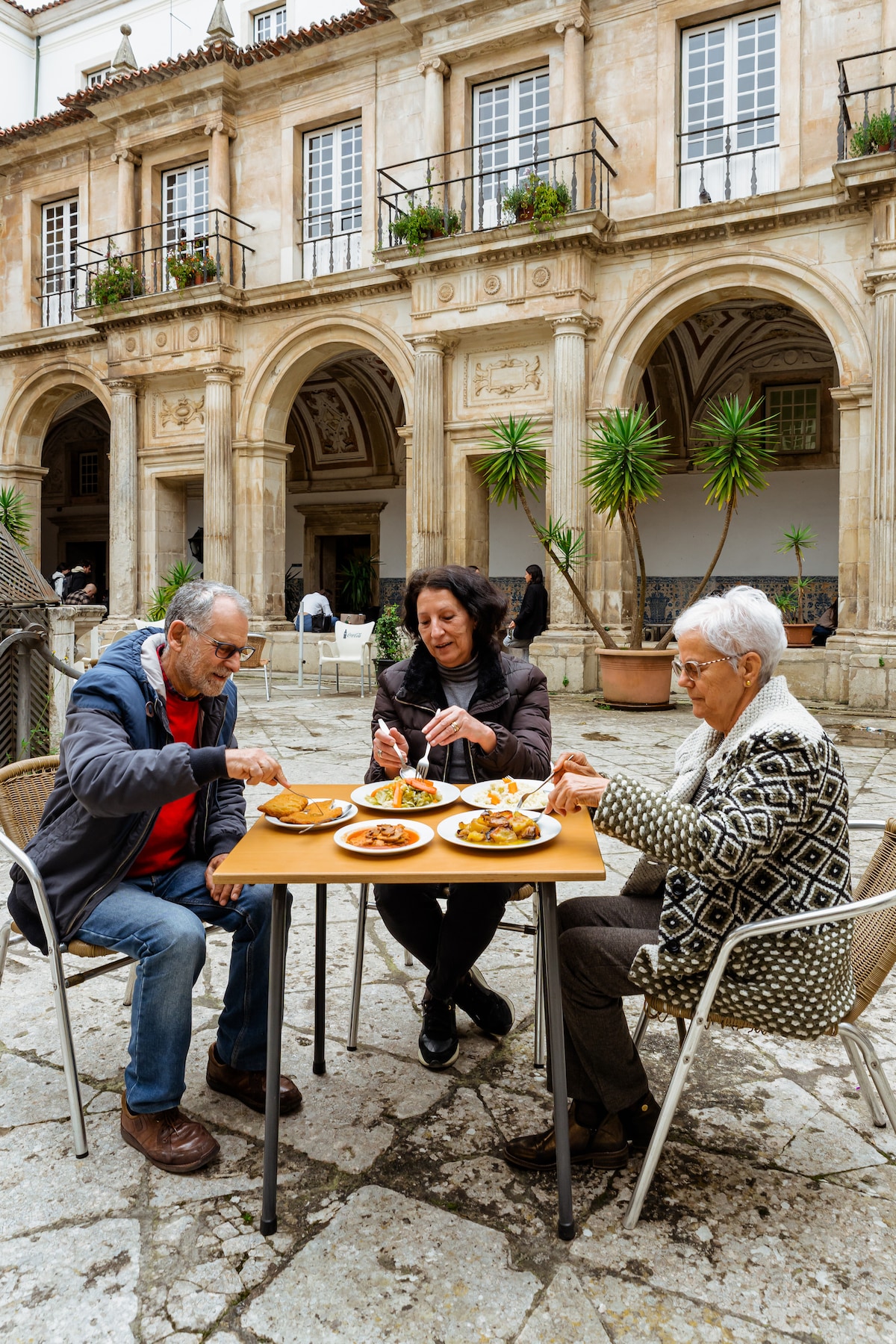
Coimbra Food and Wine Tasting Private Guided Walk
Tue, Feb 24 • 1:30 PM
3000-150, Coimbra, Portugal
View details

Savor Porto Wines in Coimbra’s Timeless Shop
Mon, Feb 23 • 6:00 PM
3000-423, Coimbra, Portugal
View details
Nearby attractions of Mosteiro de Santa Clara-a-Velha
Portugal dos Pequenitos
St Francis Convent
Monastery of Santa Clara-a-Nova
Jardins da Quinta das Lágrimas
Parque da Cidade Manuel Braga
Ponte Pedonal Pedro e Inês
Bienal Anozero — Convento de Santa Clara-a-Nova
Barbican Gate
University of Coimbra
Sé Velha - Coimbra
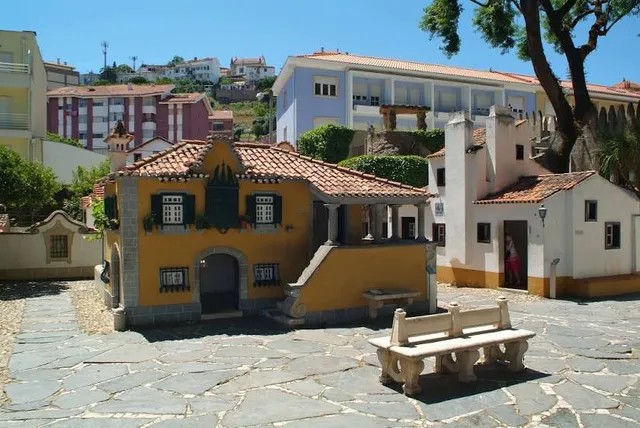
Portugal dos Pequenitos
4.3
(8.5K)
Closed
Click for details
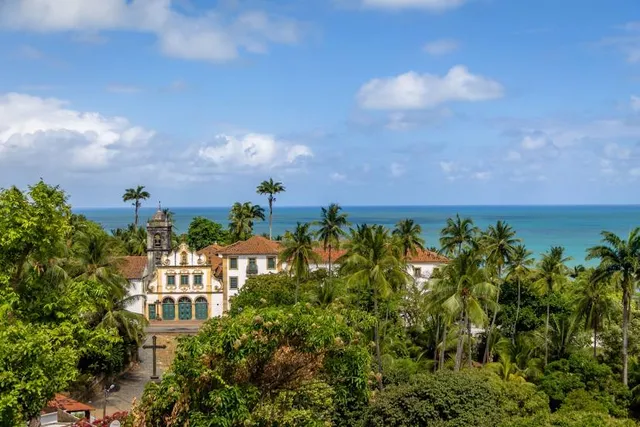
St Francis Convent
4.6
(1.1K)
Closed
Click for details
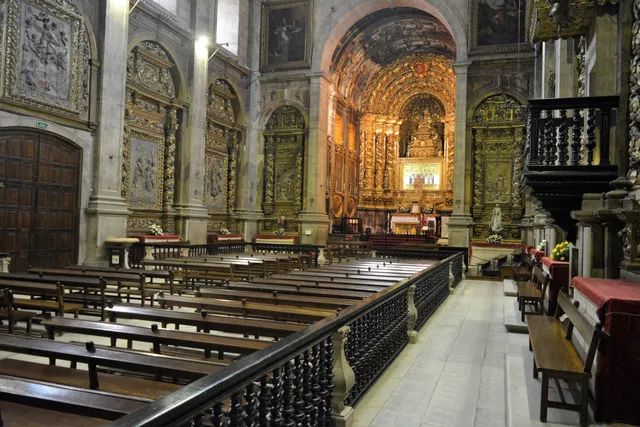
Monastery of Santa Clara-a-Nova
4.4
(1.2K)
Open until 6:30 PM
Click for details
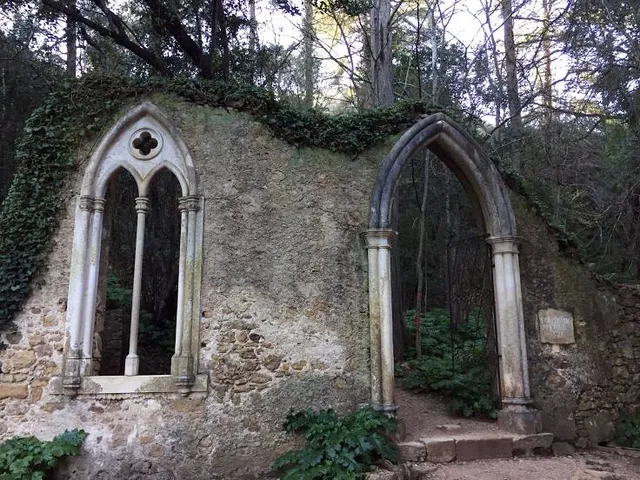
Jardins da Quinta das Lágrimas
4.2
(2.1K)
Open until 12:00 AM
Click for details
Nearby restaurants of Mosteiro de Santa Clara-a-Velha
Galeria Santa Clara
Gelataria Novalis
O Convento
Tasquinha Tirene
Restaurante Dona Taska
Restaurante Sabores da Romeira
Kebab Mir Baba
Taberna de Portugal
La Vara - Handmade Burgers & Portuguese Wines
Ragu fresh pasta
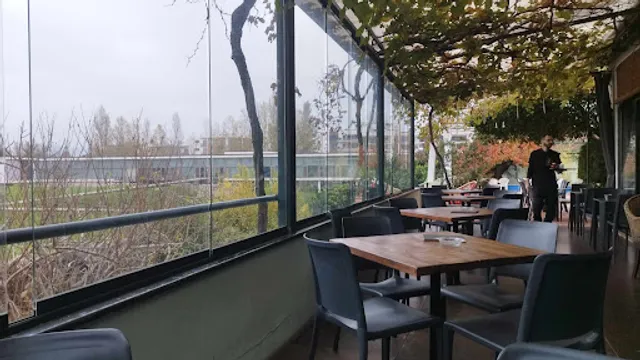
Galeria Santa Clara
4.3
(1.0K)
Closed
Click for details
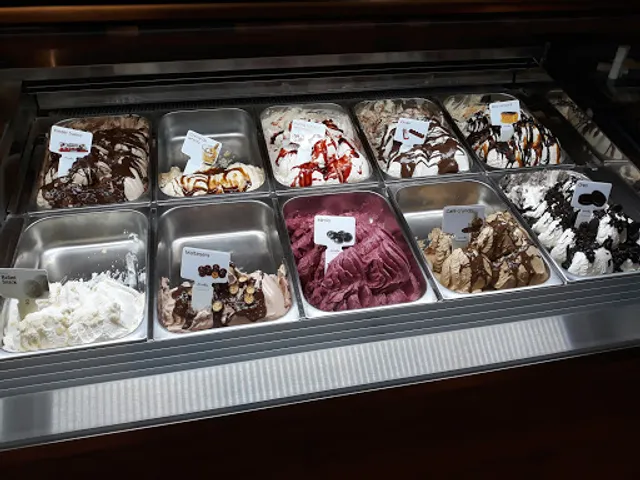
Gelataria Novalis
4.7
(858)
$$
Closed
Click for details
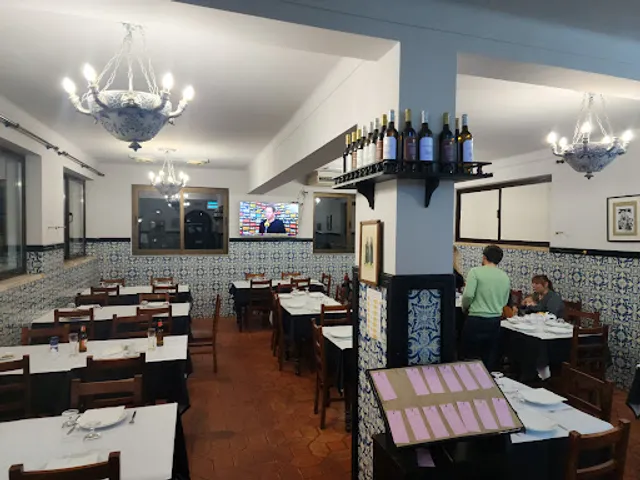
O Convento
4.2
(411)
Closed
Click for details
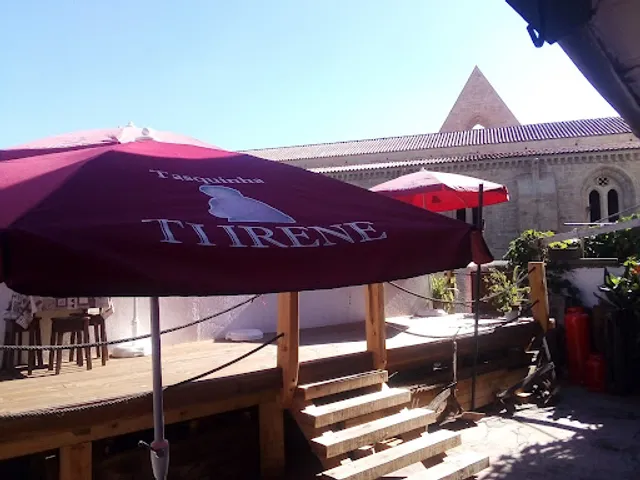
Tasquinha Tirene
4.2
(212)
Open until 12:00 AM
Click for details
Nearby local services of Mosteiro de Santa Clara-a-Velha
Estádio Universitário de Coimbra
Palacio de las Escuelas
Museo del Agua
Exploratório - Centro Ciência Viva de Coimbra
Maggio
Torre
Biblioteca Joanina
Estatua de D. Juan III
Centro de Arte Contemporânea de Coimbra
Rua Direita
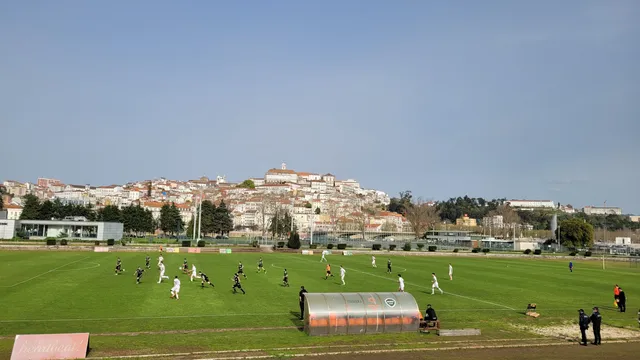
Estádio Universitário de Coimbra
4.3
(270)
Click for details
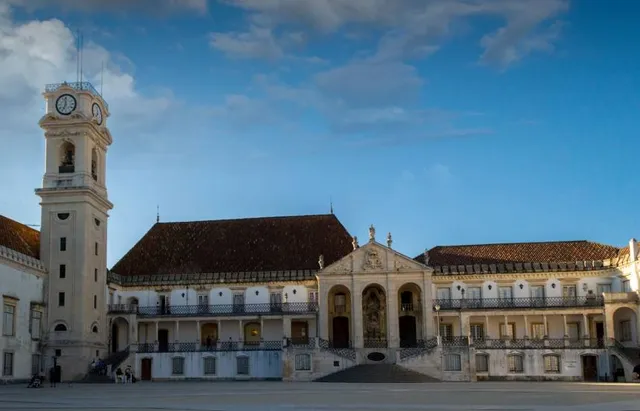
Palacio de las Escuelas
4.5
(6.7K)
Click for details
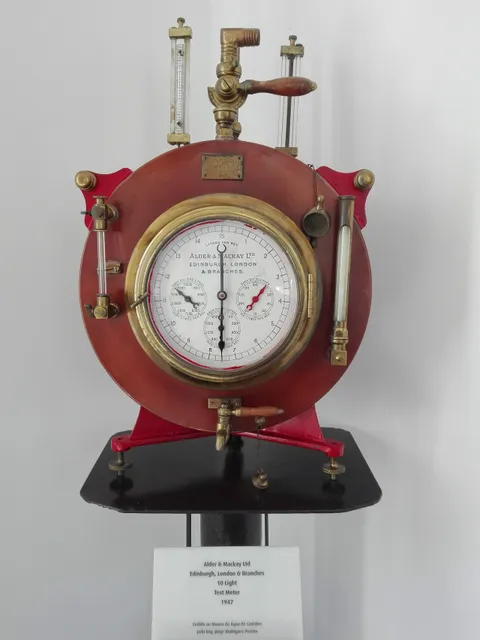
Museo del Agua
4.2
(86)
Click for details

Exploratório - Centro Ciência Viva de Coimbra
4.5
(587)
Click for details