Academy of Sciences things to do, attractions, restaurants, events info and trip planning
Basic Info
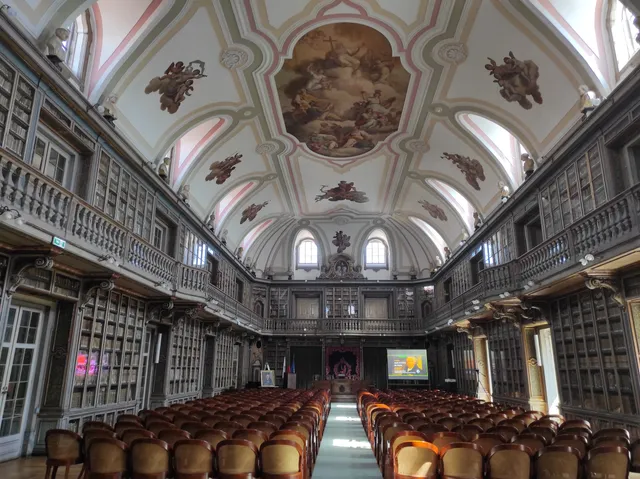
Academy of Sciences
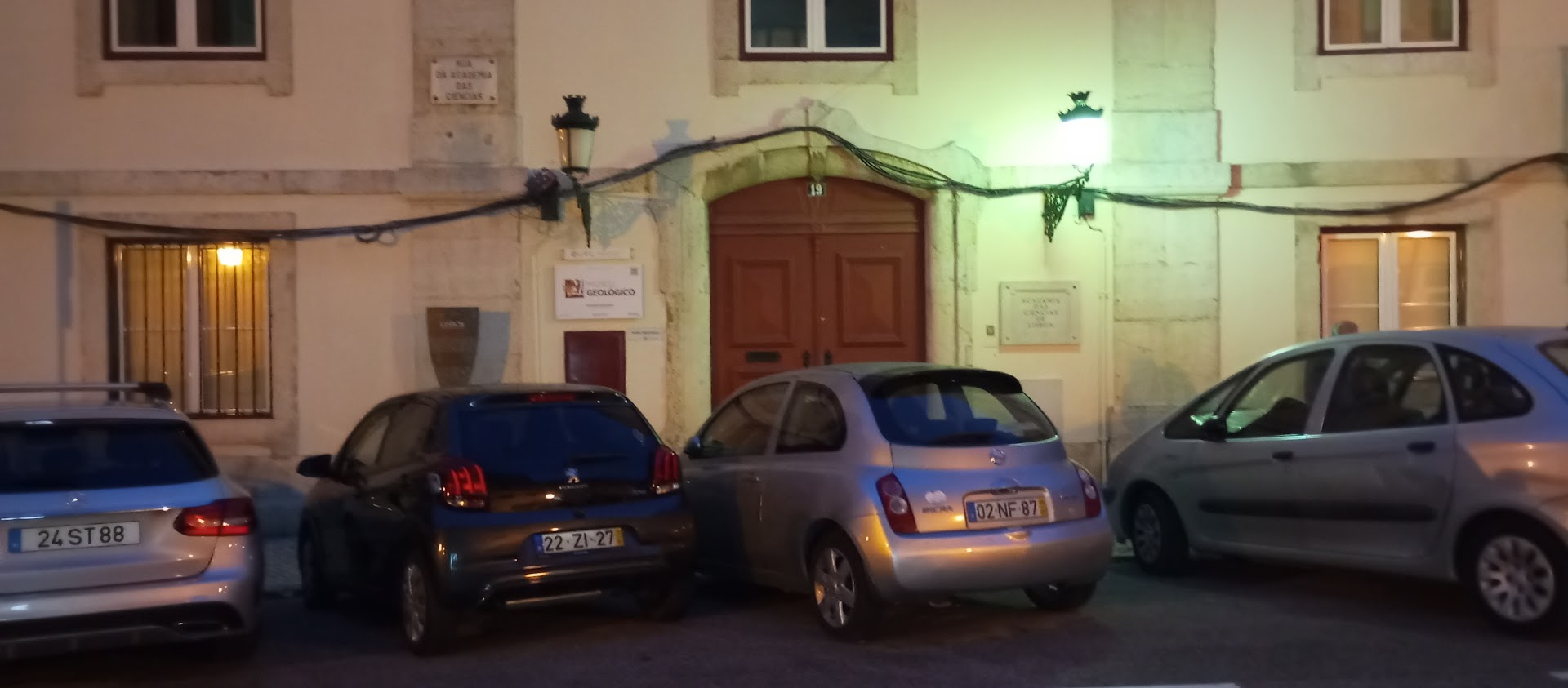
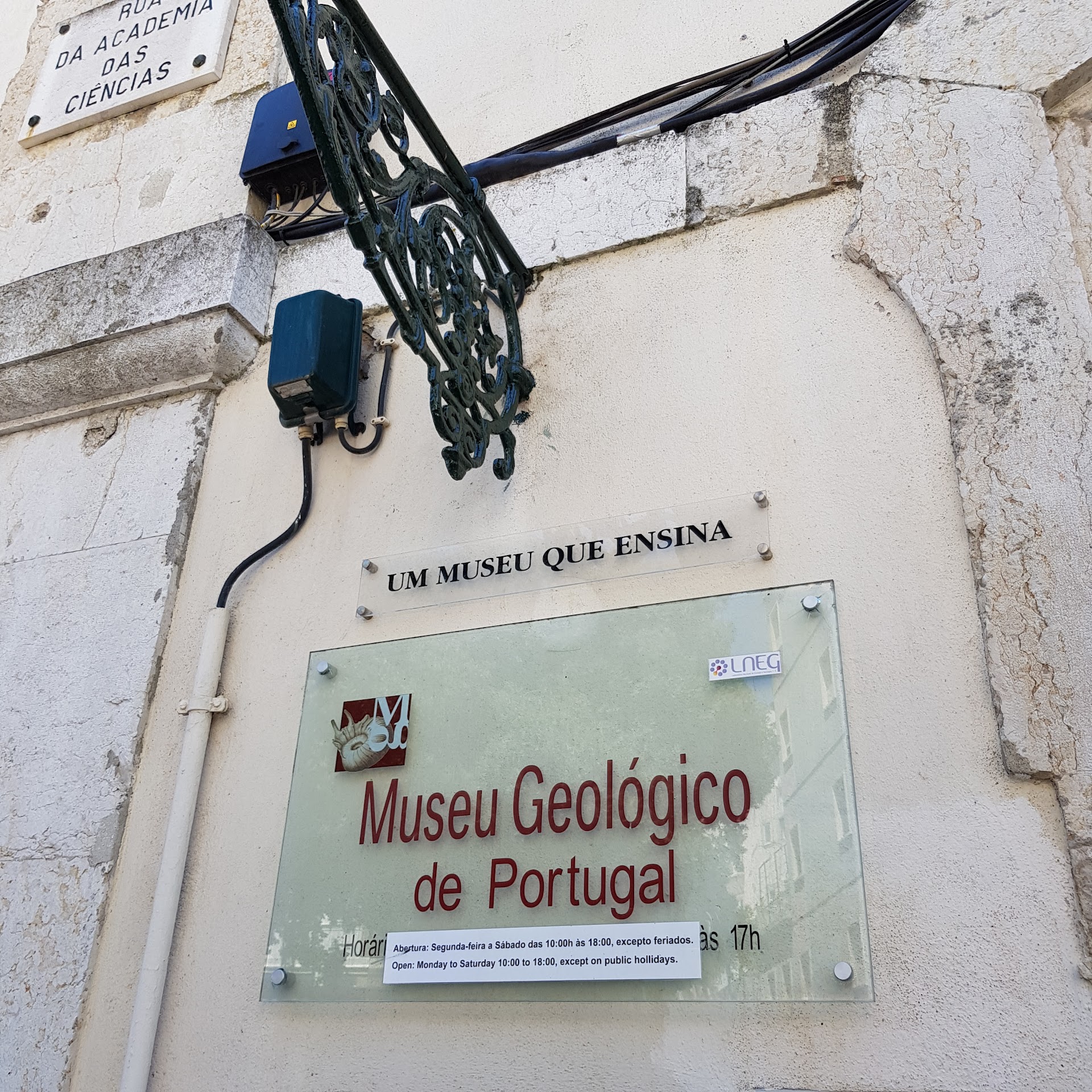
R. da Academia das Ciências 19 2°, 1200-032 Lisboa, Portugal
4.6(291)
Open until 12:00 AM
Save
spot
spot
Ratings & Description
Info
The California Academy of Sciences is a research institute and natural history museum in San Francisco, California, that is among the largest museums of natural history in the world, housing over 46 million specimens.
Cultural
Family friendly
Accessibility
attractions: Museu Geológico, Game Over, Principe Real garden, Atelier Museu Júlio Pomar, Church of Saint Catherine, Cardaes Convent, Miradouro de São Pedro de Alcântara, São Bento Palace, Pharmacy Museum, Praça Luís de Camões, restaurants: CINCO lounge, Seagull Method cafe • Brunch, Bistro Edelweiss, Churrasqueira da Paz, Oyster & Margarita Príncipe Real, Foxtrot, Seventh Brunch, The Royal Vessel bar, Finalmente Club, Breakfast Lovers Misericórdia, local businesses: Elevador da Bica, Palace of Saint Benedict / Assembly of the Republic, La Pizza di Nanna, Mercado Biológico do Principe Real, A Sala wellness hub - Cowork de terapeutas, Pink Vintage Heart, Constitutional Court, Palavra de Viajante, Brazil House Lisbon, Trombeta Bath
 Learn more insights from Wanderboat AI.
Phone
+351 21 321 9730
Website
acad-ciencias.pt
Open hoursSee all hours
SatClosedOpen
Plan your stay

Pet-friendly Hotels in Lisbon
Find a cozy hotel nearby and make it a full experience.

Affordable Hotels in Lisbon
Find a cozy hotel nearby and make it a full experience.

The Coolest Hotels You Haven't Heard Of (Yet)
Find a cozy hotel nearby and make it a full experience.

Trending Stays Worth the Hype in Lisbon
Find a cozy hotel nearby and make it a full experience.
Reviews
Live events
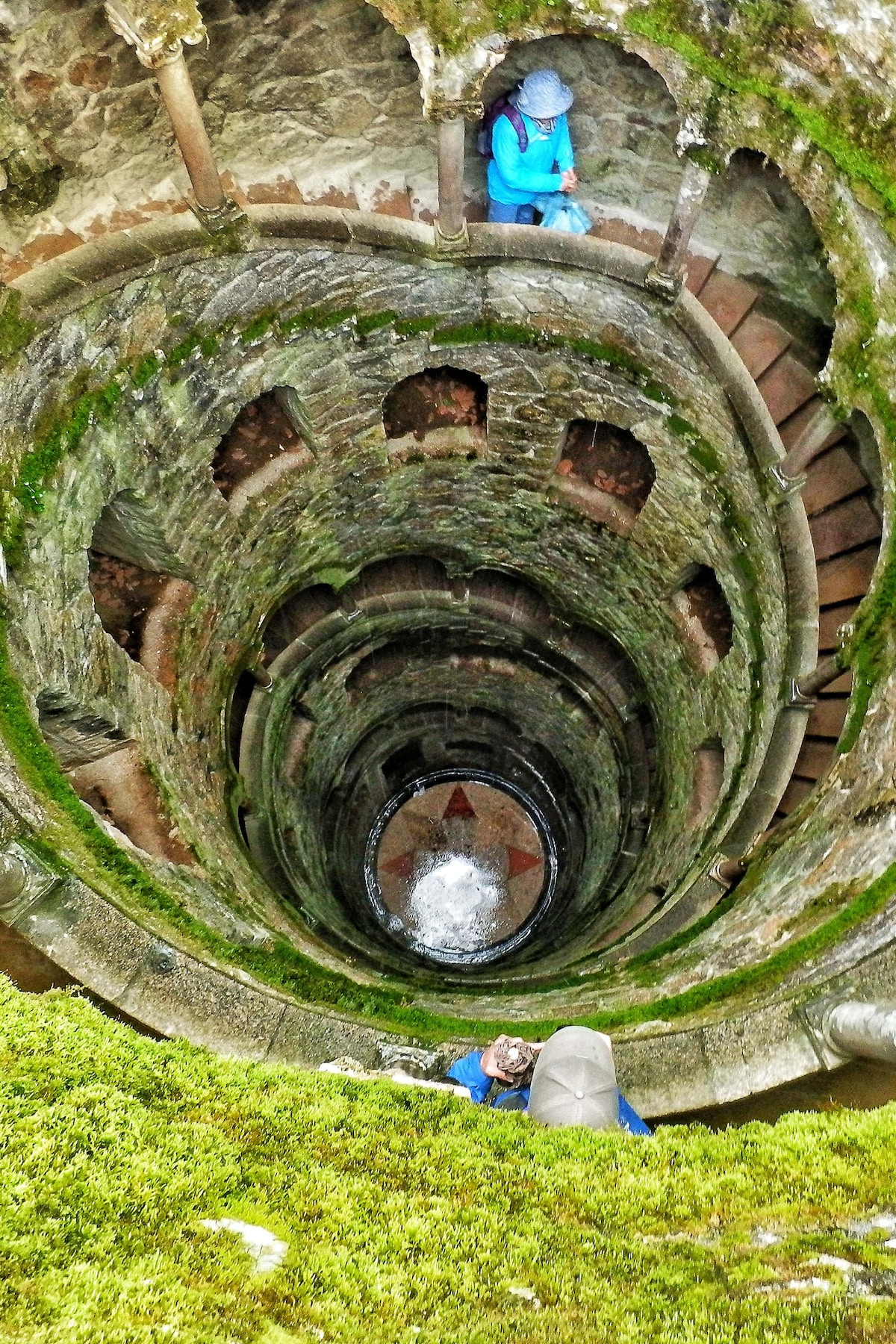
Sintra Tour from Lisbon - The True Experience
Sat, Feb 28 • 8:15 AM
1249-970, Lisbon, Portugal
View details

Splash&Spa
Mon, Mar 2 • 10:00 AM
Rua das Palmeiras, Lote 5 - Quinta da Marinha, 2750-005
View details

Bake Pastel de Nata in a real bakery in Lisbon
Sat, Feb 28 • 10:00 AM
1100-581, Lisbon, Portugal
View details
Nearby attractions of Academy of Sciences
Museu Geológico
Game Over
Principe Real garden
Atelier Museu Júlio Pomar
Church of Saint Catherine
Cardaes Convent
Miradouro de São Pedro de Alcântara
São Bento Palace
Pharmacy Museum
Praça Luís de Camões
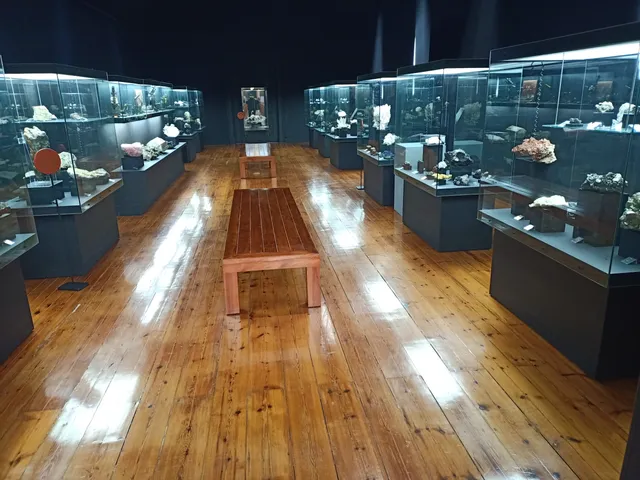
Museu Geológico
4.5
(82)
Open until 12:00 AM
Click for details

Game Over
4.9
(4.1K)
Closed
Click for details
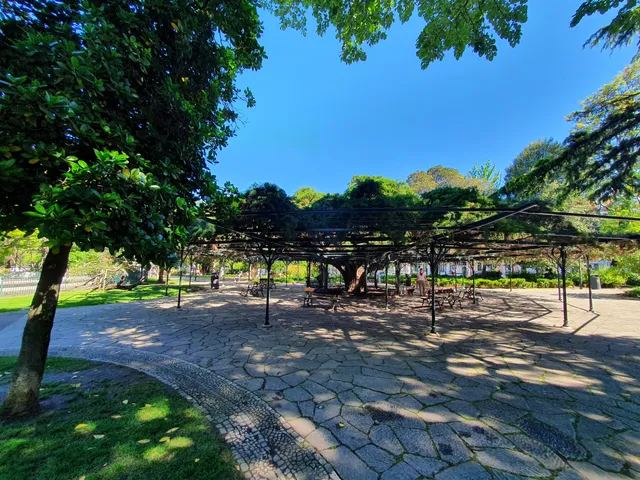
Principe Real garden
4.5
(5.4K)
Open until 12:00 AM
Click for details
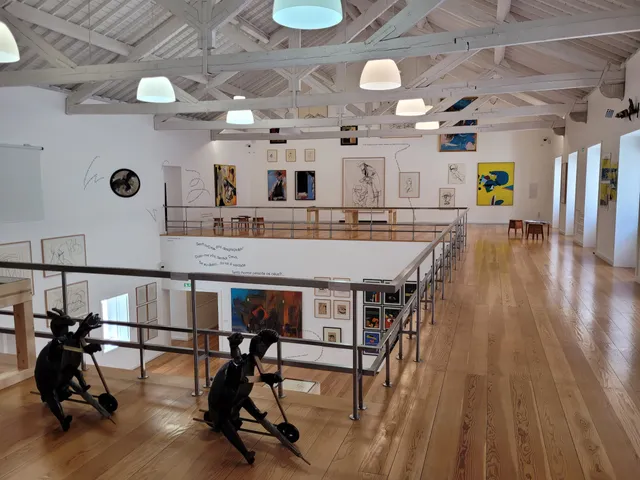
Atelier Museu Júlio Pomar
4.3
(150)
Closed
Click for details
Nearby restaurants of Academy of Sciences
CINCO lounge
Seagull Method cafe • Brunch
Bistro Edelweiss
Churrasqueira da Paz
Oyster & Margarita Príncipe Real
Foxtrot
Seventh Brunch
The Royal Vessel bar
Finalmente Club
Breakfast Lovers Misericórdia
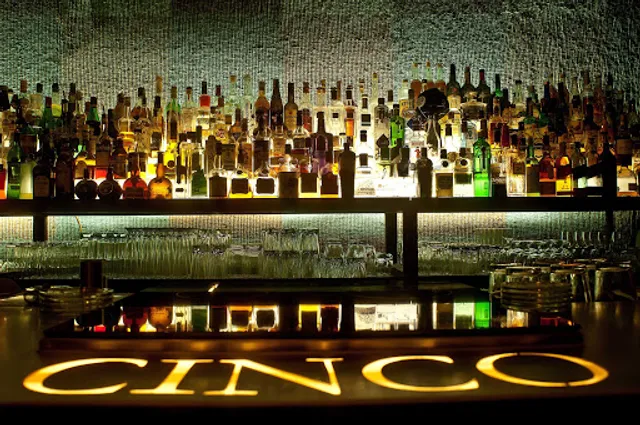
CINCO lounge
4.7
(644)
$$
Closed
Click for details
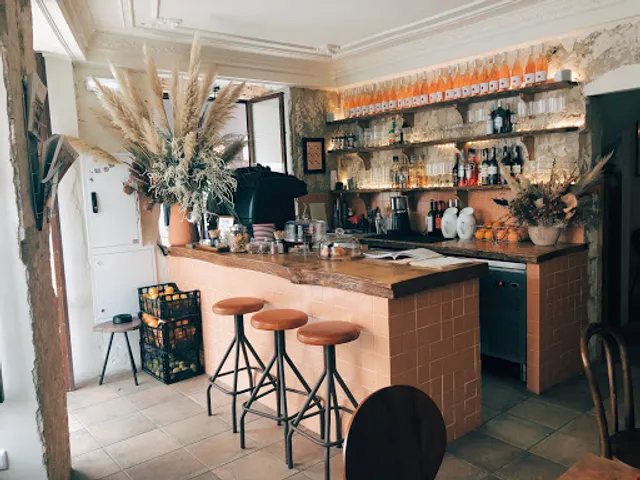
Seagull Method cafe • Brunch
4.7
(1.1K)
Closed
Click for details
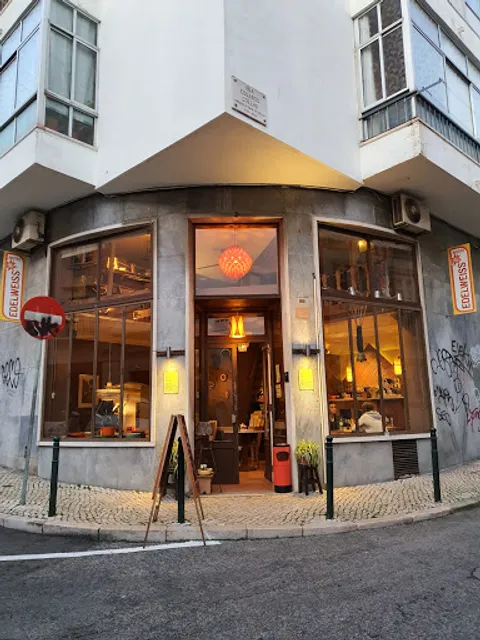
Bistro Edelweiss
4.5
(362)
$$
Closed
Click for details
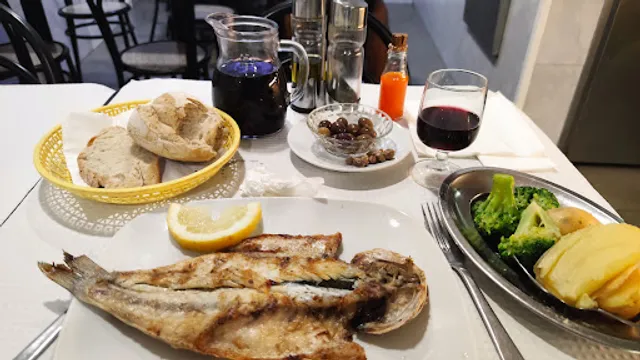
Churrasqueira da Paz
4.7
(940)
Open until 12:00 AM
Click for details
Nearby local services of Academy of Sciences
Elevador da Bica
Palace of Saint Benedict / Assembly of the Republic
La Pizza di Nanna
Mercado Biológico do Principe Real
A Sala wellness hub - Cowork de terapeutas
Pink Vintage Heart
Constitutional Court
Palavra de Viajante
Brazil House Lisbon
Trombeta Bath
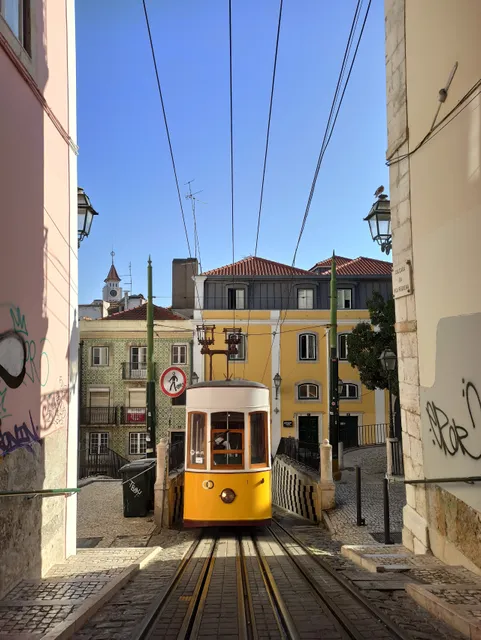
Elevador da Bica
4.3
(2.1K)
Click for details

Palace of Saint Benedict / Assembly of the Republic
4.1
(265)
Click for details
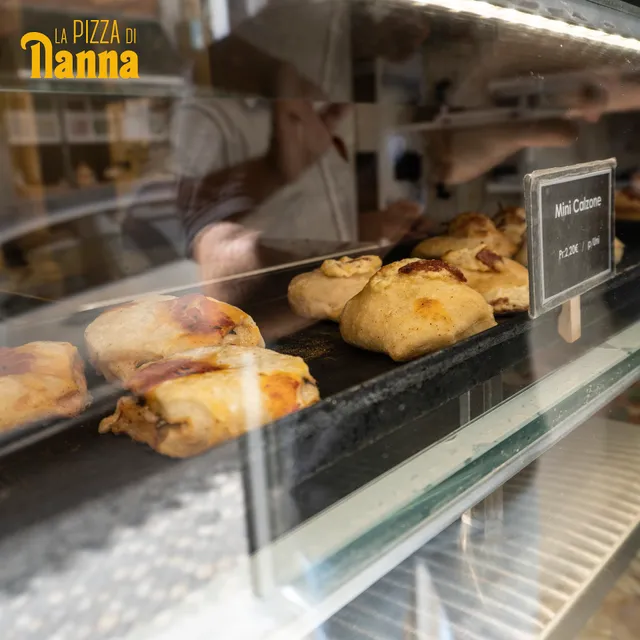
La Pizza di Nanna
4.4
(132)
Click for details
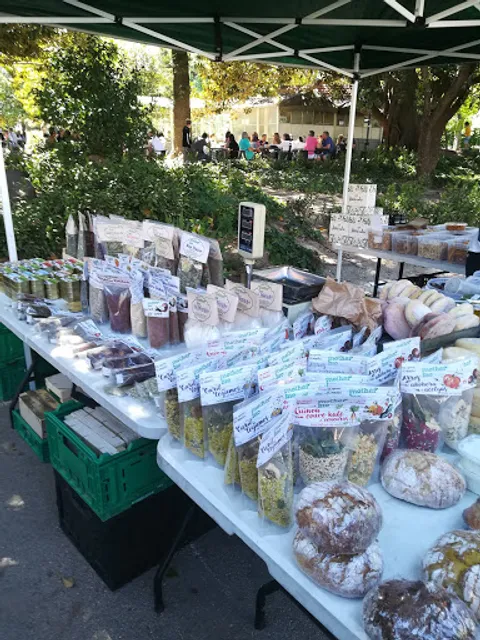
Mercado Biológico do Principe Real
4.5
(78)
Click for details