Museu de Marinha things to do, attractions, restaurants, events info and trip planning
Basic Info
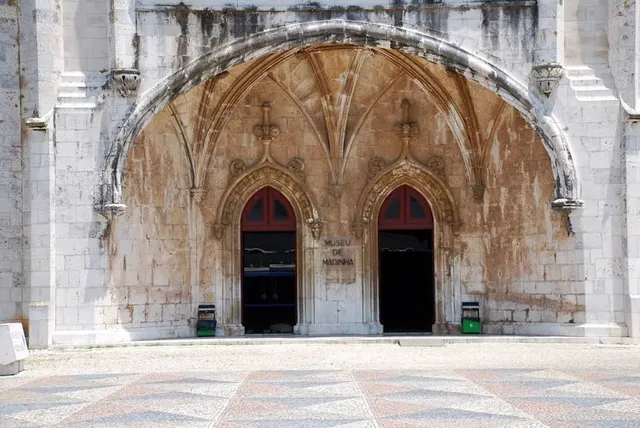
Museu de Marinha
Praça do Império, Santa Maria de Belém, 1400-206 Lisboa, Portugal
4.5(249)
Closed


tickets
Save
spot
spot
Ratings & Description
Info
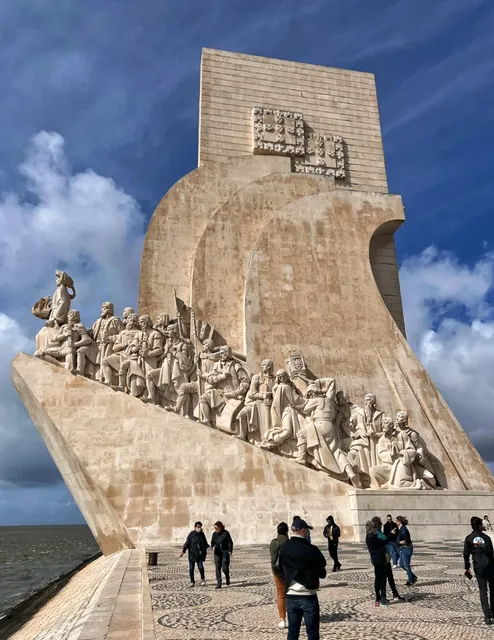
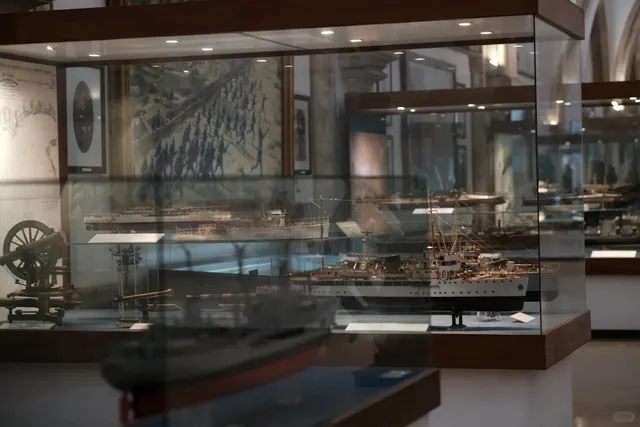
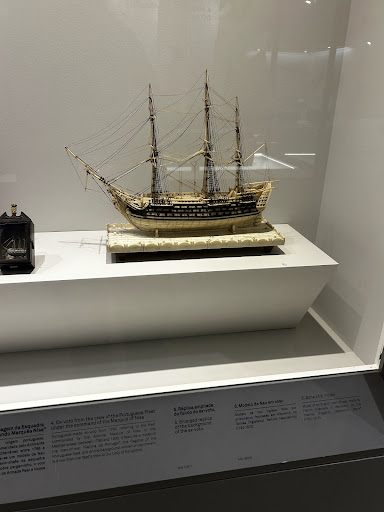
The Navy Museum is a maritime museum in Lisbon, dedicated to all aspects of the history of navigation in Portugal. The museum is administered by the Portuguese Navy and is located in the tourist district of Belém.
Cultural
Accessibility
Family friendly
attractions: Jerónimos Monastery, Museum of Contemporary Art – MAC/CCB, Centro Cultural de Belém, Museu Nacional de Arqueologia, Praça do Império Garden, Marine Planetarium, Padrão dos Descobrimentos, Popular Art Museum, Tropical Botanical Garden, Garagem Sul, restaurants: Cafetaria do Museu de Marinha, Este Oeste, Focacceria BM | Bread Maniacs, Casa de Chá e Café, by Confraria da Empada, Nosolo Italia, Portugália Cervejaria Belém, Sauvage CCB, ÚNICO - Restaurante Orgânico Lisboa, CCB, A Marítima do Restelo - Traditional Portuguese Cuisine, Pão da Esquina - Belém, local businesses: Museu Coleção Berardo, Church of Santa Maria de Belem, Túmulos de Luís de Camões e Vasco da Gama, Passadiço do Bom Sucesso-Belém, Mundo Fantástico da Sardinha Portuguesa - Belém, Wine With a View - Torre de Belém, LU.CA - Teatro Luís de Camões, Chile Coffee. 1955, Leonidas Restelo 🍫🎁, Barbeiros do Bairro
 Learn more insights from Wanderboat AI.
Phone
+351 21 097 7388
Website
ccm.marinha.pt
Open hoursSee all hours
WedClosed
Plan your stay

Pet-friendly Hotels in Lisbon
Find a cozy hotel nearby and make it a full experience.

Affordable Hotels in Lisbon
Find a cozy hotel nearby and make it a full experience.

The Coolest Hotels You Haven't Heard Of (Yet)
Find a cozy hotel nearby and make it a full experience.

Trending Stays Worth the Hype in Lisbon
Find a cozy hotel nearby and make it a full experience.
Reviews
Live events
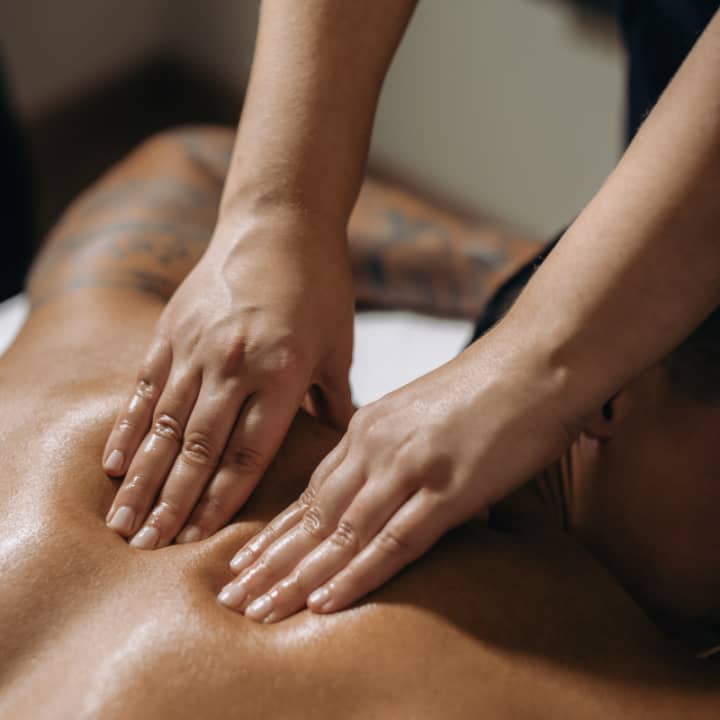
Splash&Spa
Wed, Feb 25 • 10:00 AM
Rua das Palmeiras, Lote 5 - Quinta da Marinha, 2750-005
View details
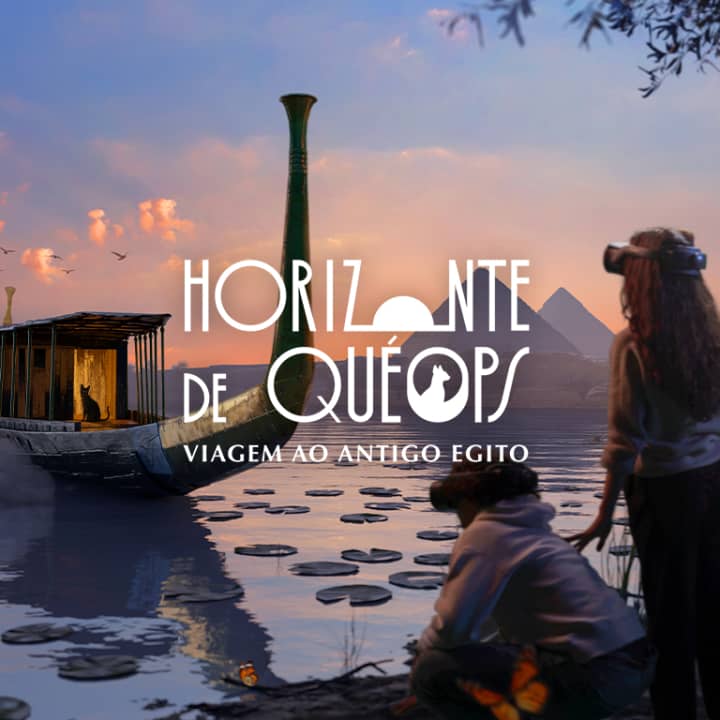
Horizonte de Quéops: Viagem ao Antigo Egito
Thu, Feb 26 • 12:00 PM
Terreiro do Paço, Lisboa, 1100-278
View details
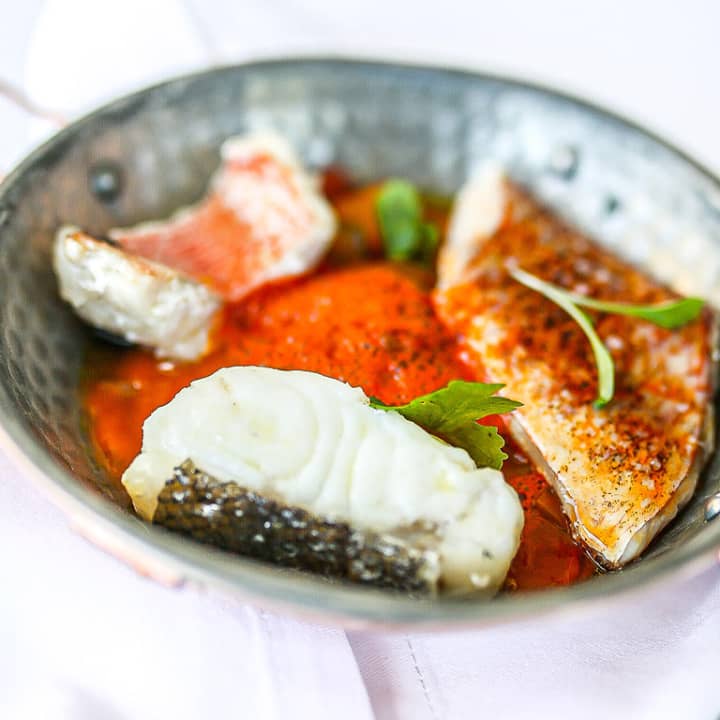
Menu de almoço com estrela Michelin no Eleven
Wed, Feb 25 • 12:30 PM
Rua Marquês da Fronteira Jardim Amália Rodrigues, 1070-051
View details
Nearby attractions of Museu de Marinha
Jerónimos Monastery
Museum of Contemporary Art – MAC/CCB
Centro Cultural de Belém
Museu Nacional de Arqueologia
Praça do Império Garden
Marine Planetarium
Padrão dos Descobrimentos
Popular Art Museum
Tropical Botanical Garden
Garagem Sul
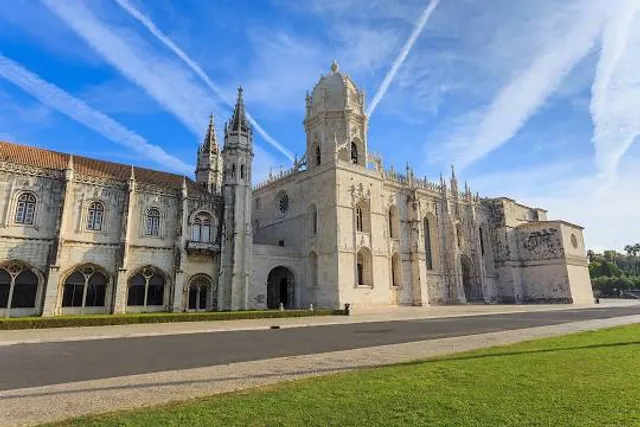
Jerónimos Monastery
4.5
(21.2K)
Closed
Click for details
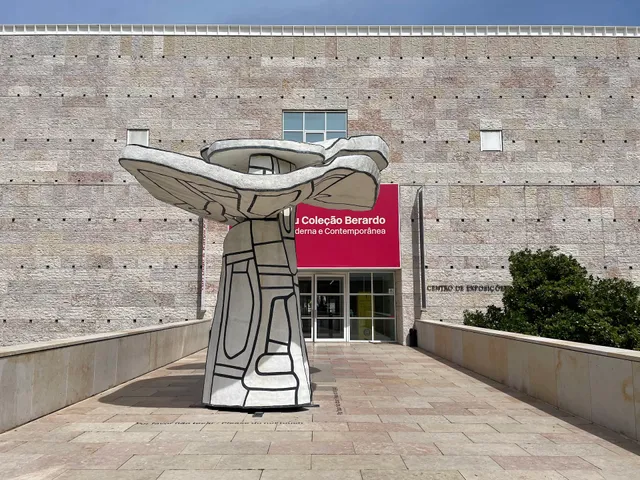
Museum of Contemporary Art – MAC/CCB
4.5
(3.4K)
Closed
Click for details
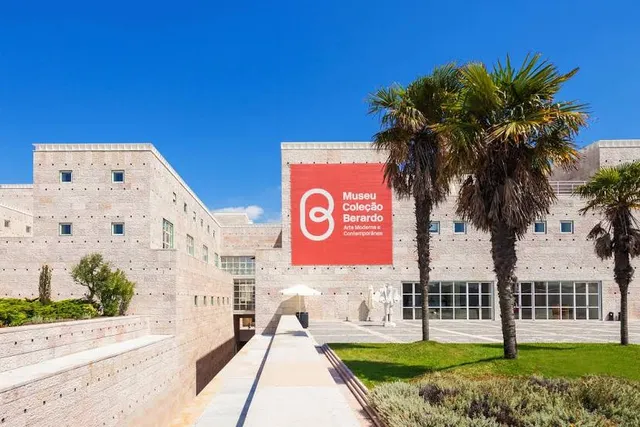
Centro Cultural de Belém
4.6
(3.2K)
Closed
Click for details
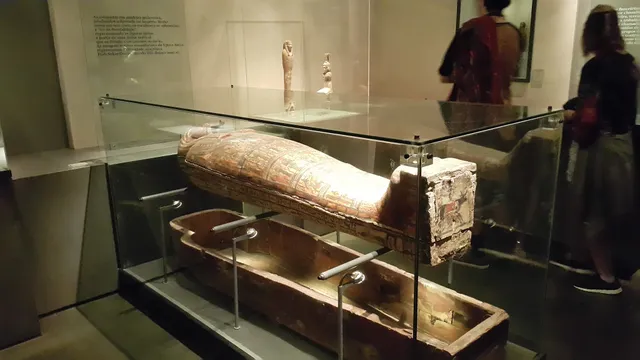
Museu Nacional de Arqueologia
4.1
(688)
Open 24 hours
Click for details
Nearby restaurants of Museu de Marinha
Cafetaria do Museu de Marinha
Este Oeste
Focacceria BM | Bread Maniacs
Casa de Chá e Café, by Confraria da Empada
Nosolo Italia
Portugália Cervejaria Belém
Sauvage CCB
ÚNICO - Restaurante Orgânico Lisboa, CCB
A Marítima do Restelo - Traditional Portuguese Cuisine
Pão da Esquina - Belém
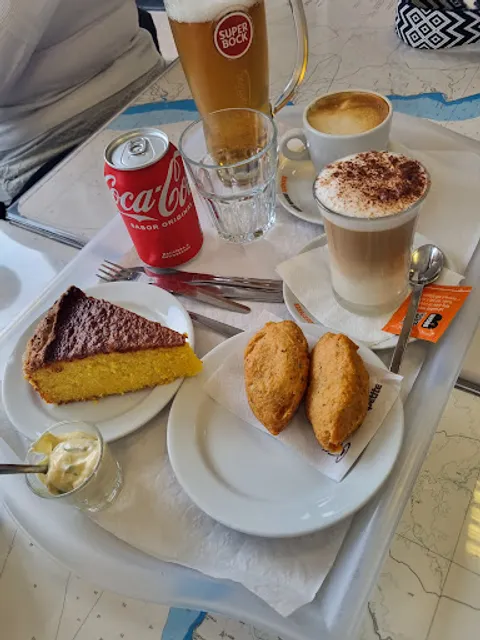
Cafetaria do Museu de Marinha
4.1
(210)
Closed
Click for details
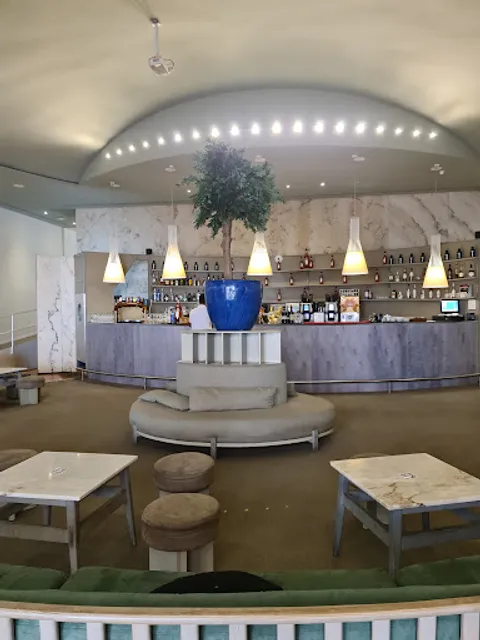
Este Oeste
4.4
(2.3K)
$$
Click for details
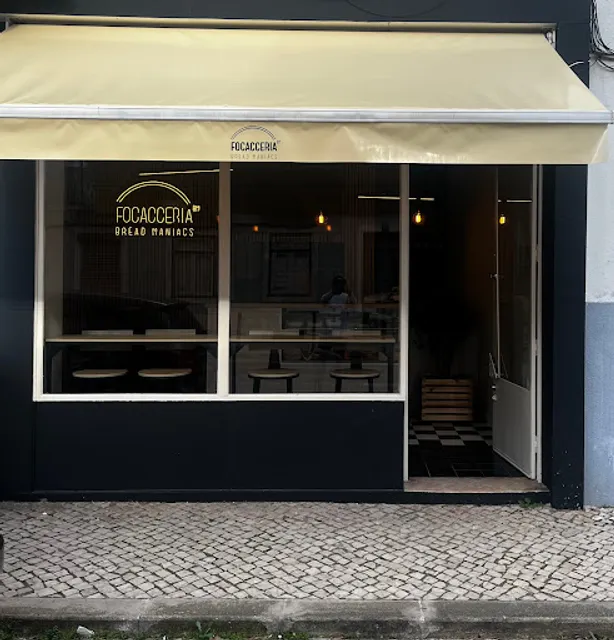
Focacceria BM | Bread Maniacs
4.9
(279)
Closed
Click for details
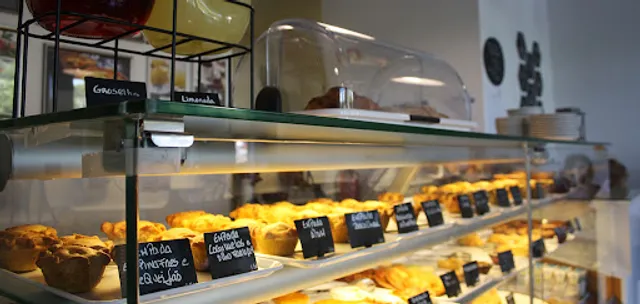
Casa de Chá e Café, by Confraria da Empada
4.0
(142)
Closed
Click for details
Nearby local services of Museu de Marinha
Museu Coleção Berardo
Church of Santa Maria de Belem
Túmulos de Luís de Camões e Vasco da Gama
Passadiço do Bom Sucesso-Belém
Mundo Fantástico da Sardinha Portuguesa - Belém
Wine With a View - Torre de Belém
LU.CA - Teatro Luís de Camões
Chile Coffee. 1955
Leonidas Restelo 🍫🎁
Barbeiros do Bairro
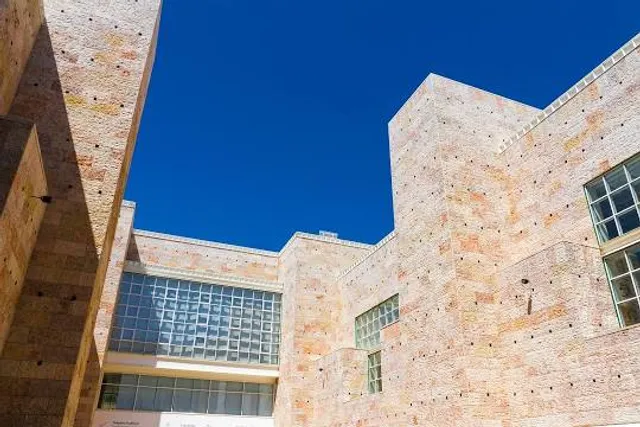
Museu Coleção Berardo
4.5
(2.6K)
Click for details
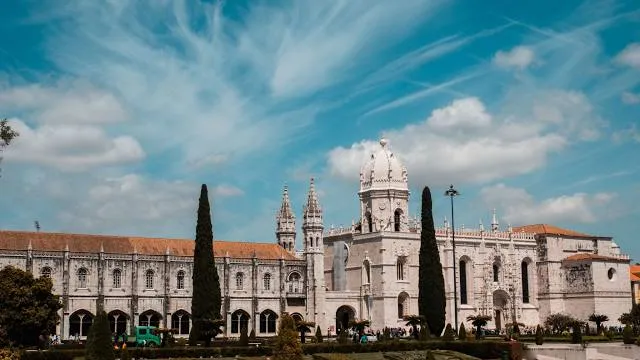
Church of Santa Maria de Belem
4.7
(394)
Click for details
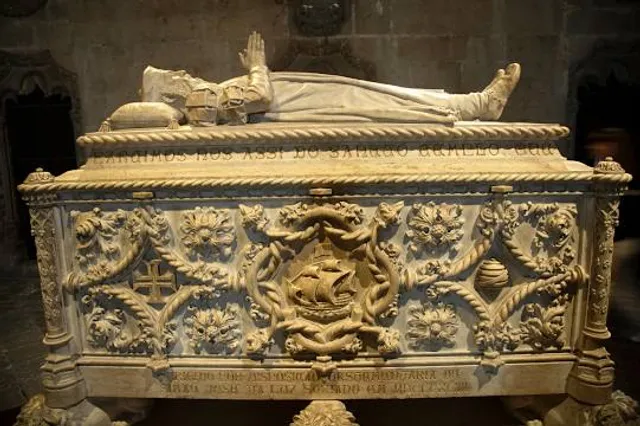
Túmulos de Luís de Camões e Vasco da Gama
4.7
(85)
Click for details
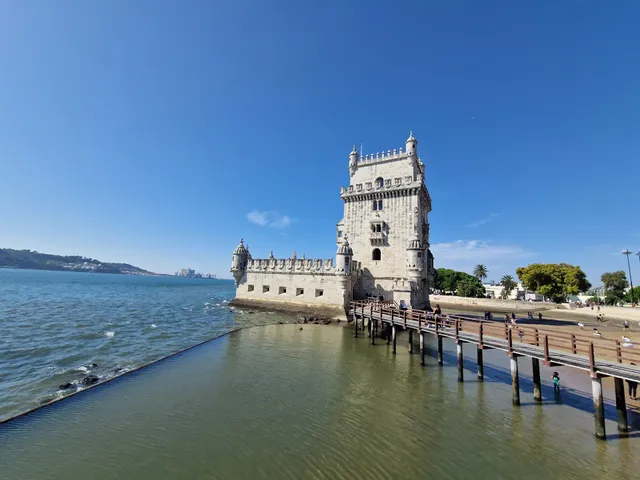
Passadiço do Bom Sucesso-Belém
4.0
(16)
Click for details