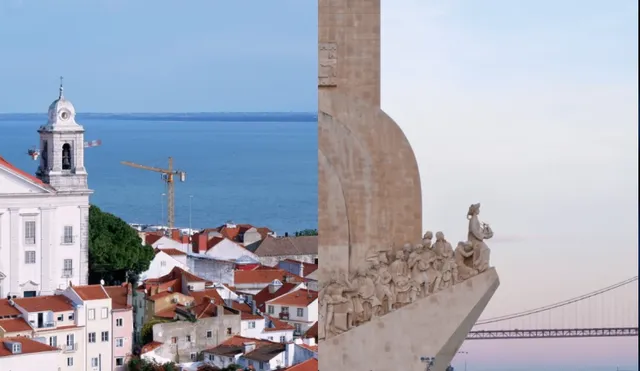
Miradouro de Santa Luzia things to do, attractions, restaurants, events info and trip planning
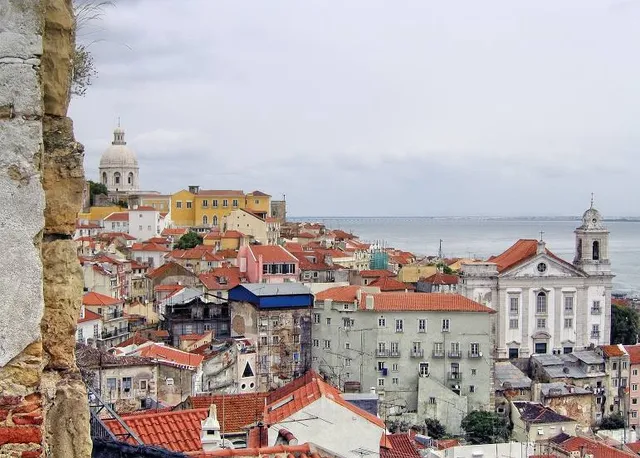
Basic Info
Miradouro de Santa Luzia
Largo de Santa Luzia, 1100-487 Lisboa, Portugal
4.7(14.3K)$$$$
Open until 12:00 AM
Save
spot
spot
Ratings & Description
Info
Outdoor
Relaxation
attractions: Miradouro das Portas do Sol, Castelo de S. Jorge, Lisbon Cathedral, Fado Museum, Lift Santa Luzia, Igreja de Santa Luzia, Fundação Ricardo do Espírito Santo Silva, Museu de Artes Decorativas, Páteo de Alfama, Museu de Lisboa - Teatro Romano, restaurants: Lisbon Tu e Eu, Farol de Santa Luzia, SOL Restaurante e Jardim, Casa da Tia Helena, Osteria Bellosguardo, Antù Alfama, Alfama Doce, Audrey's, Near Me Alfama Tapas Lisbon, Taberna Do Castelo, local businesses: Ginjinha da Sé, Teatro Romano de Lisboa, Church of Saint Anthony of Lisbon, Lisbon Cruise Port - Jardim do Tabaco Quay, Barbearia Oliveira, Lg. Portas Sol, Miradouro da Graça, Pharmacy Cruz de Malta, Teatro da Garagem (teatro taborda), Church of Santa Cruz do Castelo
 Learn more insights from Wanderboat AI.
Phone
+351 925 217 044
Website
informacoeseservicos.lisboa.pt
Open hoursSee all hours
SatOpen 24 hoursOpen
Plan your stay

Pet-friendly Hotels in Lisbon
Find a cozy hotel nearby and make it a full experience.

Affordable Hotels in Lisbon
Find a cozy hotel nearby and make it a full experience.

The Coolest Hotels You Haven't Heard Of (Yet)
Find a cozy hotel nearby and make it a full experience.

Trending Stays Worth the Hype in Lisbon
Find a cozy hotel nearby and make it a full experience.
Reviews
Live events

Splash&Spa
Mon, Feb 23 • 10:00 AM
Rua das Palmeiras, Lote 5 - Quinta da Marinha, 2750-005
View details
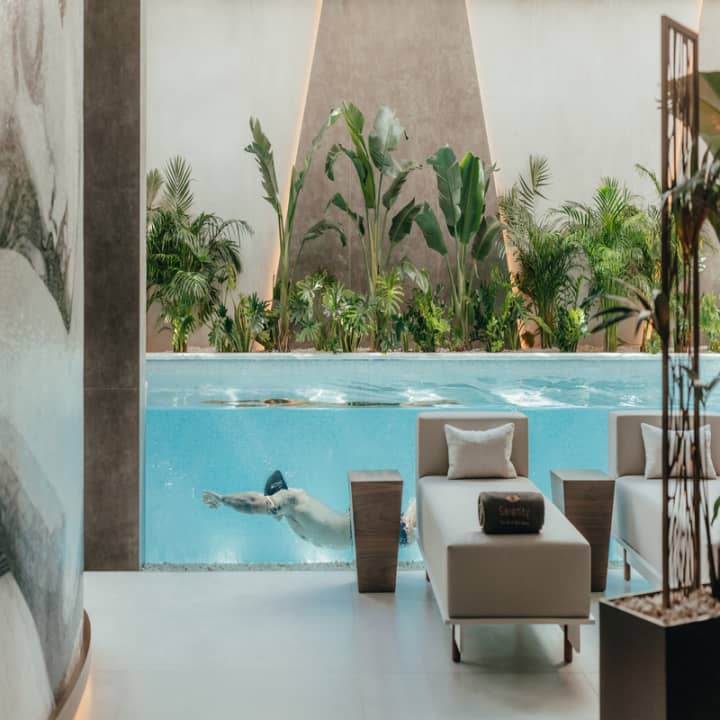
Oasis Termal no Hyatt Regency Lisboa
Mon, Feb 23 • 10:00 AM
Rua da Junqueira 65, Lisboa, 1300-343
View details
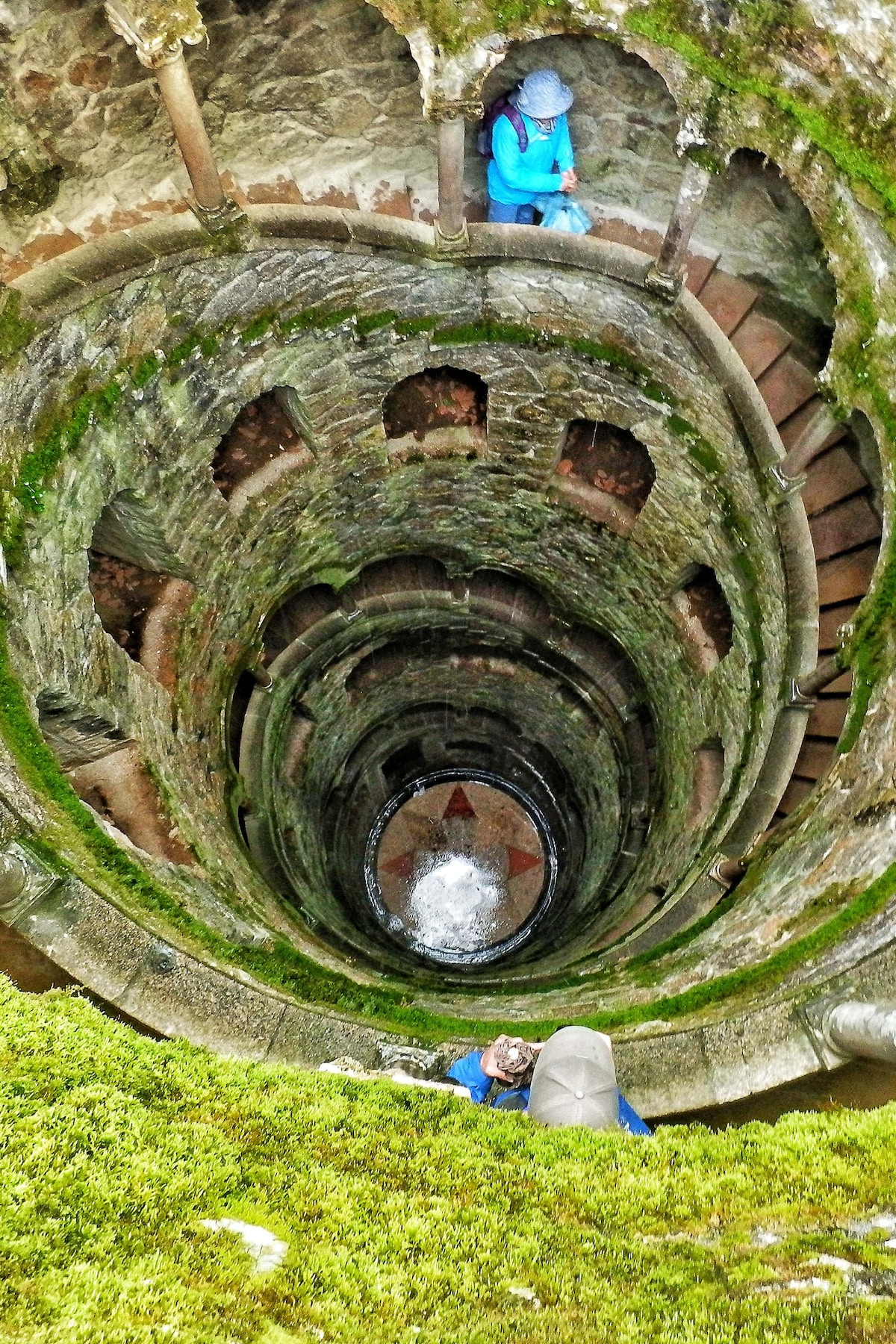
Sintra Tour from Lisbon - The True Experience
Sun, Feb 22 • 8:45 AM
1249-970, Lisbon, Portugal
View details
Nearby attractions of Miradouro de Santa Luzia
Miradouro das Portas do Sol
Castelo de S. Jorge
Lisbon Cathedral
Fado Museum
Lift Santa Luzia
Igreja de Santa Luzia
Fundação Ricardo do Espírito Santo Silva
Museu de Artes Decorativas
Páteo de Alfama
Museu de Lisboa - Teatro Romano
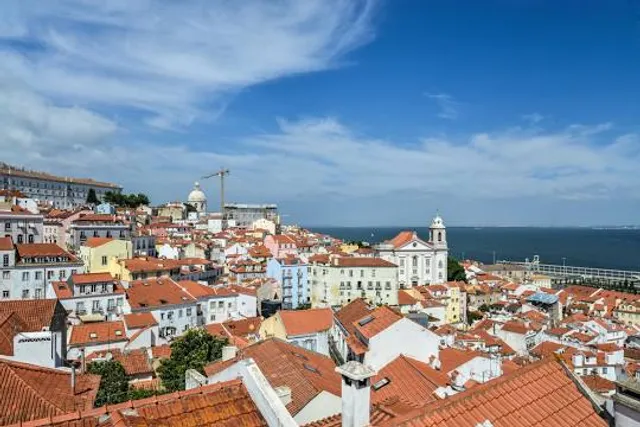
Miradouro das Portas do Sol
4.7
(2.4K)
Open until 12:00 AM
Click for details
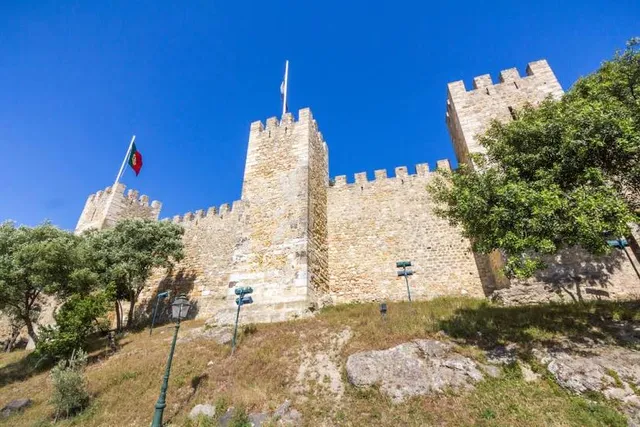
Castelo de S. Jorge
4.5
(31.4K)
Closed
Click for details
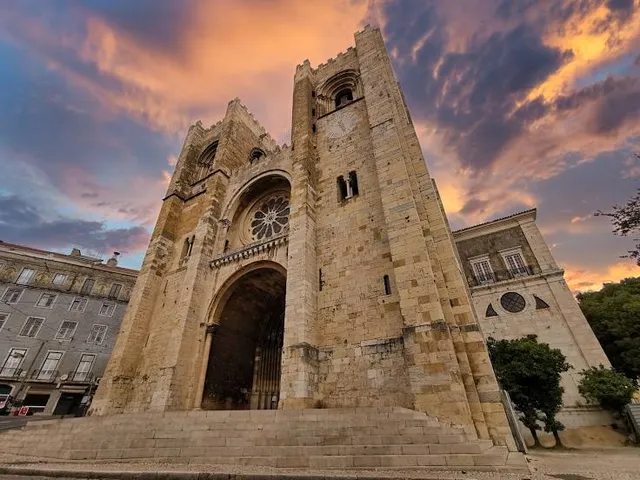
Lisbon Cathedral
4.4
(12.3K)
Closed
Click for details
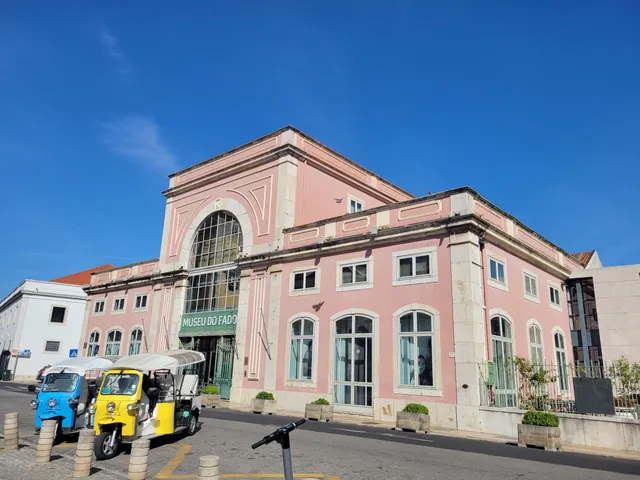
Fado Museum
4.4
(2.5K)
Closed
Click for details
Nearby restaurants of Miradouro de Santa Luzia
Lisbon Tu e Eu
Farol de Santa Luzia
SOL Restaurante e Jardim
Casa da Tia Helena
Osteria Bellosguardo
Antù Alfama
Alfama Doce
Audrey's
Near Me Alfama Tapas Lisbon
Taberna Do Castelo
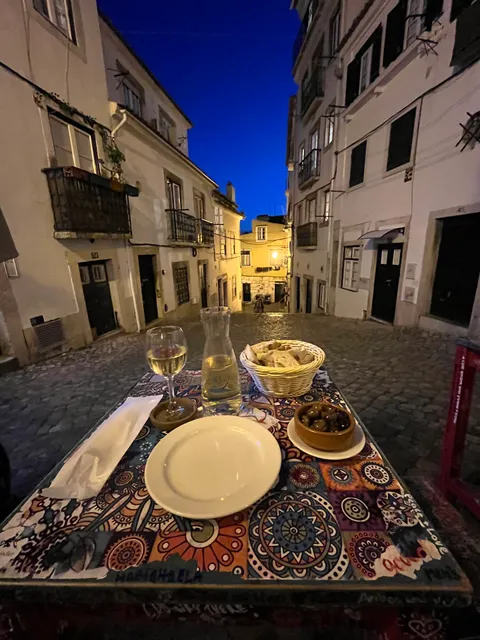
Lisbon Tu e Eu
4.5
(2.2K)
Open until 10:00 PM
Click for details
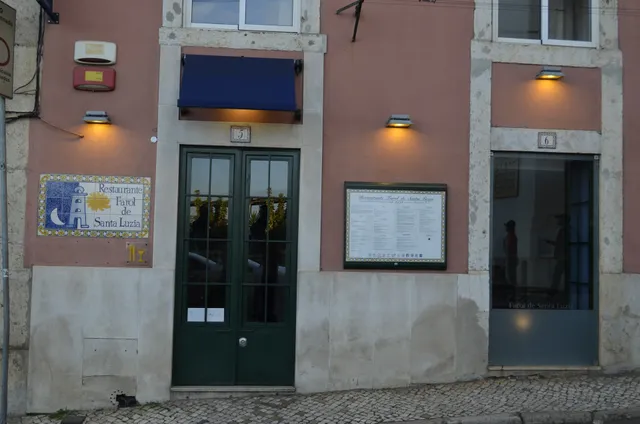
Farol de Santa Luzia
4.5
(509)
$$
Open until 11:00 PM
Click for details
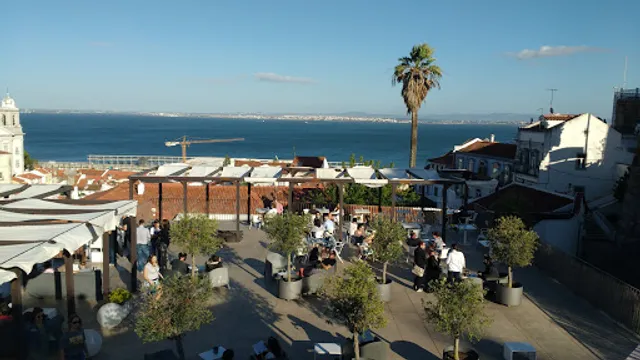
SOL Restaurante e Jardim
4.2
(1.8K)
$$
Open until 10:00 PM
Click for details
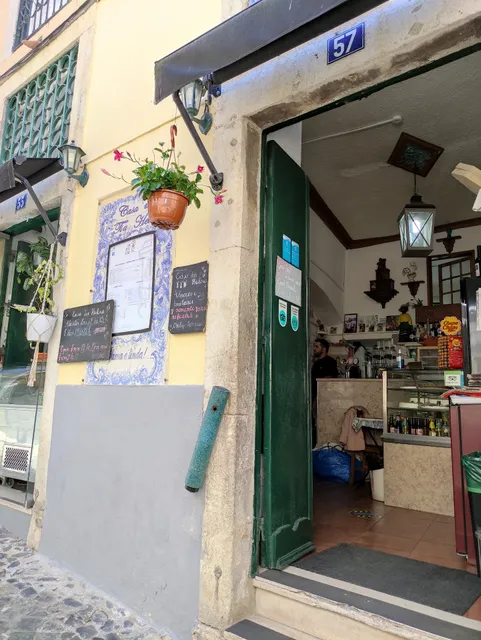
Casa da Tia Helena
4.5
(871)
Open until 12:00 AM
Click for details
Nearby local services of Miradouro de Santa Luzia
Ginjinha da Sé
Teatro Romano de Lisboa
Church of Saint Anthony of Lisbon
Lisbon Cruise Port - Jardim do Tabaco Quay
Barbearia Oliveira
Lg. Portas Sol
Miradouro da Graça
Pharmacy Cruz de Malta
Teatro da Garagem (teatro taborda)
Church of Santa Cruz do Castelo
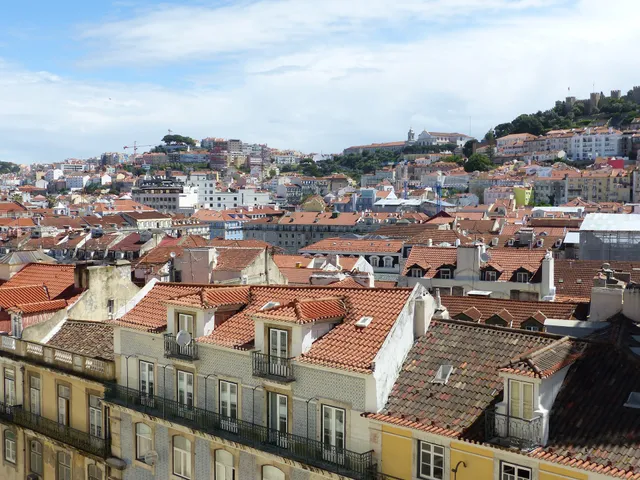
Ginjinha da Sé
4.7
(169)
Click for details
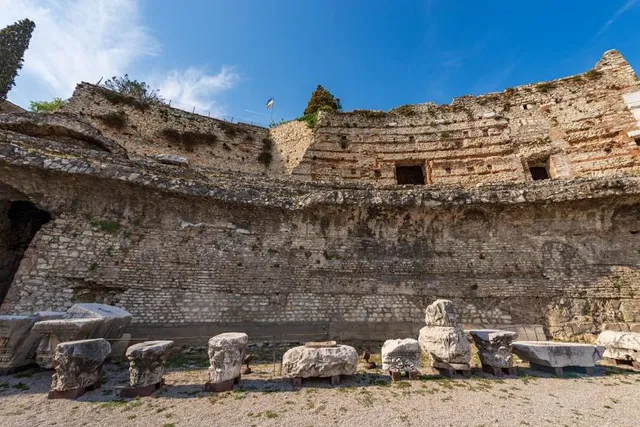
Teatro Romano de Lisboa
4.4
(456)
Click for details
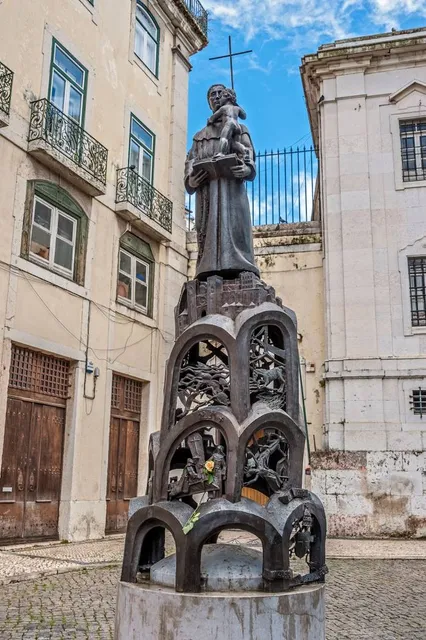
Church of Saint Anthony of Lisbon
4.7
(1.6K)
Click for details
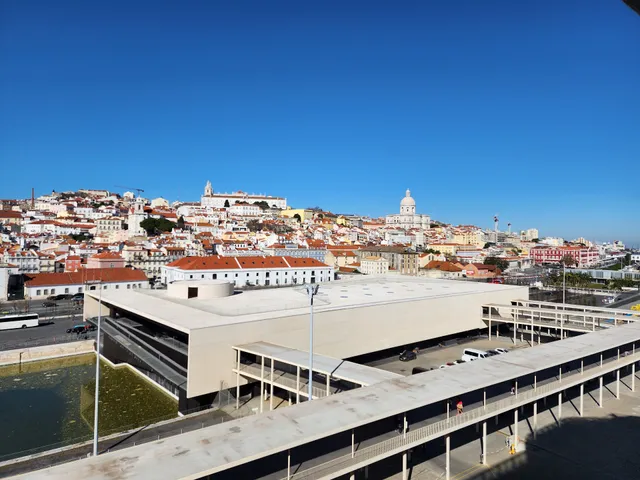
Lisbon Cruise Port - Jardim do Tabaco Quay
4.4
(1.6K)
Click for details