The "Șchei" Gate things to do, attractions, restaurants, events info and trip planning
Basic Info
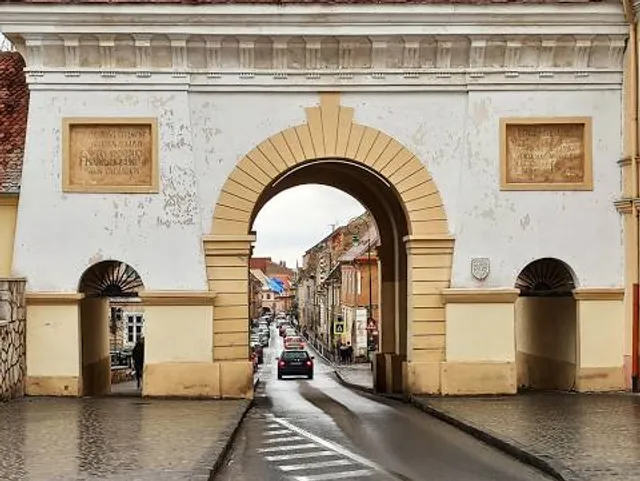
The "Șchei" Gate
Strada Poarta Schei 4, Brașov, Romania
4.6(959)
Open until 12:00 AM
Save
spot
spot
Ratings & Description
Info
Șchei Gate in the Șcheii Brașovului neighborhood of Brașov, Romania, is right next to Catherine's Gate. It was built in between 1827 and 1828 in order to let through heightened traffic.
Cultural
Accessibility
attractions: Strada Sforii, Catherine Gate, "Beth Israel" Synagogue, The Black Church, Schei Gate, Brasov Tourist Information Center, The Council Square, Weavers Bastion, Casa Memorială "Ștefan Baciu", Old Center, restaurants: Vino e Sapori, Nola coffeeshop, Le Petit Bistro Brasov, La Ceaun - Piata Sfatului, Trattorian Artisan Food -Italien Compagnia di Famiglia, Little Hanoi Brasov, Casa Hirscher, 5 To Go - Șaguna, AntreU Focaccerie, Cupt'or, local businesses: Strada Sforii, Catherine's Gate, Bastionul Țesătorilor, Rope Street eState Picturesque, La promenade sous Tâmpa, Graft-bástya, Central Apartament Brasov, Tampa Cable Car, Réserve naturelle Tâmpa, Tâmpa
 Learn more insights from Wanderboat AI.
Website
brasovcity.ro
Open hoursSee all hours
ThuOpen 24 hoursOpen
Plan your stay

Pet-friendly Hotels in Zona Metropolitană Brașov
Find a cozy hotel nearby and make it a full experience.

Affordable Hotels in Zona Metropolitană Brașov
Find a cozy hotel nearby and make it a full experience.

The Coolest Hotels You Haven't Heard Of (Yet)
Find a cozy hotel nearby and make it a full experience.

Trending Stays Worth the Hype in Zona Metropolitană Brașov
Find a cozy hotel nearby and make it a full experience.
Reviews
Live events
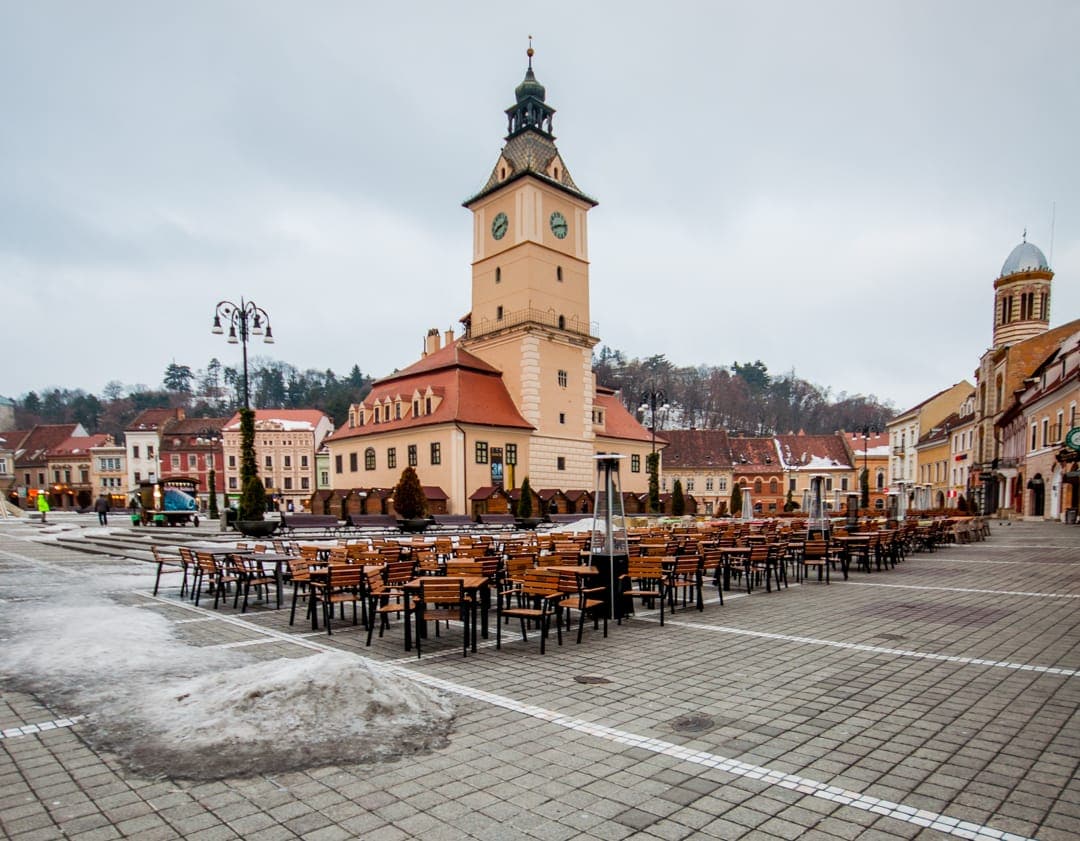
Explore Transylvanian castles and history
Thu, Mar 5 • 9:30 AM
Brașov, Brașov, 500036, Romania
View details
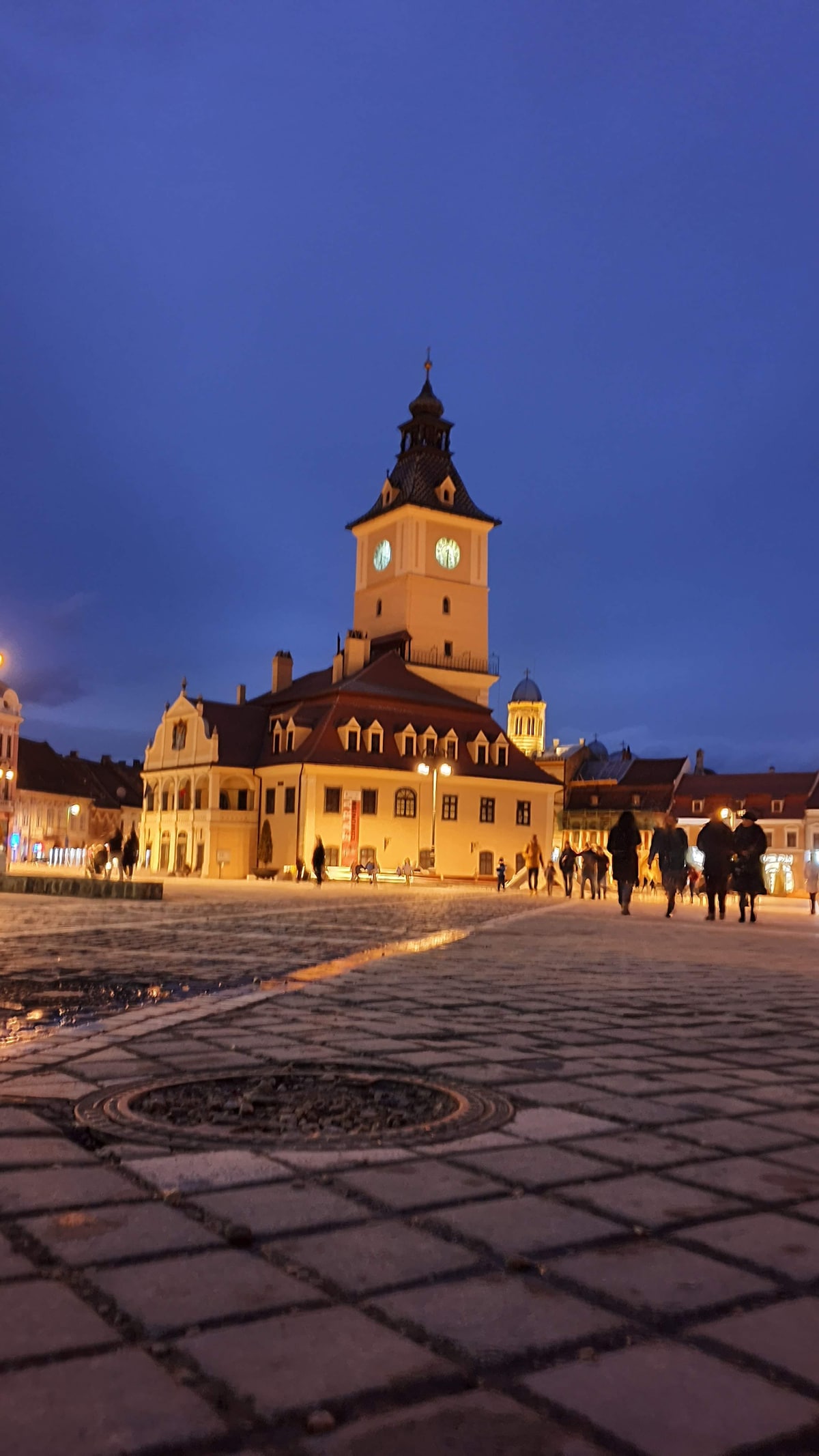
Walk medieval streets by night
Thu, Feb 26 • 6:00 PM
Brașov, Brașov, 500025, Romania
View details
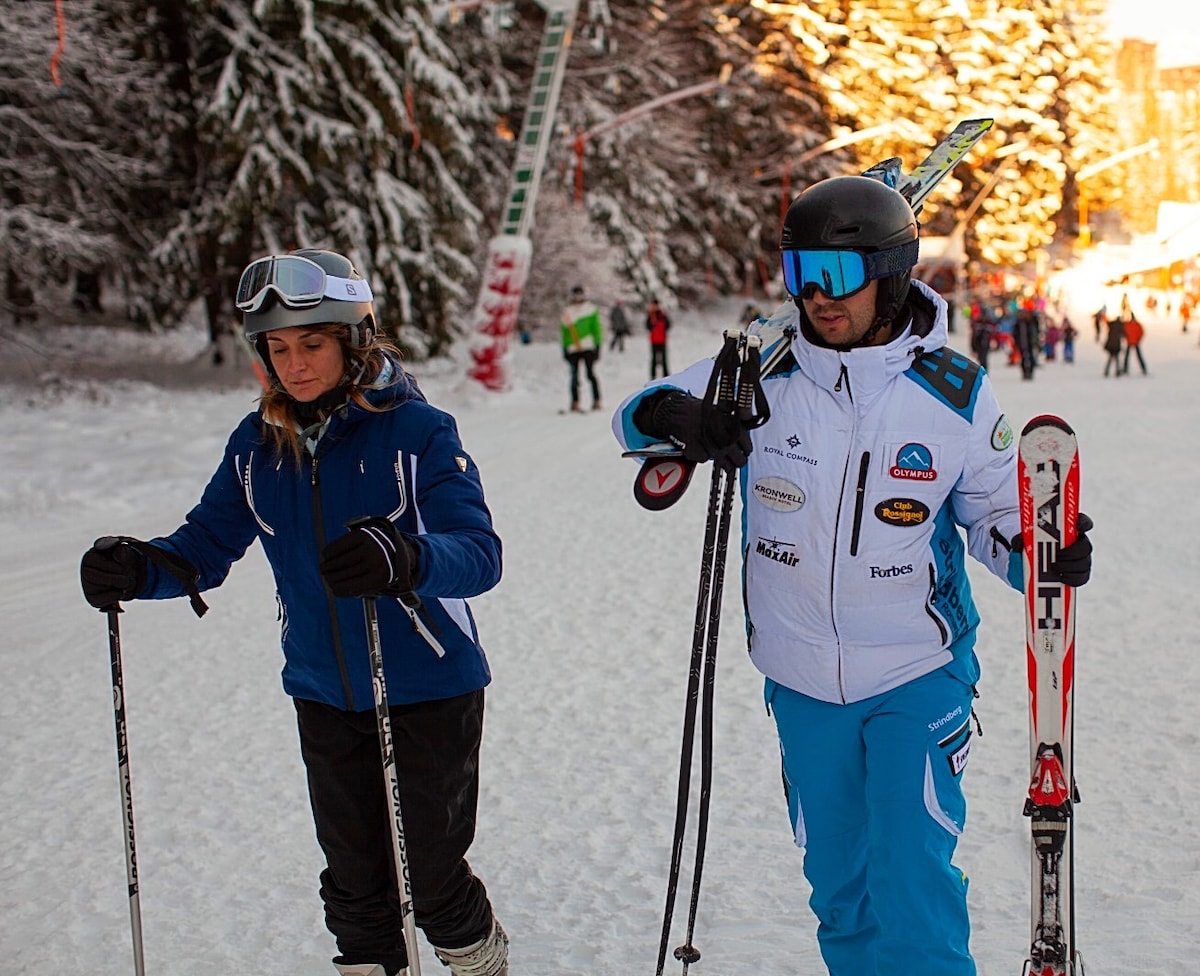
Learn to ski or snowboard
Fri, Feb 27 • 7:15 AM
Brașov, Brașov, 00000, Romania
View details
Nearby attractions of The "Șchei" Gate
Strada Sforii
Catherine Gate
"Beth Israel" Synagogue
The Black Church
Schei Gate
Brasov Tourist Information Center
The Council Square
Weavers Bastion
Casa Memorială "Ștefan Baciu"
Old Center
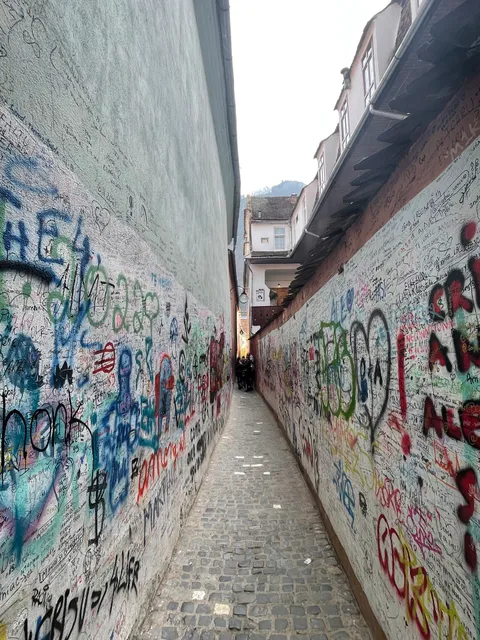
Strada Sforii
4.6
(1.2K)
Open 24 hours
Click for details
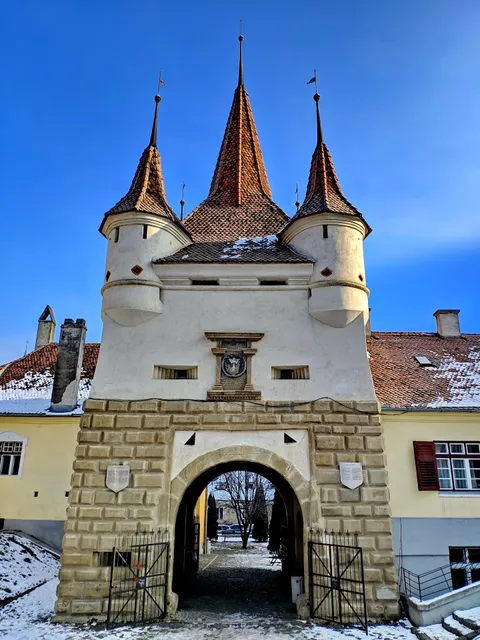
Catherine Gate
4.6
(207)
Open 24 hours
Click for details
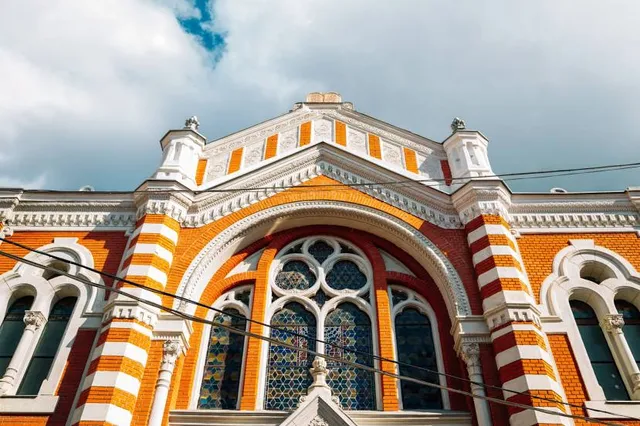
"Beth Israel" Synagogue
4.5
(494)
Closed
Click for details
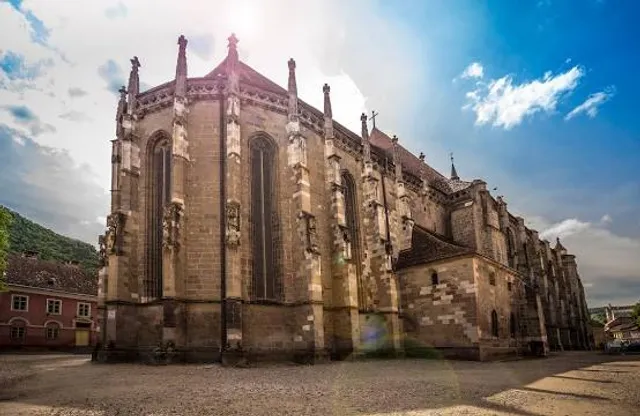
The Black Church
4.5
(2K)
Open until 6:00 PM
Click for details
Nearby restaurants of The "Șchei" Gate
Vino e Sapori
Nola coffeeshop
Le Petit Bistro Brasov
La Ceaun - Piata Sfatului
Trattorian Artisan Food -Italien Compagnia di Famiglia
Little Hanoi Brasov
Casa Hirscher
5 To Go - Șaguna
AntreU Focaccerie
Cupt'or
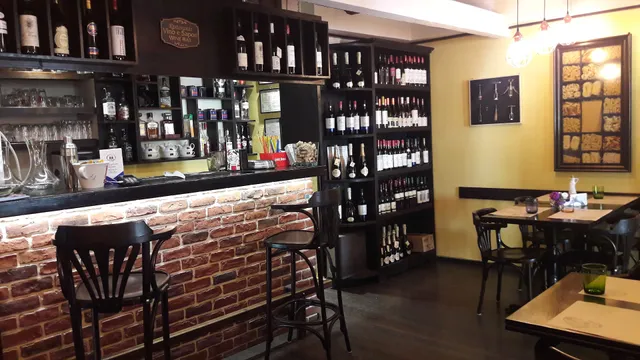
Vino e Sapori
4.5
(622)
$$
Open until 11:00 PM
Click for details
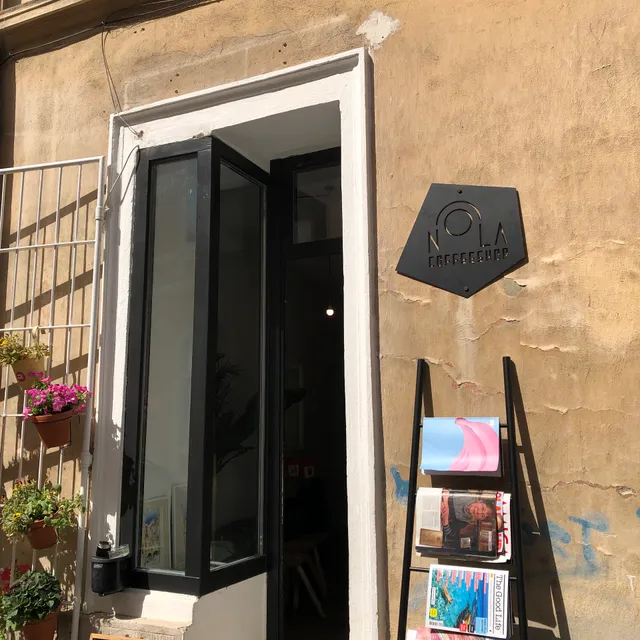
Nola coffeeshop
4.8
(360)
Open until 12:00 AM
Click for details
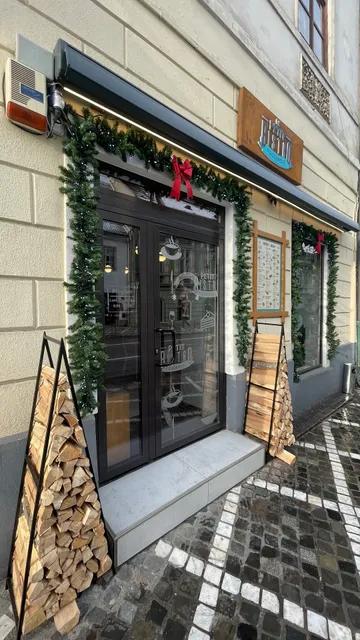
Le Petit Bistro Brasov
4.8
(811)
Open until 10:00 PM
Click for details
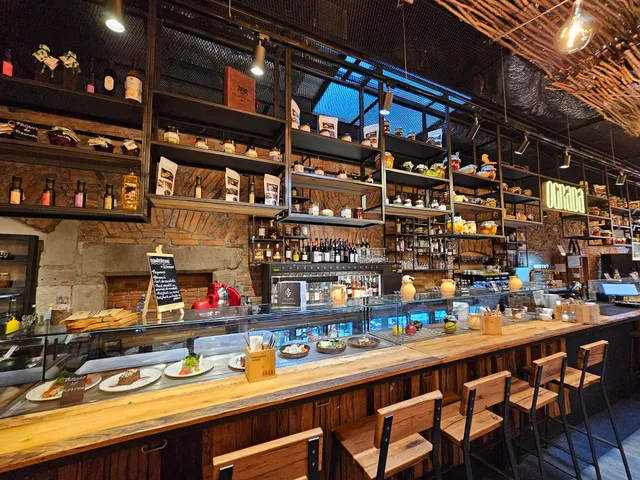
La Ceaun - Piata Sfatului
4.7
(4.1K)
$$
Open until 10:00 PM
Click for details
Nearby local services of The "Șchei" Gate
Strada Sforii
Catherine's Gate
Bastionul Țesătorilor
Rope Street eState Picturesque
La promenade sous Tâmpa
Graft-bástya
Central Apartament Brasov
Tampa Cable Car
Réserve naturelle Tâmpa
Tâmpa
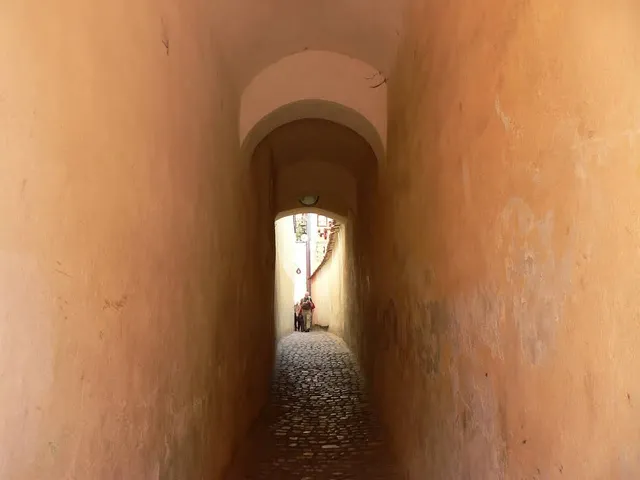
Strada Sforii
4.4
(610)
Click for details
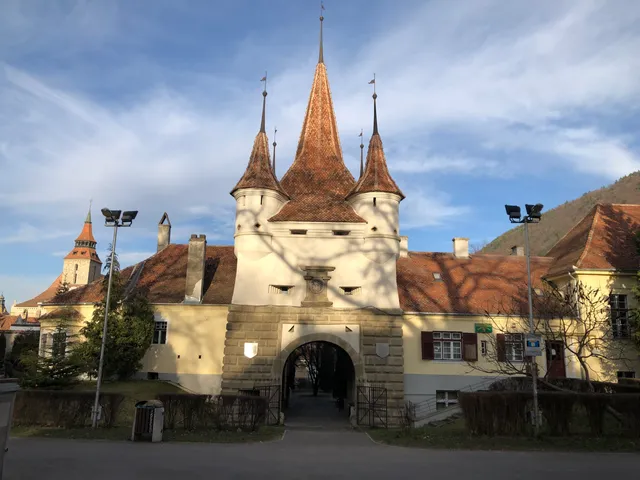
Catherine's Gate
4.6
(41)
Click for details

Bastionul Țesătorilor
4.6
(971)
Click for details
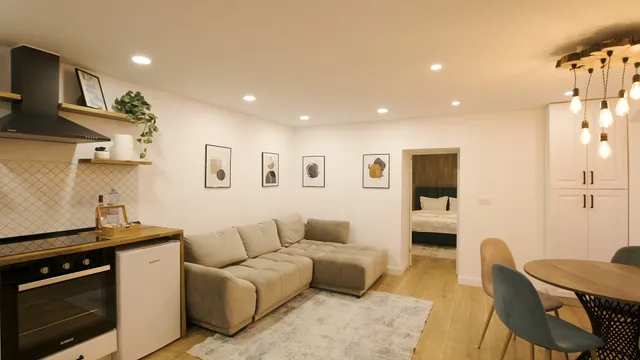
Rope Street eState Picturesque
4.8
(21)
Click for details





