HTML SitemapExplore
logo
Find Things to DoFind The Best Restaurants

Gardoš Tower — Attraction in City of Belgrade

Name
Gardoš Tower
Description
Nearby attractions
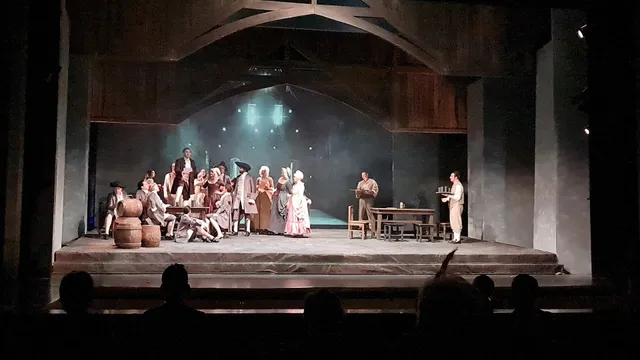
Opera & Theatre Madlenianum
Glavna 32, Beograd 11080, Serbia
Church of the Nativity of the Blessed Virgin Mary
Rajačićeva, Beograd 11080, Serbia
Zemun City Park
Gradski park 9, Beograd, Serbia
Zemun Homeland Museum
Glavna 9, Beograd, Serbia
Monument to fallen fighters of the national revolution 1941-1945
Avijatičarski Trg, Beograd, Serbia
Nearby restaurants
Reka
Kej Oslobođenja 73b, Beograd, Serbia
Klub Radecki Zemun
Kej Oslobođenja bb, Beograd, Serbia
Шаран
Kej Oslobođenja 53, Beograd 11000, Serbia
Milagro
RCX7+83, Kej Oslobođenja 55, Beograd 11080, Serbia
Balkan Express
Despota Đurđa 22, Beograd 11080, Serbia
Danubius
Kej Oslobođenja 39, Beograd 11080, Serbia
Super Snack Bar--No.3家乡味(泽蒙看白天鹅店)
Begrade RS, Trg Branka Radičevića 2, 11080, Serbia
Sent Andrea
Kej Oslobođenja 35, Beograd, Serbia
Walter Zemun
Magistratski trg 18, Beograd, Serbia
Restaurant KOORDINATA
Zemunska pijaca, Masarikov trg 17, Beograd 11080, Serbia
Nearby hotels
Villa Tower Gardos
Visoka 38a, Beograd 11080, Serbia
Villa Akacija
Trg Branka Radičevića 2, Beograd, Serbia
Hotel Flaneur
Njegoševa 16, Beograd 11000, Serbia
Aleksei Apartments
Trg Branka Radičevića 4, Beograd 11080, Serbia
Skala
Bežanijska 3, Beograd 11080, Serbia
Hostel Kavala
Karamatina 25, Beograd 200139, Serbia
Gardos riverview APARTMENT
VC25+25, Despota Đurđa 6, Beograd, Serbia
Hostel 1910
Lagumska 5, Beograd 11080, Serbia
Hostel Ruler
Svetosavska 29, Beograd 11080, Serbia
C5 apartmani
Cetinjska, Beograd, Serbia
Related posts
Keywords
Gardoš Tower tourism.Gardoš Tower hotels.Gardoš Tower bed and breakfast. flights to Gardoš Tower.Gardoš Tower attractions.Gardoš Tower restaurants.Gardoš Tower travel.Gardoš Tower travel guide.Gardoš Tower travel blog.Gardoš Tower pictures.Gardoš Tower photos.Gardoš Tower travel tips.Gardoš Tower maps.Gardoš Tower things to do.
Gardoš Tower things to do, attractions, restaurants, events info and trip planning
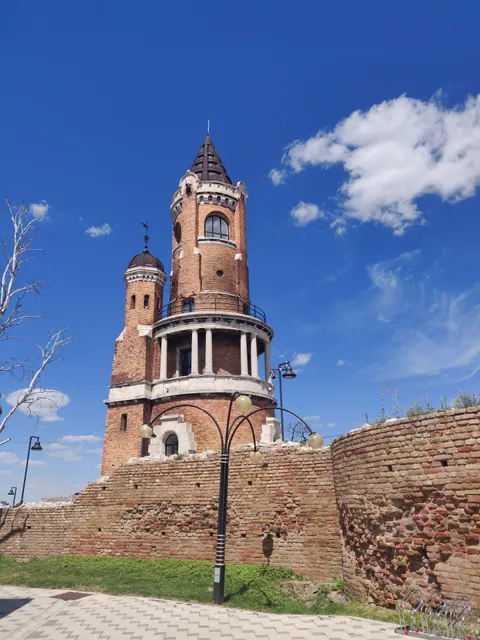
Gardoš Tower
SerbiaCentral SerbiaCity of BelgradeGardoš Tower

Basic Info

Gardoš Tower

Grobljanska 22, Beograd, Serbia
4.7(2.7K)
Open 24 hours
Save
spot

Ratings & Description

Info

Cultural
Scenic
Outdoor
attractions: Opera & Theatre Madlenianum, Church of the Nativity of the Blessed Virgin Mary, Zemun City Park, Zemun Homeland Museum, Monument to fallen fighters of the national revolution 1941-1945, restaurants: Reka, Klub Radecki Zemun, Шаран, Milagro, Balkan Express, Danubius, Super Snack Bar--No.3家乡味(泽蒙看白天鹅店), Sent Andrea, Walter Zemun, Restaurant KOORDINATA
logoLearn more insights from Wanderboat AI.

Plan your stay

hotel
Pet-friendly Hotels in City of Belgrade
Find a cozy hotel nearby and make it a full experience.
hotel
Affordable Hotels in City of Belgrade
Find a cozy hotel nearby and make it a full experience.
hotel
The Coolest Hotels You Haven't Heard Of (Yet)
Find a cozy hotel nearby and make it a full experience.
hotel
Trending Stays Worth the Hype in City of Belgrade
Find a cozy hotel nearby and make it a full experience.

Reviews

Nearby attractions of Gardoš Tower

Opera & Theatre Madlenianum

Church of the Nativity of the Blessed Virgin Mary

Zemun City Park

Zemun Homeland Museum

Monument to fallen fighters of the national revolution 1941-1945

Opera & Theatre Madlenianum

Opera & Theatre Madlenianum

4.8

(1.7K)

Open 24 hours
Click for details
Church of the Nativity of the Blessed Virgin Mary

Church of the Nativity of the Blessed Virgin Mary

4.9

(564)

Open until 7:00 PM
Click for details
Zemun City Park

Zemun City Park

4.7

(2.6K)

Open 24 hours
Click for details
Zemun Homeland Museum

Zemun Homeland Museum

4.1

(54)

Open 24 hours
Click for details

Things to do nearby

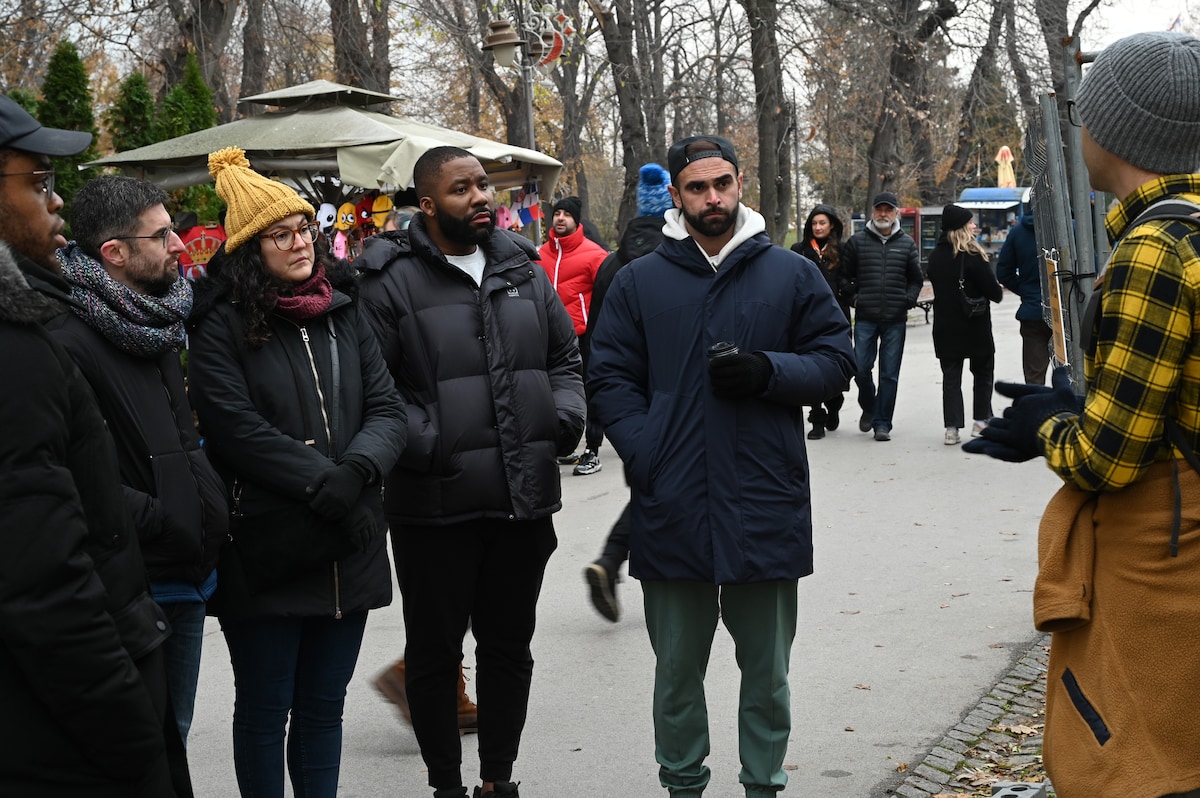
Belgrade Historic Walking Tour
Tue, Dec 9 • 3:00 PM
Belgrade, RS 11000, Serbia
View details
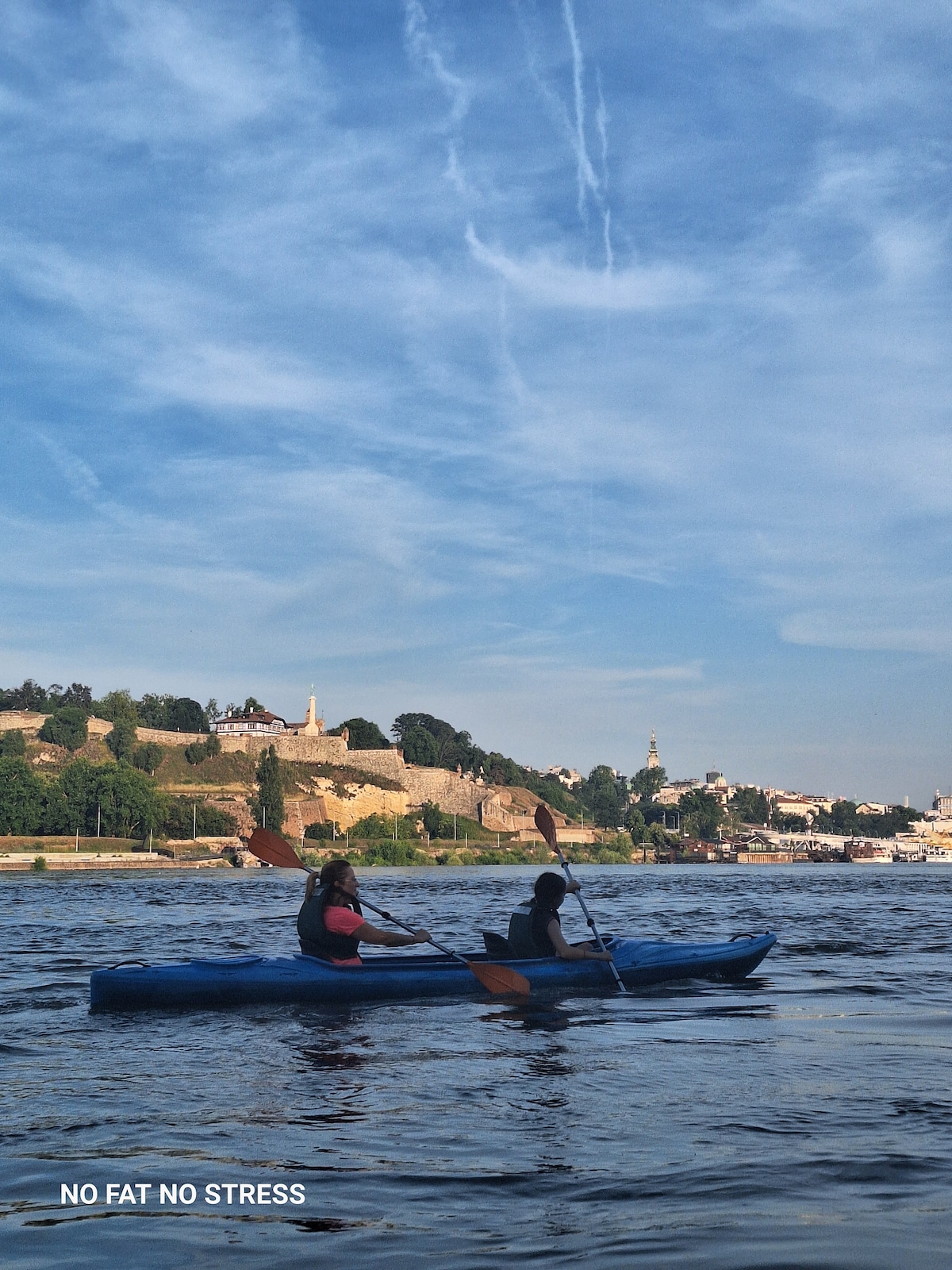
Kayaking in Belgrade
Tue, Dec 9 • 11:00 AM
Belgrade, RS 11080, Serbia
View details
Explore Belgrades past and culture with a guide
Tue, Dec 9 • 1:30 PM
Belgrade, RS 11102, Serbia
View details

Nearby restaurants of Gardoš Tower

Reka

Klub Radecki Zemun

Шаран

Milagro

Balkan Express

Danubius

Super Snack Bar--No.3家乡味(泽蒙看白天鹅店)

Sent Andrea

Walter Zemun

Restaurant KOORDINATA

Reka

Reka

4.6

(1.5K)

$$

Click for details
Klub Radecki Zemun

Klub Radecki Zemun

4.5

(1.1K)

$

Click for details
Шаран

Шаран

4.6

(1.7K)

$$$

Click for details
Milagro

Milagro

4.6

(961)

$$

Click for details
Get the Appoverlay
Get the AppOne tap to find yournext favorite spots!
Wanderboat LogoWanderboat

Your everyday Al companion for getaway ideas

CompanyAbout Us
InformationAI Trip PlannerSitemap
SocialXInstagramTiktokLinkedin
LegalTerms of ServicePrivacy Policy

Get the app

© 2025 Wanderboat. All rights reserved.
logo

Reviews of Gardoš Tower

4.7
(2,739)
avatar
5.0
1y

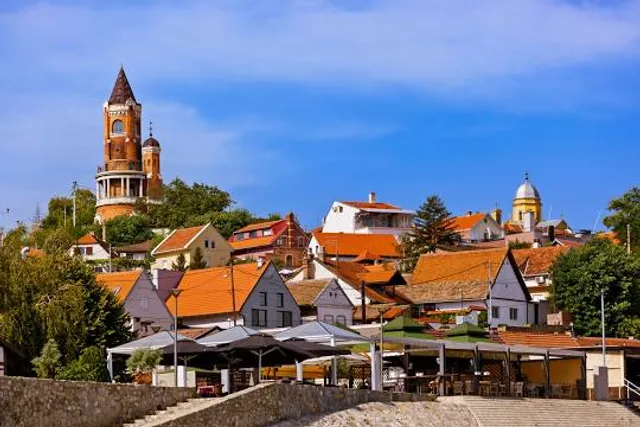
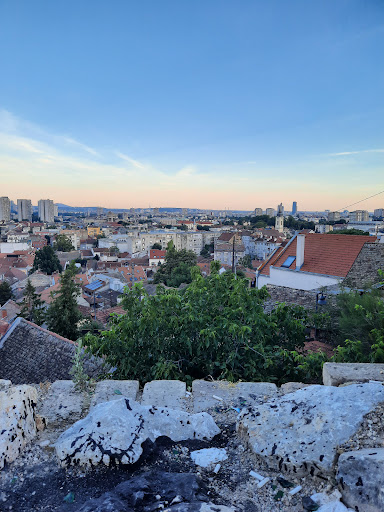
Gardoš (Serbian Cyrillic: Гардош; Hungarian: Gárdos) is an urban neighborhood of Belgrade, the capital of Serbia. It is located in Belgrade's municipality of Zemun. Located on the slopes of the hill of the same name, with its tower and preserved old architecture, Gardoš is the major historical landmark of Zemun. Remnants of the Gardoš Fortress, built in the 14th century and the 15th century, are the oldest surviving parts of Zemun. Gardoš is one of three hills on which the historical core of Zemun was built (other two are Ćukovac and Kalvarija). Gardoš rises on the right bank of the Danube and is the natural lookout to the area across the river (Crvenka section of the Pančevački Rit in the municipality of Palilula). Gardoš borders the neighborhoods of Gornji Grad on the northwest, Ćukovac and Muhar on the south and Donji Grad on the southeast. Gardoš, Ćukovac and Kalvarija hills are not natural features. Zemun loess plateau is the former southern shelf of the ancient, now dried, Pannonian Sea. Modern area of Zemun's Donji Grad was regularly flooded by the Danube and the water would carve canals through the loess. Citizens would then build pathways along those canals and so created the passages, carving the hills out of the plateau. After massive 1876 floods, local authorities began the construction of the stony levee along the Danube's bank. Levee, a kilometer long, was finished in 1889. Today it appears that Zemun is built on several hills, with passages between them turned into modern streets, but the hills are actually manmade. Due to its position above the river, it has been an excellent military lookout through history. The hilly appearance is enhanced by the centuries of fortification of the Gardoš, mostly using stone from Belgrade's side of the Sava river, which made Gardoš even higher. Loess terrain of Gardoš, Kalvarija, Ćukovac is one of the most active landslide areas in Belgrade. Being cut into for centuries, the loess in some sections have cliffs vertical up to 90%. Additionally, this area is known for lagums, a vast network of underground corridors, which were used for supply and eventual hiding and evacuation. In the previous centuries, settlers left many vertical shafts which ventilated the lagums, drying the loess and keeping it compact. As the city of Zemun grew and got urbanized, the shafts in time were covered or filled with garbage. That way, the corridors retained the moist and began to collapse. Situation is critical after almost every downpour. The lagums of Zemun, their length and branching, are sources of numerous urban myths. One is that some lagums, originating from a cellar below the vertical stairs at the bottom of the Gardoš Tower, actually go all the way below the Sava river, crossing to Belgrade and connecting Gardoš Fortress with the Belgrade Fortress across the river. Story originated in World War I when Austrians actually hit the tower, bombing it from the Danube. Left staircase which lead to the cellar, collapsed burying the cellar. Local population believed this was done on purpose by the Austrians, to hide the underground corridors. After the war, a tunnel was dug from the present ground-floor gallery into the buried cellar, but it turned out there were no corridors out of it. Still, the myth survives. Archaeological surveys showed that the area of the modern hill was almost continually inhabited during the past millennia, as the remains from the Neolithic, Eneolithic and Iron Age (the Celts) have been found. The cliff-like ending section of the former Bežanija Loess Ridge was suitable for habitation for several reasons: it was an excellent natural lookout as the surrounding region is mostly flat; the land, prior to full urbanization, was fertile; elevation above the Danube's bank prevented damage from the regular floods of the surrounding lowlands. Later, the area was ruled by the Romans, Huns, Avars, Slavs...

   Read more
avatar
5.0
27w

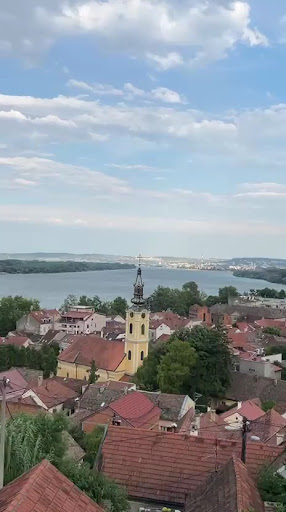
Kula Gardoš, or the Millennium Tower, in Zemun is truly one of Belgrade's most picturesque and historically rich spots, and a visit here is highly recommended. It offers a unique blend of panoramic views, charming history, and a distinct atmosphere that sets it apart from the more central Belgrade attractions. The Good: Breathtaking Views: This is undoubtedly the main draw. From the top of the tower, you get absolutely stunning, expansive views of Zemun's red rooftops, the meandering Danube, Novi Beograd, and even glimpses of Old Belgrade and Kalemegdan Fortress in the distance. It's especially beautiful at sunset. Charming Ambiance of Zemun: The walk up to the tower through the cobbled, narrow streets of Gardoš is a delightful experience in itself. The area has a wonderfully old-world, almost coastal town feel with its small, colorful houses, quaint cafes, and local restaurants. It's a stark contrast to central Belgrade and has a more relaxed, authentic vibe. Historical Significance: The tower, built in 1896, is a significant historical monument, marking the Austro-Hungarian Empire's millennium. It stands on the ruins of an ancient fortress and is steeped in local legends, including its association with Janos Hunyadi (Sibinjanin Janko). Inside, there are often small exhibitions (like the one dedicated to Milutin Milanković) and art displays, adding an educational element. Great Photo Opportunities: Every angle offers a fantastic photo op, from the tower itself to the views from its top and the charming streets leading up to it. To Be Aware Of (Honest Points): The Climb: While rewarding, reaching the tower involves a bit of an uphill walk through cobbled streets. It's not overly strenuous, but something to be mindful of for those with mobility issues or when visiting on a very hot day. There are stairs to climb inside the tower itself. Small Interior: The interior of the tower isn't massive. While there are exhibits, the primary purpose is the view from the top. Don't expect extensive museum-like displays once inside. Entrance Fee: There is a small entrance fee (200 RSD, 2$, 2€) to go up the tower, which is fair for the experience, but something to keep in mind. Crowds (Potentially): As a popular spot, it can get a bit crowded, especially on weekends or during peak tourist season. However, it's generally less overwhelming than Kalemegdan. Overall: Kula Gardoš is an essential visit for anyone exploring Belgrade. It's more than just a viewpoint; it's an immersion into Zemun's unique history and charm. Take your time walking through the neighborhood, grab a coffee or a meal at one of the lovely local spots nearby, and then ascend the tower for those unforgettable vistas. It's a truly special place that offers a different, yet equally captivating, perspective...

   Read more
avatar
4.0
30w

Gardoš Tower – A Hidden Gem Above the Danube

If you’re exploring Zemun, a historic district of Belgrade, Gardoš Tower is an absolute must-see. Perched on the top of Gardoš Hill, this charming 19th-century tower offers not only breathtaking panoramic views of the Danube and old Zemun rooftops but also a peaceful escape from the city’s busier spots.

Originally built in 1896 by the Austro-Hungarian Empire to mark 1,000 years of Hungarian settlement, the tower (often called the Millennium Tower or Tower of Janos Hunyadi) carries historical and architectural significance. Inside, you’ll find occasional art exhibitions and cultural events, making it more than just a photo opportunity.

The entrance fee is symbolic—less than 2 euros per person, making it one of the most budget-friendly attractions in the area. It’s open throughout the week, though hours may vary seasonally.

Another reason to visit? The location. Gardoš is surrounded by charming cobblestone streets filled with quaint cafes, traditional Serbian taverns (kafanas), and modern restaurants. Whether you’re in the mood for a quiet coffee, local grilled specialties, or fine dining with a view, you’ll find something just steps away from the tower.

In short, Gardoš Tower is where history, culture, and leisure meet—don’t miss it when you’re...

   Read more
Page 1 of 7
Previous
Next

Posts

Damir IlićDamir Ilić
Gardoš (Serbian Cyrillic: Гардош; Hungarian: Gárdos) is an urban neighborhood of Belgrade, the capital of Serbia. It is located in Belgrade's municipality of Zemun. Located on the slopes of the hill of the same name, with its tower and preserved old architecture, Gardoš is the major historical landmark of Zemun. Remnants of the Gardoš Fortress, built in the 14th century and the 15th century, are the oldest surviving parts of Zemun. Gardoš is one of three hills on which the historical core of Zemun was built (other two are Ćukovac and Kalvarija). Gardoš rises on the right bank of the Danube and is the natural lookout to the area across the river (Crvenka section of the Pančevački Rit in the municipality of Palilula). Gardoš borders the neighborhoods of Gornji Grad on the northwest, Ćukovac and Muhar on the south and Donji Grad on the southeast. Gardoš, Ćukovac and Kalvarija hills are not natural features. Zemun loess plateau is the former southern shelf of the ancient, now dried, Pannonian Sea. Modern area of Zemun's Donji Grad was regularly flooded by the Danube and the water would carve canals through the loess. Citizens would then build pathways along those canals and so created the passages, carving the hills out of the plateau. After massive 1876 floods, local authorities began the construction of the stony levee along the Danube's bank. Levee, a kilometer long, was finished in 1889. Today it appears that Zemun is built on several hills, with passages between them turned into modern streets, but the hills are actually manmade. Due to its position above the river, it has been an excellent military lookout through history. The hilly appearance is enhanced by the centuries of fortification of the Gardoš, mostly using stone from Belgrade's side of the Sava river, which made Gardoš even higher. Loess terrain of Gardoš, Kalvarija, Ćukovac is one of the most active landslide areas in Belgrade. Being cut into for centuries, the loess in some sections have cliffs vertical up to 90%. Additionally, this area is known for lagums, a vast network of underground corridors, which were used for supply and eventual hiding and evacuation. In the previous centuries, settlers left many vertical shafts which ventilated the lagums, drying the loess and keeping it compact. As the city of Zemun grew and got urbanized, the shafts in time were covered or filled with garbage. That way, the corridors retained the moist and began to collapse. Situation is critical after almost every downpour. The lagums of Zemun, their length and branching, are sources of numerous urban myths. One is that some lagums, originating from a cellar below the vertical stairs at the bottom of the Gardoš Tower, actually go all the way below the Sava river, crossing to Belgrade and connecting Gardoš Fortress with the Belgrade Fortress across the river. Story originated in World War I when Austrians actually hit the tower, bombing it from the Danube. Left staircase which lead to the cellar, collapsed burying the cellar. Local population believed this was done on purpose by the Austrians, to hide the underground corridors. After the war, a tunnel was dug from the present ground-floor gallery into the buried cellar, but it turned out there were no corridors out of it. Still, the myth survives. Archaeological surveys showed that the area of the modern hill was almost continually inhabited during the past millennia, as the remains from the Neolithic, Eneolithic and Iron Age (the Celts) have been found. The cliff-like ending section of the former Bežanija Loess Ridge was suitable for habitation for several reasons: it was an excellent natural lookout as the surrounding region is mostly flat; the land, prior to full urbanization, was fertile; elevation above the Danube's bank prevented damage from the regular floods of the surrounding lowlands. Later, the area was ruled by the Romans, Huns, Avars, Slavs and Hungarians.
Alex R.Alex R.
Gardoš Tower – A Hidden Gem Above the Danube If you’re exploring Zemun, a historic district of Belgrade, Gardoš Tower is an absolute must-see. Perched on the top of Gardoš Hill, this charming 19th-century tower offers not only breathtaking panoramic views of the Danube and old Zemun rooftops but also a peaceful escape from the city’s busier spots. Originally built in 1896 by the Austro-Hungarian Empire to mark 1,000 years of Hungarian settlement, the tower (often called the Millennium Tower or Tower of Janos Hunyadi) carries historical and architectural significance. Inside, you’ll find occasional art exhibitions and cultural events, making it more than just a photo opportunity. The entrance fee is symbolic—less than 2 euros per person, making it one of the most budget-friendly attractions in the area. It’s open throughout the week, though hours may vary seasonally. Another reason to visit? The location. Gardoš is surrounded by charming cobblestone streets filled with quaint cafes, traditional Serbian taverns (kafanas), and modern restaurants. Whether you’re in the mood for a quiet coffee, local grilled specialties, or fine dining with a view, you’ll find something just steps away from the tower. In short, Gardoš Tower is where history, culture, and leisure meet—don’t miss it when you’re in Belgrade.
Matthias ArdenMatthias Arden
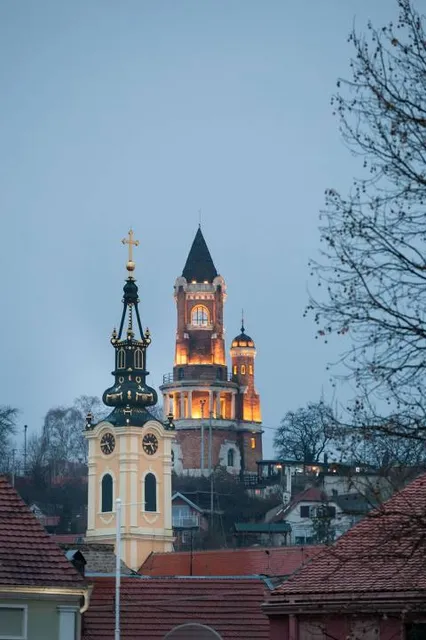
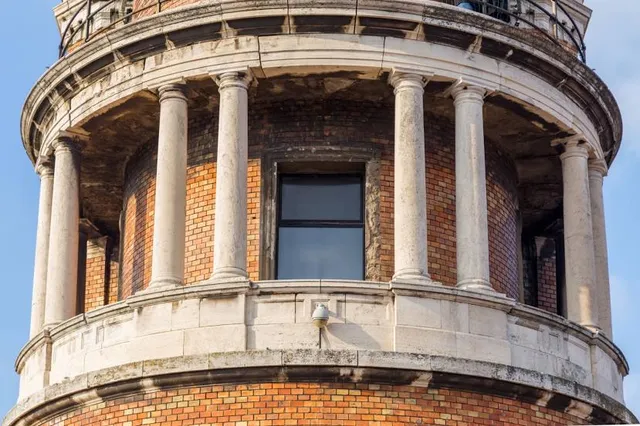
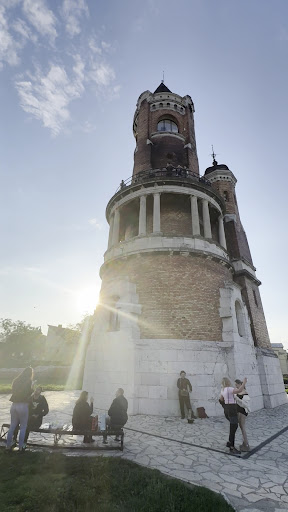
“Gardoš Tower”, also known as “Millennium Tower” or “The Tower of Janos Hunyadi”, is a memorial tower located in Zemun, city of Belgrade. It was built and officially opened on 20 August 1896 to celebrate a thousand years of Hungarian settlement in the Pannonian plain. The Millennium project included seven monuments in total all over the Hungarian part of Austro-Hungary, with Gardoš Tower being the southernmost. They are all different and not all of them are towers. The Gardoš Tower was part of the massive construction effort which included buildings in Budapest as well as four millennium towers on four directions of the world. Being the southernmost city in then Hungary within the Austria-Hungary, the tower was built on the ruins of the medieval fortress on Gardoš hill, Taurunum, which barely survived today (only angular towers and parts of the defending wall). The tower was built as a combination of various styles, mostly Roman. The tower is 36m tall and, being a natural lookout, it was used by Zemun's firemen for decades. Today, the tower is named after Janos Hunyadi, who actually died in the old fortress, 440 years before the tower was built. I Personally loved especially the view to all of Belgrade and it’s crossing river..
See more posts
See more posts
hotel
Find your stay

Pet-friendly Hotels in City of Belgrade

Find a cozy hotel nearby and make it a full experience.

Gardoš (Serbian Cyrillic: Гардош; Hungarian: Gárdos) is an urban neighborhood of Belgrade, the capital of Serbia. It is located in Belgrade's municipality of Zemun. Located on the slopes of the hill of the same name, with its tower and preserved old architecture, Gardoš is the major historical landmark of Zemun. Remnants of the Gardoš Fortress, built in the 14th century and the 15th century, are the oldest surviving parts of Zemun. Gardoš is one of three hills on which the historical core of Zemun was built (other two are Ćukovac and Kalvarija). Gardoš rises on the right bank of the Danube and is the natural lookout to the area across the river (Crvenka section of the Pančevački Rit in the municipality of Palilula). Gardoš borders the neighborhoods of Gornji Grad on the northwest, Ćukovac and Muhar on the south and Donji Grad on the southeast. Gardoš, Ćukovac and Kalvarija hills are not natural features. Zemun loess plateau is the former southern shelf of the ancient, now dried, Pannonian Sea. Modern area of Zemun's Donji Grad was regularly flooded by the Danube and the water would carve canals through the loess. Citizens would then build pathways along those canals and so created the passages, carving the hills out of the plateau. After massive 1876 floods, local authorities began the construction of the stony levee along the Danube's bank. Levee, a kilometer long, was finished in 1889. Today it appears that Zemun is built on several hills, with passages between them turned into modern streets, but the hills are actually manmade. Due to its position above the river, it has been an excellent military lookout through history. The hilly appearance is enhanced by the centuries of fortification of the Gardoš, mostly using stone from Belgrade's side of the Sava river, which made Gardoš even higher. Loess terrain of Gardoš, Kalvarija, Ćukovac is one of the most active landslide areas in Belgrade. Being cut into for centuries, the loess in some sections have cliffs vertical up to 90%. Additionally, this area is known for lagums, a vast network of underground corridors, which were used for supply and eventual hiding and evacuation. In the previous centuries, settlers left many vertical shafts which ventilated the lagums, drying the loess and keeping it compact. As the city of Zemun grew and got urbanized, the shafts in time were covered or filled with garbage. That way, the corridors retained the moist and began to collapse. Situation is critical after almost every downpour. The lagums of Zemun, their length and branching, are sources of numerous urban myths. One is that some lagums, originating from a cellar below the vertical stairs at the bottom of the Gardoš Tower, actually go all the way below the Sava river, crossing to Belgrade and connecting Gardoš Fortress with the Belgrade Fortress across the river. Story originated in World War I when Austrians actually hit the tower, bombing it from the Danube. Left staircase which lead to the cellar, collapsed burying the cellar. Local population believed this was done on purpose by the Austrians, to hide the underground corridors. After the war, a tunnel was dug from the present ground-floor gallery into the buried cellar, but it turned out there were no corridors out of it. Still, the myth survives. Archaeological surveys showed that the area of the modern hill was almost continually inhabited during the past millennia, as the remains from the Neolithic, Eneolithic and Iron Age (the Celts) have been found. The cliff-like ending section of the former Bežanija Loess Ridge was suitable for habitation for several reasons: it was an excellent natural lookout as the surrounding region is mostly flat; the land, prior to full urbanization, was fertile; elevation above the Danube's bank prevented damage from the regular floods of the surrounding lowlands. Later, the area was ruled by the Romans, Huns, Avars, Slavs and Hungarians.
Damir Ilić

Damir Ilić

hotel
Find your stay

Affordable Hotels in City of Belgrade

Find a cozy hotel nearby and make it a full experience.

Get the Appoverlay
Get the AppOne tap to find yournext favorite spots!
Gardoš Tower – A Hidden Gem Above the Danube If you’re exploring Zemun, a historic district of Belgrade, Gardoš Tower is an absolute must-see. Perched on the top of Gardoš Hill, this charming 19th-century tower offers not only breathtaking panoramic views of the Danube and old Zemun rooftops but also a peaceful escape from the city’s busier spots. Originally built in 1896 by the Austro-Hungarian Empire to mark 1,000 years of Hungarian settlement, the tower (often called the Millennium Tower or Tower of Janos Hunyadi) carries historical and architectural significance. Inside, you’ll find occasional art exhibitions and cultural events, making it more than just a photo opportunity. The entrance fee is symbolic—less than 2 euros per person, making it one of the most budget-friendly attractions in the area. It’s open throughout the week, though hours may vary seasonally. Another reason to visit? The location. Gardoš is surrounded by charming cobblestone streets filled with quaint cafes, traditional Serbian taverns (kafanas), and modern restaurants. Whether you’re in the mood for a quiet coffee, local grilled specialties, or fine dining with a view, you’ll find something just steps away from the tower. In short, Gardoš Tower is where history, culture, and leisure meet—don’t miss it when you’re in Belgrade.
Alex R.

Alex R.

hotel
Find your stay

The Coolest Hotels You Haven't Heard Of (Yet)

Find a cozy hotel nearby and make it a full experience.

hotel
Find your stay

Trending Stays Worth the Hype in City of Belgrade

Find a cozy hotel nearby and make it a full experience.

“Gardoš Tower”, also known as “Millennium Tower” or “The Tower of Janos Hunyadi”, is a memorial tower located in Zemun, city of Belgrade. It was built and officially opened on 20 August 1896 to celebrate a thousand years of Hungarian settlement in the Pannonian plain. The Millennium project included seven monuments in total all over the Hungarian part of Austro-Hungary, with Gardoš Tower being the southernmost. They are all different and not all of them are towers. The Gardoš Tower was part of the massive construction effort which included buildings in Budapest as well as four millennium towers on four directions of the world. Being the southernmost city in then Hungary within the Austria-Hungary, the tower was built on the ruins of the medieval fortress on Gardoš hill, Taurunum, which barely survived today (only angular towers and parts of the defending wall). The tower was built as a combination of various styles, mostly Roman. The tower is 36m tall and, being a natural lookout, it was used by Zemun's firemen for decades. Today, the tower is named after Janos Hunyadi, who actually died in the old fortress, 440 years before the tower was built. I Personally loved especially the view to all of Belgrade and it’s crossing river..
Matthias Arden

Matthias Arden

See more posts
See more posts