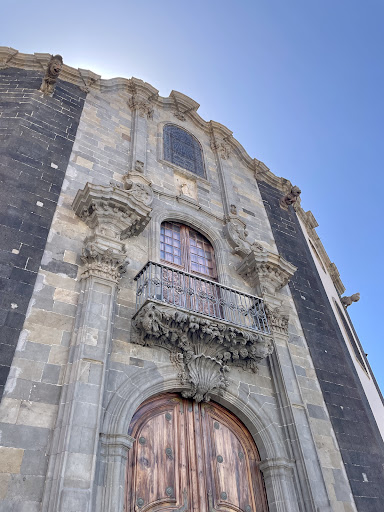
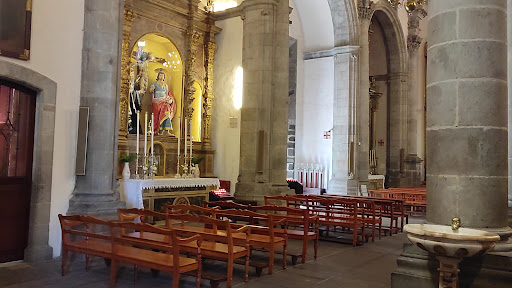
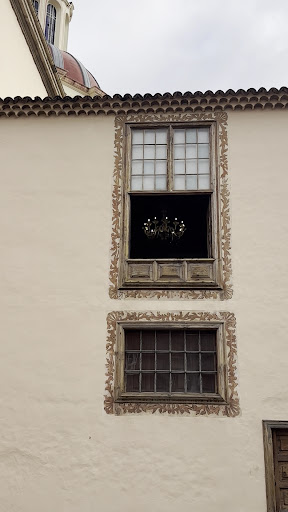
Church of Our Lady of Conception things to do, attractions, restaurants, events info and trip planning
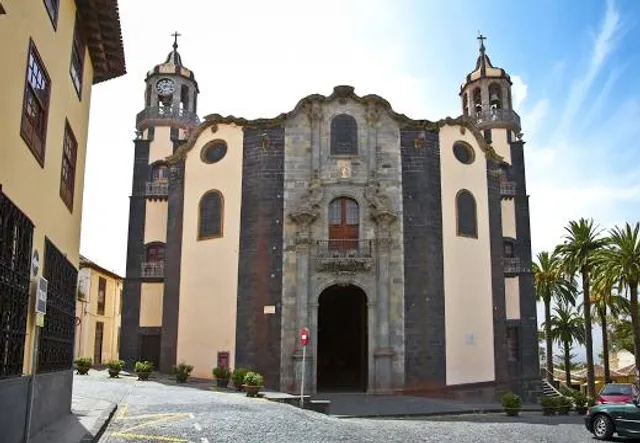
Basic Info
Church of Our Lady of Conception
C. Cólogan, 2, 38300 La Orotava, Santa Cruz de Tenerife, Spain
4.6(428)
Open until 12:00 AM
Save
spot
spot
Ratings & Description
Info
Cultural
Scenic
Accessibility
Family friendly
attractions: Casa de los Balcones, Casa Lercaro, Constitution Plaza, Marquesado de la Quinta Roja Garden, Hijuela del Botánico, Colección Museográfica "El Tesoro De La Concepción", Plaza del Ayuntamiento, Patea Tus Montes, senderismo y aventura S.L., Oficina Municipal de Información Turística de La Orotava (La Orotava CittaSlow Internacional), Telesforo Bravo Visitor Center, restaurants: The Dutchess Bar, Boutique Relieve S.L (La Orotava), Bar Los Castillos, Sabor Canario Hotel Rural Orotava., Casa Egón, Donde el Gordo, Terraza Tasca Villera, Cafetería El Fénix, El Cotilleo de la Villa, Restaurante Chino La Gran Muralla, local businesses: Mercadona, Orotava Lencería, ALE-HOP, Bar Parada Cerveceria, Universidad Europea de Canarias, Nine Coliving, Jardínes del Marquesado de la Quinta Roja, Joyería Jesús, MelShop, Estanco Anita
 Learn more insights from Wanderboat AI.
Phone
+34 687 15 22 70
Website
concepcionorotava.com
Open hoursSee all hours
SunClosedOpen
Plan your stay

Pet-friendly Hotels in La Orotava
Find a cozy hotel nearby and make it a full experience.

Affordable Hotels in La Orotava
Find a cozy hotel nearby and make it a full experience.

The Coolest Hotels You Haven't Heard Of (Yet)
Find a cozy hotel nearby and make it a full experience.

Trending Stays Worth the Hype in La Orotava
Find a cozy hotel nearby and make it a full experience.
Reviews
Live events
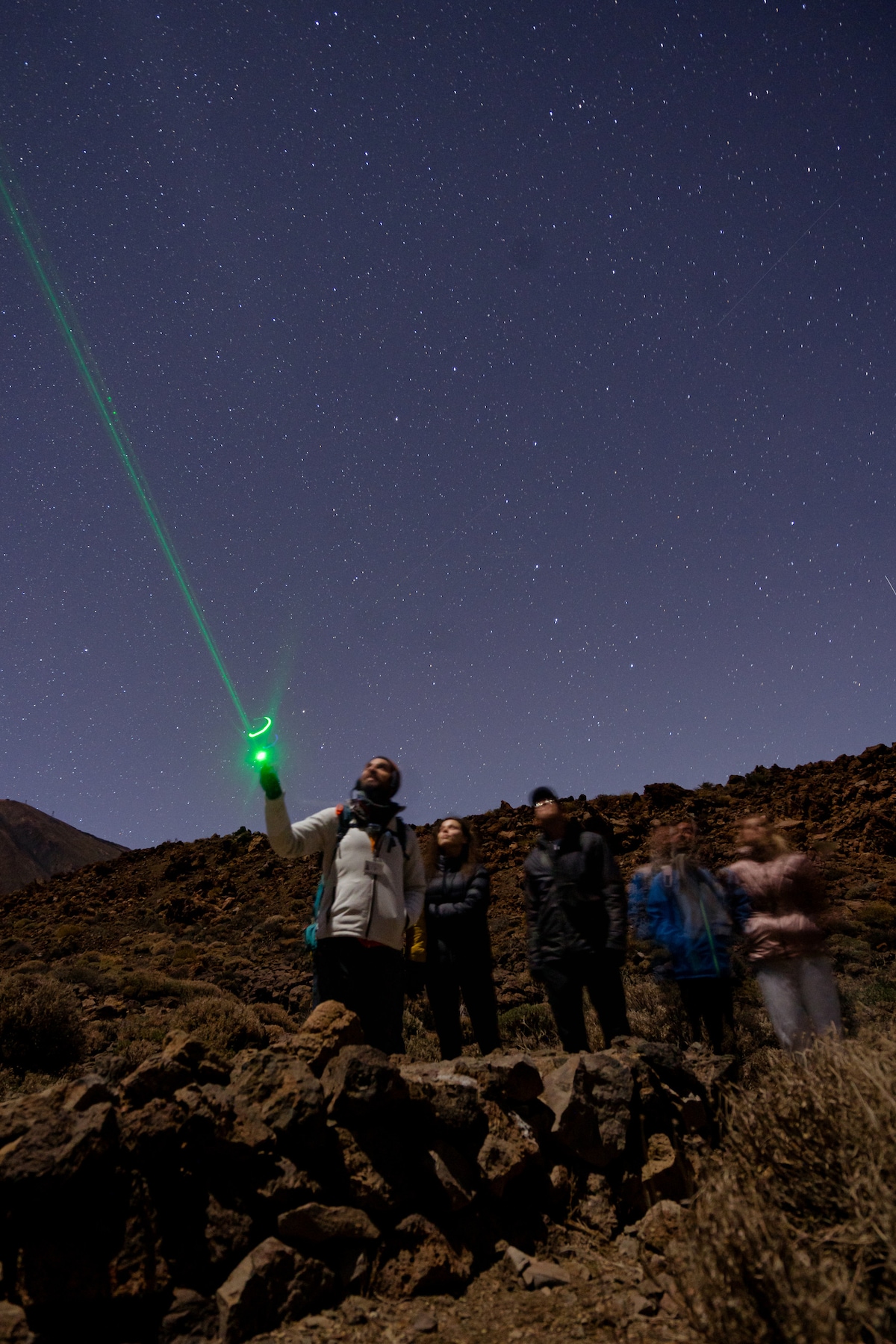
Stargazing Walk in Teide National Park
Fri, Feb 27 • 7:30 PM
38300, Paradores Cañadas del Teide, Canarias, Spain
View details

Sunset and stargazing walk near Teide
Wed, Feb 25 • 5:30 PM
Santa Cruz de Tenerife, Canarias, Spain
View details
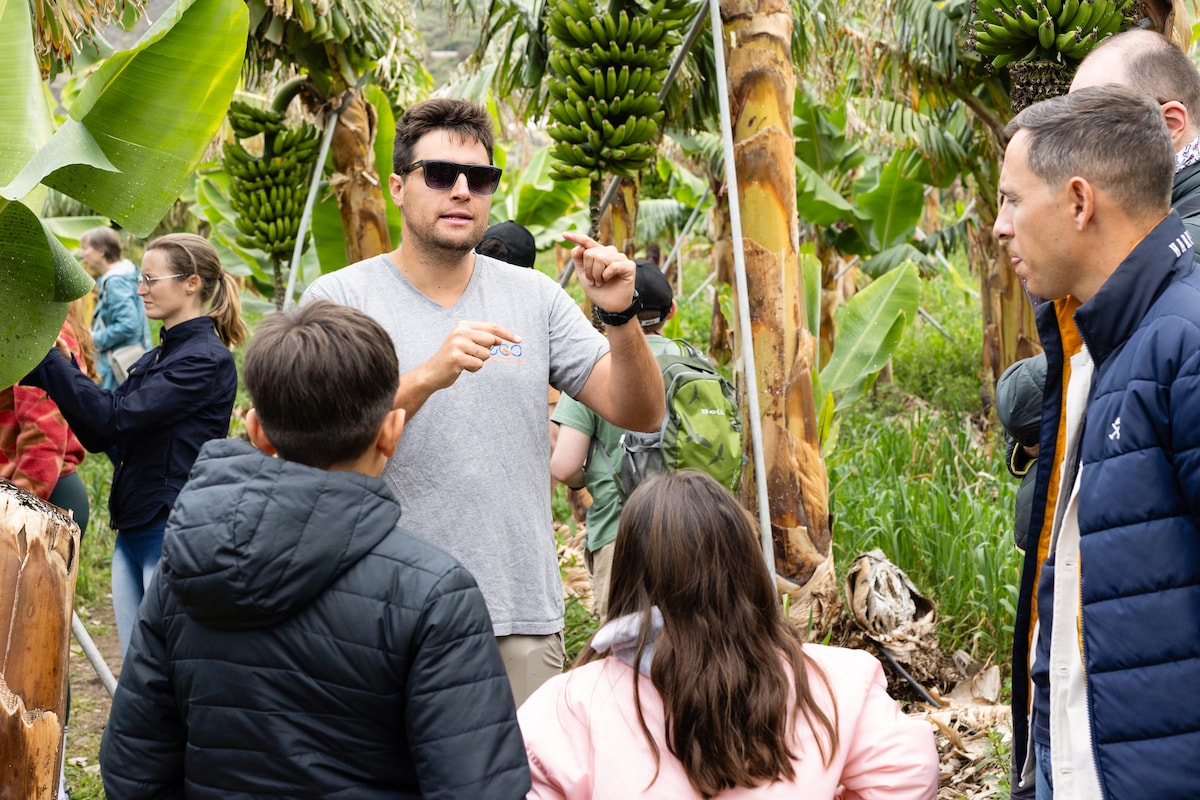
Eco banana farm tour
Mon, Feb 23 • 10:30 AM
38314, La Orotava, Canarias, Spain
View details
Nearby attractions of Church of Our Lady of Conception
Casa de los Balcones
Casa Lercaro
Constitution Plaza
Marquesado de la Quinta Roja Garden
Hijuela del Botánico
Colección Museográfica "El Tesoro De La Concepción"
Plaza del Ayuntamiento
Patea Tus Montes, senderismo y aventura S.L.
Oficina Municipal de Información Turística de La Orotava (La Orotava CittaSlow Internacional)
Telesforo Bravo Visitor Center
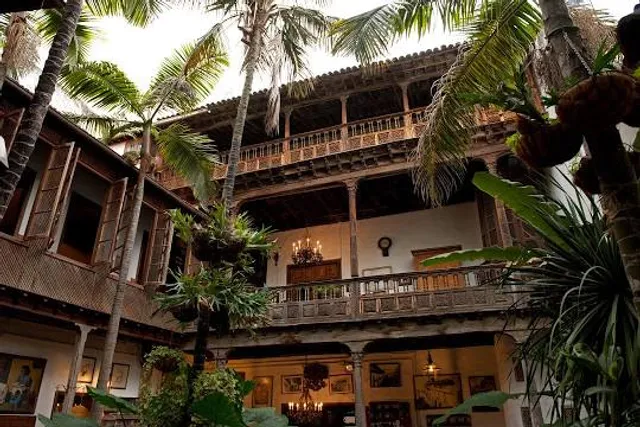
Casa de los Balcones
4.3
(3.4K)
Closed
Click for details
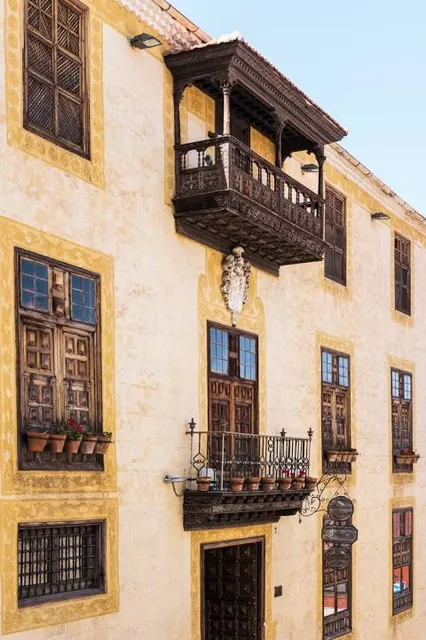
Casa Lercaro
4.6
(510)
Closed
Click for details
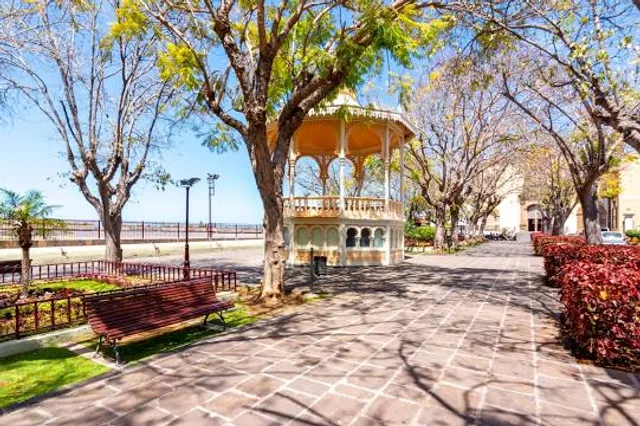
Constitution Plaza
4.4
(1.3K)
Open 24 hours
Click for details
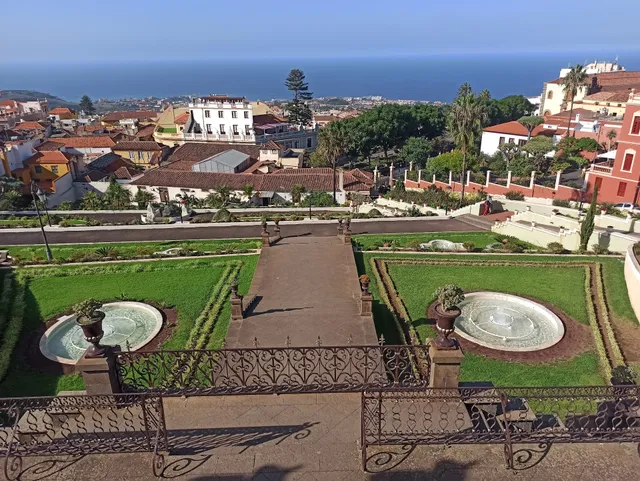
Marquesado de la Quinta Roja Garden
4.6
(1.5K)
Closed
Click for details
Nearby restaurants of Church of Our Lady of Conception
The Dutchess Bar
Boutique Relieve S.L (La Orotava)
Bar Los Castillos
Sabor Canario Hotel Rural Orotava.
Casa Egón
Donde el Gordo
Terraza Tasca Villera
Cafetería El Fénix
El Cotilleo de la Villa
Restaurante Chino La Gran Muralla
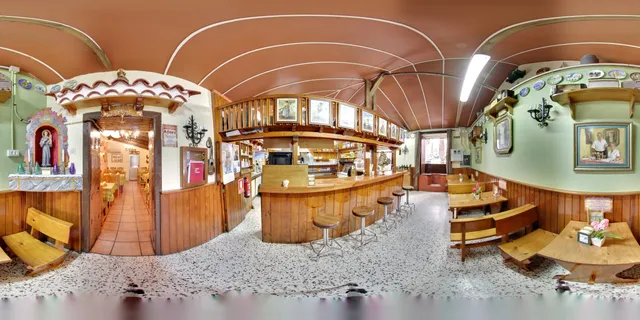
The Dutchess Bar
4.5
(437)
Open until 12:00 AM
Click for details
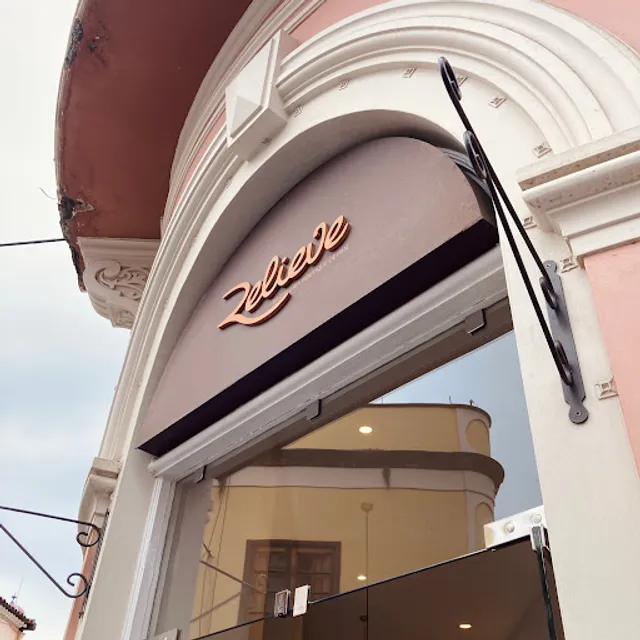
Boutique Relieve S.L (La Orotava)
4.6
(484)
$
Closed
Click for details
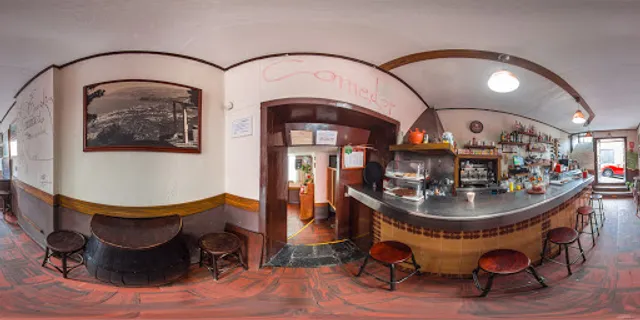
Bar Los Castillos
4.8
(841)
$
Open until 12:00 AM
Click for details
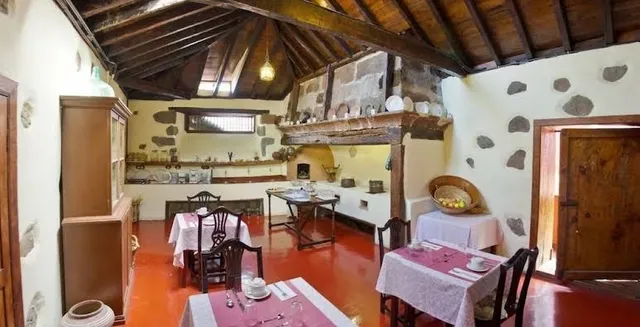
Sabor Canario Hotel Rural Orotava.
4.5
(371)
Click for details
Nearby local services of Church of Our Lady of Conception
Mercadona
Orotava Lencería
ALE-HOP
Bar Parada Cerveceria
Universidad Europea de Canarias
Nine Coliving
Jardínes del Marquesado de la Quinta Roja
Joyería Jesús
MelShop
Estanco Anita
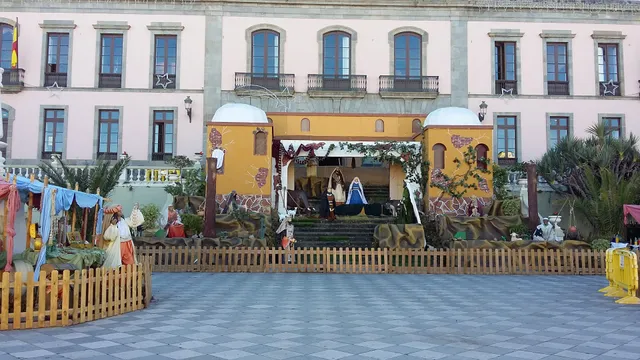
Mercadona
4.0
(587)
Click for details

Orotava Lencería
4.9
(106)
Click for details

ALE-HOP
4.4
(53)
Click for details
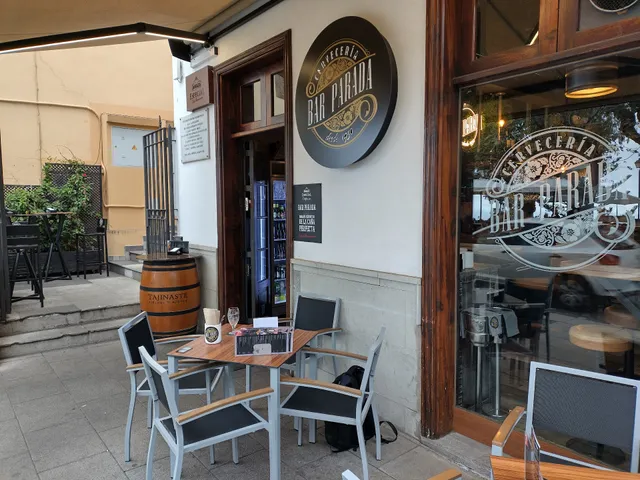
Bar Parada Cerveceria
4.5
(625)
Click for details