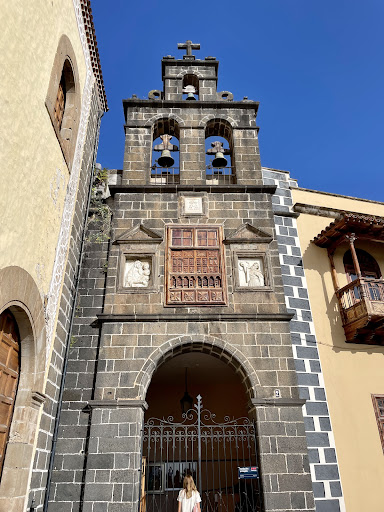
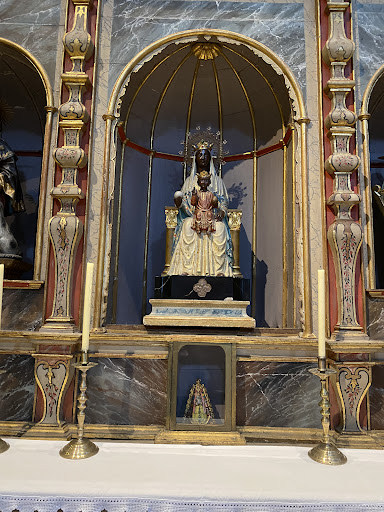
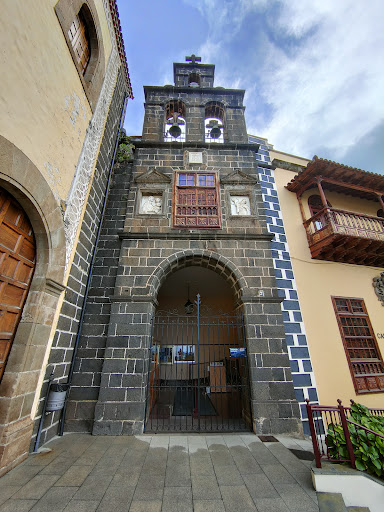
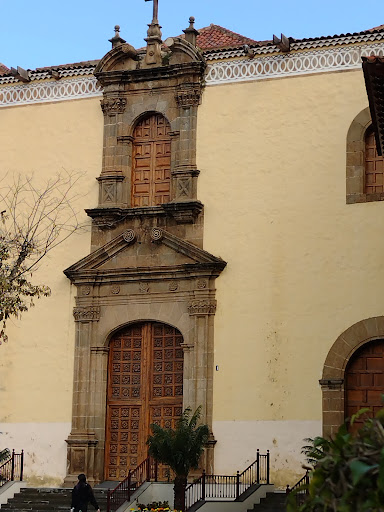
Iglesia de San Agustin things to do, attractions, restaurants, events info and trip planning
Basic Info
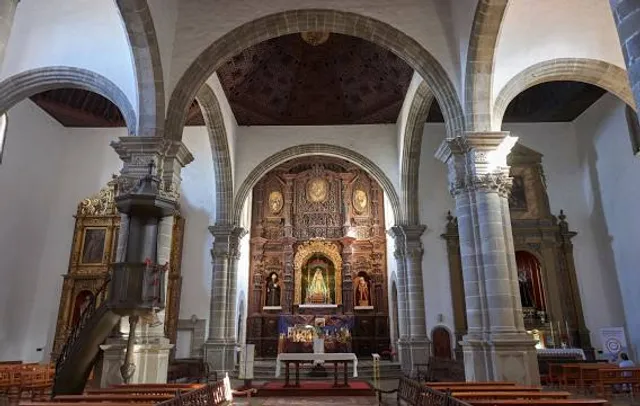
Iglesia de San Agustin
C. San Agustín, 2, 38300 La Orotava, Santa Cruz de Tenerife, Spain
4.5(94)
Open 24 hours
Save
spot
spot
Ratings & Description
Info
Cultural
Accessibility
attractions: Constitution Plaza, Marquesado de la Quinta Roja Garden, Plaza del Quinto Centenario, Patea Tus Montes, senderismo y aventura S.L., Centro de La Cultura de San Agustín, Hijuela del Botánico, Casa de los Balcones, Oficina Municipal de Información Turística de La Orotava (La Orotava CittaSlow Internacional), Latin American Craft Museum of Tenerife, Church of Our Lady of Conception, restaurants: Restaurante -Tasca Tapias, Bar Fariña, Restaurante Izakaya LO, Restaurante Dios los cria... y el viento los amontona, Bar Cafetería Venezia, Kiosko Constitution Plaza, Cafetería Liceo de Taoro, La Piazzetta, Rincón del Pan La Orotava, Cachelo., local businesses: Bar Parada Cerveceria, Tienda Movistar, Supermercados Tu Alteza, Mercadona, öbu, Jardínes del Marquesado de la Quinta Roja, Regalitos, TE QUIERO JEWELRY, Orotava Lencería, Movilcell Store
 Learn more insights from Wanderboat AI.
Website
obispadodetenerife.es
Plan your stay

Pet-friendly Hotels in La Orotava
Find a cozy hotel nearby and make it a full experience.

Affordable Hotels in La Orotava
Find a cozy hotel nearby and make it a full experience.

The Coolest Hotels You Haven't Heard Of (Yet)
Find a cozy hotel nearby and make it a full experience.

Trending Stays Worth the Hype in La Orotava
Find a cozy hotel nearby and make it a full experience.
Reviews
Live events
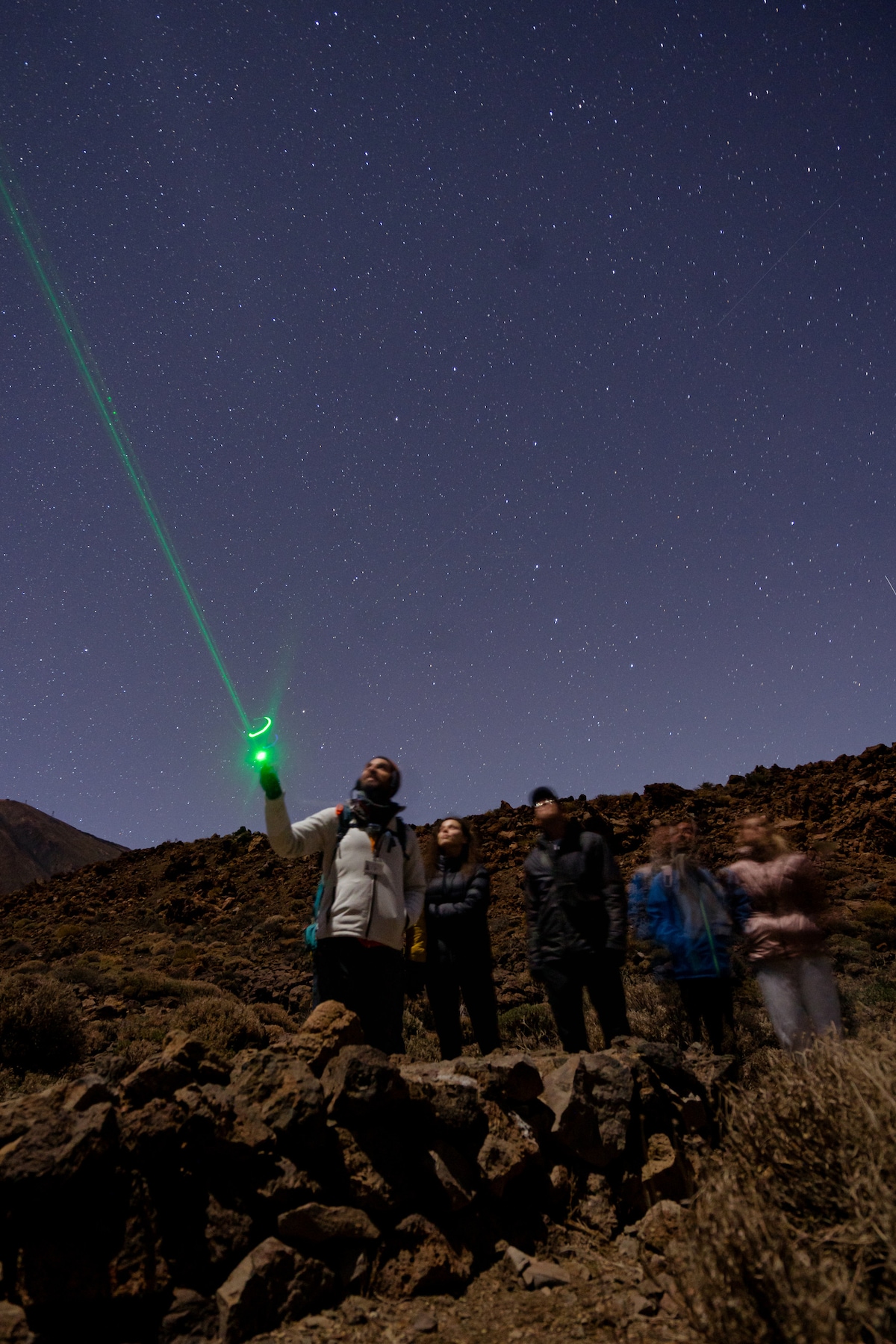
Stargazing Walk in Teide National Park
Fri, Feb 13 • 7:30 PM
38300, Paradores Cañadas del Teide, Canarias, Spain
View details

Sunset and stargazing walk near Teide
Wed, Feb 11 • 5:00 PM
Santa Cruz de Tenerife, Canarias, Spain
View details
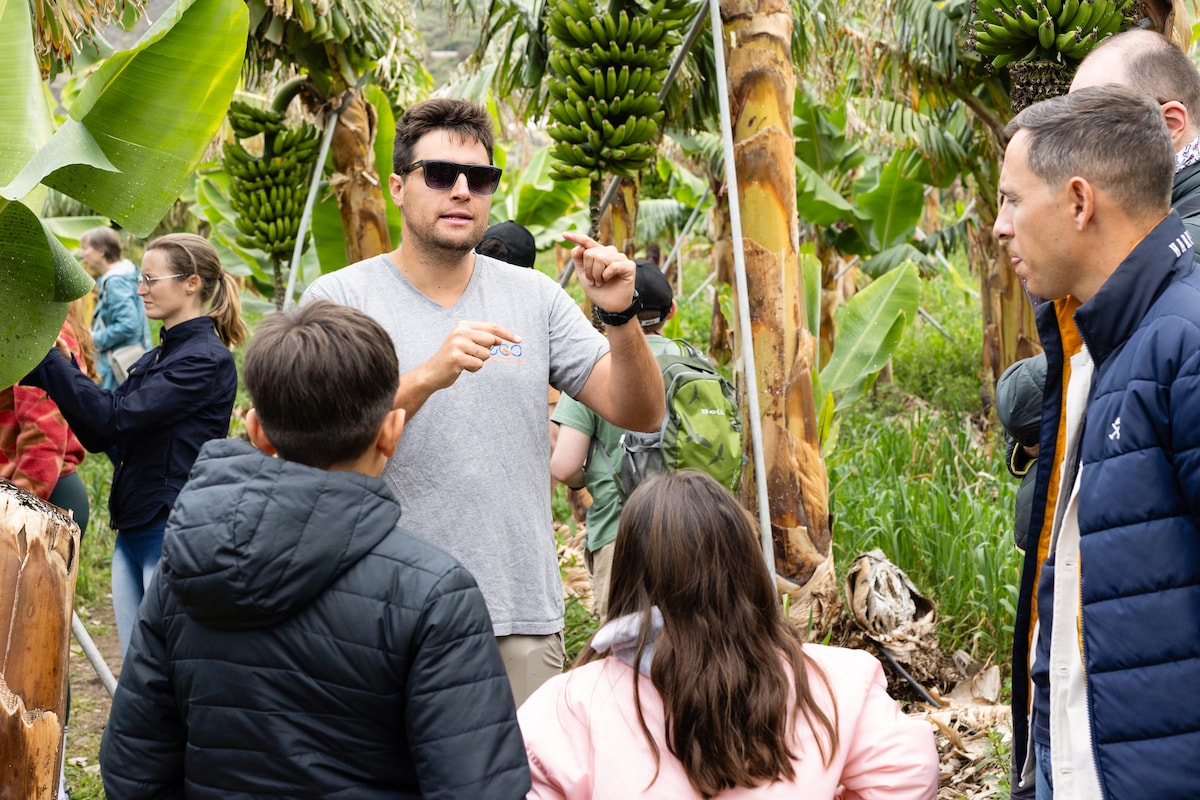
Eco banana farm tour
Wed, Feb 11 • 10:30 AM
38314, La Orotava, Canarias, Spain
View details
Nearby attractions of Iglesia de San Agustin
Constitution Plaza
Marquesado de la Quinta Roja Garden
Plaza del Quinto Centenario
Patea Tus Montes, senderismo y aventura S.L.
Centro de La Cultura de San Agustín
Hijuela del Botánico
Casa de los Balcones
Oficina Municipal de Información Turística de La Orotava (La Orotava CittaSlow Internacional)
Latin American Craft Museum of Tenerife
Church of Our Lady of Conception
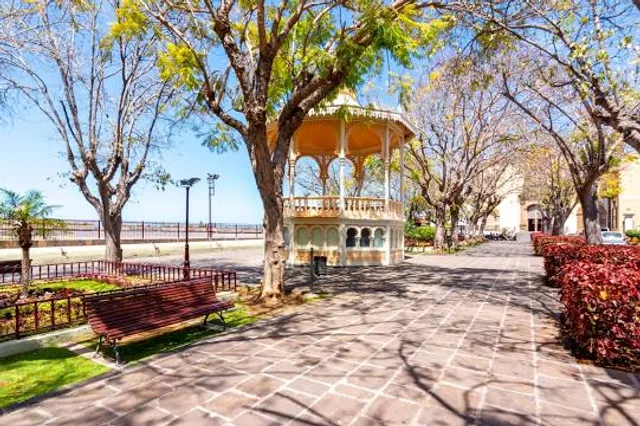
Constitution Plaza
4.4
(1.3K)
Open 24 hours
Click for details
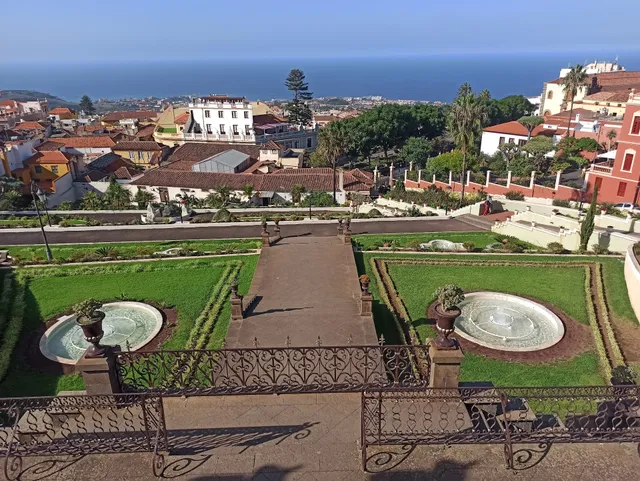
Marquesado de la Quinta Roja Garden
4.6
(1.5K)
Closed
Click for details
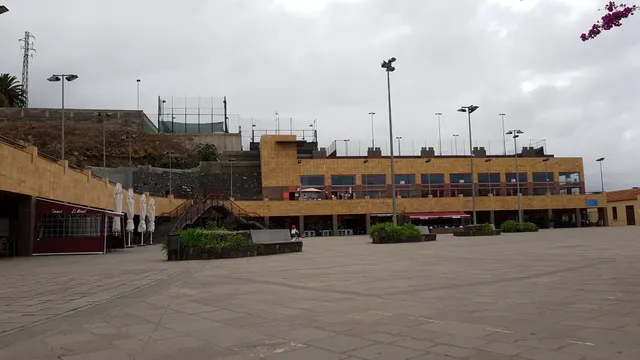
Plaza del Quinto Centenario
4.2
(326)
Closed
Click for details

Patea Tus Montes, senderismo y aventura S.L.
4.9
(258)
Closed
Click for details
Nearby restaurants of Iglesia de San Agustin
Restaurante -Tasca Tapias
Bar Fariña
Restaurante Izakaya LO
Restaurante Dios los cria... y el viento los amontona
Bar Cafetería Venezia
Kiosko Constitution Plaza
Cafetería Liceo de Taoro
La Piazzetta
Rincón del Pan La Orotava
Cachelo.
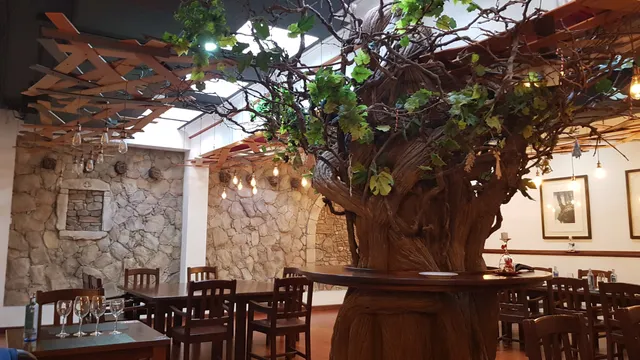
Restaurante -Tasca Tapias
4.4
(1.3K)
Open until 12:00 AM
Click for details
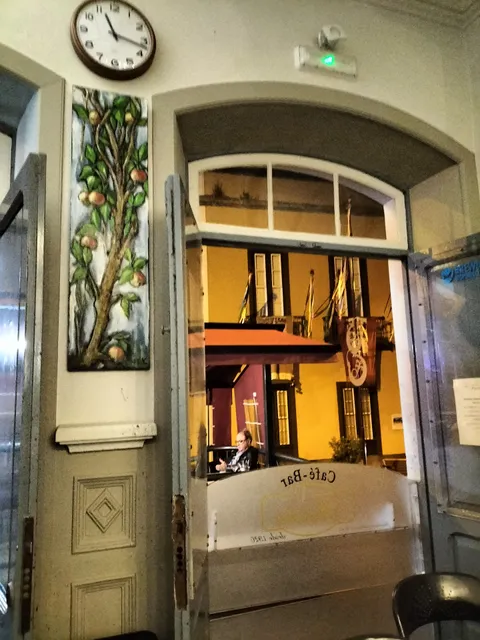
Bar Fariña
4.6
(425)
Closed
Click for details

Restaurante Izakaya LO
4.5
(306)
Closed
Click for details

Restaurante Dios los cria... y el viento los amontona
4.5
(342)
Closed
Click for details
Nearby local services of Iglesia de San Agustin
Bar Parada Cerveceria
Tienda Movistar
Supermercados Tu Alteza
Mercadona
öbu
Jardínes del Marquesado de la Quinta Roja
Regalitos
TE QUIERO JEWELRY
Orotava Lencería
Movilcell Store
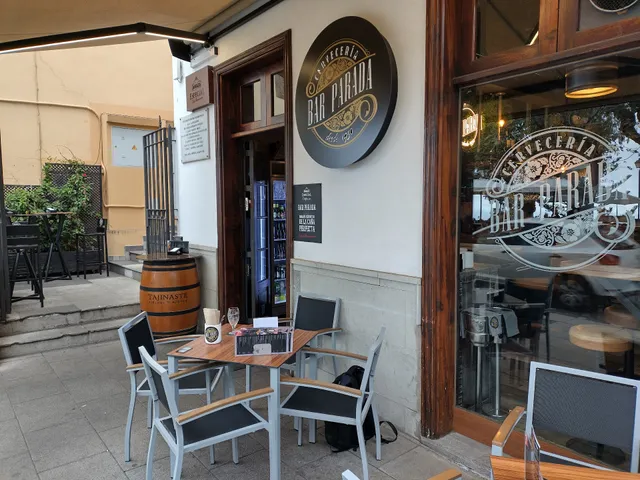
Bar Parada Cerveceria
4.5
(622)
Click for details

Tienda Movistar
4.5
(211)
Click for details

Supermercados Tu Alteza
4.1
(146)
Click for details

Mercadona
4.0
(621)
Click for details