Museum of the village of Nerja things to do, attractions, restaurants, events info and trip planning
Basic Info
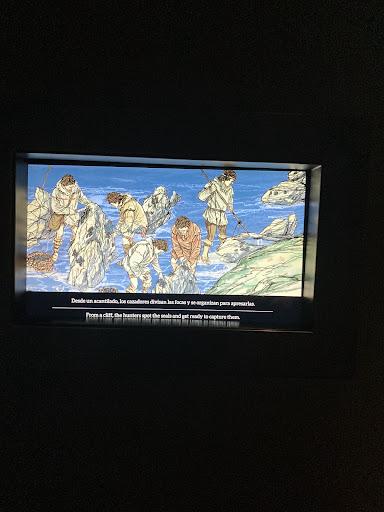
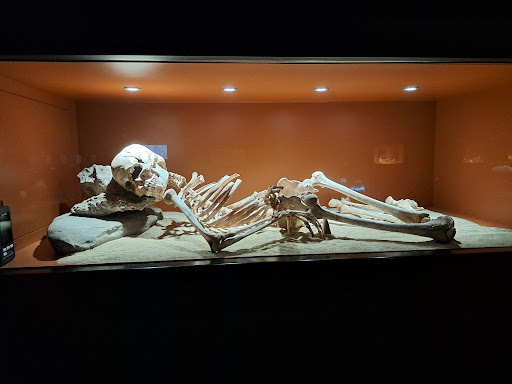
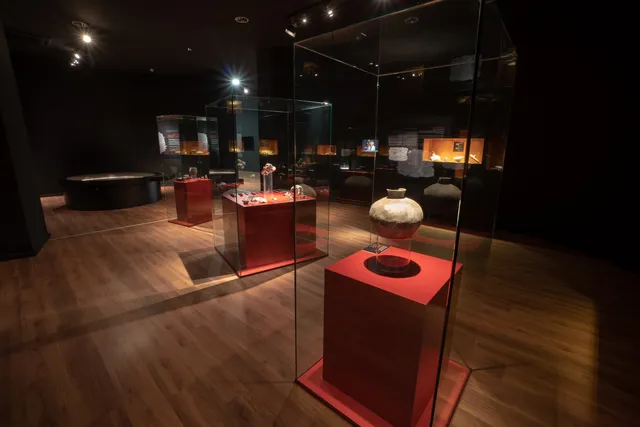
Museum of the village of Nerja
Plaza de España, 4, 29780 Nerja, Málaga, Spain
4.6(2.2K)
Open until 12:00 AM


tickets
Save
spot
spot
Ratings & Description
Info
Cultural
Accessibility
attractions: Centro Cultural Villa de Nerja, Parque Verano Azul, Plaza Balcon De Europa, Iglesia El Salvador, Nerja Tourist Office, Barco de chanquete La Dorada, Playa de la Calahonda, Art Gallery, LifeAdventure Jeep & Buggy tours, Outdoor Activities - Nerja, Costa del Sol, El Salón beach, restaurants: Bar El Pulguilla, Bar Redondo, Bar La Piqueta, Restaurante Oliva, NATURALE NERJA, Kalö Urban Burger, Restaurante Pacomari, Tetería Zaidín, RESTAURANTE LACAL, La Marina Marisqueria, local businesses: Beni-Fix, Nerja Book Centre, ALE-HOP, Springfield, Nerja Coworking, Mercadona, Comercial Rogelio, Tienda Foodstore Andaluz, Primor, Nerja Town Hall
 Learn more insights from Wanderboat AI.
Phone
+34 952 52 72 24
Website
museodenerja.es
Open hoursSee all hours
MonClosedOpen
Plan your stay

Pet-friendly Hotels in Nerja
Find a cozy hotel nearby and make it a full experience.

Affordable Hotels in Nerja
Find a cozy hotel nearby and make it a full experience.

The Coolest Hotels You Haven't Heard Of (Yet)
Find a cozy hotel nearby and make it a full experience.

Trending Stays Worth the Hype in Nerja
Find a cozy hotel nearby and make it a full experience.
Reviews
Live events
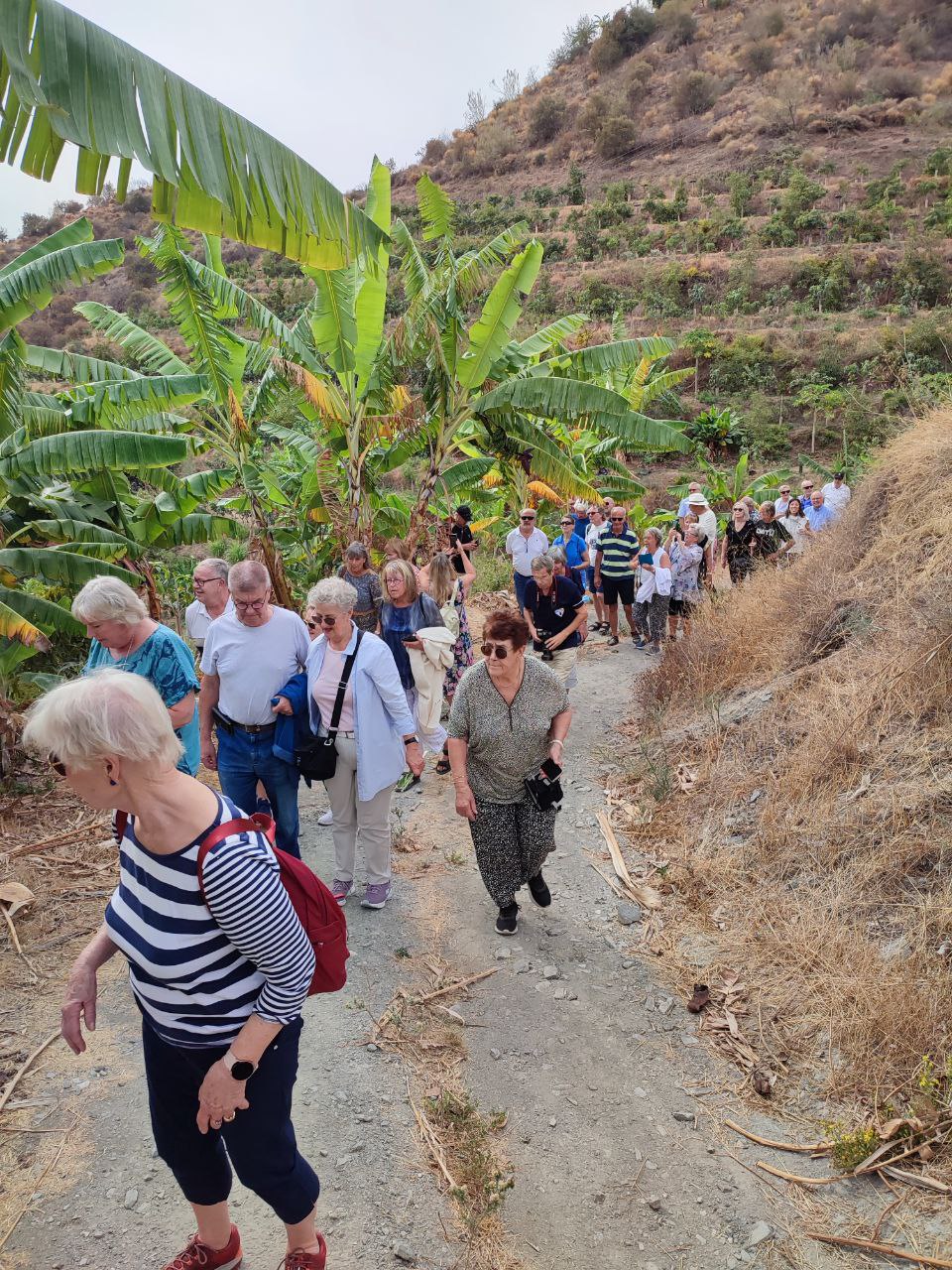
Visit the only coffee farm in Europe
Fri, Jan 30 • 12:00 PM
18697, Almuñécar, Andalusia, Spain
View details
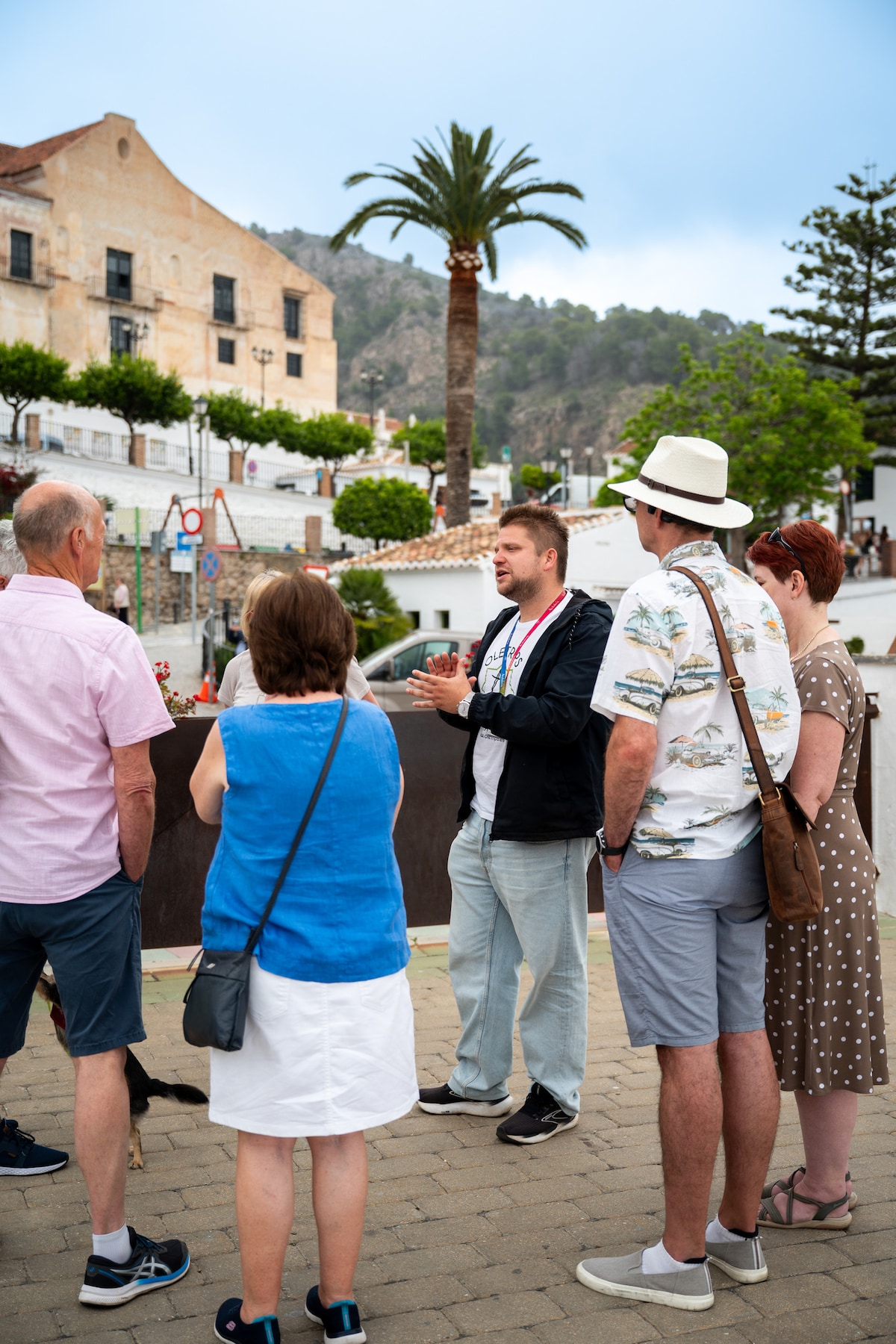
See Frigiliana and the Lost Village with an..
Wed, Jan 28 • 9:30 AM
29780, Nerja, Andalusia, Spain
View details
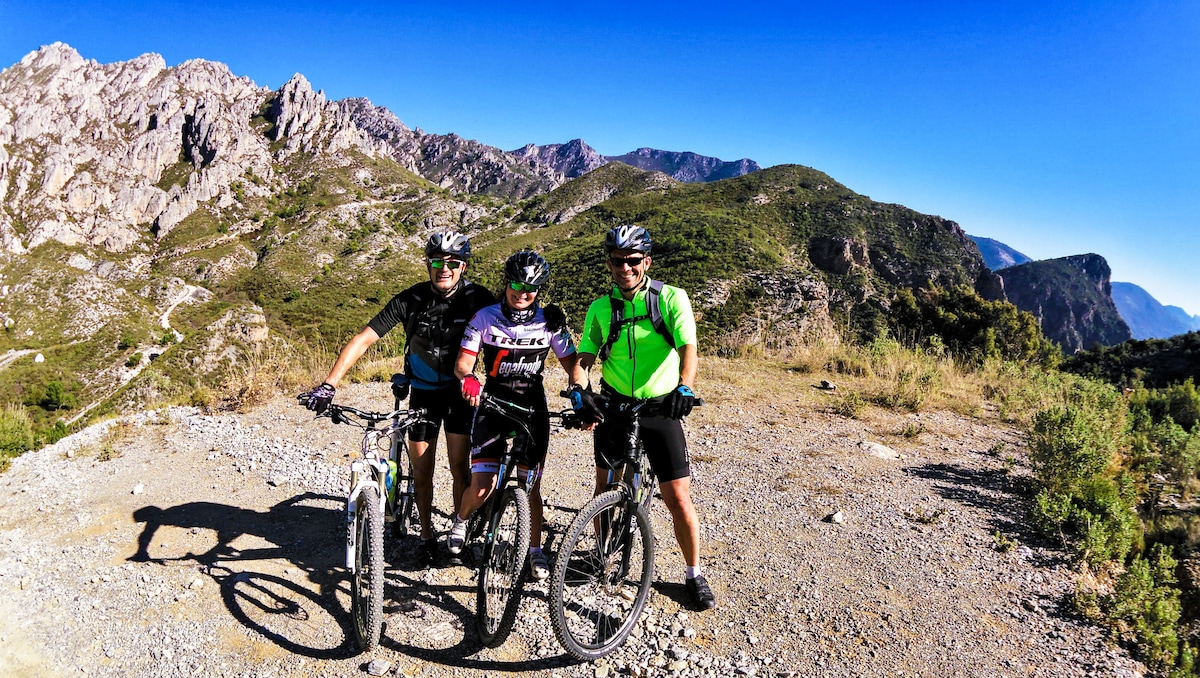
Mountain bike tour - guided
Tue, Jan 27 • 10:00 AM
18690, Granada, Andalucía, Spain
View details
Nearby attractions of Museum of the village of Nerja
Centro Cultural Villa de Nerja
Parque Verano Azul
Plaza Balcon De Europa
Iglesia El Salvador
Nerja Tourist Office
Barco de chanquete La Dorada
Playa de la Calahonda
Art Gallery
LifeAdventure Jeep & Buggy tours, Outdoor Activities - Nerja, Costa del Sol
El Salón beach
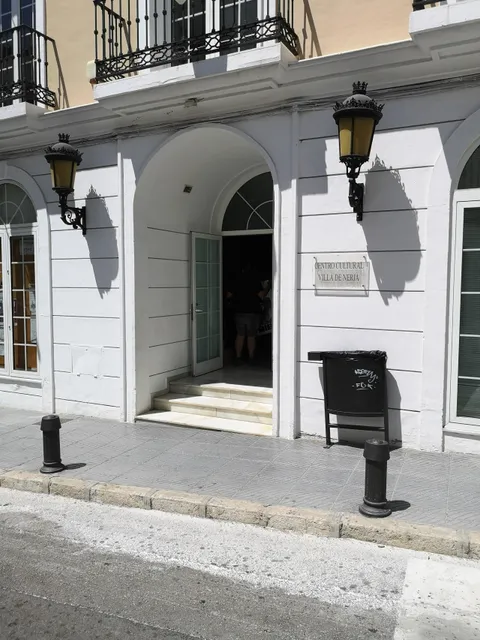
Centro Cultural Villa de Nerja
4.4
(268)
Closed
Click for details
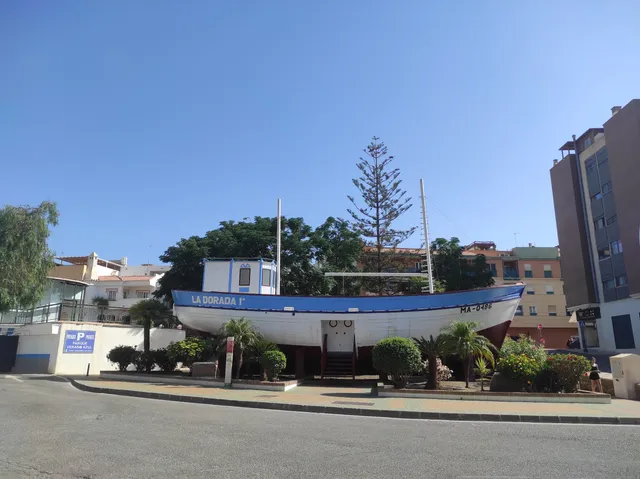
Parque Verano Azul
4.2
(4.5K)
Open until 12:00 AM
Click for details
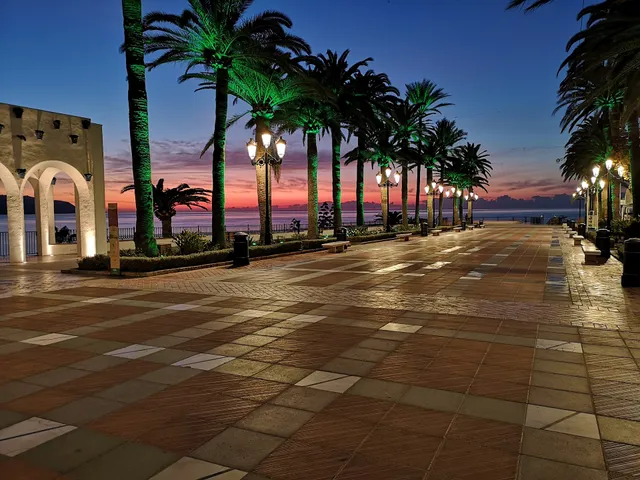
Plaza Balcon De Europa
4.7
(257)
Open until 12:00 AM
Click for details
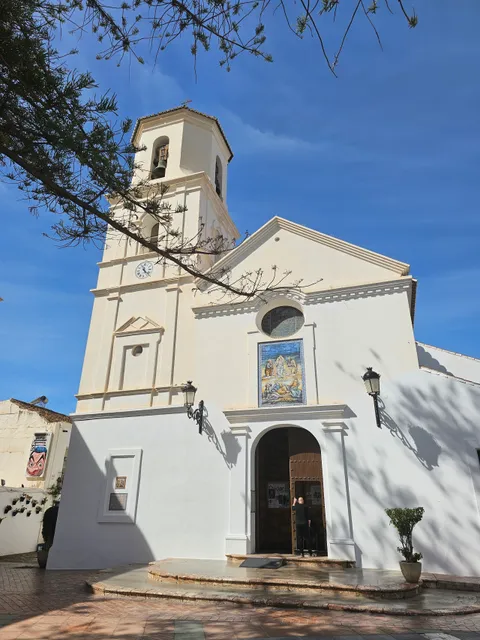
Iglesia El Salvador
4.6
(176)
Open 24 hours
Click for details
Nearby restaurants of Museum of the village of Nerja
Bar El Pulguilla
Bar Redondo
Bar La Piqueta
Restaurante Oliva
NATURALE NERJA
Kalö Urban Burger
Restaurante Pacomari
Tetería Zaidín
RESTAURANTE LACAL
La Marina Marisqueria
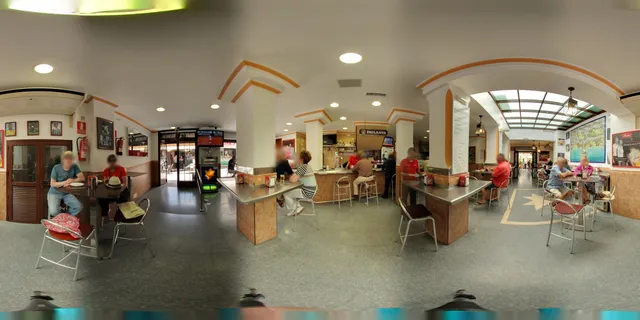
Bar El Pulguilla
4.3
(4.1K)
Open until 12:00 AM
Click for details

Bar Redondo
4.3
(2.2K)
Open until 12:00 AM
Click for details
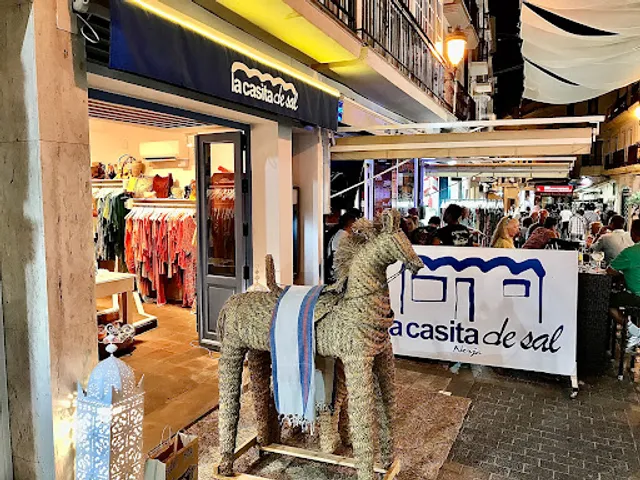
Bar La Piqueta
4.4
(680)
Open until 12:00 AM
Click for details
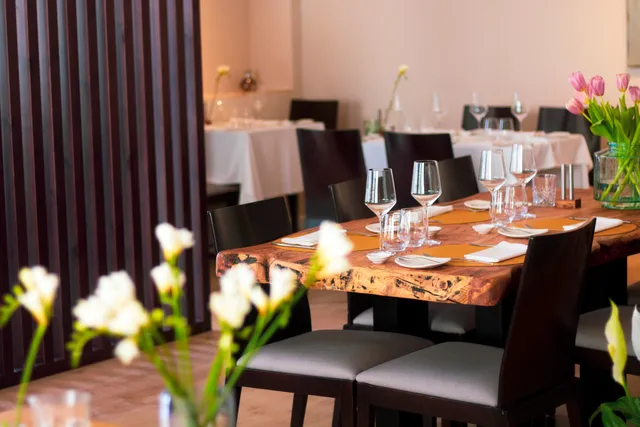
Restaurante Oliva
4.7
(660)
$$$
Open until 10:00 PM
Click for details
Nearby local services of Museum of the village of Nerja
Beni-Fix
Nerja Book Centre
ALE-HOP
Springfield
Nerja Coworking
Mercadona
Comercial Rogelio
Tienda Foodstore Andaluz
Primor
Nerja Town Hall

Beni-Fix
4.9
(130)
Click for details

Nerja Book Centre
4.7
(150)
Click for details
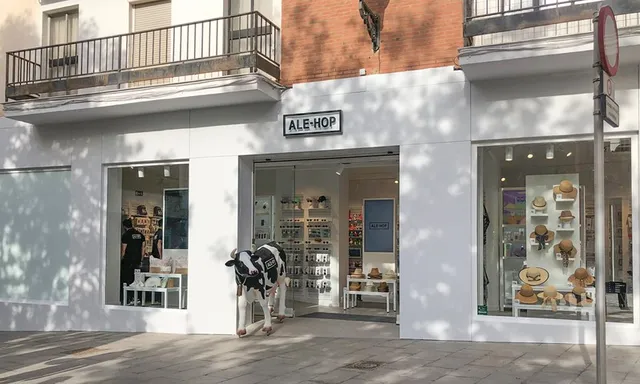
ALE-HOP
4.4
(613)
Click for details

Springfield
4.3
(106)
Click for details