Museo Zuloaga things to do, attractions, restaurants, events info and trip planning
Basic Info
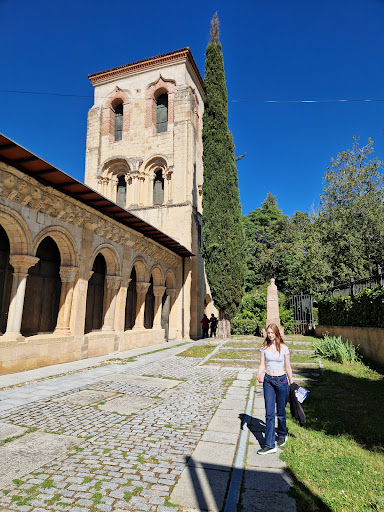
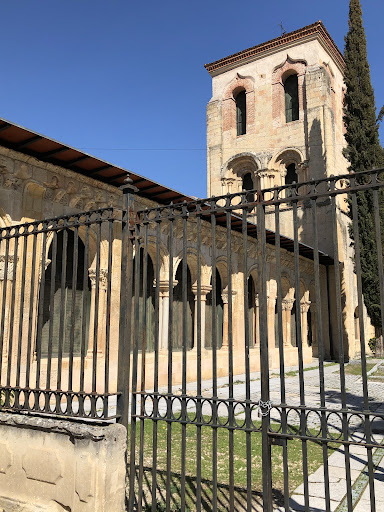
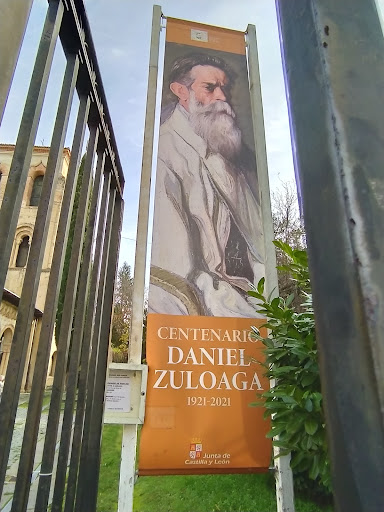
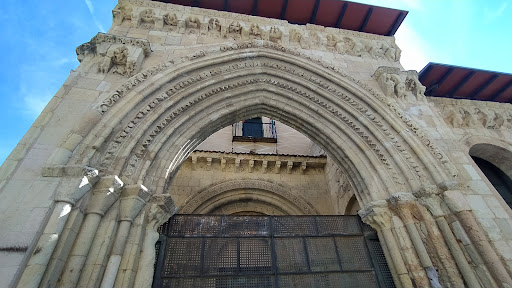
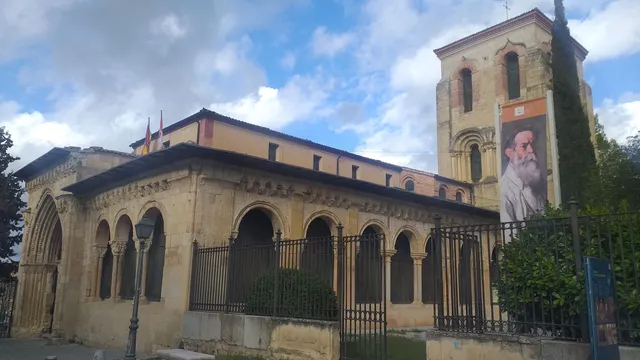
Museo Zuloaga
Pl. Colmenares, 4, 40001 Segovia, Spain
4.4(55)
Closed

tickets
Save
spot
spot
Ratings & Description
Info
Cultural
Family friendly
Accessibility
attractions: Segovia Aqueduct, Palacio Quintanar, Statue of the Devil, Iglesia de San Juan de los Caballeros, Postigo Del Consuelo, IE University, Iglesia Parroquial de San Lorenzo, Segovia Tourist Office, Museo Rodera Robles, Loba Capitolina, restaurants: Alma Nostra Restaurante, Restaurante Mesón de Cándido, El Palacio de la Floresta Restaurant & Gastrobar, Asador Maribel, Bar Correos, Restaurante Casares, Jose Maria's Restaurant, Restaurante El Bernardino, Tuma, Restaurante Casa Duque, local businesses: Aqueduct of Segovia, Iglesia de San Sebastián, TpgMobile Segovia San Francisco, Canavans-Theatre Segovia, Joyería Mercado de la Plata Segovia, App Informatica, Cien Grados Design | Joyería emocional para contar tu historia, Unseasonable Bookstore Café, ALE-HOP, Pastelería Acueducto
 Learn more insights from Wanderboat AI.
Phone
+34 921 46 33 48
Website
museoscastillayleon.jcyl.es
Open hoursSee all hours
Sun10 AM - 2 PMClosed
Plan your stay

Pet-friendly Hotels in Segovia
Find a cozy hotel nearby and make it a full experience.

Affordable Hotels in Segovia
Find a cozy hotel nearby and make it a full experience.

The Coolest Hotels You Haven't Heard Of (Yet)
Find a cozy hotel nearby and make it a full experience.

Trending Stays Worth the Hype in Segovia
Find a cozy hotel nearby and make it a full experience.
Reviews
Live events
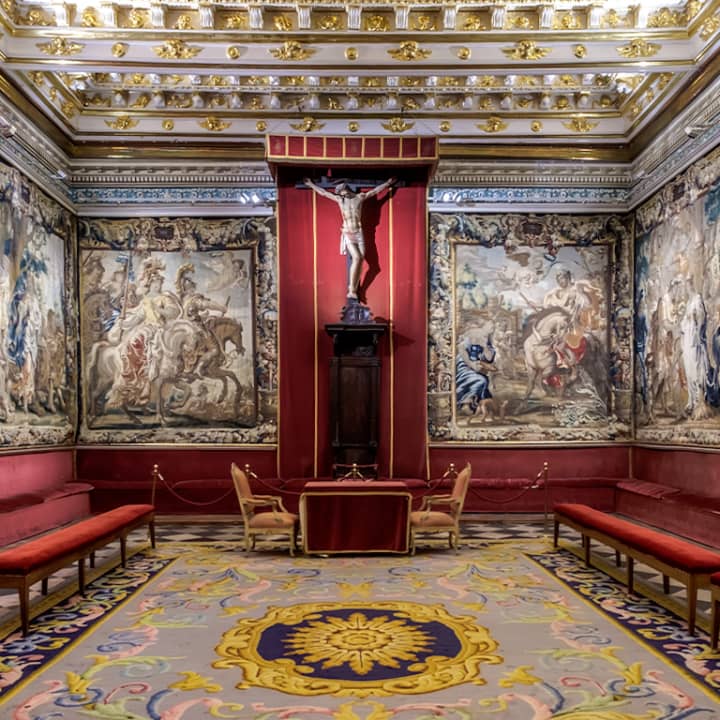
Visita general Catedral y Palacio Episcopal
Mon, Feb 9 • 9:30 AM
Calle Marqués del Arco, 1, Segovia, 40001
View details
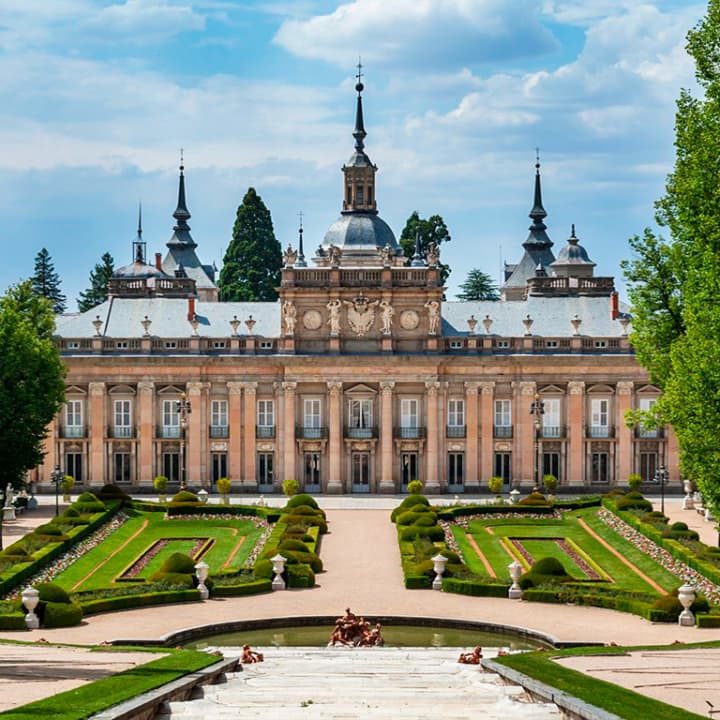
Palacio Real de La Granja de San Ildefonso
Tue, Feb 10 • 10:00 AM
Plaza de España, 15, Real Sitio de San Ildefonso, 40100
View details
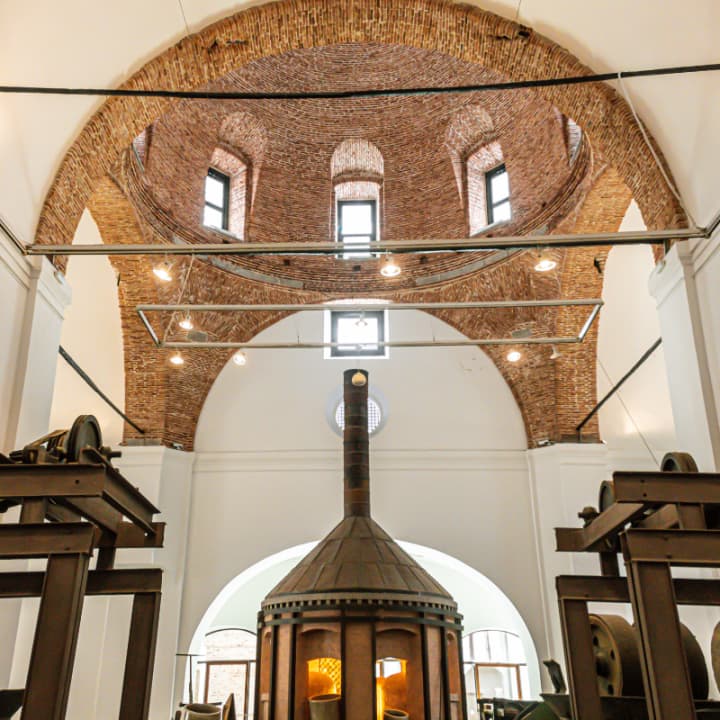
Real Fábrica de Cristales de la Granja
Tue, Feb 10 • 10:00 AM
Paseo Pocillo, 1, Real Sitio de San Ildefonso, 40100
View details
Nearby attractions of Museo Zuloaga
Segovia Aqueduct
Palacio Quintanar
Statue of the Devil
Iglesia de San Juan de los Caballeros
Postigo Del Consuelo
IE University
Iglesia Parroquial de San Lorenzo
Segovia Tourist Office
Museo Rodera Robles
Loba Capitolina
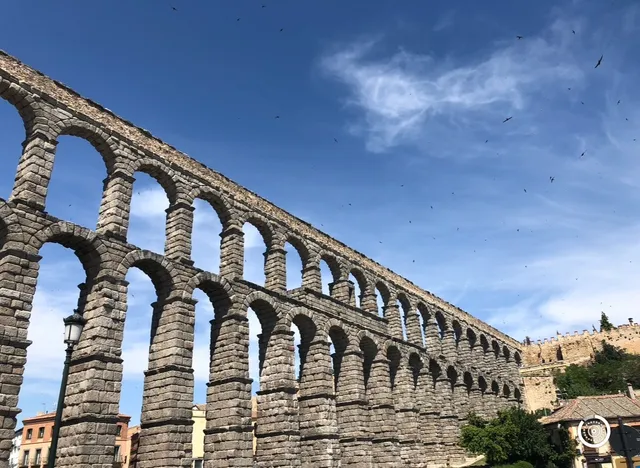
Segovia Aqueduct
4.8
(38.8K)
Open until 12:00 AM
Click for details
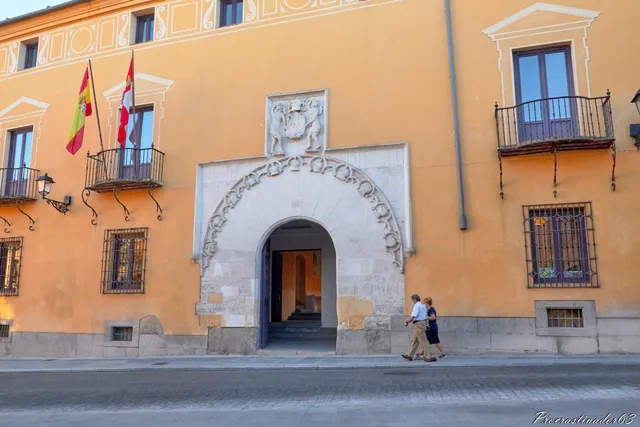
Palacio Quintanar
4.5
(175)
Closed
Click for details
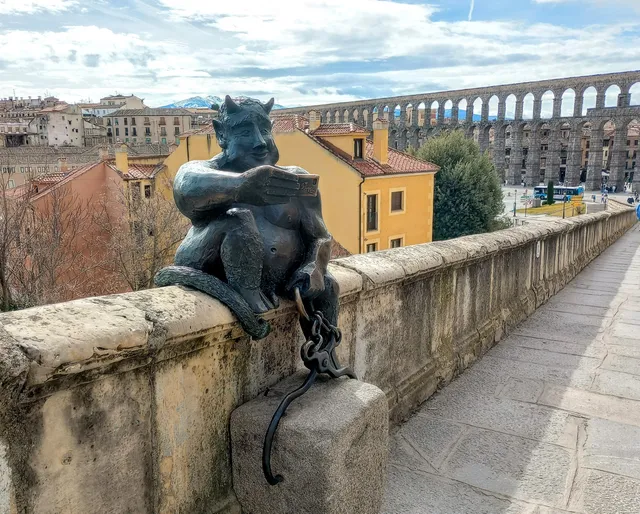
Statue of the Devil
4.6
(210)
Open until 12:00 AM
Click for details

Iglesia de San Juan de los Caballeros
4.6
(11)
Closed
Click for details
Nearby restaurants of Museo Zuloaga
Alma Nostra Restaurante
Restaurante Mesón de Cándido
El Palacio de la Floresta Restaurant & Gastrobar
Asador Maribel
Bar Correos
Restaurante Casares
Jose Maria's Restaurant
Restaurante El Bernardino
Tuma
Restaurante Casa Duque
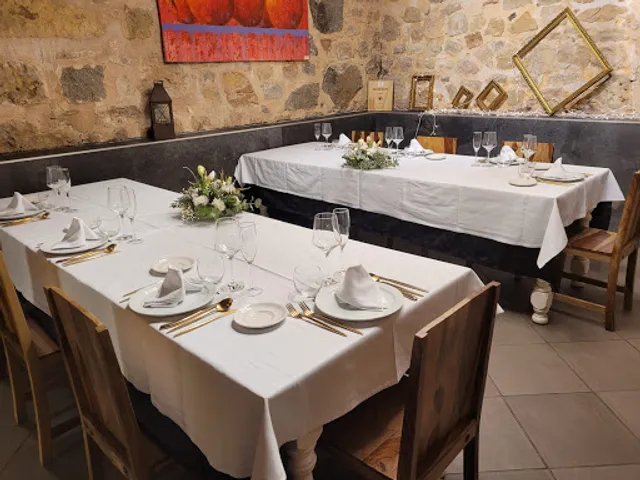
Alma Nostra Restaurante
4.4
(922)
Click for details
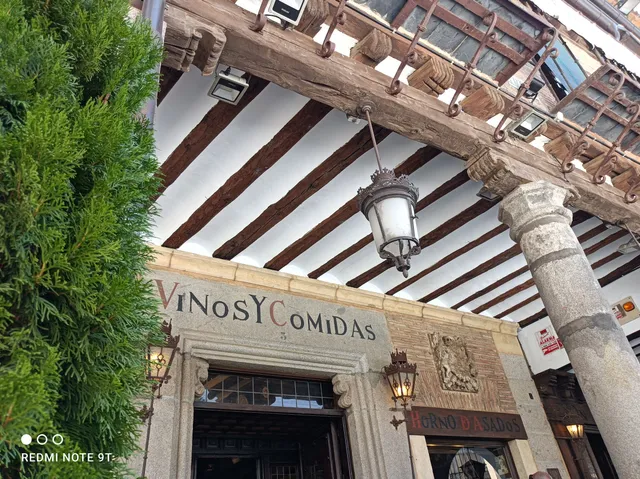
Restaurante Mesón de Cándido
4.4
(5K)
Open until 11:00 PM
Click for details
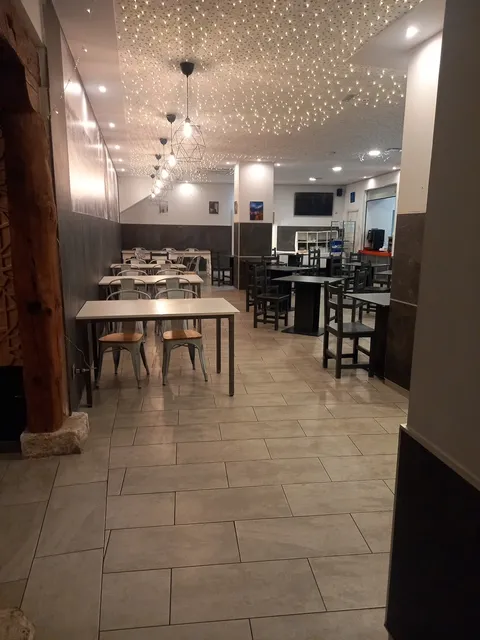
El Palacio de la Floresta Restaurant & Gastrobar
3.9
(116)
Closed
Click for details
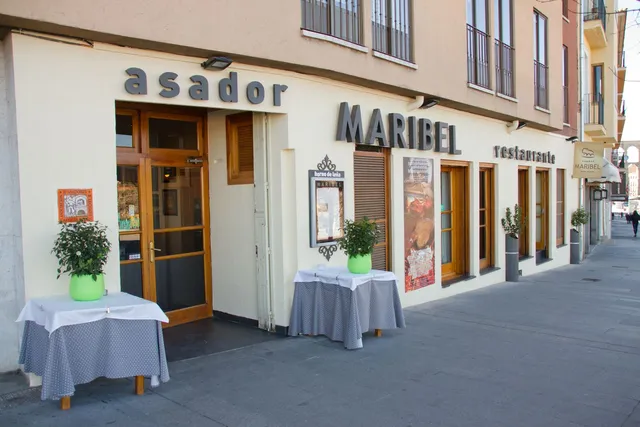
Asador Maribel
4.7
(2.9K)
Closed
Click for details
Nearby local services of Museo Zuloaga
Aqueduct of Segovia
Iglesia de San Sebastián
TpgMobile Segovia San Francisco
Canavans-Theatre Segovia
Joyería Mercado de la Plata Segovia
App Informatica
Cien Grados Design | Joyería emocional para contar tu historia
Unseasonable Bookstore Café
ALE-HOP
Pastelería Acueducto
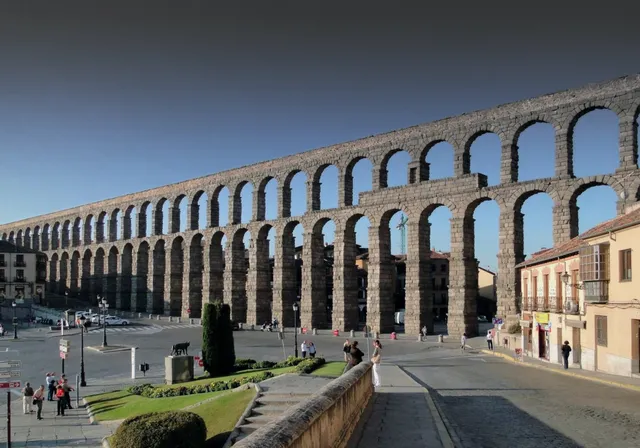
Aqueduct of Segovia
4.8
(32.5K)
Click for details
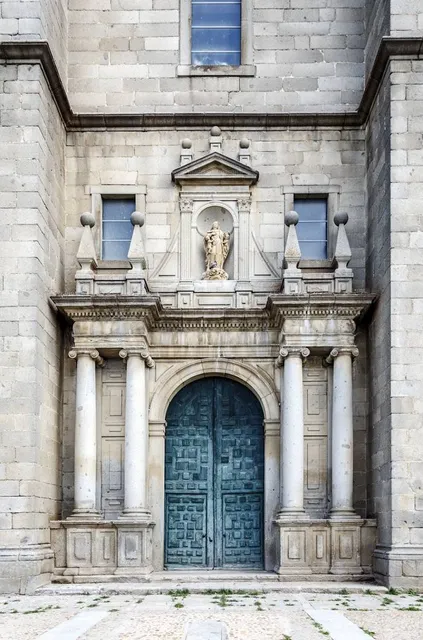
Iglesia de San Sebastián
4.5
(22)
Click for details
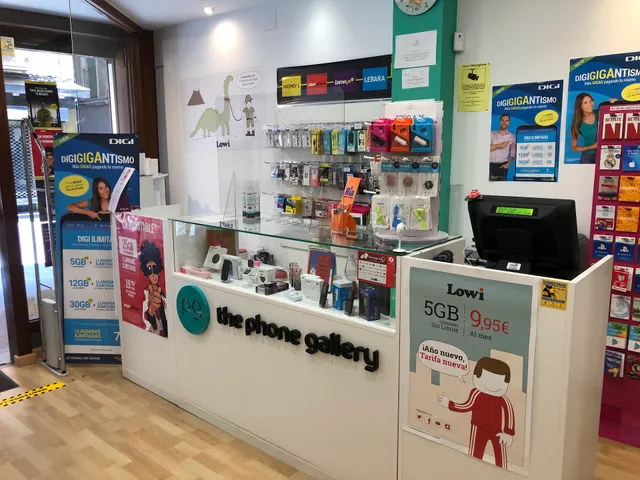
TpgMobile Segovia San Francisco
4.9
(396)
Click for details
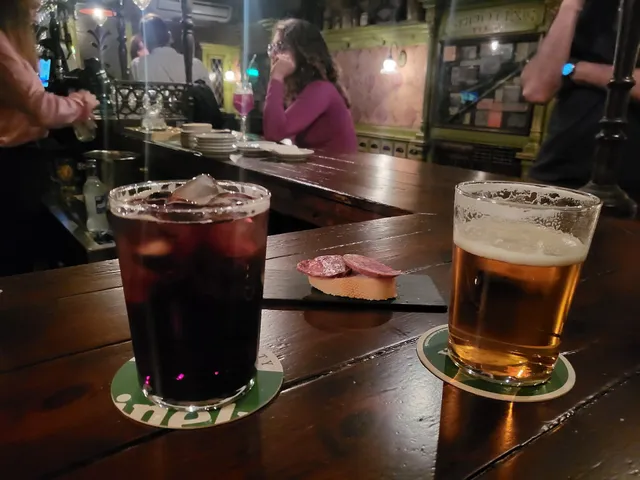
Canavans-Theatre Segovia
3.9
(406)
Click for details