HTML SitemapExplore
logo
Find Things to DoFind The Best Restaurants

Museum of Popular Arts and Customs of Seville — Attraction in Seville

Name
Museum of Popular Arts and Customs of Seville
Description
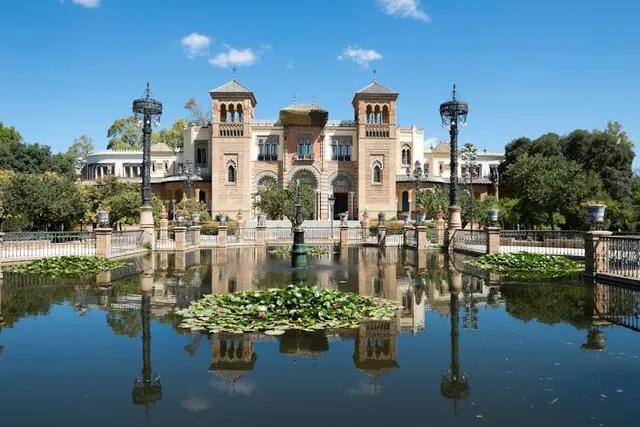
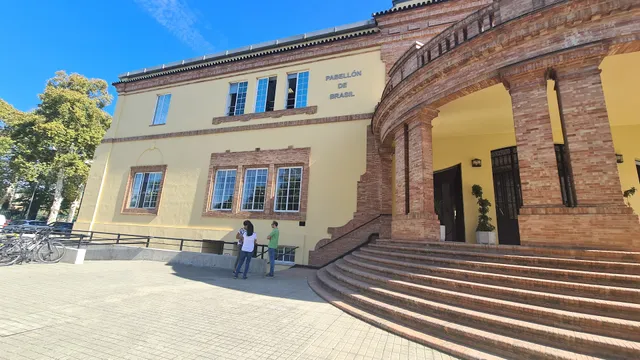
The Museum of Arts and Popular Customs of Seville is a museum in Seville, Andalusia, Spain, located in the María Luisa Park, across the Plaza de América from the Provincial Archeological Museum. The museum had 84,496 visitors in 2007.
Nearby attractions
Plaza de América
Pl. América, 3, 41013 Sevilla, Spain
Parque de María Luisa
41013 Seville, Spain
Archeological Museum of Seville
Pl. América, s/n, 41013 Sevilla, Spain
Sevilla Aquarium
Muelle de las Delicias, s/n, 41012 Sevilla, Spain
Parque de las Palomas
Unnamed Road, 41013, 41013, Sevilla, Spain
Plaza de España
Av. Isabel la Católica, 41004 Sevilla, Spain
Antiguo Pabellón Mudéjar
Pl. América, 3, 41013 Sevilla, Spain
Pabellón Real
Pabellón Real, Pl. América, 41013 Sevilla, Spain
Mexico Pavilion
P.º de las Delicias, s/n, 41013 Sevilla, Spain
Global Omnium Auditorio
Edificio Acuario de, 41012 Sevilla, Spain
Nearby restaurants
Terraza Bilindo
P.º de las Delicias, s/n, 41001 Sevilla, Spain
Restaurante Casa Ozama | Sevilla
Av. de la Borbolla, 59, 41013 Sevilla, Spain
Iguana Terraza
Muelle de las Delicias, módulo sur, 41013 Sevilla, Spain
Restaurante Leña al Lomo
C. Progreso, nº14, 41013 Sevilla, Spain
Restaurante Amanecer Country Mex Borbolla
Av. de la Borbolla, 75, 41013 Sevilla, Spain
Restaurante Ignacio Vidal Felipe II
C. Progreso, 27, 41013 Sevilla, Spain
Plato Plató
Calle Felipe II esq, C. Progreso, 27, 41013 Sevilla, Spain
Restaurante Estragón
C. Felipe II, 41013 Sevilla, Spain
Restaurante La Antojería - Felipe II
C. Felipe II, 6, 41013 Sevilla, Spain
Muelle 21 Restaurante
Av. Santiago Montoto, s/n, 41012 Sevilla, Spain
Nearby hotels
Hotel Pasarela
Av. de la Borbolla, 11, 41004 Sevilla, Spain
Porvenir Palace, Seville
C. Porvenir, 18, 41013 Sevilla, Spain
Meliá Sevilla
Calle Dr. Pedro de Castro, 1, 41004 Sevilla, Spain
Rector University Residence Ramón Carande
C. Antonio Maura Montaner, 1, 41013 Sevilla, Spain
Albergue Inturjoven Sevilla
C. de Isaac Peral, 2, 41012 Sevilla, Spain
Hotel Monte Carmelo
C. Virgen de la Victoria, 7, 41011 Sevilla, Spain
AC Hotel Ciudad de Sevilla
Av. Manuel Siurot, 25, 41013 Sevilla, Spain
Related posts
Keywords
Museum of Popular Arts and Customs of Seville tourism.Museum of Popular Arts and Customs of Seville hotels.Museum of Popular Arts and Customs of Seville bed and breakfast. flights to Museum of Popular Arts and Customs of Seville.Museum of Popular Arts and Customs of Seville attractions.Museum of Popular Arts and Customs of Seville restaurants.Museum of Popular Arts and Customs of Seville travel.Museum of Popular Arts and Customs of Seville travel guide.Museum of Popular Arts and Customs of Seville travel blog.Museum of Popular Arts and Customs of Seville pictures.Museum of Popular Arts and Customs of Seville photos.Museum of Popular Arts and Customs of Seville travel tips.Museum of Popular Arts and Customs of Seville maps.Museum of Popular Arts and Customs of Seville things to do.
Museum of Popular Arts and Customs of Seville things to do, attractions, restaurants, events info and trip planning
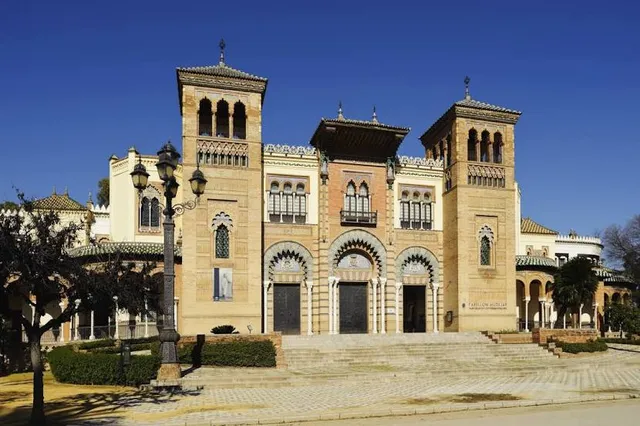
Museum of Popular Arts and Customs of Seville
SpainAndalusiaSevilleMuseum of Popular Arts and Customs of Seville

Basic Info

Museum of Popular Arts and Customs of Seville

Pl. América, 3, 41013 Sevilla, Spain
4.4(670)
Open until 9:00 PM
Save
spot

Ratings & Description

Info

The Museum of Arts and Popular Customs of Seville is a museum in Seville, Andalusia, Spain, located in the María Luisa Park, across the Plaza de América from the Provincial Archeological Museum. The museum had 84,496 visitors in 2007.

Cultural
Family friendly
Accessibility
attractions: Plaza de América, Parque de María Luisa, Archeological Museum of Seville, Sevilla Aquarium, Parque de las Palomas, Plaza de España, Antiguo Pabellón Mudéjar, Pabellón Real, Mexico Pavilion, Global Omnium Auditorio, restaurants: Terraza Bilindo, Restaurante Casa Ozama | Sevilla, Iguana Terraza, Restaurante Leña al Lomo, Restaurante Amanecer Country Mex Borbolla, Restaurante Ignacio Vidal Felipe II, Plato Plató, Restaurante Estragón, Restaurante La Antojería - Felipe II, Muelle 21 Restaurante
logoLearn more insights from Wanderboat AI.
Phone
+34 955 03 53 25
Website
museosdeandalucia.es
Open hoursSee all hours
Sat9 AM - 9 PMOpen

Plan your stay

hotel
Pet-friendly Hotels in Seville
Find a cozy hotel nearby and make it a full experience.

hotel
Affordable Hotels in Seville
Find a cozy hotel nearby and make it a full experience.

hotel
The Coolest Hotels You Haven't Heard Of (Yet)
Find a cozy hotel nearby and make it a full experience.

hotel
Trending Stays Worth the Hype in Seville
Find a cozy hotel nearby and make it a full experience.

Reviews

Nearby attractions of Museum of Popular Arts and Customs of Seville

Plaza de América

Parque de María Luisa

Archeological Museum of Seville

Sevilla Aquarium

Parque de las Palomas

Plaza de España

Antiguo Pabellón Mudéjar

Pabellón Real

Mexico Pavilion

Global Omnium Auditorio
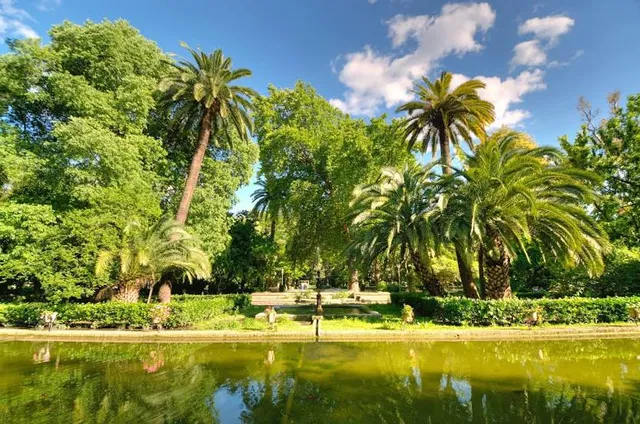
Plaza de América

Plaza de América

4.7

(1.7K)

Open 24 hours
Click for details
Parque de María Luisa

Parque de María Luisa

4.8

(14.1K)

Open until 12:00 AM
Click for details
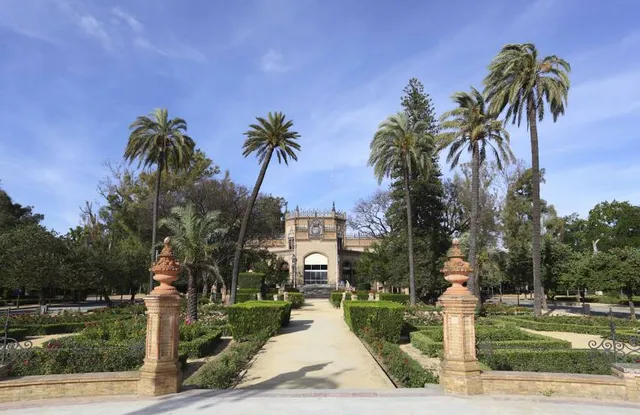
Archeological Museum of Seville

Archeological Museum of Seville

4.3

(536)

Open 24 hours
Click for details
Sevilla Aquarium

Sevilla Aquarium

4.5

(5.8K)

Open 24 hours
Click for details

Things to do nearby

Explore Seville’s Royal Alcázar with a local guide
Mon, Dec 8 • 1:00 PM
41004, Seville, Andalusia, Spain
View details
Horseback riding around Doñana National Park
Sun, Dec 7 • 10:00 AM
41110, Sevilla, Andalucía, Spain
View details
Dig into that entertaining Sevilles Tapas crawl
Tue, Dec 9 • 7:15 PM
41003, Seville, Andalusia, Spain
View details

Nearby restaurants of Museum of Popular Arts and Customs of Seville

Terraza Bilindo

Restaurante Casa Ozama | Sevilla

Iguana Terraza

Restaurante Leña al Lomo

Restaurante Amanecer Country Mex Borbolla

Restaurante Ignacio Vidal Felipe II
Plato Plató

Restaurante Estragón

Restaurante La Antojería - Felipe II

Muelle 21 Restaurante

Terraza Bilindo

Terraza Bilindo

3.2

(832)

Click for details
Restaurante Casa Ozama | Sevilla

Restaurante Casa Ozama | Sevilla

3.9

(1.4K)

$$$

Open until 3:00 AM
Click for details
Iguana Terraza

Iguana Terraza

3.5

(1.5K)

$$

Click for details
Restaurante Leña al Lomo

Restaurante Leña al Lomo

4.4

(894)

Click for details
Get the Appoverlay
Get the AppOne tap to find yournext favorite spots!
Wanderboat LogoWanderboat

Your everyday Al companion for getaway ideas

CompanyAbout Us
InformationAI Trip PlannerSitemap
SocialXInstagramTiktokLinkedin
LegalTerms of ServicePrivacy Policy

Get the app

© 2025 Wanderboat. All rights reserved.
logo

Posts

Dani BaalDani Baal
Museo de Artes y Costumbres Populares de Sevilla (Museum of Arts and Popular Traditions of Seville) is a fascinating cultural museum located in Seville, Spain. Situated in the Parque de María Luisa, the museum is housed in a building that was originally constructed for the 1929 Ibero-American Exposition. It showcases the traditional arts, crafts, and customs of Seville and Andalusia. The museum’s exhibits cover a wide range of topics, including Andalusian folk art, traditional costumes, ceramics, textiles, tools, and agricultural implements. It also highlights the region’s rich history of flamenco, bullfighting, and regional festivals. The museum provides a deep insight into the daily life and cultural heritage of the people of Seville, making it a valuable destination for those interested in Andalusian culture. Visitors can explore displays that feature traditional Andalusian furniture, pottery, and even scenes depicting rural life in the region. The museum’s setting in the beautiful Parque de María Luisa adds to the overall charm, offering a tranquil and picturesque environment for exploration.
Magdalena Echeverría E.Magdalena Echeverría E.
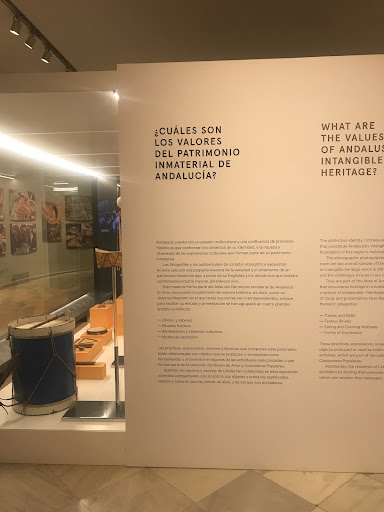
La visita me dejó cierta confusión…¿Se trata de acopio sevillano detalladamente exhibido? ¿Cómo entender la nomenclatura MACPSe con coherencia, sabiendo que el sótano y planta baja comporta una bodega onubense y material museográfico resultado de los oficios y saberes artesanales populares de cada provincia andaluza si no? Siguiendo la línea del contenido que alberga este precioso cofre historicista diseñado por el arquitecto Aníbal González para la Exposición Iberoamericana del año 1929… llamar a un museo etnográfico de sumada calidad en cuanto a todos los oficios y saberes populares andaluces. Con contenido artesanal identitario de cada provincia andaluza(Almería, Cádiz, Córdoba, Huelva, Granada, Jaén, Málaga y Sevilla); contenido que encontramos no sólo en su planta sótano; donde cada objeto procede de una provincia, costumbre, saber, determinado y un oficio singular que bien explica el contenido bibliográfico elaborado dentro del organismo institucional autonómico IAPH(Instituto ANDALUZ de Patrimonio Histórico)-también ubicado en la capital andaluza-y cuya labor de investigación se puede observar y revisar en la biblioteca del mismo museo-; El mismo caso se puede comprobar en la modesta/elegante exposición temporal sobre 'Diversidad, Creatividad y Resistencia. Patrimonio Inmaterial de Andalucía' exhibida en diferentes años, u otras -también temporales-dedicadas a determinados oficios/saberes de forma singular; como también se percibe en la actual exposición itinerante “Artesanía con A de Andalucía”… En el ámbito de los museos(museología): el contenido(museografía) dentro del continente(museo)determina su nomenclatura. En suma este museo histórico etnográfico y antropológico andaluz tiene un IMPORTANTE error en su nomenclatura que por contextualizar su colección debe ser cambiado por uno acorde con los fondos patrimoniales que porta y aporta. Resultando una nomenclatura tal como: Museo de Artes y Costumbres Populares de Andalucía (MACPA). Pdta: Un llamamiento a la Administración(Junta de Andalucía), conservadoras y conservadores de este maravilloso museo continente de la identidad y tradición histórica de toda la Comunidad Autónoma de Andalucía; No descontextualicemos a tantos oficios y saberes artesanales populares foráneos a Sevilla contenidos y museografiados en este museo. Si se quiere añadir la ubicación a su nomenclatura que sea de forma consciente, coherente y consecuente con su contenido atesorado y tan delicadamente conservado: Pudiendo ser nombrado incluso MACPASe (Museo de Artes y Costumbres Populares de Andalucía, Sevilla); de forma que se note menos el acopio foráneo que la capital andaluza lleva confusamente acaparando tantos años desde la postguerra y se comprenda y valore adecuadamente la labor de las conservadoras y los conservadores que han trabajado y trabajan por el patrimonio de cada provincia andaluza que se exhibe y guarda en este magnifico museo estatal gestionado por la Junta de Andalucía
Stuart SpeerStuart Speer
Loved this place. An interesting little find right at the end of the Maria Luisa park away from the Plaza de Espana. Didn't realise it was there and it didn't appear to be touted very much in the tourist information kiosks. Caught it on Google Maps as I was walking through park. Took a punt as I like culture, people and art. Pleased I did as it takes you on an interesting and thought provoking tour of the cultural identity of the region and Spain too. Well set out (lots of displays!!) downstairs especially. When you come back up there is an inner atrium with other displays in too. Walked into the cultural displays area and was fascinated by the words, images and displays which resonated quite a lot with me too. Well worth a visit. Not so interactive as some museums so it might not appeal to much children. That's just an opinion though.
See more posts
See more posts
hotel
Find your stay

Pet-friendly Hotels in Seville

Find a cozy hotel nearby and make it a full experience.

Museo de Artes y Costumbres Populares de Sevilla (Museum of Arts and Popular Traditions of Seville) is a fascinating cultural museum located in Seville, Spain. Situated in the Parque de María Luisa, the museum is housed in a building that was originally constructed for the 1929 Ibero-American Exposition. It showcases the traditional arts, crafts, and customs of Seville and Andalusia. The museum’s exhibits cover a wide range of topics, including Andalusian folk art, traditional costumes, ceramics, textiles, tools, and agricultural implements. It also highlights the region’s rich history of flamenco, bullfighting, and regional festivals. The museum provides a deep insight into the daily life and cultural heritage of the people of Seville, making it a valuable destination for those interested in Andalusian culture. Visitors can explore displays that feature traditional Andalusian furniture, pottery, and even scenes depicting rural life in the region. The museum’s setting in the beautiful Parque de María Luisa adds to the overall charm, offering a tranquil and picturesque environment for exploration.
Dani Baal

Dani Baal

hotel
Find your stay

Affordable Hotels in Seville

Find a cozy hotel nearby and make it a full experience.

Get the Appoverlay
Get the AppOne tap to find yournext favorite spots!
La visita me dejó cierta confusión…¿Se trata de acopio sevillano detalladamente exhibido? ¿Cómo entender la nomenclatura MACPSe con coherencia, sabiendo que el sótano y planta baja comporta una bodega onubense y material museográfico resultado de los oficios y saberes artesanales populares de cada provincia andaluza si no? Siguiendo la línea del contenido que alberga este precioso cofre historicista diseñado por el arquitecto Aníbal González para la Exposición Iberoamericana del año 1929… llamar a un museo etnográfico de sumada calidad en cuanto a todos los oficios y saberes populares andaluces. Con contenido artesanal identitario de cada provincia andaluza(Almería, Cádiz, Córdoba, Huelva, Granada, Jaén, Málaga y Sevilla); contenido que encontramos no sólo en su planta sótano; donde cada objeto procede de una provincia, costumbre, saber, determinado y un oficio singular que bien explica el contenido bibliográfico elaborado dentro del organismo institucional autonómico IAPH(Instituto ANDALUZ de Patrimonio Histórico)-también ubicado en la capital andaluza-y cuya labor de investigación se puede observar y revisar en la biblioteca del mismo museo-; El mismo caso se puede comprobar en la modesta/elegante exposición temporal sobre 'Diversidad, Creatividad y Resistencia. Patrimonio Inmaterial de Andalucía' exhibida en diferentes años, u otras -también temporales-dedicadas a determinados oficios/saberes de forma singular; como también se percibe en la actual exposición itinerante “Artesanía con A de Andalucía”… En el ámbito de los museos(museología): el contenido(museografía) dentro del continente(museo)determina su nomenclatura. En suma este museo histórico etnográfico y antropológico andaluz tiene un IMPORTANTE error en su nomenclatura que por contextualizar su colección debe ser cambiado por uno acorde con los fondos patrimoniales que porta y aporta. Resultando una nomenclatura tal como: Museo de Artes y Costumbres Populares de Andalucía (MACPA). Pdta: Un llamamiento a la Administración(Junta de Andalucía), conservadoras y conservadores de este maravilloso museo continente de la identidad y tradición histórica de toda la Comunidad Autónoma de Andalucía; No descontextualicemos a tantos oficios y saberes artesanales populares foráneos a Sevilla contenidos y museografiados en este museo. Si se quiere añadir la ubicación a su nomenclatura que sea de forma consciente, coherente y consecuente con su contenido atesorado y tan delicadamente conservado: Pudiendo ser nombrado incluso MACPASe (Museo de Artes y Costumbres Populares de Andalucía, Sevilla); de forma que se note menos el acopio foráneo que la capital andaluza lleva confusamente acaparando tantos años desde la postguerra y se comprenda y valore adecuadamente la labor de las conservadoras y los conservadores que han trabajado y trabajan por el patrimonio de cada provincia andaluza que se exhibe y guarda en este magnifico museo estatal gestionado por la Junta de Andalucía
Magdalena Echeverría E.

Magdalena Echeverría E.

hotel
Find your stay

The Coolest Hotels You Haven't Heard Of (Yet)

Find a cozy hotel nearby and make it a full experience.

hotel
Find your stay

Trending Stays Worth the Hype in Seville

Find a cozy hotel nearby and make it a full experience.

Loved this place. An interesting little find right at the end of the Maria Luisa park away from the Plaza de Espana. Didn't realise it was there and it didn't appear to be touted very much in the tourist information kiosks. Caught it on Google Maps as I was walking through park. Took a punt as I like culture, people and art. Pleased I did as it takes you on an interesting and thought provoking tour of the cultural identity of the region and Spain too. Well set out (lots of displays!!) downstairs especially. When you come back up there is an inner atrium with other displays in too. Walked into the cultural displays area and was fascinated by the words, images and displays which resonated quite a lot with me too. Well worth a visit. Not so interactive as some museums so it might not appeal to much children. That's just an opinion though.
Stuart Speer

Stuart Speer

See more posts
See more posts

Reviews of Museum of Popular Arts and Customs of Seville

4.4
(670)
avatar
4.0
50w

Museo de Artes y Costumbres Populares de Sevilla (Museum of Arts and Popular Traditions of Seville) is a fascinating cultural museum located in Seville, Spain. Situated in the Parque de María Luisa, the museum is housed in a building that was originally constructed for the 1929 Ibero-American Exposition. It showcases the traditional arts, crafts, and customs of Seville and Andalusia.

The museum’s exhibits cover a wide range of topics, including Andalusian folk art, traditional costumes, ceramics, textiles, tools, and agricultural implements. It also highlights the region’s rich history of flamenco, bullfighting, and regional festivals. The museum provides a deep insight into the daily life and cultural heritage of the people of Seville, making it a valuable destination for those interested in Andalusian culture.

Visitors can explore displays that feature traditional Andalusian furniture, pottery, and even scenes depicting rural life in the region. The museum’s setting in the beautiful Parque de María Luisa adds to the overall charm, offering a tranquil and picturesque environment for...

   Read more
avatar
3.0
2y

La visita me dejó cierta confusión…¿Se trata de acopio sevillano detalladamente exhibido? ¿Cómo entender la nomenclatura MACPSe con coherencia, sabiendo que el sótano y planta baja comporta una bodega onubense y material museográfico resultado de los oficios y saberes artesanales populares de cada provincia andaluza si no?

Siguiendo la línea del contenido que alberga este precioso cofre historicista diseñado por el arquitecto Aníbal González para la Exposición Iberoamericana del año 1929… llamar a un museo etnográfico de sumada calidad en cuanto a todos los oficios y saberes populares andaluces. Con contenido artesanal identitario de cada provincia andaluza(Almería, Cádiz, Córdoba, Huelva, Granada, Jaén, Málaga y Sevilla); contenido que encontramos no sólo en su planta sótano; donde cada objeto procede de una provincia, costumbre, saber, determinado y un oficio singular que bien explica el contenido bibliográfico elaborado dentro del organismo institucional autonómico IAPH(Instituto ANDALUZ de Patrimonio Histórico)-también ubicado en la capital andaluza-y cuya labor de investigación se puede observar y revisar en la biblioteca del mismo museo-; El mismo caso se puede comprobar en la modesta/elegante exposición temporal sobre 'Diversidad, Creatividad y Resistencia. Patrimonio Inmaterial de Andalucía' exhibida en diferentes años, u otras -también temporales-dedicadas a determinados oficios/saberes de forma singular; como también se percibe en la actual exposición itinerante “Artesanía con A de Andalucía”…

En el ámbito de los museos(museología): el contenido(museografía) dentro del continente(museo)determina su nomenclatura. En suma este museo histórico etnográfico y antropológico andaluz tiene un IMPORTANTE error en su nomenclatura que por contextualizar su colección debe ser cambiado por uno acorde con los fondos patrimoniales que porta y aporta. Resultando una nomenclatura tal como: Museo de Artes y Costumbres Populares de Andalucía (MACPA).

Pdta: Un llamamiento a la Administración(Junta de Andalucía), conservadoras y conservadores de este maravilloso museo continente de la identidad y tradición histórica de toda la Comunidad Autónoma de Andalucía; No descontextualicemos a tantos oficios y saberes artesanales populares foráneos a Sevilla contenidos y museografiados en este museo.

Si se quiere añadir la ubicación a su nomenclatura que sea de forma consciente, coherente y consecuente con su contenido atesorado y tan delicadamente conservado: Pudiendo ser nombrado incluso MACPASe (Museo de Artes y Costumbres Populares de Andalucía, Sevilla); de forma que se note menos el acopio foráneo que la capital andaluza lleva confusamente acaparando tantos años desde la postguerra y se comprenda y valore adecuadamente la labor de las conservadoras y los conservadores que han trabajado y trabajan por el patrimonio de cada provincia andaluza que se exhibe y guarda en este magnifico museo estatal gestionado por la Junta...

   Read more
avatar
5.0
1y

Il Museo delle Arti e dei Costumi Popolari di Siviglia ( in spagnolo : Museo de Artes y Costumbres Populares ) è un museo di Siviglia situato nel Parco María Luisa , di fronte alla Plaza de América dal Museo Archeologico Provinciale . Il museo occupa il Padiglione Mudéjar ( Pabellón Mudéjar ) progettato da Aníbal González e costruito nel 1914. Servì come padiglione d'arte, il Pabellón de Arte Antiguo , per l' Esposizione iberoamericana del 1929 , quando Aníbal González ebbe l'opportunità di progettare diversi edifici permanenti aggiuntivi per la piazza. L'esterno è in ceramica su mattoni e ha tre porte con archivolti decorati con piastrelle smaltate ( azulejos ). L'edificio originariamente era costituito da due piani sopra una camera di aerazione (necessaria a causa dell'umidità). Negli anni '60, il piano principale, originariamente alto oltre 12 metri (39 piedi), fu diviso in due, con un livello intermedio aggiunto dall'architetto Delgado Roig. Nel 1972, come parte dei preparativi per l'attuale museo, i vari piani dell'edificio furono collegati da una grande scala a chiocciola progettata da José Galnares Sagastizábal. Il museo fu istituito con decreto del 23 marzo 1972, inizialmente come sezione del Museo di Belle Arti di Siviglia . Aprì le porte al pubblico il 4 marzo 1973. Per i successivi sette anni, il museo cadde sotto la responsabilità del Ministero dell'Istruzione e della Scienza, ma il governo della città occupò più della metà dell'edificio mal tenuto. Nessuna delle due istituzioni si assunse la piena responsabilità. Questa situazione portò a una serie di chiusure temporanee. Nel 1976, la bolletta elettrica non poté essere pagata e il museo dovette essere chiuso finché non fosse stato possibile riottenere l'elettricità. Nel 1979, forti piogge danneggiarono l'interno. Il 26 marzo 1980, il Consiglio comunale acconsentì a consentire al Ministero dell'Istruzione e della Scienza di utilizzare l'intero edificio, per tutto il tempo in cui fosse stato utilizzato per il museo, a condizione che il Ministero lo restaurasse adeguatamente. Su questa base, il Ministero assunse l'architetto Fernando Villanueva Sandino. Il restauro risultante convertì la primitiva camera di aerazione in un nuovo piano interrato. Il museo riaprì il 18 ottobre 1984; nello stesso periodo, il nuovo Governo autonomo andaluso rilevò il museo, insieme ad altri musei in Andalusia che erano stati gestiti dal governo centrale della Spagna. Nel 1990 il piano principale fu ulteriormente allestito per mostre temporanee e nel 1994 la Collezione Díaz Velázquez fu installata in modo permanente, con poco più di un terzo dell'edificio rimasto per...

   Read more
Page 1 of 7
Previous
Next