HTML SitemapExplore
logo
Find Things to DoFind The Best Restaurants

Seville Museum of Fine Arts — Attraction in Seville

Name
Seville Museum of Fine Arts
Description
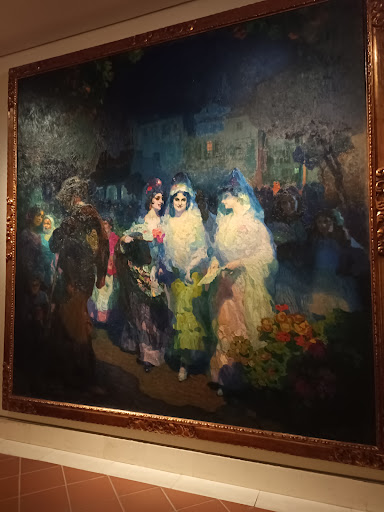
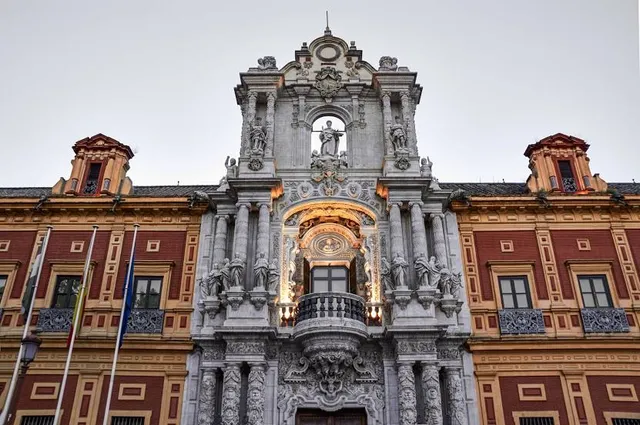
The Museum of Fine Arts of Seville is a museum in Seville, Spain, a collection of mainly Spanish visual arts from the medieval period to the early 20th century, including a choice selection of works by ...
Nearby attractions
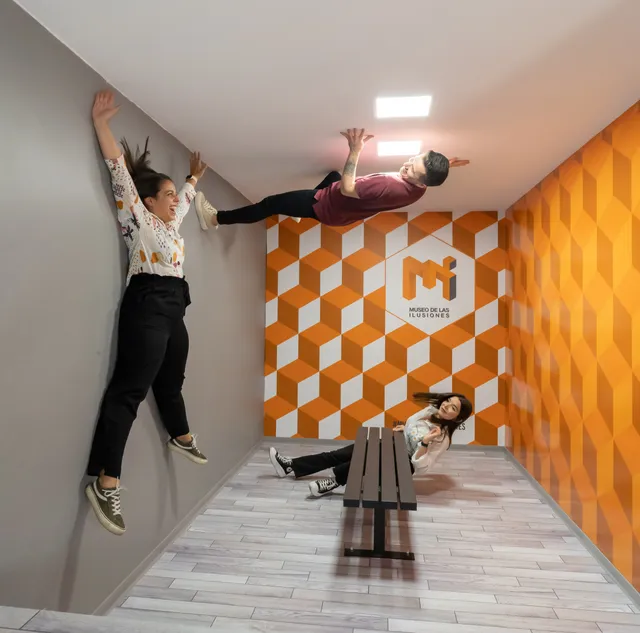
Museo de las Ilusiones Sevilla
C. San Eloy, 28, Casco Antiguo, 41001 Sevilla, Spain
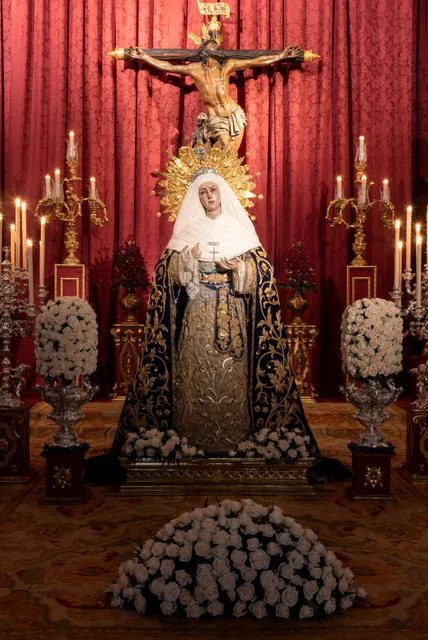
Real Parroquia de Santa María Magdalena de Sevilla
C. San Pablo, 12, Casco Antiguo, 41001 Sevilla, Spain
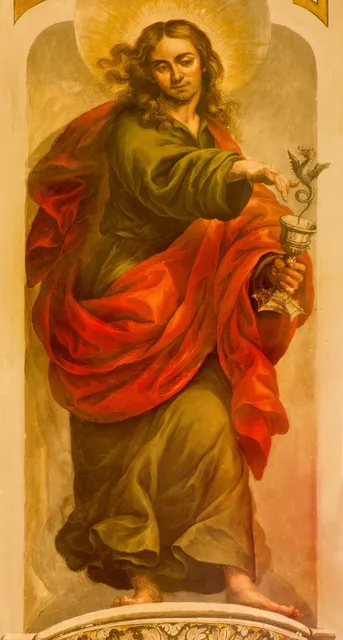
Capilla del Museo
Pl. del Museo, 10, Casco Antiguo, 41001 Sevilla, Spain
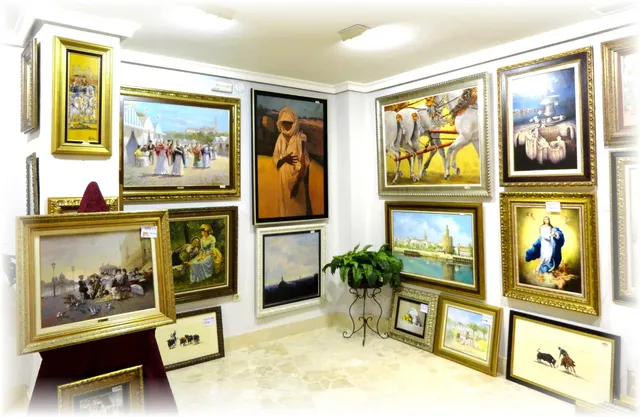
Galeria de Arte Sorolla | Exposición y venta directa de más de mil cuadros y pinturas al óleo
C. Canalejas, 6, Casco Antiguo, 41001 Sevilla, Spain
Setas de Sevilla
Pl. de la Encarnación, s/n, Casco Antiguo, 41003 Sevilla, Spain
Centro Cultural Flamenco "Casa de la Memoria"
C. Cuna, 6, Casco Antiguo, 41004 Sevilla, Spain
Palace of the Countess of Lebrija
C. Cuna, 8, Casco Antiguo, 41004 Sevilla, Spain
Basílica de Jesús del Gran Poder
Pl. S. Lorenzo, 13, Casco Antiguo, 41002 Sevilla, Spain
Iglesia de San Buenaventura
C. Carlos Cañal, 30, Casco Antiguo, 41001 Sevilla, Spain
Iglesia Colegial del Divino Salvador
Pl. del Salvador, 3, Casco Antiguo, 41004 Sevilla, Spain
Nearby restaurants
Billy Brunch Sevilla
C. Pedro del Toro, 12, Casco Antiguo, 41001 Sevilla, Spain
Bodegón Alfonso XII
C. Alfonso XII, 33, Casco Antiguo, 41001 Sevilla, Spain
La Chalá
Pl. Prta Real, 6, Casco Antiguo, 41002 Sevilla, Spain
Han’s Korean Restaurant
C. Alfonso XII, 23, Casco Antiguo, 41001 Sevilla, Spain
DODICI | Brunch Sevilla
C. Alfonso XII, 36, Casco Antiguo, 41002 Sevilla, Spain
Los Tulipanes
C. Almte. Ulloa, 8, Casco Antiguo, 41001 Sevilla, Spain
COFFEE & BRUNCH PIKISLABIS | SEVILLA
C. Alfonso XII, 25, Casco Antiguo, 41001 Sevilla, Spain
DODICI + | BRUNCH SEVILLA
C. Marqués de Paradas, 7, Casco Antiguo, 41001 Sevilla, Spain
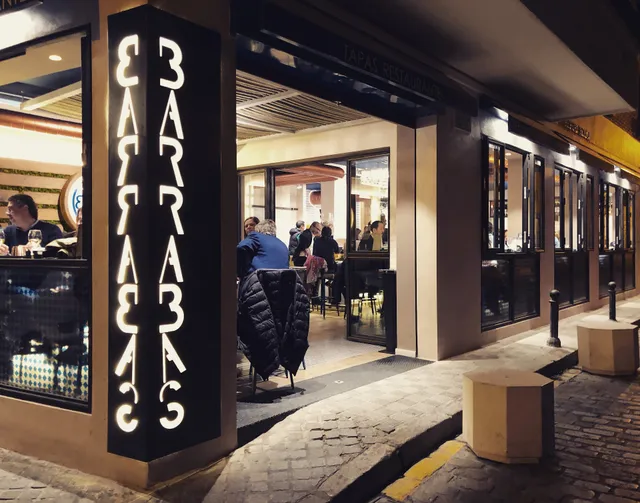
Barrabas (Tapas Restaurant
C. Rafael Calvo, Casco Antiguo, 41001 Sevilla, Spain
BALCON REAL
Pl. Prta Real, 7, Casco Antiguo, 41002 Sevilla, Spain
Nearby hotels
Zaida
C. San Roque, 26, Casco Antiguo, 41001 Sevilla, Spain
Hotel NH Sevilla Plaza de Armas
C. Marqués de Paradas, 13, Casco Antiguo, 41001 Sevilla, Spain
Holiday Rentals Tempa Museo
C. San Vicente, 4, Casco Antiguo, 41002 Sevilla, Spain
Hotel Museo Sevilla AACR
C. Pedro del Toro, 9, Casco Antiguo, 41001 Sevilla, Spain
Hostal Paco's
C. Pedro del Toro, 7, Casco Antiguo, 41001 Sevilla, Spain
JOY Plaza de Armas Hostel Sevilla
C. Almte. Ulloa, 1, Casco Antiguo, 41001 Sevilla, Spain
U-Sense For You Hostel Sevilla
C. Bailén, 15, Casco Antiguo, 41001 Sevilla, Spain
Le petit París
C. San Pedro Mártir, 14, Casco Antiguo, 41001 Sevilla, Spain
Petit Palace Canalejas
C. Canalejas, 2, Casco Antiguo, 41001 Sevilla, Spain
Hostal Roma
C. Gravina, 34, Casco Antiguo, 41001 Sevilla, Spain
Related posts
Keywords
Seville Museum of Fine Arts tourism.Seville Museum of Fine Arts hotels.Seville Museum of Fine Arts bed and breakfast. flights to Seville Museum of Fine Arts.Seville Museum of Fine Arts attractions.Seville Museum of Fine Arts restaurants.Seville Museum of Fine Arts travel.Seville Museum of Fine Arts travel guide.Seville Museum of Fine Arts travel blog.Seville Museum of Fine Arts pictures.Seville Museum of Fine Arts photos.Seville Museum of Fine Arts travel tips.Seville Museum of Fine Arts maps.Seville Museum of Fine Arts things to do.
Seville Museum of Fine Arts things to do, attractions, restaurants, events info and trip planning
Seville Museum of Fine Arts
SpainAndalusiaSevilleSeville Museum of Fine Arts

Basic Info

Seville Museum of Fine Arts

Pl. del Museo, 9, Casco Antiguo, 41001 Sevilla, Spain
4.7(6.3K)
Open until 9:00 PM
Save
spot

Ratings & Description

Info

The Museum of Fine Arts of Seville is a museum in Seville, Spain, a collection of mainly Spanish visual arts from the medieval period to the early 20th century, including a choice selection of works by ...

Cultural
Accessibility
attractions: Museo de las Ilusiones Sevilla, Real Parroquia de Santa María Magdalena de Sevilla, Capilla del Museo, Galeria de Arte Sorolla | Exposición y venta directa de más de mil cuadros y pinturas al óleo, Setas de Sevilla, Centro Cultural Flamenco "Casa de la Memoria", Palace of the Countess of Lebrija, Basílica de Jesús del Gran Poder, Iglesia de San Buenaventura, Iglesia Colegial del Divino Salvador, restaurants: Billy Brunch Sevilla, Bodegón Alfonso XII, La Chalá, Han’s Korean Restaurant, DODICI | Brunch Sevilla, Los Tulipanes, COFFEE & BRUNCH PIKISLABIS | SEVILLA, DODICI + | BRUNCH SEVILLA, Barrabas (Tapas Restaurant, BALCON REAL
logoLearn more insights from Wanderboat AI.
Phone
+34 954 78 64 98
Website
museosdeandalucia.es
Open hoursSee all hours
Thu9 AM - 9 PMOpen

Plan your stay

hotel
Pet-friendly Hotels in Seville
Find a cozy hotel nearby and make it a full experience.

hotel
Affordable Hotels in Seville
Find a cozy hotel nearby and make it a full experience.

hotel
The Coolest Hotels You Haven't Heard Of (Yet)
Find a cozy hotel nearby and make it a full experience.

hotel
Trending Stays Worth the Hype in Seville
Find a cozy hotel nearby and make it a full experience.

Reviews

Nearby attractions of Seville Museum of Fine Arts

Museo de las Ilusiones Sevilla

Real Parroquia de Santa María Magdalena de Sevilla

Capilla del Museo

Galeria de Arte Sorolla | Exposición y venta directa de más de mil cuadros y pinturas al óleo

Setas de Sevilla

Centro Cultural Flamenco "Casa de la Memoria"

Palace of the Countess of Lebrija

Basílica de Jesús del Gran Poder

Iglesia de San Buenaventura

Iglesia Colegial del Divino Salvador

Museo de las Ilusiones Sevilla

Museo de las Ilusiones Sevilla

4.5

(2K)

Open 24 hours
Click for details
Real Parroquia de Santa María Magdalena de Sevilla

Real Parroquia de Santa María Magdalena de Sevilla

4.7

(1.3K)

Open until 8:45 PM
Click for details
Capilla del Museo

Capilla del Museo

4.6

(39)

Open until 9:00 PM
Click for details
Galeria de Arte Sorolla | Exposición y venta directa de más de mil cuadros y pinturas al óleo

Galeria de Arte Sorolla | Exposición y venta directa de más de mil cuadros y pinturas al óleo

4.3

(26)

Open 24 hours
Click for details

Things to do nearby

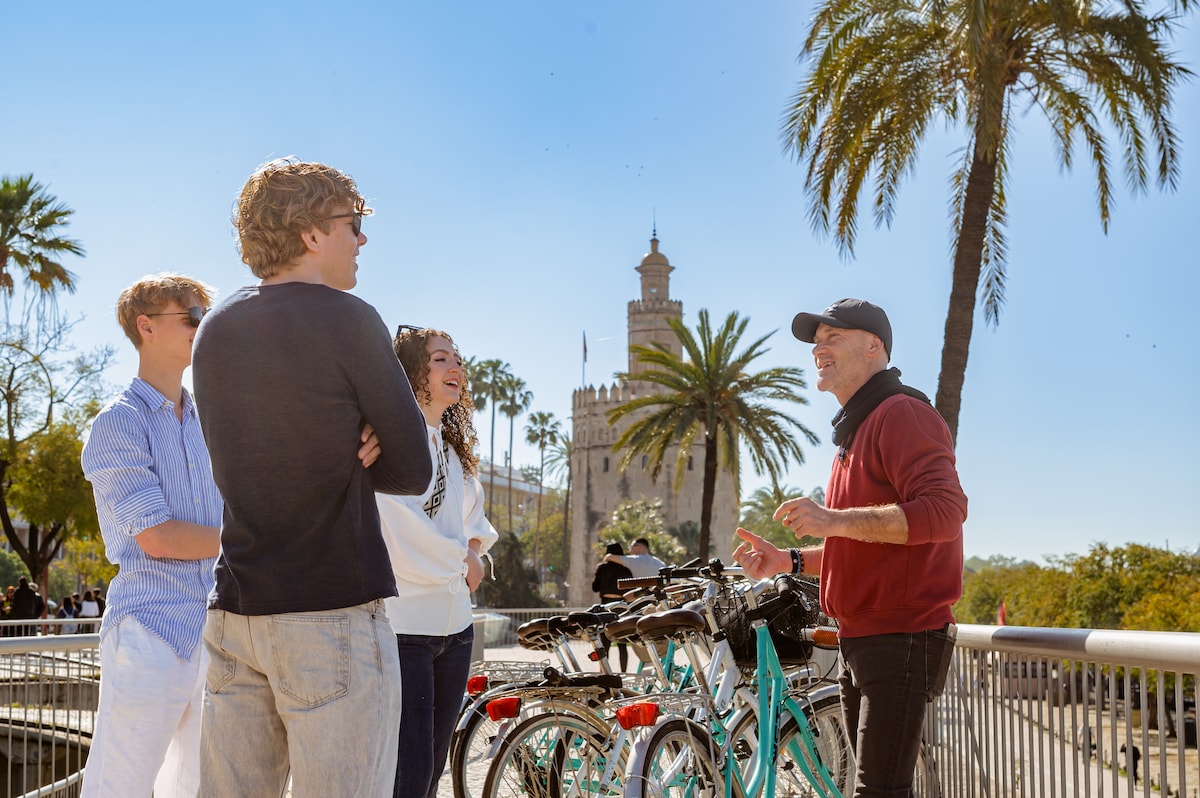
Explore Seville’s Royal Alcázar with a local guide
Fri, Dec 12 • 10:30 AM
41004, Seville, Andalusia, Spain
View details
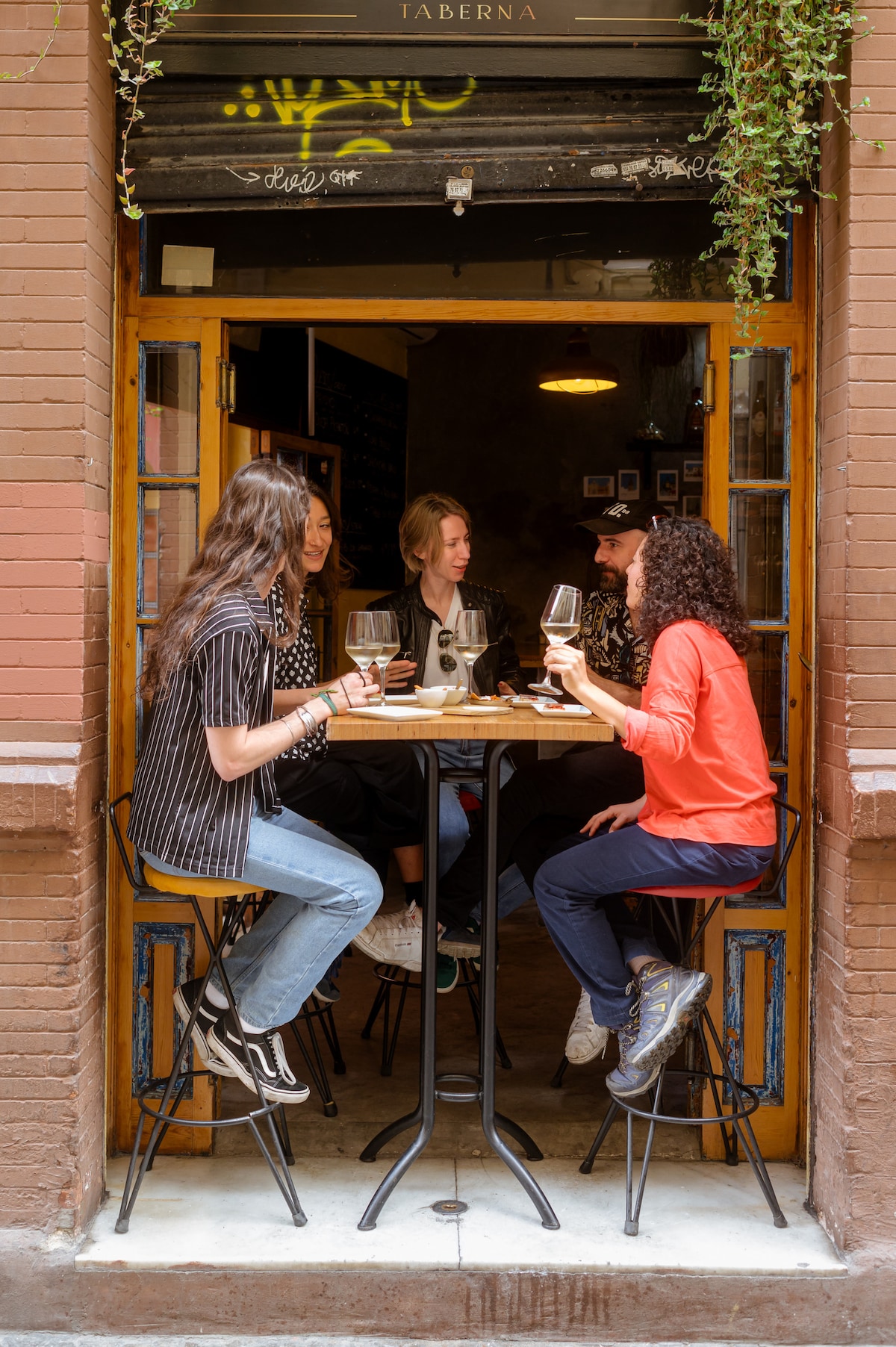
Learn to dance flamenco traveling in Sevilla
Fri, Dec 12 • 6:00 PM
41003, Seville, Andalusia, Spain
View details
Nearby restaurants of Seville Museum of Fine Arts

Billy Brunch Sevilla

Bodegón Alfonso XII

La Chalá

Han’s Korean Restaurant

DODICI | Brunch Sevilla

Los Tulipanes

COFFEE & BRUNCH PIKISLABIS | SEVILLA
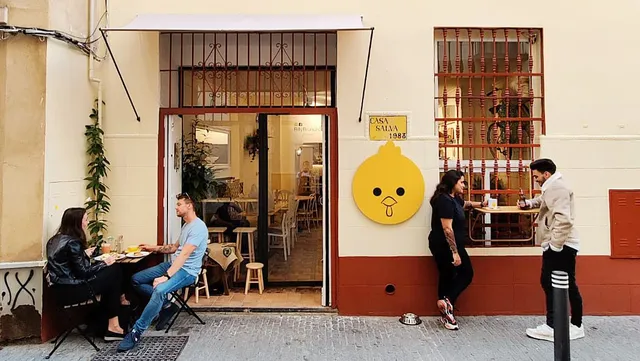
DODICI + | BRUNCH SEVILLA

Barrabas (Tapas Restaurant

BALCON REAL

Billy Brunch Sevilla

Billy Brunch Sevilla

4.8

(1.5K)

Click for details
Bodegón Alfonso XII

Bodegón Alfonso XII

4.3

(835)

Click for details
La Chalá

La Chalá

4.3

(1.0K)

Click for details
Han’s Korean Restaurant

Han’s Korean Restaurant

4.7

(718)

Click for details
Get the Appoverlay
Get the AppOne tap to find yournext favorite spots!
Wanderboat LogoWanderboat

Your everyday Al companion for getaway ideas

CompanyAbout Us
InformationAI Trip PlannerSitemap
SocialXInstagramTiktokLinkedin
LegalTerms of ServicePrivacy Policy

Get the app

© 2025 Wanderboat. All rights reserved.
logo

Reviews of Seville Museum of Fine Arts

4.7
(6,281)
avatar
5.0
49w

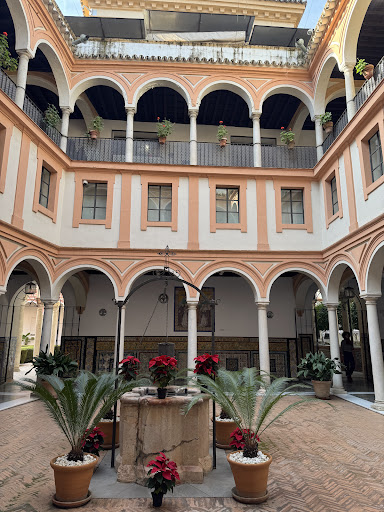
Nestled in the heart of Seville, the Museum of Fine Arts (Museo de Bellas Artes) is a remarkable institution that offers a glimpse into the rich artistic heritage of the region. Housed in a former convent, the museum's architecture itself is a beautiful blend of history and artistry, with serene courtyards and elegant galleries that invite you to explore its treasures. Upon entering, I was immediately struck by the inviting atmosphere and the accessibility of the space, especially considering the incredibly low admission fee. This makes it an excellent option for both locals and tourists seeking to immerse themselves in the cultural tapestry of Seville without breaking the bank.

As I wandered through the various rooms, I was treated to an impressive collection of artworks spanning several centuries, showcasing the evolution of Spanish art. The museum is particularly renowned for its extensive collection of Baroque paintings, featuring works by masters such as Murillo and Zurbarán. Their depictions of religious themes are undeniably captivating, with a level of detail and emotion that draws you in. However, as I continued my exploration, I couldn’t help but notice a recurring theme: the overwhelming predominance of religious and Catholic art.

While I appreciate the historical significance of these pieces and the role they play in understanding the cultural context of Seville, I found myself yearning for a broader representation of the city’s artistic heritage. It would have been refreshing to see more works that reflect the everyday lives of the people of Seville, perhaps capturing the vibrant street life, the rich traditions, or the diverse social fabric that makes this city so unique. The absence of this perspective felt like a missed opportunity to connect with the contemporary spirit of Seville, which is alive with creativity and cultural expression.

The museum does offer a few glimpses into other themes, but they seem overshadowed by the weight of religious iconography. It would be wonderful to see exhibitions that highlight the contributions of local artists or contemporary works that resonate with the experiences of modern-day Sevillanos. Such additions would not only enrich the museum’s offerings but also create a more inclusive narrative that celebrates the full spectrum of Seville's history and culture.

Despite this critique, the Museum of Fine Arts remains a lovely place to spend an afternoon. The layout is easy to navigate, and the peaceful ambiance allows for quiet contemplation of the artwork. The staff is friendly and knowledgeable, always willing to share insights about the pieces on display. Additionally, the museum often hosts temporary exhibitions that occasionally delve into other themes, providing a welcome change of pace.

In conclusion, while the Museum of Fine Arts in Seville is undoubtedly a treasure trove of artistic heritage, it leans heavily towards religious themes that may not resonate with everyone. The low admission price makes it accessible, and the beauty of the space is undeniable. However, I would love to see a more diverse representation of art that reflects the vibrant history and everyday life of Seville’s people. For anyone visiting the city, it’s worth a visit, but perhaps with the understanding that the experience will be steeped in the religious narratives that have shaped much of the region's...

   Read more
avatar
5.0
5y

Thank you for such a wonderful visit! What an absolute delight. If you’re visiting Seville, this museum should be on your list.

I visited 1 Dec 2020. Not sure why it was free that day, maybe pandemic discount. Usually it is an inexpensive ticket anyway.

English language translations are inconsistently available (see about their free app below). Many bigger placards and captions are only in Spanish. Big placards in the heart of the collection all have English translations. Captions for items in this area also have English captions.

English, wherever it shows up, is written fluently. I was amazed how concise and highly informative these descriptions were. Excellent writing but not overwhelming.

The museum offers a free mobile app that is EXCELLENT. They really did an awesome job on this, and the English text and audio available in this app more than compensates for any lack of English on placards/captions (though having both are ideal!). The app uses beacons around museum to dynamically locate you and show what is nearby. Deep dive on any particular item to get text/audio. Again, perfect English and wonderful writing.

Definitely download the app. To use a baseball metaphor, it's a triple. That’s because the excellent writing is read by a robot voice. To make this an easy home run, hopefully the museum will record a native English speaking human to read this aloud.

I was relieved to find myself with breathing space from the guards. Other Spanish art museums have suffocated my experience by circling, stalking. Here I was on camera but left alone on my side of a gallery to be present with the art. Thank...

   Read more
avatar
5.0
1y

The museum is most definitely worth a visit. Entry is free for EU citizens and 1 Euro 50 for everyone else, which is quite amazing.

The permanent exhibition is very interesting and very well presented. The exhibition rooms are not overcrowded with pieces. The descriptions are very informative and yet concise.

The museum has some truly wonderful wrks there. Before going, it is definitely worth reading up a bit about Murillo and Pachego as that adds a lot of value to the visit, bringing a better understanding of the links to Velasquez.

The highlights for me, however, were the two pieces of Torregiano. What a delight to see them and to admire them for many minutes in this quiet and peaceful atmosphere. The staff was very helpful and visibly enthusiastic about the works they were displaying.

Finally, 2024 is the Roldan year, and the special exhibition of some of his polychrome scultpure works was stunning. I really enjoyed spending a morning here. The visit gave me a.lot.of additional context for the sight we had seen the day before (Cathedral and Alcazar) and some bew appetite for the church sightings we were going to do the next day.

Of course, hungry after 4 hours of art, it was easy to find some excellent tapas within a 5 minute walk...

   Read more
Page 1 of 7
Previous
Next

Posts

Vartic OvidiuVartic Ovidiu
Nestled in the heart of Seville, the Museum of Fine Arts (Museo de Bellas Artes) is a remarkable institution that offers a glimpse into the rich artistic heritage of the region. Housed in a former convent, the museum's architecture itself is a beautiful blend of history and artistry, with serene courtyards and elegant galleries that invite you to explore its treasures. Upon entering, I was immediately struck by the inviting atmosphere and the accessibility of the space, especially considering the incredibly low admission fee. This makes it an excellent option for both locals and tourists seeking to immerse themselves in the cultural tapestry of Seville without breaking the bank. As I wandered through the various rooms, I was treated to an impressive collection of artworks spanning several centuries, showcasing the evolution of Spanish art. The museum is particularly renowned for its extensive collection of Baroque paintings, featuring works by masters such as Murillo and Zurbarán. Their depictions of religious themes are undeniably captivating, with a level of detail and emotion that draws you in. However, as I continued my exploration, I couldn’t help but notice a recurring theme: the overwhelming predominance of religious and Catholic art. While I appreciate the historical significance of these pieces and the role they play in understanding the cultural context of Seville, I found myself yearning for a broader representation of the city’s artistic heritage. It would have been refreshing to see more works that reflect the everyday lives of the people of Seville, perhaps capturing the vibrant street life, the rich traditions, or the diverse social fabric that makes this city so unique. The absence of this perspective felt like a missed opportunity to connect with the contemporary spirit of Seville, which is alive with creativity and cultural expression. The museum does offer a few glimpses into other themes, but they seem overshadowed by the weight of religious iconography. It would be wonderful to see exhibitions that highlight the contributions of local artists or contemporary works that resonate with the experiences of modern-day Sevillanos. Such additions would not only enrich the museum’s offerings but also create a more inclusive narrative that celebrates the full spectrum of Seville's history and culture. Despite this critique, the Museum of Fine Arts remains a lovely place to spend an afternoon. The layout is easy to navigate, and the peaceful ambiance allows for quiet contemplation of the artwork. The staff is friendly and knowledgeable, always willing to share insights about the pieces on display. Additionally, the museum often hosts temporary exhibitions that occasionally delve into other themes, providing a welcome change of pace. In conclusion, while the Museum of Fine Arts in Seville is undoubtedly a treasure trove of artistic heritage, it leans heavily towards religious themes that may not resonate with everyone. The low admission price makes it accessible, and the beauty of the space is undeniable. However, I would love to see a more diverse representation of art that reflects the vibrant history and everyday life of Seville’s people. For anyone visiting the city, it’s worth a visit, but perhaps with the understanding that the experience will be steeped in the religious narratives that have shaped much of the region's artistic legacy.
Merges R.Merges R.
The Museo de Bellas Artes de Sevilla is the most important Museum of Fine Arts of Seville and Andalusia. After the Prado Museum in Madrid, this is perhaps the most important art museum in Spain. In the museum, you will find works of art from the Middle Ages, Renaissance, Baroque era and up to the 20th century, mainly Spanish artists such as Francisco da Herrera, Murillo, El Greco, Velásquez, José García Ramos and Francisco Zurbarán, but also from foreign painters such as Jan Brueghel l'Ancien, Pieter Aertsen and Cornelis de Vos. The original museum opened in 1839 in this monastery building, which was renovated in 1662 in Mudéjar style. By expropriating the ecclesiastical possessions, this 'La Merced' monastic order was expelled from the building in 1835. At that time, the museum endeavoured to house obtained works of art from monasteries and temples. It was not until the beginning of the 20th century that the museum began to house private collections. It is only since 1970 that the Museo de Bellas Artes has had a permanent art collection. The museum is located in the Plaza del Museo, a square with a bronze statue of Bartolomé Esteban Murillo; a very important Baroque Spanish painter. Unfortunately, the ticket payment is only by cash.
Ивица ПејчевИвица Пејчев
Must visit! The Museum of Fine Arts, Sevilla, was established as a "Museum to display paintings", by Royal Decree on 16 September 1835. The building which we see today owes its general layout to the transformations carried out in the first decades of the 17th century thanks to the initiative of Fray Alonso de Monroy, general of the Order from 1602. In 1603, the architect and sculptor Juan de Oviedo y de la Bandera presented the plans and instructions for its construction, which was begun with the demolition of the former Mudejar building. In 1612, the temple was finished and almost half a century later, the rest of the cement works were completed, thus becoming one of the most beautiful examples of Andalusian mannerism. The Museum has a collection of mainly Spanish visual arts from the medieval period to the early 20th century, including a choice selection of works by artists from the so-called Golden Age of Sevillian painting during the 17th century, such as Murillo, Zurbarán, Francisco de Herrera…
See more posts
See more posts
hotel
Find your stay

Pet-friendly Hotels in Seville

Find a cozy hotel nearby and make it a full experience.

Nestled in the heart of Seville, the Museum of Fine Arts (Museo de Bellas Artes) is a remarkable institution that offers a glimpse into the rich artistic heritage of the region. Housed in a former convent, the museum's architecture itself is a beautiful blend of history and artistry, with serene courtyards and elegant galleries that invite you to explore its treasures. Upon entering, I was immediately struck by the inviting atmosphere and the accessibility of the space, especially considering the incredibly low admission fee. This makes it an excellent option for both locals and tourists seeking to immerse themselves in the cultural tapestry of Seville without breaking the bank. As I wandered through the various rooms, I was treated to an impressive collection of artworks spanning several centuries, showcasing the evolution of Spanish art. The museum is particularly renowned for its extensive collection of Baroque paintings, featuring works by masters such as Murillo and Zurbarán. Their depictions of religious themes are undeniably captivating, with a level of detail and emotion that draws you in. However, as I continued my exploration, I couldn’t help but notice a recurring theme: the overwhelming predominance of religious and Catholic art. While I appreciate the historical significance of these pieces and the role they play in understanding the cultural context of Seville, I found myself yearning for a broader representation of the city’s artistic heritage. It would have been refreshing to see more works that reflect the everyday lives of the people of Seville, perhaps capturing the vibrant street life, the rich traditions, or the diverse social fabric that makes this city so unique. The absence of this perspective felt like a missed opportunity to connect with the contemporary spirit of Seville, which is alive with creativity and cultural expression. The museum does offer a few glimpses into other themes, but they seem overshadowed by the weight of religious iconography. It would be wonderful to see exhibitions that highlight the contributions of local artists or contemporary works that resonate with the experiences of modern-day Sevillanos. Such additions would not only enrich the museum’s offerings but also create a more inclusive narrative that celebrates the full spectrum of Seville's history and culture. Despite this critique, the Museum of Fine Arts remains a lovely place to spend an afternoon. The layout is easy to navigate, and the peaceful ambiance allows for quiet contemplation of the artwork. The staff is friendly and knowledgeable, always willing to share insights about the pieces on display. Additionally, the museum often hosts temporary exhibitions that occasionally delve into other themes, providing a welcome change of pace. In conclusion, while the Museum of Fine Arts in Seville is undoubtedly a treasure trove of artistic heritage, it leans heavily towards religious themes that may not resonate with everyone. The low admission price makes it accessible, and the beauty of the space is undeniable. However, I would love to see a more diverse representation of art that reflects the vibrant history and everyday life of Seville’s people. For anyone visiting the city, it’s worth a visit, but perhaps with the understanding that the experience will be steeped in the religious narratives that have shaped much of the region's artistic legacy.
Vartic Ovidiu

Vartic Ovidiu

hotel
Find your stay

Affordable Hotels in Seville

Find a cozy hotel nearby and make it a full experience.

Get the Appoverlay
Get the AppOne tap to find yournext favorite spots!
The Museo de Bellas Artes de Sevilla is the most important Museum of Fine Arts of Seville and Andalusia. After the Prado Museum in Madrid, this is perhaps the most important art museum in Spain. In the museum, you will find works of art from the Middle Ages, Renaissance, Baroque era and up to the 20th century, mainly Spanish artists such as Francisco da Herrera, Murillo, El Greco, Velásquez, José García Ramos and Francisco Zurbarán, but also from foreign painters such as Jan Brueghel l'Ancien, Pieter Aertsen and Cornelis de Vos. The original museum opened in 1839 in this monastery building, which was renovated in 1662 in Mudéjar style. By expropriating the ecclesiastical possessions, this 'La Merced' monastic order was expelled from the building in 1835. At that time, the museum endeavoured to house obtained works of art from monasteries and temples. It was not until the beginning of the 20th century that the museum began to house private collections. It is only since 1970 that the Museo de Bellas Artes has had a permanent art collection. The museum is located in the Plaza del Museo, a square with a bronze statue of Bartolomé Esteban Murillo; a very important Baroque Spanish painter. Unfortunately, the ticket payment is only by cash.
Merges R.

Merges R.

hotel
Find your stay

The Coolest Hotels You Haven't Heard Of (Yet)

Find a cozy hotel nearby and make it a full experience.

hotel
Find your stay

Trending Stays Worth the Hype in Seville

Find a cozy hotel nearby and make it a full experience.

Must visit! The Museum of Fine Arts, Sevilla, was established as a "Museum to display paintings", by Royal Decree on 16 September 1835. The building which we see today owes its general layout to the transformations carried out in the first decades of the 17th century thanks to the initiative of Fray Alonso de Monroy, general of the Order from 1602. In 1603, the architect and sculptor Juan de Oviedo y de la Bandera presented the plans and instructions for its construction, which was begun with the demolition of the former Mudejar building. In 1612, the temple was finished and almost half a century later, the rest of the cement works were completed, thus becoming one of the most beautiful examples of Andalusian mannerism. The Museum has a collection of mainly Spanish visual arts from the medieval period to the early 20th century, including a choice selection of works by artists from the so-called Golden Age of Sevillian painting during the 17th century, such as Murillo, Zurbarán, Francisco de Herrera…
Ивица Пејчев

Ивица Пејчев

See more posts
See more posts