HTML SitemapExplore
logo
Find Things to DoFind The Best Restaurants

Museo del Cau Ferrat — Attraction in Sitges

Name
Museo del Cau Ferrat
Description
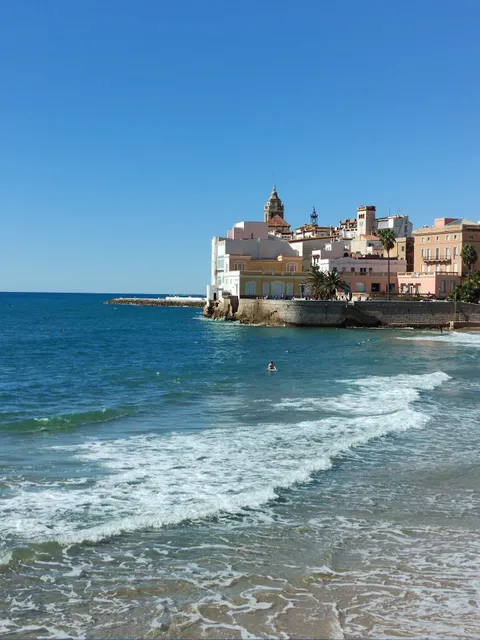
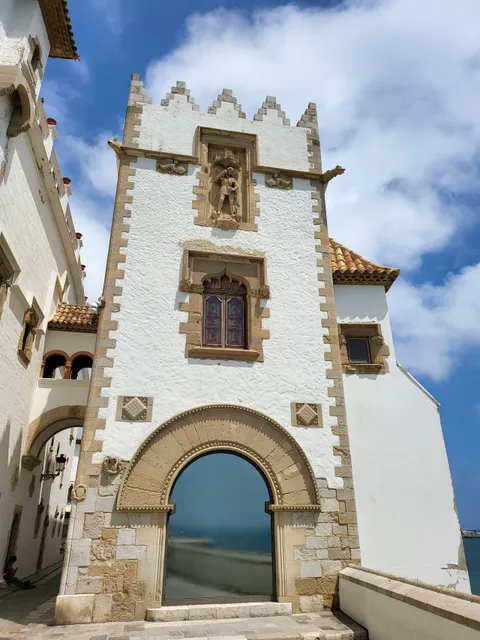
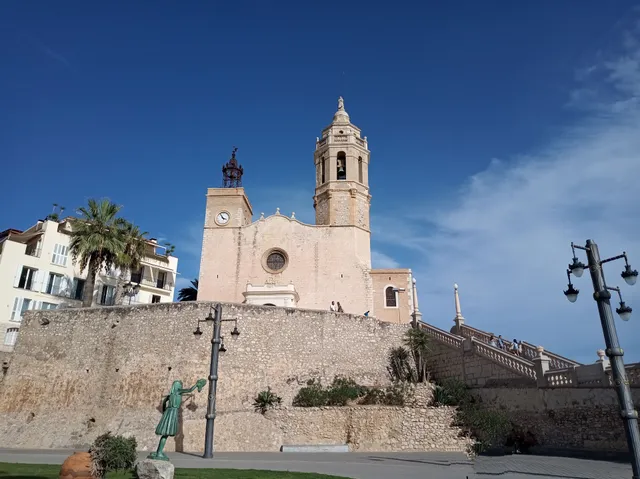
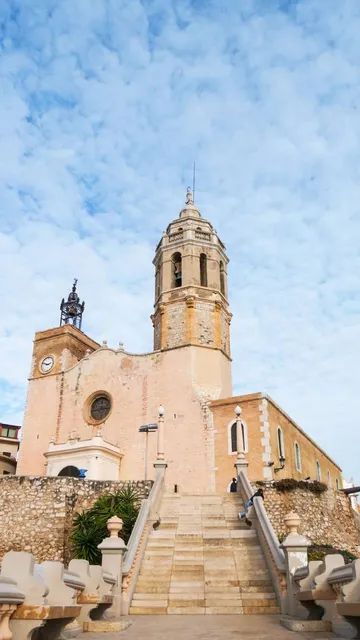
Cau Ferrat, located in Sitges, was the home and study of artist and writer Santiago Rusiñol, one of the most important figures of the Modernisme movement in Catalonia. It is one of the three museums in Sitges located on the shores of Sant Sebastià beach.
Nearby attractions
Palau de Maricel
Carrer de Fonollar, s/n, 08870 Sitges, Barcelona, Spain
San Sebastian beach
Spain
Racó de la Calma
Carrer de Fonollar, 5, 08870 Sitges, Barcelona, Spain
Museu de Maricel
Carrer de Fonollar, s/n, 08870 Sitges, Barcelona, Spain
Consorci del Patrimoni de Sitges
Carrer de la Davallada, 12, 08870 Sitges, Barcelona, Spain
La Sirena de Sitges
08870 Sitges, Barcelona, Spain
Agora 3 Art Gallery
Carrer Nou, 20, 08870 Sitges, Barcelona, Spain
Ermita de San Sebastián
Av. Balmins, 21, 08870 Sitges, Barcelona, Spain
Centre d'Interpretació de la Malvasia de Sitges
Plaça de Joan Duran i Ferret, 08870 Sitges, Barcelona, Spain
Can Llopis Romanticism Museum
Carrer de Sant Gaudenci, 1, 08870 Sitges, Barcelona, Spain
Nearby restaurants
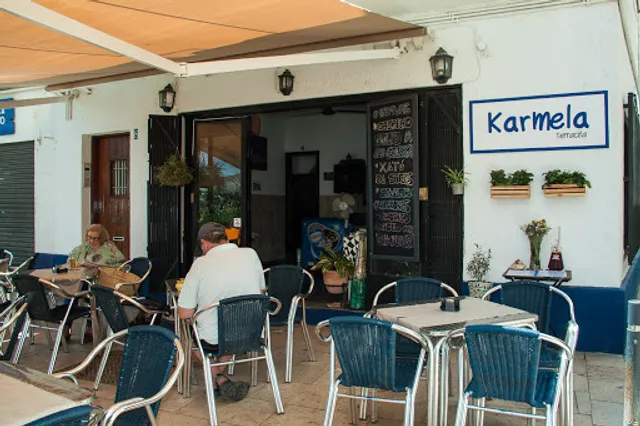
Karmela Terrasseta
Carrer de Port Alegre, 8, 08870 Playa de San Sebastián, Barcelona, Spain
Fragata
Passeig de la Ribera, 1, 08870 Sitges, Barcelona, Spain
Buenos Aires Grill
Carrer de Port Alegre, 21, 08870 Sitges, Barcelona, Spain
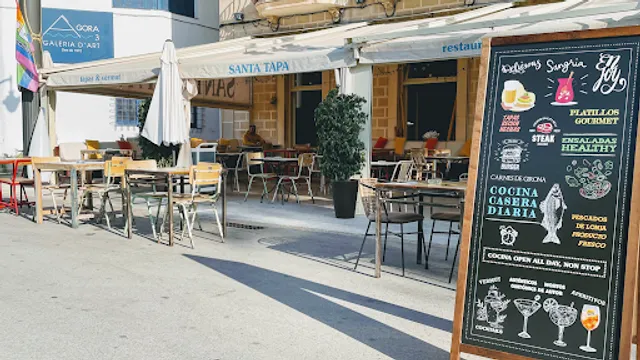
SANTA TAPA SITGES | BEST TAPAS SITGES
Passeig de la Ribera, 2, 08870 Sitges, Barcelona, Spain
Costa Dorada
Carrer de Port Alegre, 27, 08870 Sitges, Barcelona, Spain
Moreno Major 17
Carrer Major, 17, 08870 Sitges, Barcelona, Spain
LaPunta
Carrer Sant Damià, 14, 08870 Sitges, Barcelona, Spain
Restaurante Sintesis Sitges
Passeig de la Ribera, 2, 08870 Sitges, Barcelona, Spain
Timo’s Bistro (Sitges)
Carrer de l'Aigua, 10, 08870 Sitges, Barcelona, Spain
Cal Pinxo Sitges
Passeig de la Ribera, 5, 08870 Sitges, Barcelona, Spain
Related posts
Keywords
Museo del Cau Ferrat tourism.Museo del Cau Ferrat hotels.Museo del Cau Ferrat bed and breakfast. flights to Museo del Cau Ferrat.Museo del Cau Ferrat attractions.Museo del Cau Ferrat restaurants.Museo del Cau Ferrat travel.Museo del Cau Ferrat travel guide.Museo del Cau Ferrat travel blog.Museo del Cau Ferrat pictures.Museo del Cau Ferrat photos.Museo del Cau Ferrat travel tips.Museo del Cau Ferrat maps.Museo del Cau Ferrat things to do.
Museo del Cau Ferrat things to do, attractions, restaurants, events info and trip planning
Museo del Cau Ferrat
SpainCataloniaSitgesMuseo del Cau Ferrat

Basic Info

Museo del Cau Ferrat

Carrer de Fonollar, 08870 Sitges, Barcelona, Spain
4.7(756)
Open 24 hours
Save
spot

Ratings & Description

Info

Cau Ferrat, located in Sitges, was the home and study of artist and writer Santiago Rusiñol, one of the most important figures of the Modernisme movement in Catalonia. It is one of the three museums in Sitges located on the shores of Sant Sebastià beach.

Cultural
Family friendly
Accessibility
attractions: Palau de Maricel, San Sebastian beach, Racó de la Calma, Museu de Maricel, Consorci del Patrimoni de Sitges, La Sirena de Sitges, Agora 3 Art Gallery, Ermita de San Sebastián, Centre d'Interpretació de la Malvasia de Sitges, Can Llopis Romanticism Museum, restaurants: Karmela Terrasseta, Fragata, Buenos Aires Grill, SANTA TAPA SITGES | BEST TAPAS SITGES, Costa Dorada, Moreno Major 17, LaPunta, Restaurante Sintesis Sitges, Timo’s Bistro (Sitges), Cal Pinxo Sitges
logoLearn more insights from Wanderboat AI.
Phone
+34 938 94 03 64
Website
museusdesitges.cat

Plan your stay

hotel
Pet-friendly Hotels in Sitges
Find a cozy hotel nearby and make it a full experience.

hotel
Affordable Hotels in Sitges
Find a cozy hotel nearby and make it a full experience.

hotel
The Coolest Hotels You Haven't Heard Of (Yet)
Find a cozy hotel nearby and make it a full experience.

hotel
Trending Stays Worth the Hype in Sitges
Find a cozy hotel nearby and make it a full experience.

Reviews

Nearby attractions of Museo del Cau Ferrat

Palau de Maricel

San Sebastian beach

Racó de la Calma

Museu de Maricel

Consorci del Patrimoni de Sitges

La Sirena de Sitges

Agora 3 Art Gallery

Ermita de San Sebastián

Centre d'Interpretació de la Malvasia de Sitges

Can Llopis Romanticism Museum

Palau de Maricel

Palau de Maricel

4.6

(620)

Open 24 hours
Click for details
San Sebastian beach

San Sebastian beach

4.5

(3.2K)

Open 24 hours
Click for details
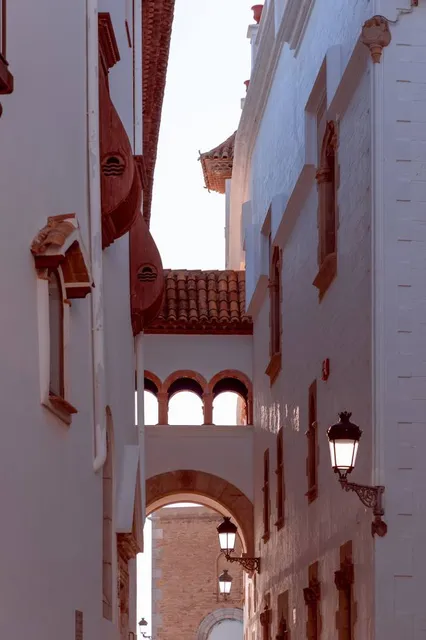
Racó de la Calma

Racó de la Calma

4.6

(53)

Open 24 hours
Click for details
Museu de Maricel

Museu de Maricel

4.6

(58)

Closed
Click for details

Things to do nearby

Candlelight: Las Cuatro Estaciones de Vivaldi
Fri, Dec 5 • 7:00 PM
Carrer Claudi, Carrer Reixach, s/n, La Colònia Güell, 08690
View details
A Private Journey Through Sparkling Heritage
Thu, Dec 4 • 12:30 PM
08870, Sitges, Catalonia, Spain
View details
Catalunya en miniatura: exposición de maquetas de monumentos
Thu, Dec 4 • 10:00 AM
Can Balasch de Baix, s/n, 08629 Torrelles de Llobregat, Barcelona, 08629
View details

Nearby restaurants of Museo del Cau Ferrat

Karmela Terrasseta

Fragata

Buenos Aires Grill

SANTA TAPA SITGES | BEST TAPAS SITGES

Costa Dorada

Moreno Major 17

LaPunta

Restaurante Sintesis Sitges

Timo’s Bistro (Sitges)

Cal Pinxo Sitges

Karmela Terrasseta

Karmela Terrasseta

4.5

(607)

Click for details
Fragata

Fragata

4.3

(1.0K)

$$$

Click for details
Buenos Aires Grill

Buenos Aires Grill

4.2

(1.0K)

Click for details
SANTA TAPA SITGES | BEST TAPAS SITGES

SANTA TAPA SITGES | BEST TAPAS SITGES

4.4

(771)

Click for details
Get the Appoverlay
Get the AppOne tap to find yournext favorite spots!
Wanderboat LogoWanderboat

Your everyday Al companion for getaway ideas

CompanyAbout Us
InformationAI Trip PlannerSitemap
SocialXInstagramTiktokLinkedin
LegalTerms of ServicePrivacy Policy

Get the app

© 2025 Wanderboat. All rights reserved.
logo

Reviews of Museo del Cau Ferrat

4.7
(756)
avatar
4.0
8y

Born into a bourgeois Catalan industrial family from Manlleu, Santiago Rusiñol i Prats (Barcelona, 1861 – Aranjuez, 1931) was asked by his paternal grandfather and godfather, Jaume Rusiñol, to continue the family tradition and become a cotton manufacturer. Instead, the young Rusiñol chose to enter the Catalan and Spanish art scene. A painter, narrator, collector, dramatist, amateur archaeologist, journalist and key figure of the Modernista movement, Santiago Rusiñol conceived of art as a priesthood and of the artist as the chosen one who, due to an ineluctable calling, is predestined to the sacrifice of living his ideal to the ultimate consequences.

Santiago Rusiñol. The Girl with Carnation, 1893 It was from Sitges that Rusiñol spread his theory of Total Art, of art as a new religion. the celebration of the Festes Modernistes (1892-1899), the building of the Cau Ferrat (1893-1894) and the inauguration of the monument to El Greco (1898) made Sitges the Mecca of Modernisme and Rusiñol the high priest of his new movement that aspired to transform society through culture. Thanks to this, Rusiñol was able to build up his own...

   Read more
avatar
5.0
37w

The museum includes Cau Ferrat and Museu de Maricel; they are connected. Palau de Maricel is separate, has different opening times, and is not included with Cau Ferrat.

Cau Ferrat is the house of Santiago Rusiñol, a Modernist painter and writer. The building combines two former fishermen’s houses, renovated to house his art collection. Rusiñol turned into his artistic retreat and a gathering place for intellectuals and artists in the late 19th and early 20th centuries.

The Palau de Maricel was built in 1918 by architect Miquel Utrillo for the American collector Charles Deering. Originally a group of fishermen’s houses, the structure was transformed into a grand residence blending Gothic, Renaissance, and Baroque elements. Its design includes cloistered courtyards, arched galleries, and...

   Read more
avatar
5.0
2y

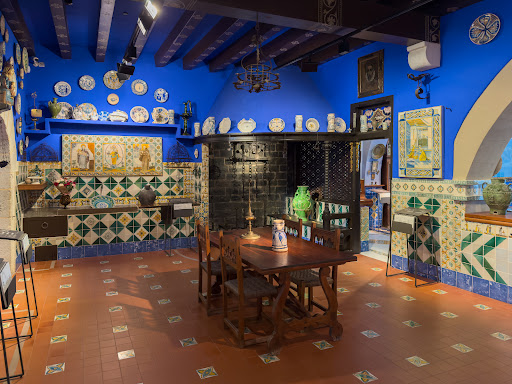
se entusiasmó por Sitges en el año 1884 cuando conoció la población probablemente en ocasión de un viaje a Vilanova. Rusiñol cautivado, decidió trasladar allí las colecciones artísticas que hasta entonces había guardado en Barcelona. Para alojar la colección, Rusiñol compró dos casas de pescadores - can Sense y can Falua - y construyó el Cau Ferrat uniendo las dos casas y unificando el estilo de la fachada en un estilo neogótico. El arquitecto Francesc Rogent i Pedrosa llevó a cabo entre 1893 y 1894 cambios substanciales en estas casas utilizando las ventanas del antiguo castillo gótico de Sitges que se habían eliminado cuando se construyó el actual Ayuntamiento en el mismo lugar en que se hallaba el castillo citado. La planta baja de la nueva casa la utilizó Rusiñol como vivienda. Este espacio cuenta con cuatro dependencias principales decoradas con pinturas del mismo Rusiñol, Ramón Casas, Ignacio Zuloaga, Pichot y otros, esculturas de Manolo Hugué y G. Violet. Sobre la mesa de trabajo de Rusiñol, están expuestas obras de arte de artistas como E. Clarasó, R. Casas, I. Zuloaga i Picasso. En una de las dos habitaciones que dan al mar se puede contemplar un surtidor de cerámica que da un carácter especial a esta dependencia. La planta baja también está decorada con interesantes platos i objetos cerámicos. La planta superior es un magnifico salón gótico que ocupa toda la superficie del solar con una altura importante y el techo artesonado y con soportes de madera decorada. En este espacio, el Museu del Cau Ferrat muestra una gran variedad de obras de arte como la colección de objetos de hierro forjado de Rusiñol, dos pinturas de El Greco, San Pedro y Santa Maria Magdalena, otras pinturas de Rusiñol, Zuloaga, Casas, Clarasó, etc., una  espléndida colección de objetos de cristal, botellas, copas, jarros y otros objetos comprados por Rusiñol a Alexandre de Riquer; llaves, candelabros y otros objetos artísticos. El Cau Ferrat fue sede de sesiones literarias durante las Fiestas Modernistas de Sitges entre los años...

   Read more
Page 1 of 7
Previous
Next

Posts

Kent WangKent Wang
The museum includes Cau Ferrat and Museu de Maricel; they are connected. Palau de Maricel is separate, has different opening times, and is not included with Cau Ferrat. Cau Ferrat is the house of Santiago Rusiñol, a Modernist painter and writer. The building combines two former fishermen’s houses, renovated to house his art collection. Rusiñol turned into his artistic retreat and a gathering place for intellectuals and artists in the late 19th and early 20th centuries. The Palau de Maricel was built in 1918 by architect Miquel Utrillo for the American collector Charles Deering. Originally a group of fishermen’s houses, the structure was transformed into a grand residence blending Gothic, Renaissance, and Baroque elements. Its design includes cloistered courtyards, arched galleries, and intricate stonework.
FRANFRAN
se entusiasmó por Sitges en el año 1884 cuando conoció la población probablemente en ocasión de un viaje a Vilanova. Rusiñol cautivado, decidió trasladar allí las colecciones artísticas que hasta entonces había guardado en Barcelona. Para alojar la colección, Rusiñol compró dos casas de pescadores - can Sense y can Falua - y construyó el Cau Ferrat uniendo las dos casas y unificando el estilo de la fachada en un estilo neogótico. El arquitecto Francesc Rogent i Pedrosa llevó a cabo entre 1893 y 1894 cambios substanciales en estas casas utilizando las ventanas del antiguo castillo gótico de Sitges que se habían eliminado cuando se construyó el actual Ayuntamiento en el mismo lugar en que se hallaba el castillo citado. La planta baja de la nueva casa la utilizó Rusiñol como vivienda. Este espacio cuenta con cuatro dependencias principales decoradas con pinturas del mismo Rusiñol, Ramón Casas, Ignacio Zuloaga, Pichot y otros, esculturas de Manolo Hugué y G. Violet. Sobre la mesa de trabajo de Rusiñol, están expuestas obras de arte de artistas como E. Clarasó, R. Casas, I. Zuloaga i Picasso. En una de las dos habitaciones que dan al mar se puede contemplar un surtidor de cerámica que da un carácter especial a esta dependencia. La planta baja también está decorada con interesantes platos i objetos cerámicos. La planta superior es un magnifico salón gótico que ocupa toda la superficie del solar con una altura importante y el techo artesonado y con soportes de madera decorada. En este espacio, el Museu del Cau Ferrat muestra una gran variedad de obras de arte como la colección de objetos de hierro forjado de Rusiñol, dos pinturas de El Greco, San Pedro y Santa Maria Magdalena, otras pinturas de Rusiñol, Zuloaga, Casas, Clarasó, etc., una  espléndida colección de objetos de cristal, botellas, copas, jarros y otros objetos comprados por Rusiñol a Alexandre de Riquer; llaves, candelabros y otros objetos artísticos. El Cau Ferrat fue sede de sesiones literarias durante las Fiestas Modernistas de Sitges entre los años 1894 y 1897.
Andrew WestAndrew West
A stunning building and nice staff with an interesting collection. It's an entirely personal response but I don't find religious iconography very interesting so much of the collection left me a little cold, though many of the paintings - particularly the portraits - really are very beautiful. I also loved some of the stranger artefacts, such as this glass-eyed gentleman (?) and the creepy collection of dolls. Worth a visit but for me it was a relatively quick pass around the building.
See more posts
See more posts
hotel
Find your stay

Pet-friendly Hotels in Sitges

Find a cozy hotel nearby and make it a full experience.

The museum includes Cau Ferrat and Museu de Maricel; they are connected. Palau de Maricel is separate, has different opening times, and is not included with Cau Ferrat. Cau Ferrat is the house of Santiago Rusiñol, a Modernist painter and writer. The building combines two former fishermen’s houses, renovated to house his art collection. Rusiñol turned into his artistic retreat and a gathering place for intellectuals and artists in the late 19th and early 20th centuries. The Palau de Maricel was built in 1918 by architect Miquel Utrillo for the American collector Charles Deering. Originally a group of fishermen’s houses, the structure was transformed into a grand residence blending Gothic, Renaissance, and Baroque elements. Its design includes cloistered courtyards, arched galleries, and intricate stonework.
Kent Wang

Kent Wang

hotel
Find your stay

Affordable Hotels in Sitges

Find a cozy hotel nearby and make it a full experience.

Get the Appoverlay
Get the AppOne tap to find yournext favorite spots!
se entusiasmó por Sitges en el año 1884 cuando conoció la población probablemente en ocasión de un viaje a Vilanova. Rusiñol cautivado, decidió trasladar allí las colecciones artísticas que hasta entonces había guardado en Barcelona. Para alojar la colección, Rusiñol compró dos casas de pescadores - can Sense y can Falua - y construyó el Cau Ferrat uniendo las dos casas y unificando el estilo de la fachada en un estilo neogótico. El arquitecto Francesc Rogent i Pedrosa llevó a cabo entre 1893 y 1894 cambios substanciales en estas casas utilizando las ventanas del antiguo castillo gótico de Sitges que se habían eliminado cuando se construyó el actual Ayuntamiento en el mismo lugar en que se hallaba el castillo citado. La planta baja de la nueva casa la utilizó Rusiñol como vivienda. Este espacio cuenta con cuatro dependencias principales decoradas con pinturas del mismo Rusiñol, Ramón Casas, Ignacio Zuloaga, Pichot y otros, esculturas de Manolo Hugué y G. Violet. Sobre la mesa de trabajo de Rusiñol, están expuestas obras de arte de artistas como E. Clarasó, R. Casas, I. Zuloaga i Picasso. En una de las dos habitaciones que dan al mar se puede contemplar un surtidor de cerámica que da un carácter especial a esta dependencia. La planta baja también está decorada con interesantes platos i objetos cerámicos. La planta superior es un magnifico salón gótico que ocupa toda la superficie del solar con una altura importante y el techo artesonado y con soportes de madera decorada. En este espacio, el Museu del Cau Ferrat muestra una gran variedad de obras de arte como la colección de objetos de hierro forjado de Rusiñol, dos pinturas de El Greco, San Pedro y Santa Maria Magdalena, otras pinturas de Rusiñol, Zuloaga, Casas, Clarasó, etc., una  espléndida colección de objetos de cristal, botellas, copas, jarros y otros objetos comprados por Rusiñol a Alexandre de Riquer; llaves, candelabros y otros objetos artísticos. El Cau Ferrat fue sede de sesiones literarias durante las Fiestas Modernistas de Sitges entre los años 1894 y 1897.
FRAN

FRAN

hotel
Find your stay

The Coolest Hotels You Haven't Heard Of (Yet)

Find a cozy hotel nearby and make it a full experience.

hotel
Find your stay

Trending Stays Worth the Hype in Sitges

Find a cozy hotel nearby and make it a full experience.

A stunning building and nice staff with an interesting collection. It's an entirely personal response but I don't find religious iconography very interesting so much of the collection left me a little cold, though many of the paintings - particularly the portraits - really are very beautiful. I also loved some of the stranger artefacts, such as this glass-eyed gentleman (?) and the creepy collection of dolls. Worth a visit but for me it was a relatively quick pass around the building.
Andrew West

Andrew West

See more posts
See more posts