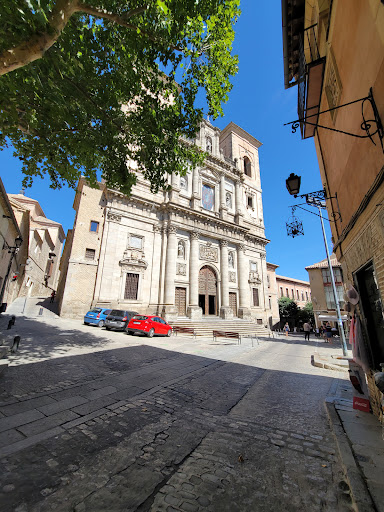
Iglesia de los Jesuitas (San Ildefonso) things to do, attractions, restaurants, events info and trip planning
Basic Info
Iglesia de los Jesuitas (San Ildefonso)
Pl. Padre Juan de Mariana, 1, 45002 Toledo, Spain
4.5(1.4K)
Open until 5:45 PM


tickets
Save
spot
spot
Ratings & Description
Info
Cultural
Accessibility
attractions: Santa Iglesia Catedral Primada de Toledo, Círculo de Arte, Museum of Torture, Iglesia de Santo Tomé, Exposición Brujeria, Iglesia de San Román, Mezquita del Cristo de la Luz, Real Colegio Doncellas Nobles, Museo de El Greco, Alcázar de Toledo, restaurants: Restaurante Ave Fénix, La Malquerida de la Trinidad, Clandestina de las Tendillas, CAFETERIA PALACIOS, Mítico Toledo, Restaurante Dominica, Abrasador El Ambigú, Taberna Skala, Taberna Gilda, Bar restaurante morena, local businesses: Museo de los Concilios y la Cultura Visigoda, El pozo de los deseos R.Saavedra, Carrefour Express, Simón Artesanía, La Provisoría, Carmen Spain, Next Level Toledo, Cuartero House - Toledo - Since 1920, Convento de Santo Domingo El Antiguo, Vintage By López-Linares
 Learn more insights from Wanderboat AI.
Phone
+34 925 25 15 07
Website
toledomonumental.com
Open hoursSee all hours
Sun10 AM - 5:45 PMOpen
Plan your stay

Pet-friendly Hotels in Toledo
Find a cozy hotel nearby and make it a full experience.

Affordable Hotels in Toledo
Find a cozy hotel nearby and make it a full experience.

The Coolest Hotels You Haven't Heard Of (Yet)
Find a cozy hotel nearby and make it a full experience.

Trending Stays Worth the Hype in Toledo
Find a cozy hotel nearby and make it a full experience.
Reviews
Live events

Bodega Tavera: Visita
Tue, Feb 24 • 12:00 PM
Carretera Valmojado, 0, Arcicóllar, 45182
View details

Candlelight: Lo Mejor de Ludovico Einaudi
Sat, Feb 28 • 5:00 PM
Calle de los Concilios, 1, Toledo, 45005
View details

Vuelo en globo con desayuno y cava en Toledo
Sun, Feb 22 • 7:00 AM
Calle Tornerías, 19, Toledo, 45001
View details
Nearby attractions of Iglesia de los Jesuitas (San Ildefonso)
Santa Iglesia Catedral Primada de Toledo
Círculo de Arte
Museum of Torture
Iglesia de Santo Tomé
Exposición Brujeria
Iglesia de San Román
Mezquita del Cristo de la Luz
Real Colegio Doncellas Nobles
Museo de El Greco
Alcázar de Toledo
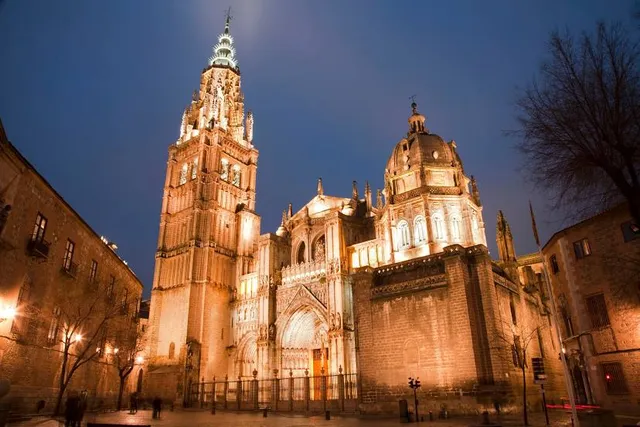
Santa Iglesia Catedral Primada de Toledo
4.7
(14.1K)
Open until 6:00 PM
Click for details
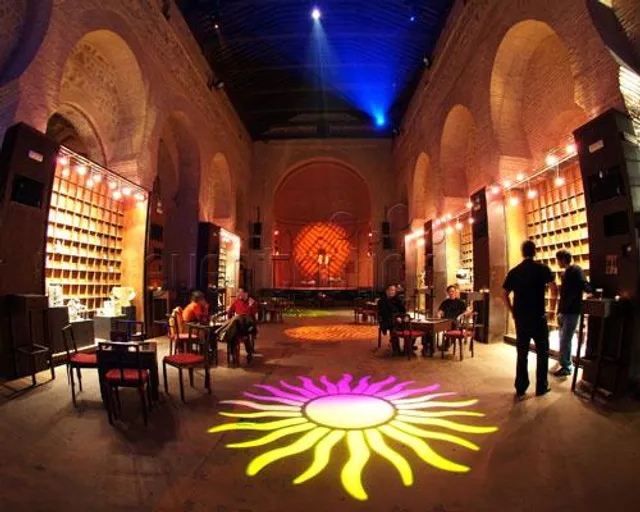
Círculo de Arte
4.3
(1.4K)
Open until 12:00 AM
Click for details
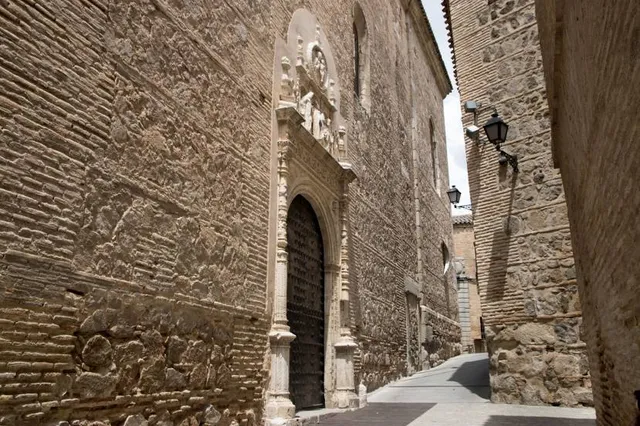
Museum of Torture
4.0
(992)
Open until 7:00 PM
Click for details
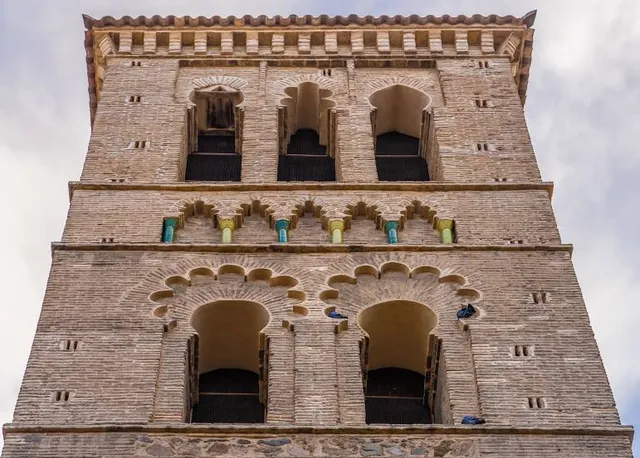
Iglesia de Santo Tomé
4.4
(2.7K)
Open until 5:45 PM
Click for details
Nearby restaurants of Iglesia de los Jesuitas (San Ildefonso)
Restaurante Ave Fénix
La Malquerida de la Trinidad
Clandestina de las Tendillas
CAFETERIA PALACIOS
Mítico Toledo
Restaurante Dominica
Abrasador El Ambigú
Taberna Skala
Taberna Gilda
Bar restaurante morena
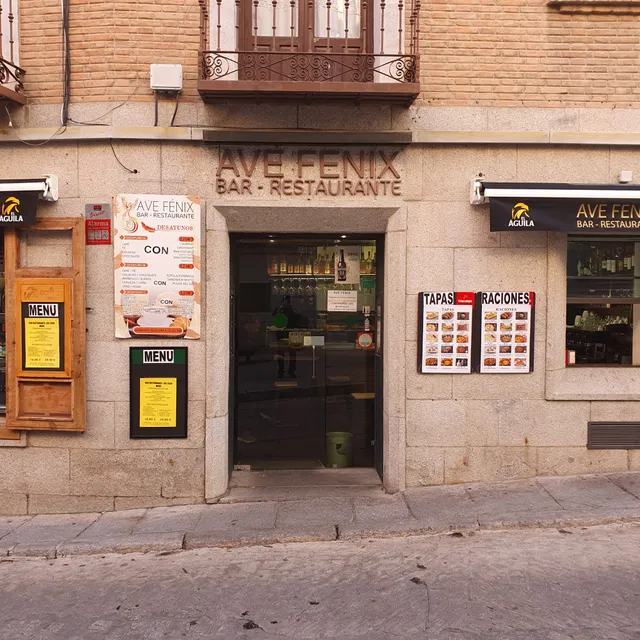
Restaurante Ave Fénix
4.5
(1.1K)
$
Open until 11:00 PM
Click for details
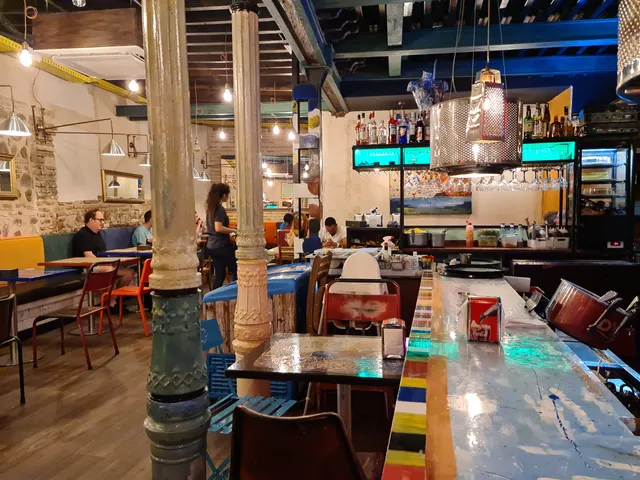
La Malquerida de la Trinidad
4.4
(2.7K)
$
Open until 1:30 AM
Click for details
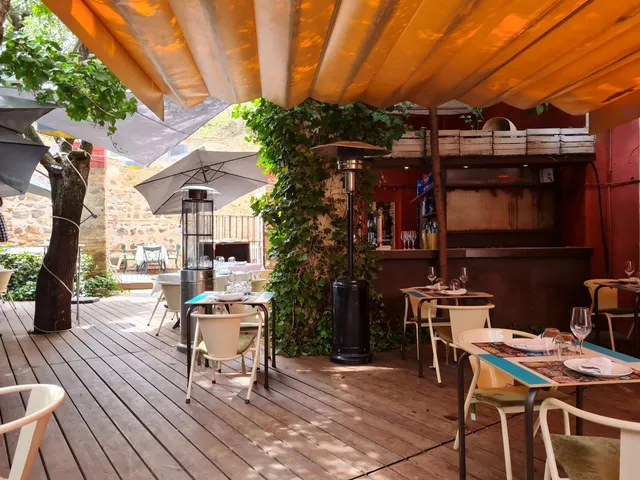
Clandestina de las Tendillas
4.5
(1.3K)
$$$
Open until 5:00 PM
Click for details
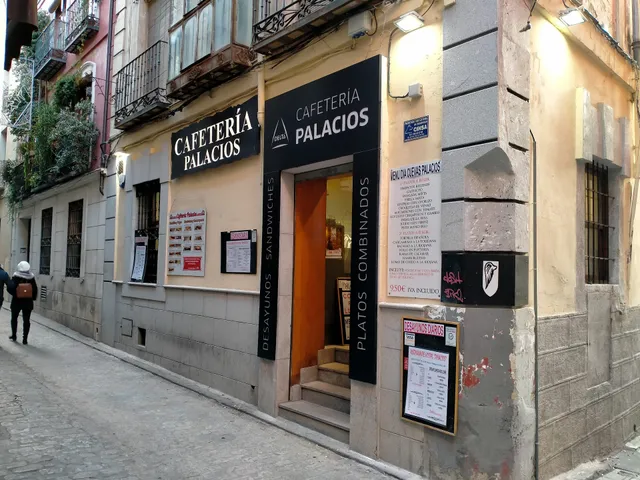
CAFETERIA PALACIOS
4.1
(902)
$
Open until 4:00 PM
Click for details
Nearby local services of Iglesia de los Jesuitas (San Ildefonso)
Museo de los Concilios y la Cultura Visigoda
El pozo de los deseos R.Saavedra
Carrefour Express
Simón Artesanía
La Provisoría
Carmen Spain
Next Level Toledo
Cuartero House - Toledo - Since 1920
Convento de Santo Domingo El Antiguo
Vintage By López-Linares
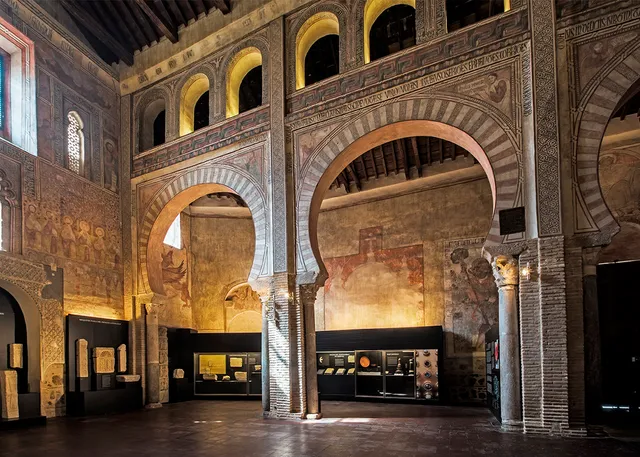
Museo de los Concilios y la Cultura Visigoda
4.6
(349)
Click for details
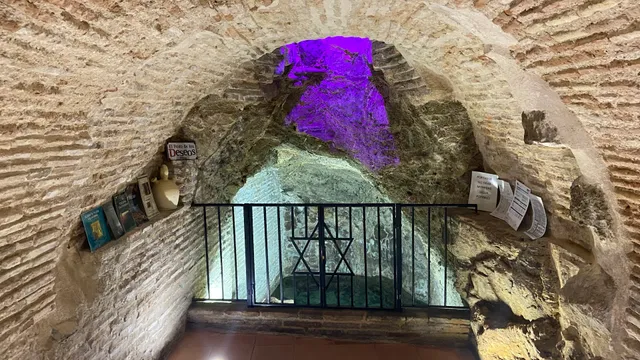
El pozo de los deseos R.Saavedra
4.6
(555)
Click for details
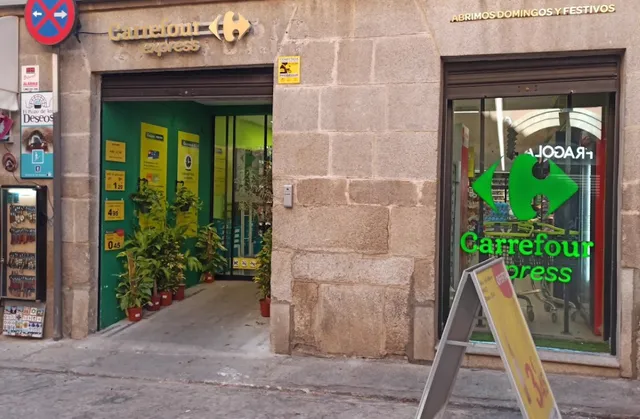
Carrefour Express
4.1
(280)
Click for details
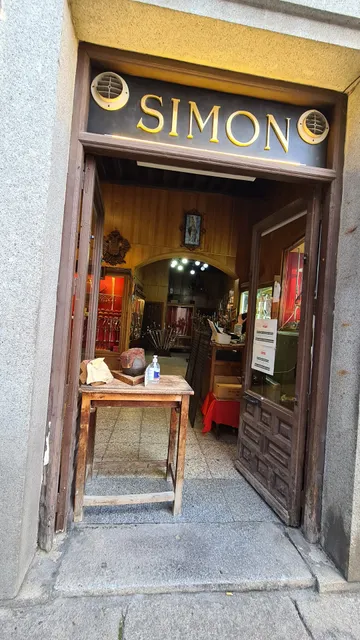
Simón Artesanía
4.9
(153)
Click for details