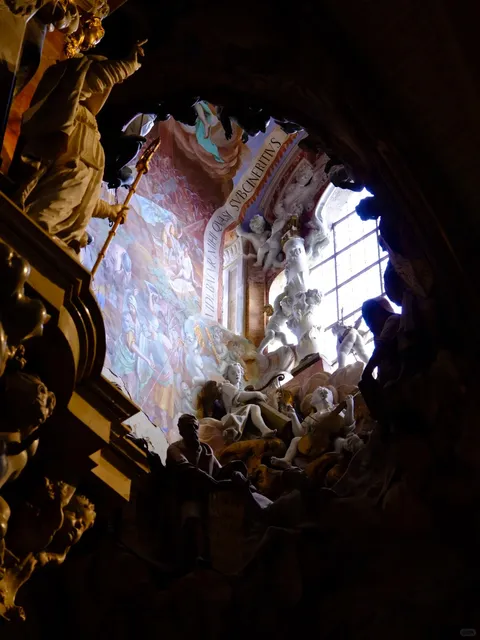
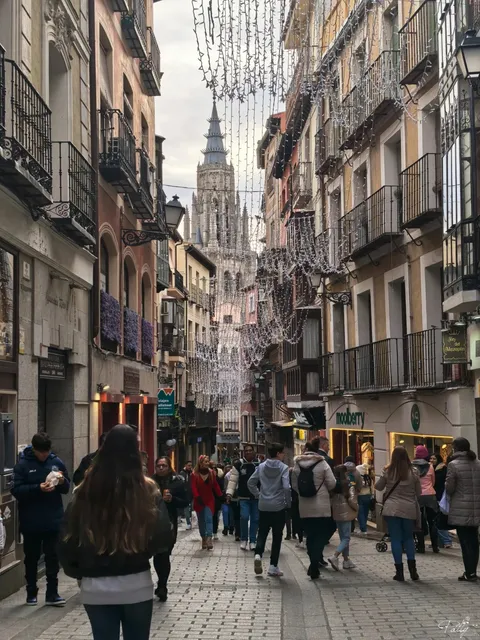
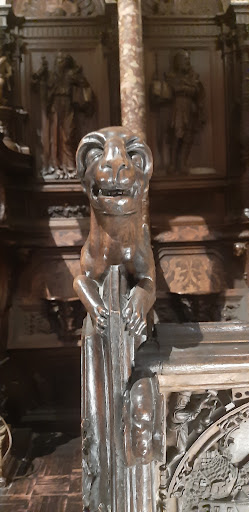
Santa Iglesia Catedral Primada de Toledo things to do, attractions, restaurants, events info and trip planning
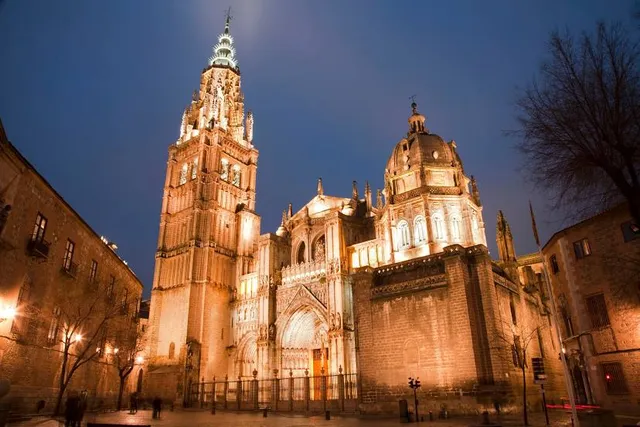
Basic Info
Santa Iglesia Catedral Primada de Toledo
Calle Cardenal Cisneros, 1, 45002 Toledo, Spain
4.7(14.1K)
Closed


tickets
Save
spot
spot
Ratings & Description
Info
The Primatial Cathedral of Saint Mary of Toledo, otherwise known as Toledo Cathedral, is a Roman Catholic church in Toledo, Spain. It is the seat of the Metropolitan Archdiocese of Toledo.
Cultural
Accessibility
attractions: MQM Museo del Queso Manchego Toledo, Alcázar de Toledo, Exposición Brujeria, Museum of the Templars, Teatro de Rojas, Iglesia de los Jesuitas (San Ildefonso), Army Museum, Museo de "La España Mágica", Círculo de Arte, TrainVision, restaurants: La Malquerida de la Trinidad, Taberna Skala, Taberna el Botero, Restaurante El Cobertizo, Street & Soul. Vegano - Vegetariano estricto. Restaurante en Toledo, Los Cuatro Tiempos | Restaurante en Toledo Casco, Restaurante El Rey Toledano, Bar Ludeña, Madre Tierra | Restaurante vegetariano - Vegano en Toledo, Restaurante la Tarasca, local businesses: Mercado Municipal, El pozo de los deseos R.Saavedra, Unide supermercado, ALE-HOP, Cuartero House - Toledo - Since 1920, Carrefour Express, Deheseo l Jamón Ibérico de bellota y productos ibéricos de bellota de Extremadura, Iro Iro Art, Juvi | Tienda de regalos | Artesanía de Toledo | Tienda de espadas, Artesanía Pinilla
 Learn more insights from Wanderboat AI.
Phone
+34 925 22 22 41
Website
catedralprimada.es
Open hoursSee all hours
Mon10 AM - 6:30 PMClosed
Plan your stay

Pet-friendly Hotels in Toledo
Find a cozy hotel nearby and make it a full experience.

Affordable Hotels in Toledo
Find a cozy hotel nearby and make it a full experience.

The Coolest Hotels You Haven't Heard Of (Yet)
Find a cozy hotel nearby and make it a full experience.

Trending Stays Worth the Hype in Toledo
Find a cozy hotel nearby and make it a full experience.
Reviews
Live events
Candlelight: Lo Mejor de Ludovico Einaudi
Sat, Feb 28 • 5:00 PM
Calle de los Concilios, 1, Toledo, 45005
View details
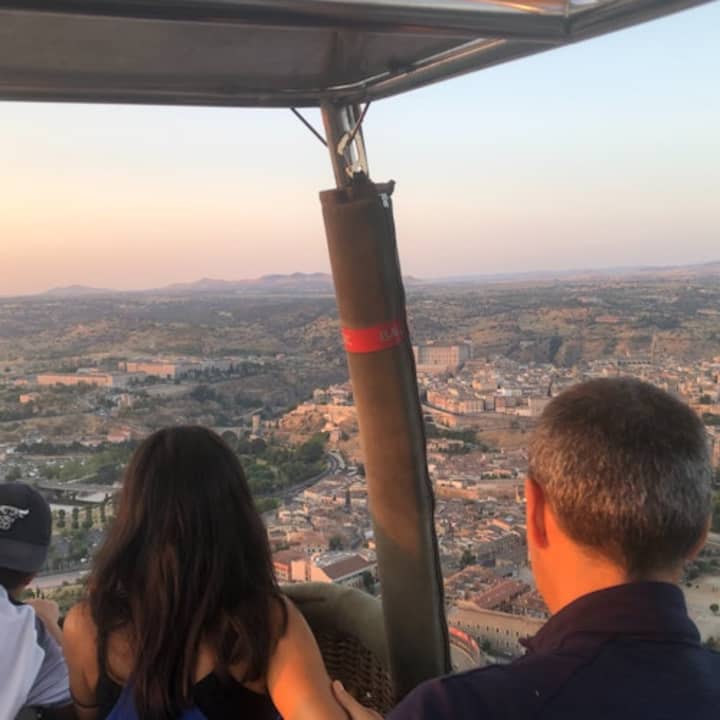
Vuelo en globo con desayuno y cava en Toledo
Mon, Feb 23 • 7:00 AM
Calle Tornerías, 19, Toledo, 45001
View details
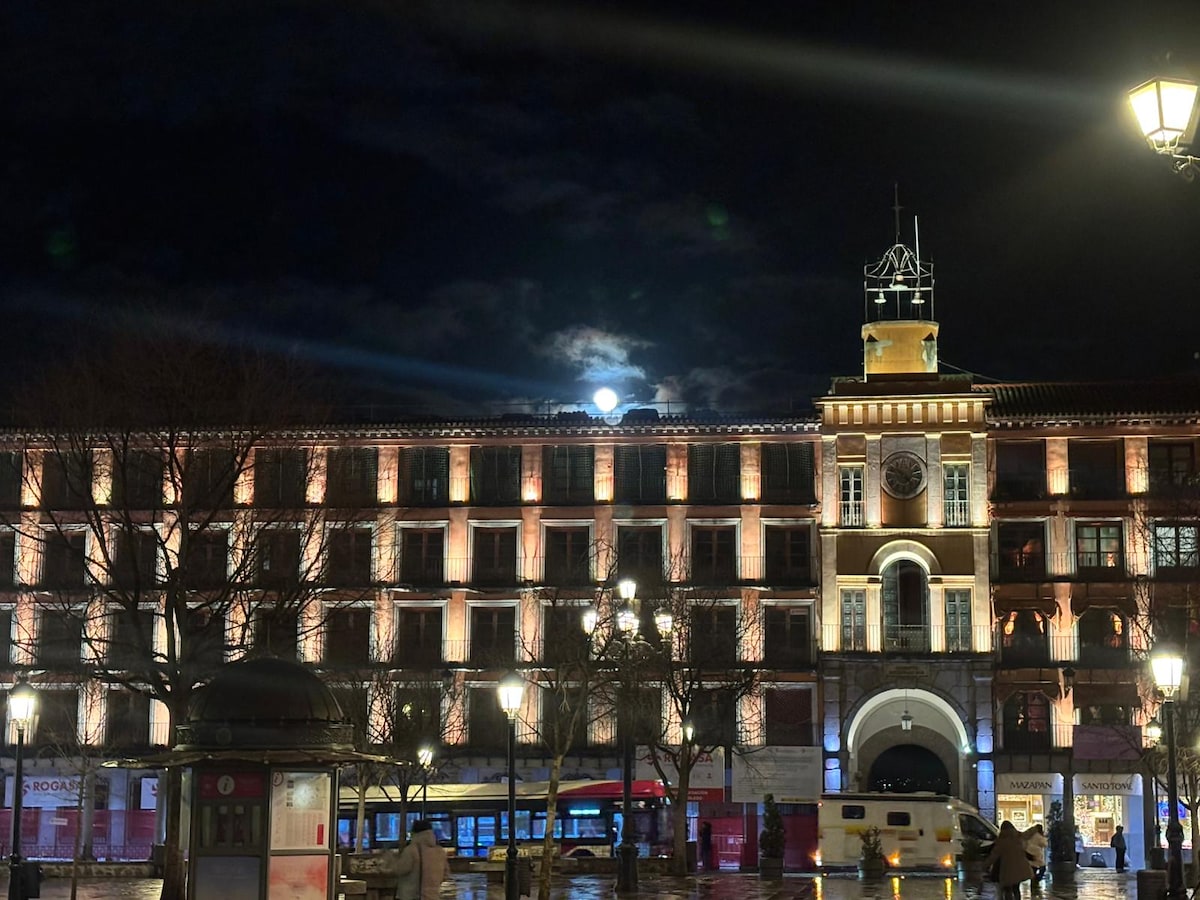
Night Tour: Mysteries, Legends and Undergrounds
Mon, Feb 23 • 7:00 PM
45001, Toledo, Castile-La Mancha, Spain
View details
Nearby attractions of Santa Iglesia Catedral Primada de Toledo
MQM Museo del Queso Manchego Toledo
Alcázar de Toledo
Exposición Brujeria
Museum of the Templars
Teatro de Rojas
Iglesia de los Jesuitas (San Ildefonso)
Army Museum
Museo de "La España Mágica"
Círculo de Arte
TrainVision
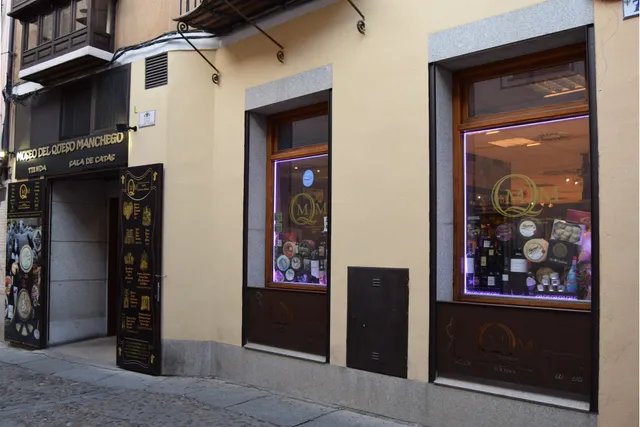
MQM Museo del Queso Manchego Toledo
4.8
(1.2K)
Open until 12:00 AM
Click for details
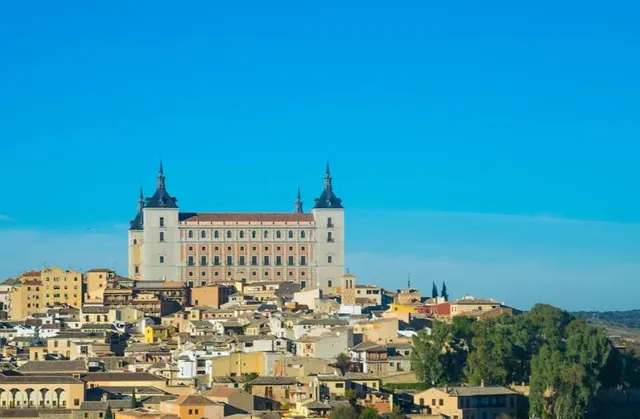
Alcázar de Toledo
4.6
(13.8K)
Open until 12:00 AM
Click for details
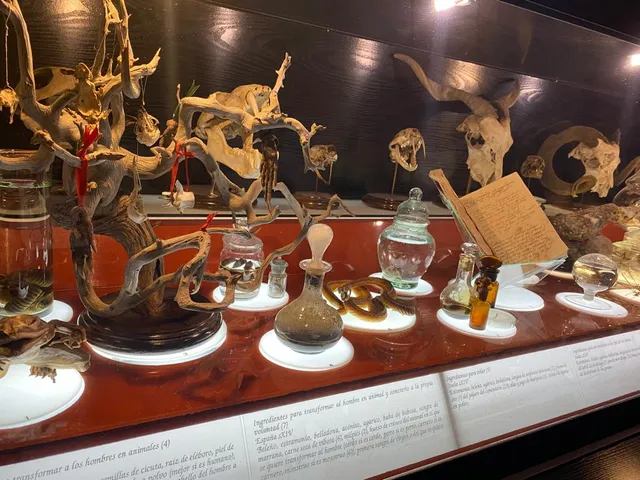
Exposición Brujeria
3.9
(790)
Closed
Click for details
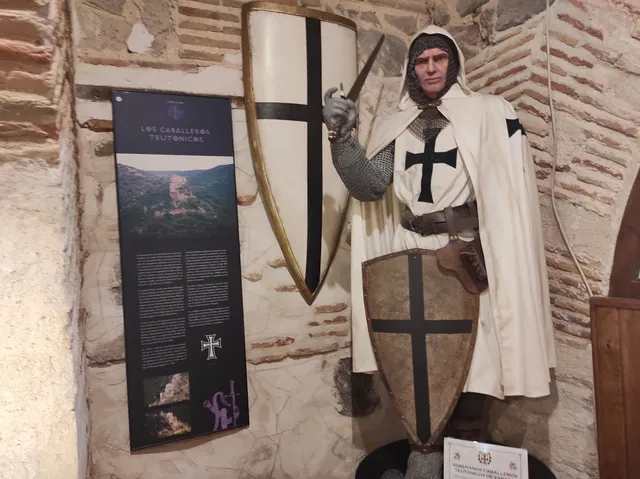
Museum of the Templars
3.1
(417)
Closed
Click for details
Nearby restaurants of Santa Iglesia Catedral Primada de Toledo
La Malquerida de la Trinidad
Taberna Skala
Taberna el Botero
Restaurante El Cobertizo
Street & Soul. Vegano - Vegetariano estricto. Restaurante en Toledo
Los Cuatro Tiempos | Restaurante en Toledo Casco
Restaurante El Rey Toledano
Bar Ludeña
Madre Tierra | Restaurante vegetariano - Vegano en Toledo
Restaurante la Tarasca
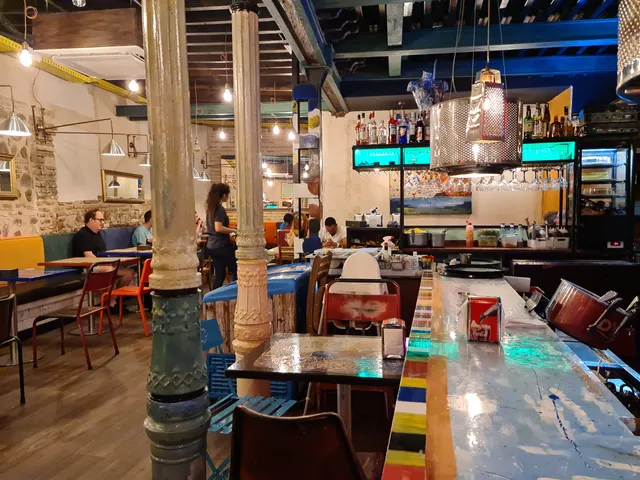
La Malquerida de la Trinidad
4.4
(2.7K)
$
Open until 1:30 AM
Click for details
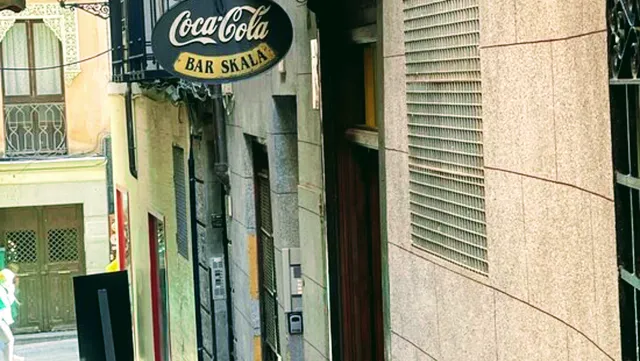
Taberna Skala
4.6
(1.9K)
$
Closed
Click for details
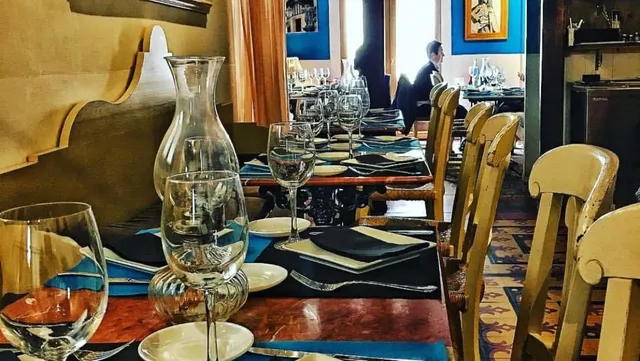
Taberna el Botero
4.6
(1.4K)
$$
Open until 1:00 AM
Click for details
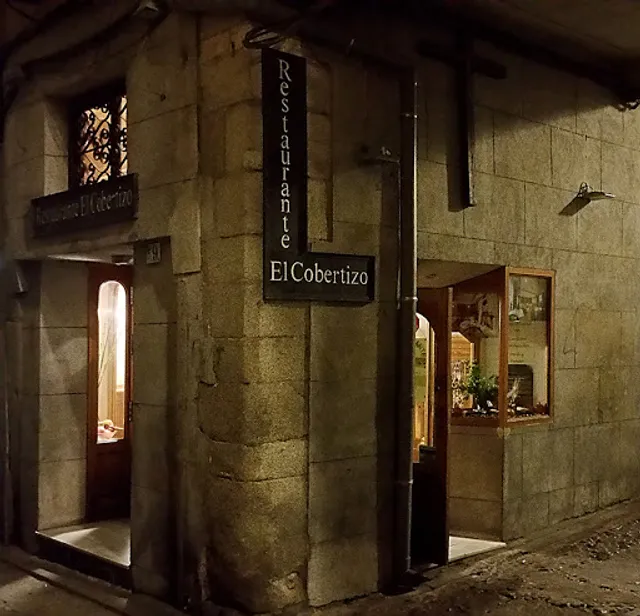
Restaurante El Cobertizo
4.5
(688)
$$
Closed
Click for details
Nearby local services of Santa Iglesia Catedral Primada de Toledo
Mercado Municipal
El pozo de los deseos R.Saavedra
Unide supermercado
ALE-HOP
Cuartero House - Toledo - Since 1920
Carrefour Express
Deheseo l Jamón Ibérico de bellota y productos ibéricos de bellota de Extremadura
Iro Iro Art
Juvi | Tienda de regalos | Artesanía de Toledo | Tienda de espadas
Artesanía Pinilla
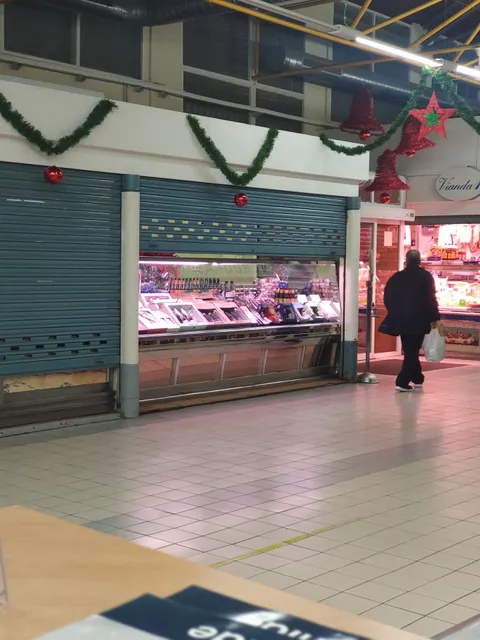
Mercado Municipal
4.0
(375)
Click for details
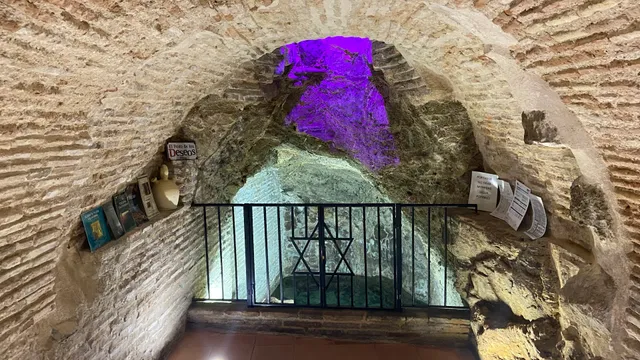
El pozo de los deseos R.Saavedra
4.6
(555)
Click for details
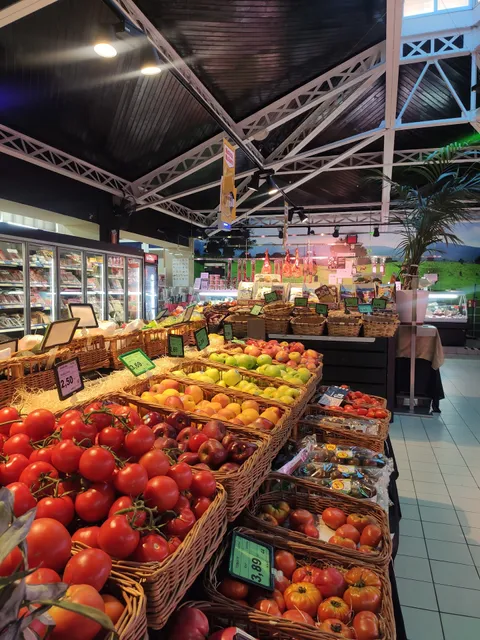
Unide supermercado
3.9
(216)
Click for details
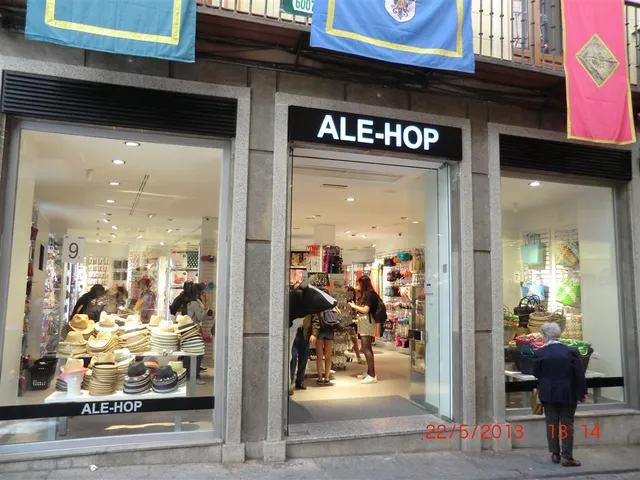
ALE-HOP
4.2
(284)
Click for details