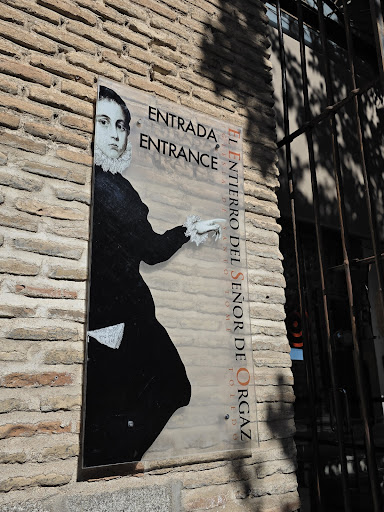
HTML SitemapExplore
logo
Find Things to DoFind The Best Restaurants

Iglesia de Santo Tomé — Attraction in Toledo

Name
Iglesia de Santo Tomé
Description
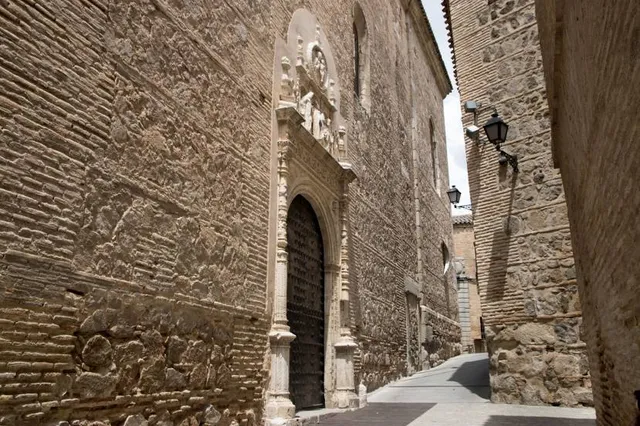
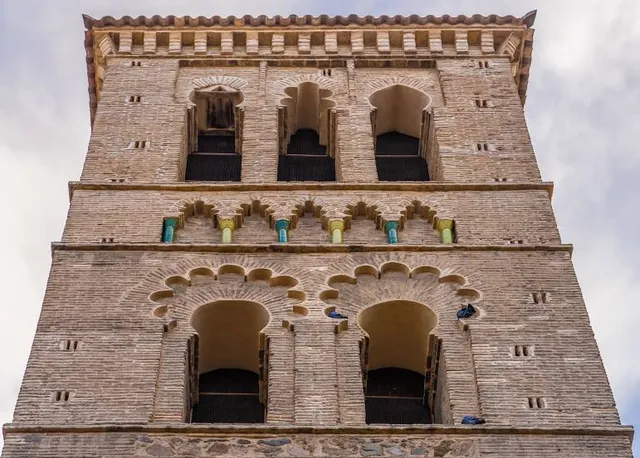
The Iglesia de Santo Tomé is a church located in the historical center of the city of Toledo, and was founded after the reconquest of this city by King Alfonso VI of León. It appears quoted in the 12th century, as constructed on the site of an old mosque of the 11th century.
Nearby attractions
Museo de El Greco
P.º del Tránsito, s/n, 45002 Toledo, Spain
Sinagoga del Tránsito
C. Samuel Levi, s / n, 45002 Toledo, Spain
Museum of Torture
C. de Alfonso XII, 24 BIS, 45002 Toledo, Spain
Sinagoga de Santa María La Blanca
C. de los Reyes Católicos, 4, 45002 Toledo, Spain
Convento de San Antonio de Padua, Toledo
Pl. San Antonio, 45002 Toledo, Spain
Palacio de Fuensalida
Pl. del Conde, 5, 45002 Toledo, Spain
Monasterio de San Juan de los Reyes
C. de los Reyes Católicos, 17, 45002 Toledo, Spain
Santa Iglesia Catedral Primada de Toledo
Calle Cardenal Cisneros, 1, 45002 Toledo, Spain
Museo Taller del Moro
C. Taller del Moro, 6, 45002 Toledo, Spain
Iglesia de los Jesuitas (San Ildefonso)
Pl. Padre Juan de Mariana, 1, 45002 Toledo, Spain
Nearby restaurants
Bar restaurante El 10 de Santo Tomé
C. de Santo Tomé, 10, 45002 Toledo, Spain
Restaurante Rinconcito Tap Station
C. de Santo Tomé, 30, 45002 Toledo, Spain
Lo Nuestro Taperia & Restaurante
C. San Juan de Dios, 7, 45002 Toledo, Spain
Restaurante La Orza
C. de Descalzos, 5, 45002 Toledo, Spain
Maruxiña Lounge
C. de Descalzos, 1, 45002 Toledo, Spain
Café Delfín
C. Taller del Moro, 1, 45002 Toledo, Spain
Mesón Las Tres JJJ
Tr.ª Aljibillo, 4, 45002 Toledo, Spain
Plácido Restaurante.
C. de Santo Tomé, 2, 45001 Toledo, Spain
Restaurante La Manuela Toledo
C. Taller del Moro, 5, 45001 Toledo, Spain
Restaurante Plaza del Conde
C. de Descalzos, 2, 45002 Toledo, Spain
Related posts
Keywords
Iglesia de Santo Tomé tourism.Iglesia de Santo Tomé hotels.Iglesia de Santo Tomé bed and breakfast. flights to Iglesia de Santo Tomé.Iglesia de Santo Tomé attractions.Iglesia de Santo Tomé restaurants.Iglesia de Santo Tomé travel.Iglesia de Santo Tomé travel guide.Iglesia de Santo Tomé travel blog.Iglesia de Santo Tomé pictures.Iglesia de Santo Tomé photos.Iglesia de Santo Tomé travel tips.Iglesia de Santo Tomé maps.Iglesia de Santo Tomé things to do.
Iglesia de Santo Tomé things to do, attractions, restaurants, events info and trip planning
Iglesia de Santo Tomé
SpainCastile-La ManchaToledoIglesia de Santo Tomé

Basic Info

Iglesia de Santo Tomé

Pl. del Conde, 4, 45002 Toledo, Spain
4.4(2.7K)
Closed
Save
spot

Ratings & Description

Info

The Iglesia de Santo Tomé is a church located in the historical center of the city of Toledo, and was founded after the reconquest of this city by King Alfonso VI of León. It appears quoted in the 12th century, as constructed on the site of an old mosque of the 11th century.

Cultural
Accessibility
attractions: Museo de El Greco, Sinagoga del Tránsito, Museum of Torture, Sinagoga de Santa María La Blanca, Convento de San Antonio de Padua, Toledo, Palacio de Fuensalida, Monasterio de San Juan de los Reyes, Santa Iglesia Catedral Primada de Toledo, Museo Taller del Moro, Iglesia de los Jesuitas (San Ildefonso), restaurants: Bar restaurante El 10 de Santo Tomé, Restaurante Rinconcito Tap Station, Lo Nuestro Taperia & Restaurante, Restaurante La Orza, Maruxiña Lounge, Café Delfín, Mesón Las Tres JJJ, Plácido Restaurante., Restaurante La Manuela Toledo, Restaurante Plaza del Conde
logoLearn more insights from Wanderboat AI.
Phone
+34 925 25 60 98
Website
toledomonumental.com
Open hoursSee all hours
Fri10 AM - 5:45 PMClosed

Plan your stay

hotel
Pet-friendly Hotels in Toledo
Find a cozy hotel nearby and make it a full experience.

hotel
Affordable Hotels in Toledo
Find a cozy hotel nearby and make it a full experience.

hotel
The Coolest Hotels You Haven't Heard Of (Yet)
Find a cozy hotel nearby and make it a full experience.

hotel
Trending Stays Worth the Hype in Toledo
Find a cozy hotel nearby and make it a full experience.

Reviews

Nearby attractions of Iglesia de Santo Tomé

Museo de El Greco

Sinagoga del Tránsito

Museum of Torture

Sinagoga de Santa María La Blanca

Convento de San Antonio de Padua, Toledo

Palacio de Fuensalida

Monasterio de San Juan de los Reyes

Santa Iglesia Catedral Primada de Toledo

Museo Taller del Moro

Iglesia de los Jesuitas (San Ildefonso)

Museo de El Greco

Museo de El Greco

4.4

(2.6K)

Open 24 hours
Click for details
Sinagoga del Tránsito

Sinagoga del Tránsito

4.5

(2.1K)

Closed
Click for details
Museum of Torture

Museum of Torture

4.0

(924)

Closed
Click for details
Sinagoga de Santa María La Blanca

Sinagoga de Santa María La Blanca

4.1

(3K)

Open 24 hours
Click for details

Things to do nearby

Vuelo en globo con desayuno y cava en Toledo
Fri, Dec 5 • 7:00 AM
Calle Tornerías, 19, Toledo, 45001
View details
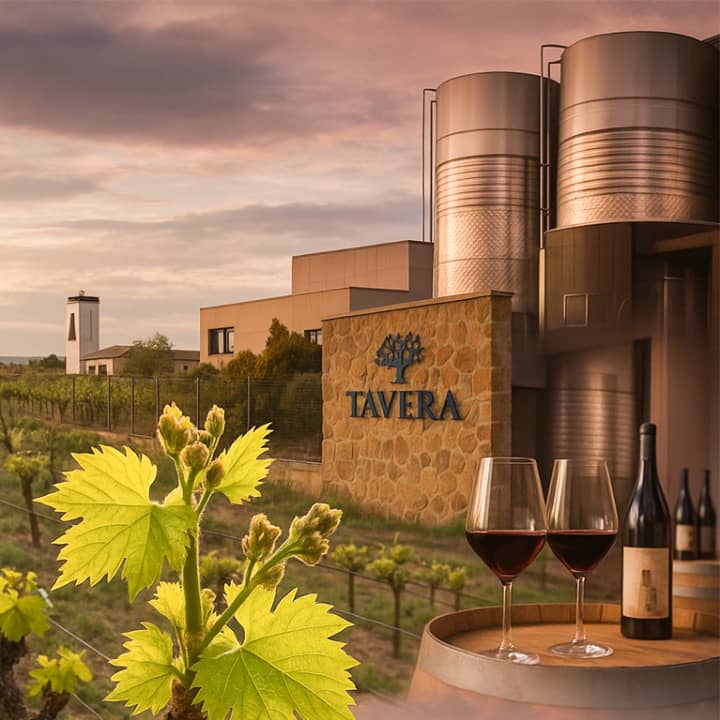
Bodega Tavera: Visita
Fri, Dec 5 • 12:00 PM
Carretera Valmojado, 0, Arcicóllar, 45182
View details
Toledo Audio Tour: A Tapestry of Toledo’s Sacred Past
Thu, Dec 4 • 4:00 AM
Convent of the Franciscan Conceptionists 1 C. Concepción, 45001 Toledo
View details

Nearby restaurants of Iglesia de Santo Tomé

Bar restaurante El 10 de Santo Tomé

Restaurante Rinconcito Tap Station

Lo Nuestro Taperia & Restaurante

Restaurante La Orza

Maruxiña Lounge

Café Delfín

Mesón Las Tres JJJ
Plácido Restaurante.

Restaurante La Manuela Toledo

Restaurante Plaza del Conde

Bar restaurante El 10 de Santo Tomé

Bar restaurante El 10 de Santo Tomé

3.9

(1.2K)

Click for details
Restaurante Rinconcito Tap Station

Restaurante Rinconcito Tap Station

4.5

(880)

Click for details
Lo Nuestro Taperia & Restaurante

Lo Nuestro Taperia & Restaurante

4.5

(1.1K)

Click for details
Restaurante La Orza

Restaurante La Orza

4.5

(966)

$$$

Click for details
Get the Appoverlay
Get the AppOne tap to find yournext favorite spots!
Wanderboat LogoWanderboat

Your everyday Al companion for getaway ideas

CompanyAbout Us
InformationAI Trip PlannerSitemap
SocialXInstagramTiktokLinkedin
LegalTerms of ServicePrivacy Policy

Get the app

© 2025 Wanderboat. All rights reserved.
logo

Reviews of Iglesia de Santo Tomé

4.4
(2,652)
avatar
4.0
9y

Church of Saint Tome: Faith, Art and Hope

To tell the truth, I had no plan to visit this church. There is a small cost of 2 and half euros. What attracted me to it was the yearning to see the death of the Count of Orgaz. I paid the small amount just to see this Masterpiece. The legend says that a gentleman named Gonzalo Ruiz of Toledo around the fifteen century financially supported the renovation of the church. In gratitude the population commissioned the paint of the burial of the Count of Orgaz. El Greco, a gifted artist and member of the congregation did the work. It is a profoundly touching painting and one can see the heavens above and the deathbed of the Count. Some said among the mourners is El Greco, third from the left. Concentrated on the people in the painting. They seemed so distant and so close. The church reflects the Mudejar and gothic styles of the times. First a Mosque, it was rebuilt in the 14th century. The building contained three tall arches and columns. Though the art from el Greco seems to be the main attraction, you should walk the church and truly study the architecture. For example, the two chapels are altars full of images baroque in nature. The instrument for baptismal ceremonies is ancient, dating to the 16th century. Impressive is also the image of the Virgin Mary, made from marble. The Chapel where the count is buried is the Chapel of the Conception. And this is where another interesting fact comes about. A legend says that when the count died, two angels came St. Stephen and St. Augustine. Hope flows out of the painting and from this church hope touches the traveler’s heart! Make sure to walk through the exterior tower and walk to the second floor. There is a cross with the letters alpha and omega, symbols of the Christian God. In the vicinity of the church there are museums, such as Museum of Greco. There are also inexpensive restaurants that offered good foods. The Locum Toledo had good food and offered small free tapas with my meal. You can spend about an hour in Santo Tome and spend the day in the area – a lots to...

   Read more
avatar
1.0
2y

My brother and I wanted to visit this church so we went to buy tickets and since I'm student my brother asked if there is student discount for me. The old man with beard who worked there selling tickets asked for European student card and since I didn't have it with myself I asked if I can enter with my student id from my country. He refused. We didn't know the prices for regular visitor so my brother gave him 10 euros. He returned first one euro and since he didn't return immediately another 5e change my brother thought that one ticket costs 9 euros so he gave him 50e to pay for himself. Then the man returned 5e, took 50e and asked my brother to pay for himself! My brother told him that he had already gave him 50e but the old man with beard pretended like he didn't. My brother tried to explain politely but that didn't work for this scammer. Then my brother got angry and started to shout. The woman which was some kind of boss of the old man with beard appeared and said that she doesn't speak English. We didn't want to give up and my brother said that he will call police, so the only way was to slam the table and the glass and to shout loudly so the old scammer gave up and give us back 40 euro. In anger we didn't pick up our tickets and visit the church. Everyone should be aware when trying to buy ticket at this place! Can't believe this is happening in a...

   Read more
avatar
5.0
27w

A Must-See Masterpiece of Spanish Art (Versión en español abajo)

Visiting the Iglesia de Santo Tomé in Toledo is an unforgettable experience, thanks to its most famous treasure: El Greco's "The Burial of the Count of Orgaz". This painting is not just a highlight of Spanish Renaissance art, but a spiritual and cultural landmark with deep layers of meaning.

The church itself is humble and quiet, but the moment you enter the chapel housing this painting, you're immediately struck by its sheer scale, detail, and mysticism. El Greco masterfully combines the celestial with the earthly: the upper part of the canvas depicts a swirling, visionary heaven with Christ, the Virgin Mary, and Saint John the Baptist, while the lower half presents the Count’s funeral, grounded in realism and local nobility.

Some tips for interpreting the work:

Look at the duality: Heaven above and earth below are rendered in completely different styles. The divine realm is elongated and ethereal; the earthly scene is more naturalistic.

Spot El Greco’s son: Jorge Manuel appears in the bottom left, pointing to the miraculous moment.

Find El Greco himself: He subtly included his own likeness among the mourners, emphasizing his presence in this historical-religious narrative.

Notice the miracle: Saints Stephen and Augustine are seen physically lowering the Count into the tomb, a depiction of the miraculous legend that led to this commission.

Don't miss the soul: A small, ghostlike figure is rising from the Count’s body toward the heavens, an innovative and daring representation of the soul’s ascent.

The painting also serves as a social document, showing the Toledo elite and clerical figures of the time, making it a kind of spiritual group portrait of 16th-century Spain.

Be sure to read the inscription underneath for historical context, and try to visit in quieter hours to take it all in without distraction. Photography is permitted, but no flash.

Una obra maestra imprescindible del arte español

Visitar la Iglesia de Santo Tomé en Toledo es una experiencia inolvidable, gracias a su tesoro más famoso: "El Entierro del Señor de Orgaz" de El Greco. Este cuadro no solo es una joya del Renacimiento español, sino también un hito espiritual y cultural con múltiples niveles de interpretación.

La iglesia en sí es sencilla y tranquila, pero en cuanto se entra en la capilla que alberga la pintura, uno queda impresionado por su escala, detalle y misticismo. El Greco combina magistralmente lo celestial con lo terrenal: la parte superior del lienzo representa un cielo turbulento y visionario con Cristo, la Virgen María y San Juan Bautista, mientras que la parte inferior presenta el entierro del Señor de Orgaz con un realismo impactante.

Algunos consejos para interpretar la obra:

Fíjate en la dualidad: El cielo arriba y la tierra abajo están representados en estilos completamente distintos. Lo divino es alargado y etéreo; lo terrenal es más naturalista.

Localiza al hijo de El Greco: Jorge Manuel aparece en la esquina inferior izquierda, señalando el momento milagroso.

Busca al propio El Greco: Se incluyó a sí mismo entre los asistentes al entierro, afirmando su presencia en esta narrativa histórico-religiosa.

Observa el milagro: San Esteban y San Agustín bajan físicamente al Conde al sepulcro, una representación del milagro que dio origen al encargo de la pintura.

No te pierdas el alma: Una pequeña figura fantasmal asciende del cuerpo del Conde hacia el cielo, una representación innovadora y audaz del alma elevándose.

El cuadro también funciona como documento social, retratando a la élite toledana y a figuras eclesiásticas de la época, convirtiéndolo en una especie de retrato espiritual colectivo del siglo XVI.

No dejes de leer la inscripción que hay debajo para comprender mejor el contexto histórico, y si puedes, visita en horas menos concurridas para disfrutarlo con más calma. Se permite hacer fotos,...

   Read more
Page 1 of 7
Previous
Next

Posts

Selman DSelman D
A Must-See Masterpiece of Spanish Art (Versión en español abajo) Visiting the Iglesia de Santo Tomé in Toledo is an unforgettable experience, thanks to its most famous treasure: El Greco's "The Burial of the Count of Orgaz". This painting is not just a highlight of Spanish Renaissance art, but a spiritual and cultural landmark with deep layers of meaning. The church itself is humble and quiet, but the moment you enter the chapel housing this painting, you're immediately struck by its sheer scale, detail, and mysticism. El Greco masterfully combines the celestial with the earthly: the upper part of the canvas depicts a swirling, visionary heaven with Christ, the Virgin Mary, and Saint John the Baptist, while the lower half presents the Count’s funeral, grounded in realism and local nobility. Some tips for interpreting the work: Look at the duality: Heaven above and earth below are rendered in completely different styles. The divine realm is elongated and ethereal; the earthly scene is more naturalistic. Spot El Greco’s son: Jorge Manuel appears in the bottom left, pointing to the miraculous moment. Find El Greco himself: He subtly included his own likeness among the mourners, emphasizing his presence in this historical-religious narrative. Notice the miracle: Saints Stephen and Augustine are seen physically lowering the Count into the tomb, a depiction of the miraculous legend that led to this commission. Don't miss the soul: A small, ghostlike figure is rising from the Count’s body toward the heavens, an innovative and daring representation of the soul’s ascent. The painting also serves as a social document, showing the Toledo elite and clerical figures of the time, making it a kind of spiritual group portrait of 16th-century Spain. Be sure to read the inscription underneath for historical context, and try to visit in quieter hours to take it all in without distraction. Photography is permitted, but no flash. --- Una obra maestra imprescindible del arte español Visitar la Iglesia de Santo Tomé en Toledo es una experiencia inolvidable, gracias a su tesoro más famoso: "El Entierro del Señor de Orgaz" de El Greco. Este cuadro no solo es una joya del Renacimiento español, sino también un hito espiritual y cultural con múltiples niveles de interpretación. La iglesia en sí es sencilla y tranquila, pero en cuanto se entra en la capilla que alberga la pintura, uno queda impresionado por su escala, detalle y misticismo. El Greco combina magistralmente lo celestial con lo terrenal: la parte superior del lienzo representa un cielo turbulento y visionario con Cristo, la Virgen María y San Juan Bautista, mientras que la parte inferior presenta el entierro del Señor de Orgaz con un realismo impactante. Algunos consejos para interpretar la obra: Fíjate en la dualidad: El cielo arriba y la tierra abajo están representados en estilos completamente distintos. Lo divino es alargado y etéreo; lo terrenal es más naturalista. Localiza al hijo de El Greco: Jorge Manuel aparece en la esquina inferior izquierda, señalando el momento milagroso. Busca al propio El Greco: Se incluyó a sí mismo entre los asistentes al entierro, afirmando su presencia en esta narrativa histórico-religiosa. Observa el milagro: San Esteban y San Agustín bajan físicamente al Conde al sepulcro, una representación del milagro que dio origen al encargo de la pintura. No te pierdas el alma: Una pequeña figura fantasmal asciende del cuerpo del Conde hacia el cielo, una representación innovadora y audaz del alma elevándose. El cuadro también funciona como documento social, retratando a la élite toledana y a figuras eclesiásticas de la época, convirtiéndolo en una especie de retrato espiritual colectivo del siglo XVI. No dejes de leer la inscripción que hay debajo para comprender mejor el contexto histórico, y si puedes, visita en horas menos concurridas para disfrutarlo con más calma. Se permite hacer fotos, pero sin flash.
Set ContrerasSet Contreras
La iglesia de Santo Tomé o de Santo Tomás Apóstol se encuentra ubicada en el centro histórico de la ciudad española de Toledo, y fue fundada después de la reconquista de esta ciudad por el rey Alfonso VI de León.​ Aparece citada en el siglo XII, como construida sobre el solar de una antigua mezquita del siglo XI.​ Esta mezquita junto con otras de la ciudad fueron utilizadas como iglesias cristianas sin grandes cambios, ya que en la toma de la ciudad no hubo destrucción de edificios. Sin embargo, a principios del siglo XIV, por encontrarse en estado ruinoso fue totalmente reedificada a cargo de Gonzalo Ruiz de Toledo, señor de Orgaz y se transformó el antiguo alminar de la mezquita en campanario en estilo mudéjar. Su fama se debe sobre todo por albergar en su interior, el cuadro El entierro del Conde de Orgaz de El Greco, que puede contemplarse accediendo por la parte posterior de la iglesia. Según una leyenda, en su enterramiento aparecieron san Esteban y san Agustín para colocarlo en su sepultura, el mencionado milagro es el que se representa sobre su tumba, la pintura El entierro del conde de Orgaz realizada por El Greco en 1586 por encargo del que era en ese tiempo párroco de la iglesia Andrés Núñez de Toledo, el cual para esta ocasión hizo reformas en la mencionada capilla. Las reformas constituyeron la creación de una nueva planta cuadrangular cubierta por una bóveda de media esfera y en los muros adosar cuatro arcos de medio punto, dentro de uno de ellos se colocó una lápida grabada con la explicación del milagro y encima de ella, adaptándose al arco de la pared, la pintura. La inscripción del epitafio en latín y letras doradas sobre mármol negro fue realizada por Alvar Gómez de Castro. Al Dios de los vivos y de los difuntos Aunque vayas deprisa, detente un poco, caminante , y escucha en muy pocas palabras una antigua historia de nuestra ciudad. D. Gonzalo Ruiz de Toledo, Señor de la villa de Orgaz y Notario mayor de Castilla, entre otras pruebas que nos dejó de su piedad, cuidó de que á su costa se restaurase con mayor amplitud esta iglesia que estas viendo de Santo Tomás Apóstol, antes angosta y mal fabricada, en la cual ordenó por su testamento le diesen sepultura, y la hizo además donativos de oro y plata. Cuando los sacerdotes se preparaban á enterrarle ¡mira que cosa tan rara y maravillosa! San Esteban y San Agustín bajan del cielo y le sepultan con sus propias manos. ¿Cuál pudo ser la causa que impulsase a estos Santos? Por cuanto sería largo de contar, no están muy lejos de aquí los religiosos Agustinos; si tienes tiempo vé allá y pregunta, que ellos te lo dirán. Falleció año de Cristo 1312.Ya has oído los efectos de la gratitud de los habitantes del cielo; oye ahora la inconstancia de los mortales. El mismo Gonzalo mandó en su testamento que los vecinos de Orgaz pagasen todos los años para el cura, ministros y pobres de esta parroquia, 2 carneros, 16 gallinas, 2 pellejos de vino, 2 cargas de leña y 800 maravedises. Pero los tributarios esperando que el trascurso del tiempo habría oscurecido el derecho rehusaron estos años pasados satisfacer la manda, mas fueron competidos á hacerlo por sentencia de la Audiencia (ó Chancillería) de Valladolid, en el año de 1570 habiéndolo defendido valientemente Andrés Nuñez de Madrid, cura de este templo, y Pedro Ruiz Duro su mayordomo.
Παντελής ΔιαμάντηςΠαντελής Διαμάντης
The Church of Santo Tomé may look modest from the outside, but it houses one of the most extraordinary paintings in Western art. “The Burial of the Count of Orgaz” by El Greco. Painted in 1586, this monumental work combines spiritual symbolism with realistic portraiture, depicting a miraculous scene where Saint Stephen and Saint Augustine descend from heaven to bury the nobleman Don Gonzalo Ruiz de Toledo. What makes it so impressive is El Greco’s mastery of light and composition. The upper part represents the divine world, while the lower portrays the earthly one, perfectly merging heaven and earth. The church itself dates back to the 14th century, built on the site of a former mosque, and features a Mudejar-style tower that reflects Toledo’s blend of Christian and Islamic influences. A small but truly unforgettable stop for anyone interested in art, history, and spirituality.
See more posts
See more posts
hotel
Find your stay

Pet-friendly Hotels in Toledo

Find a cozy hotel nearby and make it a full experience.

A Must-See Masterpiece of Spanish Art (Versión en español abajo) Visiting the Iglesia de Santo Tomé in Toledo is an unforgettable experience, thanks to its most famous treasure: El Greco's "The Burial of the Count of Orgaz". This painting is not just a highlight of Spanish Renaissance art, but a spiritual and cultural landmark with deep layers of meaning. The church itself is humble and quiet, but the moment you enter the chapel housing this painting, you're immediately struck by its sheer scale, detail, and mysticism. El Greco masterfully combines the celestial with the earthly: the upper part of the canvas depicts a swirling, visionary heaven with Christ, the Virgin Mary, and Saint John the Baptist, while the lower half presents the Count’s funeral, grounded in realism and local nobility. Some tips for interpreting the work: Look at the duality: Heaven above and earth below are rendered in completely different styles. The divine realm is elongated and ethereal; the earthly scene is more naturalistic. Spot El Greco’s son: Jorge Manuel appears in the bottom left, pointing to the miraculous moment. Find El Greco himself: He subtly included his own likeness among the mourners, emphasizing his presence in this historical-religious narrative. Notice the miracle: Saints Stephen and Augustine are seen physically lowering the Count into the tomb, a depiction of the miraculous legend that led to this commission. Don't miss the soul: A small, ghostlike figure is rising from the Count’s body toward the heavens, an innovative and daring representation of the soul’s ascent. The painting also serves as a social document, showing the Toledo elite and clerical figures of the time, making it a kind of spiritual group portrait of 16th-century Spain. Be sure to read the inscription underneath for historical context, and try to visit in quieter hours to take it all in without distraction. Photography is permitted, but no flash. --- Una obra maestra imprescindible del arte español Visitar la Iglesia de Santo Tomé en Toledo es una experiencia inolvidable, gracias a su tesoro más famoso: "El Entierro del Señor de Orgaz" de El Greco. Este cuadro no solo es una joya del Renacimiento español, sino también un hito espiritual y cultural con múltiples niveles de interpretación. La iglesia en sí es sencilla y tranquila, pero en cuanto se entra en la capilla que alberga la pintura, uno queda impresionado por su escala, detalle y misticismo. El Greco combina magistralmente lo celestial con lo terrenal: la parte superior del lienzo representa un cielo turbulento y visionario con Cristo, la Virgen María y San Juan Bautista, mientras que la parte inferior presenta el entierro del Señor de Orgaz con un realismo impactante. Algunos consejos para interpretar la obra: Fíjate en la dualidad: El cielo arriba y la tierra abajo están representados en estilos completamente distintos. Lo divino es alargado y etéreo; lo terrenal es más naturalista. Localiza al hijo de El Greco: Jorge Manuel aparece en la esquina inferior izquierda, señalando el momento milagroso. Busca al propio El Greco: Se incluyó a sí mismo entre los asistentes al entierro, afirmando su presencia en esta narrativa histórico-religiosa. Observa el milagro: San Esteban y San Agustín bajan físicamente al Conde al sepulcro, una representación del milagro que dio origen al encargo de la pintura. No te pierdas el alma: Una pequeña figura fantasmal asciende del cuerpo del Conde hacia el cielo, una representación innovadora y audaz del alma elevándose. El cuadro también funciona como documento social, retratando a la élite toledana y a figuras eclesiásticas de la época, convirtiéndolo en una especie de retrato espiritual colectivo del siglo XVI. No dejes de leer la inscripción que hay debajo para comprender mejor el contexto histórico, y si puedes, visita en horas menos concurridas para disfrutarlo con más calma. Se permite hacer fotos, pero sin flash.
Selman D

Selman D

hotel
Find your stay

Affordable Hotels in Toledo

Find a cozy hotel nearby and make it a full experience.

Get the Appoverlay
Get the AppOne tap to find yournext favorite spots!
La iglesia de Santo Tomé o de Santo Tomás Apóstol se encuentra ubicada en el centro histórico de la ciudad española de Toledo, y fue fundada después de la reconquista de esta ciudad por el rey Alfonso VI de León.​ Aparece citada en el siglo XII, como construida sobre el solar de una antigua mezquita del siglo XI.​ Esta mezquita junto con otras de la ciudad fueron utilizadas como iglesias cristianas sin grandes cambios, ya que en la toma de la ciudad no hubo destrucción de edificios. Sin embargo, a principios del siglo XIV, por encontrarse en estado ruinoso fue totalmente reedificada a cargo de Gonzalo Ruiz de Toledo, señor de Orgaz y se transformó el antiguo alminar de la mezquita en campanario en estilo mudéjar. Su fama se debe sobre todo por albergar en su interior, el cuadro El entierro del Conde de Orgaz de El Greco, que puede contemplarse accediendo por la parte posterior de la iglesia. Según una leyenda, en su enterramiento aparecieron san Esteban y san Agustín para colocarlo en su sepultura, el mencionado milagro es el que se representa sobre su tumba, la pintura El entierro del conde de Orgaz realizada por El Greco en 1586 por encargo del que era en ese tiempo párroco de la iglesia Andrés Núñez de Toledo, el cual para esta ocasión hizo reformas en la mencionada capilla. Las reformas constituyeron la creación de una nueva planta cuadrangular cubierta por una bóveda de media esfera y en los muros adosar cuatro arcos de medio punto, dentro de uno de ellos se colocó una lápida grabada con la explicación del milagro y encima de ella, adaptándose al arco de la pared, la pintura. La inscripción del epitafio en latín y letras doradas sobre mármol negro fue realizada por Alvar Gómez de Castro. Al Dios de los vivos y de los difuntos Aunque vayas deprisa, detente un poco, caminante , y escucha en muy pocas palabras una antigua historia de nuestra ciudad. D. Gonzalo Ruiz de Toledo, Señor de la villa de Orgaz y Notario mayor de Castilla, entre otras pruebas que nos dejó de su piedad, cuidó de que á su costa se restaurase con mayor amplitud esta iglesia que estas viendo de Santo Tomás Apóstol, antes angosta y mal fabricada, en la cual ordenó por su testamento le diesen sepultura, y la hizo además donativos de oro y plata. Cuando los sacerdotes se preparaban á enterrarle ¡mira que cosa tan rara y maravillosa! San Esteban y San Agustín bajan del cielo y le sepultan con sus propias manos. ¿Cuál pudo ser la causa que impulsase a estos Santos? Por cuanto sería largo de contar, no están muy lejos de aquí los religiosos Agustinos; si tienes tiempo vé allá y pregunta, que ellos te lo dirán. Falleció año de Cristo 1312.Ya has oído los efectos de la gratitud de los habitantes del cielo; oye ahora la inconstancia de los mortales. El mismo Gonzalo mandó en su testamento que los vecinos de Orgaz pagasen todos los años para el cura, ministros y pobres de esta parroquia, 2 carneros, 16 gallinas, 2 pellejos de vino, 2 cargas de leña y 800 maravedises. Pero los tributarios esperando que el trascurso del tiempo habría oscurecido el derecho rehusaron estos años pasados satisfacer la manda, mas fueron competidos á hacerlo por sentencia de la Audiencia (ó Chancillería) de Valladolid, en el año de 1570 habiéndolo defendido valientemente Andrés Nuñez de Madrid, cura de este templo, y Pedro Ruiz Duro su mayordomo.
Set Contreras

Set Contreras

hotel
Find your stay

The Coolest Hotels You Haven't Heard Of (Yet)

Find a cozy hotel nearby and make it a full experience.

hotel
Find your stay

Trending Stays Worth the Hype in Toledo

Find a cozy hotel nearby and make it a full experience.

The Church of Santo Tomé may look modest from the outside, but it houses one of the most extraordinary paintings in Western art. “The Burial of the Count of Orgaz” by El Greco. Painted in 1586, this monumental work combines spiritual symbolism with realistic portraiture, depicting a miraculous scene where Saint Stephen and Saint Augustine descend from heaven to bury the nobleman Don Gonzalo Ruiz de Toledo. What makes it so impressive is El Greco’s mastery of light and composition. The upper part represents the divine world, while the lower portrays the earthly one, perfectly merging heaven and earth. The church itself dates back to the 14th century, built on the site of a former mosque, and features a Mudejar-style tower that reflects Toledo’s blend of Christian and Islamic influences. A small but truly unforgettable stop for anyone interested in art, history, and spirituality.
Παντελής Διαμάντης

Παντελής Διαμάντης

See more posts
See more posts