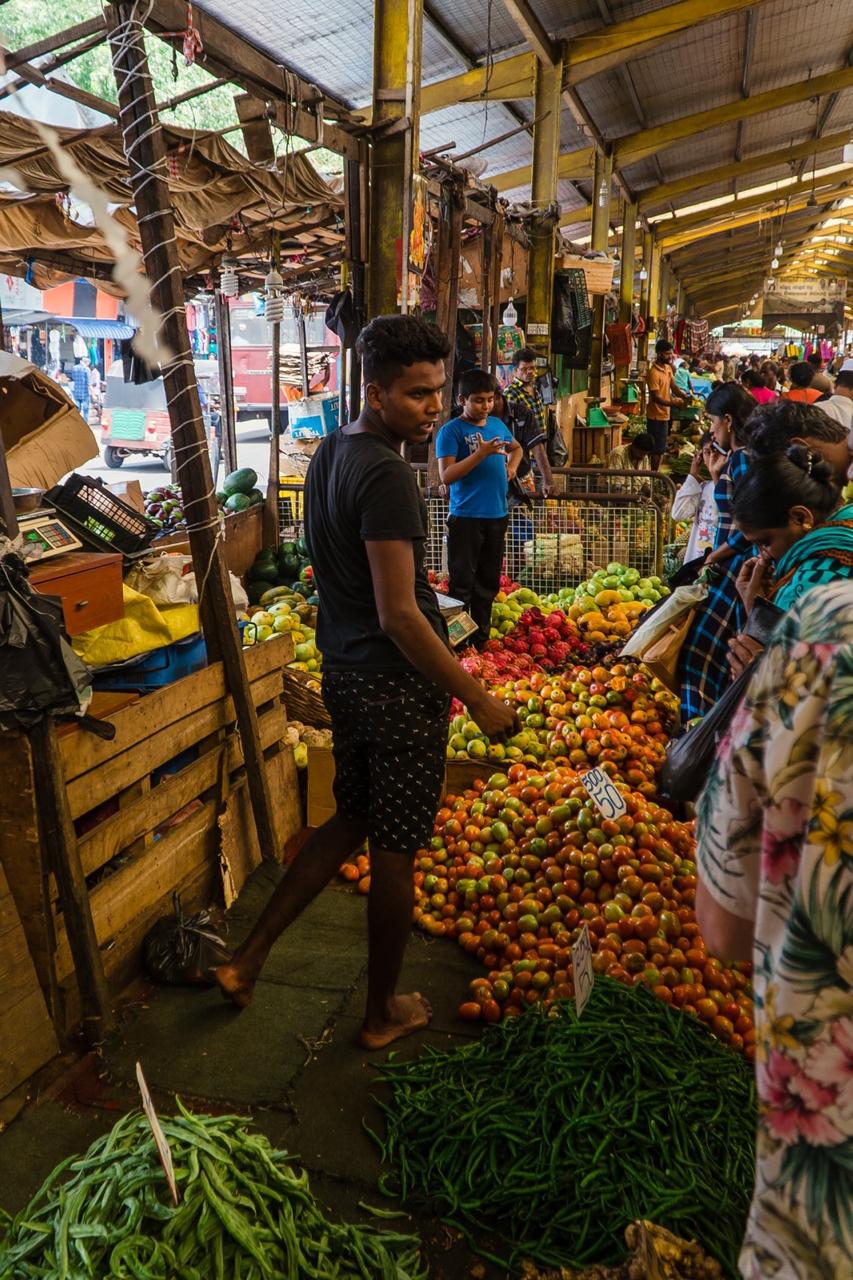
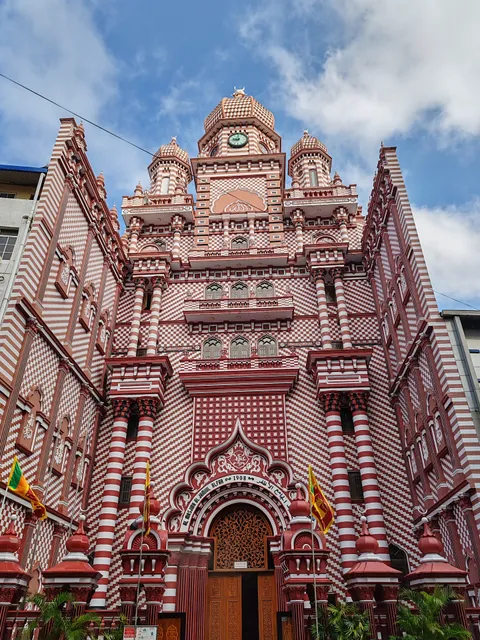
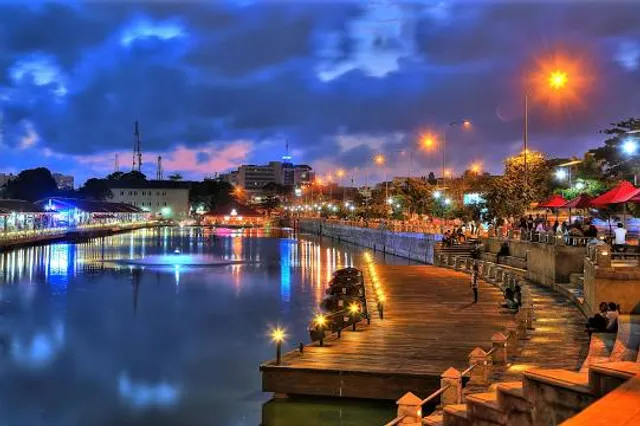
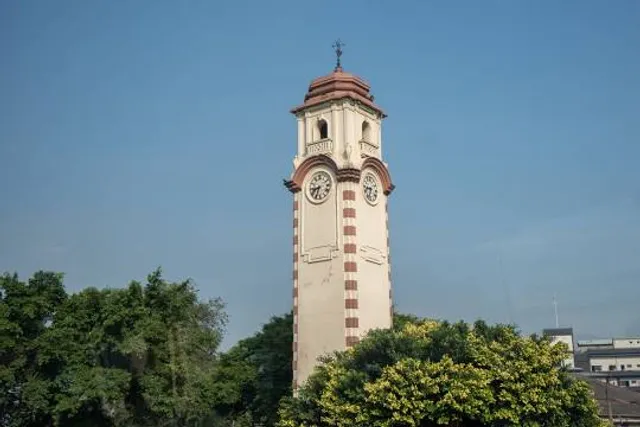
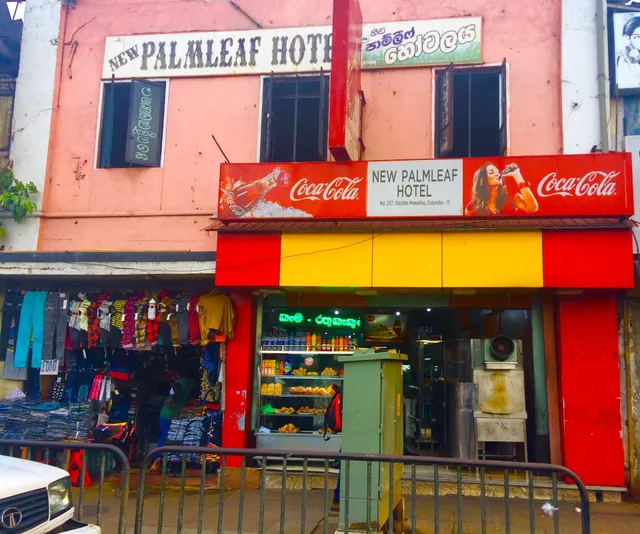
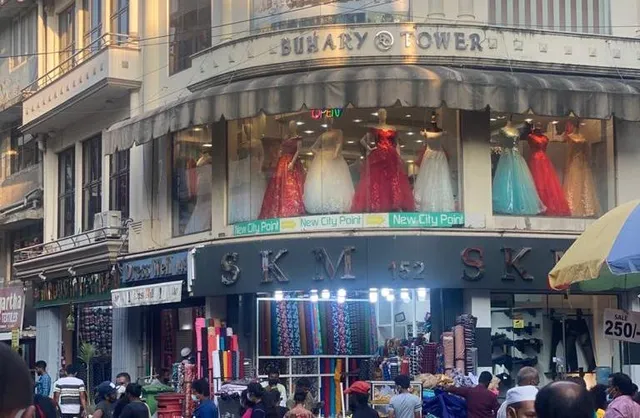
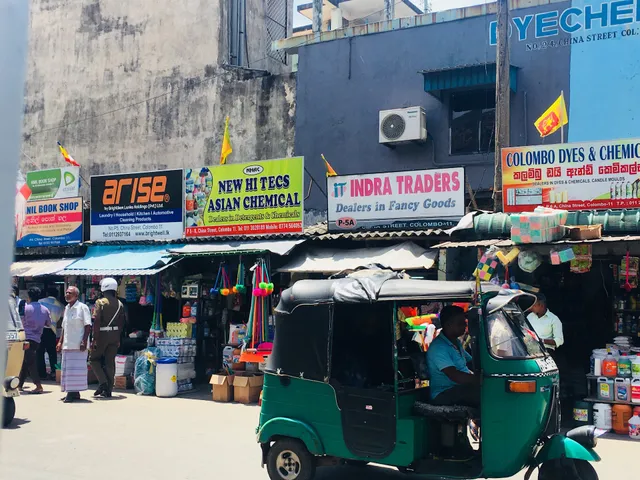
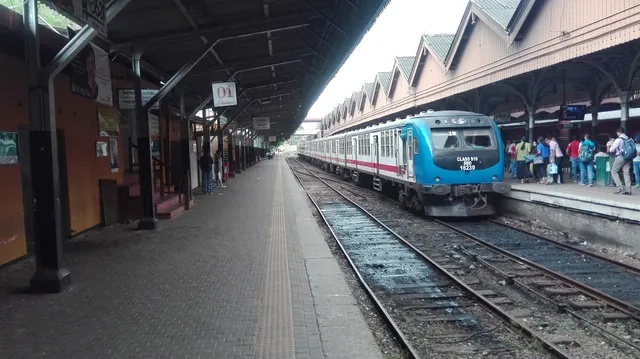
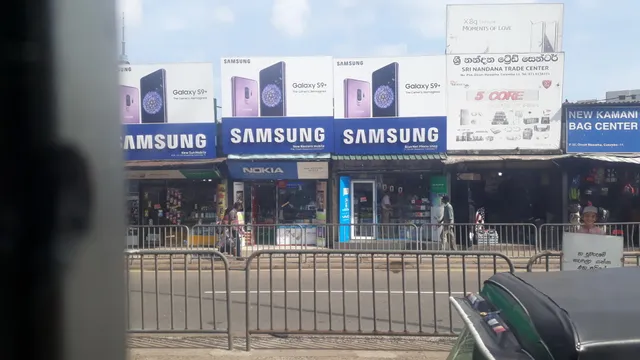
Pettah. It's the oldest, most interesting and perhaps most underrated (at least by Southern Colombars) part of the city. Whatever the more sheltered denizens of Colombo-South may think this teaming, multi-ethnic-warren remains the beating heart of the capital. Almost all the food we buy, a good proportion of the white goods/electronics we use and virtually all the piping, wiring, nuts, bolts and nails that hold together our homes, as well as every sock, hanky and hair clip you've ever bought passes through Pettah's complex wholesale/retail ecosystem at some point.
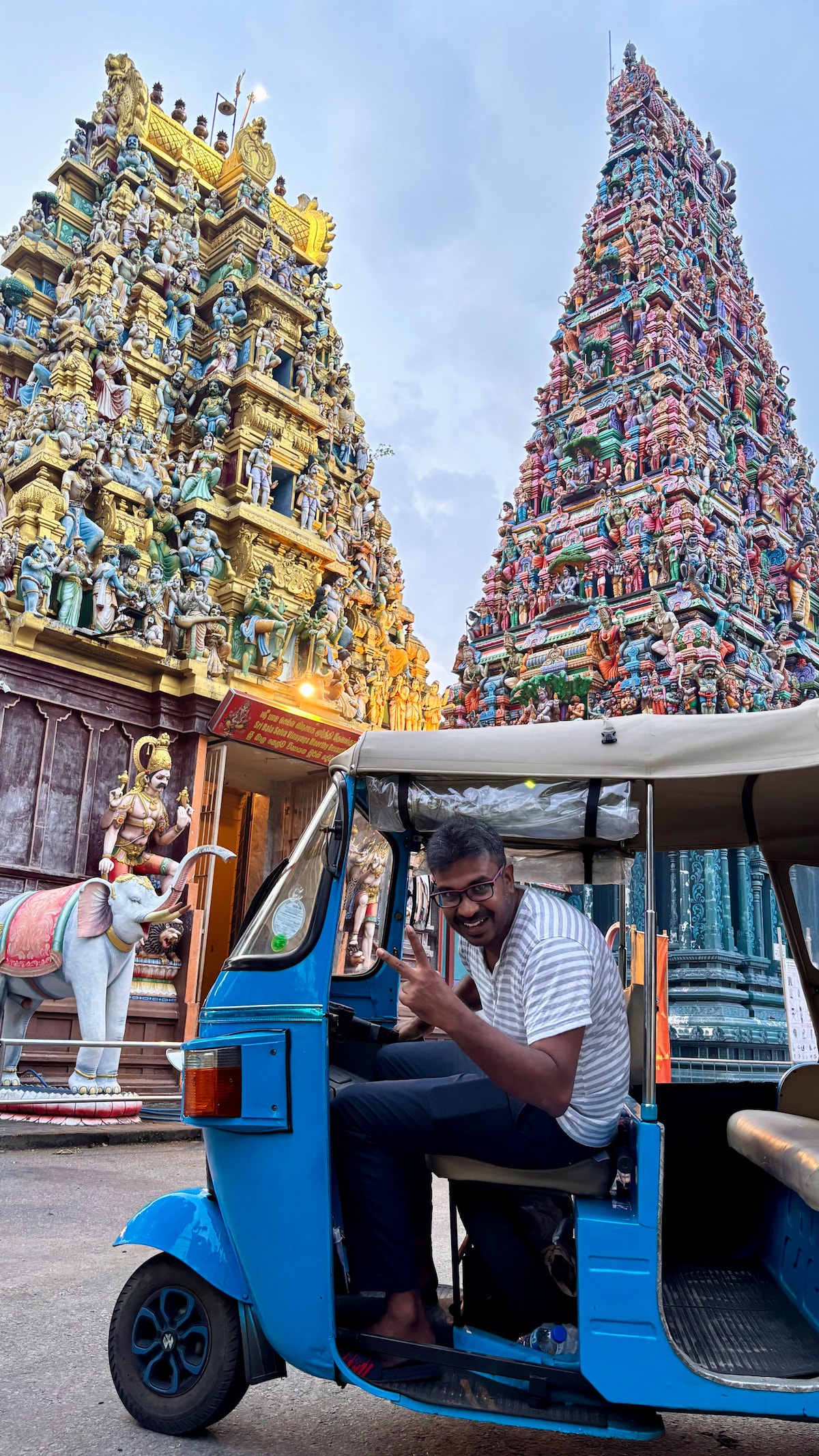
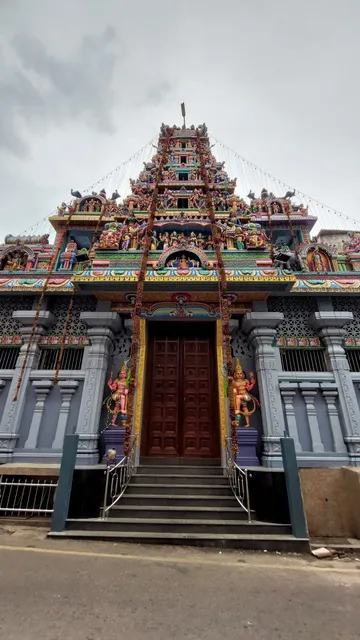
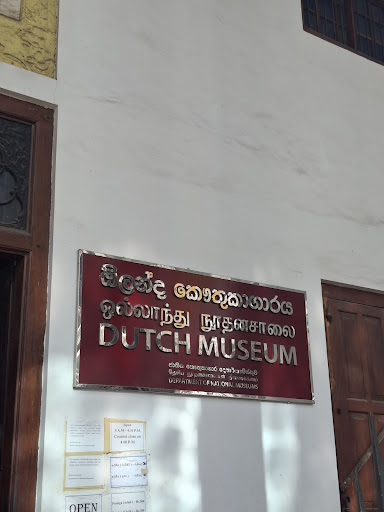
But Pettah is more than just food, hardware and clothes - anything you might possibly want, more or less everything that is imported in or exported out of this country, from medical equipment to Maldive fish, can be found somewhere in this port-side district and bazaar in one. More than just a market, however Pettah is home to the oldest residential communities in Colombo. Catholic saints stand next to Hindu temples, there are modern Mosques adjacent to ancient Dutch buildings and narrow roads and lanes that house an assortment of merchant-minority communities - Mehnons, Bohras, Gujratis, Afghans... Without any shadow of doubt this is the most fascinating part of our city but for a casual urban-explorer the frenetic mix of commerce and chaos can be almost overwhelming and this is what makes the Dutch Period Museum so special.
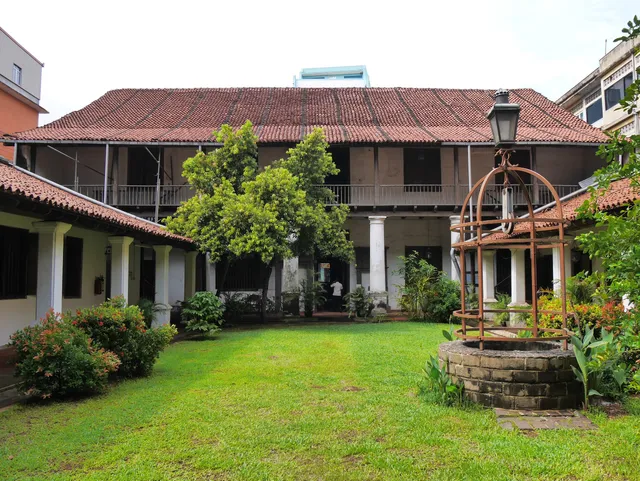
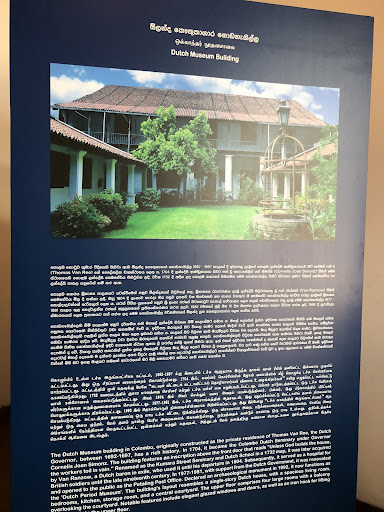
Down Princes street, off the ever-crowded 2nd cross-street this amazing and unlikely high-roofed, red-tiled, many columned 17th century Dutch-governor’s mansion is an absolute oasis. Saved from becoming a textile or plastic flower emporium by some far sighted administrators in the late 70’s it’s virtually the last Dutch era building in Pettah (along with Wolvendaal church) and quite possibly the best preserved Dutch building in the city. It might not have the Dutch Hospital’s gloss but it feels considerably more authentic and the moment you step through the arched wooden doors you enter another world and time.
The mansion’s thick walls and inward facing aspect keep Pettah’s cries and clamour at bay and from the ancient hall you look out onto the oldest meda midula or courtyard Garden in Colombo. There’s a solitary old cinnamon tree (symbolic as the Dutch came to Ceylon for Cinnamon), rows of honeysuckles and a lovely stone well on one edge of a well-tended lawn. A low veranda encloses the garden on three sides. It’s one of the most attractive and striking spaces in Colombo. Look closely and you’ll realize that it's this basic form- the columns and courtyard that Geoffrey Bawa would copy, reinterpret and replicate again and again in his world renowned designs.
While the museum's collection - headstones, dark, heavy Dutch furniture, the odd document and bits of Delft porcelain isn’t spectacular, just being able to stand in a space that someone from the 17th century would still recognize is worth the Rs 20 admission charge. The dusty upstairs with its creaking wooden floor and views over the garden and the modern warren that’s grown up around it is pretty thought provoking. The journey to the Museum will also take you through the center of Pettah - a quick reintroduction to a district that some more foolish Colombars have made the mistake...
Read moreDutch Period Museum: A Glimpse into Colonial Legacy
Nestled in the heart of Colombo, the Dutch Period Museum stands as a captivating window into Sri Lanka's colonial past. Housed within a charming 17th-century colonial building, the museum offers an immersive journey back in time to the era when Dutch influence shaped the island's history. As I entered the museum, I was immediately transported to a bygone era. The well-preserved artifacts, intricate furniture, and period-specific decor eloquently capture the essence of the Dutch colonial period. The exhibits provide a rich narrative of the interactions between the Dutch East India Company and the island's local culture, revealing the complexities and influences that have left an indelible mark on Sri Lanka's heritage. The museum's layout is thoughtfully designed, allowing visitors to explore the various facets of Dutch colonial life. From trade and commerce to social dynamics and cultural exchange, each exhibit offers a comprehensive understanding of the era's nuances. One of the highlights of the museum is the meticulously restored building itself. The architectural elements, such as the high ceilings, ornate woodwork, and Dutch-style windows, provide an authentic backdrop that transports visitors to the colonial era. The Dutch Period Museum doesn't merely showcase artifacts; it tells stories of a complex history and the interplay between cultures. It offers a unique perspective on how historical events have shaped Sri Lanka's cultural identity and highlights the importance of preserving heritage for future generations. Visiting the Dutch Period Museum is an enlightening experience that fosters a deeper appreciation for the historical layers that define the nation. It's a journey into the past that encourages reflection on the legacies of colonialism and the enduring impact they continue to have on...
Read moreColombo Dutch Museum – A Long-Awaited Gem Reopened
I’ve been waiting for years to see this place reopen after its extensive renovation, and I can confidently say it was worth the wait. Nestled in the heart of Pettah, the Colombo Dutch Museum is more than just a collection of artifacts; it’s a living chapter of Sri Lanka’s colonial past.
The building itself is a piece of history originally the 17th-century residence of Dutch Governor Thomas van Rhee, it stands as one of the few surviving examples of Dutch colonial architecture in Colombo. Walking through its cool verandas and wide courtyards, you can almost feel the centuries of stories it has witnessed. Over time, it served many purposes: from an orphanage and seminary to a hospital, army barracks, police training school, and post office.
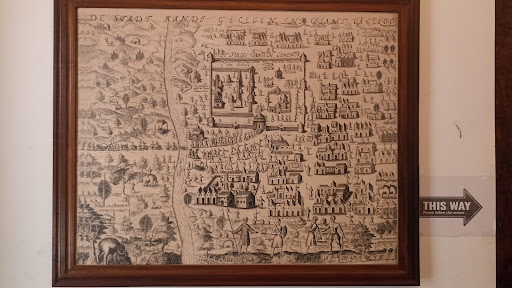
Inside, the museum showcases furniture, maps, coins, ceramics, and weaponry from the Dutch period, offering a glimpse into how the Dutch influenced life in Sri Lanka during the 17th and 18th centuries. The restored rooms are beautifully presented, and each artifact feels like it has a story to tell, especially the period furniture, which makes you imagine the daily lives of those who lived here.
What struck me most was how well the renovation preserved the original charm while making the displays more accessible and engaging. It’s a quiet but powerful reminder of the cultural exchange, trade, and governance that shaped this island’s history.
If you love history, architecture, or simply want to experience a different side of Colombo beyond the bustling markets, this museum is a must visit. I’m just glad I finally got to see it in all its restored glory after such...
Read more