Uppsala Cathedral things to do, attractions, restaurants, events info and trip planning
Basic Info
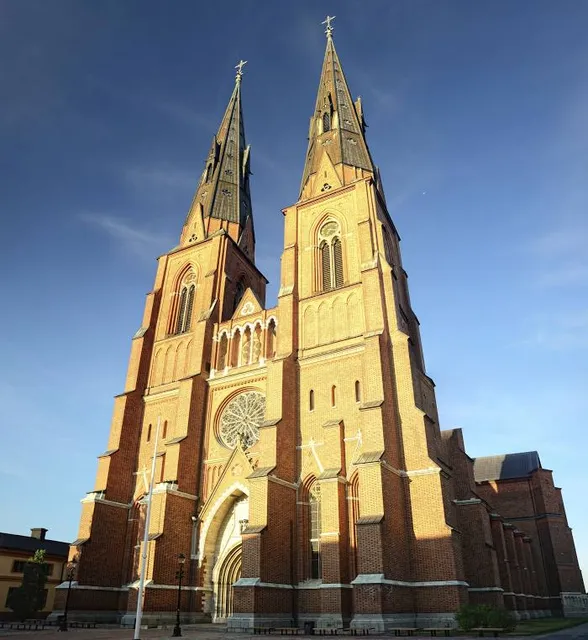
Uppsala Cathedral
Domkyrkoplan, 753 10 Uppsala, Sweden
4.7(59)
Open until 6:00 PM
Save
spot
spot
Ratings & Description
Info
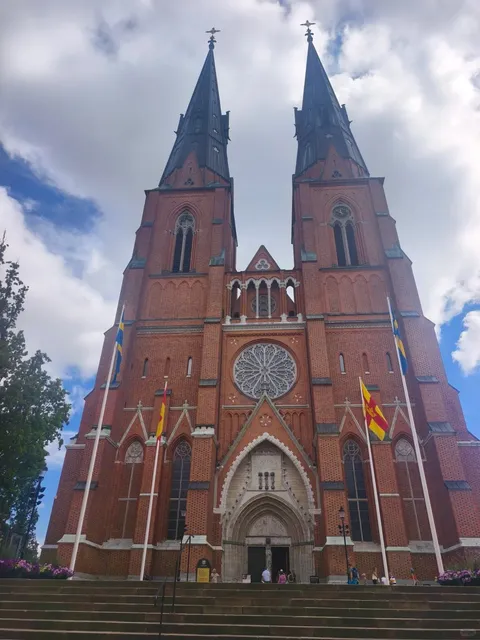
Uppsala Cathedral is a cathedral located between the University Hall of Uppsala University and the Fyris river in the centre of Uppsala, Sweden. A church of the Church of Sweden, the national church, in the Lutheran tradition, Uppsala Cathedral is the seat of the Archbishop of Uppsala, the primate of Sweden.
Cultural
Accessibility
attractions: Upplands Museum, Gustavianum - Uppsala University Museum, Helga Trefaldighets kyrka, City Library in Uppsala, Linnaeus garden, Uppsala Castle, Carolina Rediviva, Uppsala University Library, The Linnaeus Museum, Uppsala Art Museum, Vasa park, restaurants: Restaurang Tzatziki, Jay Fu's, Domtrappkällaren, Restaurang Koh Phangan, DomCraft, Hambergs, Faraos Falafel, Restaurang Iberico Tapas & Bar, Ristorante Villa Romana, Cathedral Café, local businesses: Södermanlands-Nerikes nation, Stockholms nation, Texas Longhorn, Prisfyndet, Dag Hammarskjöld and Law Library, Svenssons Krogar, Konstmuseets Café & Bar med Cajsa´s Kök, Vaksala torg, Botanical Garden, Hasan Grillmaster
 Learn more insights from Wanderboat AI.
Phone
+46 18 430 36 30
Website
uppsaladomkyrka.se
Open hoursSee all hours
Fri8 AM - 6 PMOpen
Plan your stay

Pet-friendly Hotels in Uppsala kommun
Find a cozy hotel nearby and make it a full experience.

Affordable Hotels in Uppsala kommun
Find a cozy hotel nearby and make it a full experience.

The Coolest Hotels You Haven't Heard Of (Yet)
Find a cozy hotel nearby and make it a full experience.

Trending Stays Worth the Hype in Uppsala kommun
Find a cozy hotel nearby and make it a full experience.
Reviews
Live events
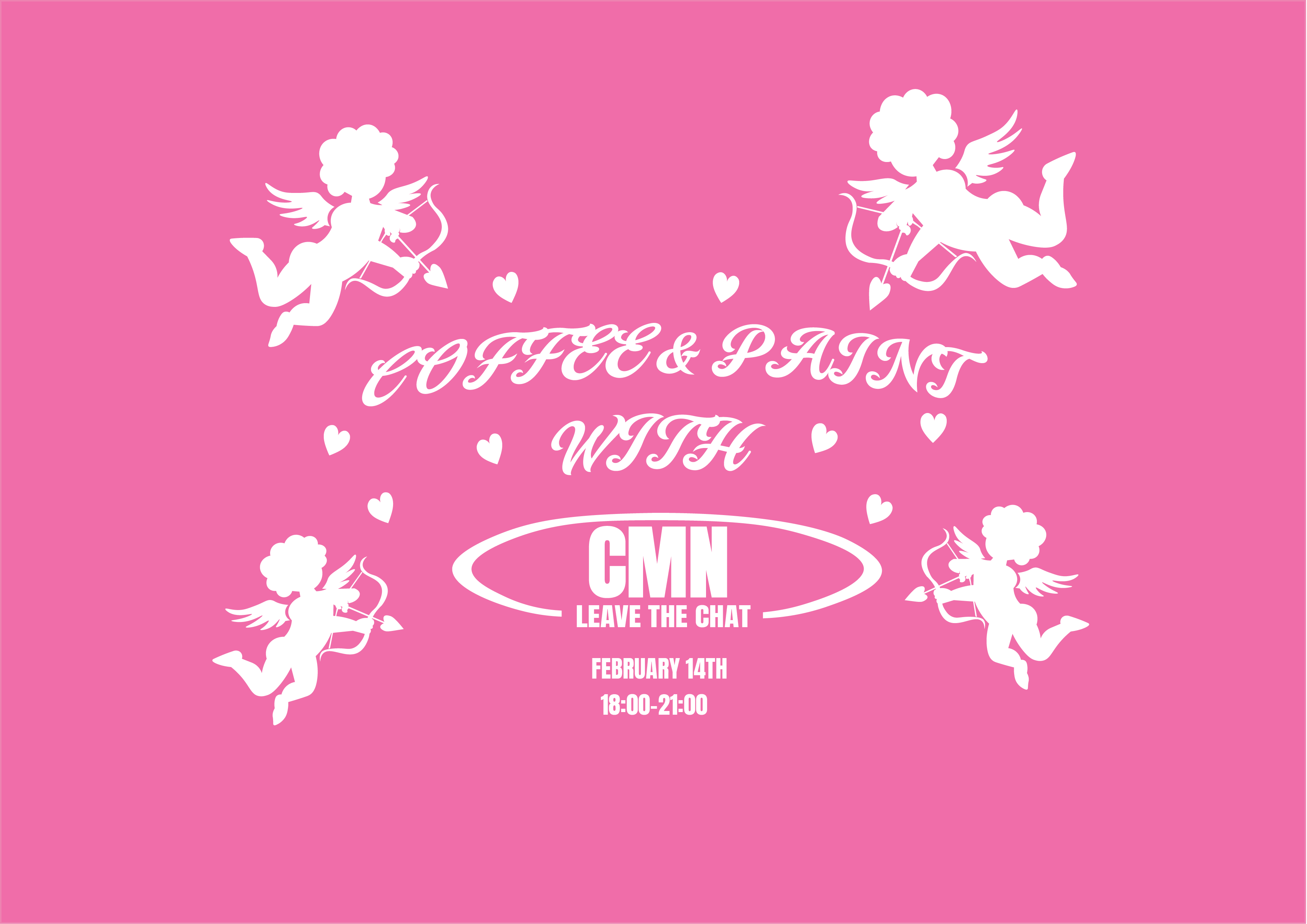
LEAVE THE CHAT: GALENTINES DAY BY CMN
Sat, Feb 14 • 5:00 PM
Bangårdsgatan 13, 753 20 Uppsala, Sweden
View details
Nearby attractions of Uppsala Cathedral
Upplands Museum
Gustavianum - Uppsala University Museum
Helga Trefaldighets kyrka
City Library in Uppsala
Linnaeus garden
Uppsala Castle
Carolina Rediviva, Uppsala University Library
The Linnaeus Museum
Uppsala Art Museum
Vasa park
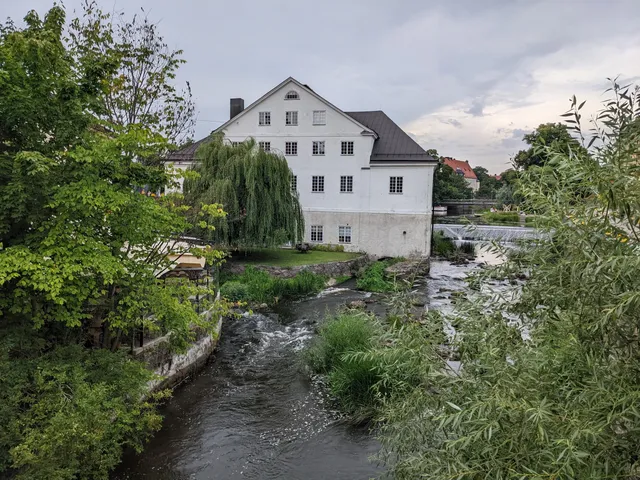
Upplands Museum
4.3
(345)
Open until 5:00 PM
Click for details
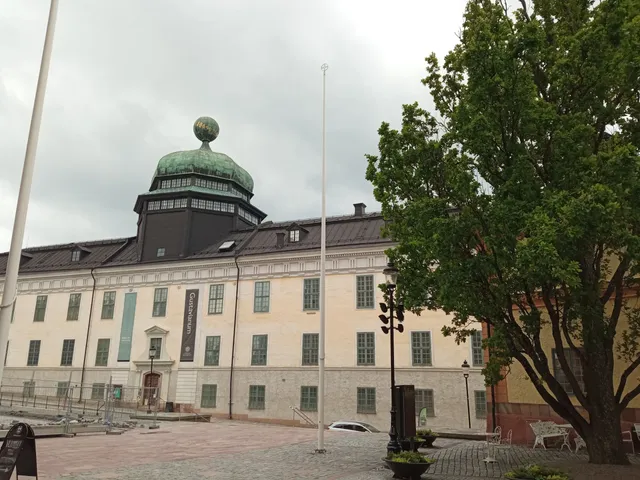
Gustavianum - Uppsala University Museum
4.6
(244)
Open until 5:00 PM
Click for details
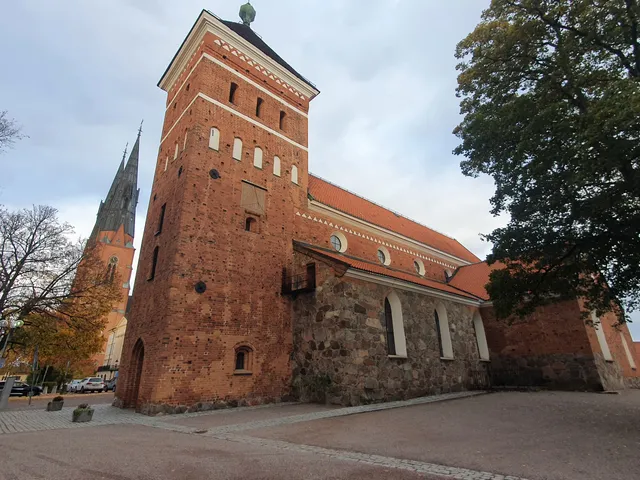
Helga Trefaldighets kyrka
4.6
(167)
Open until 5:00 PM
Click for details
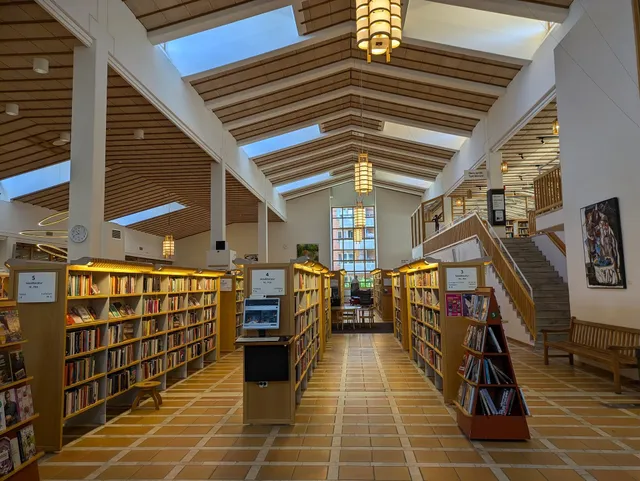
City Library in Uppsala
4.5
(177)
Open until 6:00 PM
Click for details
Nearby restaurants of Uppsala Cathedral
Restaurang Tzatziki
Jay Fu's
Domtrappkällaren
Restaurang Koh Phangan
DomCraft
Hambergs
Faraos Falafel
Restaurang Iberico Tapas & Bar
Ristorante Villa Romana
Cathedral Café
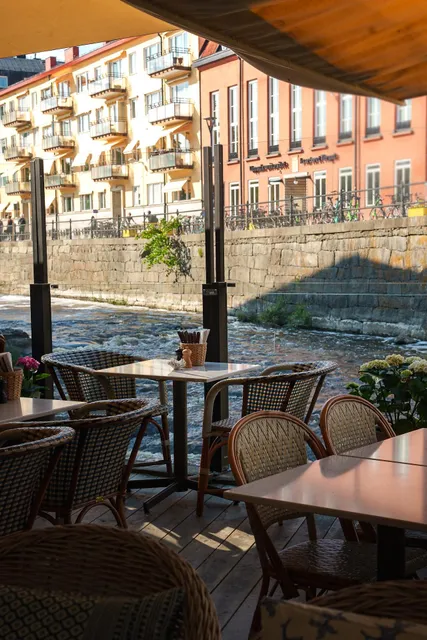
Restaurang Tzatziki
4.1
(871)
Closed
Click for details

Jay Fu's
4.4
(483)
$$$
Closed
Click for details
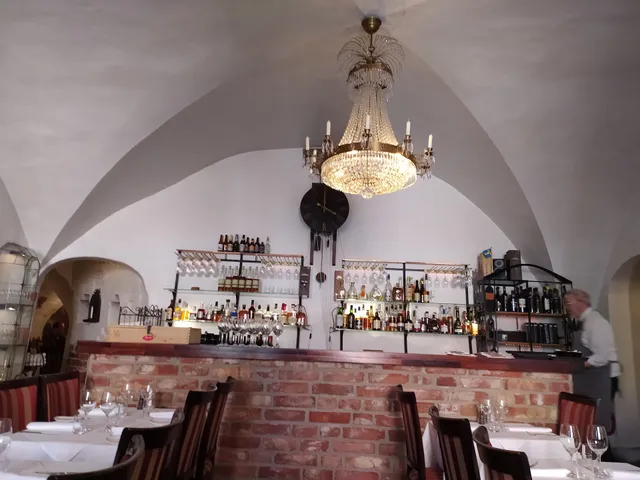
Domtrappkällaren
4.4
(404)
$$$
Open until 10:00 PM
Click for details
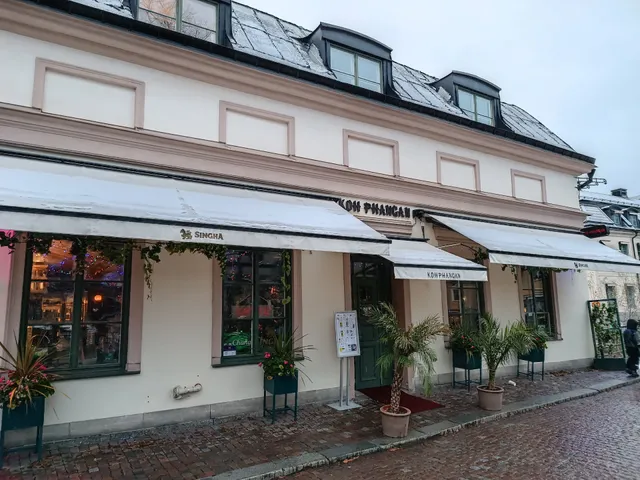
Restaurang Koh Phangan
4.2
(618)
Closed
Click for details
Nearby local services of Uppsala Cathedral
Södermanlands-Nerikes nation
Stockholms nation
Texas Longhorn
Prisfyndet
Dag Hammarskjöld and Law Library
Svenssons Krogar
Konstmuseets Café & Bar med Cajsa´s Kök
Vaksala torg
Botanical Garden
Hasan Grillmaster

Södermanlands-Nerikes nation
4.3
(167)
Click for details
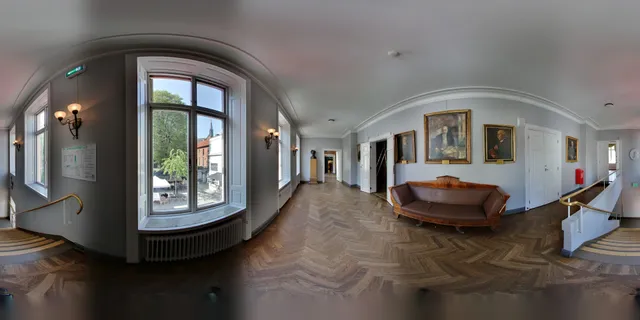
Stockholms nation
3.8
(130)
Click for details
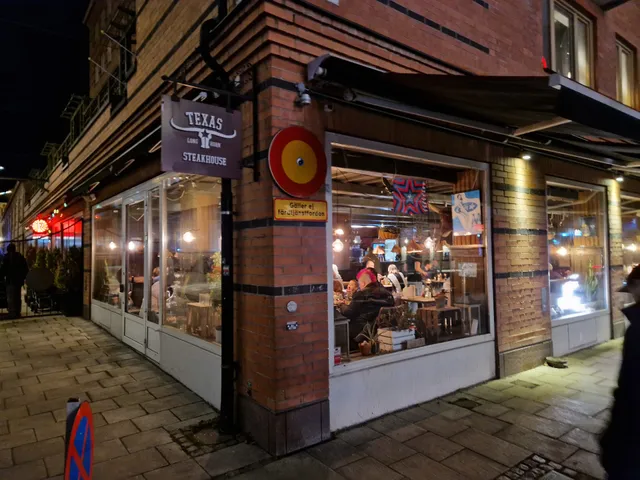
Texas Longhorn
3.9
(372)
Click for details
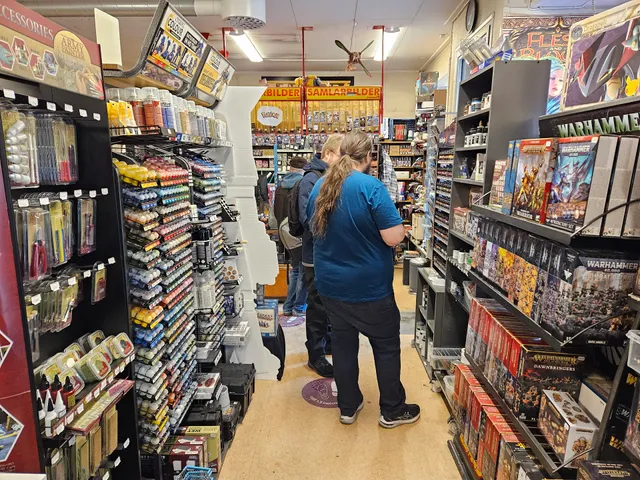
Prisfyndet
4.7
(237)
Click for details