Kindlifresserbrunnen things to do, attractions, restaurants, events info and trip planning
Basic Info
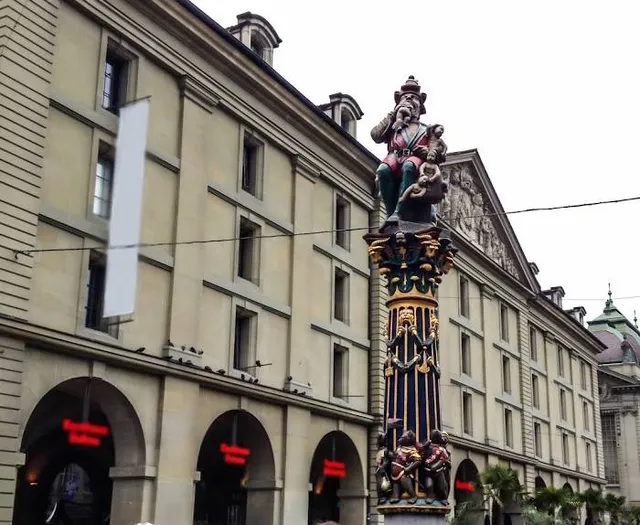
Kindlifresserbrunnen
Kornhauspl. 18, 3011 Bern, Switzerland
4.5(467)
Open until 12:00 AM
Save
spot
spot
Ratings & Description
Info
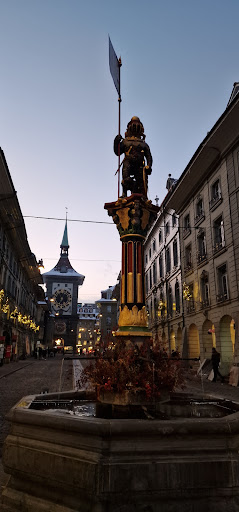
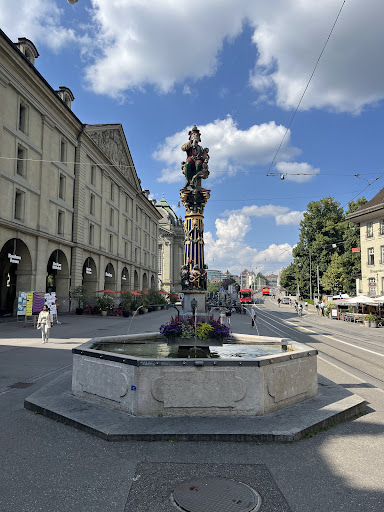
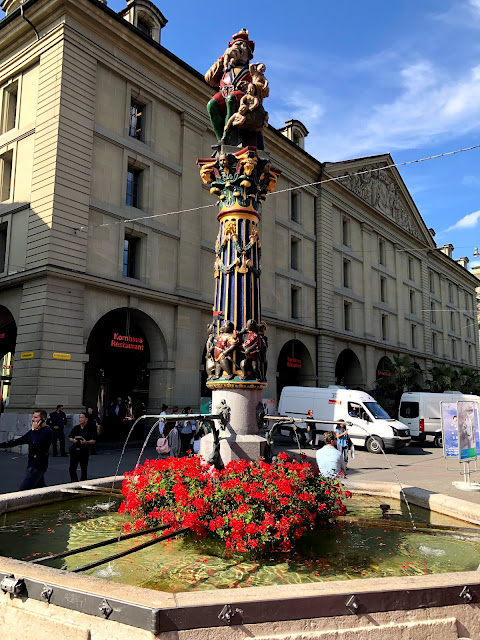
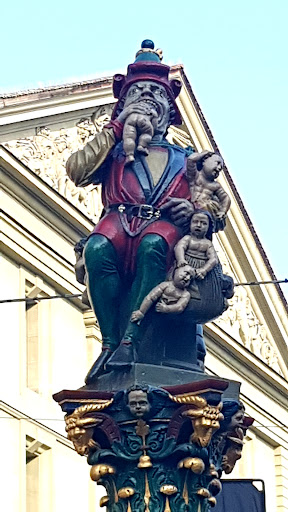
The Kindlifresserbrunnen is a painted stone fountain at the Kornhausplatz in Bern, Switzerland. It is one of the Old City of Bern's fountains from the 16th century.
Cultural
Scenic
attractions: Zytglogge, UNESCO - Bern Old Town, Kornhausforum, Einstein House, Stadttheater - Bühnen Bern, Cathedral of Bern, Französische Kirche, Stadttheater, Käfigturm, Zähringerbrunnen, restaurants: Kornhauskeller Restaurant & Bar, Anker, Più Kornhaus, Cuba Bar Bern, Papa Burrito, Adrianos Bar & Café, Restaurant Ringgenberg, The BEEF Steakhouse & Bar, VERSA, LEICHTSINN umami food & wine, local businesses: MANOR Bern, Migros-Supermarkt - Bern - Marktgasse, Confiserie Tschirren AG, Rathausgasse 59, Altenbergsteg Bern, GLOBUS, Kramgasse 41, Münsterplattform, Swiss Design Market, Take Away 8.8
 Learn more insights from Wanderboat AI.
Phone
+41 31 328 12 12
Website
bern.com
Open hoursSee all hours
SunOpen 24 hoursOpen
Plan your stay

Pet-friendly Hotels in Bern
Find a cozy hotel nearby and make it a full experience.

Affordable Hotels in Bern
Find a cozy hotel nearby and make it a full experience.

The Coolest Hotels You Haven't Heard Of (Yet)
Find a cozy hotel nearby and make it a full experience.

Trending Stays Worth the Hype in Bern
Find a cozy hotel nearby and make it a full experience.
Reviews
Live events
Explore Bern’s Top Sights on Foot
Fri, Feb 27 • 1:00 PM
3011, Bern, Switzerland
View details

MILONGA LA FRIDA SPECIAL EDITION: LIVE MUSIC AND DJ ANITA (BERN)
Sun, Feb 22 • 6:00 PM
Zentweg 17a, 3006 Bern, Switzerland, Zentweg 17a, 3006 Bern, Schweiz, Bern, Switzerland
View details

Raja Yoga Meditation Kurs für Fortgeschrittene
Sun, Feb 22 • 7:00 PM
Murtenstrasse 9 2502 Biel/Bienne
View details
Nearby attractions of Kindlifresserbrunnen
Zytglogge
UNESCO - Bern Old Town
Kornhausforum
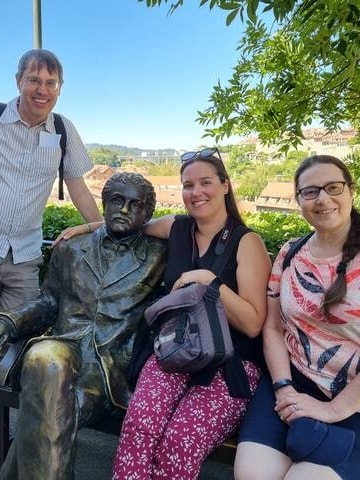
Einstein House
Stadttheater - Bühnen Bern
Cathedral of Bern
Französische Kirche
Stadttheater
Käfigturm
Zähringerbrunnen
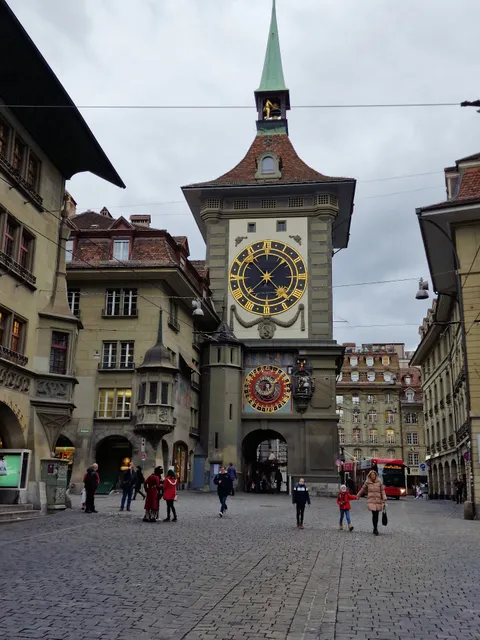
Zytglogge
4.6
(2.3K)
Open until 12:00 AM
Click for details
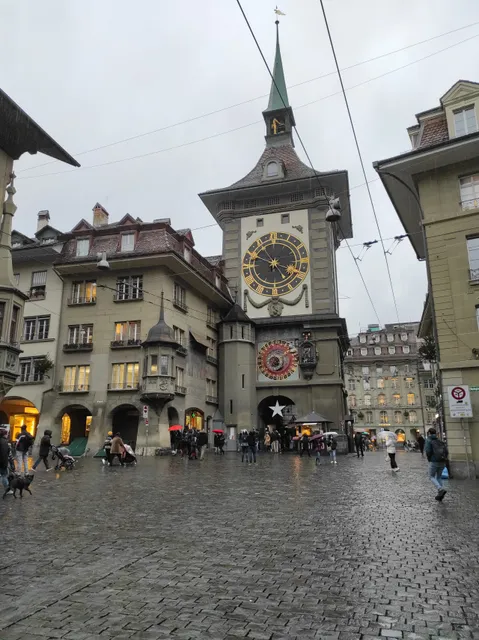
UNESCO - Bern Old Town
4.8
(2.3K)
Open until 12:00 AM
Click for details
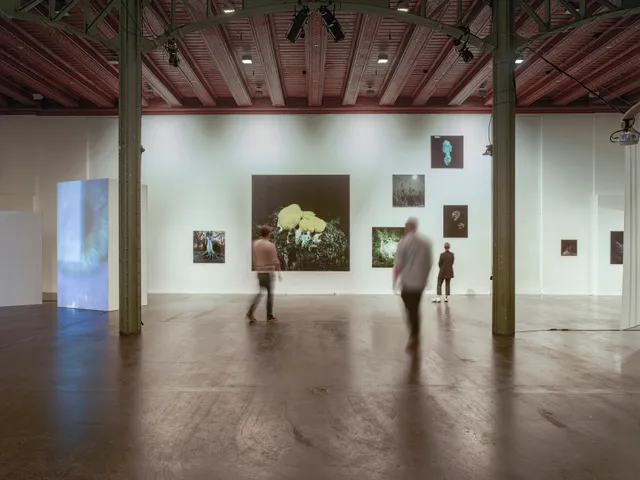
Kornhausforum
4.5
(98)
Closed
Click for details
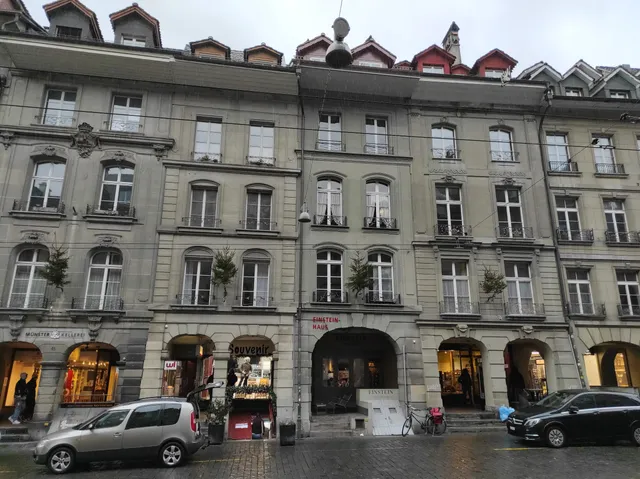
Einstein House
4.0
(1.4K)
Open 24 hours
Click for details
Nearby restaurants of Kindlifresserbrunnen
Kornhauskeller Restaurant & Bar
Anker
Più Kornhaus
Cuba Bar Bern
Papa Burrito
Adrianos Bar & Café
Restaurant Ringgenberg
The BEEF Steakhouse & Bar
VERSA
LEICHTSINN umami food & wine
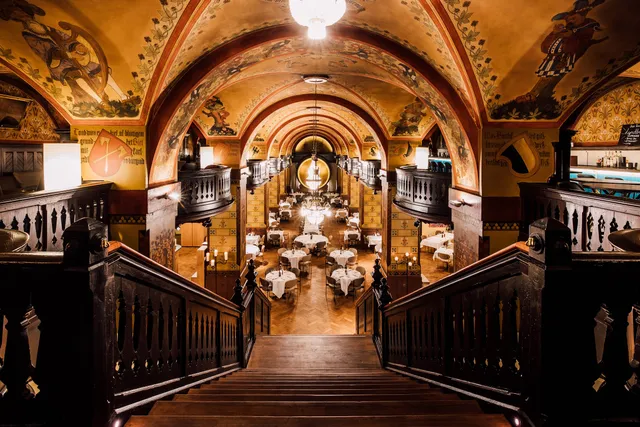
Kornhauskeller Restaurant & Bar
4.4
(1.8K)
$$$
Closed
Click for details
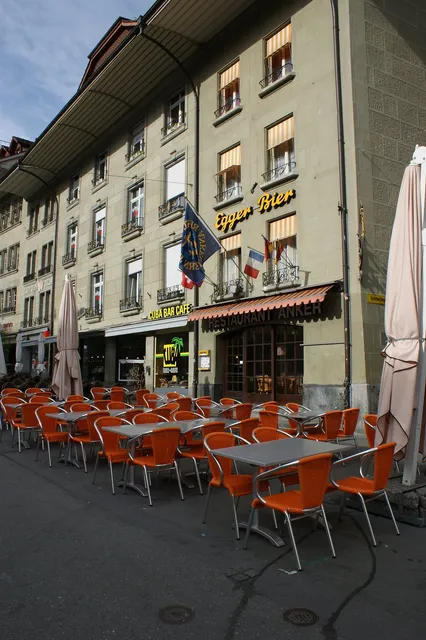
Anker
3.9
(580)
Open until 12:00 AM
Click for details
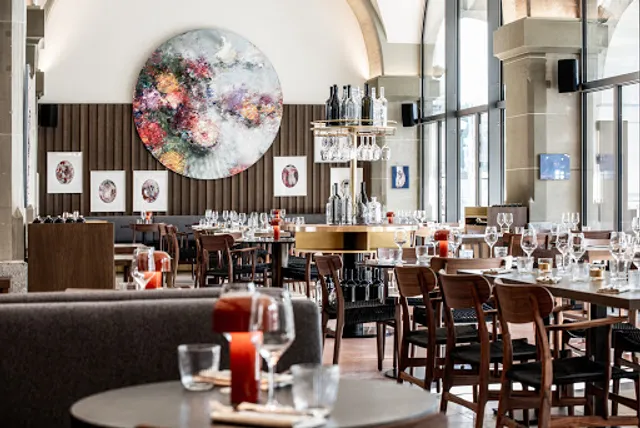
Più Kornhaus
4.1
(600)
$$
Closed
Click for details
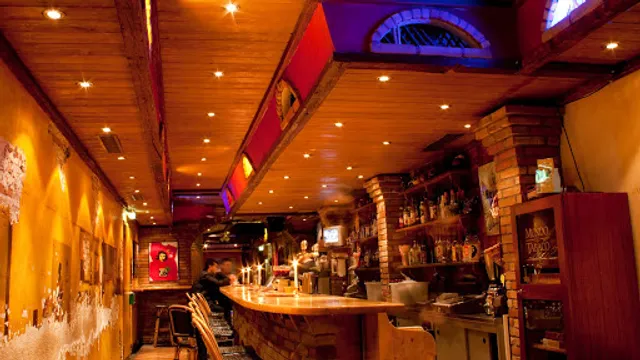
Cuba Bar Bern
3.6
(567)
Open until 12:00 AM
Click for details
Nearby local services of Kindlifresserbrunnen
MANOR Bern
Migros-Supermarkt - Bern - Marktgasse
Confiserie Tschirren AG
Rathausgasse 59
Altenbergsteg Bern
GLOBUS
Kramgasse 41
Münsterplattform
Swiss Design Market
Take Away 8.8
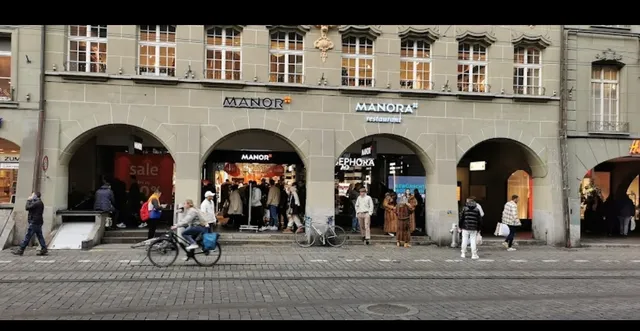
MANOR Bern
4.1
(658)
Click for details
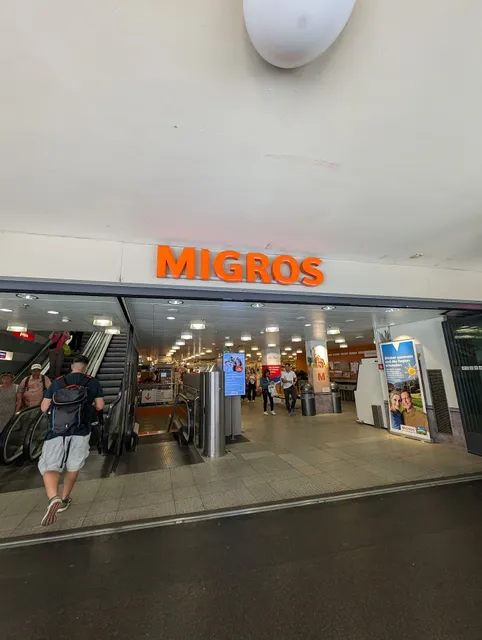
Migros-Supermarkt - Bern - Marktgasse
4.3
(879)
Click for details
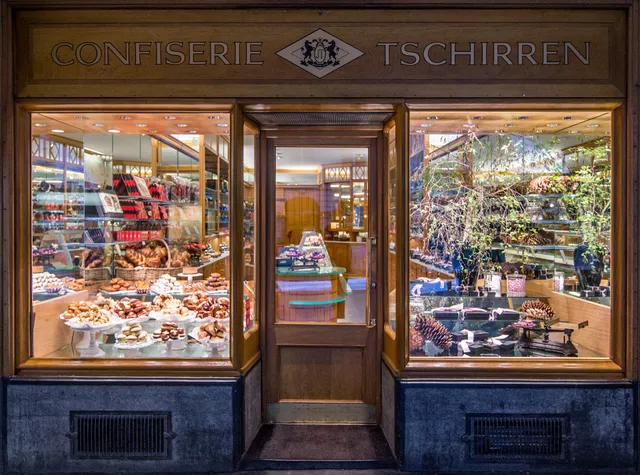
Confiserie Tschirren AG
4.0
(105)
Click for details
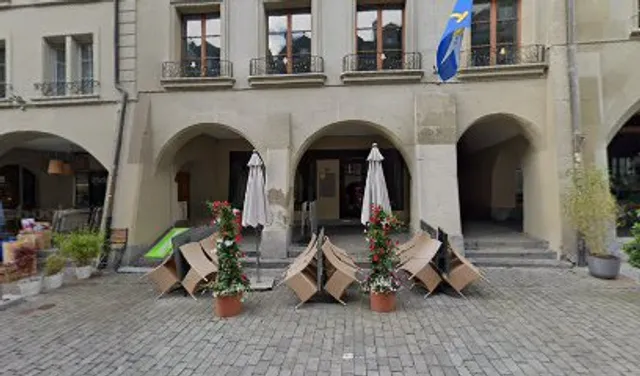
Rathausgasse 59
4.3
(75)
Click for details