HTML SitemapExplore
logo
Find Things to DoFind The Best Restaurants

National Revolutionary Martyrs' Shrine — Attraction in Taipei

Name
National Revolutionary Martyrs' Shrine
Description
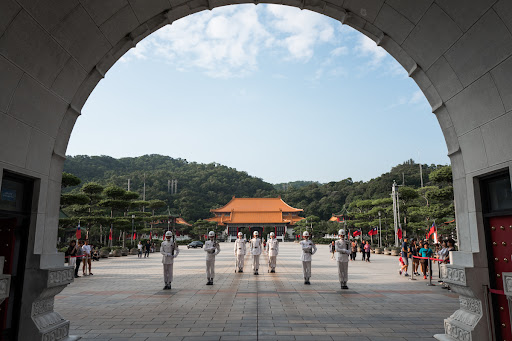
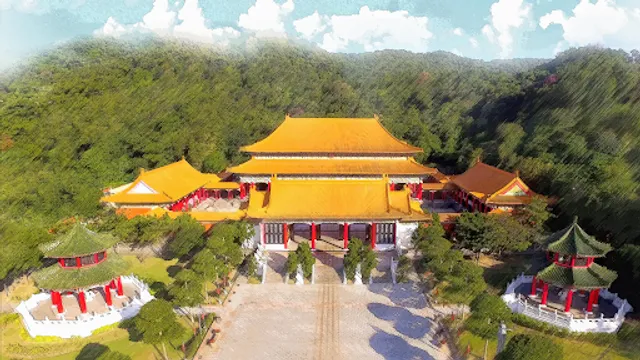
The National Revolutionary Martyrs' Shrine is a Martyrs Shrine in Zhongshan District, Taipei, Taiwan, dedicated to the war dead of the Republic of China.
Nearby attractions
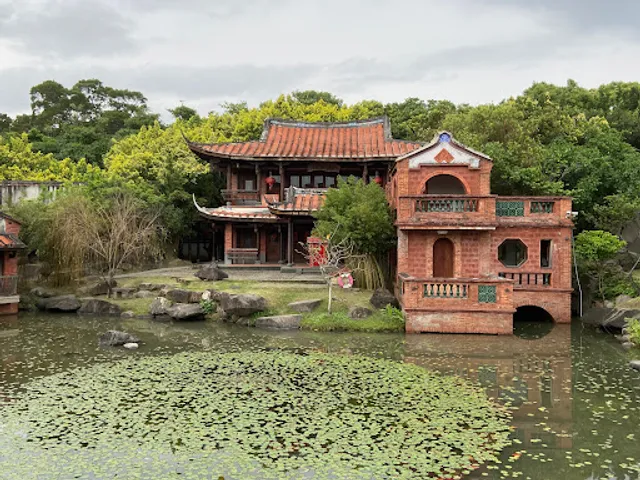
Ching-Kuo Chi-Hai Cultural Park
No. 301號, Beian Rd, Zhongshan District, Taipei City, Taiwan 104037
VA VA VOOM東方時尚旗袍
No. 一號, Section 4, Zhongshan N Rd, Zhongshan District, Taipei City, Taiwan 104
Jiantan Mountain
10491, Taiwan, Taipei City, Zhongshan District
823 Artillery Battle Memorial Park
Beian Rd, Zhongshan District, Taipei City, Taiwan 10491
Lin An Tai Historical House and Museum
No. 5號, Binjiang St, Zhongshan District, Taipei City, Taiwan 10491
花博大佳河濱公園區
No. 5, Binjiang St, Zhongshan District, Taipei City, Taiwan 10491
Jiantanshan Trail
10491, Taiwan, Taipei City, Zhongshan District, 中山北路四段71巷2弄69號
Dajia Riverside Park
No. 5號, Binjiang St, Zhongshan District, Taipei City, Taiwan 104
Jiantan Park
Section 4, Zhongshan N Rd, Shilin District, Taipei City, Taiwan 111
Jiantanshan Trailhead (Tongbei St)
Lane 165, Tongbei St, Zhongshan District, Taipei City, Taiwan 10491
Nearby restaurants
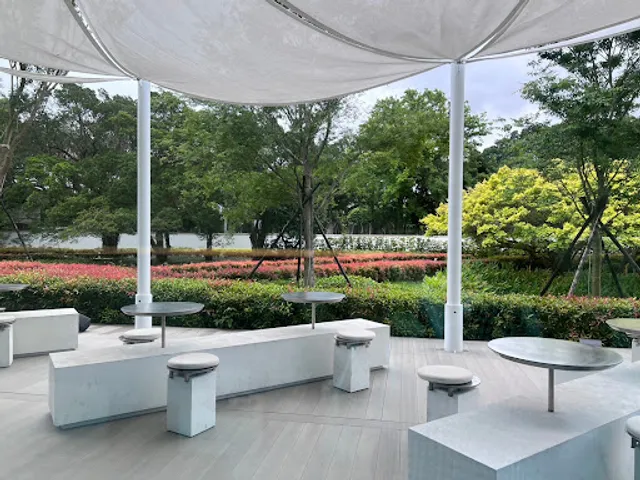
Changyang Restaurant
104037, Taiwan, Taipei City, Zhongshan District, Beian Rd, 303號1樓
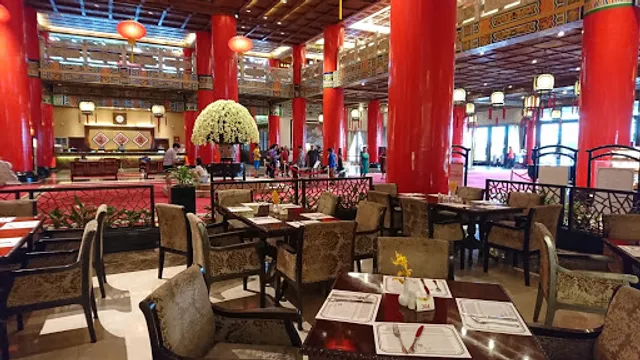
Grand Hotel Songhe Hall
104427, Taiwan, Taipei City, Zhongshan District, Section 4, Zhongshan N Rd, 1號圓山大飯店1F
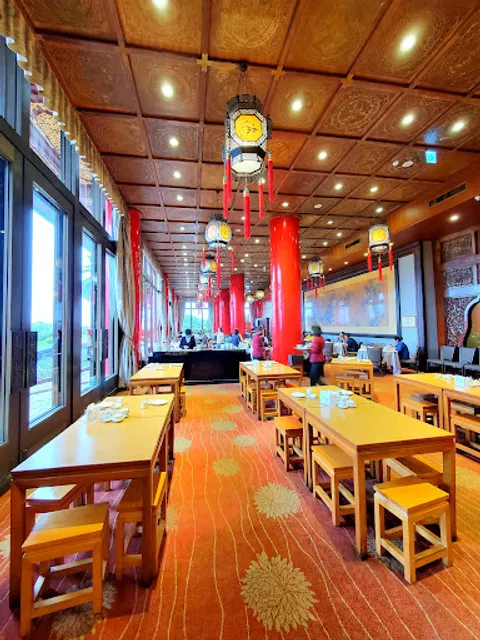
Taipei Grand Hotel Yuan Yuan Restaurant
10491, Taiwan, Taipei City, Zhongshan District, Section 4, Zhongshan N Rd, 1號1樓
Grand Steak
No. 1號, Section 4, Zhongshan N Rd, Zhongshan District, Taipei City, Taiwan 104
Meal#kitchen 圃樂韓式小吃坊
111, Taiwan, Taipei City, Shilin District, Jihe Rd, 30號1樓
比薩王
No. 32, Jihe Rd, Shilin District, Taipei City, Taiwan 111
Related posts
Keywords
National Revolutionary Martyrs' Shrine tourism.National Revolutionary Martyrs' Shrine hotels.National Revolutionary Martyrs' Shrine bed and breakfast. flights to National Revolutionary Martyrs' Shrine.National Revolutionary Martyrs' Shrine attractions.National Revolutionary Martyrs' Shrine restaurants.National Revolutionary Martyrs' Shrine travel.National Revolutionary Martyrs' Shrine travel guide.National Revolutionary Martyrs' Shrine travel blog.National Revolutionary Martyrs' Shrine pictures.National Revolutionary Martyrs' Shrine photos.National Revolutionary Martyrs' Shrine travel tips.National Revolutionary Martyrs' Shrine maps.National Revolutionary Martyrs' Shrine things to do.
National Revolutionary Martyrs' Shrine things to do, attractions, restaurants, events info and trip planning
National Revolutionary Martyrs' Shrine
TaiwanTaipeiNational Revolutionary Martyrs' Shrine

Basic Info

National Revolutionary Martyrs' Shrine

No. 139號, Beian Rd, Zhongshan District, Taipei City, Taiwan 10491
4.4(2.3K)
Open 24 hours
Save
spot

Ratings & Description

Info

The National Revolutionary Martyrs' Shrine is a Martyrs Shrine in Zhongshan District, Taipei, Taiwan, dedicated to the war dead of the Republic of China.

Cultural
Scenic
Family friendly
Accessibility
attractions: Ching-Kuo Chi-Hai Cultural Park, VA VA VOOM東方時尚旗袍, Jiantan Mountain, 823 Artillery Battle Memorial Park, Lin An Tai Historical House and Museum, 花博大佳河濱公園區, Jiantanshan Trail, Dajia Riverside Park, Jiantan Park, Jiantanshan Trailhead (Tongbei St), restaurants: Changyang Restaurant, Grand Hotel Songhe Hall, Taipei Grand Hotel Yuan Yuan Restaurant, Grand Steak, Meal#kitchen 圃樂韓式小吃坊, 比薩王
logoLearn more insights from Wanderboat AI.
Phone
+886 2 2885 4162
Website
afrc.mnd.gov.tw

Plan your stay

hotel
Pet-friendly Hotels in Taipei
Find a cozy hotel nearby and make it a full experience.

hotel
Affordable Hotels in Taipei
Find a cozy hotel nearby and make it a full experience.

hotel
The Coolest Hotels You Haven't Heard Of (Yet)
Find a cozy hotel nearby and make it a full experience.

hotel
Trending Stays Worth the Hype in Taipei
Find a cozy hotel nearby and make it a full experience.

Reviews

Nearby attractions of National Revolutionary Martyrs' Shrine

Ching-Kuo Chi-Hai Cultural Park

VA VA VOOM東方時尚旗袍

Jiantan Mountain

823 Artillery Battle Memorial Park

Lin An Tai Historical House and Museum

花博大佳河濱公園區

Jiantanshan Trail

Dajia Riverside Park

Jiantan Park

Jiantanshan Trailhead (Tongbei St)

Ching-Kuo Chi-Hai Cultural Park

Ching-Kuo Chi-Hai Cultural Park

4.6

(765)

Open 24 hours
Click for details
VA VA VOOM東方時尚旗袍

VA VA VOOM東方時尚旗袍

4.2

(378)

Open 24 hours
Click for details
Jiantan Mountain

Jiantan Mountain

4.2

(263)

Open 24 hours
Click for details
823 Artillery Battle Memorial Park

823 Artillery Battle Memorial Park

4.1

(324)

Open 24 hours
Click for details

Things to do nearby

下班後的禪修《面對情緒的禪修課》ft. 賢遍喇嘛 (一期四堂)
Tue, Dec 2 • 11:30 AM
古池蛙躍濺水聲, 106, Taiwan, Taipei City, Da’an District, Section 2, Jinshan S Rd, 218號7樓
View details
Move 工作坊:IOTA Snap 與前端互動
Thu, Dec 4 • 11:00 AM
言文字 Emoji & X Lab - AI全方位轉職培訓 (Python/前後端工程師/數據分析), No. 6號, Section 1, Kaifeng St, Zhongzheng District, Taipei City, Taiwan 100
View details
#023 EASY RAVE 50 MINS @大安森林公園
Thu, Dec 4 • 11:30 AM
Daan Park, No. 1號, Section 2, Xinsheng S Rd, Da’an District, Taipei City, Taiwan 106
View details

Nearby restaurants of National Revolutionary Martyrs' Shrine

Changyang Restaurant

Grand Hotel Songhe Hall

Taipei Grand Hotel Yuan Yuan Restaurant

Grand Steak

Meal#kitchen 圃樂韓式小吃坊

比薩王

Changyang Restaurant

Changyang Restaurant

4.7

(274)

Click for details
Grand Hotel Songhe Hall

Grand Hotel Songhe Hall

4.1

(1.7K)

$$$

Click for details
Taipei Grand Hotel Yuan Yuan Restaurant

Taipei Grand Hotel Yuan Yuan Restaurant

4.3

(815)

$$$

Click for details
Grand Steak

Grand Steak

4.4

(420)

Open until 2:30 PM
Click for details
Get the Appoverlay
Get the AppOne tap to find yournext favorite spots!
Wanderboat LogoWanderboat

Your everyday Al companion for getaway ideas

CompanyAbout Us
InformationAI Trip PlannerSitemap
SocialXInstagramTiktokLinkedin
LegalTerms of ServicePrivacy Policy

Get the app

© 2025 Wanderboat. All rights reserved.
logo

Reviews of National Revolutionary Martyrs' Shrine

4.4
(2,307)
avatar
5.0
2y

The National Revolutionary Martyrs' Shrine, situated in Taipei, Taiwan, is a solemn and historically significant site that pays tribute to the heroes who sacrificed their lives for Taiwan's freedom.

Impressive Architecture: The shrine's architecture, inspired by Beijing's Forbidden City, is an awe-inspiring sight. The grandeur of the buildings and meticulous attention to detail is remarkable.

Historical Significance: The shrine is a symbol of Taiwan's complex history and its ongoing journey towards democracy and self-determination. It honors the memory of those who fought for Taiwan's independence.

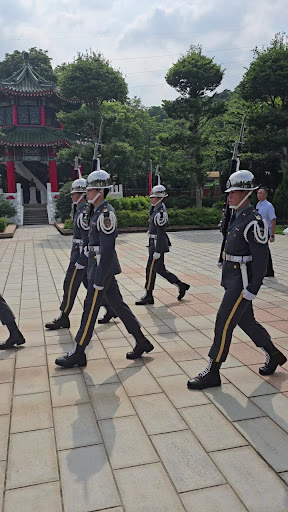
Changing of the Guard: The ceremonial changing of the guard is a moving experience. The precision and discipline of the guards add a sense of reverence and respect to the site.

Beautiful Grounds: The shrine is surrounded by beautifully landscaped gardens, creating a peaceful and contemplative atmosphere. It's a place of reflection and remembrance.

Educational Exhibits: The museum within the shrine provides valuable insights into Taiwan's history, the heroes commemorated, and the country's path to democracy. It's an educational experience that adds depth to the visit.

Cultural Significance: The shrine is not just a historical site but a place that holds cultural and political significance in Taiwan's narrative.

Panoramic Views: The shrine's elevated location offers panoramic views of Taipei City, making it an excellent spot for capturing stunning photographs.

Visiting the National Revolutionary Martyrs' Shrine is a poignant experience, as it not only provides insight into Taiwan's history but also pays tribute to the heroes who made significant sacrifices. It's a place of historical, cultural, and political importance, and a destination that fosters respect and...

   Read more
avatar
5.0
8y

Every hour, the soldiers change position with who is manning the gates at the front and inside at the temple. I would get here about 30 minutes before the hour to ensure you get a good spot to photograph the soldiers on duty.

When the soldiers move, they sport impressive choreography. Each solider works at the temple for a year, and then their duties are done. Most soldiers seem young, about 23-28 years old.

There is a visitors lounge with free hot/warm/cold water and plenty of seating. It is located to the right of the entrance and before you hit the bathrooms. No soap at the bathrooms but there is toilet paper.

Temple is free to visit.

When the soldiers move, they have about 3 guardsmen ensuring the crowd does not get too close to them. You can see the worn path from the walking of the soldiers, in a completely straight line from the entrance to the back temple. Just be mindful when you are photographing them, it can get exciting to see and you may not notice where your steps are. Run ahead or stay behind to get some unique shots of the soldiers. Last exchange happens right before 5PM. Temple closes...

   Read more
avatar
5.0
48w

Visita en Taipei a la Memoria de Taiwán. El lugar irradia respeto, solemnidad, historia...

(...)

"...El Santuario de los Mártires Nacionales Revolucionarios(chino:國民革命忠烈祠; pinyin: Guómín Géming Zhonglièci) es un Santuario de los Mártires en el distrito de Zhongshan, Taipei, Taiwán, dedicado a los muertos en la guerra de la República de China. Construido en la montaña Chingshan y con vista al río Keelung en el distrito Zhongshan de Taipei en 1969, el Santuario de los Mártires recuerda la arquitectura del Salón de la Armonía Suprema en la Ciudad Prohibida de Pekín. La estructura alberga las tablillas espirituales de unas 390.000 personas que murieron, entre otros enfrentamientos, durante la Revolución Xinhai, la Expedición al Norte, la Segunda Guerra Sino-Japonesa, la Guerra Civil China y la Primera y Segunda Crisis del Estrecho de Taiwán. En el santuario se lleva a cabo un cambio de la guardia de honor de las distintas ramas de las Fuerzas Armadas de la República de China, similar a los rituales en el Salón Conmemorativo de Sun Yat-sen y el Salón Conmemorativo de Chiang Kai-shek. El Santuario de los Mártires fue el lugar del funeral de Chiang Ching-kuo en 1988. EI 29 de marzo (Día de la Juventud, en conmemoración del Levantamiento de Huanghuagang) y el 3 de septiembre (Día de las Fuerzas Armadas) de cada año, el Presidente de la República de China conduce a los jefes de los cinco Yuan (ramas del gobierno) a rendir homenaje a los mártires inclinándose y ofreciendo incienso. Hay santuarios similares en cada localidad de Taiwán, y los magistrados de los condados y los alcaldes de las ciudades dirigen ceremonias similares. Aunque el Santuario de los Mártires se encuentra en Taiwán, la mayoría de los soldados nacieron en China continental. Taiwán estuvo bajo el dominio de Japón durante la Segunda Guerra Mundial y unos 200.000 taiwaneses que vivieron bajo el dominio japonés sirvieron en el Ejército o la Armada Imperial Japonesa. Tras una enmienda legal de 1998, las personas que no estaban afiliadas al ejército podían ser incluidas en el santuario. Lin Ching-chuan, un maestro que murió tratando de salvar a los niños en el incendio del autobús turístico del condado de Taoyuan en 1992, fue el primer civil en ser incluido en el santuario. Varios oficiales de policía y bomberos que murieron en el cumplimiento del deber también han sido conmemorados en el santuario, incluido Yang Chi-chang, quien murió en los atentados con bombas en el McDonald's de Taiwán. Los trabajadores de la salud que estaban de servicio durante el cierre del Hospital Hoping por el brote de SARS de 2003 también han sido incluidos. Wen Yung-nan, quien murió en 1973 mientras repartía correo después del tifón Nora, fue el primer trabajador postal en ser incluido.

El Santuario Gokoku de Taiwán era un santuario sintoísta ubicado en Taiwán. Era un Santuario Gokoku, o un santuario dedicado a los muertos de guerra. Dichos santuarios se hicieron para servir para consagrar a los muertos de guerra, y todos fueron considerados "ramas" del Santuario Yasukuni. Fueron renombrados de Shokonsha en 1939. Se convirtió en el Santuario Nacional de los Mártires Revolucionarios después del final de la Guerra del Pacífico"

Transporte: Se puede acceder al santuario a poca distancia a pie desde la estación Dazhi del metro de Taipei hacia el...

   Read more
Page 1 of 7
Previous
Next

Posts

Jenae LienJenae Lien
Every hour, the soldiers change position with who is manning the gates at the front and inside at the temple. I would get here about 30 minutes before the hour to ensure you get a good spot to photograph the soldiers on duty. When the soldiers move, they sport impressive choreography. Each solider works at the temple for a year, and then their duties are done. Most soldiers seem young, about 23-28 years old. There is a visitors lounge with free hot/warm/cold water and plenty of seating. It is located to the right of the entrance and before you hit the bathrooms. No soap at the bathrooms but there is toilet paper. Temple is free to visit. When the soldiers move, they have about 3 guardsmen ensuring the crowd does not get too close to them. You can see the worn path from the walking of the soldiers, in a completely straight line from the entrance to the back temple. Just be mindful when you are photographing them, it can get exciting to see and you may not notice where your steps are. Run ahead or stay behind to get some unique shots of the soldiers. Last exchange happens right before 5PM. Temple closes shortly after.
Carlos PayáCarlos Payá
Visita en Taipei a la Memoria de Taiwán. El lugar irradia respeto, solemnidad, historia... (...) "...El Santuario de los Mártires Nacionales Revolucionarios(chino:國民革命忠烈祠; pinyin: Guómín Géming Zhonglièci) es un Santuario de los Mártires en el distrito de Zhongshan, Taipei, Taiwán, dedicado a los muertos en la guerra de la República de China. Construido en la montaña Chingshan y con vista al río Keelung en el distrito Zhongshan de Taipei en 1969, el Santuario de los Mártires recuerda la arquitectura del Salón de la Armonía Suprema en la Ciudad Prohibida de Pekín. La estructura alberga las tablillas espirituales de unas 390.000 personas que murieron, entre otros enfrentamientos, durante la Revolución Xinhai, la Expedición al Norte, la Segunda Guerra Sino-Japonesa, la Guerra Civil China y la Primera y Segunda Crisis del Estrecho de Taiwán. En el santuario se lleva a cabo un cambio de la guardia de honor de las distintas ramas de las Fuerzas Armadas de la República de China, similar a los rituales en el Salón Conmemorativo de Sun Yat-sen y el Salón Conmemorativo de Chiang Kai-shek. El Santuario de los Mártires fue el lugar del funeral de Chiang Ching-kuo en 1988. EI 29 de marzo (Día de la Juventud, en conmemoración del Levantamiento de Huanghuagang) y el 3 de septiembre (Día de las Fuerzas Armadas) de cada año, el Presidente de la República de China conduce a los jefes de los cinco Yuan (ramas del gobierno) a rendir homenaje a los mártires inclinándose y ofreciendo incienso. Hay santuarios similares en cada localidad de Taiwán, y los magistrados de los condados y los alcaldes de las ciudades dirigen ceremonias similares. Aunque el Santuario de los Mártires se encuentra en Taiwán, la mayoría de los soldados nacieron en China continental. Taiwán estuvo bajo el dominio de Japón durante la Segunda Guerra Mundial y unos 200.000 taiwaneses que vivieron bajo el dominio japonés sirvieron en el Ejército o la Armada Imperial Japonesa. Tras una enmienda legal de 1998, las personas que no estaban afiliadas al ejército podían ser incluidas en el santuario. Lin Ching-chuan, un maestro que murió tratando de salvar a los niños en el incendio del autobús turístico del condado de Taoyuan en 1992, fue el primer civil en ser incluido en el santuario. Varios oficiales de policía y bomberos que murieron en el cumplimiento del deber también han sido conmemorados en el santuario, incluido Yang Chi-chang, quien murió en los atentados con bombas en el McDonald's de Taiwán. Los trabajadores de la salud que estaban de servicio durante el cierre del Hospital Hoping por el brote de SARS de 2003 también han sido incluidos. Wen Yung-nan, quien murió en 1973 mientras repartía correo después del tifón Nora, fue el primer trabajador postal en ser incluido. El Santuario Gokoku de Taiwán era un santuario sintoísta ubicado en Taiwán. Era un Santuario Gokoku, o un santuario dedicado a los muertos de guerra. Dichos santuarios se hicieron para servir para consagrar a los muertos de guerra, y todos fueron considerados "ramas" del Santuario Yasukuni. Fueron renombrados de Shokonsha en 1939. Se convirtió en el Santuario Nacional de los Mártires Revolucionarios después del final de la Guerra del Pacífico" Transporte: Se puede acceder al santuario a poca distancia a pie desde la estación Dazhi del metro de Taipei hacia el oeste... (⛲: Wikipedia)
Jael WenceslaoJael Wenceslao
Went on a halfday city tour via Klook. When we heard we were going to watch the changing of the guards, we assumed it would be the usual experience like in Buckingham Palace in London (where you are far from the guards, with plenty of obstacles and barricades between you and the guards). But the experience here was different, because you are able to walk near the guards and follow them as they enter the shrine, and then back to the entrance. (Remove your hat inside the shrine). Plus there weren’t a lot of people so it was amazing to just walk in silence and hear the boots of the soldiers. I enjoyed my time here. Though it was summer and it was hot (note - I live in Southeast Asia so I am used to it so be careful with the summer heat in Taipei). I had a short time though in this place so I could not explore more. I highly recommend going here, even just to see the changing of the guards. I believe it starts at 9 AM and happens hourly. Moreover the washrooms were plenty and clean.
See more posts
See more posts
hotel
Find your stay

Pet-friendly Hotels in Taipei

Find a cozy hotel nearby and make it a full experience.

Every hour, the soldiers change position with who is manning the gates at the front and inside at the temple. I would get here about 30 minutes before the hour to ensure you get a good spot to photograph the soldiers on duty. When the soldiers move, they sport impressive choreography. Each solider works at the temple for a year, and then their duties are done. Most soldiers seem young, about 23-28 years old. There is a visitors lounge with free hot/warm/cold water and plenty of seating. It is located to the right of the entrance and before you hit the bathrooms. No soap at the bathrooms but there is toilet paper. Temple is free to visit. When the soldiers move, they have about 3 guardsmen ensuring the crowd does not get too close to them. You can see the worn path from the walking of the soldiers, in a completely straight line from the entrance to the back temple. Just be mindful when you are photographing them, it can get exciting to see and you may not notice where your steps are. Run ahead or stay behind to get some unique shots of the soldiers. Last exchange happens right before 5PM. Temple closes shortly after.
Jenae Lien

Jenae Lien

hotel
Find your stay

Affordable Hotels in Taipei

Find a cozy hotel nearby and make it a full experience.

Get the Appoverlay
Get the AppOne tap to find yournext favorite spots!
Visita en Taipei a la Memoria de Taiwán. El lugar irradia respeto, solemnidad, historia... (...) "...El Santuario de los Mártires Nacionales Revolucionarios(chino:國民革命忠烈祠; pinyin: Guómín Géming Zhonglièci) es un Santuario de los Mártires en el distrito de Zhongshan, Taipei, Taiwán, dedicado a los muertos en la guerra de la República de China. Construido en la montaña Chingshan y con vista al río Keelung en el distrito Zhongshan de Taipei en 1969, el Santuario de los Mártires recuerda la arquitectura del Salón de la Armonía Suprema en la Ciudad Prohibida de Pekín. La estructura alberga las tablillas espirituales de unas 390.000 personas que murieron, entre otros enfrentamientos, durante la Revolución Xinhai, la Expedición al Norte, la Segunda Guerra Sino-Japonesa, la Guerra Civil China y la Primera y Segunda Crisis del Estrecho de Taiwán. En el santuario se lleva a cabo un cambio de la guardia de honor de las distintas ramas de las Fuerzas Armadas de la República de China, similar a los rituales en el Salón Conmemorativo de Sun Yat-sen y el Salón Conmemorativo de Chiang Kai-shek. El Santuario de los Mártires fue el lugar del funeral de Chiang Ching-kuo en 1988. EI 29 de marzo (Día de la Juventud, en conmemoración del Levantamiento de Huanghuagang) y el 3 de septiembre (Día de las Fuerzas Armadas) de cada año, el Presidente de la República de China conduce a los jefes de los cinco Yuan (ramas del gobierno) a rendir homenaje a los mártires inclinándose y ofreciendo incienso. Hay santuarios similares en cada localidad de Taiwán, y los magistrados de los condados y los alcaldes de las ciudades dirigen ceremonias similares. Aunque el Santuario de los Mártires se encuentra en Taiwán, la mayoría de los soldados nacieron en China continental. Taiwán estuvo bajo el dominio de Japón durante la Segunda Guerra Mundial y unos 200.000 taiwaneses que vivieron bajo el dominio japonés sirvieron en el Ejército o la Armada Imperial Japonesa. Tras una enmienda legal de 1998, las personas que no estaban afiliadas al ejército podían ser incluidas en el santuario. Lin Ching-chuan, un maestro que murió tratando de salvar a los niños en el incendio del autobús turístico del condado de Taoyuan en 1992, fue el primer civil en ser incluido en el santuario. Varios oficiales de policía y bomberos que murieron en el cumplimiento del deber también han sido conmemorados en el santuario, incluido Yang Chi-chang, quien murió en los atentados con bombas en el McDonald's de Taiwán. Los trabajadores de la salud que estaban de servicio durante el cierre del Hospital Hoping por el brote de SARS de 2003 también han sido incluidos. Wen Yung-nan, quien murió en 1973 mientras repartía correo después del tifón Nora, fue el primer trabajador postal en ser incluido. El Santuario Gokoku de Taiwán era un santuario sintoísta ubicado en Taiwán. Era un Santuario Gokoku, o un santuario dedicado a los muertos de guerra. Dichos santuarios se hicieron para servir para consagrar a los muertos de guerra, y todos fueron considerados "ramas" del Santuario Yasukuni. Fueron renombrados de Shokonsha en 1939. Se convirtió en el Santuario Nacional de los Mártires Revolucionarios después del final de la Guerra del Pacífico" Transporte: Se puede acceder al santuario a poca distancia a pie desde la estación Dazhi del metro de Taipei hacia el oeste... (⛲: Wikipedia)
Carlos Payá

Carlos Payá

hotel
Find your stay

The Coolest Hotels You Haven't Heard Of (Yet)

Find a cozy hotel nearby and make it a full experience.

hotel
Find your stay

Trending Stays Worth the Hype in Taipei

Find a cozy hotel nearby and make it a full experience.

Went on a halfday city tour via Klook. When we heard we were going to watch the changing of the guards, we assumed it would be the usual experience like in Buckingham Palace in London (where you are far from the guards, with plenty of obstacles and barricades between you and the guards). But the experience here was different, because you are able to walk near the guards and follow them as they enter the shrine, and then back to the entrance. (Remove your hat inside the shrine). Plus there weren’t a lot of people so it was amazing to just walk in silence and hear the boots of the soldiers. I enjoyed my time here. Though it was summer and it was hot (note - I live in Southeast Asia so I am used to it so be careful with the summer heat in Taipei). I had a short time though in this place so I could not explore more. I highly recommend going here, even just to see the changing of the guards. I believe it starts at 9 AM and happens hourly. Moreover the washrooms were plenty and clean.
Jael Wenceslao

Jael Wenceslao

See more posts
See more posts