Presidential Office Building things to do, attractions, restaurants, events info and trip planning
Basic Info
Presidential Office Building
No. 122號, Section 1, Chongqing S Rd, Zhongzheng District, Taipei City, Taiwan 100
4.4(1.9K)
Closed
Save
spot
spot
Ratings & Description
Info
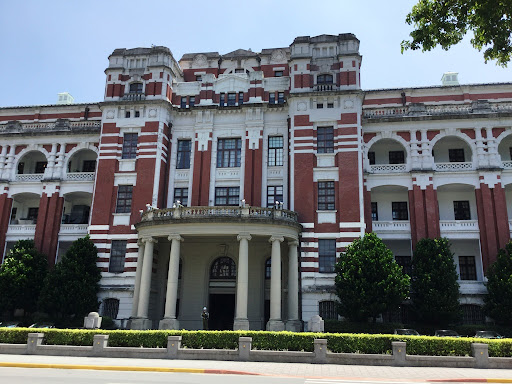
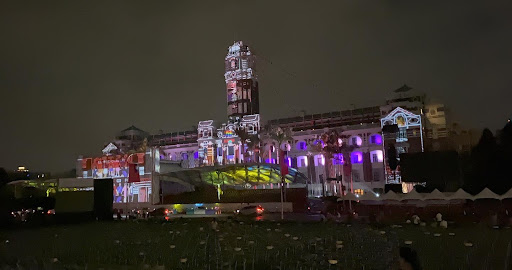
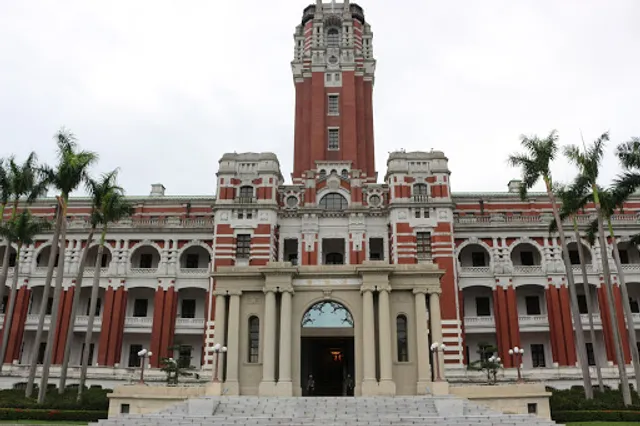
The Presidential Office Building is the work place of the President of the Republic of China on Taiwan. The building, located in the Zhongzheng District in the national capital — Taipei, was designed by architect Uheiji Nagano during the period of Japanese rule of Taiwan.
Cultural
Scenic
Accessibility
attractions: Presidential Hall Plaza, 228 Peace Memorial Park, 228 Peace Memorial Park Playground, Chengzhong Market, National Taiwan Museum, Jieshou Park, Taipei 228 Memorial Museum, The Red House, Taiwan Provincial City God Temple, Ximending Night Market, restaurants: TASTY Taipei Chongqing S. Branch, Ikki Taipei Hengyang Branch, Umemura Japanese Restaurant, Zhao Kee Wonton King Cornish, Giguo Taipei Hengyang Branch, Jolly Brewery + Restaurant衡陽店, Yan Liu, king food spicy mala, BlackHat Jazz cafe & Bar, TAKAO1972 Midtown Richardson Restaurant, local businesses: Jun Plaza, Carrefour Guilin Store, 花田囍飾_西門店, New World Commercial Building, Taipei City Ximen Market, 推推 Hair Salon-內江店, Wan Nian Building, Hao Hao Hair Salon, Shin Kong Mitsukoshi Taipei Station Store, 屈臣氏Watsons 西門門市
 Learn more insights from Wanderboat AI.
Website
president.gov.tw
Open hoursSee all hours
Fri9 - 11:30 AMClosed
Plan your stay

Pet-friendly Hotels in Taipei
Find a cozy hotel nearby and make it a full experience.

Affordable Hotels in Taipei
Find a cozy hotel nearby and make it a full experience.

The Coolest Hotels You Haven't Heard Of (Yet)
Find a cozy hotel nearby and make it a full experience.

Trending Stays Worth the Hype in Taipei
Find a cozy hotel nearby and make it a full experience.
Reviews
Live events
hololive STAGE World Tour 25 -Synchronize!- @ Taipei 後夜祭 After Party
Fri, Feb 27 • 1:30 PM
Da’an District, Taipei City
View details

DMS投資概念-初階研討會
Sat, Feb 28 • 1:33 AM
106, Taiwan, Taipei City, Da’an District, 和平東路三段63號6 樓 之 6
View details

HYROX 應援 Iron Scholar 集氣派對 – Push Your Limits!
Sat, Feb 28 • 11:00 AM
Taipei Nangang Exhibition Center Hall 1, No. 1, Jingmao 2nd Rd, Nangang District, Taipei City, Taiwan 115
View details
Nearby attractions of Presidential Office Building
Presidential Hall Plaza
228 Peace Memorial Park
228 Peace Memorial Park Playground
Chengzhong Market
National Taiwan Museum
Jieshou Park
Taipei 228 Memorial Museum
The Red House
Taiwan Provincial City God Temple
Ximending Night Market
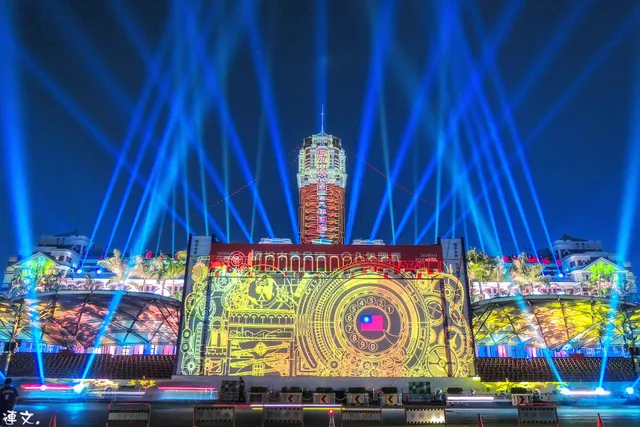
Presidential Hall Plaza
4.4
(1.1K)
Open until 12:00 AM
Click for details
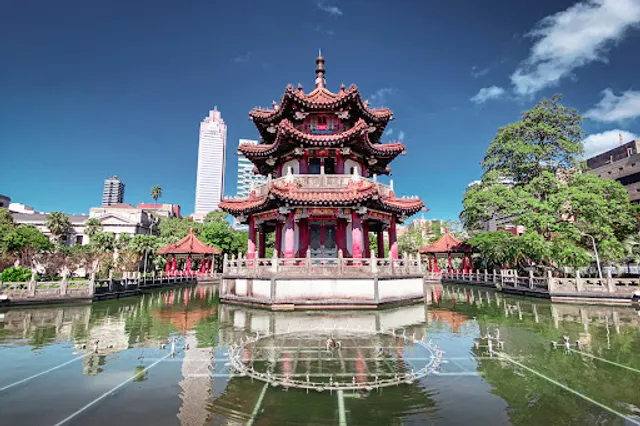
228 Peace Memorial Park
4.2
(9.1K)
Open until 12:00 AM
Click for details
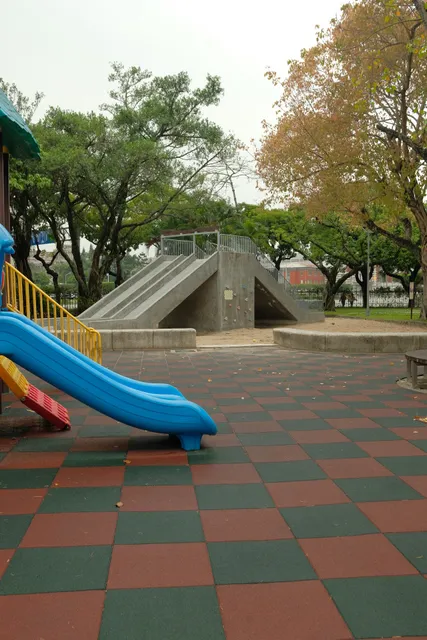
228 Peace Memorial Park Playground
4.4
(321)
Open until 12:00 AM
Click for details
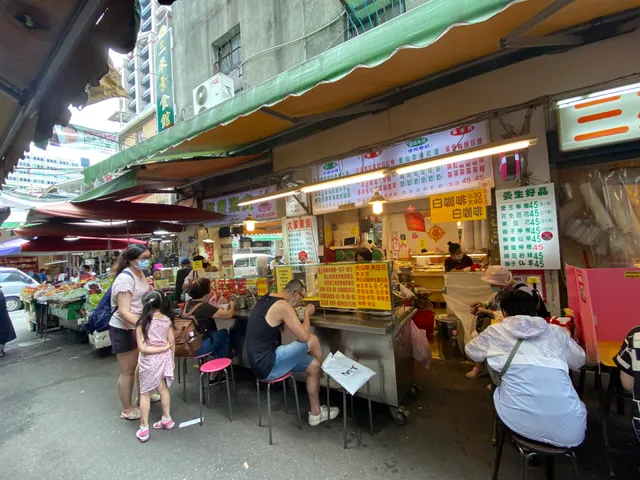
Chengzhong Market
4.0
(2.7K)
Open until 12:00 AM
Click for details
Nearby restaurants of Presidential Office Building
TASTY Taipei Chongqing S. Branch
Ikki Taipei Hengyang Branch
Umemura Japanese Restaurant
Zhao Kee Wonton King Cornish
Giguo Taipei Hengyang Branch
Jolly Brewery + Restaurant衡陽店
Yan Liu
king food spicy mala
BlackHat Jazz cafe & Bar
TAKAO1972 Midtown Richardson Restaurant
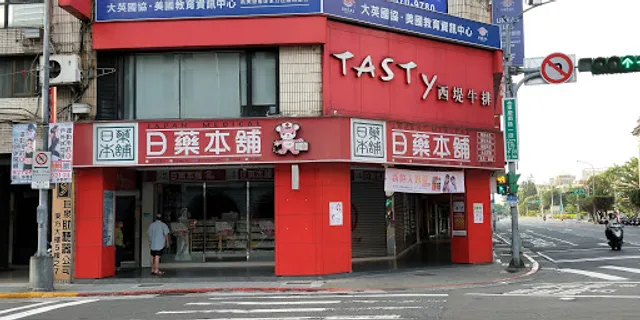
TASTY Taipei Chongqing S. Branch
4.8
(6.9K)
Open until 2:30 PM
Click for details
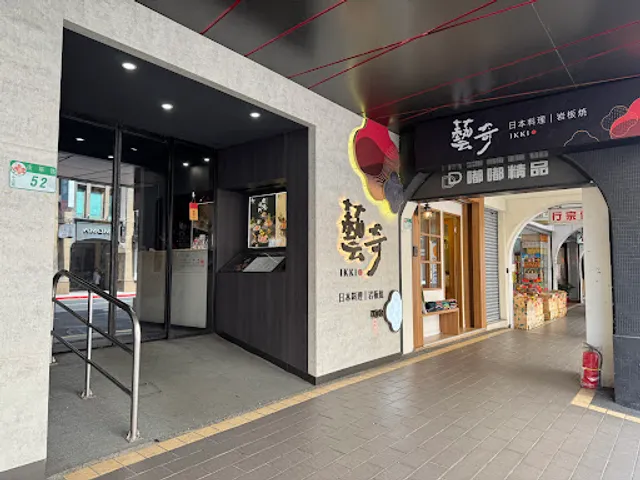
Ikki Taipei Hengyang Branch
4.7
(4K)
Open until 2:30 PM
Click for details
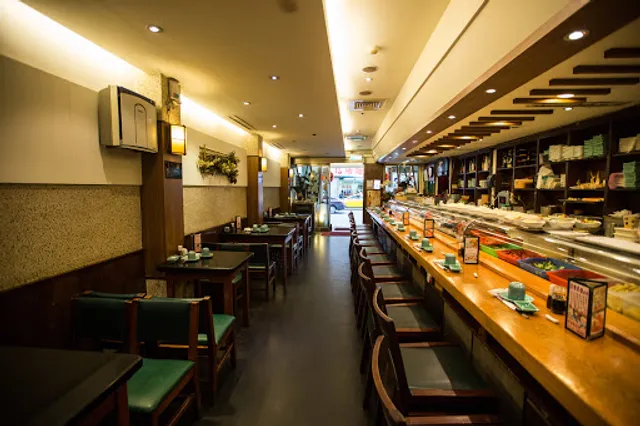
Umemura Japanese Restaurant
4.5
(2.2K)
Open until 2:00 PM
Click for details
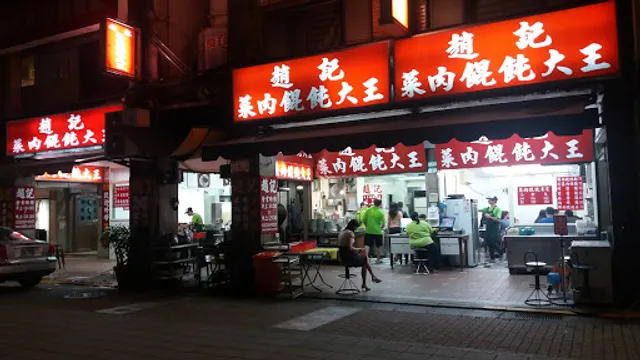
Zhao Kee Wonton King Cornish
3.9
(2.2K)
Open until 9:30 PM
Click for details
Nearby local services of Presidential Office Building
Jun Plaza
Carrefour Guilin Store
花田囍飾_西門店
New World Commercial Building
Taipei City Ximen Market
推推 Hair Salon-內江店
Wan Nian Building
Hao Hao Hair Salon
Shin Kong Mitsukoshi Taipei Station Store
屈臣氏Watsons 西門門市
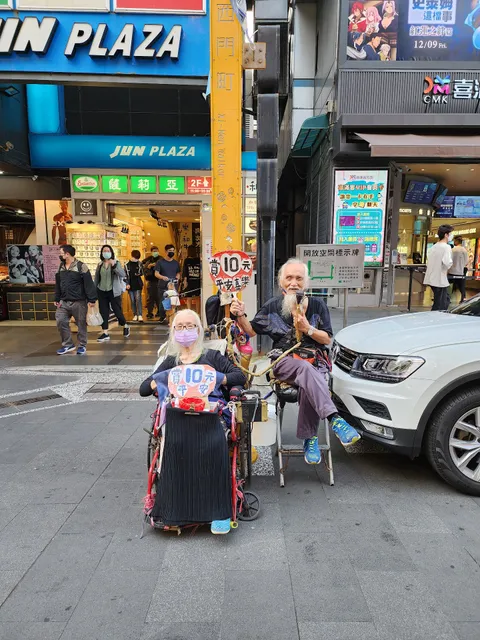
Jun Plaza
4.5
(9.6K)
Click for details
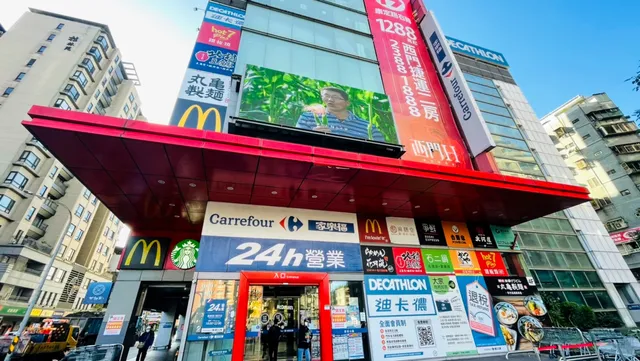
Carrefour Guilin Store
4.2
(9.2K)
Click for details
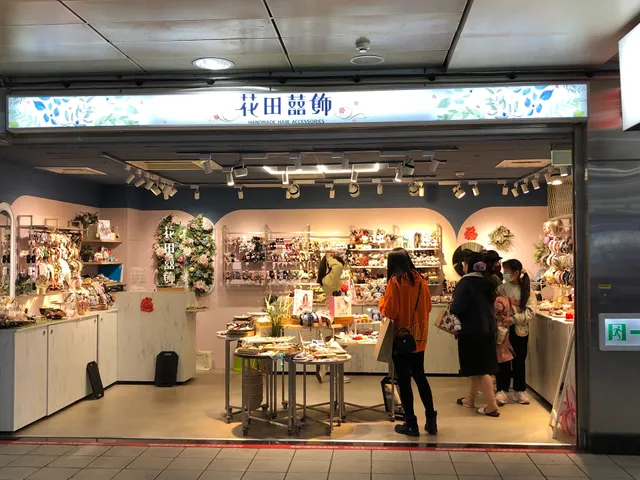
花田囍飾_西門店
4.9
(362)
Click for details
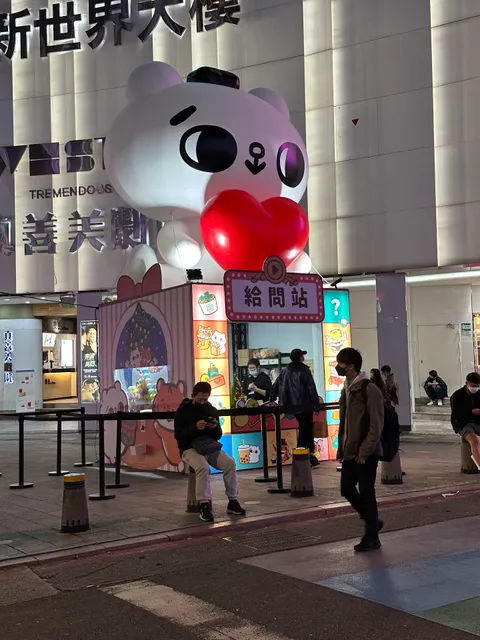
New World Commercial Building
4.2
(1.4K)
Click for details