National Museum Of Royal Barges.
Address 80/1 Arun Ammarin Road Bangkok Noi, Bangkok
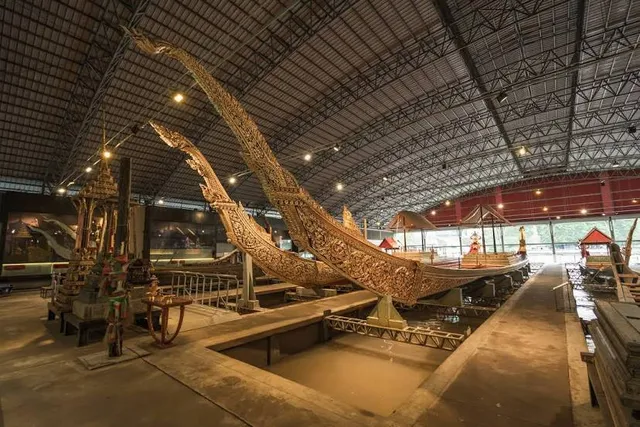
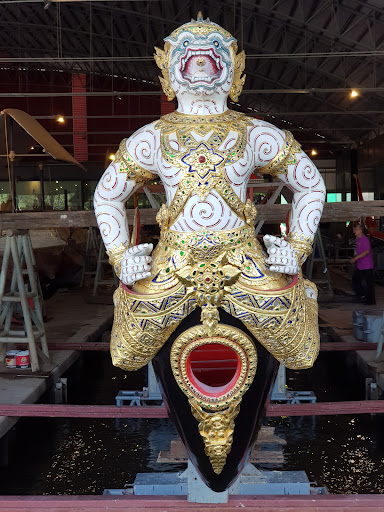
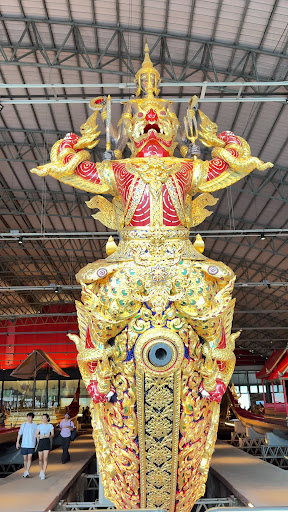
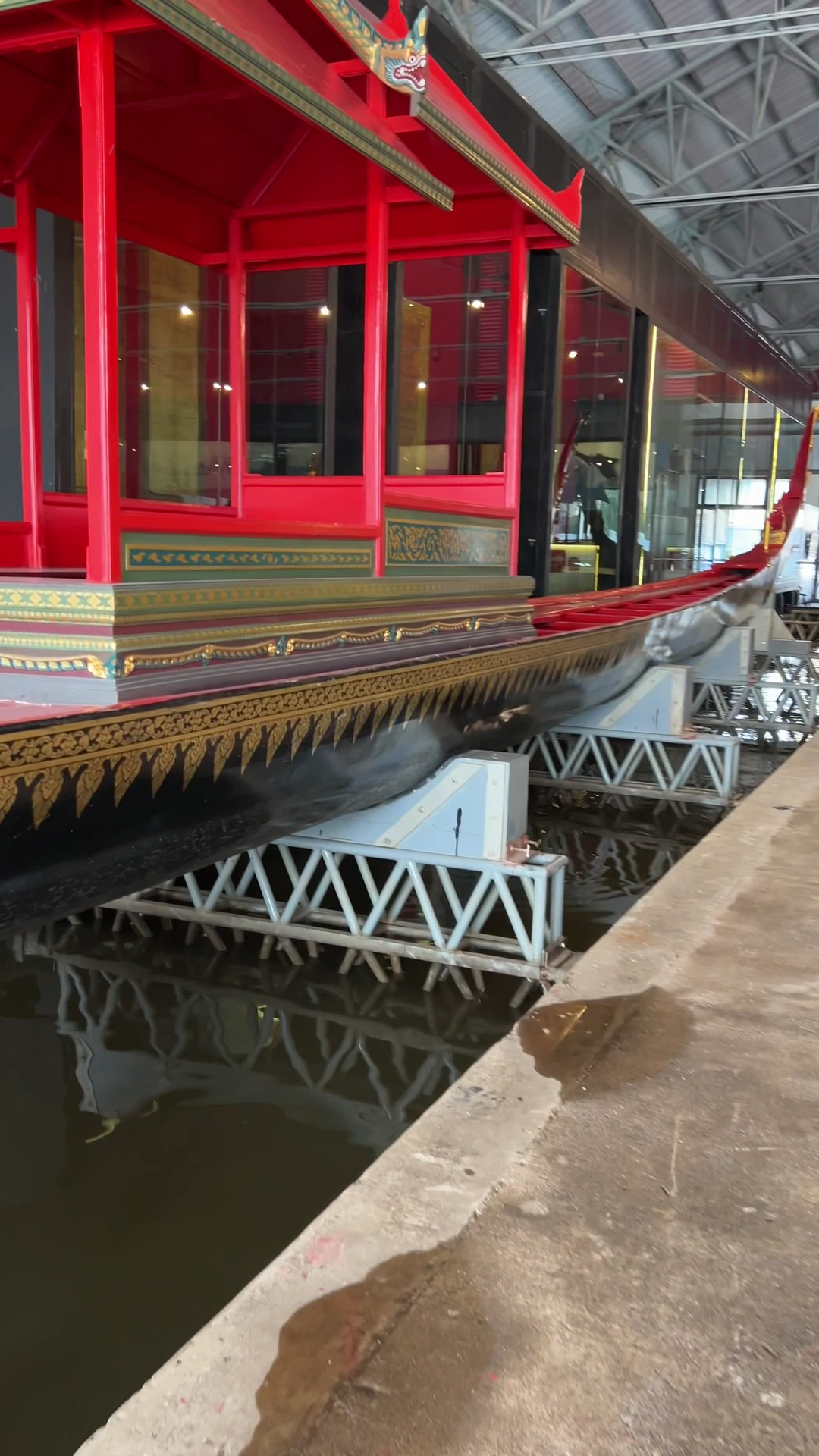
The Royal Barge Procession is one of the most spectacular events in the world. It is performed occasionally during the Tod Kathin Buddhist Festival when H.M. The King delivers new robes to the monks at Wat Arun. It was also seen by millions of viewers around the world when it was specially staged for the 2003 APEC Conference in Bangkok and broadcast live to the participating countries. These ornately decorated boats are maintained by the Royal Thai Navy and docked at The Royal Barge National Museum on Bangkok Noi canal on the Thonburi side. The most impressive and important boat is the Kings personal barge, Suphanahong which was built in 1911. It is 46 metres in length hewn from a single tree and covered with intricate gilt carvings and colourful pieces of glass. The design is representative of a mythical swan. The crew consists of 54 oarsmen who paddle in time to the rhythmic beat of a drummer. The Royal Barge fleet consists of 52 vessels. Each is a masterpiece of marine and traditional craftsmanship. They feature a variety of figureheads on their bows, including a sacred Garuda, Hanuman and the seven heads of Naga. Information the fleet travels in rows five abreast and more than one kilometer from the leading barge to those at the rear. These are propelled by 2,082 specially trained naval personnel. A visit to The Royal Barge National Museum will give you an insight into the colourful culture of Thailand.
One of the most beautiful ceremony you will ever see floating in the river is The Royal Barge Procession which amazing royal barges glide along Chao Phraya river. Each barge is taken care of very carefully by the Fine Arts Department under supervision of the Bureau of the Royal Household and royal navy. In normal days, the royal barges are kept in National Museum of Royal Barges. The National Museum of Royal Barges in Bangkok is a former royal cradle for royal barges. The Fine Arts department registered every barge as national heritage and appointed the cradle to National Museum of Royal Barges Bangkok in 1974. Antiques in the National Museum of Royal Barges 1. The Suphannahong Royal Barge. The barge figurehead was crafted to swan shape. This is a supreme barge where the king sits during the procession. The Suphannahong Royal Barge was built in King Chulalongkorn and finished in the reign of King Rama 6. 2. The Narai Song Suban HM Rama 9 Royal Barge. The Fine Arts department in collaboration with The Royal Navy and the Bureau of the Royal Household built this barge especially for King Bhumibol Adulyadej. 3. The Anantanakkharat Royal Barge. The barge figurehead was crafted to naga-shape with 7-heads. This is also the supreme barge which was built in the reign of Rama VI for carrying important Bhuddha images or robes for presentation to the monks at the end of Buddhist Lent in The Royal Barge Procession. 4. The Anekchat Puchong Royal Barge. The figurehead was crafted to small many naga-shape. This barge is a reserved barge which was built in the reign of King Rama V. 5. The Asurawayupak Royal Barge. The figurehead is a monster with a body of indigo bird. 6. The Karbi Prab Maung Marn Royal Barge. The figurehead was crafted to a swordsman shape. 7. The Krut Hern Hej Royal Barge. The figurehead was crafted to garuda-shape. 8. Akkachai Hern Haw Royal Barge. The figurehead was decorated with crocodile paintings. Transportation 1. By boat-Take a tourist boat provided by boat services or local boats for rent 2. By land-Use a road near Arun Amarin bridge or Phra Pinklao bridge on Thonburi side of Chaophraya river, close to Dusitaram temple to the destination. Operating days: Monday-Sunday Operating hours: 9:00 am-5:00 pm. Contact information Address: 80/1 Arun Amarin Road, Bangkok...
Read moreNational Museum of Royal Barges
80/1 Arun Amarin Road, Krung Thep Maha Nakhon, Bangkok Noi 10700, Thailand
History Museum
Gordon Knowles
19807 points
a month ago
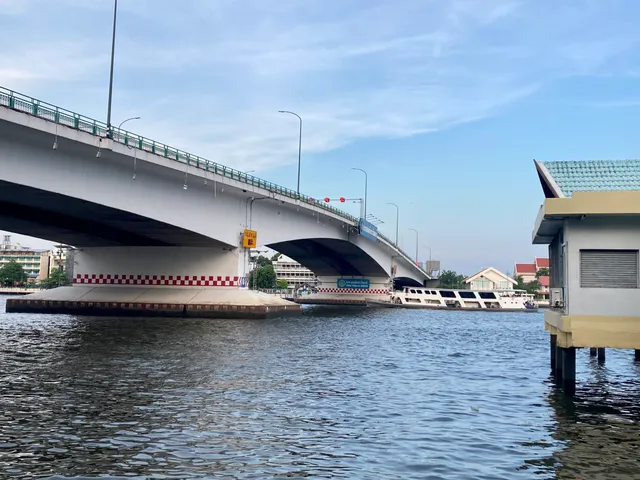
The Royal Barges National Museum The day I visited the Royal Barges museum in Thonburi I travelled from Thonburi railway station. I was going to walk, but was told it was a long walk in very hot and humid weather. I took a motorcycle taxi which became a nightmare when I entered the narrow lanes leading to the museum. A small canal twisted and turned with the path. At first I thought this cannot be the way into this museum. However it was. It was ok until we reached a point where we had a severe right hand bend to negotiate. Being high up on the pillion seat and staring at a sudden drop to each side of the motorbike, I felt very uneasy. I envisaged me / my camera / my video camera and everything else disappearing into the small canal. I would not recommend this trip by a non biker. It is very scary. On reaching the museum a notice informed me I had to pay to enter and pay to take photos and pay to take videos. In total 200 Baht for all. The museum is really off the beaten track and not very easy to find. It is located on a canal near the Chao Phraya river, not far from Phra Pin Klao bridge. It is also opposite the Thonburi railway station, so should be easy to find but it’s not. Most of the tourists go by boat with the conducted tour or by special escorted tour. However, it is possible to go by car, and park the car under the Arun Amarin Bridge before crossing Klong Bangkok Noi. Then follow the sign, walking through a narrow lane of the housing community of Wat Dusita Ram until you reach the Royal Barges National Museum. This museum, under the care of the Royal Thai Navy, houses the famous Royal Barges. Although these are the last remaining Royal Barges, many people around the world have seen the stately processions on the Chao Phraya River in celebration of His Majesty the King's birthdays and accession to the throne. These barges date from the reign of King Rama 1, over 200 years ago, but many have been restored back to their original fine splendour. These barges are made of high quality wood and beautifully decorated with vivid colours, mirrors and gold leaves. Each barge’s figurehead was crafted to represent a different kind of animal, representing vehicles of Rama god according to Hindu belief. Probably the most memorable barge, as it’s part of the logo of Tourism Authority of Thailand, is the figurehead of the 46 metre long Suphannahong royal barge featuring the shape of a mystical swan. It was built in 1911 during the reign of King Rama VI and is one of the four main royal barges which are the vehicles of the king. Today, each royal barge procession consists of 52 boats, propelled by more than 2,000 rowers. Open days Monday, Tuesday, Wednesday, Thursday, Saturday, Sunday Opening hours...
Read moreThe Royal Barges National Museum, located in Bangkok along the Chao Phraya River, is a remarkable cultural and historical attraction dedicated to the preservation and display of Thailand's royal barges. The museum offers a fascinating glimpse into the grandeur and tradition of these ornate vessels, which play a significant role in Thai royal ceremonies and cultural events.
Exquisite Collection: The museum’s highlight is its impressive collection of royal barges, each adorned with intricate carvings, gilded decorations, and vibrant colors. These barges were historically used in royal ceremonies and processions, and their detailed craftsmanship reflects the rich artistic heritage of Thailand. The collection includes several grand barges, such as the Suphannahong and Anantanakkharat, each with its own unique design and historical significance.
Historical Significance: The Royal Barges National Museum provides valuable insights into the history and cultural importance of royal barges in Thai tradition. The barges are not only artistic masterpieces but also symbols of royal authority and religious devotion. The museum’s exhibits explore the history of these vessels, their use in royal ceremonies, and the craftsmanship involved in their creation.
Museum Exhibits: In addition to the barges themselves, the museum features various exhibits that provide context and background about the history and significance of the royal barges. This includes detailed information about the construction, decoration, and ceremonial use of the barges. The museum’s layout allows visitors to appreciate the scale and beauty of the barges up close, with informative displays enhancing the overall experience.
Visitor Experience: The museum is set in a picturesque location along the river, adding to the charm of the visit. The serene environment complements the historical and cultural ambiance of the museum. The staff are knowledgeable and can provide additional information about the exhibits and the history of the royal barges.
Overall Impression: The Royal Barges National Museum is a must-visit destination for those interested in Thai history, culture, and art. Its collection of royal barges, combined with informative exhibits and a beautiful riverside setting, offers a rich and immersive experience. Whether you’re a history enthusiast, a cultural explorer, or simply curious about Thai traditions, the museum provides a unique and enlightening insight into the grandeur of Thailand’s royal ceremonies and...
Read more