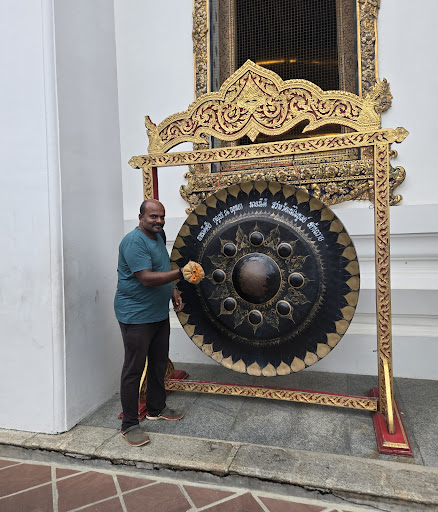
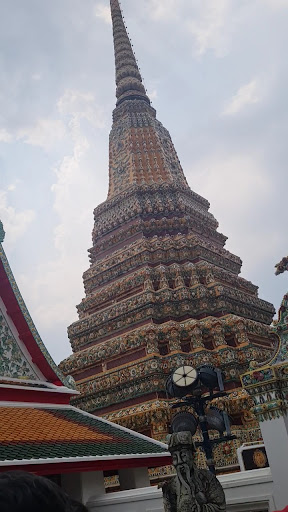
The Reclining Buddha things to do, attractions, restaurants, events info and trip planning
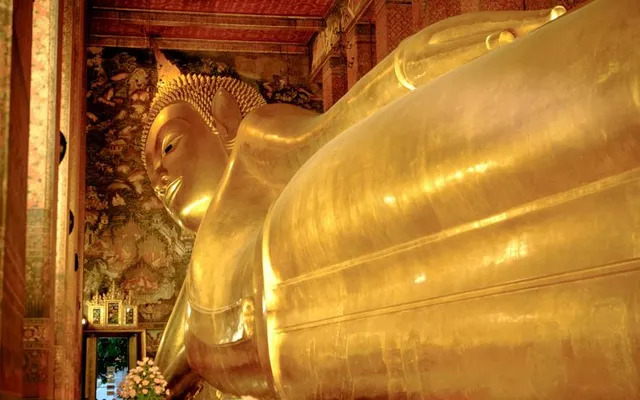
Basic Info
The Reclining Buddha
2 Sanam Chai Rd, Phra Borom Maha Ratchawang, Phra Nakhon, Bangkok 10200, Thailand
4.8(3.1K)
Closed
Save
spot
spot
Ratings & Description
Info
Cultural
Accessibility
attractions: The Grand Palace, Wat Arun Viewing Point, Museum Siam, The Temple of the Emerald Buddha, Saranrom Park, Chakri Maha Prasat Throne Hall, Phra Racha Wang Derm (Thonburi Palace), Grand Palace, Dusit Maha Prasat Throne Hall, Wat Ratchapradit Sathit Maha Simaram, restaurants: Pad Thai Kratong Thong by ama, Kin & Koff Restaurant and Café, THE SIXTH 6th, Home Cafe Tha Tien, All Meals Sawasdee, Hello sit down by Ladda aunt, Make Me Mango Tha Tian, The Deck by Arun Residence, Nusara, Medium Rare Tha Tian, local businesses: Wat Phra Chetuphon Wimon Mangkhalaram Rajwaramahawihan, Wat Phra Chetuphon Wimon Mangkhalaram Rajwaramahawihan, Wat Arun Ratchawararam Ratchawaramahawihan, Wat Arun Ratchawararam Ratchawaramahawihan, The Temple of the Emerald Buddha, Boat jump on and off, Wat Arun, Wat Arun, Thonburi Pagoda of Wat Arun, วัดอรุณราชวรารามราชวรมหาวิหาร
 Learn more insights from Wanderboat AI.
Phone
+66 83 057 7100
Website
watpho.com
Open hoursSee all hours
Mon8 AM - 7:30 PMClosed
Plan your stay

Pet-friendly Hotels in Phra Borom Maha Ratchawang Subdistrict
Find a cozy hotel nearby and make it a full experience.

Affordable Hotels in Phra Borom Maha Ratchawang Subdistrict
Find a cozy hotel nearby and make it a full experience.

The Coolest Hotels You Haven't Heard Of (Yet)
Find a cozy hotel nearby and make it a full experience.

Trending Stays Worth the Hype in Phra Borom Maha Ratchawang Subdistrict
Find a cozy hotel nearby and make it a full experience.
Reviews
Live events
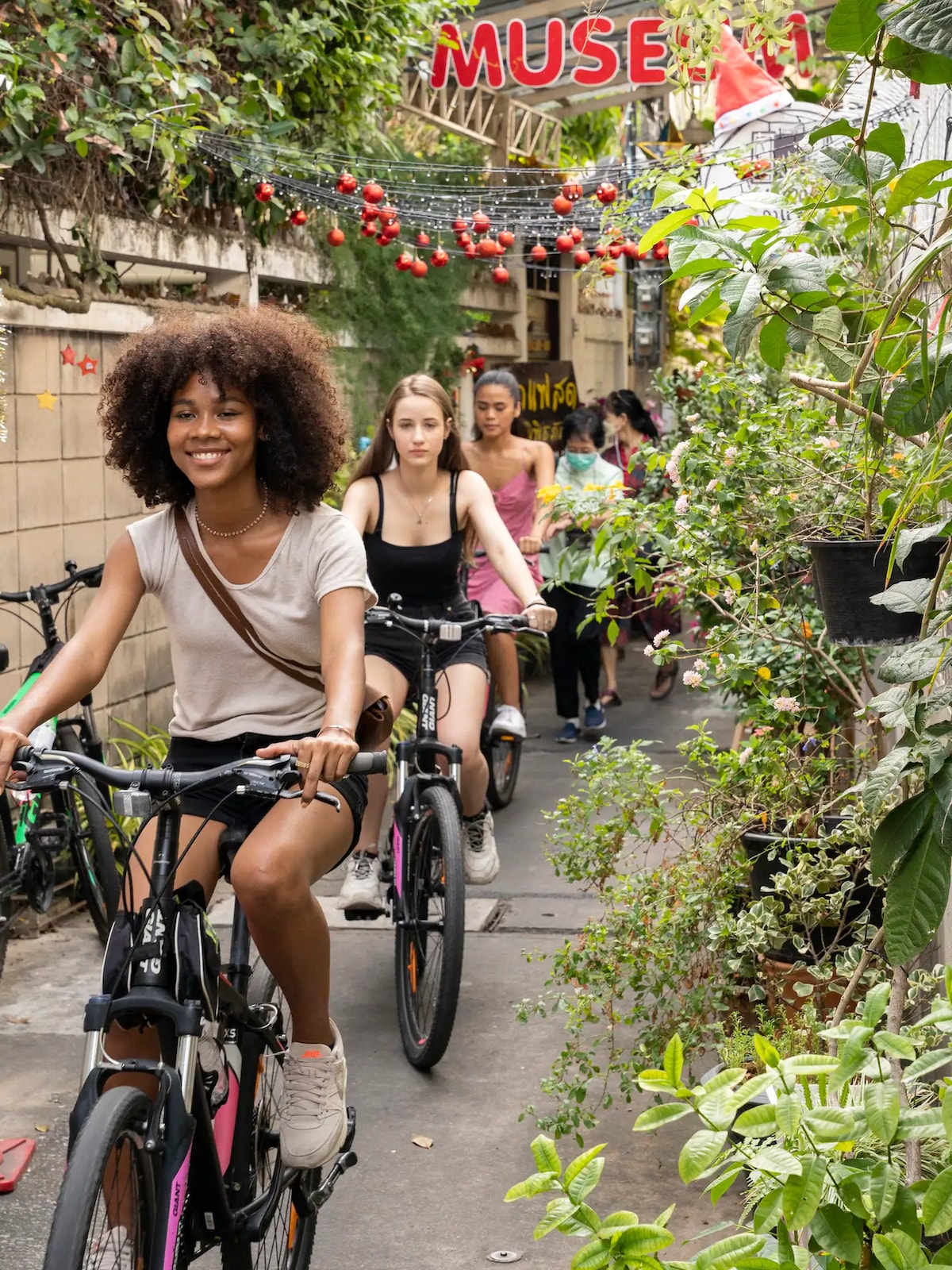
Must-Try: Hidden Bangkok Bike and Food tour
Mon, Feb 23 • 10:00 AM
Khlong San, Bangkok, 10600, Thailand
View details
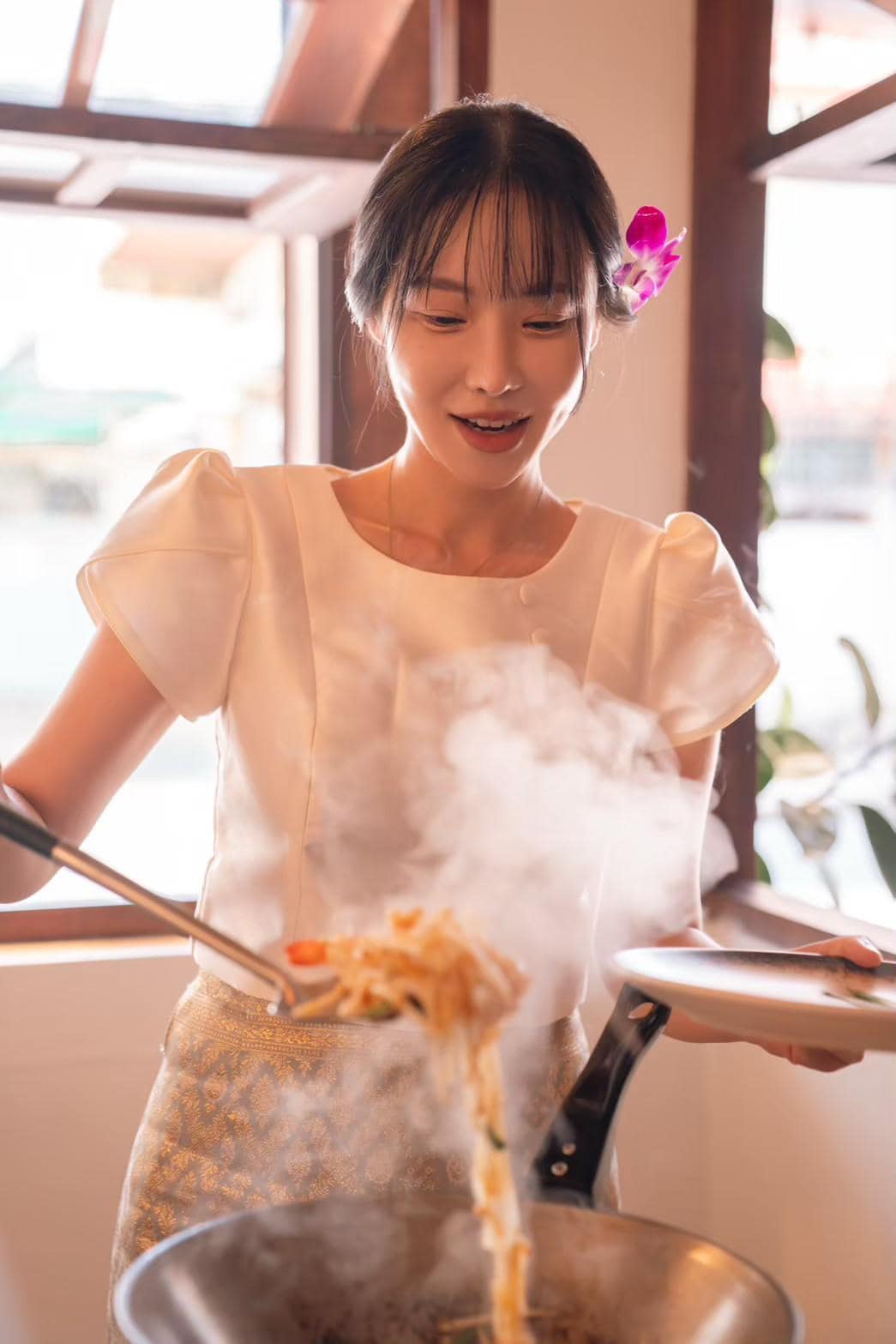
Homies Thai Cooking Class - Authentic Thai Food
Mon, Feb 23 • 9:00 AM
Khet Huai Khwang, Krung Thep Maha Nakhon, 10310, Thailand
View details
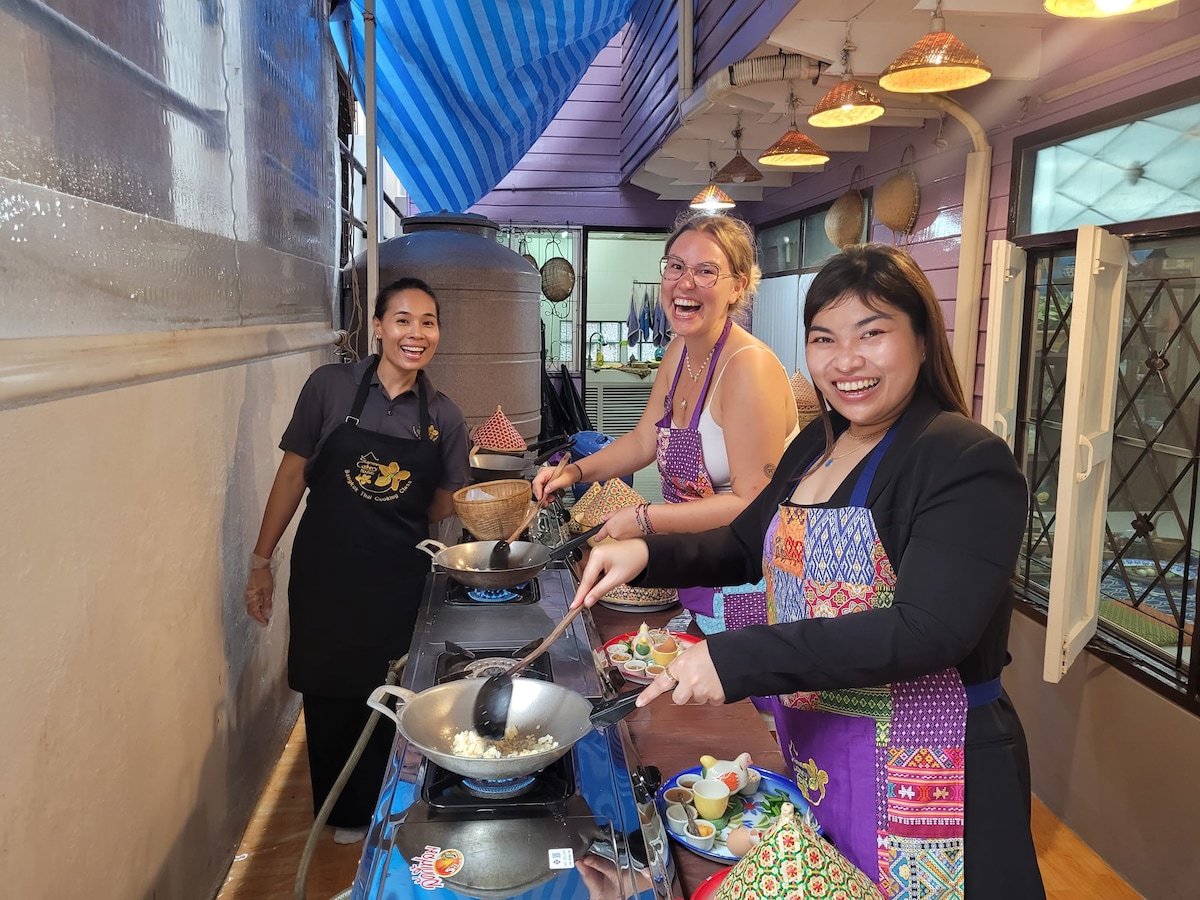
Learn authentic Thai cooking
Mon, Feb 23 • 9:00 AM
Huai Khwang, Bangkok, 10310, Thailand
View details
Nearby attractions of The Reclining Buddha
The Grand Palace
Wat Arun Viewing Point
Museum Siam
The Temple of the Emerald Buddha
Saranrom Park
Chakri Maha Prasat Throne Hall
Phra Racha Wang Derm (Thonburi Palace)
Grand Palace
Dusit Maha Prasat Throne Hall
Wat Ratchapradit Sathit Maha Simaram
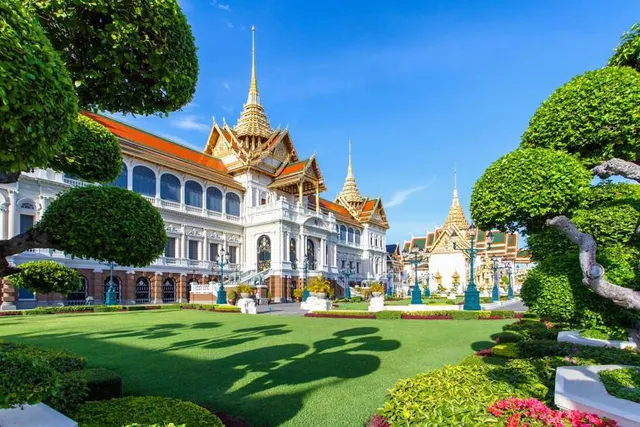
The Grand Palace
4.6
(26K)
Closed
Click for details
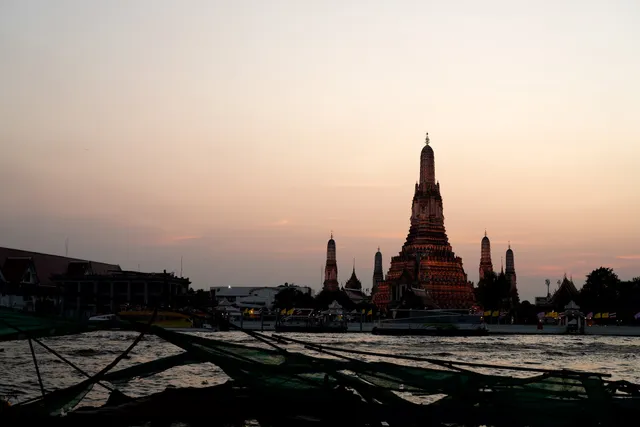
Wat Arun Viewing Point
4.5
(273)
Open until 12:00 AM
Click for details
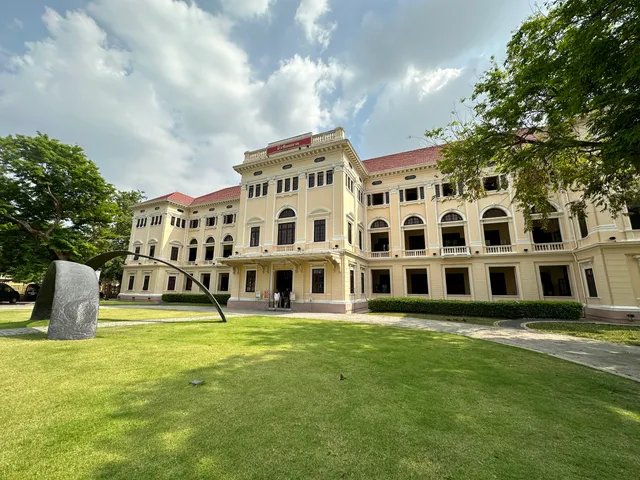
Museum Siam
4.5
(3.4K)
Open until 12:00 AM
Click for details
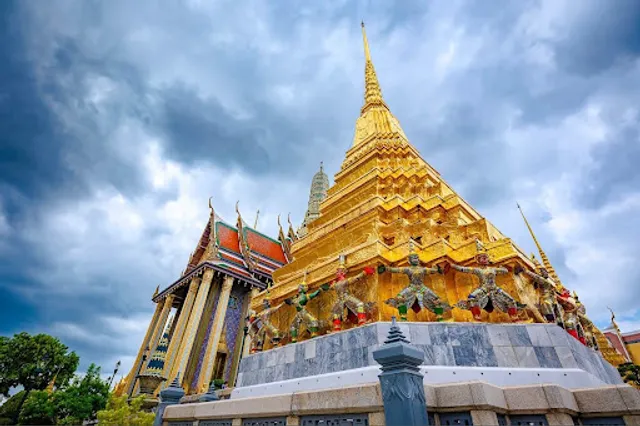
The Temple of the Emerald Buddha
4.7
(14.9K)
Closed
Click for details
Nearby restaurants of The Reclining Buddha
Pad Thai Kratong Thong by ama
Kin & Koff Restaurant and Café
THE SIXTH 6th
Home Cafe Tha Tien
All Meals Sawasdee
Hello sit down by Ladda aunt
Make Me Mango Tha Tian
The Deck by Arun Residence
Nusara
Medium Rare Tha Tian
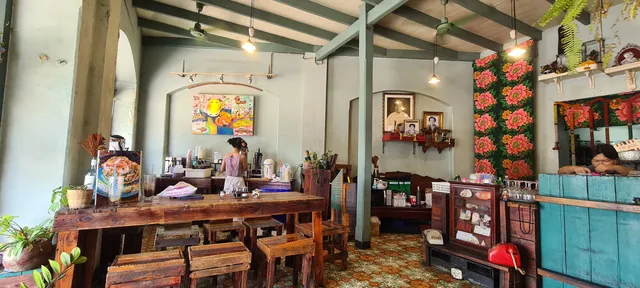
Pad Thai Kratong Thong by ama
4.7
(1.1K)
Closed
Click for details
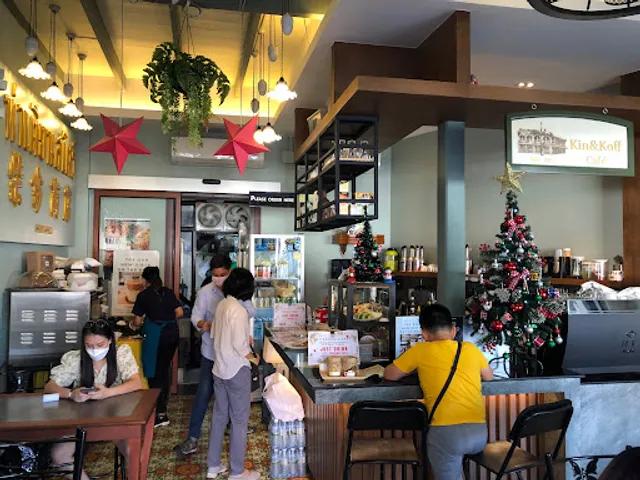
Kin & Koff Restaurant and Café
4.8
(696)
Closed
Click for details
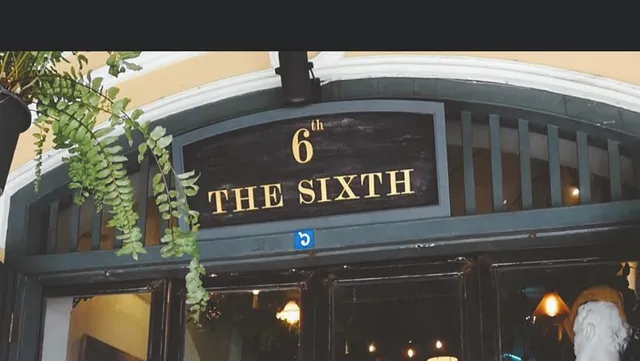
THE SIXTH 6th
4.7
(700)
Closed
Click for details
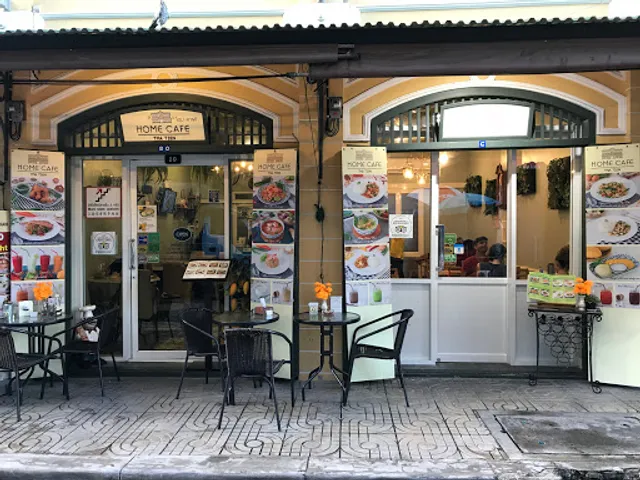
Home Cafe Tha Tien
4.6
(624)
Open until 12:00 AM
Click for details
Nearby local services of The Reclining Buddha
Wat Phra Chetuphon Wimon Mangkhalaram Rajwaramahawihan
Wat Phra Chetuphon Wimon Mangkhalaram Rajwaramahawihan
Wat Arun Ratchawararam Ratchawaramahawihan
Wat Arun Ratchawararam Ratchawaramahawihan
The Temple of the Emerald Buddha
Boat jump on and off
Wat Arun
Wat Arun
Thonburi Pagoda of Wat Arun
วัดอรุณราชวรารามราชวรมหาวิหาร
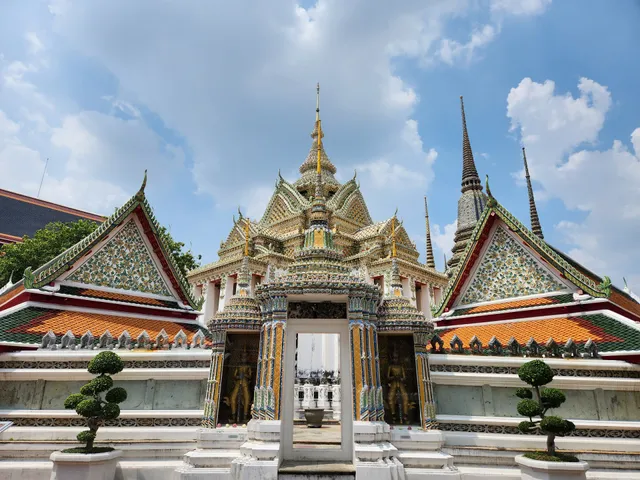
Wat Phra Chetuphon Wimon Mangkhalaram Rajwaramahawihan
4.7
(13.6K)
Click for details
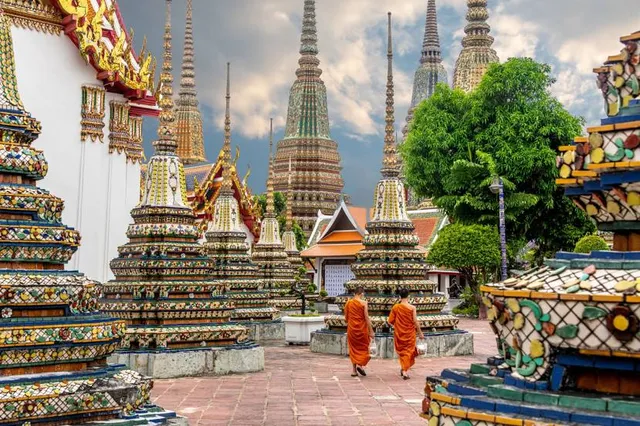
Wat Phra Chetuphon Wimon Mangkhalaram Rajwaramahawihan
4.6
(11.2K)
Click for details
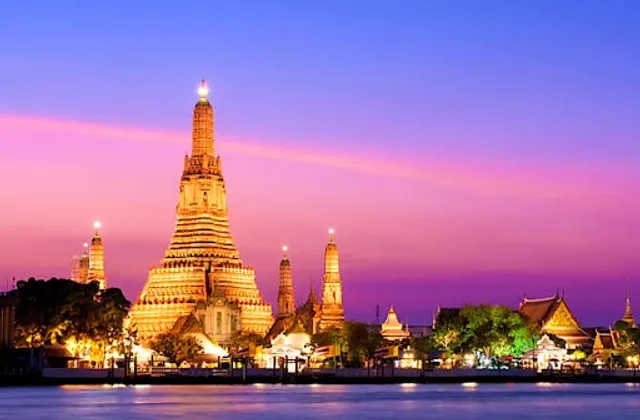
Wat Arun Ratchawararam Ratchawaramahawihan
4.7
(16.1K)
Click for details
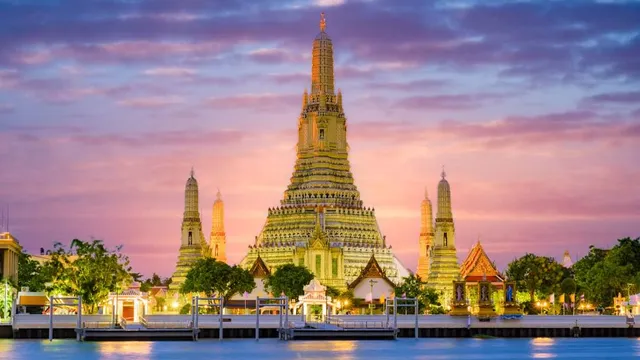
Wat Arun Ratchawararam Ratchawaramahawihan
4.6
(12.7K)
Click for details