HTML SitemapExplore
logo
Find Things to DoFind The Best Restaurants

Victory Monument — Attraction in Thung Phaya Thai Subdistrict

Name
Victory Monument
Description
Nearby attractions
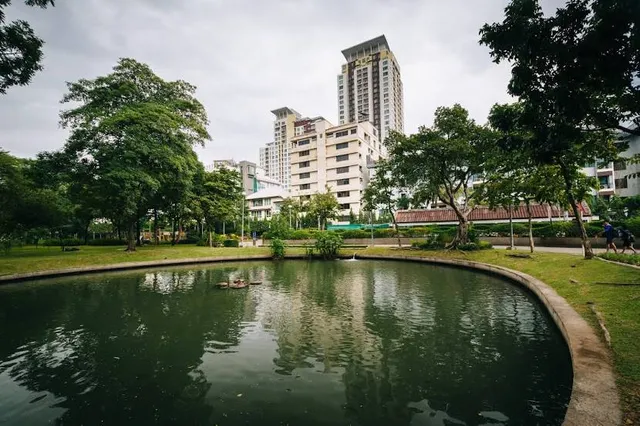
Santiphap Park
QG7R+4HR, Ratchawithi Rd, Thanon Phaya Thai, Ratchathewi, Bangkok 10400, Thailand
King Power Rang Nam
8 Rang Nam Alley, Khwaeng Thanon Phaya Thai, Ratchathewi, Bangkok 10400, Thailand
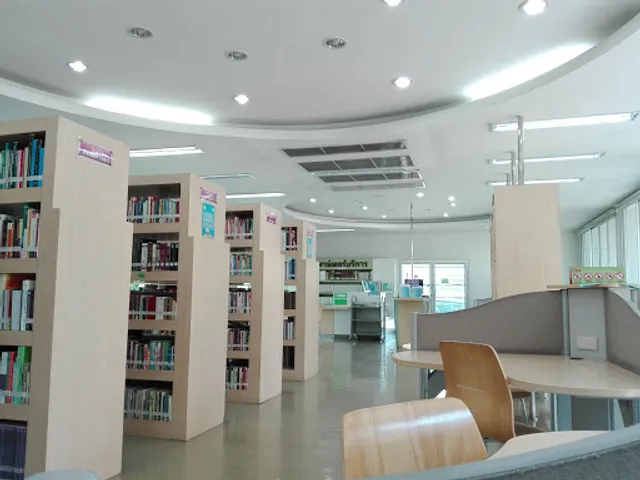
Soi Pra Nang Public Library
495/12 ซอยราชวิถี 4 Soi Ratchawithi 4, Thanon Phaya Thai, Ratchathewi, Bangkok 10400, Thailand
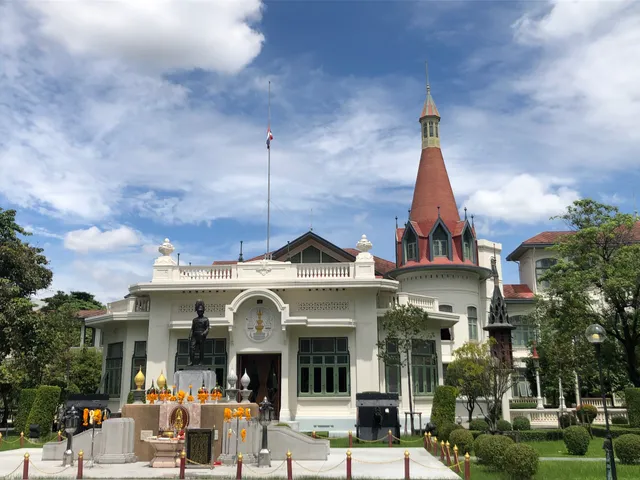
Phaya Thai Palace
315 Ratchawithi Rd, Thung Phaya Thai, Ratchathewi, Bangkok 10400, Thailand
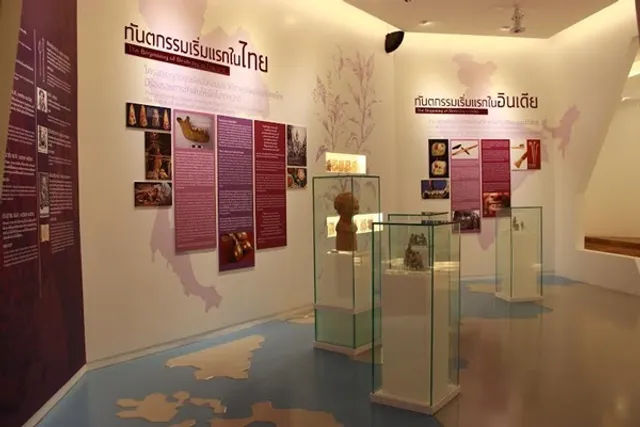
Sirindhorn Dental Museum
6 Yothi Rd, Thung Phaya Thai, Ratchathewi, Bangkok 10400, Thailand
Suan Pakkad Palace Museum
352 Thanon Si Ayutthaya, Thanon Phaya Thai, Ratchathewi, Bangkok 10400, Thailand
Mekalarujee Palace
Phaya Thai Palace, Thung Phaya Thai, Ratchathewi, Bangkok 10400, Thailand
Nearby restaurants
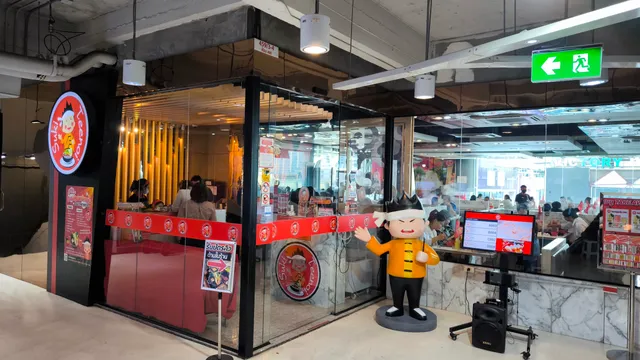
Suki Teenoi Victory Monument
459 3-4 Ratchawithi Rd, Thanon Phaya Thai, Ratchathewi, Bangkok 10400, Thailand
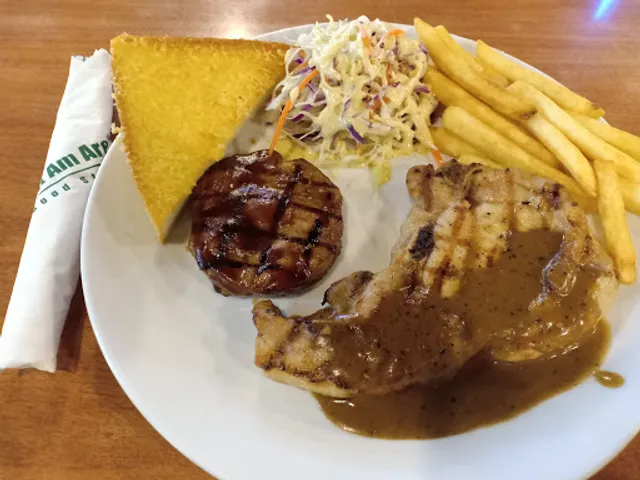
Eat Am Are
ชั้น 3 1 อาคารเซ็นเตอร์ วัน ช้อปปิ้ง พลาซ่า ห้อง 306 Ratchawithi Rd, Ratchathewi, Bangkok 10400, Thailand
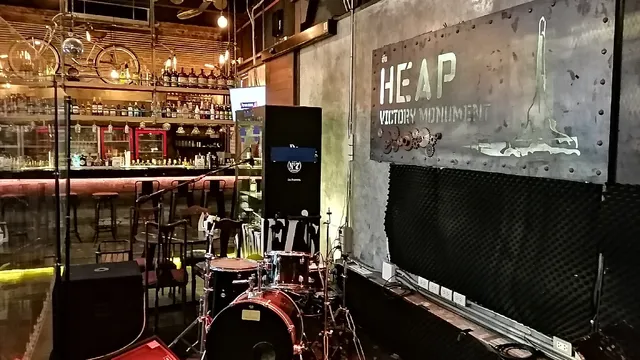
HEAP Victory Monument
449 Ratchawithi 12 Alley, Thung Phaya Thai, Ratchathewi, Bangkok 10400, Thailand
Pranakorn Noodle Restaurant
เลขที่ 2/2-6 Phahonyothin Rd, Samsen Nai, Phaya Thai, Bangkok 10400, Thailand
Pa Yak Boat Noodle ร้านก๋วยเตี๋ยวเรือป๋ายักษ์
2 ร้านก๋วยเตี๋ยวเรือป๋ายักษ์ 23-24 Ratchawithi 10 Alley, Thanon Phaya Thai, Ratchathewi, Bangkok 10400, Thailand
Pong Lee
10, 1 Ratchawithi Rd, Thanon Phaya Thai, Ratchathewi, Bangkok 10400, Thailand
McDonald's - Center One
Center One Shopping Plaza, 1001 Ratchawithi Rd, Thanon Phaya Thai, Ratchathewi, Bangkok 10400, Thailand
Swensen's Center One
ศูนย์การค้า CENTER ONE ชั้น 2 ห้องเลขที่ 2018, Ratchawithi Rd, Phaya Thai, Ratchathewi, Bangkok 10400, Thailand
อินาริ Inari
465, 12 Ratchawithi Rd, Thanon Phaya Thai, Ratchathewi, Bangkok 10400, Thailand
ส้มตำออนซอนเด | Somtum On Sunday
1 3/1-4 Phaya Thai Rd, Thanon Phaya Thai, Ratchathewi, Bangkok 10400, Thailand
Nearby hotels
VIX Bangkok Hotel @ Victory Monument
459 13-15 Ratchawithi Rd, Thanon Phaya Thai, Ratchathewi, Bangkok 10400, Thailand
fyn hotel โรงแรม ฟินโฮเทล
17/1 Soi Ratchawithi 9, Thanon Phaya Thai, Ratchathewi, Bangkok 10400, Thailand
Yello Rooms Hotel Victory Monument
12 Ratchawithi 11 Alley, Thanon Phaya Thai, Ratchathewi, Bangkok 10400, Thailand
Baanfahsai
12-13, 2 Phahonyothin Rd, Samsen Nai, Phaya Thai, Bangkok 10400, Thailand
515 Victory
5, 15 Phaya Thai Rd, Khwaeng Thanon Phaya Thai, Ratchathewi, Bangkok 10400, Thailand
The Victory View
34/2-3 Soi Ratchawithi 9, Thanon Phaya Thai, Ratchathewi, Bangkok 10400, Thailand
T Hostel Victory Monument
156, 3 Phahonyothin Rd, Samsen Nai, Phaya Thai, Bangkok 10400, Thailand
College Haus
438 17 Chawakun Alley, Thanon Phaya Thai, Ratchathewi, Bangkok 10400, Thailand
Le Tada Residence
440/9 Ratchawithi Rd, Khwaeng Thanon Phaya Thai, Ratchathewi, Bangkok 10400, Thailand
Royal View Resort Rang Nam
27, 3 Rang Nam Alley, Samsen Nai, Phaya Thai, Bangkok 10400, Thailand
Related posts
Keywords
Victory Monument tourism.Victory Monument hotels.Victory Monument bed and breakfast. flights to Victory Monument.Victory Monument attractions.Victory Monument restaurants.Victory Monument travel.Victory Monument travel guide.Victory Monument travel blog.Victory Monument pictures.Victory Monument photos.Victory Monument travel tips.Victory Monument maps.Victory Monument things to do.
Victory Monument things to do, attractions, restaurants, events info and trip planning
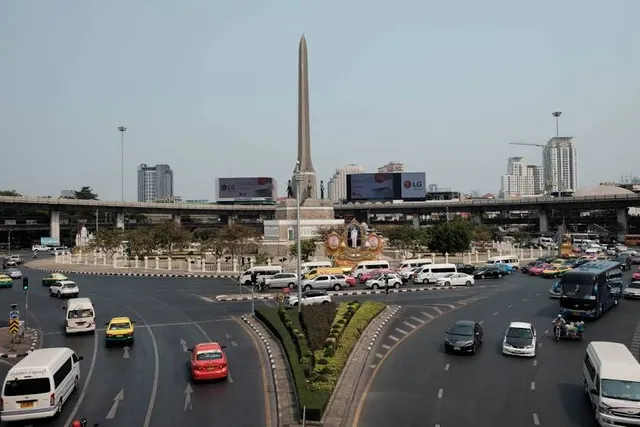
Victory Monument
ThailandBangkokThung Phaya Thai SubdistrictVictory Monument

Basic Info

Victory Monument

QG7Q+X87, Phahonyothin Rd, Thanon Phaya Thai, Ratchathewi, Bangkok 10400, Thailand
4.4(6K)
Open 24 hours
Save
spot

Ratings & Description

Info

Cultural
Outdoor
Accessibility
attractions: Santiphap Park, King Power Rang Nam, Soi Pra Nang Public Library, Phaya Thai Palace, Sirindhorn Dental Museum, Suan Pakkad Palace Museum, Mekalarujee Palace, restaurants: Suki Teenoi Victory Monument, Eat Am Are, HEAP Victory Monument, Pranakorn Noodle Restaurant, Pa Yak Boat Noodle ร้านก๋วยเตี๋ยวเรือป๋ายักษ์, Pong Lee, McDonald's - Center One, Swensen's Center One, อินาริ Inari, ส้มตำออนซอนเด | Somtum On Sunday
logoLearn more insights from Wanderboat AI.

Plan your stay

hotel
Pet-friendly Hotels in Thung Phaya Thai Subdistrict
Find a cozy hotel nearby and make it a full experience.

hotel
Affordable Hotels in Thung Phaya Thai Subdistrict
Find a cozy hotel nearby and make it a full experience.

hotel
The Coolest Hotels You Haven't Heard Of (Yet)
Find a cozy hotel nearby and make it a full experience.

hotel
Trending Stays Worth the Hype in Thung Phaya Thai Subdistrict
Find a cozy hotel nearby and make it a full experience.

Reviews

Nearby attractions of Victory Monument

Santiphap Park

King Power Rang Nam

Soi Pra Nang Public Library

Phaya Thai Palace

Sirindhorn Dental Museum

Suan Pakkad Palace Museum

Mekalarujee Palace

Santiphap Park

Santiphap Park

4.5

(1.5K)

Open 24 hours
Click for details
King Power Rang Nam

King Power Rang Nam

4.4

(3.9K)

Open 24 hours
Click for details
Soi Pra Nang Public Library

Soi Pra Nang Public Library

4.2

(53)

Open 24 hours
Click for details
Phaya Thai Palace

Phaya Thai Palace

4.6

(709)

Open 24 hours
Click for details

Things to do nearby

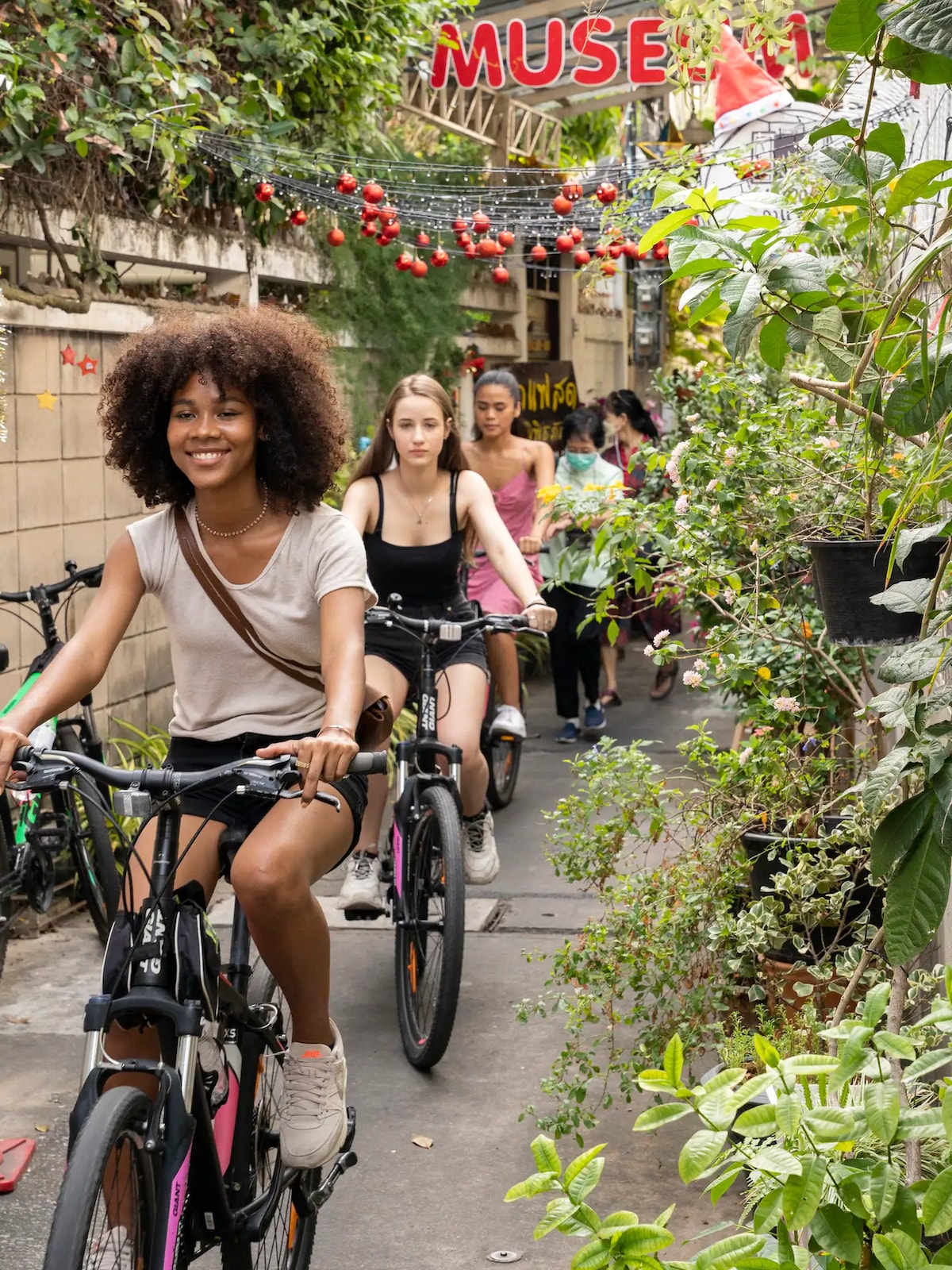
Must-Try: Hidden Bangkok Bike and Food tour
Fri, Dec 12 • 10:00 AM
Khlong San, Bangkok, 10600, Thailand
View details
Secret of Sak Yant Tattoo
Fri, Dec 12 • 9:30 AM
Bang Khen, Bangkok, 10220, Thailand
View details
BestBangkok Floating market-Boat&Bites food tour
Sat, Dec 13 • 8:00 AM
Taling Chan, Bangkok, 10170, Thailand
View details

Nearby restaurants of Victory Monument

Suki Teenoi Victory Monument

Eat Am Are

HEAP Victory Monument

Pranakorn Noodle Restaurant

Pa Yak Boat Noodle ร้านก๋วยเตี๋ยวเรือป๋ายักษ์

Pong Lee

McDonald's - Center One

Swensen's Center One

อินาริ Inari

ส้มตำออนซอนเด | Somtum On Sunday

Suki Teenoi Victory Monument

Suki Teenoi Victory Monument

4.5

(695)

$

Open until 5:00 AM
Click for details
Eat Am Are

Eat Am Are

4.5

(1.0K)

Click for details
HEAP Victory Monument

HEAP Victory Monument

4.3

(611)

$$

Click for details
Pranakorn Noodle Restaurant

Pranakorn Noodle Restaurant

3.9

(732)

Click for details
Get the Appoverlay
Get the AppOne tap to find yournext favorite spots!
Wanderboat LogoWanderboat

Your everyday Al companion for getaway ideas

CompanyAbout Us
InformationAI Trip PlannerSitemap
SocialXInstagramTiktokLinkedin
LegalTerms of ServicePrivacy Policy

Get the app

© 2025 Wanderboat. All rights reserved.
logo

Reviews of Victory Monument

4.4
(5,953)
avatar
4.0
34w

The Victory Monument in Bangkok, Thailand, is a multifaceted landmark with deep historical, cultural, and political significance. Below is a detailed overview of its key aspects:

  1. Historical Background Origins: Built in June 1941 to commemorate Thailand’s victory in the Franco-Thai War (1940–1941), a territorial conflict over regions in western Cambodia and northern/southern Laos. The war resulted in 59 Thai casualties and 421 French losses . Commemoration: Honors 160 soldiers, police, and civilians who died in the war, with plaques listing 801 Thai nationals who perished in conflicts from 1940 to 1954 . Recent Recognition: Officially designated as a historic site by Thailand’s Fine Arts Department in February 2025, ensuring its preservation as a national treasure .

  2. Architectural Features Design: Designed by Thai architect M.L. Pum Malakul, the 50-meter-tall obelisk blends Western and Thai styles. The central structure resembles ancient Egyptian obelisks, symbolizing strength . Statues: Five bronze statues at the base represent the Army, Navy, Air Force, Police, and civilians, crafted by Italian-Thai sculptor Corrado Feroci (Silpa Bhirasri). These highlight the collective effort during the war . Symbolism: The monument’s fusion of art and nationalism reflects 1940s heroic art trends, emphasizing unity and resilience .

  3. Cultural and Economic Role Transport Hub: Located at the intersection of major roads (Phaholyothin, Phaya Thai, Ratchawithi), it serves as a central transportation node with BTS Skytrain access and bus routes . Surrounding Area: A bustling district with hospitals, shopping malls, restaurants, and condominiums, attracting both local and foreign investment . Annual Commemorations: War Veterans Day is observed annually on February 3 at the monument .

  4. Political Significance Protest Site: A focal point for political demonstrations, including anti-government rallies in 2013 (against Yingluck Shinawatra), 2014 (anti-junta), and 2022 (opposing Prayut Chan-o-cha) . Symbol of Democracy: Alongside the Democracy Monument, it embodies Thailand’s evolving political landscape and public dissent .

  5. Global Counterparts While the Bangkok monument is distinct, other "Victory Monuments" exist globally: Chicago, USA: Honors African-American soldiers of the 370th Infantry in World War I . Washington State, USA: Features Nike, the Greek goddess of victory, commemorating WWI soldiers .

Visiting Information Location: Ratchathewi district, Bangkok . Nearby Attractions: Floating markets, temples (e.g., Wat Pho, Wat Arun), and spa experiences are popular tourist activities in the area .

The Victory Monument remains a testament to Thailand’s history, urban vitality, and democratic struggles, making it a must-visit for understanding Bangkok’s identity. For further details, explore the...

   Read more
avatar
4.0
4y

Victory Monument (Thai: อนุสาวรีย์ชัยสมรภูมิ, RTGS: Anusawari Chai Samoraphum) is a military monument in Bangkok, Thailand. The monument was erected in June 1941 to commemorate the Thai victory in the Franco-Thai War. The monument is in Ratchathewi District, northeast of central Bangkok, at the center of a traffic circle in the intersection of Phahonyothin, Phaya Thai and Ratchawithi roads. The monument is entirely Western in design. This is in contrast with another prominent monument of Bangkok, the Democracy Monument, which uses indigenous Thai forms and symbols. The central obelisk, although originally Egyptian, has been frequently used in Europe and the US for national and military memorials, its shape suggesting both a sword and masculine potency. Here it is executed in the shape of five bayonets clasped together. Five statues, representing the army, navy, air force, police, and civilian population, are depicted in Western "heroic" style, familiar in the 1940s in both fascist and communist states. They were created by the Italian sculptor Corrado Feroci, who worked under the Thai name Silpa Bhirasi. The sculptor did not like the combination of his work with the obelisk, and referred to the monument as "the victory of embarrassment". In 1940–1941, Thailand fought a brief conflict against the Vichy French colonial authorities in French Indochina, which resulted in Thailand annexing some territories in western Cambodia and northern and southern Laos. These were among the territories which the Kingdom of Siam had ceded to France in 1893 and 1904, and nationalist Thais considered them to belong to Thailand.

The fighting between the Thais and the French in December 1940 and January 1941 was brief and inconclusive. Fifty-nine Thai troops were killed and the final territorial settlement was imposed on both parties by Japan, which did not want to see a prolonged war between two regional allies at a time when it was preparing to launch a war of conquest in Southeast Asia. Thailand's gains were less than it had hoped for, although more than the French wished to concede. Nevertheless, the Thai regime of Field Marshal Plaek Phibunsongkhram celebrated the outcome of the war as a victory, and the monument was commissioned, designed, and erected within a few months.

The monument became an embarrassment in a more political sense in 1945 when the Allied victory in the Pacific War forced Thailand to evacuate the territories it had gained in 1941 and return them to France. Many Thais regard the monument as an inappropriate symbol of militarism and a relic of what they now see as a discredited regime. Nevertheless, the monument remains one of Bangkok's most...

   Read more
avatar
5.0
4y

Victory Monument or Anusawari Chai Samoraphum is a military monument in Bangkok, Thailand. The monument is in Ratchathewi District, northeast of central Bangkok, at the center of a trafdic circle in the intersection of Phahonyothin, Phaya Thai, and Ratchawithi roads. At the center of a bustling junction, the Victory Monument, Bangkok towers majestically above the hive of activity that surrounds it. This monument is another masterpiece created by Corrado Feroci as a memorial to fallen servicemen and civilians. The Victory Monument consists of an obelisk ringed by six statues representing the army, navy, air force, police and civilians. These were the casualties in the Franco-Thai War from November 1940 – January 1941, over the disputed provinces of Battambang and Siem Reap, in what is presently Cambodia and territories to the west of the Mekong River along the Thai-Laos border. The names of the 656 fallen servicemen and civilians are inscribed around the base of the monument, which is fenced in and surrounded by trees. The Victory Monument is one of the most-seen monuments in Bangkok as it sits at one of Bangkok's busiest intersections where Ratchavithi, Phyathai and Phahonyothin meet. The area around the monument is a major transportation hub for buses and minivans to almost all parts of Bangkok and to some provinces. From the sky train station 100 m away, the track loops around the monument giving passengers a panoramic view of the area. A pedestrian walkway just below the skytrain line allows visitors to walk around and view the monument from different angles. The roads below have a constant flow of heavy traffic round a busy area thronged with people. In a distance, construction cranes are busily adding on to an already heavily built up area. Amid all this commercialization, the Victory Monument remains undisturbed, as an enduring tribute to the nation's defenders and a legacy to Feroci's artistry. The Victory Monument, indeed, is one of Bangkok's most...

   Read more
Page 1 of 7
Previous
Next

Posts

Aung Kyaw MOEAung Kyaw MOE
The **Victory Monument** in Bangkok, Thailand, is a multifaceted landmark with deep historical, cultural, and political significance. Below is a detailed overview of its key aspects: --- ### **1. Historical Background** - **Origins**: Built in June 1941 to commemorate Thailand’s victory in the **Franco-Thai War** (1940–1941), a territorial conflict over regions in western Cambodia and northern/southern Laos. The war resulted in 59 Thai casualties and 421 French losses . - **Commemoration**: Honors 160 soldiers, police, and civilians who died in the war, with plaques listing 801 Thai nationals who perished in conflicts from 1940 to 1954 . - **Recent Recognition**: Officially designated as a **historic site** by Thailand’s Fine Arts Department in February 2025, ensuring its preservation as a national treasure . --- ### **2. Architectural Features** - **Design**: Designed by Thai architect **M.L. Pum Malakul**, the 50-meter-tall obelisk blends Western and Thai styles. The central structure resembles ancient Egyptian obelisks, symbolizing strength . - **Statues**: Five bronze statues at the base represent the **Army, Navy, Air Force, Police, and civilians**, crafted by Italian-Thai sculptor **Corrado Feroci** (Silpa Bhirasri). These highlight the collective effort during the war . - **Symbolism**: The monument’s fusion of art and nationalism reflects 1940s heroic art trends, emphasizing unity and resilience . --- ### **3. Cultural and Economic Role** - **Transport Hub**: Located at the intersection of major roads (Phaholyothin, Phaya Thai, Ratchawithi), it serves as a central transportation node with BTS Skytrain access and bus routes . - **Surrounding Area**: A bustling district with hospitals, shopping malls, restaurants, and condominiums, attracting both local and foreign investment . - **Annual Commemorations**: War Veterans Day is observed annually on **February 3** at the monument . --- ### **4. Political Significance** - **Protest Site**: A focal point for political demonstrations, including anti-government rallies in 2013 (against Yingluck Shinawatra), 2014 (anti-junta), and 2022 (opposing Prayut Chan-o-cha) . - **Symbol of Democracy**: Alongside the Democracy Monument, it embodies Thailand’s evolving political landscape and public dissent . --- ### **5. Global Counterparts** While the Bangkok monument is distinct, other "Victory Monuments" exist globally: - **Chicago, USA**: Honors African-American soldiers of the 370th Infantry in World War I . - **Washington State, USA**: Features Nike, the Greek goddess of victory, commemorating WWI soldiers . --- ### **Visiting Information** - **Location**: Ratchathewi district, Bangkok . - **Nearby Attractions**: Floating markets, temples (e.g., Wat Pho, Wat Arun), and spa experiences are popular tourist activities in the area . The Victory Monument remains a testament to Thailand’s history, urban vitality, and democratic struggles, making it a must-visit for understanding Bangkok’s identity. For further details, explore the cited sources.
Aditya KarnawiredjaAditya Karnawiredja
Victory Monument (Thai: อนุสาวรีย์ชัยสมรภูมิ, RTGS: Anusawari Chai Samoraphum) is a military monument in Bangkok, Thailand. The monument was erected in June 1941 to commemorate the Thai victory in the Franco-Thai War. The monument is in Ratchathewi District, northeast of central Bangkok, at the center of a traffic circle in the intersection of Phahonyothin, Phaya Thai and Ratchawithi roads. The monument is entirely Western in design. This is in contrast with another prominent monument of Bangkok, the Democracy Monument, which uses indigenous Thai forms and symbols. The central obelisk, although originally Egyptian, has been frequently used in Europe and the US for national and military memorials, its shape suggesting both a sword and masculine potency. Here it is executed in the shape of five bayonets clasped together. Five statues, representing the army, navy, air force, police, and civilian population, are depicted in Western "heroic" style, familiar in the 1940s in both fascist and communist states. They were created by the Italian sculptor Corrado Feroci, who worked under the Thai name Silpa Bhirasi. The sculptor did not like the combination of his work with the obelisk, and referred to the monument as "the victory of embarrassment". In 1940–1941, Thailand fought a brief conflict against the Vichy French colonial authorities in French Indochina, which resulted in Thailand annexing some territories in western Cambodia and northern and southern Laos. These were among the territories which the Kingdom of Siam had ceded to France in 1893 and 1904, and nationalist Thais considered them to belong to Thailand. The fighting between the Thais and the French in December 1940 and January 1941 was brief and inconclusive. Fifty-nine Thai troops were killed and the final territorial settlement was imposed on both parties by Japan, which did not want to see a prolonged war between two regional allies at a time when it was preparing to launch a war of conquest in Southeast Asia. Thailand's gains were less than it had hoped for, although more than the French wished to concede. Nevertheless, the Thai regime of Field Marshal Plaek Phibunsongkhram celebrated the outcome of the war as a victory, and the monument was commissioned, designed, and erected within a few months. The monument became an embarrassment in a more political sense in 1945 when the Allied victory in the Pacific War forced Thailand to evacuate the territories it had gained in 1941 and return them to France. Many Thais regard the monument as an inappropriate symbol of militarism and a relic of what they now see as a discredited regime. Nevertheless, the monument remains one of Bangkok's most familiar landmarks.
Eric PepitoEric Pepito
Victory Monument or Anusawari Chai Samoraphum is a military monument in Bangkok, Thailand. The monument is in Ratchathewi District, northeast of central Bangkok, at the center of a trafdic circle in the intersection of Phahonyothin, Phaya Thai, and Ratchawithi roads. At the center of a bustling junction, the Victory Monument, Bangkok towers majestically above the hive of activity that surrounds it. This monument is another masterpiece created by Corrado Feroci as a memorial to fallen servicemen and civilians. The Victory Monument consists of an obelisk ringed by six statues representing the army, navy, air force, police and civilians. These were the casualties in the Franco-Thai War from November 1940 – January 1941, over the disputed provinces of Battambang and Siem Reap, in what is presently Cambodia and territories to the west of the Mekong River along the Thai-Laos border. The names of the 656 fallen servicemen and civilians are inscribed around the base of the monument, which is fenced in and surrounded by trees. The Victory Monument is one of the most-seen monuments in Bangkok as it sits at one of Bangkok's busiest intersections where Ratchavithi, Phyathai and Phahonyothin meet. The area around the monument is a major transportation hub for buses and minivans to almost all parts of Bangkok and to some provinces. From the sky train station 100 m away, the track loops around the monument giving passengers a panoramic view of the area. A pedestrian walkway just below the skytrain line allows visitors to walk around and view the monument from different angles. The roads below have a constant flow of heavy traffic round a busy area thronged with people. In a distance, construction cranes are busily adding on to an already heavily built up area. Amid all this commercialization, the Victory Monument remains undisturbed, as an enduring tribute to the nation's defenders and a legacy to Feroci's artistry. The Victory Monument, indeed, is one of Bangkok's most familiar landmarks.
See more posts
See more posts
hotel
Find your stay

Pet-friendly Hotels in Thung Phaya Thai Subdistrict

Find a cozy hotel nearby and make it a full experience.

The **Victory Monument** in Bangkok, Thailand, is a multifaceted landmark with deep historical, cultural, and political significance. Below is a detailed overview of its key aspects: --- ### **1. Historical Background** - **Origins**: Built in June 1941 to commemorate Thailand’s victory in the **Franco-Thai War** (1940–1941), a territorial conflict over regions in western Cambodia and northern/southern Laos. The war resulted in 59 Thai casualties and 421 French losses . - **Commemoration**: Honors 160 soldiers, police, and civilians who died in the war, with plaques listing 801 Thai nationals who perished in conflicts from 1940 to 1954 . - **Recent Recognition**: Officially designated as a **historic site** by Thailand’s Fine Arts Department in February 2025, ensuring its preservation as a national treasure . --- ### **2. Architectural Features** - **Design**: Designed by Thai architect **M.L. Pum Malakul**, the 50-meter-tall obelisk blends Western and Thai styles. The central structure resembles ancient Egyptian obelisks, symbolizing strength . - **Statues**: Five bronze statues at the base represent the **Army, Navy, Air Force, Police, and civilians**, crafted by Italian-Thai sculptor **Corrado Feroci** (Silpa Bhirasri). These highlight the collective effort during the war . - **Symbolism**: The monument’s fusion of art and nationalism reflects 1940s heroic art trends, emphasizing unity and resilience . --- ### **3. Cultural and Economic Role** - **Transport Hub**: Located at the intersection of major roads (Phaholyothin, Phaya Thai, Ratchawithi), it serves as a central transportation node with BTS Skytrain access and bus routes . - **Surrounding Area**: A bustling district with hospitals, shopping malls, restaurants, and condominiums, attracting both local and foreign investment . - **Annual Commemorations**: War Veterans Day is observed annually on **February 3** at the monument . --- ### **4. Political Significance** - **Protest Site**: A focal point for political demonstrations, including anti-government rallies in 2013 (against Yingluck Shinawatra), 2014 (anti-junta), and 2022 (opposing Prayut Chan-o-cha) . - **Symbol of Democracy**: Alongside the Democracy Monument, it embodies Thailand’s evolving political landscape and public dissent . --- ### **5. Global Counterparts** While the Bangkok monument is distinct, other "Victory Monuments" exist globally: - **Chicago, USA**: Honors African-American soldiers of the 370th Infantry in World War I . - **Washington State, USA**: Features Nike, the Greek goddess of victory, commemorating WWI soldiers . --- ### **Visiting Information** - **Location**: Ratchathewi district, Bangkok . - **Nearby Attractions**: Floating markets, temples (e.g., Wat Pho, Wat Arun), and spa experiences are popular tourist activities in the area . The Victory Monument remains a testament to Thailand’s history, urban vitality, and democratic struggles, making it a must-visit for understanding Bangkok’s identity. For further details, explore the cited sources.
Aung Kyaw MOE

Aung Kyaw MOE

hotel
Find your stay

Affordable Hotels in Thung Phaya Thai Subdistrict

Find a cozy hotel nearby and make it a full experience.

Get the Appoverlay
Get the AppOne tap to find yournext favorite spots!
Victory Monument (Thai: อนุสาวรีย์ชัยสมรภูมิ, RTGS: Anusawari Chai Samoraphum) is a military monument in Bangkok, Thailand. The monument was erected in June 1941 to commemorate the Thai victory in the Franco-Thai War. The monument is in Ratchathewi District, northeast of central Bangkok, at the center of a traffic circle in the intersection of Phahonyothin, Phaya Thai and Ratchawithi roads. The monument is entirely Western in design. This is in contrast with another prominent monument of Bangkok, the Democracy Monument, which uses indigenous Thai forms and symbols. The central obelisk, although originally Egyptian, has been frequently used in Europe and the US for national and military memorials, its shape suggesting both a sword and masculine potency. Here it is executed in the shape of five bayonets clasped together. Five statues, representing the army, navy, air force, police, and civilian population, are depicted in Western "heroic" style, familiar in the 1940s in both fascist and communist states. They were created by the Italian sculptor Corrado Feroci, who worked under the Thai name Silpa Bhirasi. The sculptor did not like the combination of his work with the obelisk, and referred to the monument as "the victory of embarrassment". In 1940–1941, Thailand fought a brief conflict against the Vichy French colonial authorities in French Indochina, which resulted in Thailand annexing some territories in western Cambodia and northern and southern Laos. These were among the territories which the Kingdom of Siam had ceded to France in 1893 and 1904, and nationalist Thais considered them to belong to Thailand. The fighting between the Thais and the French in December 1940 and January 1941 was brief and inconclusive. Fifty-nine Thai troops were killed and the final territorial settlement was imposed on both parties by Japan, which did not want to see a prolonged war between two regional allies at a time when it was preparing to launch a war of conquest in Southeast Asia. Thailand's gains were less than it had hoped for, although more than the French wished to concede. Nevertheless, the Thai regime of Field Marshal Plaek Phibunsongkhram celebrated the outcome of the war as a victory, and the monument was commissioned, designed, and erected within a few months. The monument became an embarrassment in a more political sense in 1945 when the Allied victory in the Pacific War forced Thailand to evacuate the territories it had gained in 1941 and return them to France. Many Thais regard the monument as an inappropriate symbol of militarism and a relic of what they now see as a discredited regime. Nevertheless, the monument remains one of Bangkok's most familiar landmarks.
Aditya Karnawiredja

Aditya Karnawiredja

hotel
Find your stay

The Coolest Hotels You Haven't Heard Of (Yet)

Find a cozy hotel nearby and make it a full experience.

hotel
Find your stay

Trending Stays Worth the Hype in Thung Phaya Thai Subdistrict

Find a cozy hotel nearby and make it a full experience.

Victory Monument or Anusawari Chai Samoraphum is a military monument in Bangkok, Thailand. The monument is in Ratchathewi District, northeast of central Bangkok, at the center of a trafdic circle in the intersection of Phahonyothin, Phaya Thai, and Ratchawithi roads. At the center of a bustling junction, the Victory Monument, Bangkok towers majestically above the hive of activity that surrounds it. This monument is another masterpiece created by Corrado Feroci as a memorial to fallen servicemen and civilians. The Victory Monument consists of an obelisk ringed by six statues representing the army, navy, air force, police and civilians. These were the casualties in the Franco-Thai War from November 1940 – January 1941, over the disputed provinces of Battambang and Siem Reap, in what is presently Cambodia and territories to the west of the Mekong River along the Thai-Laos border. The names of the 656 fallen servicemen and civilians are inscribed around the base of the monument, which is fenced in and surrounded by trees. The Victory Monument is one of the most-seen monuments in Bangkok as it sits at one of Bangkok's busiest intersections where Ratchavithi, Phyathai and Phahonyothin meet. The area around the monument is a major transportation hub for buses and minivans to almost all parts of Bangkok and to some provinces. From the sky train station 100 m away, the track loops around the monument giving passengers a panoramic view of the area. A pedestrian walkway just below the skytrain line allows visitors to walk around and view the monument from different angles. The roads below have a constant flow of heavy traffic round a busy area thronged with people. In a distance, construction cranes are busily adding on to an already heavily built up area. Amid all this commercialization, the Victory Monument remains undisturbed, as an enduring tribute to the nation's defenders and a legacy to Feroci's artistry. The Victory Monument, indeed, is one of Bangkok's most familiar landmarks.
Eric Pepito

Eric Pepito

See more posts
See more posts