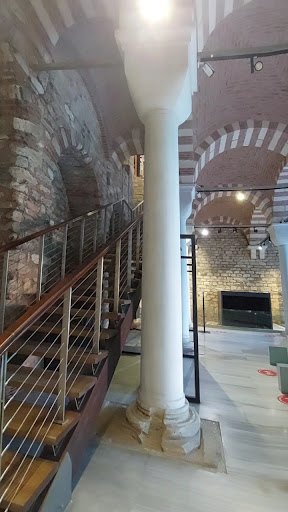
HTML SitemapExplore
logo
Find Things to DoFind The Best Restaurants

Palace of the Porphyrogenitus — Attraction in Fatih

Name
Palace of the Porphyrogenitus
Description
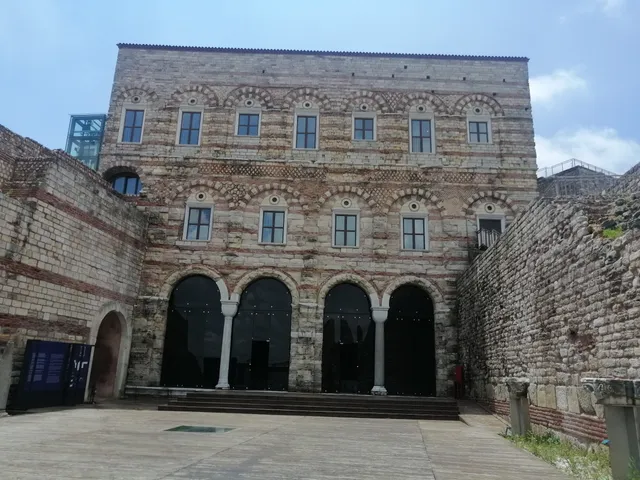
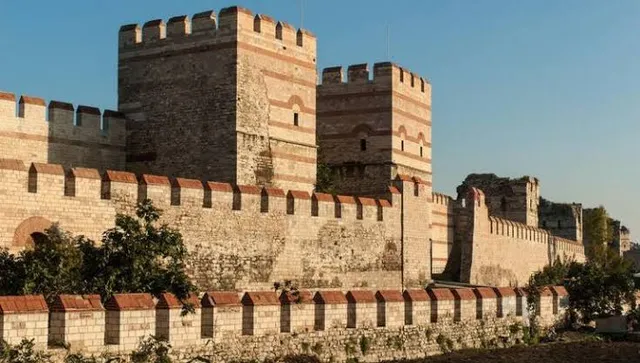
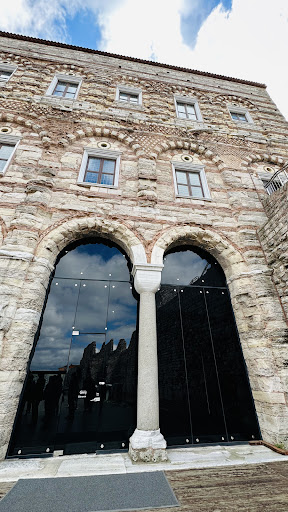
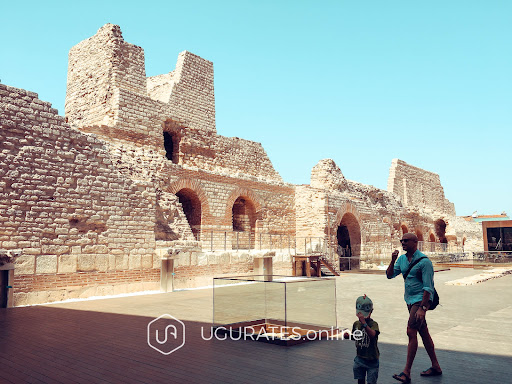
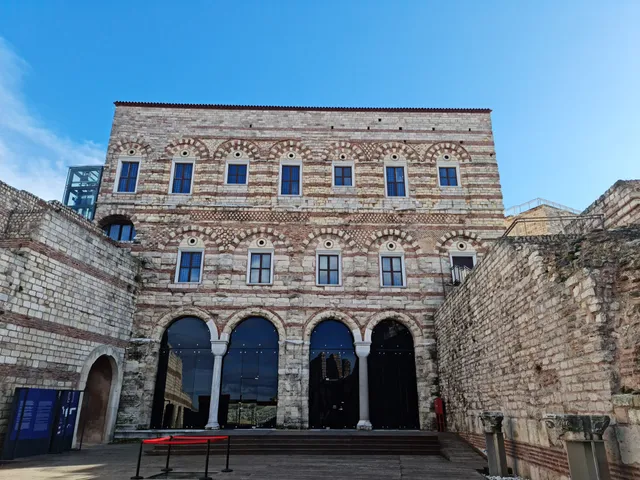
The Palace of the Porphyrogenitus, known in Turkish as the Tekfur Sarayı, is a late 13th-century Byzantine palace in the north-western part of the old city of Constantinople.
Nearby attractions
Kariye Mosque
Derviş Ali, Kariye Cami Sk. No:18, 34087 Fatih/İstanbul, Türkiye
Palace of Blachernae
Ayvansaray, 34087 Fatih/İstanbul, Türkiye
The Walls of Istanbul
Derviş Ali, Hoca Çakır Cd. No:1, 34087 Fatih/İstanbul, Türkiye
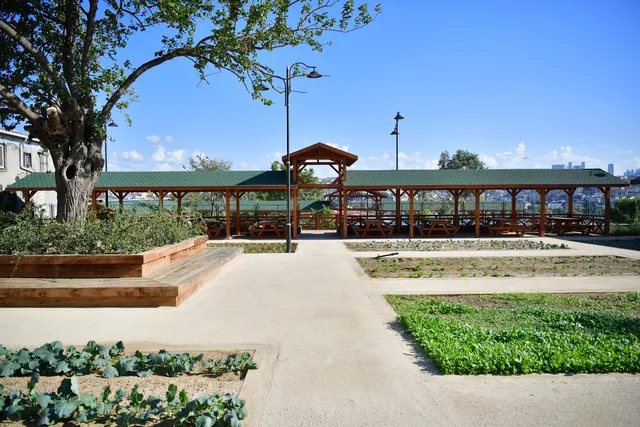
Ayvansaray bahçe
Ayvansaray, Çınçınlı Çeşme Sk., 34087 Fatih/İstanbul, Türkiye
Mihrimah Sultan Mosque
Karagümrük, Fevzi Paşa Cd. No:353, 34091 Fatih/İstanbul, Türkiye
Ferruh Kethuda Mosque
Ayvansaray, Ferruh Kahya Sk. No:11, 34087 Fatih/İstanbul, Türkiye
Vlaherna Meryem Ana Church
Ayvansaray, Kuytu Sk., 34087 Fatih/İstanbul, Türkiye
İBB Balat Parkı
Ayvansaray, 34087 Fatih/İstanbul, Türkiye
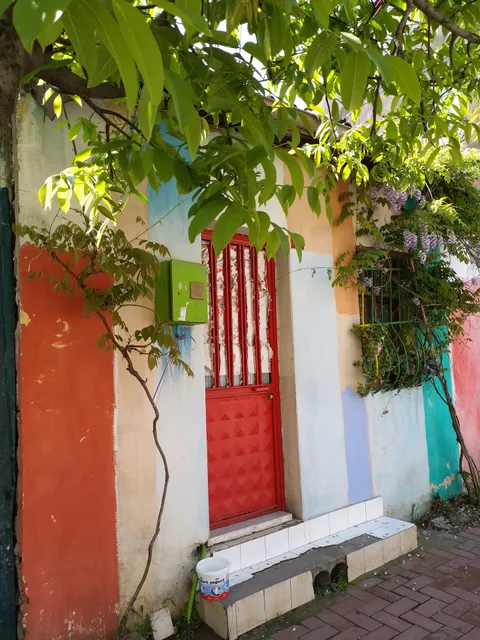
Coloured Houses of Balat
Balat, Kiremit Cd. No:34, 34087 Fatih/İstanbul, Türkiye
St George Orthodox Church
Derviş Ali, Kaleboyu Cd. No:15, 34087 Fatih/İstanbul, Türkiye
Nearby restaurants
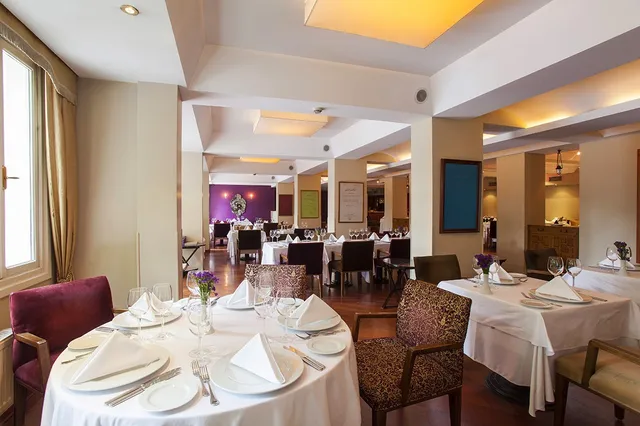
Osmanlı Saray Mutfağı Asitane Restaurant
Derviş Ali, Kariye Cami Sk. No:6, 34240 Fatih/İstanbul, Türkiye
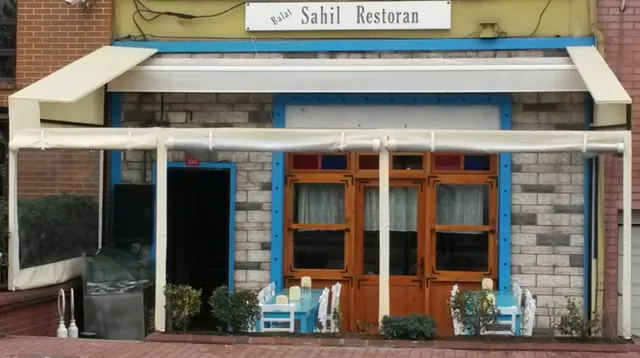
Balat Sahil Restaurant
Balat, Mürselpaşa Cd. No:245, 34087 Fatih/İstanbul, Türkiye
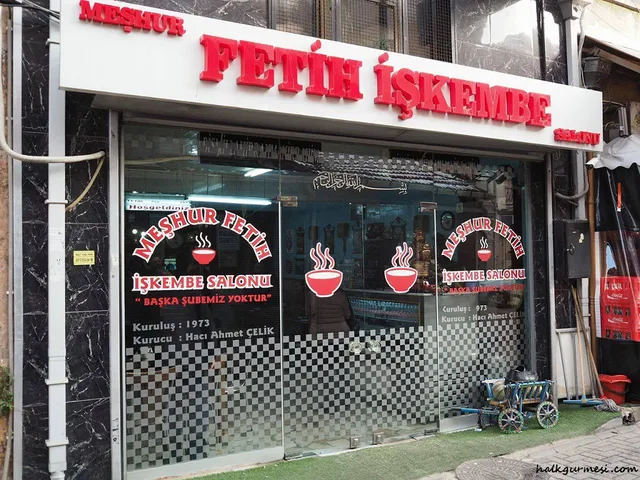
Meşhur Fetih İşkembe
Ayvansaray, Leblebiciler Sk. No:6, 34087 Fatih/İstanbul, Türkiye
Kale İstanbul Cafe
Defterdar, Savaklar Cd., 34200 Eyüpsultan/İstanbul, Türkiye
Agora Meyhanesi 1890
Balat, Mürselpaşa Cd. no:185, 34087 Fatih/İstanbul, Türkiye
BABACAN Sucuk Ekmek Kokoreç
Derviş Ali, Salma Tomruk Cd. No:2, 34087 Fatih/İstanbul, Türkiye
BALAT Street CAFE & RESTAURANT
Balat, Vodina Cd. No:115, 34087 Fatih/İstanbul, Türkiye
Gold Balat Restaurant
Balat, Vodina Cd. No:60, 34087 Fatih/İstanbul, Türkiye
Velvet Cafe, Balat • Breakfast • Brunch • Coffee •
Balat, Çimen Sk. No:8a, 34087 Fatih/İstanbul, Türkiye
Old Balat Cafe & kitchen
Balat, Vodina Cd. No:56, 34000 Fatih/İstanbul, Türkiye
Nearby hotels
Elele Boutique Aparts
Ayvansaray, Toptancı Sk. No:35, 34087 Fatih/İstanbul, Türkiye
Millennium Istanbul Golden Horn Hotel
Ayvansaray, Ayvansaray Kuyusu Sokağı No:8, 34087 Fatih/İstanbul, Türkiye
Anemas Cafe
NO:4, Ayvansaray, Ahmet Rufai Sk. No:4, 34087 Fatih/İstanbul, Türkiye
Garth of Balat Hotel
Ayvansaray, Esnaf Loncası Sk. no:26-30, 34087 Fatih/İstanbul, Türkiye
Serra Suites
Derviş Ali, Vaiz Sk. No:1, 34000 Fatih/İstanbul, Türkiye
Waterfront Apartment, Sea View, Terrace with Dome
Ayvansaray, Ayvansaray Cd. no: 47, 34087 Fatih/İstanbul, Türkiye
Balat Residence
Balat, Hızır Çavuş Köprübaşı Sk. No:5, 34087 Fatih/İstanbul, Türkiye
Fener Sweet
Balat, Nakkaş Haydar Sk. No:4, 34087 Fatih/İstanbul, Türkiye
Related posts
Keywords
Palace of the Porphyrogenitus tourism.Palace of the Porphyrogenitus hotels.Palace of the Porphyrogenitus bed and breakfast. flights to Palace of the Porphyrogenitus.Palace of the Porphyrogenitus attractions.Palace of the Porphyrogenitus restaurants.Palace of the Porphyrogenitus travel.Palace of the Porphyrogenitus travel guide.Palace of the Porphyrogenitus travel blog.Palace of the Porphyrogenitus pictures.Palace of the Porphyrogenitus photos.Palace of the Porphyrogenitus travel tips.Palace of the Porphyrogenitus maps.Palace of the Porphyrogenitus things to do.
Palace of the Porphyrogenitus things to do, attractions, restaurants, events info and trip planning
Palace of the Porphyrogenitus
TurkeyIstanbulFatihPalace of the Porphyrogenitus

Basic Info

Palace of the Porphyrogenitus

Ayvansaray, 34087 Fatih/İstanbul, Türkiye
4.4(1.2K)
Open until 6:00 PM
Save
spot

Ratings & Description

Info

The Palace of the Porphyrogenitus, known in Turkish as the Tekfur Sarayı, is a late 13th-century Byzantine palace in the north-western part of the old city of Constantinople.

Cultural
Accessibility
attractions: Kariye Mosque, Palace of Blachernae, The Walls of Istanbul, Ayvansaray bahçe, Mihrimah Sultan Mosque, Ferruh Kethuda Mosque, Vlaherna Meryem Ana Church, İBB Balat Parkı, Coloured Houses of Balat, St George Orthodox Church, restaurants: Osmanlı Saray Mutfağı Asitane Restaurant, Balat Sahil Restaurant, Meşhur Fetih İşkembe, Kale İstanbul Cafe, Agora Meyhanesi 1890, BABACAN Sucuk Ekmek Kokoreç, BALAT Street CAFE & RESTAURANT, Gold Balat Restaurant, Velvet Cafe, Balat • Breakfast • Brunch • Coffee •, Old Balat Cafe & kitchen
logoLearn more insights from Wanderboat AI.
Phone
+90 212 525 61 30
Open hoursSee all hours
Sat10 AM - 6 PMOpen

Plan your stay

hotel
Pet-friendly Hotels in Fatih
Find a cozy hotel nearby and make it a full experience.

hotel
Affordable Hotels in Fatih
Find a cozy hotel nearby and make it a full experience.

hotel
The Coolest Hotels You Haven't Heard Of (Yet)
Find a cozy hotel nearby and make it a full experience.

hotel
Trending Stays Worth the Hype in Fatih
Find a cozy hotel nearby and make it a full experience.

Reviews

Nearby attractions of Palace of the Porphyrogenitus

Kariye Mosque

Palace of Blachernae

The Walls of Istanbul

Ayvansaray bahçe

Mihrimah Sultan Mosque

Ferruh Kethuda Mosque

Vlaherna Meryem Ana Church

İBB Balat Parkı

Coloured Houses of Balat

St George Orthodox Church

Kariye Mosque

Kariye Mosque

4.5

(4.2K)

Open 24 hours
Click for details
Palace of Blachernae

Palace of Blachernae

4.5

(39)

Open 24 hours
Click for details
The Walls of Istanbul

The Walls of Istanbul

4.4

(901)

Open 24 hours
Click for details
Ayvansaray bahçe

Ayvansaray bahçe

4.7

(91)

Open until 5:00 PM
Click for details

Things to do nearby

Perfume Making Workshop with Bosphorus View
Sat, Dec 6 • 12:00 PM
34425, Beyoğlu, İstanbul, Turkey
View details
Traditional Home Cooking with Local in City Center
Sun, Dec 7 • 4:30 PM
34373, Şişli, İstanbul, Turkey
View details
Watch Beşiktaş, Galatasaray and Fenerbahçe Matches
Mon, Dec 8 • 8:00 PM
34357, Beşiktaş, İstanbul, Turkey
View details

Nearby restaurants of Palace of the Porphyrogenitus

Osmanlı Saray Mutfağı Asitane Restaurant

Balat Sahil Restaurant

Meşhur Fetih İşkembe

Kale İstanbul Cafe

Agora Meyhanesi 1890

BABACAN Sucuk Ekmek Kokoreç

BALAT Street CAFE & RESTAURANT

Gold Balat Restaurant

Velvet Cafe, Balat • Breakfast • Brunch • Coffee •

Old Balat Cafe & kitchen

Osmanlı Saray Mutfağı Asitane Restaurant

Osmanlı Saray Mutfağı Asitane Restaurant

4.3

(371)

$$$

Click for details
Balat Sahil Restaurant

Balat Sahil Restaurant

4.2

(871)

Click for details
Meşhur Fetih İşkembe

Meşhur Fetih İşkembe

4.6

(1.0K)

Click for details
Kale İstanbul Cafe

Kale İstanbul Cafe

4.1

(61)

Click for details
Get the Appoverlay
Get the AppOne tap to find yournext favorite spots!
Wanderboat LogoWanderboat

Your everyday Al companion for getaway ideas

CompanyAbout Us
InformationAI Trip PlannerSitemap
SocialXInstagramTiktokLinkedin
LegalTerms of ServicePrivacy Policy

Get the app

© 2025 Wanderboat. All rights reserved.
logo

Reviews of Palace of the Porphyrogenitus

4.4
(1,224)
avatar
5.0
2y

I recently got the chance to visit the captivating country of Turkey, where I had the chance to see some of the most beautiful historical landmarks the nation has to offer. One of these treasures was the Palace of the Porphyrogenitus, or Tekfur Saray Müzesi, which is situated in Istanbul's Fatih neighbourhood. Any history buff would be in amazement after visiting this palace, a witness to the splendour of the Byzantine Empire. Please allow me to guide you through the castle and share my thoughts about this incredible location.

As soon as I arrived, I was enthralled by the palace's facade, which perfectly combines grandiosity with simplicity. The massive building stood in striking contrast to the lively modern metropolis that lay just beyond, which was encircled by the remains of ancient city walls. Despite significant damage sustained over the years, recent restoration work has revived the palace and preserved its rich heritage for next generations.

I was welcomed by a well-kept garden as I entered the royal grounds, which offered a tranquil setting for exploration. I had the impression that I had travelled back in time because of the historical ambiance, the sight of beautiful flowers, and the sound of chirping.

The first thing I noticed when I entered the palace was its enormous size. It was simple to picture the luxury and grandeur that once filled these hallways given the towering ceilings, large chambers, and beautiful mosaics. Pottery, jewellery, and finely carved stone reliefs are just a few of the Byzantine era artefacts that make up the museum's outstanding collection. Each object has a unique narrative that sheds light on the lives of the individuals who formerly resided in this magnificent palace.

My visit was further enhanced by the knowledgable and welcoming personnel, who provided thorough explanations of the history of the palace and the significance of the objects on show. Their enthusiasm for protecting and promoting the region's rich cultural legacy was absolutely encouraging.

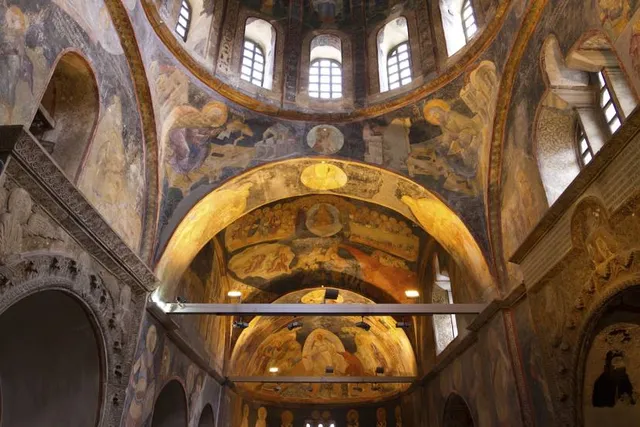
The restored frescoes that decorated the walls struck me as I looked around the castle as a whole. The elaborate patterns and striking hues revealed the Byzantine Empire's creative prowess while stressing the palace's significance as a hub of study and culture.

The beautiful view from the royal terrace was unquestionably the high point of my trip, though. The view, which included the Golden Horn and the city's distant minarets, provided a singular viewpoint on Istanbul's distinctive fusion of history and modernity.

To sum up, my trip to the Palace of the Porphyrogenitus (Tekfur Saray Müzesi) was a once-in-a-lifetime experience that vividly brought the Byzantine Empire's splendour to life. The museum provides a unique chance to learn about an important period in Istanbul's history while relaxing in a tranquil haven away from the busy metropolis. Anyone visiting Istanbul should definitely check out this site, whether they are interested in history or just want to have a unique...

   Read more
avatar
5.0
6y

The Palace was constructed during the late 13th or early 14th centuries as part of the Blachernae palace complex, where the Theodosian Walls join with the later walls of the suburb of Blachernae. Although the palace appears at first glance to be named after the 10th-century emperor Constantine VII Porphyrogenitus, it was built long after his time, and is in fact named after Constantine Palaiologos, a son of the Emperor Michael VIII Palaiologos."Porphyrogenitus", meaning literally "born to the purple", indicated a child born to a reigning emperor. The palace served as an imperial residence during the final years of the Byzantine Empire. ... Saray, 13. Yüzyılın sonlarında veya 14. yüzyılın başlarında, Blachernae saray kompleksinin bir parçası olarak inşa edilmiştir; burada Theodosian Duvarları, Blachernae banliyösünün sonraki duvarlarıyla birleştirilmiştir. Saray ilk bakışta 10. yüzyıl imparatoru Konstantin VII Porphyrogenitus'tan sonra isimlendirilmiş gibi görünmesine rağmen, zamanından çok uzun bir süre sonra inşa edildi ve aslında İmparator Michael VIII Palaiologos'un oğlu Konstantin Palaiologos'un adını aldı. Kelimenin tam anlamıyla "mor doğdu" anlamına gelen, hüküm süren bir imparator için doğmuş bir çocuk belirtti. Saray, Bizans İmparatorluğu'nun son yıllarında imparatorluk evi olarak hizmet vermiştir. ... Edirnekapı’da kara surlarına bitişik olarak inşa edilen Tekfur Sarayı’nın çini eserler ile cam ve çömlek eserlerin de sergileneceği bir müze olarak gezilebilir. içeride; Çini Fırınları Kazıları Tekfur Sarayı Restorasyon Aşamaları Mozaik ve Sütun Kalıntıları SARAY YAPISI 1’İNCİ KAT: 205,16 METREKARE Çini Yapımı Çini Fırın ve Atölye Malzemeleri Tekfur Sarayı Cam Atölyesi Tekfur Sarayı Fırınlarında Üretilen Çömlek Örnekleri Tekfur Sarayı Fırınlarında Üretilen Eyüp Çömlekleri Bizans ve Osmanlı Döneminde Tekfur Sarayı Tekfur Sarayında Günlük Yaşam SARAY YAPISI 2. KAT: 211,56 METREKARE Tekfur Çinileri Üzerinde Kullanılan Motifler Tekfur Çinilerinin Türkiye ve Yurtdışında Bulunan Örnekleri Tekfur Çinilerinin Özellikleri...

   Read more
avatar
5.0
6y

The Palace of #Blachernae is the only #Eastern Roman Palace complex part which can be visited in lstanbul. Despite having only a small part of the complex standing today, it is still possible to get an idea on how royal architecture was developing during the turbulent times for Eastern Romans. The palace was built using ancient city walls of Constantinopolitanus which was built during the reign of #Theodosius ll. who was busy with fortification of the city during his reign. Although researchers are not sure who and when built the palace; even so, due to the difference building techniques it is being concluded that the first construction of the palace took place during Manuel l Komnenos’ era in 1143-1180. Then, during the reign of Palaiologos dynasty in 1261-1453.

During the conquest of lstanbul, Blachernae palace (#TekfurPalace is what #Ottomans called and is the current name) was the first royal building that was captured.

Famous Spoonmaker’s diamond was thought to be found here which is on exhibit at Ottoman lmperial Treasury at Topkapi Palace.

Ottomans used this place to produce tiles in 18th century which had its own features and the tiles were used at different historical mosques. Moreover, glass making ateliers and pottery ateliers were also located here and artifacts from those times are also on exhibit. The #museum has terraces open for visitors which provide panoramic view of the ancient city walls, the Golden Horn, and the historical peninsula. Being close to the #Chora Church, one can easily visit these two astonishing structures to better understand and learn from Eastern Roman Heritage.

PS: Look closer to the glassware and be amazed by seeing hundreds of years old “breaths” that got stuck in them due to the way of production which was simply by blowing into hot glass to shape them. Open everyday from 9am till 6pm...

   Read more
Page 1 of 7
Previous
Next

Posts

Alessio AstolfiAlessio Astolfi
I recently got the chance to visit the captivating country of Turkey, where I had the chance to see some of the most beautiful historical landmarks the nation has to offer. One of these treasures was the Palace of the Porphyrogenitus, or Tekfur Saray Müzesi, which is situated in Istanbul's Fatih neighbourhood. Any history buff would be in amazement after visiting this palace, a witness to the splendour of the Byzantine Empire. Please allow me to guide you through the castle and share my thoughts about this incredible location. As soon as I arrived, I was enthralled by the palace's facade, which perfectly combines grandiosity with simplicity. The massive building stood in striking contrast to the lively modern metropolis that lay just beyond, which was encircled by the remains of ancient city walls. Despite significant damage sustained over the years, recent restoration work has revived the palace and preserved its rich heritage for next generations. I was welcomed by a well-kept garden as I entered the royal grounds, which offered a tranquil setting for exploration. I had the impression that I had travelled back in time because of the historical ambiance, the sight of beautiful flowers, and the sound of chirping. The first thing I noticed when I entered the palace was its enormous size. It was simple to picture the luxury and grandeur that once filled these hallways given the towering ceilings, large chambers, and beautiful mosaics. Pottery, jewellery, and finely carved stone reliefs are just a few of the Byzantine era artefacts that make up the museum's outstanding collection. Each object has a unique narrative that sheds light on the lives of the individuals who formerly resided in this magnificent palace. My visit was further enhanced by the knowledgable and welcoming personnel, who provided thorough explanations of the history of the palace and the significance of the objects on show. Their enthusiasm for protecting and promoting the region's rich cultural legacy was absolutely encouraging. The restored frescoes that decorated the walls struck me as I looked around the castle as a whole. The elaborate patterns and striking hues revealed the Byzantine Empire's creative prowess while stressing the palace's significance as a hub of study and culture. The beautiful view from the royal terrace was unquestionably the high point of my trip, though. The view, which included the Golden Horn and the city's distant minarets, provided a singular viewpoint on Istanbul's distinctive fusion of history and modernity. To sum up, my trip to the Palace of the Porphyrogenitus (Tekfur Saray Müzesi) was a once-in-a-lifetime experience that vividly brought the Byzantine Empire's splendour to life. The museum provides a unique chance to learn about an important period in Istanbul's history while relaxing in a tranquil haven away from the busy metropolis. Anyone visiting Istanbul should definitely check out this site, whether they are interested in history or just want to have a unique cultural experience.
UGUR ATES.UGUR ATES.
The Palace was constructed during the late 13th or early 14th centuries as part of the Blachernae palace complex, where the Theodosian Walls join with the later walls of the suburb of Blachernae. Although the palace appears at first glance to be named after the 10th-century emperor Constantine VII Porphyrogenitus, it was built long after his time, and is in fact named after Constantine Palaiologos, a son of the Emperor Michael VIII Palaiologos."Porphyrogenitus", meaning literally "born to the purple", indicated a child born to a reigning emperor. The palace served as an imperial residence during the final years of the Byzantine Empire. ... Saray, 13. Yüzyılın sonlarında veya 14. yüzyılın başlarında, Blachernae saray kompleksinin bir parçası olarak inşa edilmiştir; burada Theodosian Duvarları, Blachernae banliyösünün sonraki duvarlarıyla birleştirilmiştir. Saray ilk bakışta 10. yüzyıl imparatoru Konstantin VII Porphyrogenitus'tan sonra isimlendirilmiş gibi görünmesine rağmen, zamanından çok uzun bir süre sonra inşa edildi ve aslında İmparator Michael VIII Palaiologos'un oğlu Konstantin Palaiologos'un adını aldı. Kelimenin tam anlamıyla "mor doğdu" anlamına gelen, hüküm süren bir imparator için doğmuş bir çocuk belirtti. Saray, Bizans İmparatorluğu'nun son yıllarında imparatorluk evi olarak hizmet vermiştir. ... Edirnekapı’da kara surlarına bitişik olarak inşa edilen Tekfur Sarayı’nın çini eserler ile cam ve çömlek eserlerin de sergileneceği bir müze olarak gezilebilir. içeride; Çini Fırınları Kazıları Tekfur Sarayı Restorasyon Aşamaları Mozaik ve Sütun Kalıntıları SARAY YAPISI 1’İNCİ KAT: 205,16 METREKARE Çini Yapımı Çini Fırın ve Atölye Malzemeleri Tekfur Sarayı Cam Atölyesi Tekfur Sarayı Fırınlarında Üretilen Çömlek Örnekleri Tekfur Sarayı Fırınlarında Üretilen Eyüp Çömlekleri Bizans ve Osmanlı Döneminde Tekfur Sarayı Tekfur Sarayında Günlük Yaşam SARAY YAPISI 2. KAT: 211,56 METREKARE Tekfur Çinileri Üzerinde Kullanılan Motifler Tekfur Çinilerinin Türkiye ve Yurtdışında Bulunan Örnekleri Tekfur Çinilerinin Özellikleri ve Örnekleri
Adem KoçAdem Koç
Üzerinde yüzyılların ağırlığıyla Balat’ta, Teodosios Surları arasında uzanan Tekfur Sarayı, günümüze ulaşan dört duvarıyla Pera’dan Yedikule’ye, Prens Adaları’ndan Kadıköy’e yayılan geniş bir coğrafyayı seyrediyor. Günümüze ulaşan ilk dönem Bizanseserlerinden birisi olan –diğeri ise Bukoleon Sarayı’dır– Blahernai Saray Kompleksi’nin bir parçası olan Tekfur Sarayı’nın kim tarafından yapıldığı ve isminin ne olduğu, üzerinde herhangi bir kitabeye rastlanmadığı için bilinmiyor. ‘Tekfur’ ismi ise Osmanlılar'dan geliyor. Bizans İmparatorluğu’nun yıkılmasıyla birlikte anlamını kaybetse de Bizans’ın vali düzeyinde olan yöneticileri Osmanlılartarafından ‘tekfur’ olarak adlandırılıyor. İsmi gibi içindeki yaşamların da tarihe gömüldüğü bu yapı, tekfurların ikamet etmesi nedeniyle Tekfur Sarayı olarak anılıyor. Bizans’ın ilk sivil mimari tarzını yansıtması açısından dünya sanat tarihi açısından da büyük önem taşıyan Tekfur Sarayı, 11. yüzyıldan itibaren Bizans imparatorlarının Sultanahmet’teki sarayı terk edip yerleştikleri Blahernai Saray Kompleksi’nin bir parçası. Aynı Osmanlı saraylarında olduğu gibi, örneğin Topkapı Sarayı, Bizanssarayları da birçok köşkten oluşuyordu. Tekfur Sarayı da Blahernai Saray Kompleksi içinde yer alan köşklerden sadece bir tanesiydi. Kültür Bilincini Geliştirme Vakfı Koordinatörü Sanat Tarihçisi Hayri Fehmi Yılmaz’dan aldığımız bilgilere göre, üç katlı olarak inşa edilen sarayın orta katı saray sakinlerine ayrılmıştı. Bu katın şehre açılan çok güzel bir manzarası bulunuyordu. Alt ve üst katlar ise servis için kullanılıyordu. Tek Kişilik Dua Odası 14. yüzyılda restore edilen sarayın cephesi küçük bir avluya açılıyor. İki yapılı olarak inşa edilen Tekfur Sarayı’nın avlusunda bir köşk daha bulunuyor. Ayrıca yapının şehre bakan cephesinde de bir şapel bulunuyor. ‘Tek kişilik dua odası’ olarak adlandırabileceğimiz bu şapel, kısmen çökmüş olsa da günümüze kadar gelebilmiş. İçinde, bir kilisede bulunan her türlü dini motifi ve unsuru barındıran bu şapeli Hayri Fehmi Yılmaz, ‘tek kişilik ibadet hücresi’ olarak tanımlıyor. 100–180 bin metrekare bir alana yayılan Blahernai Saray Kompleksi için “Çok büyük bir saray hayal etmek gerekiyor” diyen Yılmaz, bu saray kompleksinin geniş bahçeler, teraslar, kiliseler ve köşklerden oluştuğunu belirtiyor. Stratejik olarak ilginç bir konuma sahip saray, bir yüzüyle şehre bakıyor, diğer yüzüyle ise şehir dışına. Yani gerektiği zaman şehir içine, gerektiğinde de şehir dışına kaçabilme fırsatı veriyor. Zaten Bizans krallarının da Blahernai Sarayı’nı bu nedenle tercih ettikleri düşünülüyor. Tekfur Çinileri 18. yüzyılda çini atölyesi olarak kullanılan Tekfur Sarayı’nda yapılan çiniler bugün hâlâ birçok camiyi süslüyor. Tekfur çinileri olarak adlandırılan eserler, İznik’ten getirilen ustalar tarafından yapılıyordu. İstanbul’un fethinden sonra, İznikli ustaları sayesinde, kısa bir süre de olsa tekrar popülerleşen saray, daha sonra camhane, ardından 19. yüzyılda Yahudiler'in ikamet ettiği barınak olarak kullanılmış ve 1865 yılında çıkan yangınla beraber ara katları çökerek kullanılmaz hale gelmişti. Tekfur Sarayı’nın zamanındaki ihtişamını anlamak için çinileri dışında sarayın ön cephesini süsleyen süs çömleklerinden bahsetmek de mümkün. Kırmızı tuğla ve beyaz taş kullanılarak yapılan bu çömlekler, iki farklı malzemenin bir arada kullanıldığı en güzel örneklerden. Daha çok Bulgaristan’da, Balkan Yarımadası’nda görülen bu süsleme sanatı Türkiye’de sadece Tekfur Sarayı ve Saint Benoit Fransız Lisesi’nin çan kulesinde görülüyor. Şu anda bir harabe görünümünde olan Tekfur Sarayı’nın ihtişamlı günlerini düşlemek çok zor değil aslında. Daha sonraları Osmanlı mimarisinde de göreceğimiz, cephelerde bulunan, konsollara oturan çıkmalar hemen göze çarpıyor. Başka hiçbir örneği bulunmayan yapı, bugün zamana adeta meydan okuyor. Dünya üzerinde ayakta kalmış olan tek Bizans Sarayı, geçirdiği başarısız restorasyon sonucu maalesef bugün kötü bir durumdadır.
See more posts
See more posts
hotel
Find your stay

Pet-friendly Hotels in Fatih

Find a cozy hotel nearby and make it a full experience.

I recently got the chance to visit the captivating country of Turkey, where I had the chance to see some of the most beautiful historical landmarks the nation has to offer. One of these treasures was the Palace of the Porphyrogenitus, or Tekfur Saray Müzesi, which is situated in Istanbul's Fatih neighbourhood. Any history buff would be in amazement after visiting this palace, a witness to the splendour of the Byzantine Empire. Please allow me to guide you through the castle and share my thoughts about this incredible location. As soon as I arrived, I was enthralled by the palace's facade, which perfectly combines grandiosity with simplicity. The massive building stood in striking contrast to the lively modern metropolis that lay just beyond, which was encircled by the remains of ancient city walls. Despite significant damage sustained over the years, recent restoration work has revived the palace and preserved its rich heritage for next generations. I was welcomed by a well-kept garden as I entered the royal grounds, which offered a tranquil setting for exploration. I had the impression that I had travelled back in time because of the historical ambiance, the sight of beautiful flowers, and the sound of chirping. The first thing I noticed when I entered the palace was its enormous size. It was simple to picture the luxury and grandeur that once filled these hallways given the towering ceilings, large chambers, and beautiful mosaics. Pottery, jewellery, and finely carved stone reliefs are just a few of the Byzantine era artefacts that make up the museum's outstanding collection. Each object has a unique narrative that sheds light on the lives of the individuals who formerly resided in this magnificent palace. My visit was further enhanced by the knowledgable and welcoming personnel, who provided thorough explanations of the history of the palace and the significance of the objects on show. Their enthusiasm for protecting and promoting the region's rich cultural legacy was absolutely encouraging. The restored frescoes that decorated the walls struck me as I looked around the castle as a whole. The elaborate patterns and striking hues revealed the Byzantine Empire's creative prowess while stressing the palace's significance as a hub of study and culture. The beautiful view from the royal terrace was unquestionably the high point of my trip, though. The view, which included the Golden Horn and the city's distant minarets, provided a singular viewpoint on Istanbul's distinctive fusion of history and modernity. To sum up, my trip to the Palace of the Porphyrogenitus (Tekfur Saray Müzesi) was a once-in-a-lifetime experience that vividly brought the Byzantine Empire's splendour to life. The museum provides a unique chance to learn about an important period in Istanbul's history while relaxing in a tranquil haven away from the busy metropolis. Anyone visiting Istanbul should definitely check out this site, whether they are interested in history or just want to have a unique cultural experience.
Alessio Astolfi

Alessio Astolfi

hotel
Find your stay

Affordable Hotels in Fatih

Find a cozy hotel nearby and make it a full experience.

Get the Appoverlay
Get the AppOne tap to find yournext favorite spots!
The Palace was constructed during the late 13th or early 14th centuries as part of the Blachernae palace complex, where the Theodosian Walls join with the later walls of the suburb of Blachernae. Although the palace appears at first glance to be named after the 10th-century emperor Constantine VII Porphyrogenitus, it was built long after his time, and is in fact named after Constantine Palaiologos, a son of the Emperor Michael VIII Palaiologos."Porphyrogenitus", meaning literally "born to the purple", indicated a child born to a reigning emperor. The palace served as an imperial residence during the final years of the Byzantine Empire. ... Saray, 13. Yüzyılın sonlarında veya 14. yüzyılın başlarında, Blachernae saray kompleksinin bir parçası olarak inşa edilmiştir; burada Theodosian Duvarları, Blachernae banliyösünün sonraki duvarlarıyla birleştirilmiştir. Saray ilk bakışta 10. yüzyıl imparatoru Konstantin VII Porphyrogenitus'tan sonra isimlendirilmiş gibi görünmesine rağmen, zamanından çok uzun bir süre sonra inşa edildi ve aslında İmparator Michael VIII Palaiologos'un oğlu Konstantin Palaiologos'un adını aldı. Kelimenin tam anlamıyla "mor doğdu" anlamına gelen, hüküm süren bir imparator için doğmuş bir çocuk belirtti. Saray, Bizans İmparatorluğu'nun son yıllarında imparatorluk evi olarak hizmet vermiştir. ... Edirnekapı’da kara surlarına bitişik olarak inşa edilen Tekfur Sarayı’nın çini eserler ile cam ve çömlek eserlerin de sergileneceği bir müze olarak gezilebilir. içeride; Çini Fırınları Kazıları Tekfur Sarayı Restorasyon Aşamaları Mozaik ve Sütun Kalıntıları SARAY YAPISI 1’İNCİ KAT: 205,16 METREKARE Çini Yapımı Çini Fırın ve Atölye Malzemeleri Tekfur Sarayı Cam Atölyesi Tekfur Sarayı Fırınlarında Üretilen Çömlek Örnekleri Tekfur Sarayı Fırınlarında Üretilen Eyüp Çömlekleri Bizans ve Osmanlı Döneminde Tekfur Sarayı Tekfur Sarayında Günlük Yaşam SARAY YAPISI 2. KAT: 211,56 METREKARE Tekfur Çinileri Üzerinde Kullanılan Motifler Tekfur Çinilerinin Türkiye ve Yurtdışında Bulunan Örnekleri Tekfur Çinilerinin Özellikleri ve Örnekleri
UGUR ATES.

UGUR ATES.

hotel
Find your stay

The Coolest Hotels You Haven't Heard Of (Yet)

Find a cozy hotel nearby and make it a full experience.

hotel
Find your stay

Trending Stays Worth the Hype in Fatih

Find a cozy hotel nearby and make it a full experience.

Üzerinde yüzyılların ağırlığıyla Balat’ta, Teodosios Surları arasında uzanan Tekfur Sarayı, günümüze ulaşan dört duvarıyla Pera’dan Yedikule’ye, Prens Adaları’ndan Kadıköy’e yayılan geniş bir coğrafyayı seyrediyor. Günümüze ulaşan ilk dönem Bizanseserlerinden birisi olan –diğeri ise Bukoleon Sarayı’dır– Blahernai Saray Kompleksi’nin bir parçası olan Tekfur Sarayı’nın kim tarafından yapıldığı ve isminin ne olduğu, üzerinde herhangi bir kitabeye rastlanmadığı için bilinmiyor. ‘Tekfur’ ismi ise Osmanlılar'dan geliyor. Bizans İmparatorluğu’nun yıkılmasıyla birlikte anlamını kaybetse de Bizans’ın vali düzeyinde olan yöneticileri Osmanlılartarafından ‘tekfur’ olarak adlandırılıyor. İsmi gibi içindeki yaşamların da tarihe gömüldüğü bu yapı, tekfurların ikamet etmesi nedeniyle Tekfur Sarayı olarak anılıyor. Bizans’ın ilk sivil mimari tarzını yansıtması açısından dünya sanat tarihi açısından da büyük önem taşıyan Tekfur Sarayı, 11. yüzyıldan itibaren Bizans imparatorlarının Sultanahmet’teki sarayı terk edip yerleştikleri Blahernai Saray Kompleksi’nin bir parçası. Aynı Osmanlı saraylarında olduğu gibi, örneğin Topkapı Sarayı, Bizanssarayları da birçok köşkten oluşuyordu. Tekfur Sarayı da Blahernai Saray Kompleksi içinde yer alan köşklerden sadece bir tanesiydi. Kültür Bilincini Geliştirme Vakfı Koordinatörü Sanat Tarihçisi Hayri Fehmi Yılmaz’dan aldığımız bilgilere göre, üç katlı olarak inşa edilen sarayın orta katı saray sakinlerine ayrılmıştı. Bu katın şehre açılan çok güzel bir manzarası bulunuyordu. Alt ve üst katlar ise servis için kullanılıyordu. Tek Kişilik Dua Odası 14. yüzyılda restore edilen sarayın cephesi küçük bir avluya açılıyor. İki yapılı olarak inşa edilen Tekfur Sarayı’nın avlusunda bir köşk daha bulunuyor. Ayrıca yapının şehre bakan cephesinde de bir şapel bulunuyor. ‘Tek kişilik dua odası’ olarak adlandırabileceğimiz bu şapel, kısmen çökmüş olsa da günümüze kadar gelebilmiş. İçinde, bir kilisede bulunan her türlü dini motifi ve unsuru barındıran bu şapeli Hayri Fehmi Yılmaz, ‘tek kişilik ibadet hücresi’ olarak tanımlıyor. 100–180 bin metrekare bir alana yayılan Blahernai Saray Kompleksi için “Çok büyük bir saray hayal etmek gerekiyor” diyen Yılmaz, bu saray kompleksinin geniş bahçeler, teraslar, kiliseler ve köşklerden oluştuğunu belirtiyor. Stratejik olarak ilginç bir konuma sahip saray, bir yüzüyle şehre bakıyor, diğer yüzüyle ise şehir dışına. Yani gerektiği zaman şehir içine, gerektiğinde de şehir dışına kaçabilme fırsatı veriyor. Zaten Bizans krallarının da Blahernai Sarayı’nı bu nedenle tercih ettikleri düşünülüyor. Tekfur Çinileri 18. yüzyılda çini atölyesi olarak kullanılan Tekfur Sarayı’nda yapılan çiniler bugün hâlâ birçok camiyi süslüyor. Tekfur çinileri olarak adlandırılan eserler, İznik’ten getirilen ustalar tarafından yapılıyordu. İstanbul’un fethinden sonra, İznikli ustaları sayesinde, kısa bir süre de olsa tekrar popülerleşen saray, daha sonra camhane, ardından 19. yüzyılda Yahudiler'in ikamet ettiği barınak olarak kullanılmış ve 1865 yılında çıkan yangınla beraber ara katları çökerek kullanılmaz hale gelmişti. Tekfur Sarayı’nın zamanındaki ihtişamını anlamak için çinileri dışında sarayın ön cephesini süsleyen süs çömleklerinden bahsetmek de mümkün. Kırmızı tuğla ve beyaz taş kullanılarak yapılan bu çömlekler, iki farklı malzemenin bir arada kullanıldığı en güzel örneklerden. Daha çok Bulgaristan’da, Balkan Yarımadası’nda görülen bu süsleme sanatı Türkiye’de sadece Tekfur Sarayı ve Saint Benoit Fransız Lisesi’nin çan kulesinde görülüyor. Şu anda bir harabe görünümünde olan Tekfur Sarayı’nın ihtişamlı günlerini düşlemek çok zor değil aslında. Daha sonraları Osmanlı mimarisinde de göreceğimiz, cephelerde bulunan, konsollara oturan çıkmalar hemen göze çarpıyor. Başka hiçbir örneği bulunmayan yapı, bugün zamana adeta meydan okuyor. Dünya üzerinde ayakta kalmış olan tek Bizans Sarayı, geçirdiği başarısız restorasyon sonucu maalesef bugün kötü bir durumdadır.
Adem Koç

Adem Koç

See more posts
See more posts