Sepetçiler Pavilion things to do, attractions, restaurants, events info and trip planning
Basic Info
Sepetçiler Pavilion
Hoca Paşa, Kennedy Cad. No:25, 34110 Fatih/İstanbul, Türkiye
4.6(446)
Open until 12:00 AM
Save
spot
spot
Ratings & Description
Info
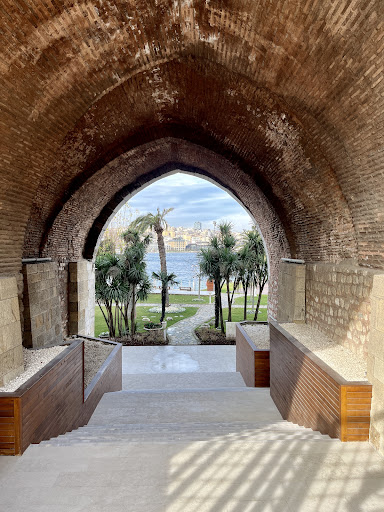
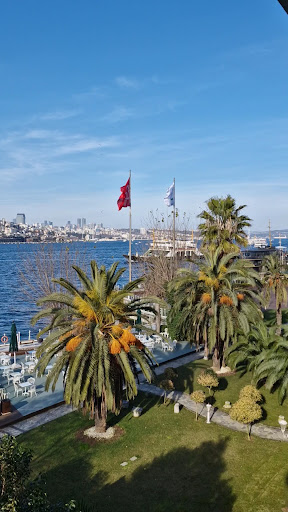
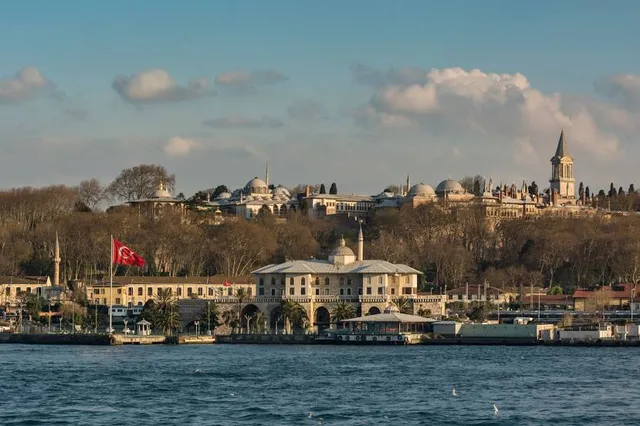
The Basketmakers' Kiosk, also known as Basketmakers' Palace, named after the Sepetçiler Roma, is a former Ottoman pleasure palace located on the southern shore of Golden Horn's mouth at Sarayburnu in the neighborhood of Sirkeci in Istanbul, Turkey.
Cultural
Scenic
Family friendly
Accessibility
attractions: Gülhane Park, Topkapi Palace Museum, Column of the Goths, İBB Sarayburnu Parkı, Turbes Museum, Topkapı Palace Harem Units, Istanbul Railway Museum, Sofa Köşkü, Tiled Pavilion Museum, Tarihi Çeşme, restaurants: Sarayburnu Aile Çay bahçesi, TurguT Restaurant Gülhane, Safi Roof Lounge Terrace, Last Ottoman Cafe & Restaurant, Hafiz Mustafa 1864, Green Garden Restaurant Cafe, Garden Mezze, Pleasure terrace roof top restaurant, Sky Life Fish Kebab House, Grande Felicita, local businesses: IDO Sirkeci Car Ferry Terminal, Istanbul Museum of the History of Science and Technology in Islam, BUDO Eminonu Pier, Sirkeci Train Station, Sirkeci Marmaray Station Entrance, Bitlisli, Dinner Cruise Bosphorus & Turkish Night Show - Private Yacht Tour, Sırkecı, Ziya Şark Sofrası Sirkeci, Marmaray Sirkeci Metro Station West Aeration Structure
 Learn more insights from Wanderboat AI.
Open hoursSee all hours
SunClosedOpen
Plan your stay

Pet-friendly Hotels in Fatih
Find a cozy hotel nearby and make it a full experience.

Affordable Hotels in Fatih
Find a cozy hotel nearby and make it a full experience.

The Coolest Hotels You Haven't Heard Of (Yet)
Find a cozy hotel nearby and make it a full experience.

Trending Stays Worth the Hype in Fatih
Find a cozy hotel nearby and make it a full experience.
Reviews
Live events

Perfume Making Workshop with Bosphorus View
Sun, Feb 8 • 10:00 AM
34425, Beyoğlu, İstanbul, Turkey
View details
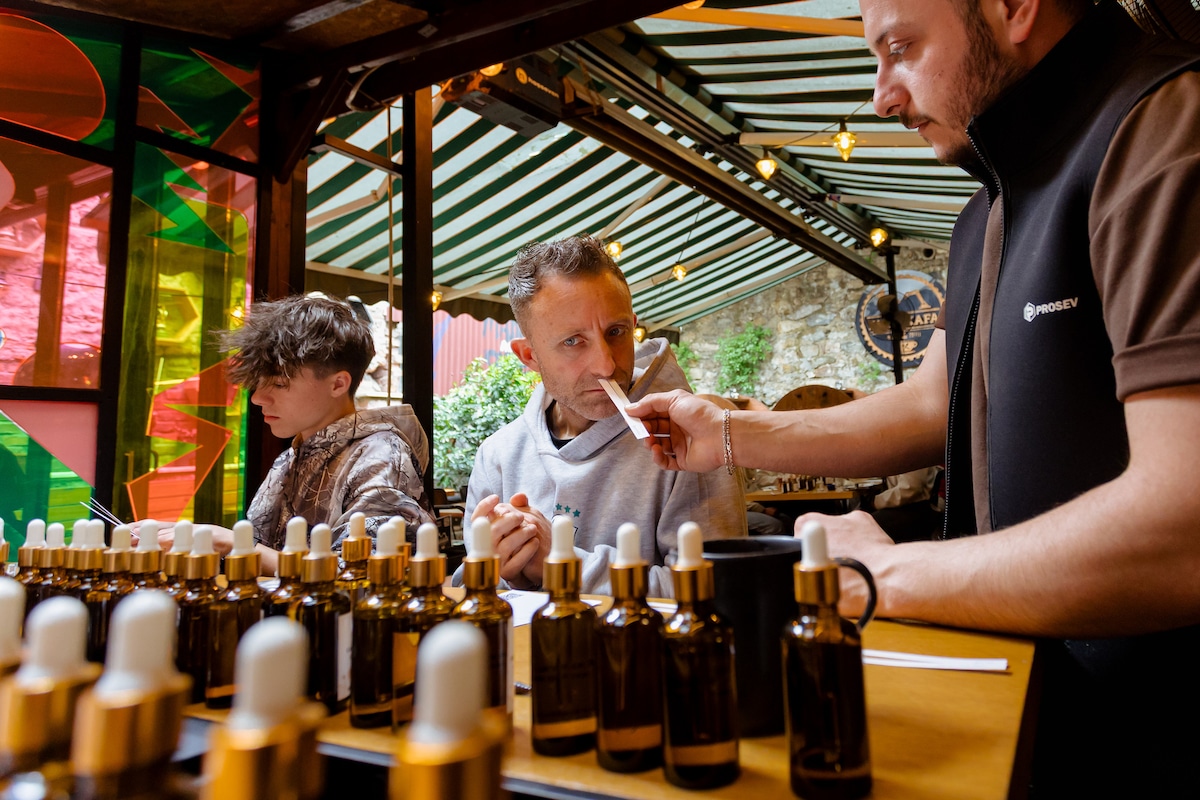
Create a signature scent in Istanbul
Sun, Feb 8 • 10:00 AM
34110, Fatih, İstanbul, Turkey
View details

Small Group Yacht Tour, Unlimited Wine & Fruits
Sun, Feb 8 • 5:00 PM
34421, Beyoğlu, İstanbul, Turkey
View details
Nearby attractions of Sepetçiler Pavilion
Gülhane Park
Topkapi Palace Museum
Column of the Goths
İBB Sarayburnu Parkı
Turbes Museum
Topkapı Palace Harem Units
Istanbul Railway Museum
Sofa Köşkü
Tiled Pavilion Museum
Tarihi Çeşme
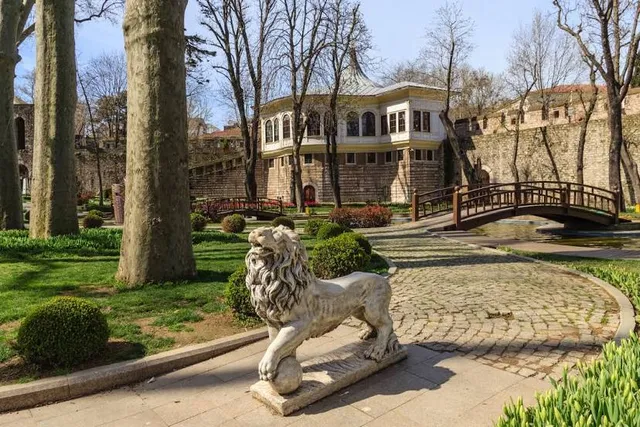
Gülhane Park
4.7
(22.7K)
Open until 12:00 AM
Click for details
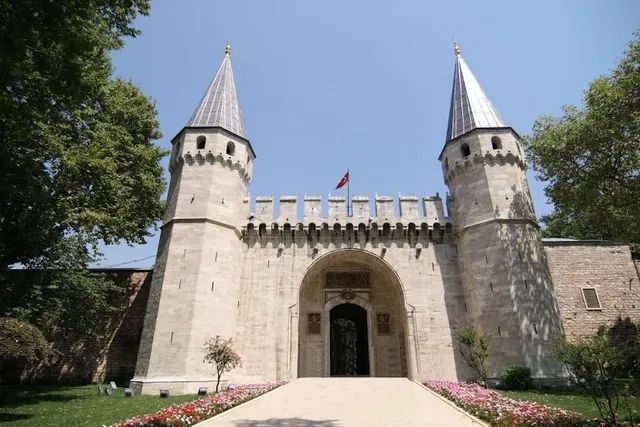
Topkapi Palace Museum
4.6
(37.5K)
Closed
Click for details
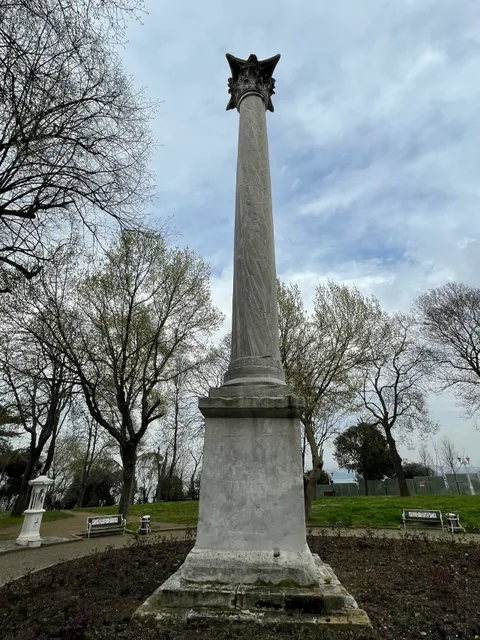
Column of the Goths
4.6
(620)
Open 24 hours
Click for details
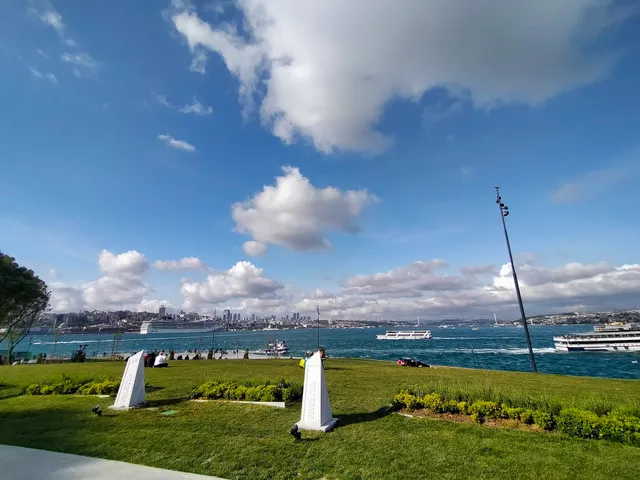
İBB Sarayburnu Parkı
4.8
(304)
Open 24 hours
Click for details
Nearby restaurants of Sepetçiler Pavilion
Sarayburnu Aile Çay bahçesi
TurguT Restaurant Gülhane
Safi Roof Lounge Terrace
Last Ottoman Cafe & Restaurant
Hafiz Mustafa 1864
Green Garden Restaurant Cafe
Garden Mezze
Pleasure terrace roof top restaurant
Sky Life Fish Kebab House
Grande Felicita
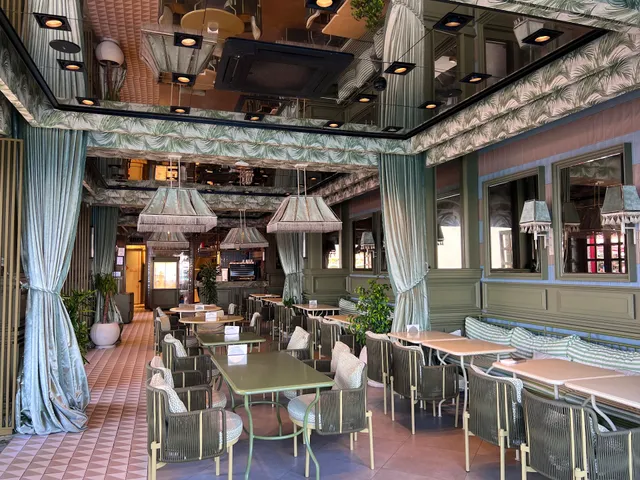
Sarayburnu Aile Çay bahçesi
3.6
(4.1K)
$$
Closed
Click for details
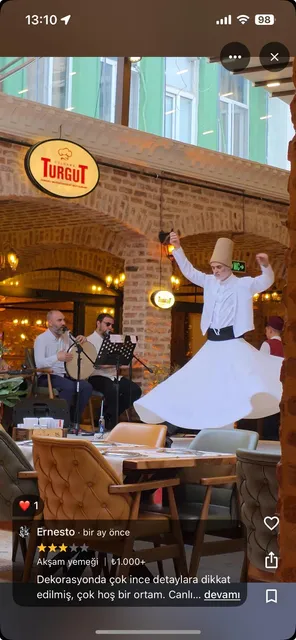
TurguT Restaurant Gülhane
4.9
(3.9K)
Closed
Click for details
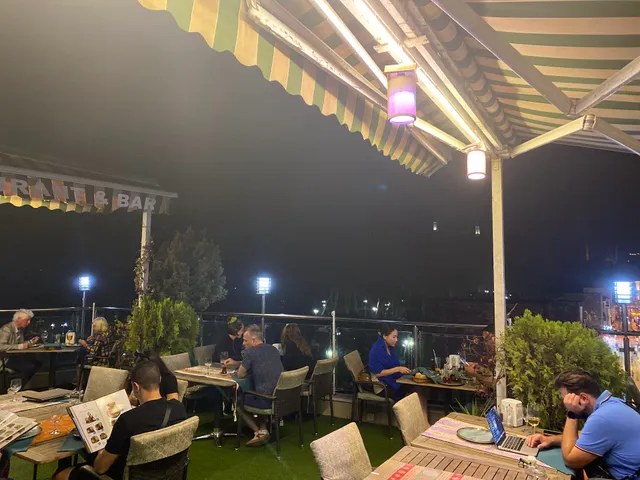
Safi Roof Lounge Terrace
4.8
(1.1K)
Closed
Click for details
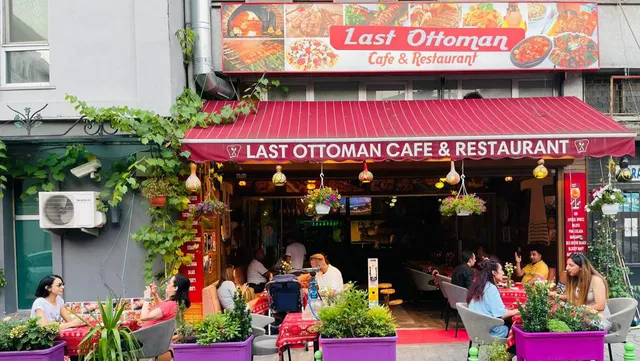
Last Ottoman Cafe & Restaurant
4.8
(1.7K)
$$
Closed
Click for details
Nearby local services of Sepetçiler Pavilion
IDO Sirkeci Car Ferry Terminal
Istanbul Museum of the History of Science and Technology in Islam
BUDO Eminonu Pier
Sirkeci Train Station
Sirkeci Marmaray Station Entrance
Bitlisli
Dinner Cruise Bosphorus & Turkish Night Show - Private Yacht Tour
Sırkecı
Ziya Şark Sofrası Sirkeci
Marmaray Sirkeci Metro Station West Aeration Structure
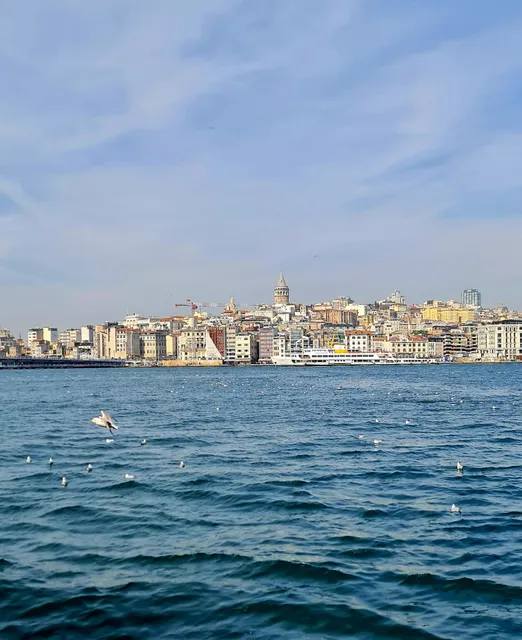
IDO Sirkeci Car Ferry Terminal
4.4
(2.7K)
Click for details
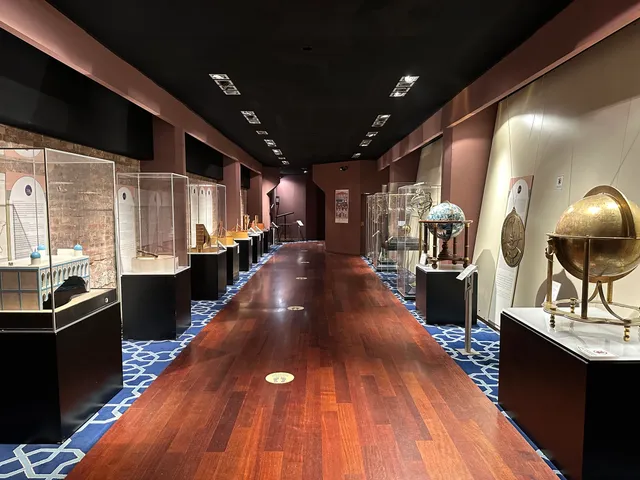
Istanbul Museum of the History of Science and Technology in Islam
4.4
(1.2K)
Click for details

BUDO Eminonu Pier
4.4
(2.8K)
Click for details
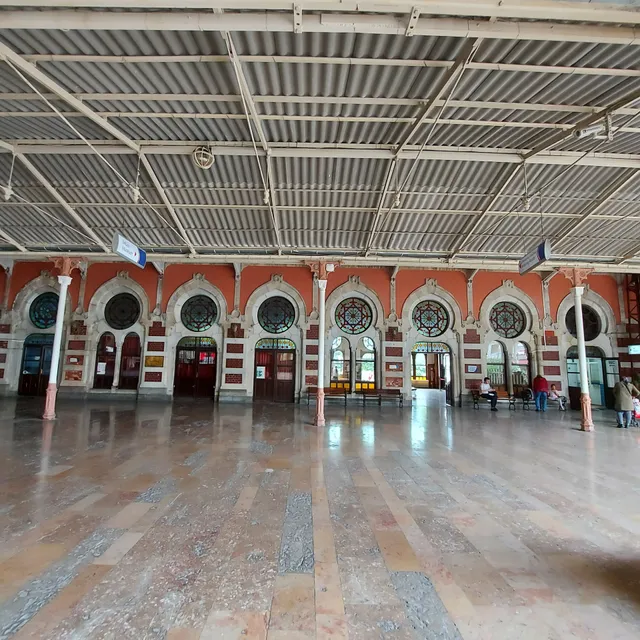
Sirkeci Train Station
4.6
(962)
Click for details