The Fusilier Museum things to do, attractions, restaurants, events info and trip planning
Basic Info
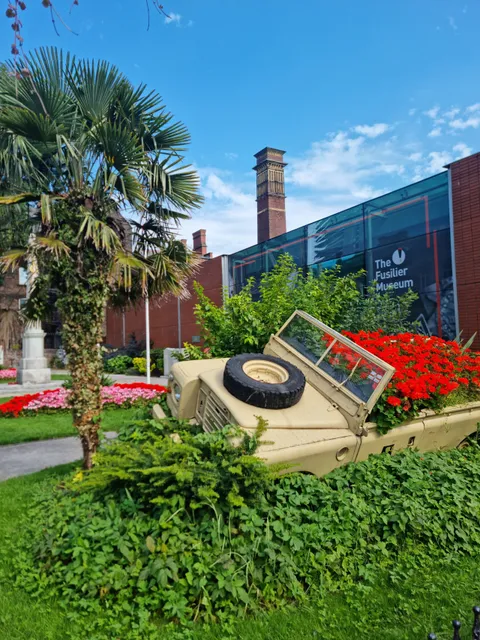
The Fusilier Museum
Moss St, Bury BL9 0DF, United Kingdom
4.6(249)
Closed

tickets
Save
spot
spot
Ratings & Description
Info
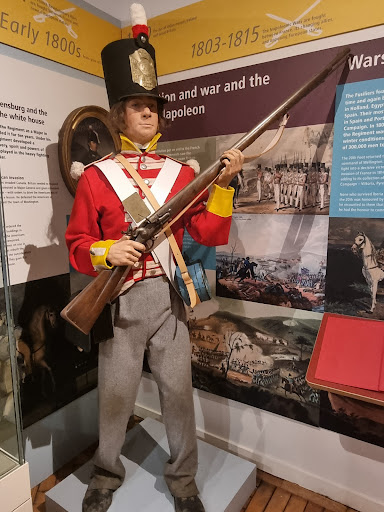
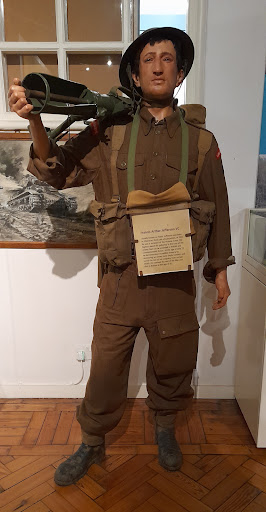
The Fusilier Museum is a museum in Bury, Greater Manchester, England. Its collection includes the uniforms, medal and artefacts of the Lancashire Fusiliers.
Cultural
Family friendly
Accessibility
attractions: Bury Art Museum & Sculpture Centre, Bury Bolton Street Station, East Lancashire Railway, The Met, The Elizabethan Suite at Bury Town Hall, Tourist Information Centre, Bury Transport Museum, Church of St Mary the Virgin, Bury Unitarian Church, Two Crows Arts Studio CIC, Bury Castle (remains), restaurants: The Art Picture House - JD Wetherspoon, Knowsley, Trackside Bar, Black pub inn Bury, The Robert Peel, Pan. Dora Meal Box, Bloom Coffee Co., The Clarence, Propaganda Bury, Verona, local businesses: Bury Market, Compendium Escape Rooms, Kay Gardens, Mr Simms Bury Olde Sweet Shoppe, Hollywood Bowl Bury, The Rock Shopping Centre
 Learn more insights from Wanderboat AI.
Phone
+44 161 763 8950
Website
fusiliermuseum.com
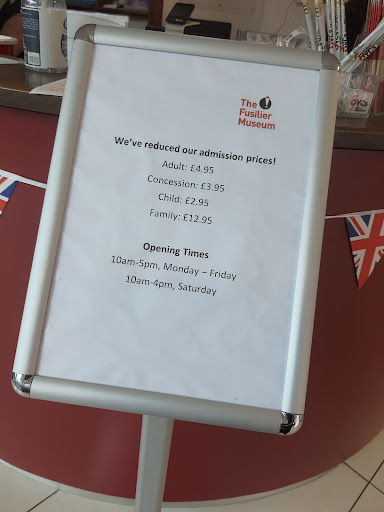
Open hoursSee all hours
Tue10 AM - 5 PMClosed
Plan your stay

Pet-friendly Hotels in Bury
Find a cozy hotel nearby and make it a full experience.

Affordable Hotels in Bury
Find a cozy hotel nearby and make it a full experience.

The Coolest Hotels You Haven't Heard Of (Yet)
Find a cozy hotel nearby and make it a full experience.

Trending Stays Worth the Hype in Bury
Find a cozy hotel nearby and make it a full experience.
Reviews
Live events

Goat hang out chill and brews
Tue, Feb 24 • 2:30 PM
Lancashire, BB4 4AQ, United Kingdom
View details

Machu Picchu: Journey to the Lost City
Wed, Feb 25 • 11:00 AM
Transmission House, 11 Tib St, Manchester, M4 1AF
View details
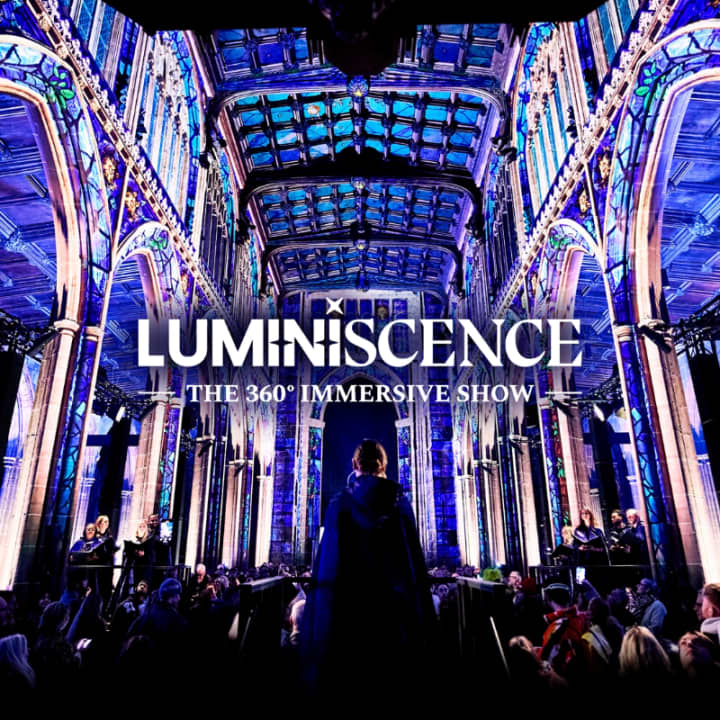
LUMINISCENCE Manchester: The 360° Immersive Show - UK Premiere
Tue, Feb 24 • 7:00 PM
Victoria Street, Manchester, M3 1SX
View details
Nearby attractions of The Fusilier Museum
Bury Art Museum & Sculpture Centre
Bury Bolton Street Station, East Lancashire Railway
The Met
The Elizabethan Suite at Bury Town Hall
Tourist Information Centre
Bury Transport Museum
Church of St Mary the Virgin
Bury Unitarian Church
Two Crows Arts Studio CIC
Bury Castle (remains)
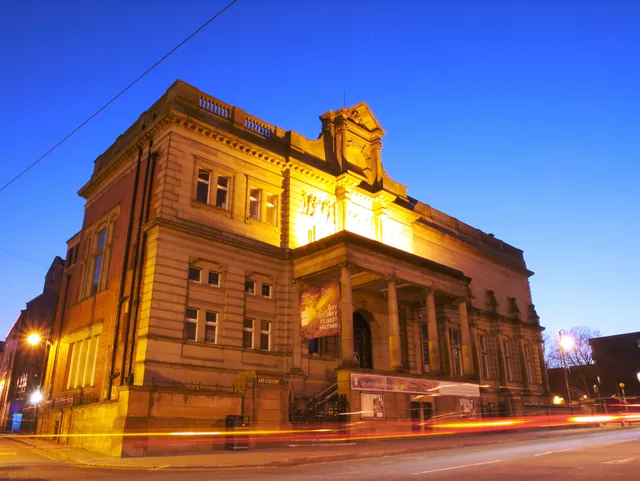
Bury Art Museum & Sculpture Centre
4.4
(263)
Open until 12:00 AM
Click for details
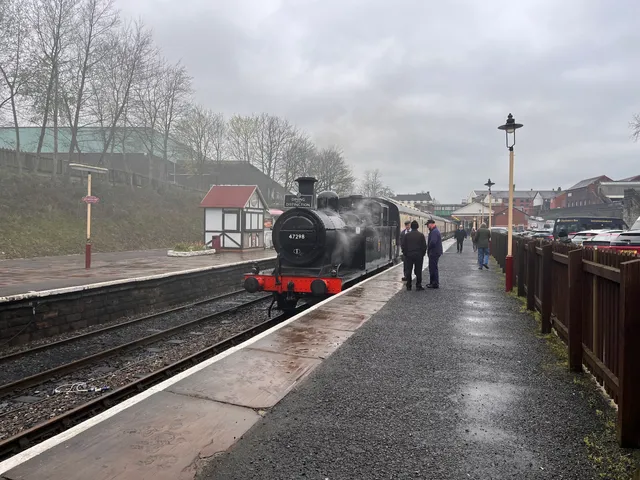
Bury Bolton Street Station, East Lancashire Railway
4.8
(1.5K)
Open until 12:00 AM
Click for details

The Met
4.6
(474)
Open until 12:00 AM
Click for details

The Elizabethan Suite at Bury Town Hall
4.5
(211)
Closed
Click for details
Nearby restaurants of The Fusilier Museum
The Art Picture House - JD Wetherspoon
Knowsley
Trackside Bar
Black pub inn Bury
The Robert Peel
Pan. Dora Meal Box
Bloom Coffee Co.
The Clarence
Propaganda Bury
Verona
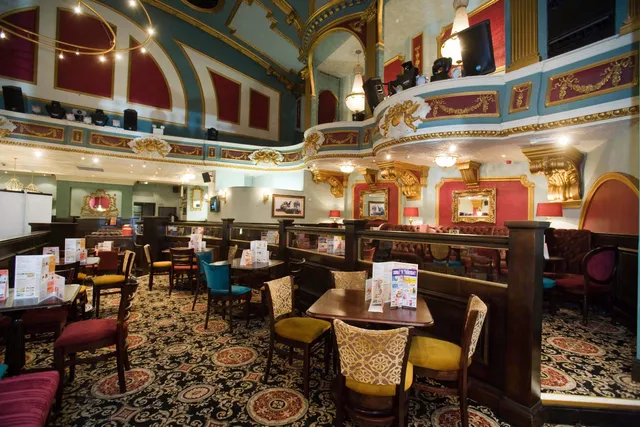
The Art Picture House - JD Wetherspoon
4.2
(1.3K)
Closed
Click for details
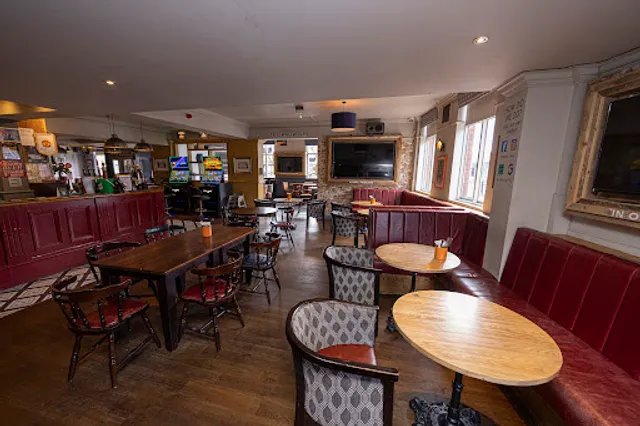
Knowsley
4.0
(432)
Closed
Click for details
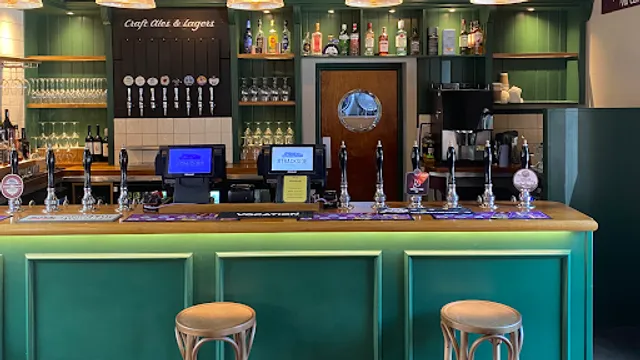
Trackside Bar
4.6
(846)
Open until 12:00 AM
Click for details

Black pub inn Bury
4.3
(9)
Closed
Click for details
Nearby local services of The Fusilier Museum
Bury Market
Compendium Escape Rooms
Kay Gardens
Mr Simms Bury Olde Sweet Shoppe
Hollywood Bowl Bury
The Rock Shopping Centre
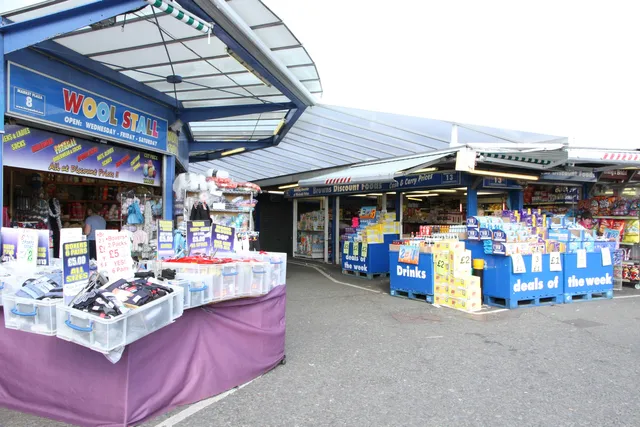
Bury Market
4.6
(3.6K)
Click for details

Compendium Escape Rooms
5.0
(101)
Click for details
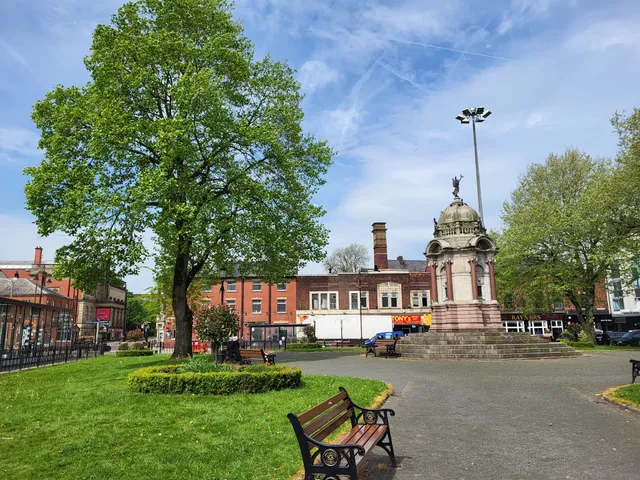
Kay Gardens
4.4
(15)
Click for details

Mr Simms Bury Olde Sweet Shoppe
4.3
(48)
Click for details