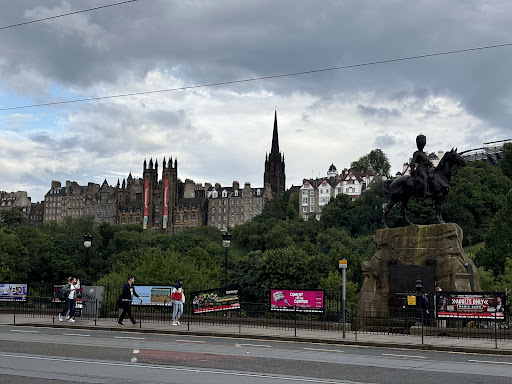
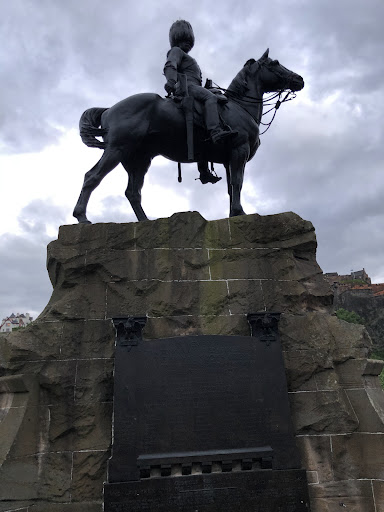
The Royal Scots Greys Monument things to do, attractions, restaurants, events info and trip planning
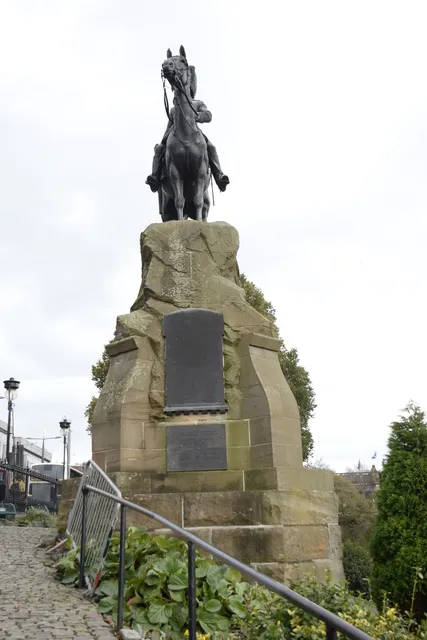
Basic Info
The Royal Scots Greys Monument
West Gardens Cottage, Princes St., Edinburgh EH2 2HG, United Kingdom
4.7(96)
Open until 12:00 AM
Save
spot
spot
Ratings & Description
Info
Cultural
Scenic
Family friendly
Accessibility
attractions: Princes Street Gardens, Edinburgh Castle, National Galleries of Scotland: National, Camera Obscura & World of Illusions, Floral Clock, Wojtek the Soldier Bear Memorial, The Royal Scottish Academy of Art and Architecture, Ross Fountain, Scott Monument, National War Museum, restaurants: Yaran Restaurant, The Boozy Cow, The Standing Order - JD Wetherspoon, Coro the Chocolate Cafe, Five Guys Burgers and Fries Edinburgh Frederick St, Miller & Carter Edinburgh City Centre, The Auld Hundred, Mussel Inn Seafood Restaurant, Rose Street Brewery, Meze Meze Edinburgh, local businesses: Primark, Princes St., The Devil's Scribe Tattoo, Assembly Rooms, Tierras Altas Escocia Ltd., Mobile Plus, Rose St, Roxy Lanes Edinburgh Rose Street, PURE Spa & Beauty (Rose Street), Warhammer
 Learn more insights from Wanderboat AI.
Phone
+44 20 7233 7356
Website
warmemorialsonline.org.uk
Open hoursSee all hours
MonOpen 24 hoursOpen
Plan your stay

Pet-friendly Hotels in City of Edinburgh
Find a cozy hotel nearby and make it a full experience.

Affordable Hotels in City of Edinburgh
Find a cozy hotel nearby and make it a full experience.

The Coolest Hotels You Haven't Heard Of (Yet)
Find a cozy hotel nearby and make it a full experience.

Trending Stays Worth the Hype in City of Edinburgh
Find a cozy hotel nearby and make it a full experience.
Reviews
Live events
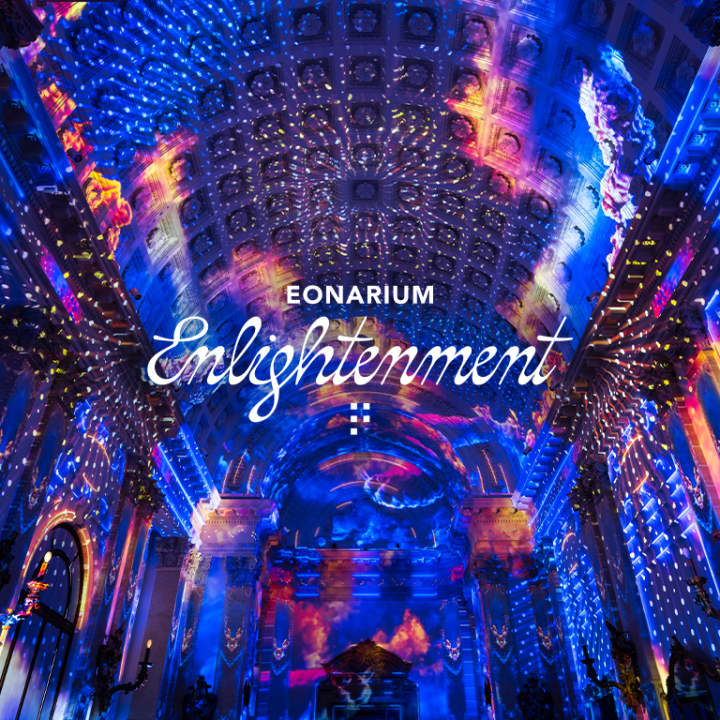
Enlightenment: An Immersive Light Show in Edinburgh
Thu, Feb 12 • 5:30 PM
McEwan Hall, Teviot Pl, Edinburgh, EH8 9AG
View details

The Jazz Room: A Journey to the Heart of New Orleans
Sat, Feb 14 • 6:30 PM
2 Roxburgh Place, Edinburgh, EH8 9SU
View details
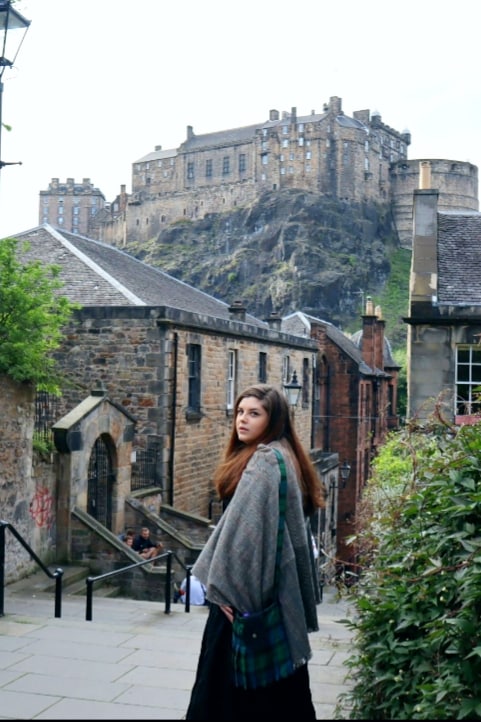
The Dark Side of Edinburgh
Wed, Feb 11 • 8:00 PM
Edinburgh, EH1 2JU, United Kingdom
View details
Nearby attractions of The Royal Scots Greys Monument
Princes Street Gardens
Edinburgh Castle
National Galleries of Scotland: National
Camera Obscura & World of Illusions
Floral Clock
Wojtek the Soldier Bear Memorial
The Royal Scottish Academy of Art and Architecture
Ross Fountain
Scott Monument
National War Museum
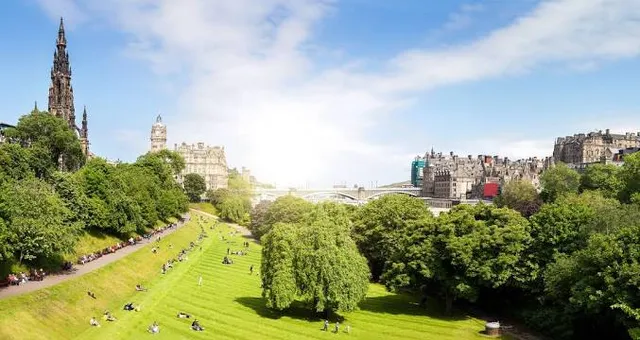
Princes Street Gardens
4.7
(9.7K)
Closed
Click for details
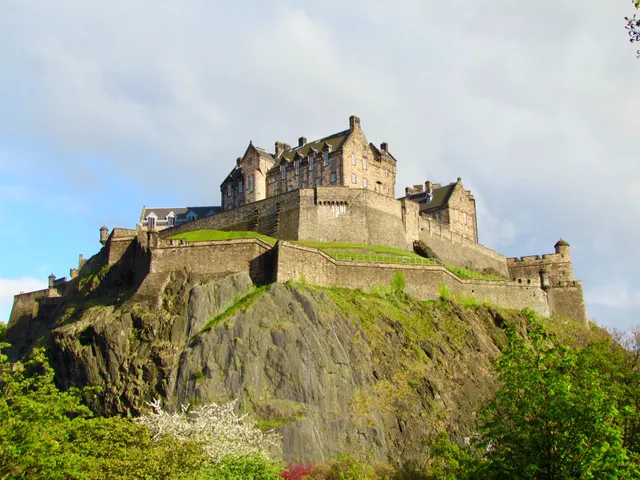
Edinburgh Castle
4.6
(34.1K)
Closed
Click for details

National Galleries of Scotland: National
4.6
(6.5K)
Closed
Click for details
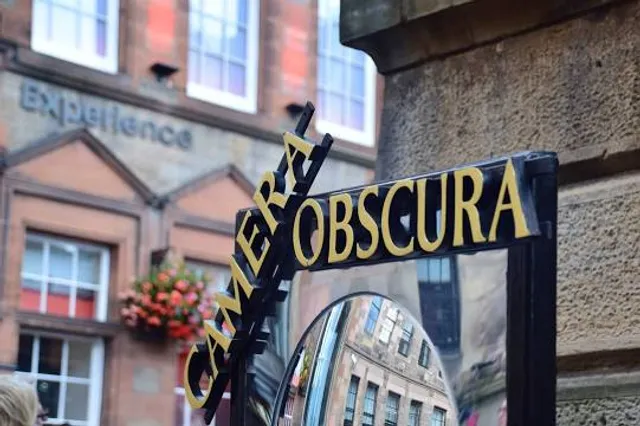
Camera Obscura & World of Illusions
4.6
(6.2K)
Closed
Click for details
Nearby restaurants of The Royal Scots Greys Monument
Yaran Restaurant
The Boozy Cow
The Standing Order - JD Wetherspoon
Coro the Chocolate Cafe
Five Guys Burgers and Fries Edinburgh Frederick St
Miller & Carter Edinburgh City Centre
The Auld Hundred
Mussel Inn Seafood Restaurant
Rose Street Brewery
Meze Meze Edinburgh

Yaran Restaurant
4.8
(174)
Closed
Click for details
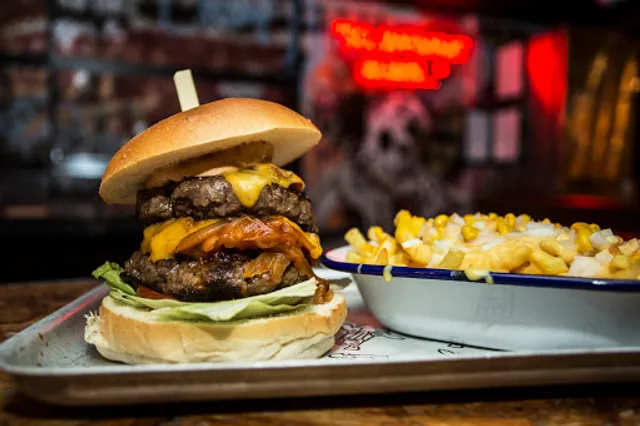
The Boozy Cow
4.3
(1.5K)
Closed
Click for details
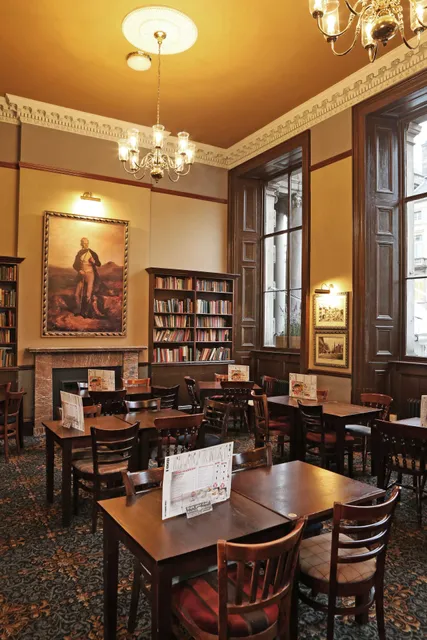
The Standing Order - JD Wetherspoon
4.2
(5K)
Open until 1:00 AM
Click for details
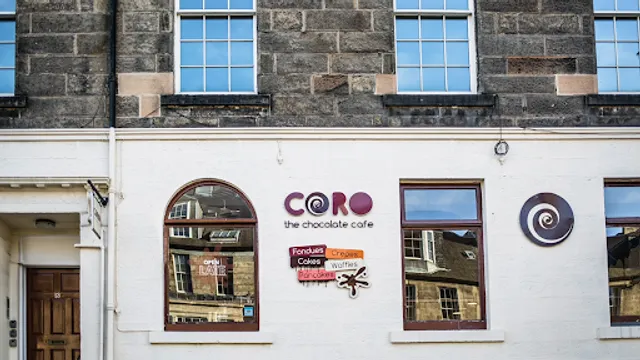
Coro the Chocolate Cafe
4.2
(1.1K)
Closed
Click for details
Nearby local services of The Royal Scots Greys Monument
Primark
Princes St.
The Devil's Scribe Tattoo
Assembly Rooms
Tierras Altas Escocia Ltd.
Mobile Plus
Rose St
Roxy Lanes Edinburgh Rose Street
PURE Spa & Beauty (Rose Street)
Warhammer

Primark
4.2
(5.3K)
Click for details

Princes St.
4.7
(978)
Click for details

The Devil's Scribe Tattoo
4.7
(395)
Click for details
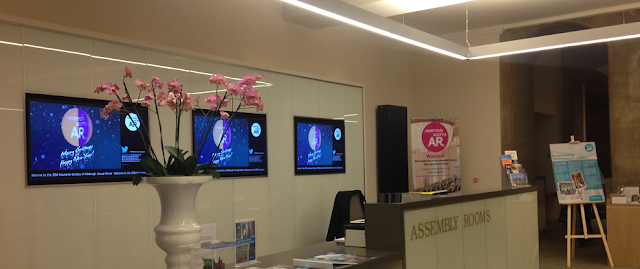
Assembly Rooms
4.4
(516)
Click for details