Roman Lighthouse things to do, attractions, restaurants, events info and trip planning
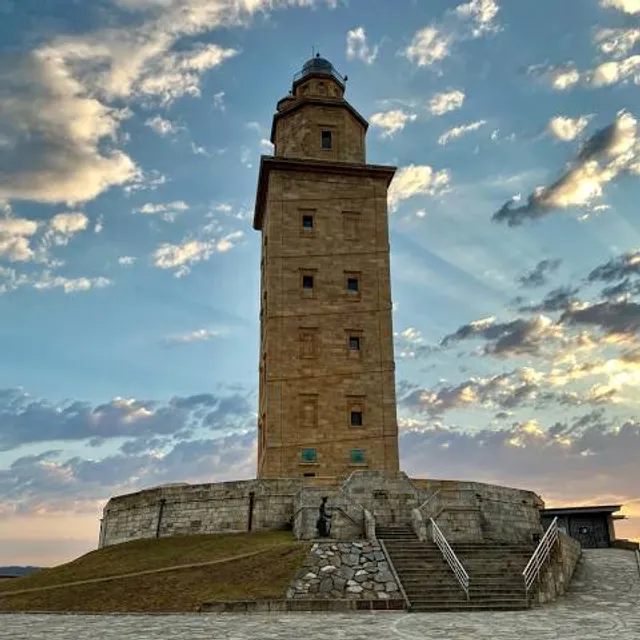
Basic Info
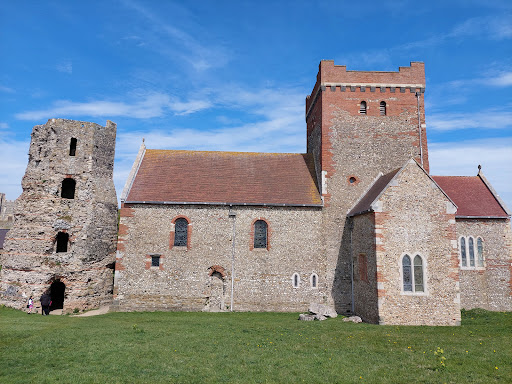
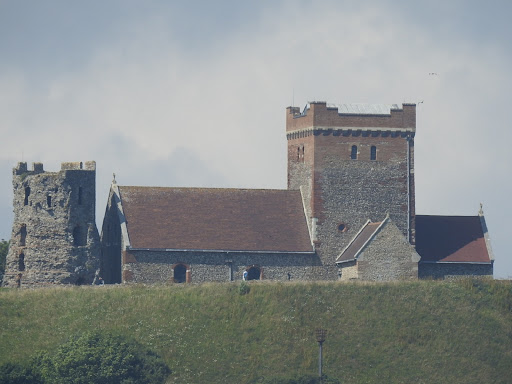
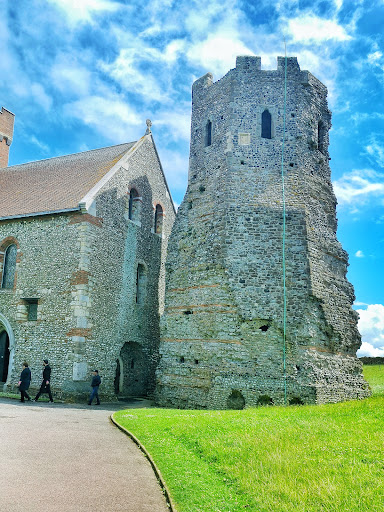
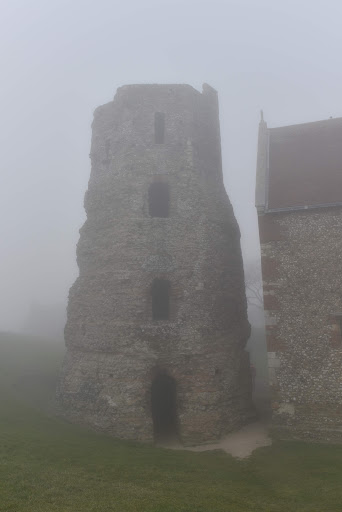
Roman Lighthouse
Castle Hill Rd., Dover CT16 1HU, United Kingdom
4.6(54)
Open 24 hours
Save
spot
spot
Ratings & Description
Info
Cultural
Scenic
Family friendly
attractions: Dover Castle, Secret Wartime Tunnels, Operation Dynamo: Rescue From Dunkirk, The Great Tower, Annexe Level - THE UNDERGROUND HOSPITAL, PWRR & Queens Regiment Museum, Dover Castle - Medieval Tunnels, Constable's Tower, Pencester Gardens, Dover Museum and Bronze Age Boat Gallery, restaurants: NAAFI Restaurant, Marine Court Table Table, Kaspa's Dover, Nando's Dover - St James, The White Horse, The Great Tower Cafe, Rebels Coffee and Sauna, German Doner Kebab (GDK), The Eight Bells - JD Wetherspoon, Aspendos Dover, local businesses: St James Retail and Leisure Park, ️️Ouch Tattoos And Beautiful Piercings and Laser Removal, B&M Store, Dan‘s Barber Shop, CeX, Curiosity Of Dover, Gamebase, Playbase Dover softplay + café, Rotherwood Butchers, Upgrade Gaming
 Learn more insights from Wanderboat AI.
Website
english-heritage.org.uk
Plan your stay

Pet-friendly Hotels in Dover
Find a cozy hotel nearby and make it a full experience.

Affordable Hotels in Dover
Find a cozy hotel nearby and make it a full experience.

The Coolest Hotels You Haven't Heard Of (Yet)
Find a cozy hotel nearby and make it a full experience.

Trending Stays Worth the Hype in Dover
Find a cozy hotel nearby and make it a full experience.
Reviews
Live events
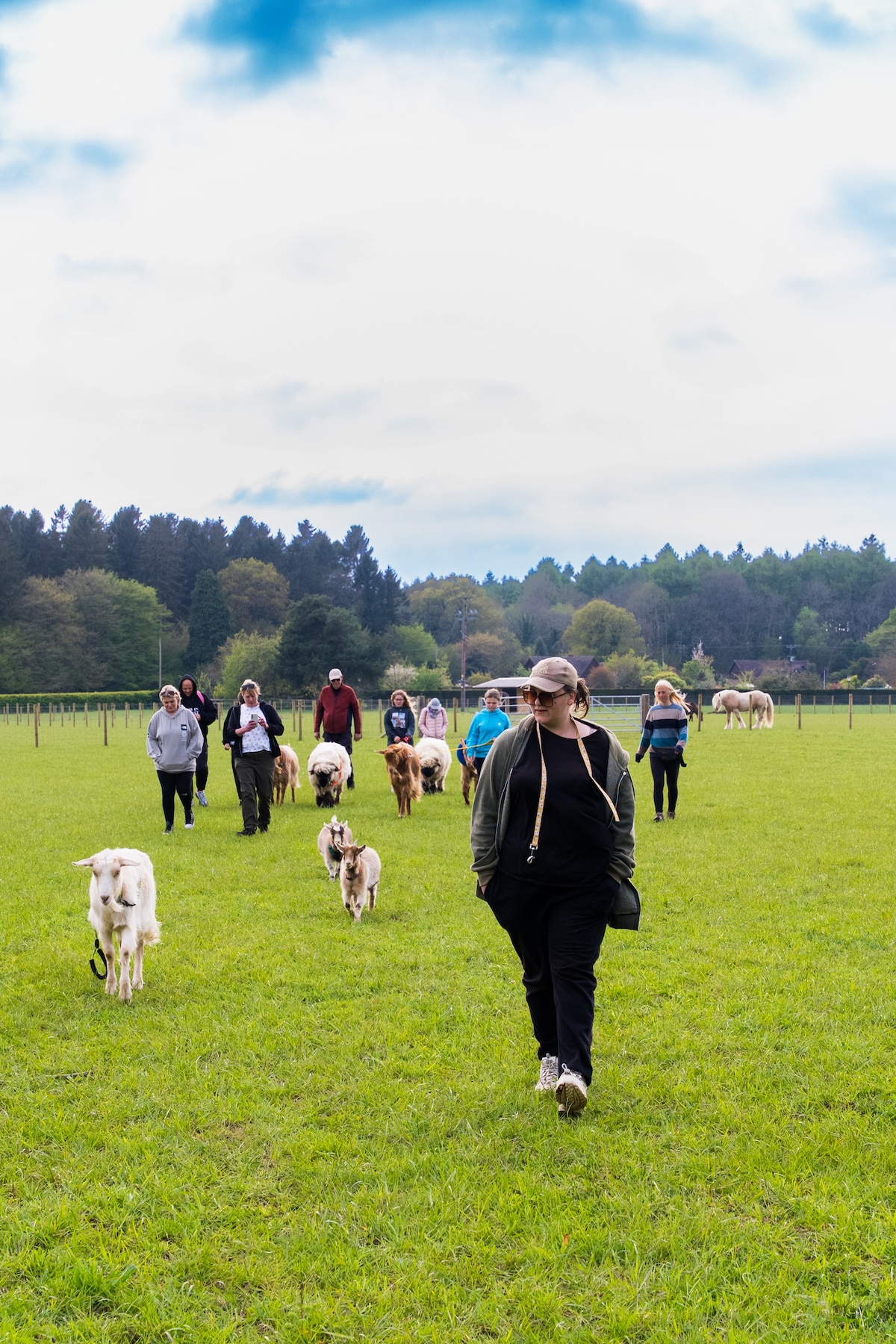
Goat and sheep walking in beautiful countryside
Mon, Feb 23 • 10:30 AM
Elham, CT4 6YE, United Kingdom
View details
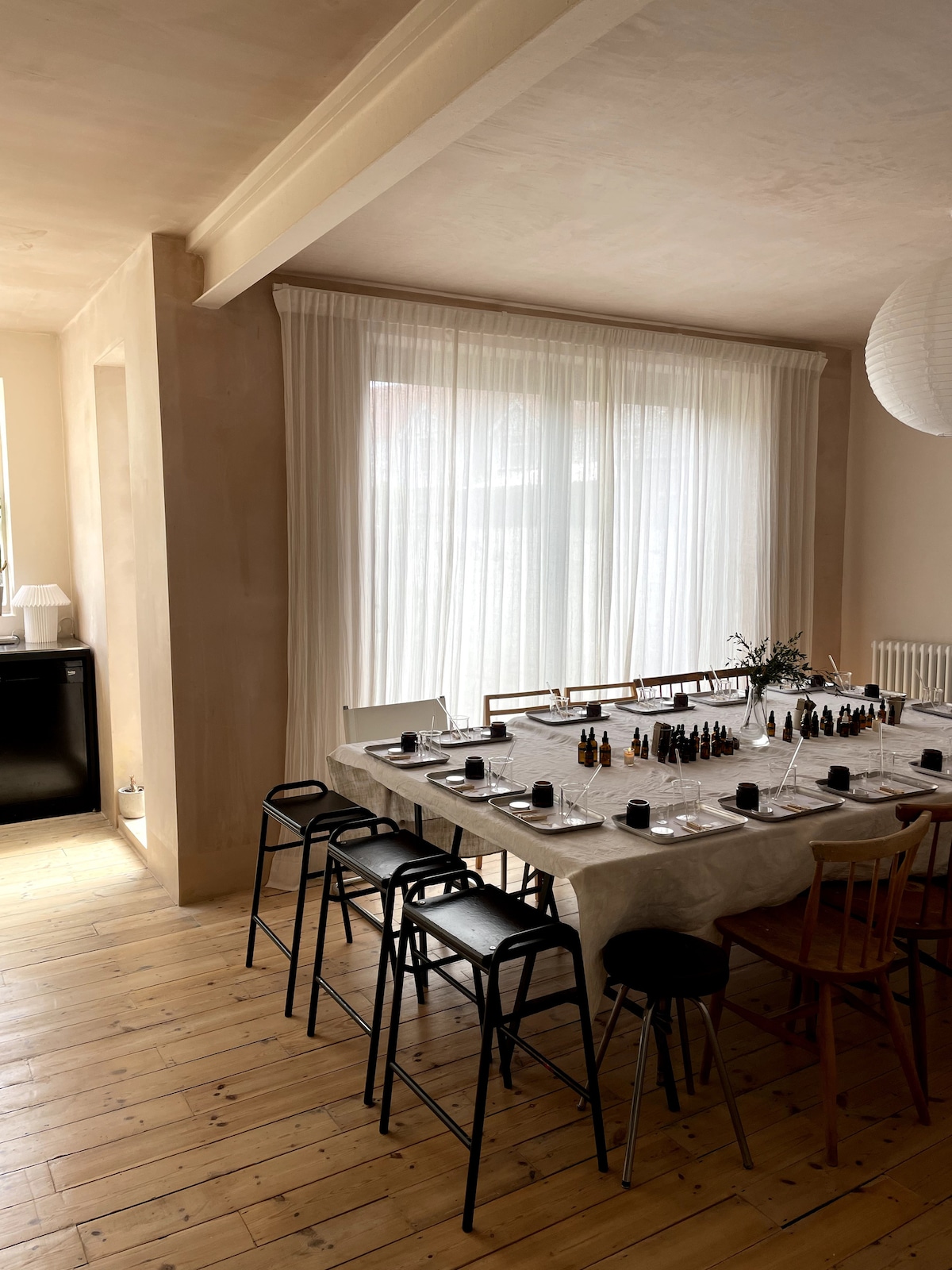
Essential Oil Candle Workshop
Mon, Feb 23 • 11:00 AM
Kent, CT9 1QA, United Kingdom
View details
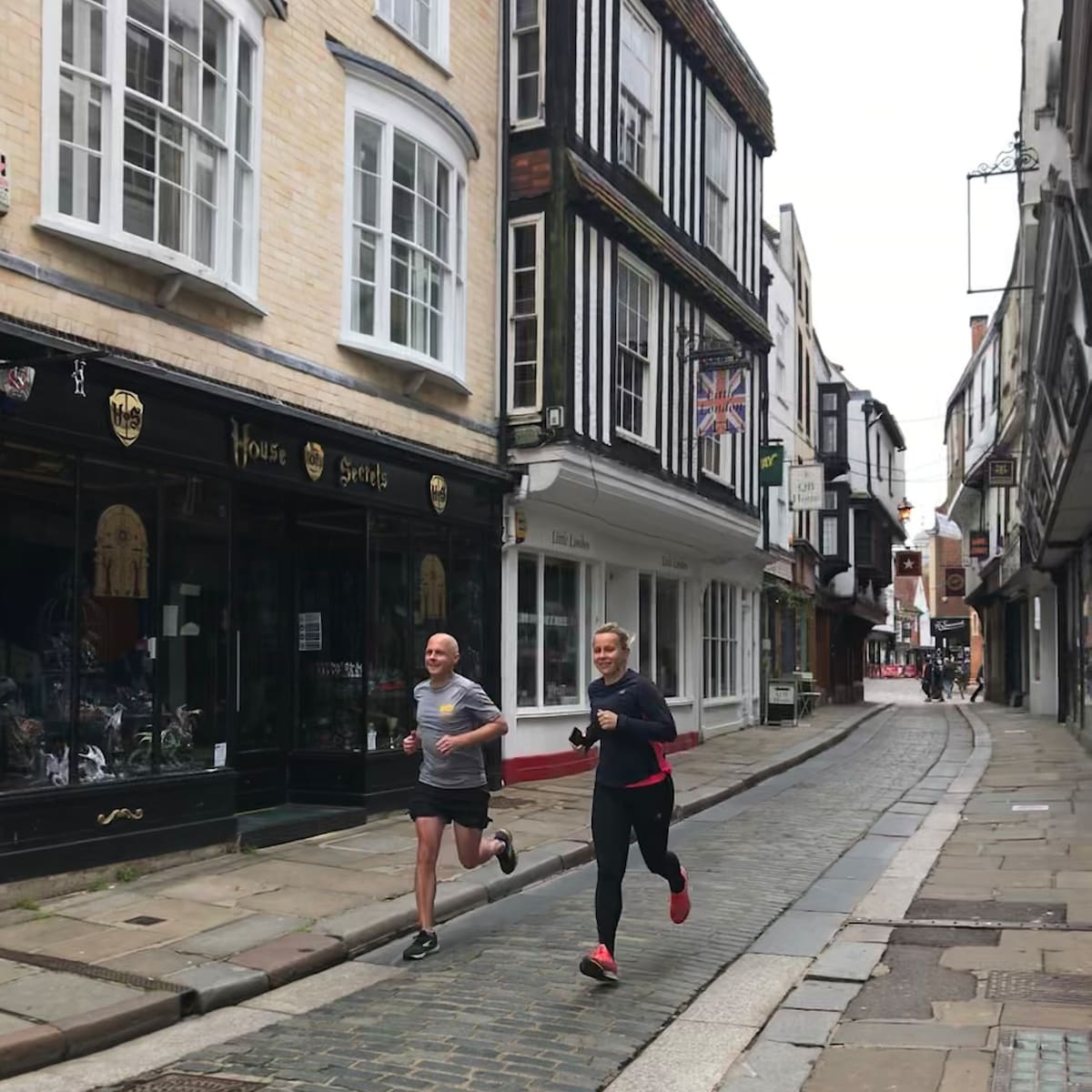
Sightseeing Canterburys best scenes on a run
Mon, Feb 23 • 7:00 AM
Kent, CT1, United Kingdom
View details
Nearby attractions of Roman Lighthouse
Dover Castle
Secret Wartime Tunnels
Operation Dynamo: Rescue From Dunkirk
The Great Tower
Annexe Level - THE UNDERGROUND HOSPITAL
PWRR & Queens Regiment Museum
Dover Castle - Medieval Tunnels
Constable's Tower
Pencester Gardens
Dover Museum and Bronze Age Boat Gallery
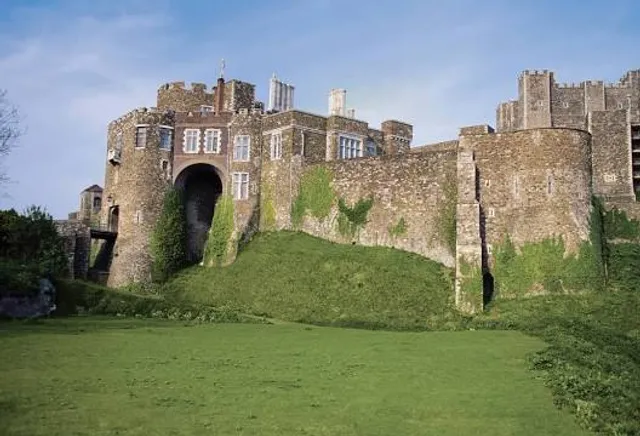
Dover Castle
4.7
(7.1K)
Closed
Click for details
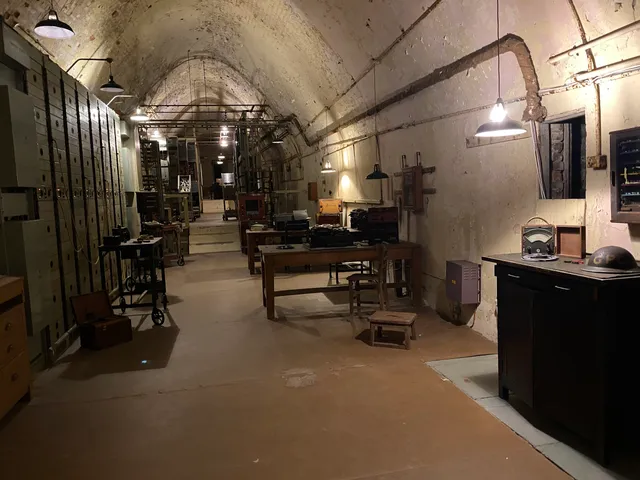
Secret Wartime Tunnels
4.6
(522)
Closed
Click for details
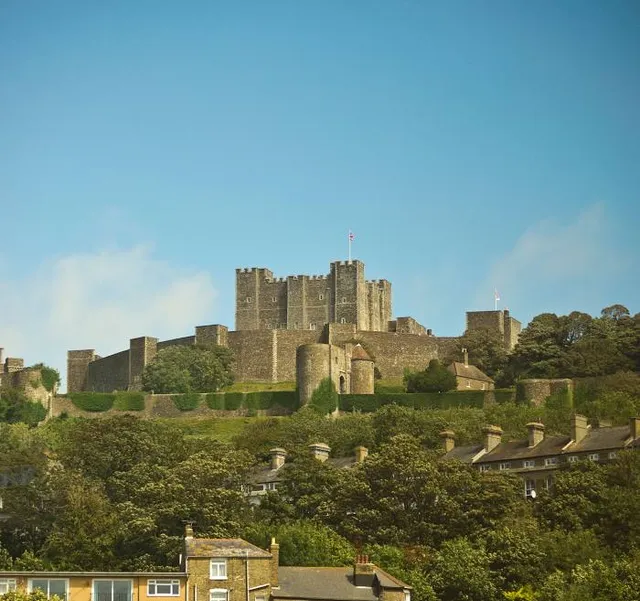
Operation Dynamo: Rescue From Dunkirk
4.7
(149)
Closed
Click for details

The Great Tower
4.8
(66)
Open 24 hours
Click for details
Nearby restaurants of Roman Lighthouse
NAAFI Restaurant
Marine Court Table Table
Kaspa's Dover
Nando's Dover - St James
The White Horse
The Great Tower Cafe
Rebels Coffee and Sauna
German Doner Kebab (GDK)
The Eight Bells - JD Wetherspoon
Aspendos Dover
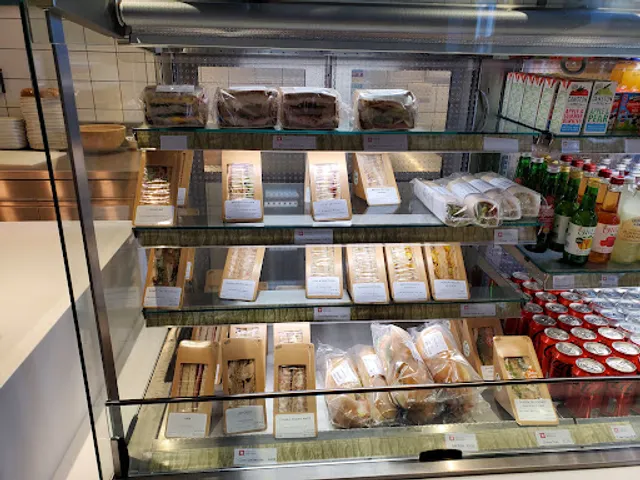
NAAFI Restaurant
3.3
(41)
Closed
Click for details
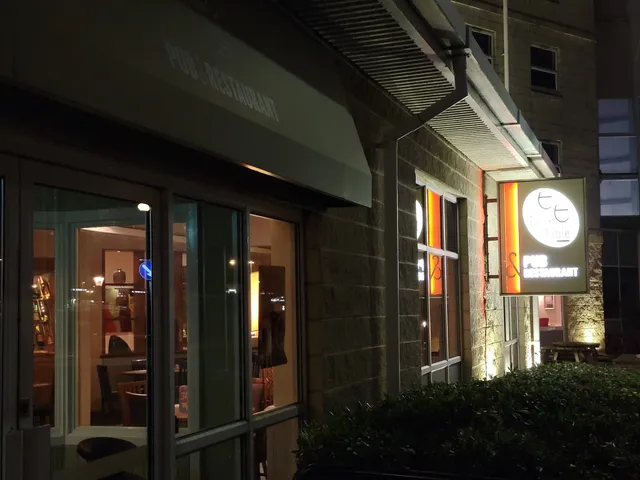
Marine Court Table Table
3.9
(814)
Open until 10:30 PM
Click for details
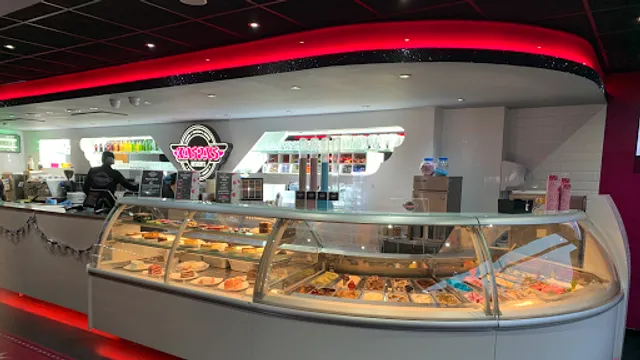
Kaspa's Dover
4.4
(738)
$$
Open until 9:00 PM
Click for details
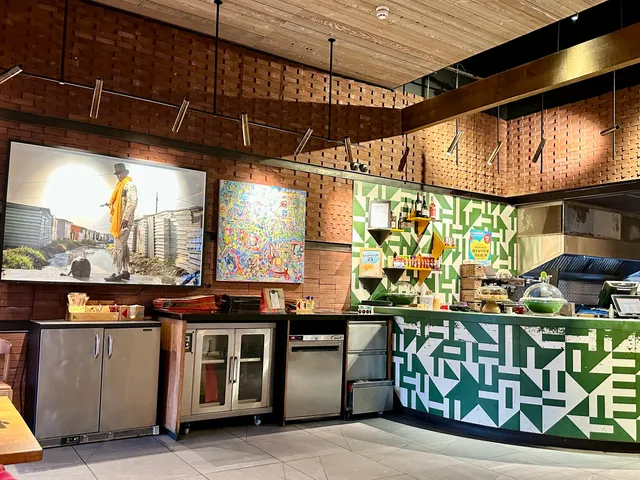
Nando's Dover - St James
4.3
(696)
Open until 10:00 PM
Click for details
Nearby local services of Roman Lighthouse
St James Retail and Leisure Park
️️Ouch Tattoos And Beautiful Piercings and Laser Removal
B&M Store
Dan‘s Barber Shop
CeX
Curiosity Of Dover
Gamebase
Playbase Dover softplay + café
Rotherwood Butchers
Upgrade Gaming
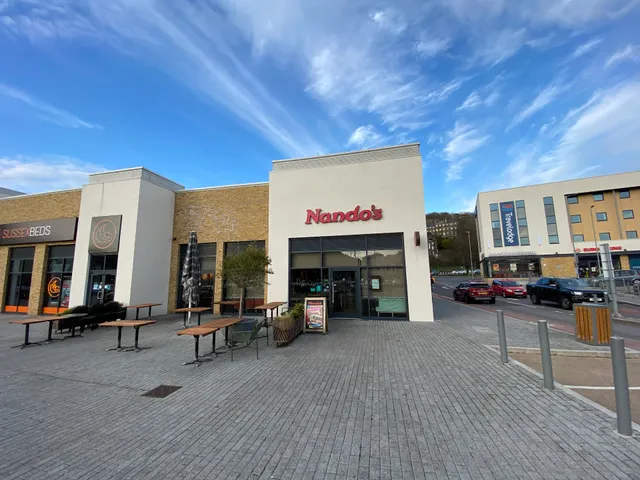
St James Retail and Leisure Park
4.1
(749)
Click for details

️️Ouch Tattoos And Beautiful Piercings and Laser Removal
5.0
(100)
Click for details

B&M Store
4.4
(167)
Click for details

Dan‘s Barber Shop
4.9
(92)
Click for details