HTML SitemapExplore

Rochester Castle — Attraction in Great Britain

Name
Rochester Castle
Description
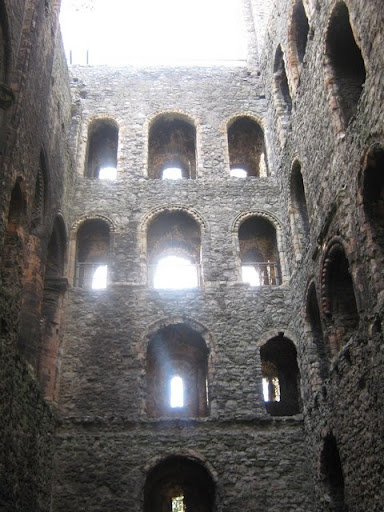
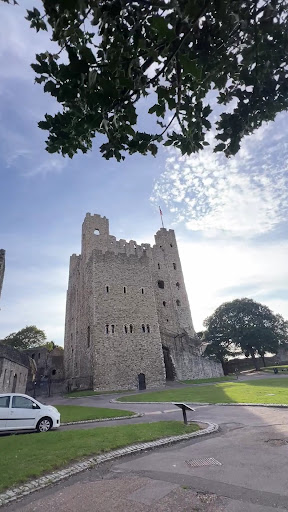
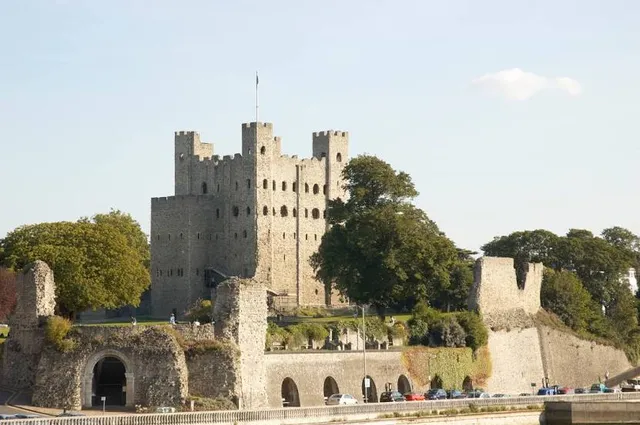
Rochester Castle stands on the east bank of the River Medway in Rochester, Kent, South East England. The 12th-century keep or stone tower, which is the castle's most prominent feature, is one of the best preserved in England or France.
Nearby attractions
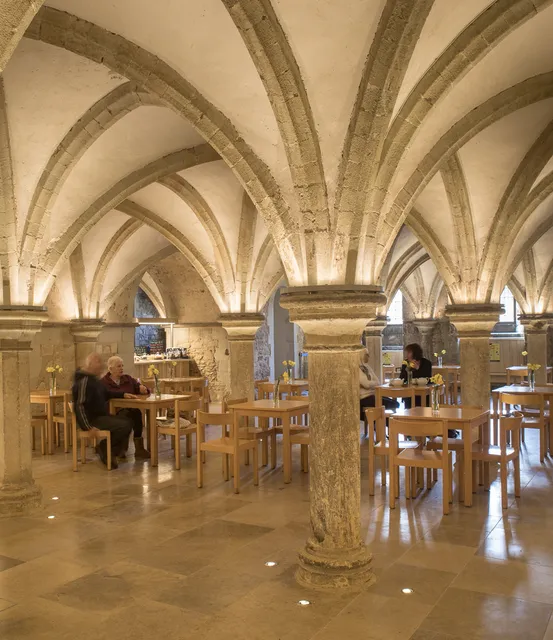
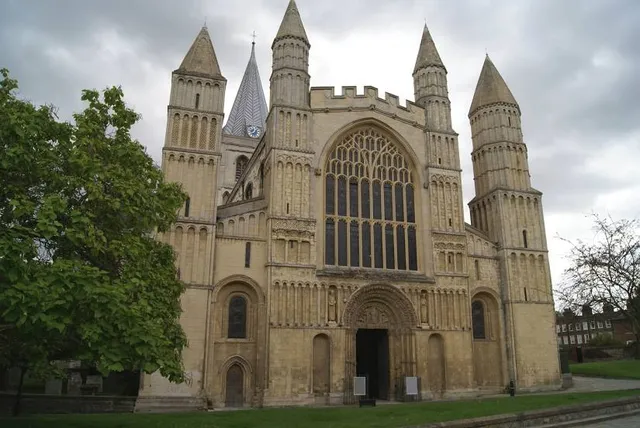
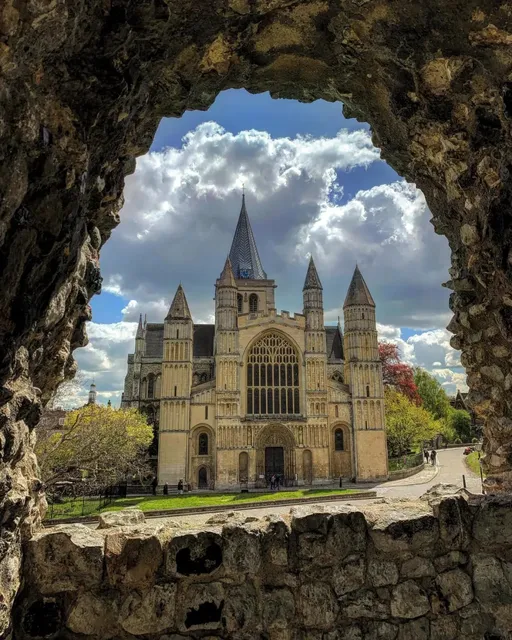
Rochester Cathedral
Garth House, The Precinct, Rochester ME1 1SX, United Kingdom
Rochester Castle Gardens
Castle, Castle Gdns, Rochester ME1 1SW, United Kingdom
Guildhall Museum
17 High St, Rochester ME1 1PY, United Kingdom
Baggins Book Bazaar
19 High St, Rochester ME1 1PY, United Kingdom
Rochester Pier
Rochester ME1 1QN, United Kingdom
The Vines of Rochester
The Old Archdeaconry, Rochester ME1 1SX, United Kingdom
Huguenot Museum
95 High St, The Precinct, Rochester ME1 1LX, United Kingdom
Eastgate House
1EW, High St, Rochester, United Kingdom
Restoration House
17-19 Crow Ln, Rochester ME1 1RF, United Kingdom
Rochester Library.
Community Hub Rochester, Eastgate, Rochester ME1 1EW, United Kingdom
Nearby restaurants
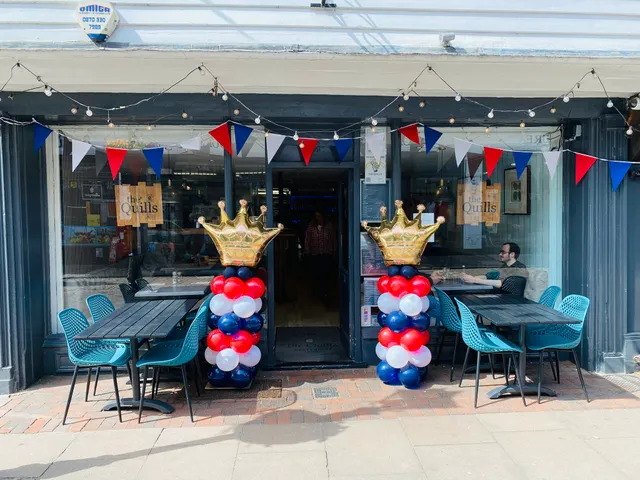
The Quills Restaurant
30-32 High St, Rochester ME1 1LD, United Kingdom
Ye Arrow
Boley Hill, The Precinct, Rochester ME1 1TE, United Kingdom
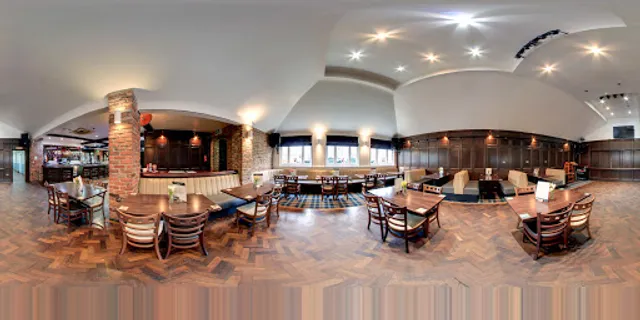
The George Vaults
35 High St, Rochester ME1 1LN, United Kingdom
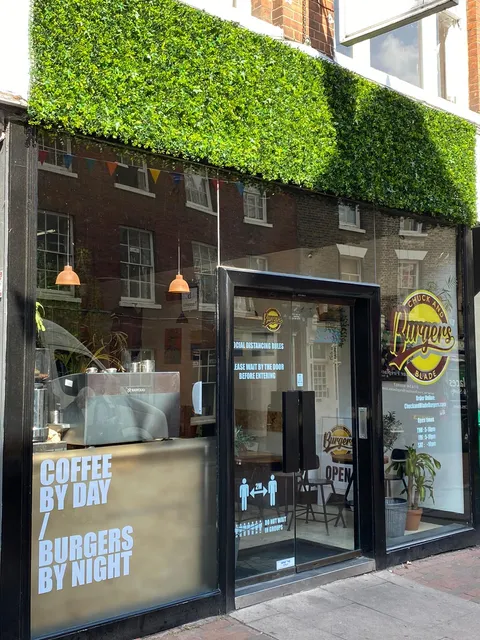
Chuck and Blade Burgers
40 High St, Rochester ME1 1LD, United Kingdom
Café Nucleus Rochester
Halpern Conservancy Board Building, 15 High St, Rochester ME1 1PY, United Kingdom
Costa Coffee - Rochester High Street
59-61 High St, The Precinct, Rochester ME1 1LX, United Kingdom
The Cheese Room Botanicals
60 High St, The Precinct, Rochester ME1 1JY
Brettington's Steak and Lobster House
79 High St, The Precinct, Rochester ME1 1LX, United Kingdom
The Coopers Arms
10 St Margaret's St, Rochester ME1 1TL, United Kingdom
Olé Rochester
47, 49 High St, The Precinct, Rochester ME1 1LP, United Kingdom
Nearby local services
Rochester Cathedral
Garth House, The Precinct, Rochester ME1 1SX, United Kingdom
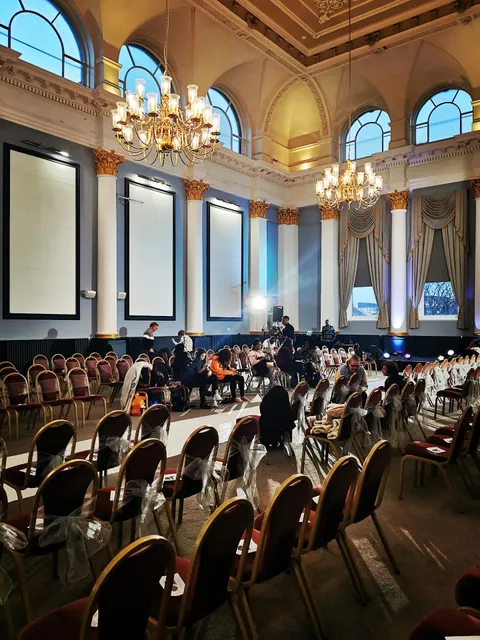
The Corn Exchange
Northgate, The Precinct, Rochester ME1 1LS, United Kingdom
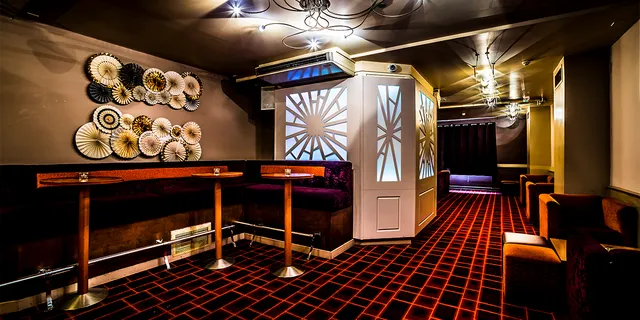
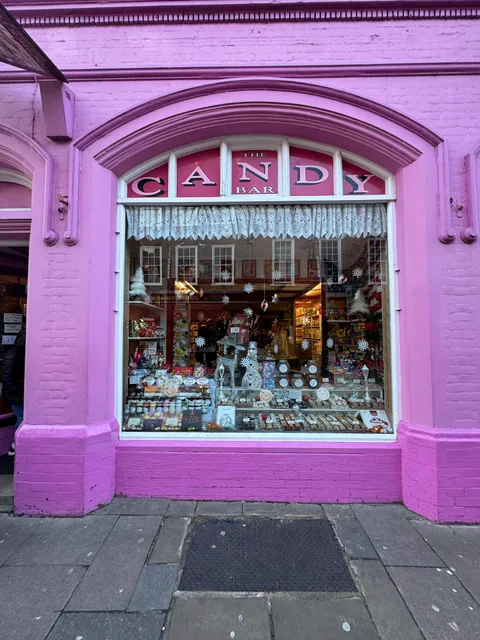
The Candy Bar
76 High St, The Precinct, Rochester ME1 1JY, United Kingdom
Johnstones
81 High St, The Precinct, Rochester ME1 1LX, United Kingdom
The Old City Cigar Shop
53 High St, The Precinct, Rochester ME1 1LN, United Kingdom
Capture The Castle
46 High St, The Precinct, Rochester ME1 1LD, United Kingdom
Store 104
Store 104, 104 High St, Rochester ME1 1JT, United Kingdom
The Hound Hut Rochester, Medway
85 High St, The Precinct, Rochester ME1 1LX, United Kingdom
Kaizen Antiques & Jewellery
88 High St, The Precinct, Rochester ME1 1JT, United Kingdom
Sweet Expectations
87 High St, The Precinct, Rochester ME1 1LX, United Kingdom
Nearby hotels
Gordon House Hotel
Gordon House Hotel, 91 High St, The Precinct, Rochester ME1 1LX, United Kingdom
Travelodge Rochester
11 Cory's Rd, Rochester ME1 1GR, United Kingdom
Trivelles Rochester Hotel
51 Station Rd, Rochester ME2 4BL, United Kingdom
Related posts
Day Trip from London | The Back Garden of Rochester✨
Keywords
Rochester Castle tourism.Rochester Castle hotels.Rochester Castle bed and breakfast. flights to Rochester Castle.Rochester Castle attractions.Rochester Castle restaurants.Rochester Castle local services.Rochester Castle travel.Rochester Castle travel guide.Rochester Castle travel blog.Rochester Castle pictures.Rochester Castle photos.Rochester Castle travel tips.Rochester Castle maps.Rochester Castle things to do.
Rochester Castle things to do, attractions, restaurants, events info and trip planning
Rochester Castle
United KingdomEnglandGreat BritainRochester Castle

Basic Info

Rochester Castle

Castle Hill, Rochester ME1 1SW, United Kingdom
4.6(3.8K)
Open until 4:00 PM
ticket
Get
tickets
Save
spot

Ratings & Description

Info

Rochester Castle stands on the east bank of the River Medway in Rochester, Kent, South East England. The 12th-century keep or stone tower, which is the castle's most prominent feature, is one of the best preserved in England or France.

Cultural
Family friendly
attractions: Rochester Cathedral, Rochester Castle Gardens, Guildhall Museum, Baggins Book Bazaar, Rochester Pier, The Vines of Rochester, Huguenot Museum, Eastgate House, Restoration House, Rochester Library., restaurants: The Quills Restaurant, Ye Arrow, The George Vaults, Chuck and Blade Burgers, Café Nucleus Rochester, Costa Coffee - Rochester High Street, The Cheese Room Botanicals, Brettington's Steak and Lobster House, The Coopers Arms, Olé Rochester, local businesses: Rochester Cathedral, The Corn Exchange, The Candy Bar, Johnstones, The Old City Cigar Shop, Capture The Castle, Store 104, The Hound Hut Rochester, Medway, Kaizen Antiques & Jewellery, Sweet Expectations

logoLearn more insights from Wanderboat AI.
Phone
+44 370 333 1181
Website
english-heritage.org.uk
Open hoursSee all hours
Sat10 AM - 4 PMOpen

Plan your stay

hotel
Pet-friendly Hotels in Great Britain
Find a cozy hotel nearby and make it a full experience.
hotel
Affordable Hotels in Great Britain
Find a cozy hotel nearby and make it a full experience.
hotel
The Coolest Hotels You Haven't Heard Of (Yet)
Find a cozy hotel nearby and make it a full experience.
hotel
Trending Stays Worth the Hype in Great Britain
Find a cozy hotel nearby and make it a full experience.

Reviews

Live events

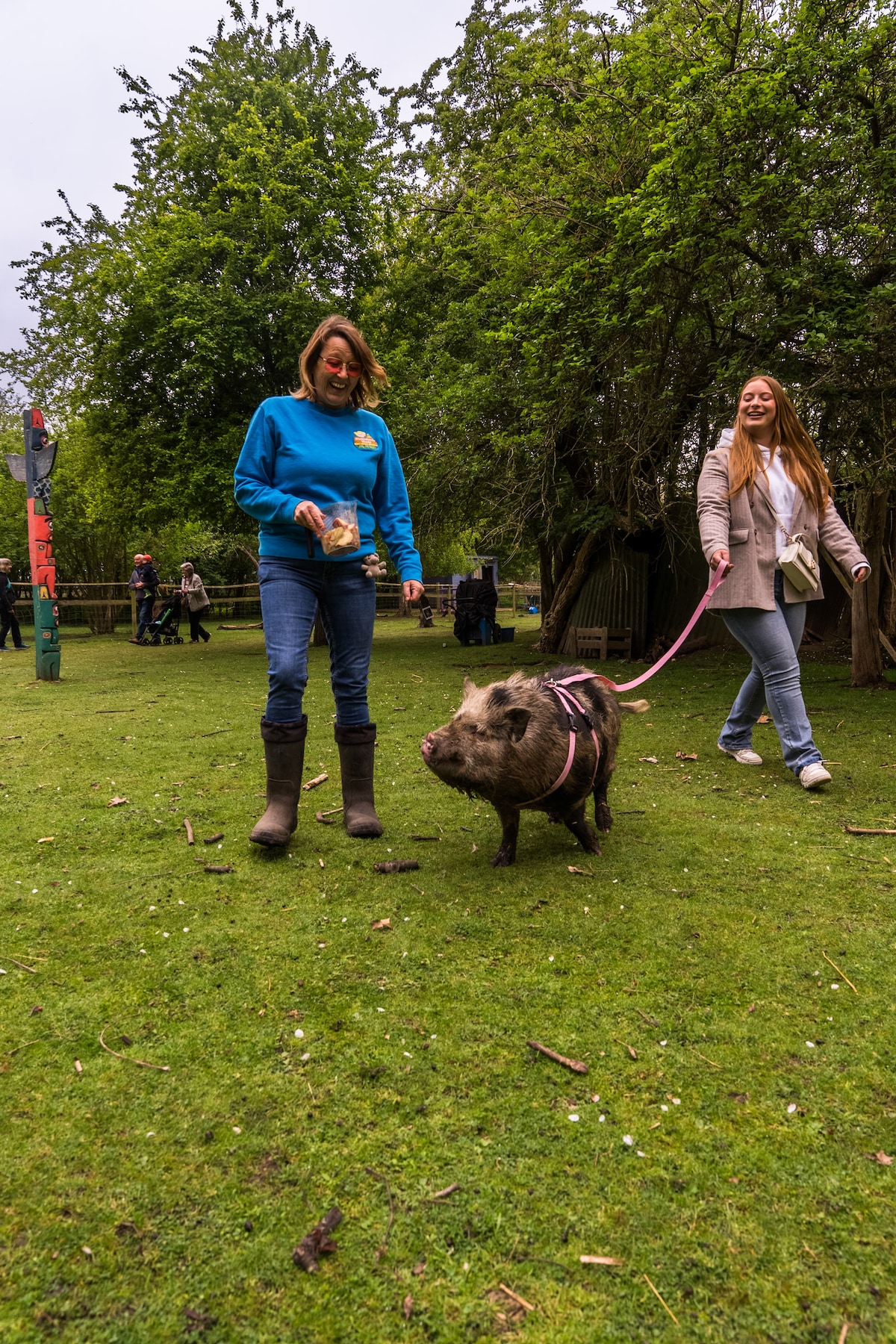
Walk a micro pig through an ancient orchard
Tue, Feb 10 • 10:30 AM
Kent, ME13 0TP, United Kingdom
View details
Make mosaic mandalas in a woodland setting
Mon, Feb 9 • 11:00 AM
Sundridge, TN14 6AP, United Kingdom
View details
The Back Pain Move Well Clinic at WDC Physiotherapy
Sat, Feb 7 • 8:00 AM
2a Christchurch Road Southend-on-Sea SS2 4JS
View details

Nearby attractions of Rochester Castle

Rochester Cathedral

Rochester Castle Gardens

Guildhall Museum

Baggins Book Bazaar

Rochester Pier

The Vines of Rochester

Huguenot Museum

Eastgate House

Restoration House

Rochester Library.

Rochester Cathedral

Rochester Cathedral

4.7

(1.1K)

Open until 4:00 PM
Click for details
Rochester Castle Gardens

Rochester Castle Gardens

4.7

(129)

Open 24 hours
Click for details
Guildhall Museum

Guildhall Museum

4.6

(319)

Open until 5:00 PM
Click for details
Baggins Book Bazaar

Baggins Book Bazaar

4.6

(125)

Open until 5:45 PM
Click for details

Nearby restaurants of Rochester Castle

The Quills Restaurant

Ye Arrow

The George Vaults

Chuck and Blade Burgers

Café Nucleus Rochester

Costa Coffee - Rochester High Street

The Cheese Room Botanicals

Brettington's Steak and Lobster House

The Coopers Arms

Olé Rochester

The Quills Restaurant

The Quills Restaurant

4.5

(743)

Open until 11:00 PM
Click for details
Ye Arrow

Ye Arrow

4.3

(437)

Open until 1:00 AM
Click for details
The George Vaults

The George Vaults

4.1

(678)

$$

Open until 2:00 AM
Click for details
Chuck and Blade Burgers

Chuck and Blade Burgers

4.4

(640)

Open until 10:00 PM
Click for details

Nearby local services of Rochester Castle

Rochester Cathedral

The Corn Exchange

The Candy Bar

Johnstones

The Old City Cigar Shop

Capture The Castle

Store 104

The Hound Hut Rochester, Medway

Kaizen Antiques & Jewellery

Sweet Expectations

Rochester Cathedral

Rochester Cathedral

4.7

(984)

Click for details
The Corn Exchange

The Corn Exchange

4.5

(224)

Click for details
The Candy Bar

The Candy Bar

4.3

(53)

Click for details
Johnstones

Johnstones

4.6

(50)

Click for details
Get the Appoverlay
Get the AppOne tap to find yournext favorite spots!
Wanderboat LogoWanderboat

Your everyday Al companion for getaway ideas

CompanyAbout Us
InformationAI Trip PlannerSitemap
SocialXInstagramTiktokLinkedin
LegalTerms of ServicePrivacy Policy

Get the app

© 2025 Wanderboat. All rights reserved.

Reviews of Rochester Castle

4.6
(3,842)
avatar
5.0
6y

Rochester Castle stands on the east bank of the River Medway in Rochester, Kent, South East England. The 12th-century keep or stone tower, which is the castle's most prominent feature, is one of the best preserved in England or France. Situated on the River Medway and Watling Street, Rochester served as a strategically important royal castle. During the late medieval period it helped protect England's south-east coast from invasion. The first castle at Rochester was founded in the aftermath of the Norman Conquest. It was given to Bishop Odo, probably by his half-brother William the Conqueror. During the Rebellion of 1088 over the succession to the English throne, Odo supported Robert Curthose, the Conqueror's eldest son, against William Rufus. It was during this conflict that the castle first saw military action; the city and castle were besieged after Odo made Rochester a headquarters for the rebellion. After the garrison capitulated, this first castle was abandoned.

Between 1087 and 1089, Rufus asked Gundulf, Bishop of Rochester, to build a new stone castle at Rochester. He established the current extent of the castle. Though much altered through the centuries, some parts of Gundulf's work survive. In 1127 King Henry I granted the castle to the Archbishop of Canterbury in perpetuity. William de Corbeil built the massive keep that still dominates the castle today. Throughout the 12th century the castle remained in the custody of the archbishops.

During the First Barons' War (1215–1217) in King John's reign, baronial forces captured the castle from Archbishop Stephen Langton and held it against the king, who then besieged it. The Barnwell chronicler remarked "Our age has not known a siege so hard pressed nor so strongly resisted". After resisting for just over seven weeks, the garrison surrendered. The castle had been greatly damaged, with breaches in the outer walls and one corner of the keep collapsed, and hunger eventually forced the defenders' hand. The castle did not stay under John's control for long: in 1216 it was captured by the French Prince Louis, who was the new leader of the baronial faction. John died and was succeeded by his son King Henry III in 1216; the next year, the war ended and the castle was taken under direct royal control.

Rochester was besieged for the third time in 1264 during the Second Barons' War (1264–1267). The castle's royal constable, Roger de Leybourne, held Rochester in support of Henry III. Rebel armies led by Simon de Montfort and Gilbert de Clare entered the city and set about trying to capture the castle. Again the castle's defenders resisted, this time with a different outcome. After a week, the rebel armies raised the siege in the face of relief from Henry himself. The garrison did not surrender, and the castle suffered extensive damage that was not repaired until the following century. The castle saw military action for the last time in 1381 when it was captured and ransacked during the Peasants' Revolt. As Rochester Castle fell out of use its materials were reused elsewhere and custodianship relinquished by the Crown. The castle and its grounds were opened to the public in the 1870s as a park. At various points during the 19th and 20th centuries repairs were carried out. The castle is protected as a Grade I listed building and Scheduled Monument. Today the ruins are in the guardianship of English Heritage and open...

   Read more
avatar
5.0
22w

Great place to go exploring , with an audio tour. Here is a brief history from Wikipedia.. oh and expect a lot of winding stone steps

Situated on the River Medway and Watling Street, Rochester was a strategically important royal castle. During the late medieval period, it helped protect England's south-east coast from invasion. The first castle at Rochester was founded in the aftermath of the Norman Conquest. It was given to Bishop Odo, probably by his half-brother William the Conqueror. During the Rebellion of 1088 over the succession to the English throne, Odo supported Robert Curthose, the Conqueror's eldest son, against William Rufus. It was during this conflict that the castle first saw military action; the city and castle were besieged after Odo made Rochester a headquarters for the rebellion. After the garrison capitulated, this first castle was abandoned. Between 1087 and 1089, Rufus asked Gundulf, Bishop of Rochester, to build a new stone castle at Rochester. He established the current extent of the castle. Though much altered through the centuries, some parts of Gundulf's work survive. In 1127 King Henry I granted the castle to the Archbishop of Canterbury in perpetuity. William de Corbeil built the massive keep that still dominates the castle today. Throughout the 12th century the castle remained in the custody of the archbishops. During the First Barons' War (1215–1217) in King John's reign, baronial forces captured the castle from Archbishop Stephen Langton and held it against the king, who then besieged it. The Barnwell chronicler remarked "Our age has not known a siege so hard pressed nor so strongly resisted". After resisting for just over seven weeks, the garrison surrendered. The castle had been greatly damaged, with breaches in the outer walls and one corner of the keep collapsed, and hunger eventually forced the defenders' hand. The castle did not stay under John's control for long: in 1216 it was captured by the French Prince Louis, who was the new leader of the baronial faction. John died and was succeeded by his son King Henry III in 1216; the next year, the war ended and the castle was taken under direct royal control. Rochester was besieged for the third time in 1264 during the Second Barons' War (1264–1267). The castle's royal constable, Roger de Leybourne, held Rochester in support of Henry III. Rebel armies led by Simon de Montfort and Gilbert de Clare entered the city and set about trying to capture the castle. Again the castle's defenders resisted, this time with a different outcome. After a week, the rebel armies raised the siege in the face of relief from Henry himself. The garrison did not surrender, and the castle suffered extensive damage that was not repaired until the following century. The castle saw military action for the last time in 1381 when it was captured and ransacked during the Peasants' Revolt. As Rochester Castle fell out of use its materials were reused elsewhere and custodianship was relinquished by the Crown. The castle and its grounds were opened to the public in the 1870s as a park. At various points during the 19th and 20th centuries repairs were carried out. The castle is protected as a Grade I listed building and Scheduled Monument. Today the ruins are in the guardianship of English Heritage and open...

   Read more
avatar
5.0
7y

Rochester Castle is a must-visit for history enthusiasts and families alike. We visited this stunning medieval fortress six years ago during the city’s annual festival, which added a vibrant layer to our experience. The highlight of the day was undoubtedly the parade of characters from Oliver Twist, which brought Charles Dickens’ timeless story to life in a way that delighted both adults and children.

The castle itself is an awe-inspiring example of Norman architecture, with its imposing stone keep standing as a testament to centuries of history. Walking through its rooms and ascending its steep staircases, we felt as though we had stepped back in time. The panoramic views from the top were breathtaking, offering a sweeping vista of the River Medway and the charming town of Rochester.

The festival atmosphere added a lively dimension to the visit, with costumed performers, traditional music, and market stalls brimming with local crafts and foods. The Oliver Twist parade was the perfect blend of literature and festivity, with actors portraying iconic characters such as Fagin, Nancy, and the Artful Dodger. Their lively performances captivated the crowd and left us with a deeper appreciation for Rochester’s connection to Dickens.

The castle grounds were a great spot for a family picnic, offering ample space for children to run and play while adults soaked in the historic surroundings. The staff and volunteers were exceptionally friendly and knowledgeable, enhancing the overall experience.

Whether you're a history buff, a literature lover, or simply looking for a unique family outing, Rochester Castle delivers on all fronts. The combination of its rich heritage and the engaging festivities made our visit unforgettable. We left with a sense of wonder and a promise to return one day. Highly...

   Read more
Page 1 of 7
Previous
Next

Posts

Day Trip from London | The Back Garden of Rochester✨
JessicaJessica
Day Trip from London | The Back Garden of Rochester✨
Your browser does not support the video tag.
oneofakindlevioneofakindlevi
The best little place for a bite to eat 👌🏼 not to mention the beautiful high street, Cathedral & Rochester castle! @lennysofrochester #lunchideas
Me 1974Me 1974
Rochester Castle stands on the east bank of the River Medway in Rochester, Kent, South East England. The 12th-century keep or stone tower, which is the castle's most prominent feature, is one of the best preserved in England or France. Situated on the River Medway and Watling Street, Rochester served as a strategically important royal castle. During the late medieval period it helped protect England's south-east coast from invasion. The first castle at Rochester was founded in the aftermath of the Norman Conquest. It was given to Bishop Odo, probably by his half-brother William the Conqueror. During the Rebellion of 1088 over the succession to the English throne, Odo supported Robert Curthose, the Conqueror's eldest son, against William Rufus. It was during this conflict that the castle first saw military action; the city and castle were besieged after Odo made Rochester a headquarters for the rebellion. After the garrison capitulated, this first castle was abandoned. Between 1087 and 1089, Rufus asked Gundulf, Bishop of Rochester, to build a new stone castle at Rochester. He established the current extent of the castle. Though much altered through the centuries, some parts of Gundulf's work survive. In 1127 King Henry I granted the castle to the Archbishop of Canterbury in perpetuity. William de Corbeil built the massive keep that still dominates the castle today. Throughout the 12th century the castle remained in the custody of the archbishops. During the First Barons' War (1215–1217) in King John's reign, baronial forces captured the castle from Archbishop Stephen Langton and held it against the king, who then besieged it. The Barnwell chronicler remarked "Our age has not known a siege so hard pressed nor so strongly resisted". After resisting for just over seven weeks, the garrison surrendered. The castle had been greatly damaged, with breaches in the outer walls and one corner of the keep collapsed, and hunger eventually forced the defenders' hand. The castle did not stay under John's control for long: in 1216 it was captured by the French Prince Louis, who was the new leader of the baronial faction. John died and was succeeded by his son King Henry III in 1216; the next year, the war ended and the castle was taken under direct royal control. Rochester was besieged for the third time in 1264 during the Second Barons' War (1264–1267). The castle's royal constable, Roger de Leybourne, held Rochester in support of Henry III. Rebel armies led by Simon de Montfort and Gilbert de Clare entered the city and set about trying to capture the castle. Again the castle's defenders resisted, this time with a different outcome. After a week, the rebel armies raised the siege in the face of relief from Henry himself. The garrison did not surrender, and the castle suffered extensive damage that was not repaired until the following century. The castle saw military action for the last time in 1381 when it was captured and ransacked during the Peasants' Revolt. As Rochester Castle fell out of use its materials were reused elsewhere and custodianship relinquished by the Crown. The castle and its grounds were opened to the public in the 1870s as a park. At various points during the 19th and 20th centuries repairs were carried out. The castle is protected as a Grade I listed building and Scheduled Monument. Today the ruins are in the guardianship of English Heritage and open to the public.
See more posts
See more posts
hotel
Find your stay

Pet-friendly Hotels in Great Britain

Find a cozy hotel nearby and make it a full experience.

Day Trip from London | The Back Garden of Rochester✨
Jessica

Jessica

hotel
Find your stay

Affordable Hotels in Great Britain

Find a cozy hotel nearby and make it a full experience.

Get the Appoverlay
Get the AppOne tap to find yournext favorite spots!
The best little place for a bite to eat 👌🏼 not to mention the beautiful high street, Cathedral & Rochester castle! @lennysofrochester #lunchideas
oneofakindlevi

oneofakindlevi

hotel
Find your stay

The Coolest Hotels You Haven't Heard Of (Yet)

Find a cozy hotel nearby and make it a full experience.

hotel
Find your stay

Trending Stays Worth the Hype in Great Britain

Find a cozy hotel nearby and make it a full experience.

Rochester Castle stands on the east bank of the River Medway in Rochester, Kent, South East England. The 12th-century keep or stone tower, which is the castle's most prominent feature, is one of the best preserved in England or France. Situated on the River Medway and Watling Street, Rochester served as a strategically important royal castle. During the late medieval period it helped protect England's south-east coast from invasion. The first castle at Rochester was founded in the aftermath of the Norman Conquest. It was given to Bishop Odo, probably by his half-brother William the Conqueror. During the Rebellion of 1088 over the succession to the English throne, Odo supported Robert Curthose, the Conqueror's eldest son, against William Rufus. It was during this conflict that the castle first saw military action; the city and castle were besieged after Odo made Rochester a headquarters for the rebellion. After the garrison capitulated, this first castle was abandoned. Between 1087 and 1089, Rufus asked Gundulf, Bishop of Rochester, to build a new stone castle at Rochester. He established the current extent of the castle. Though much altered through the centuries, some parts of Gundulf's work survive. In 1127 King Henry I granted the castle to the Archbishop of Canterbury in perpetuity. William de Corbeil built the massive keep that still dominates the castle today. Throughout the 12th century the castle remained in the custody of the archbishops. During the First Barons' War (1215–1217) in King John's reign, baronial forces captured the castle from Archbishop Stephen Langton and held it against the king, who then besieged it. The Barnwell chronicler remarked "Our age has not known a siege so hard pressed nor so strongly resisted". After resisting for just over seven weeks, the garrison surrendered. The castle had been greatly damaged, with breaches in the outer walls and one corner of the keep collapsed, and hunger eventually forced the defenders' hand. The castle did not stay under John's control for long: in 1216 it was captured by the French Prince Louis, who was the new leader of the baronial faction. John died and was succeeded by his son King Henry III in 1216; the next year, the war ended and the castle was taken under direct royal control. Rochester was besieged for the third time in 1264 during the Second Barons' War (1264–1267). The castle's royal constable, Roger de Leybourne, held Rochester in support of Henry III. Rebel armies led by Simon de Montfort and Gilbert de Clare entered the city and set about trying to capture the castle. Again the castle's defenders resisted, this time with a different outcome. After a week, the rebel armies raised the siege in the face of relief from Henry himself. The garrison did not surrender, and the castle suffered extensive damage that was not repaired until the following century. The castle saw military action for the last time in 1381 when it was captured and ransacked during the Peasants' Revolt. As Rochester Castle fell out of use its materials were reused elsewhere and custodianship relinquished by the Crown. The castle and its grounds were opened to the public in the 1870s as a park. At various points during the 19th and 20th centuries repairs were carried out. The castle is protected as a Grade I listed building and Scheduled Monument. Today the ruins are in the guardianship of English Heritage and open to the public.
Me 1974

Me 1974

See more posts
See more posts