Lutyens Crypt things to do, attractions, restaurants, events info and trip planning
Basic Info
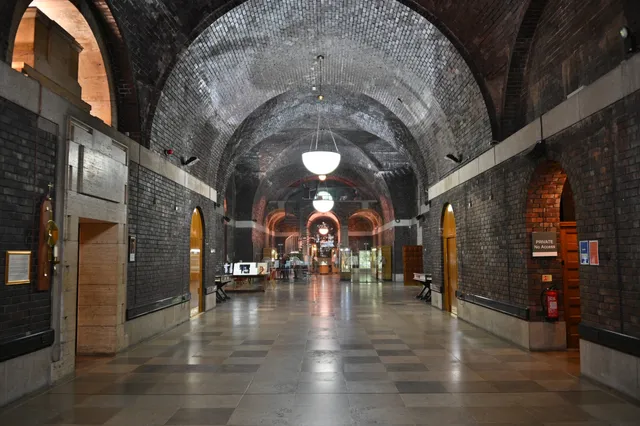
Lutyens Crypt
Metropolitan Cathedral, Brownlow Hl, Liverpool L3 5TQ, United Kingdom
4.5(142)
Closed

tickets
Save
spot
spot
Ratings & Description
Info
Cultural
Entertainment
Accessibility
Family friendly
attractions: Liverpool Metropolitan Cathedral, Everyman Theatre, Victoria Gallery & Museum, University of Liverpool, The Hope Street Theatre, St Luke’s Bombed Out Church, Liverpool John Moores University, Yoko Ono Lennon Centre, University of Liverpool, Central Teaching Hub, William MacKenzie's Tomb, restaurants: The Pen Factory, The Philharmonic Dining Rooms, Cuthbert's Bakery, Liverpool Arts Bar, Ikkayees Indian Restaurant Liverpool, The Hope & Anchor, Waterhouse Cafe, Free State Kitchen, White Hart Pub, The Cambridge Public House, local businesses: University of Liverpool Sports and Fitness Centre, Philharmonic Dining Rooms, Medusa Piercing, Liverpool Metropolitan Cathedral, Royal Liverpool Philharmonic, Reid of Liverpool, Alsop Court, Great Newton House - iQ Student Accommodation Liverpool, bikiosk, OUR FADE
 Learn more insights from Wanderboat AI.
Phone
+44 151 709 9222
Website
liverpoolmetrocathedral.org.uk
Open hoursSee all hours
Tue10 AM - 4 PMClosed
Plan your stay

Pet-friendly Hotels in Liverpool
Find a cozy hotel nearby and make it a full experience.

Affordable Hotels in Liverpool
Find a cozy hotel nearby and make it a full experience.

The Coolest Hotels You Haven't Heard Of (Yet)
Find a cozy hotel nearby and make it a full experience.

Trending Stays Worth the Hype in Liverpool
Find a cozy hotel nearby and make it a full experience.
Reviews
Live events

Moonshine Saloon Liverpool: Immersive Wild West Cocktail Experience
Wed, Feb 25 • 7:05 PM
40 Seel Street, Liverpool, L1 4BE, L1 4BE
View details

Walk through Liverpools history
Wed, Feb 25 • 10:00 AM
Merseyside, L3 1HU, United Kingdom
View details
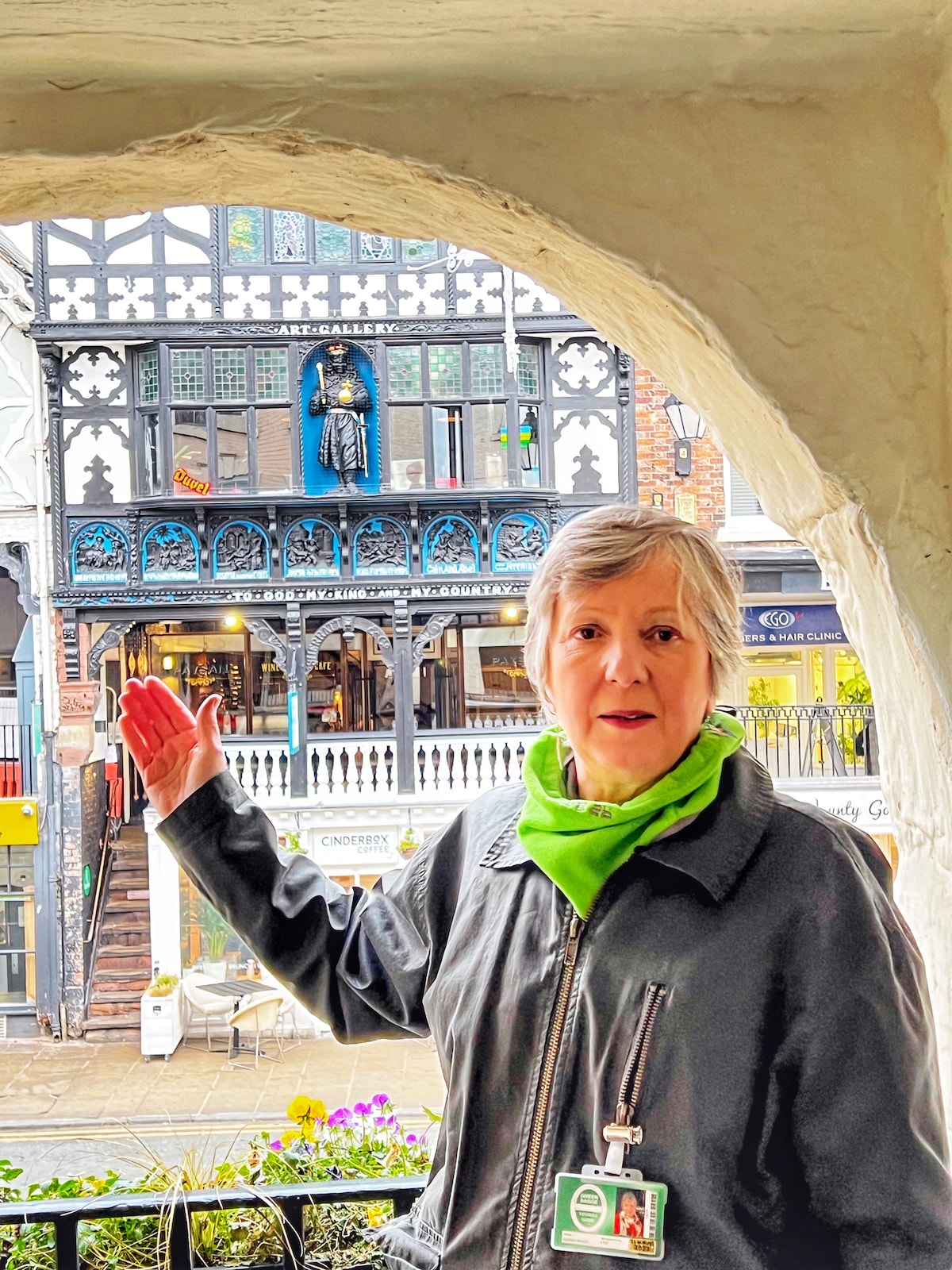
The Heart of Chester Walking Tour
Tue, Feb 24 • 1:00 PM
Cheshire West and Chester, CH1, United Kingdom
View details
Nearby attractions of Lutyens Crypt
Liverpool Metropolitan Cathedral
Everyman Theatre
Victoria Gallery & Museum
University of Liverpool
The Hope Street Theatre
St Luke’s Bombed Out Church
Liverpool John Moores University
Yoko Ono Lennon Centre
University of Liverpool, Central Teaching Hub
William MacKenzie's Tomb
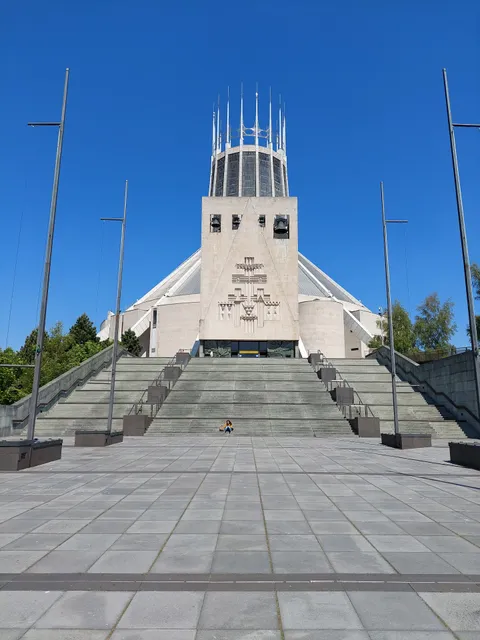
Liverpool Metropolitan Cathedral
4.6
(2.1K)
Closed
Click for details
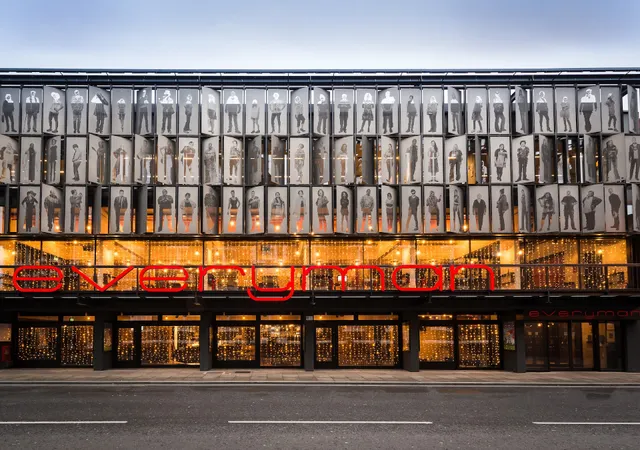
Everyman Theatre
4.7
(804)
Open 24 hours
Click for details
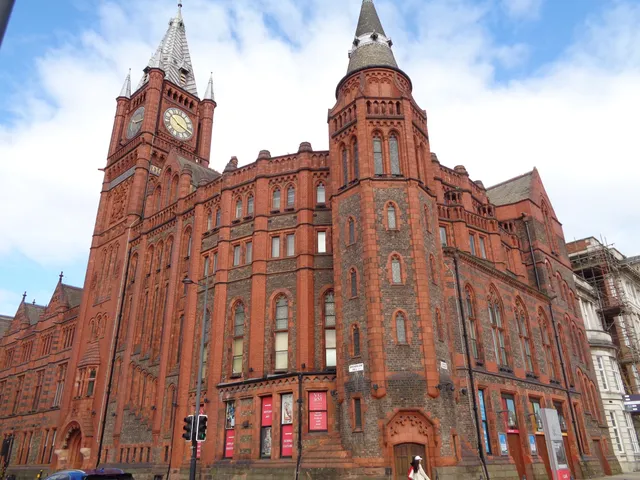
Victoria Gallery & Museum
4.6
(133)
Open until 12:00 AM
Click for details
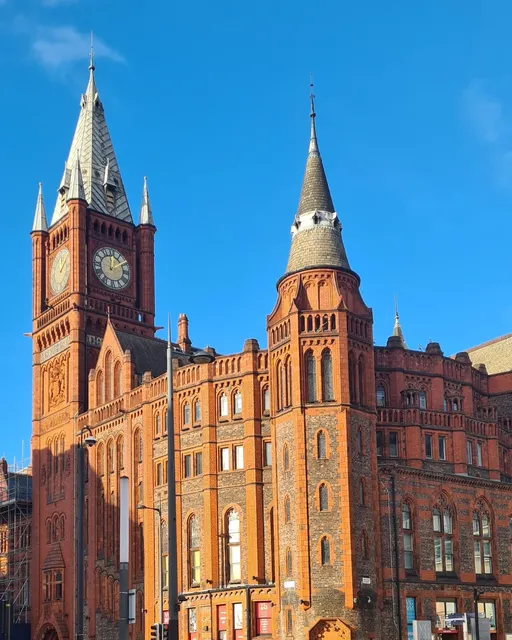
University of Liverpool
4.4
(210)
Closed
Click for details
Nearby restaurants of Lutyens Crypt
The Pen Factory
The Philharmonic Dining Rooms
Cuthbert's Bakery
Liverpool Arts Bar
Ikkayees Indian Restaurant Liverpool
The Hope & Anchor
Waterhouse Cafe
Free State Kitchen
White Hart Pub
The Cambridge Public House
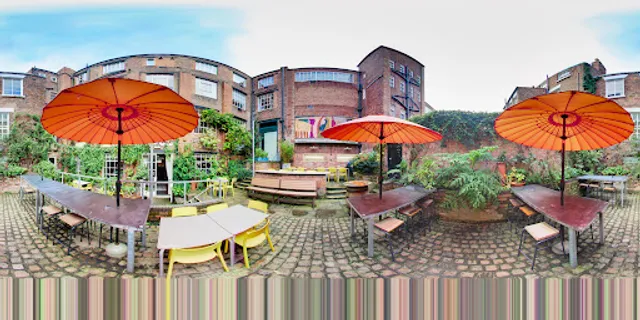
The Pen Factory
4.4
(502)
$
Closed
Click for details
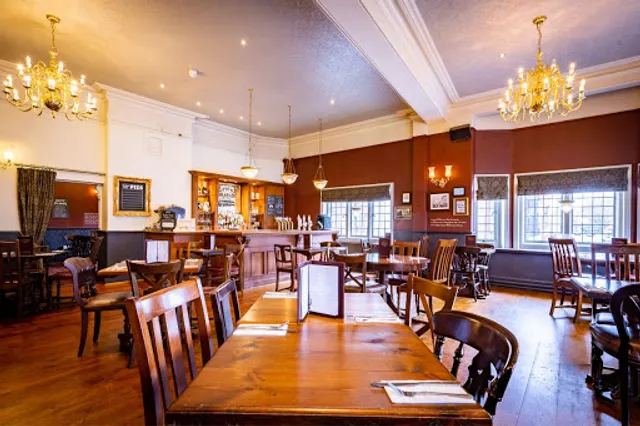
The Philharmonic Dining Rooms
4.4
(2.7K)
Closed
Click for details
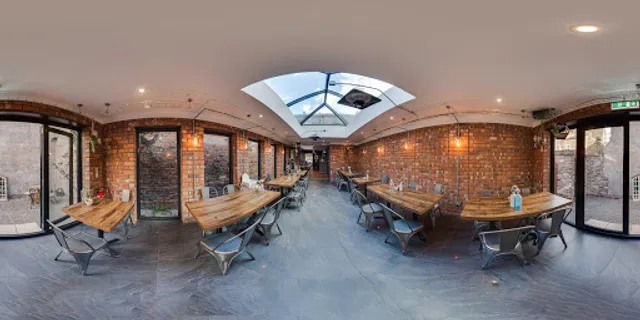
Cuthbert's Bakery
4.6
(297)
Closed
Click for details
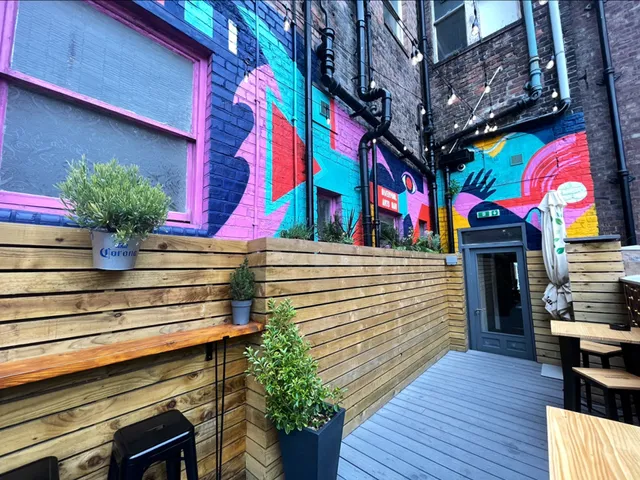
Liverpool Arts Bar
4.8
(318)
Closed
Click for details
Nearby local services of Lutyens Crypt
University of Liverpool Sports and Fitness Centre
Philharmonic Dining Rooms
Medusa Piercing
Liverpool Metropolitan Cathedral
Royal Liverpool Philharmonic
Reid of Liverpool
Alsop Court
Great Newton House - iQ Student Accommodation Liverpool
bikiosk
OUR FADE

University of Liverpool Sports and Fitness Centre
4.2
(212)
Click for details
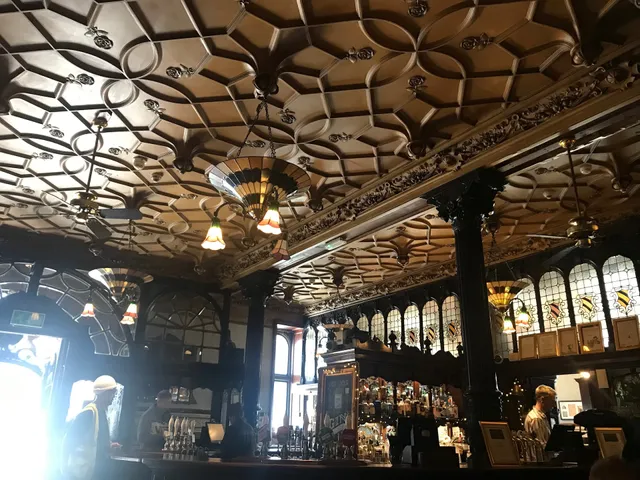
Philharmonic Dining Rooms
4.5
(2.6K)
Click for details

Medusa Piercing
4.9
(231)
Click for details
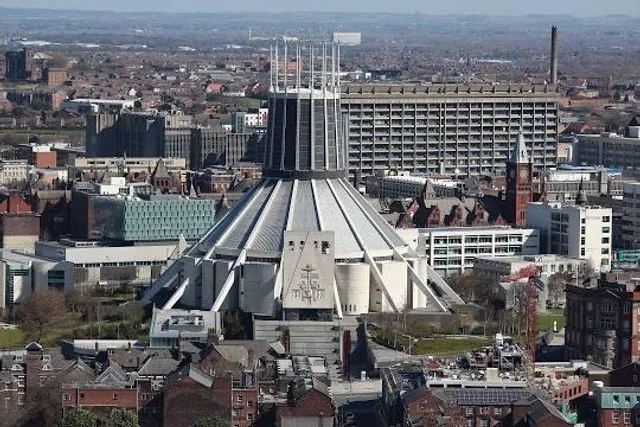
Liverpool Metropolitan Cathedral
4.6
(1.7K)
Click for details