Equestrian Statue of King Charles I things to do, attractions, restaurants, events info and trip planning
Basic Info
Equestrian Statue of King Charles I
London WC2N 5DU, United Kingdom
4.3(217)
Open 24 hours
Save
spot
spot
Ratings & Description
Info
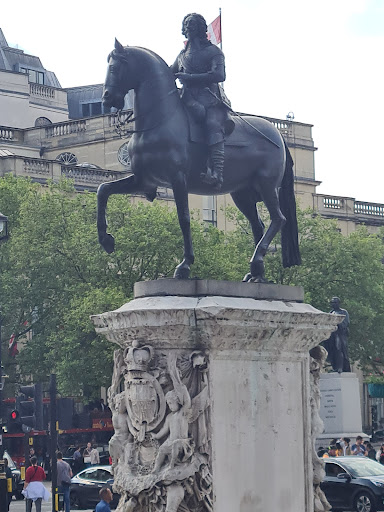
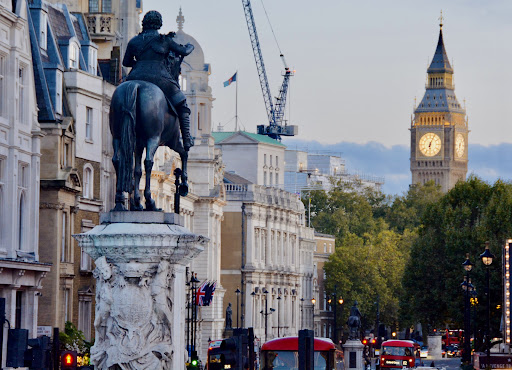
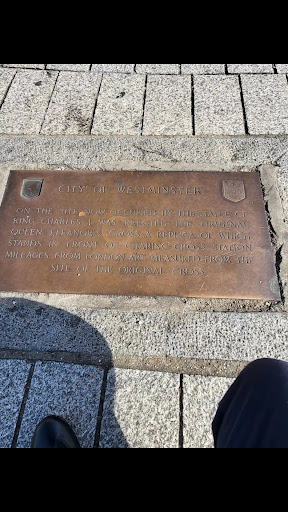
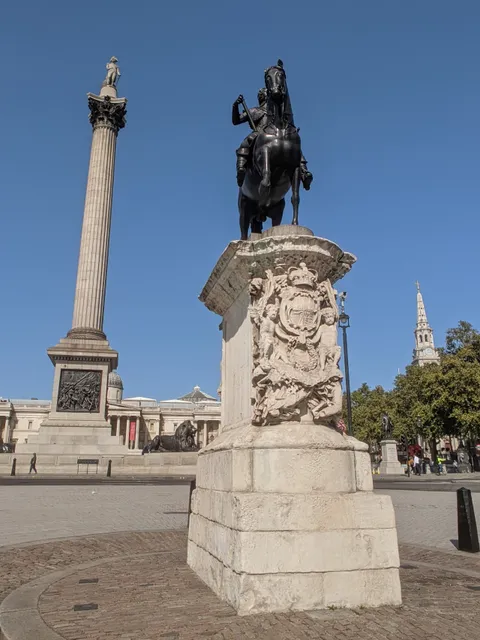
The equestrian statue of Charles I at Charing Cross, London, England, is a work by the French sculptor Hubert Le Sueur, probably cast in 1633. It is considered the central point of London.
Cultural
Scenic
attractions: Trafalgar Square, The National Gallery, Trafalgar Theatre, National Portrait Gallery, Nelson's Column, Admiralty Arch, His Majesty's Theatre, Leicester Square, Kit Kat Club at the Playhouse Theatre, Theatre Royal Haymarket, restaurants: 50 Kalò di Ciro Salvo Pizzeria London, Caffè Concerto Northumberland Avenue, The Admiralty, Trafalgar Square, Old Shades, Silver Cross, Prezzo, Tortilla Charing Cross, Horse & Guardsman, SOOM Korean Restaurant, Walker's of Whitehall, local businesses: Waterstones, The Ghost Bus Tours, M&M'S London, Charing Cross station, Crest of London Ltd, Lambert of London Ltd, The LEGO® Store Leicester Square, Charing Cross, Leicester Square, Museum of Happiness
 Learn more insights from Wanderboat AI.
Plan your stay

Pet-friendly Hotels in London
Find a cozy hotel nearby and make it a full experience.

Affordable Hotels in London
Find a cozy hotel nearby and make it a full experience.

The Coolest Hotels You Haven't Heard Of (Yet)
Find a cozy hotel nearby and make it a full experience.

Trending Stays Worth the Hype in London
Find a cozy hotel nearby and make it a full experience.
Reviews
Live events

Walk London with a local - in easy English
Sun, Feb 8 • 9:30 AM
Greater London, W1J 9BT, United Kingdom
View details

London Pottery Workshop
Sun, Feb 8 • 11:00 AM
Greater London, HA0 1RQ, United Kingdom
View details
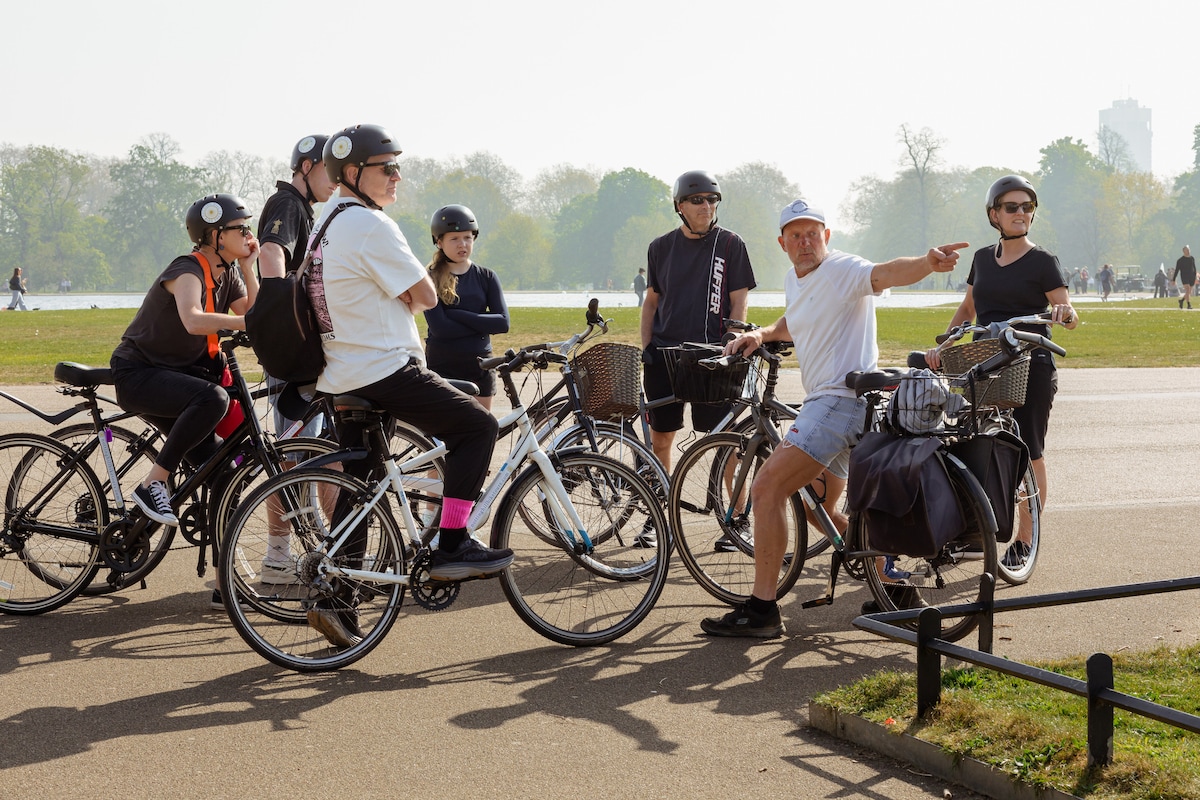
Visit London landmarks and royal parks
Sat, Feb 14 • 10:00 AM
Greater London, W2 4RJ, United Kingdom
View details
Nearby attractions of Equestrian Statue of King Charles I
Trafalgar Square
The National Gallery
Trafalgar Theatre
National Portrait Gallery
Nelson's Column
Admiralty Arch
His Majesty's Theatre
Leicester Square
Kit Kat Club at the Playhouse Theatre
Theatre Royal Haymarket
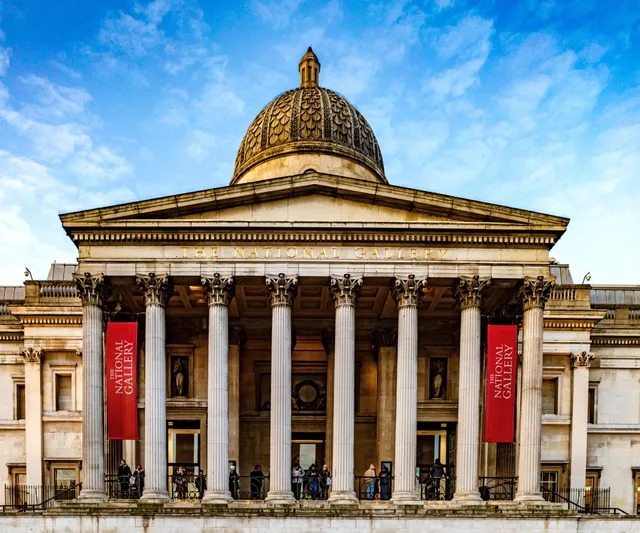
Trafalgar Square
4.6
(41.9K)
Open 24 hours
Click for details
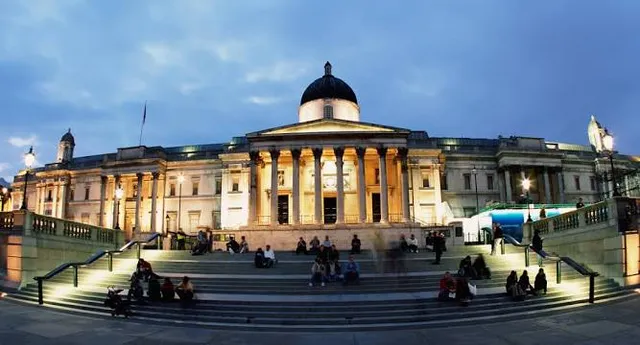
The National Gallery
4.8
(21.7K)
Closed
Click for details
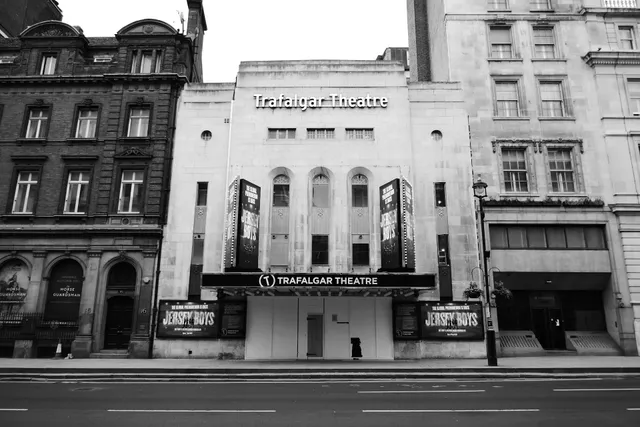
Trafalgar Theatre
4.6
(1.7K)
Open 24 hours
Click for details
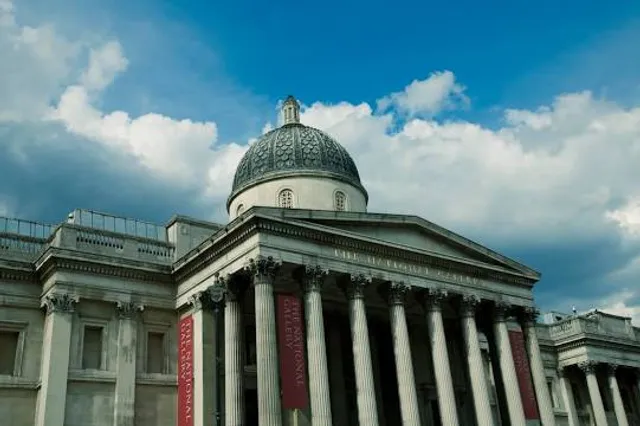
National Portrait Gallery
4.7
(6K)
Open until 9:00 PM
Click for details
Nearby restaurants of Equestrian Statue of King Charles I
50 Kalò di Ciro Salvo Pizzeria London
Caffè Concerto Northumberland Avenue
The Admiralty, Trafalgar Square
Old Shades
Silver Cross
Prezzo
Tortilla Charing Cross
Horse & Guardsman
SOOM Korean Restaurant
Walker's of Whitehall
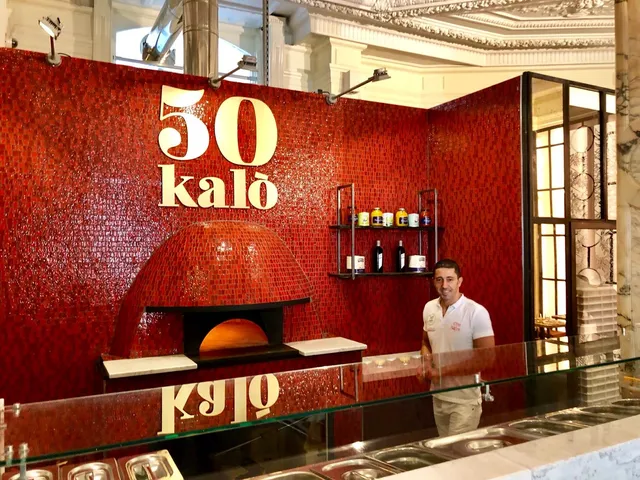
50 Kalò di Ciro Salvo Pizzeria London
4.4
(2.7K)
Open until 12:00 AM
Click for details
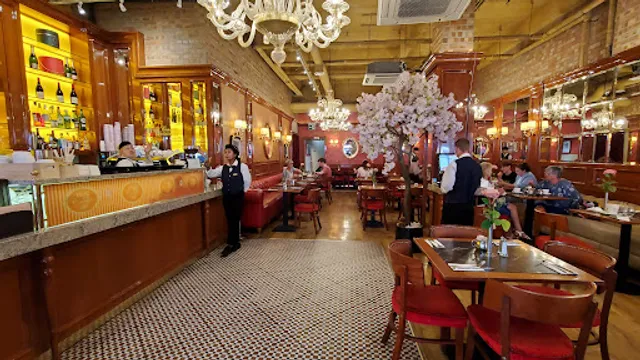
Caffè Concerto Northumberland Avenue
4.2
(1.8K)
Open until 11:00 PM
Click for details
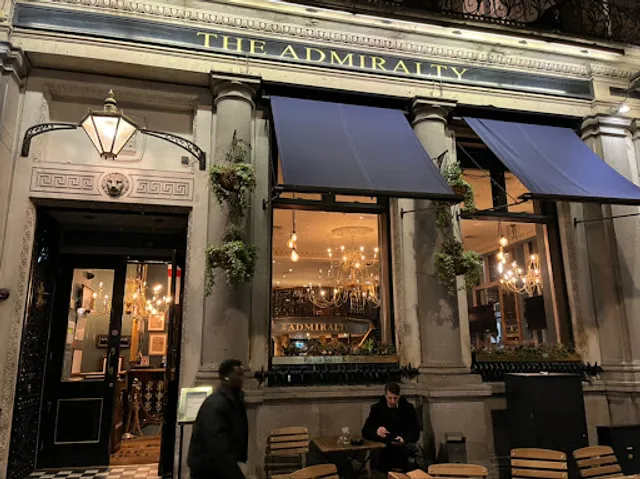
The Admiralty, Trafalgar Square
4.4
(2.1K)
Open until 11:00 PM
Click for details
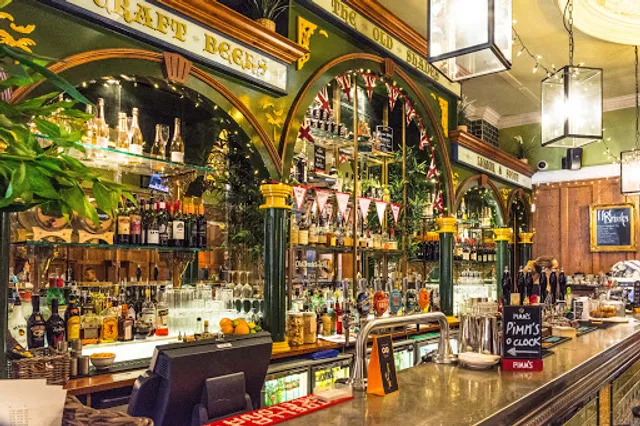
Old Shades
4.7
(2.3K)
Open until 11:30 PM
Click for details
Nearby local services of Equestrian Statue of King Charles I
Waterstones
The Ghost Bus Tours
M&M'S London
Charing Cross station
Crest of London Ltd
Lambert of London Ltd
The LEGO® Store Leicester Square
Charing Cross
Leicester Square
Museum of Happiness

Waterstones
4.5
(1.1K)
Click for details
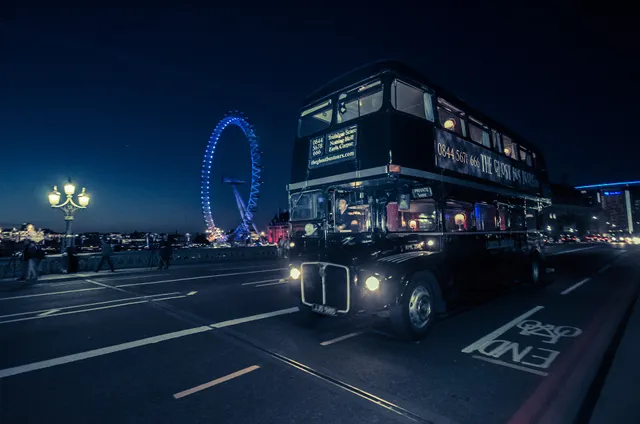
The Ghost Bus Tours
4.4
(435)
Click for details
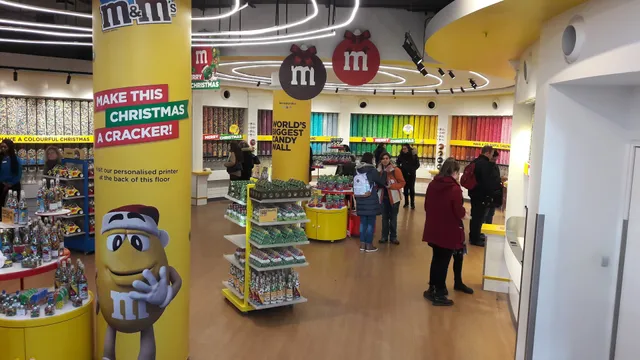
M&M'S London
4.3
(20.2K)
Click for details
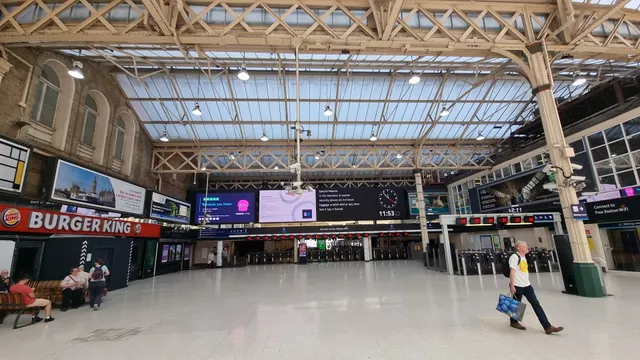
Charing Cross station
4.3
(470)
Click for details


The hit list



Plan your trip with Wanderboat
Welcome to Wanderboat AI, your AI search for local Eats and Fun, designed to help you explore your city and the world with ease.
Powered by Wanderboat AI trip planner.