St Bride's Church, Fleet Street things to do, attractions, restaurants, events info and trip planning
Basic Info
St Bride's Church, Fleet Street
Fleet St, London EC4Y 8AU, United Kingdom
4.7(296)
Open until 3:30 PM
Save
spot
spot
Ratings & Description
Info
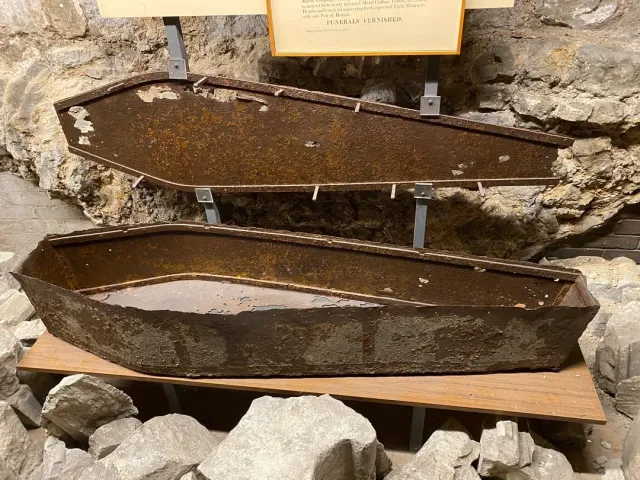
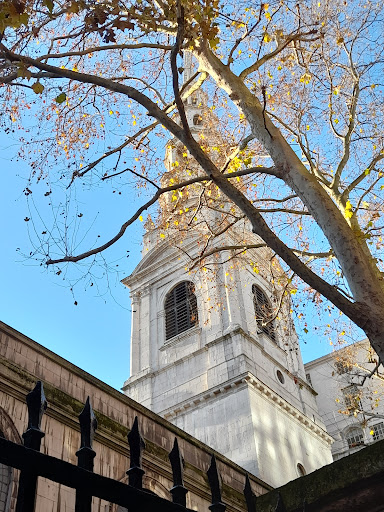
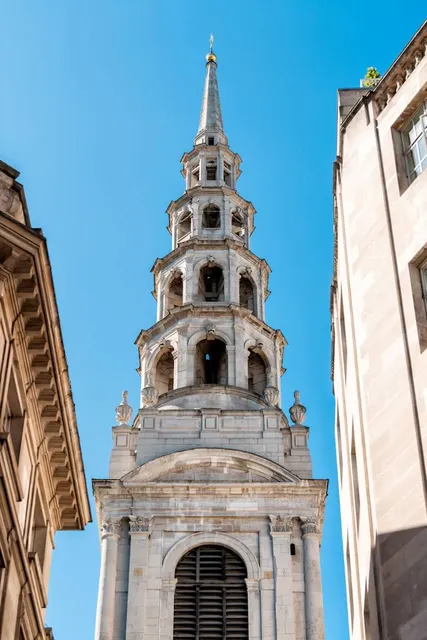
St Bride's Church is a Church of England church in Fleet Street in the City of London. Likely dedicated to Saint Bridget perhaps as early as the 6th century, the building's most recent incarnation was ...
Cultural
Accessibility
attractions: St. Paul's Cathedral, Temple Church, Dr Johnson's House, St Dunstan-in-the-West, St Martin Ludgate, Blackfriars Bridge, adventuro, Inner Temple Garden, Holy Sepulchre Church, Millennium Bridge, restaurants: The Old Bell Tavern, Ye Olde Cheshire Cheese, Punch Tavern, Humble Grape Fleet Street Wine Bar & Restaurant, Terra Rossa La Cantina, Indian City - Best Authentic Indian In St Pauls, Chi Noodle, Black Parrot, The Blackfriar, CORD by Le Cordon Bleu, local businesses: Massimo Giglio Hair Salon, Evans Cycles, RCD Electrical LTD, Whitley Neill Distillery, St. Paul's Cathedral, ServiceNow, Fleet St, Fleet Street Hardware, Fleet Street, London Theatre
 Learn more insights from Wanderboat AI.
Phone
+44 20 7427 0133
Website
stbrides.com
Open hoursSee all hours
Sat10 AM - 3:30 PMOpen
Plan your stay

Pet-friendly Hotels in London
Find a cozy hotel nearby and make it a full experience.

Affordable Hotels in London
Find a cozy hotel nearby and make it a full experience.

The Coolest Hotels You Haven't Heard Of (Yet)
Find a cozy hotel nearby and make it a full experience.

Trending Stays Worth the Hype in London
Find a cozy hotel nearby and make it a full experience.
Reviews
Live events
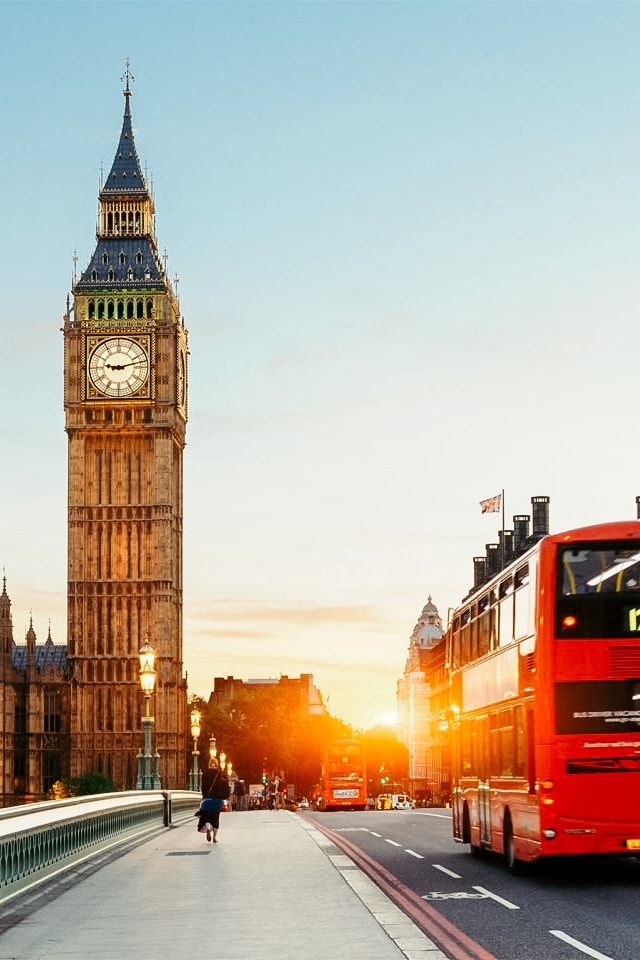
Explore 30+ London sights
Sat, Feb 14 • 10:00 AM
Greater London, W1J 9BR, United Kingdom
View details
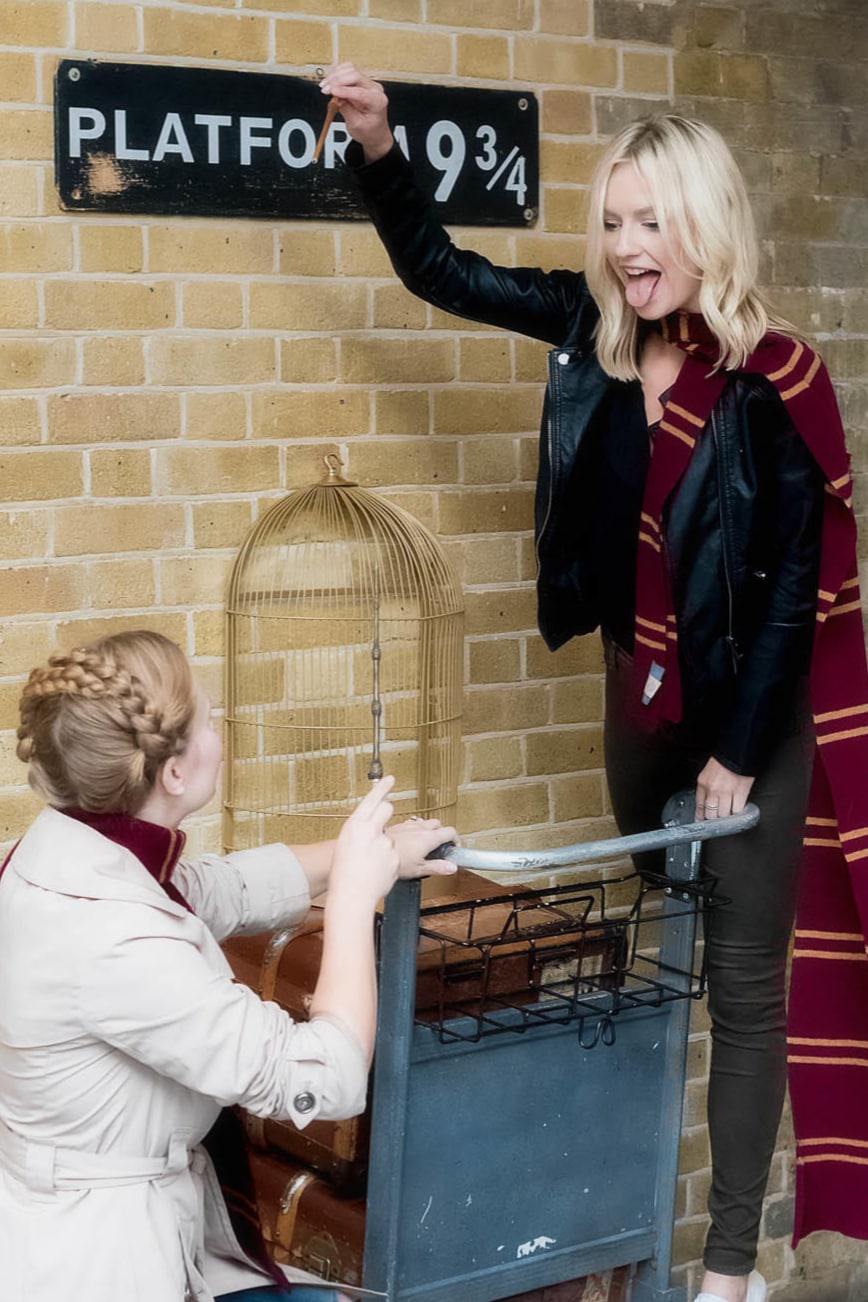
Top-Rated London Harry Potter Tour—Family Friendly
Sat, Feb 14 • 9:30 AM
Greater London, N1 9AP, United Kingdom
View details
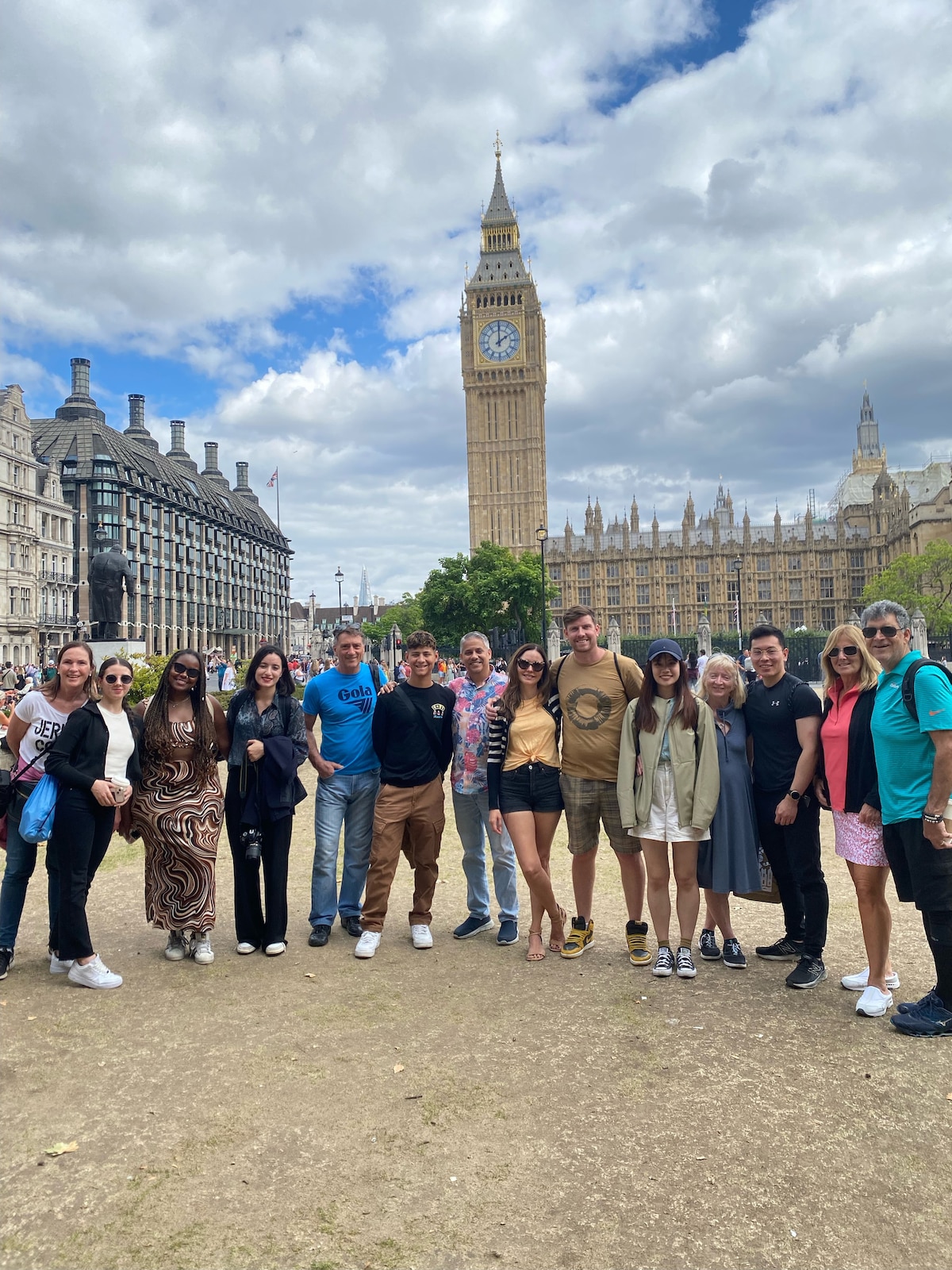
London sightseeing walking tour with 30 sights
Mon, Feb 16 • 10:00 AM
Greater London, SW1E 5EA, United Kingdom
View details
Nearby attractions of St Bride's Church, Fleet Street
St. Paul's Cathedral
Temple Church
Dr Johnson's House
St Dunstan-in-the-West
St Martin Ludgate
Blackfriars Bridge
adventuro
Inner Temple Garden
Holy Sepulchre Church
Millennium Bridge
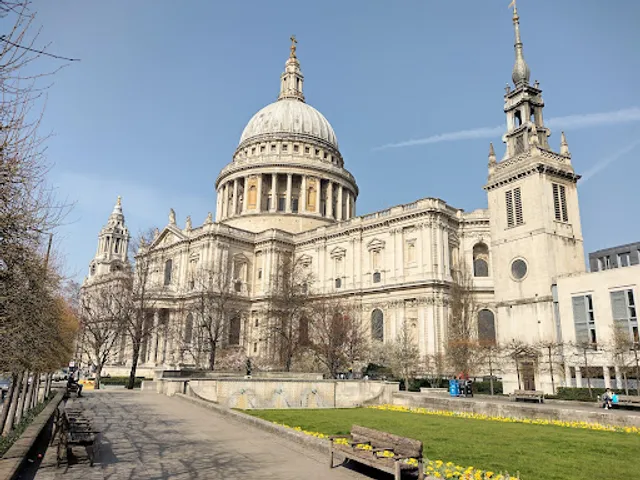
St. Paul's Cathedral
4.7
(19.6K)
Open until 4:30 PM
Click for details
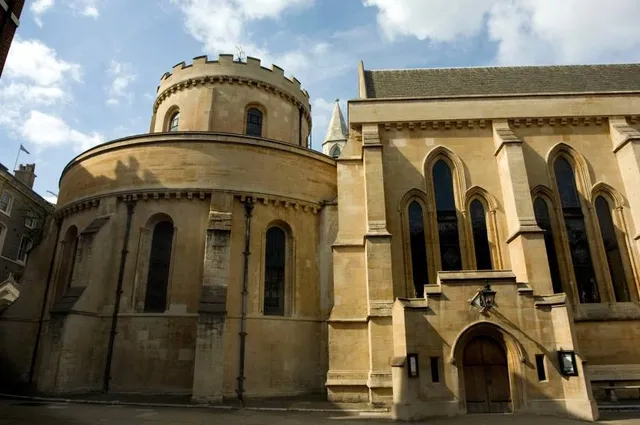
Temple Church
4.6
(1.4K)
Open until 12:00 AM
Click for details
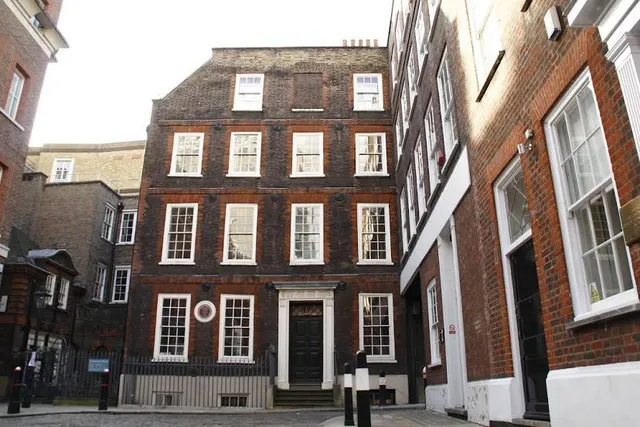
Dr Johnson's House
4.5
(213)
Open until 5:00 PM
Click for details
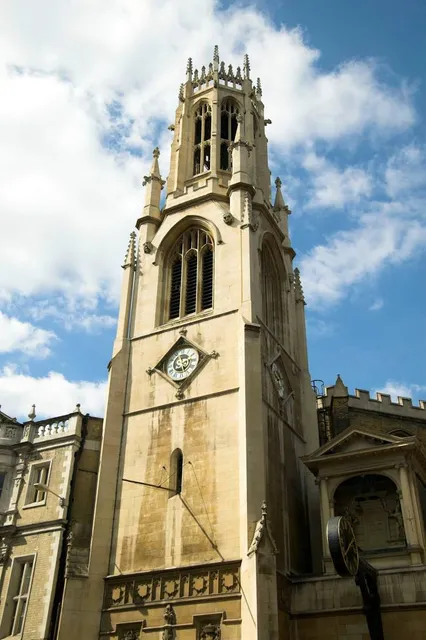
St Dunstan-in-the-West
4.5
(94)
Open until 12:00 AM
Click for details
Nearby restaurants of St Bride's Church, Fleet Street
The Old Bell Tavern
Ye Olde Cheshire Cheese
Punch Tavern
Humble Grape Fleet Street Wine Bar & Restaurant
Terra Rossa La Cantina
Indian City - Best Authentic Indian In St Pauls
Chi Noodle
Black Parrot
The Blackfriar
CORD by Le Cordon Bleu
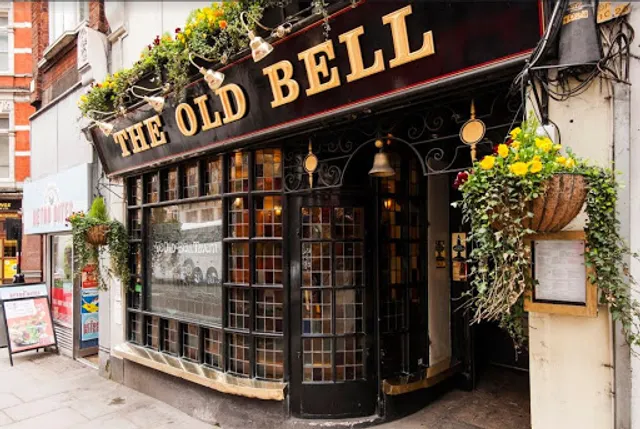
The Old Bell Tavern
4.5
(780)
Closed
Click for details
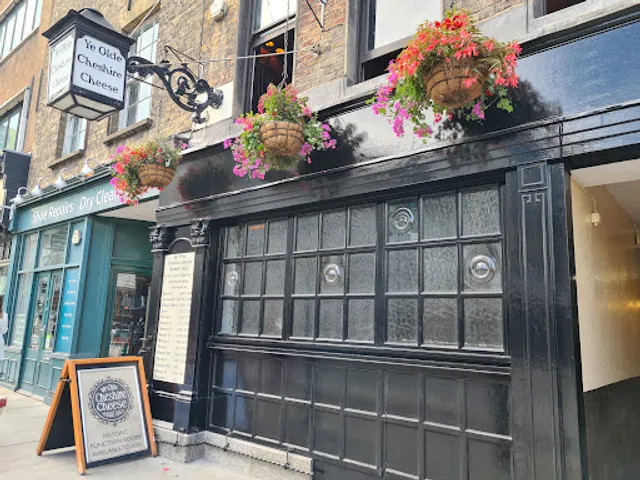
Ye Olde Cheshire Cheese
4.4
(3K)
Closed
Click for details
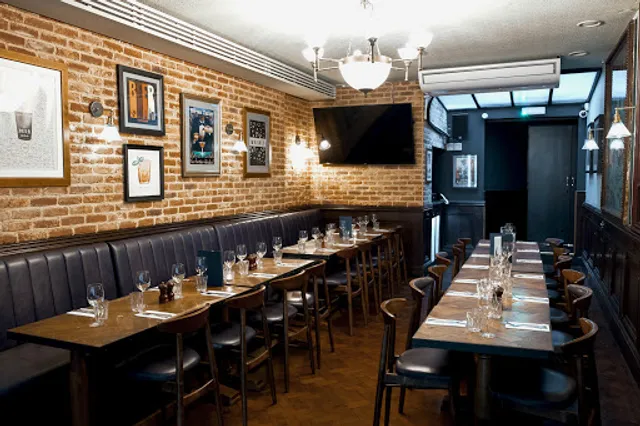
Punch Tavern
4.4
(801)
Closed
Click for details
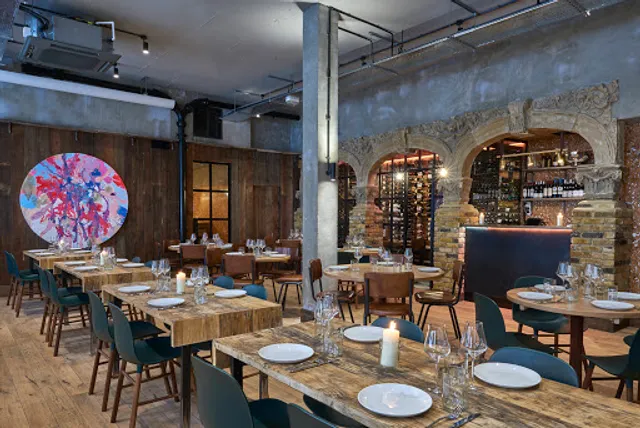
Humble Grape Fleet Street Wine Bar & Restaurant
4.7
(389)
$$
Open until 12:00 AM
Click for details
Nearby local services of St Bride's Church, Fleet Street
Massimo Giglio Hair Salon
Evans Cycles
RCD Electrical LTD
Whitley Neill Distillery
St. Paul's Cathedral
ServiceNow
Fleet St
Fleet Street Hardware
Fleet Street
London Theatre
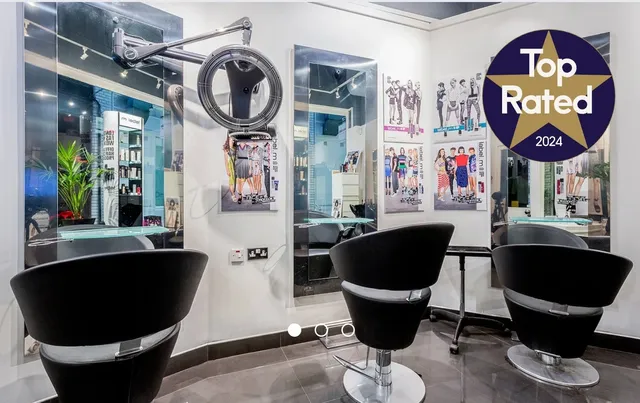
Massimo Giglio Hair Salon
4.8
(98)
Click for details

Evans Cycles
3.9
(198)
Click for details

RCD Electrical LTD
5.0
(74)
Click for details

Whitley Neill Distillery
5.0
(15)
Click for details


The hit list



Plan your trip with Wanderboat
Welcome to Wanderboat AI, your AI search for local Eats and Fun, designed to help you explore your city and the world with ease.
Powered by Wanderboat AI trip planner.