The Women of World War II things to do, attractions, restaurants, events info and trip planning
Basic Info
The Women of World War II
Whitehall, London SW1A, United Kingdom
4.7(164)
Open until 12:00 AM
Save
spot
spot
Ratings & Description
Info
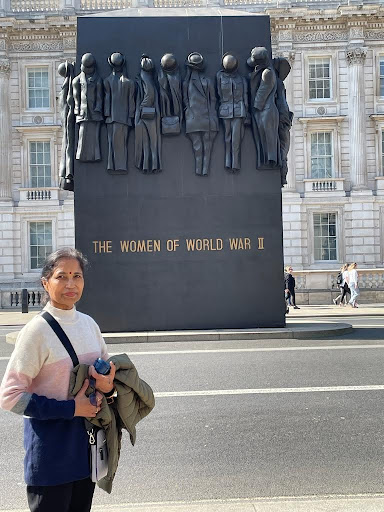
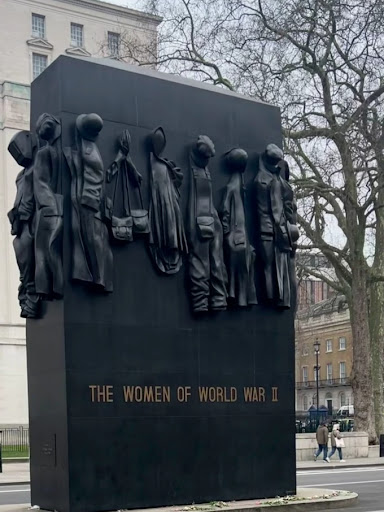
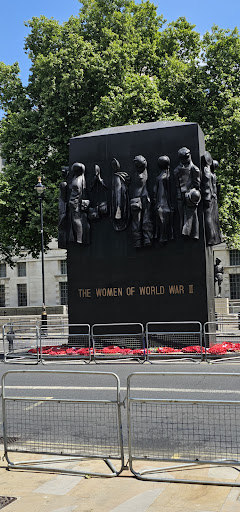
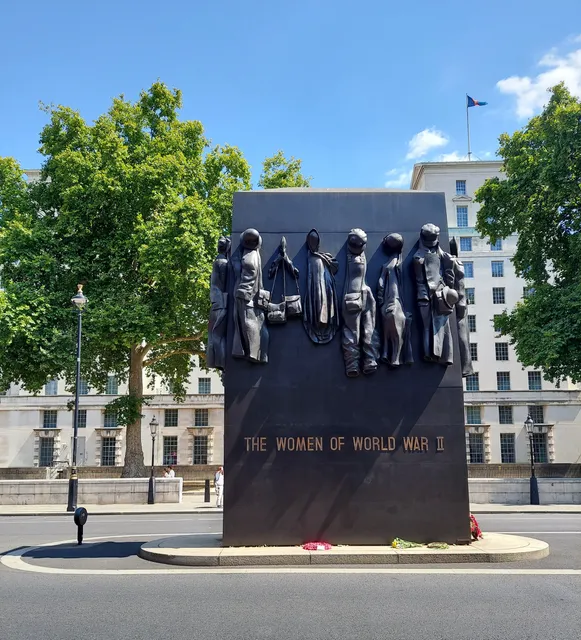
The Monument to the Women of World War II is a British national war memorial situated on Whitehall in London next to the Cenotaph at the end of Downing Street. The sculpture represents the wartime contributions of over seven million women including 650,000 who joined military services.
Cultural
Scenic
Accessibility
attractions: Big Ben, Banqueting House, The Household Cavalry Museum, Churchill War Rooms, The Cenotaph, London Eye, Horse Guards Parade, 10 Downing Street, Victoria Embankment Gardens: Whitehall Gardens, Trafalgar Square, restaurants: The Red Lion, Parliament Street, St Stephen's Tavern, Tattershall Castle, Old Shades, The Clarence, Silver Cross, Paper Moon London, 50 Kalò di Ciro Salvo Pizzeria London, Horse & Guardsman, Caffè Concerto Whitehall, local businesses: Downing St, Downing Street, Whitehall, Westminster, Cabinet Office, RUSI - Royal United Services Institute, Thames River Boats - Westminster Pier, Horse Guards Parade, Queen Elizabeth II Centre, Metropolitan Police
 Learn more insights from Wanderboat AI.
Website
npg.org.uk
Open hoursSee all hours
SatOpen 24 hoursOpen
Plan your stay

Pet-friendly Hotels in London
Find a cozy hotel nearby and make it a full experience.

Affordable Hotels in London
Find a cozy hotel nearby and make it a full experience.

The Coolest Hotels You Haven't Heard Of (Yet)
Find a cozy hotel nearby and make it a full experience.

Trending Stays Worth the Hype in London
Find a cozy hotel nearby and make it a full experience.
Reviews
Live events
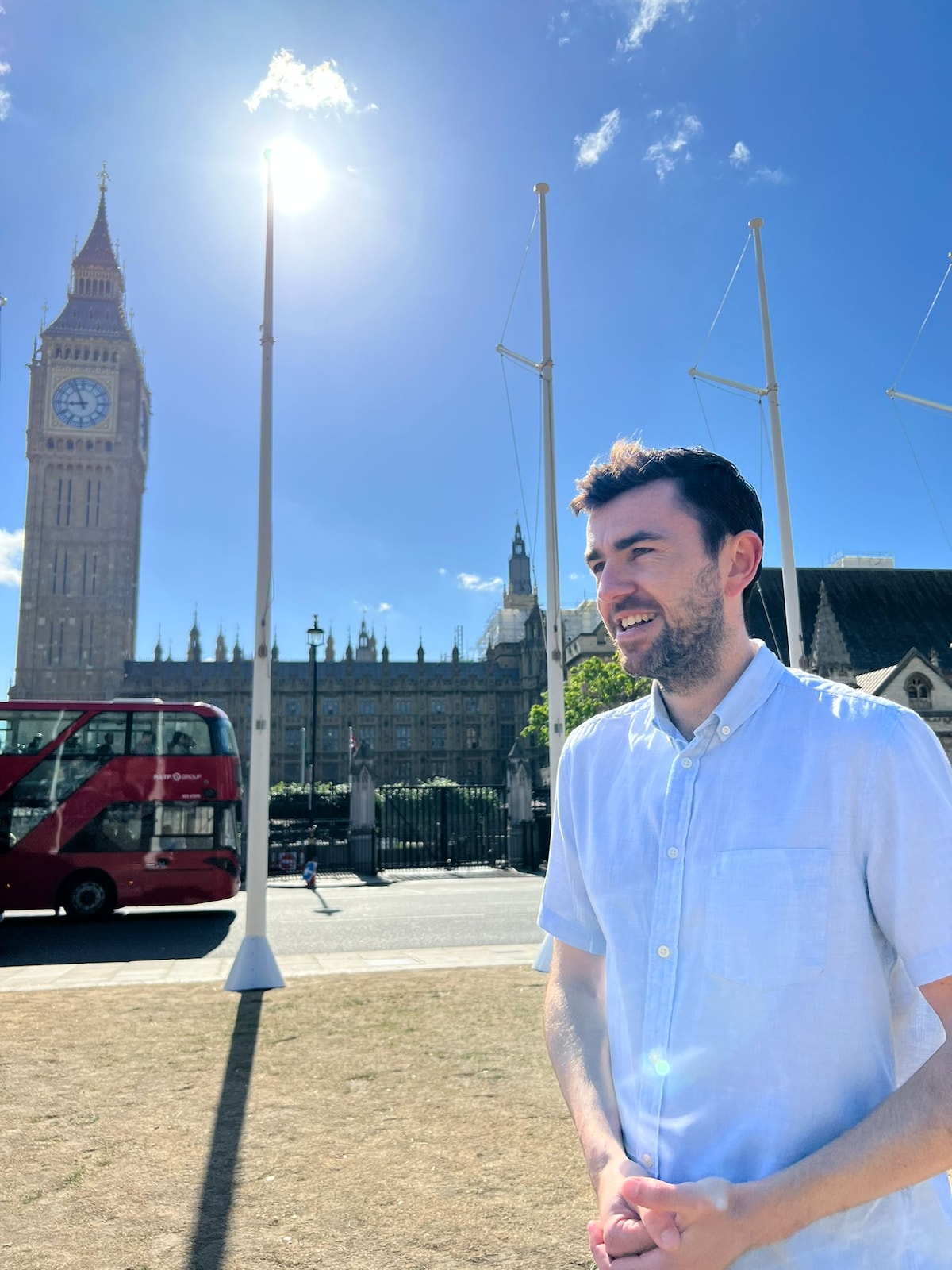
Walk London with a local - in easy English
Sun, Feb 8 • 9:30 AM
Greater London, W1J 9BT, United Kingdom
View details

London Pottery Workshop
Sun, Feb 8 • 11:00 AM
Greater London, HA0 1RQ, United Kingdom
View details
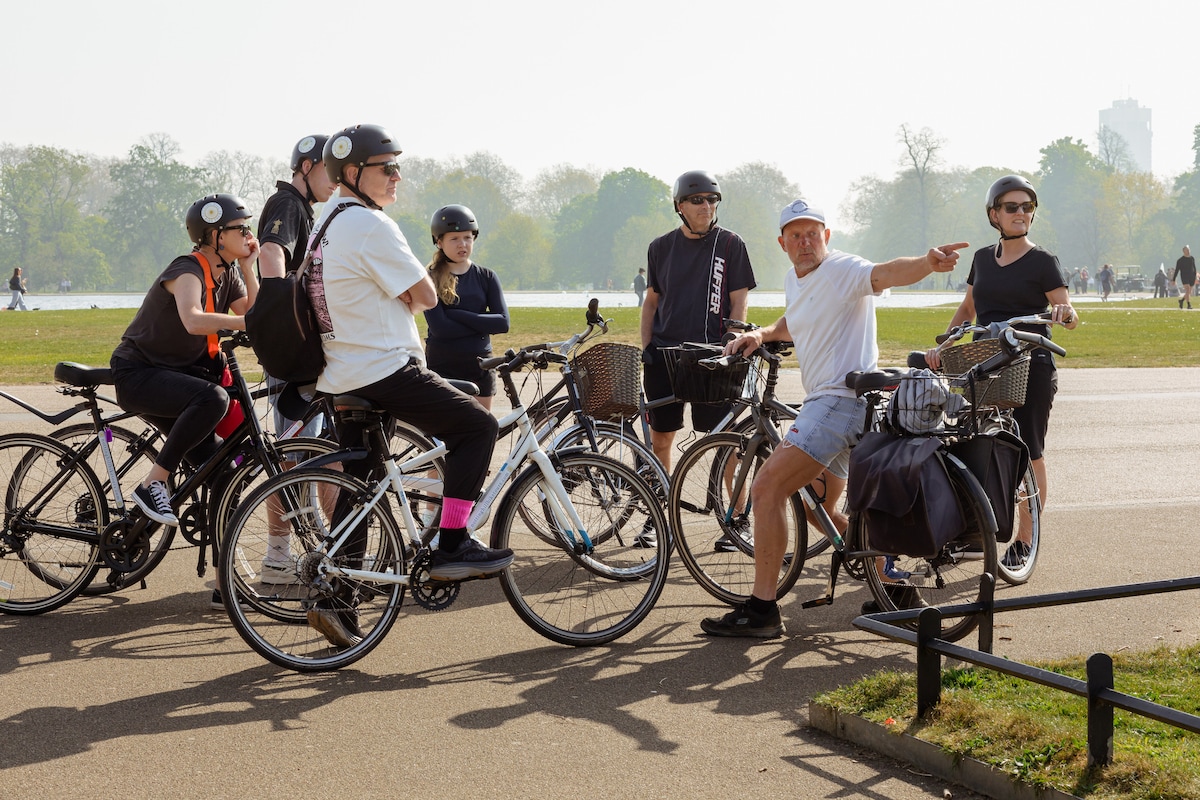
Visit London landmarks and royal parks
Sat, Feb 14 • 10:00 AM
Greater London, W2 4RJ, United Kingdom
View details
Nearby attractions of The Women of World War II
Big Ben
Banqueting House
The Household Cavalry Museum
Churchill War Rooms
The Cenotaph
London Eye
Horse Guards Parade
10 Downing Street
Victoria Embankment Gardens: Whitehall Gardens
Trafalgar Square
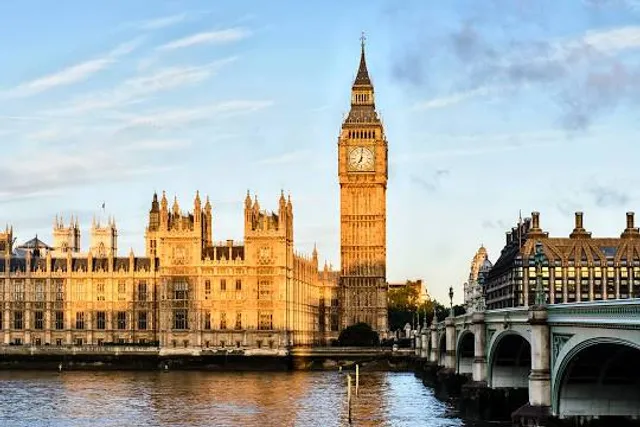
Big Ben
4.6
(30.2K)
Open 24 hours
Click for details
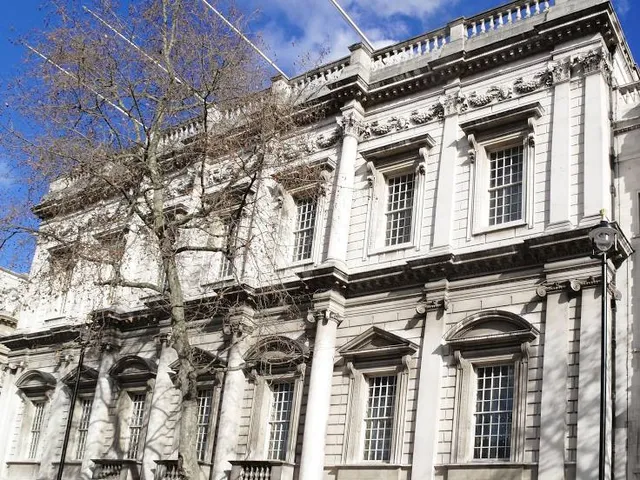
Banqueting House
4.4
(709)
Open 24 hours
Click for details
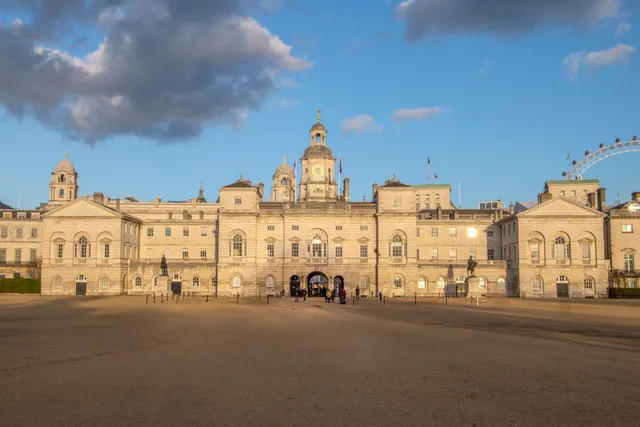
The Household Cavalry Museum
4.5
(1.5K)
Closed
Click for details
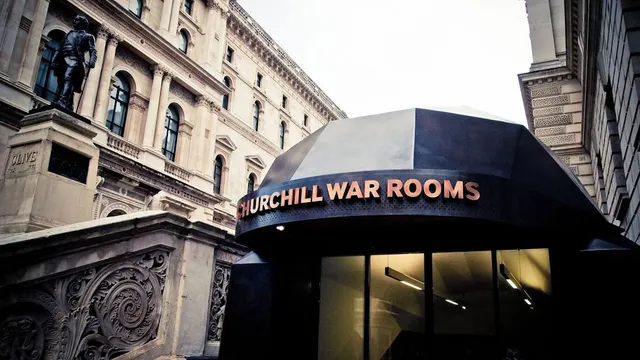
Churchill War Rooms
4.6
(5.9K)
Closed
Click for details
Nearby restaurants of The Women of World War II
The Red Lion, Parliament Street
St Stephen's Tavern
Tattershall Castle
Old Shades
The Clarence
Silver Cross
Paper Moon London
50 Kalò di Ciro Salvo Pizzeria London
Horse & Guardsman
Caffè Concerto Whitehall
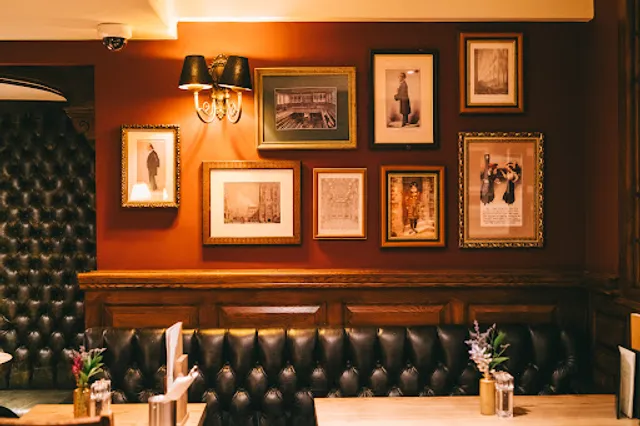
The Red Lion, Parliament Street
4.2
(2.4K)
$$
Open until 11:00 PM
Click for details
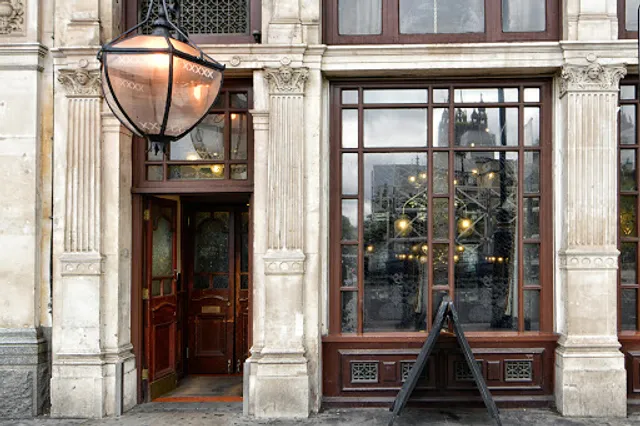
St Stephen's Tavern
4.3
(2.9K)
Open until 10:30 PM
Click for details
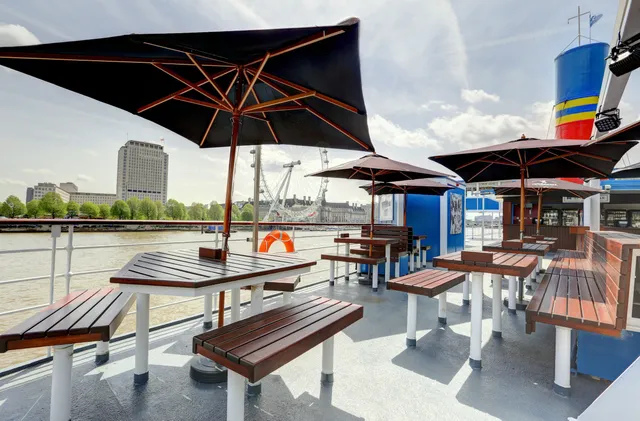
Tattershall Castle
4.3
(2.6K)
Open until 2:00 AM
Click for details
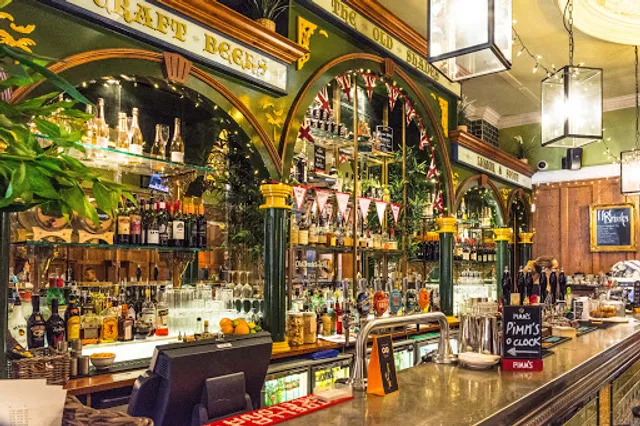
Old Shades
4.7
(2.3K)
Open until 11:30 PM
Click for details
Nearby local services of The Women of World War II
Downing St
Downing Street
Whitehall
Westminster
Cabinet Office
RUSI - Royal United Services Institute
Thames River Boats - Westminster Pier
Horse Guards Parade
Queen Elizabeth II Centre
Metropolitan Police
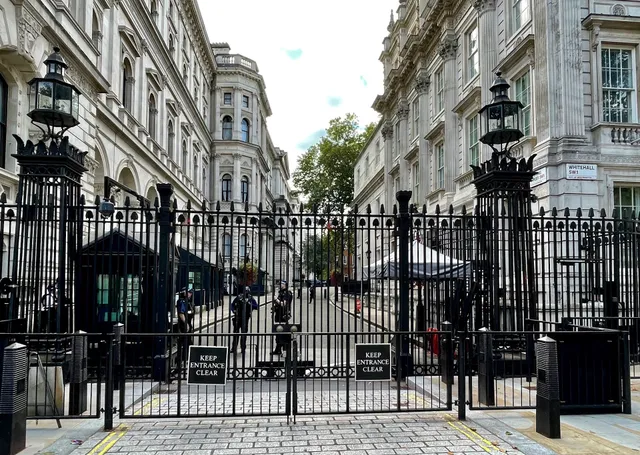
Downing St
3.7
(354)
Click for details
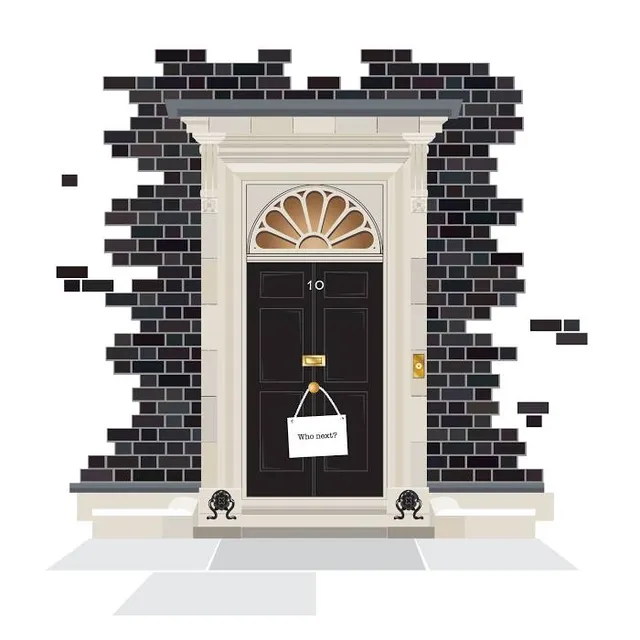
Downing Street
3.6
(151)
Click for details
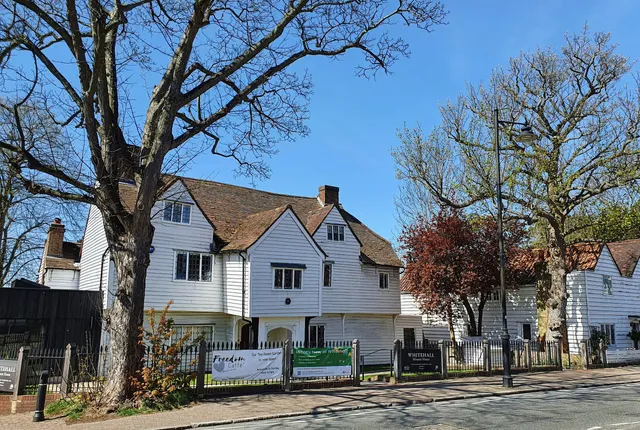
Whitehall
4.7
(155)
Click for details
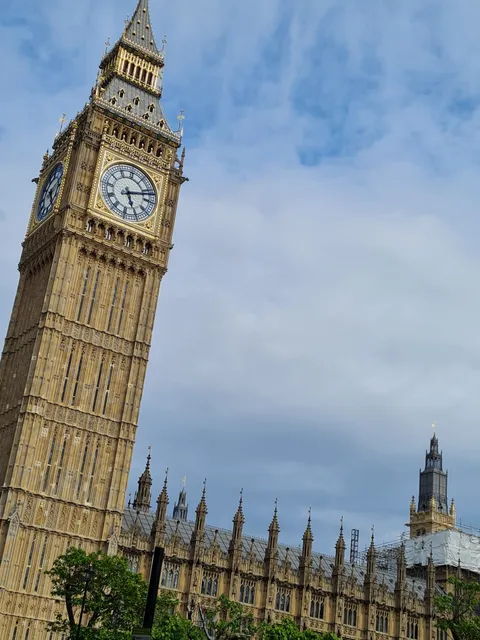
Westminster
4.5
(546)
Click for details


The hit list

Plan your trip with Wanderboat
Welcome to Wanderboat AI, your AI search for local Eats and Fun, designed to help you explore your city and the world with ease.
Powered by Wanderboat AI trip planner.