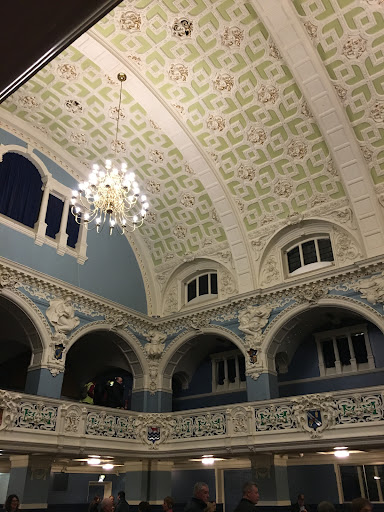
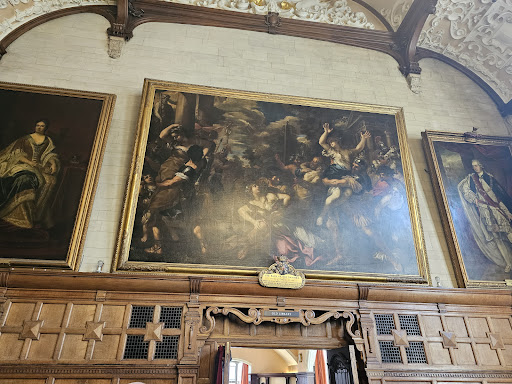
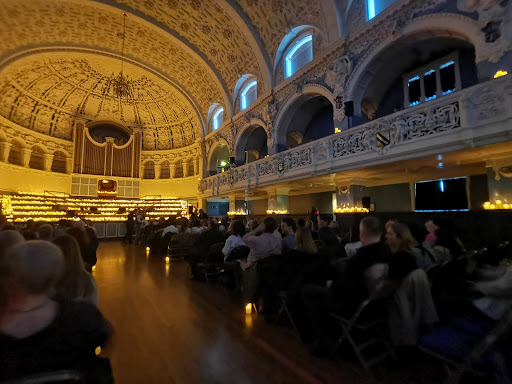
Oxford Town Hall things to do, attractions, restaurants, events info and trip planning
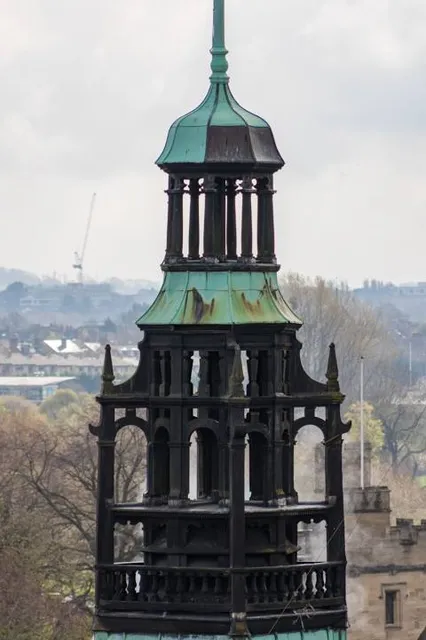
Basic Info
Oxford Town Hall
Town Hall, St Aldate's, Oxford OX1 1BX, United Kingdom
4.7(163)
Open until 7:00 PM
Save
spot
spot
Ratings & Description
Info
Cultural
Entertainment
Accessibility
Family friendly
Luxury
attractions: Carfax Tower, Christ Church Cathedral, Christ Church, University Church of St Mary the Virgin, New Theatre Oxford, St Aldates Church, Tom Tower, History of Science Museum, Radcliffe Camera, Ashmolean Museum, restaurants: St Aldates Tavern, The Bear Inn, Oxford, Dishoom Permit Room Oxford, Chiang Mai Kitchen, The Varsity Club, OLD TOM PUB, The Ivy Oxford Brasserie, Gusto Italian - Oxford, PAUL Oxford, Popeyes Louisiana Chicken, local businesses: Esquires of Oxford, Repair My Phone Today, The Old Tom, Hightec Solutions, Westgate Oxford, Dukes Barbers, FitCookie Oxford Central, Oxford market barbers (The Barberium), Sainsbury's Local, Vodafone
 Learn more insights from Wanderboat AI.
Phone
+44 1865 252195
Website
oxfordtownhall.co.uk
Open hoursSee all hours
Tue9 AM - 7 PMOpen
Plan your stay

Pet-friendly Hotels in Oxford
Find a cozy hotel nearby and make it a full experience.

Affordable Hotels in Oxford
Find a cozy hotel nearby and make it a full experience.

The Coolest Hotels You Haven't Heard Of (Yet)
Find a cozy hotel nearby and make it a full experience.

Trending Stays Worth the Hype in Oxford
Find a cozy hotel nearby and make it a full experience.
Reviews
Live events
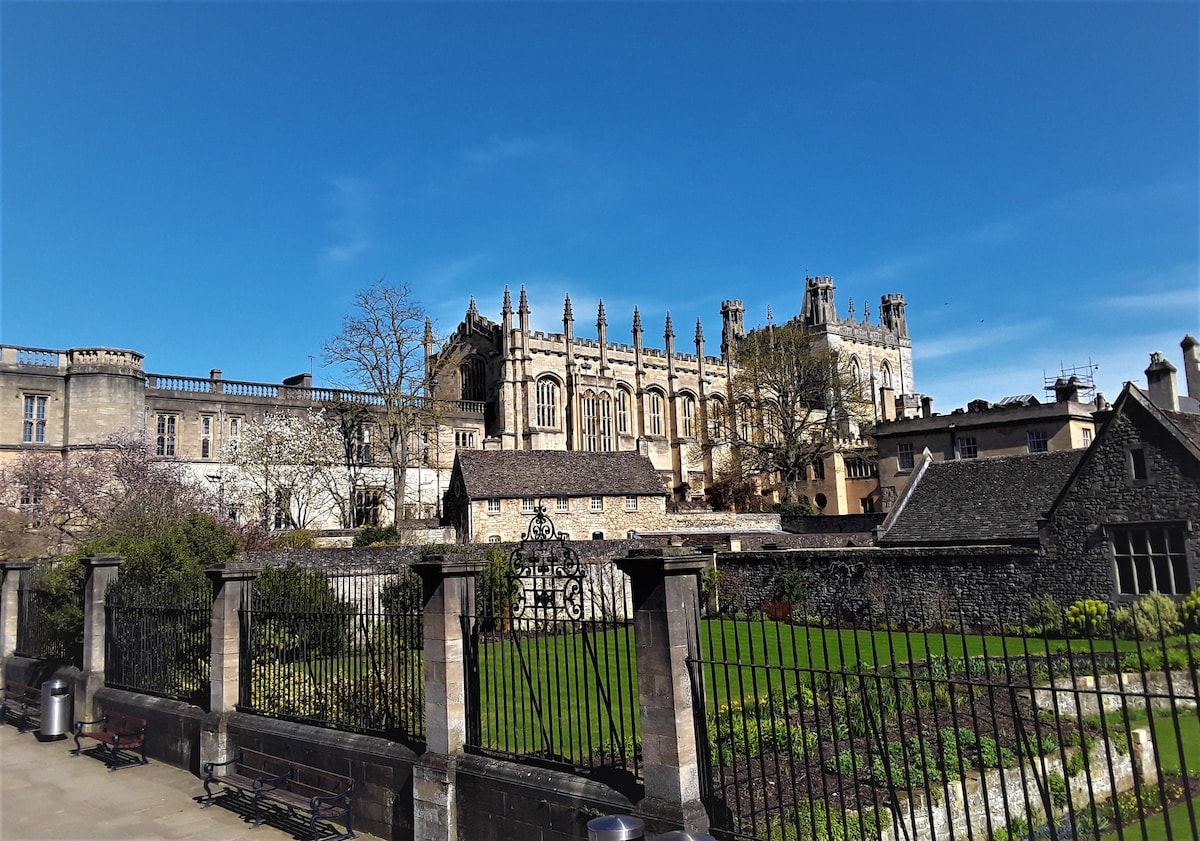
Escape to Oxford and explore its rich history
Wed, Feb 11 • 11:00 AM
Oxfordshire, OX1 3AE, United Kingdom
View details
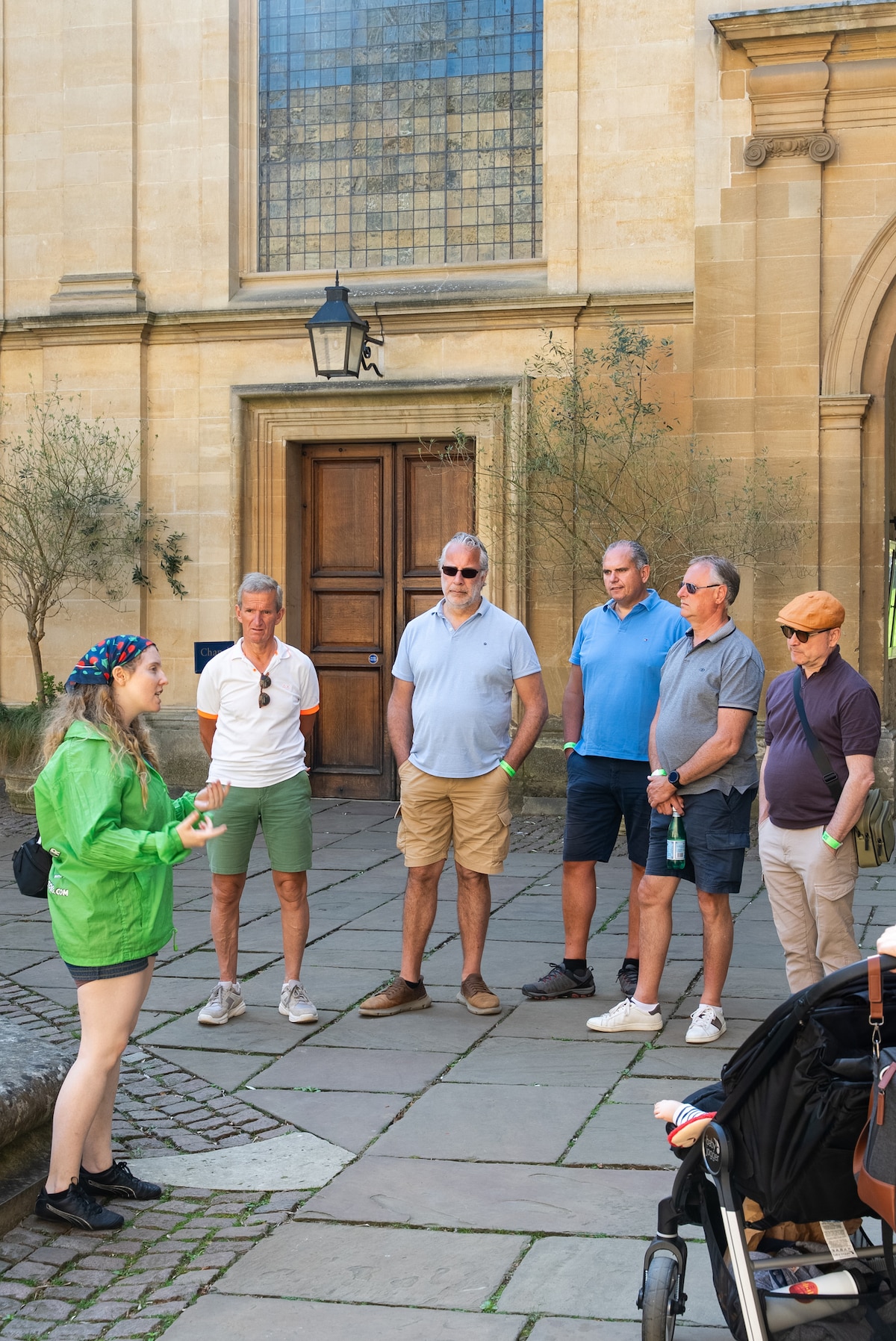
Explore Oxford University with Oxford Alumni
Tue, Feb 10 • 2:00 PM
Oxford, OX1 3AS, United Kingdom
View details
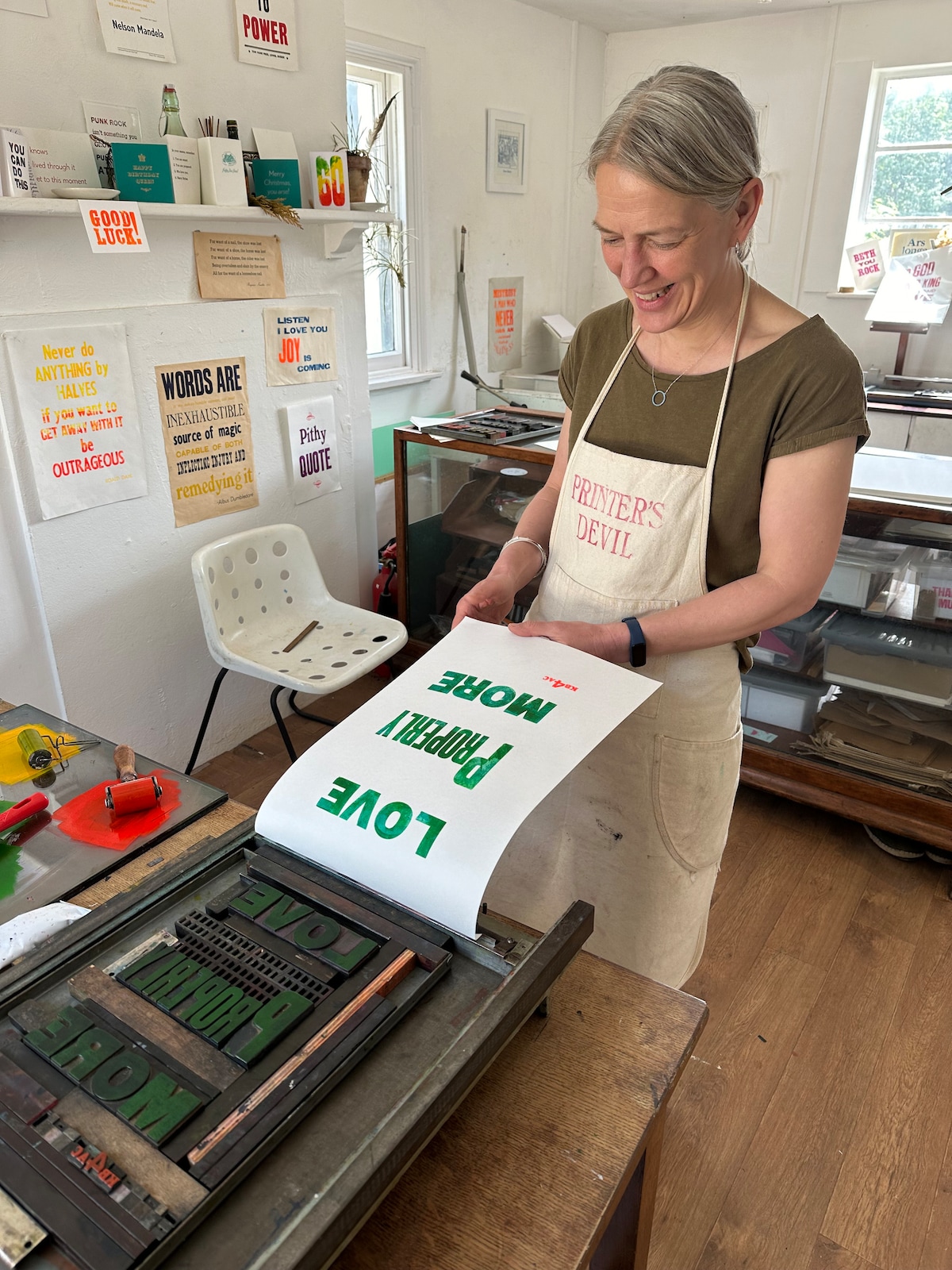
Letterpress printing workshop
Wed, Feb 11 • 10:00 AM
North Leigh, OX29 6PW, United Kingdom
View details
Nearby attractions of Oxford Town Hall
Carfax Tower
Christ Church Cathedral
Christ Church
University Church of St Mary the Virgin
New Theatre Oxford
St Aldates Church
Tom Tower
History of Science Museum
Radcliffe Camera
Ashmolean Museum
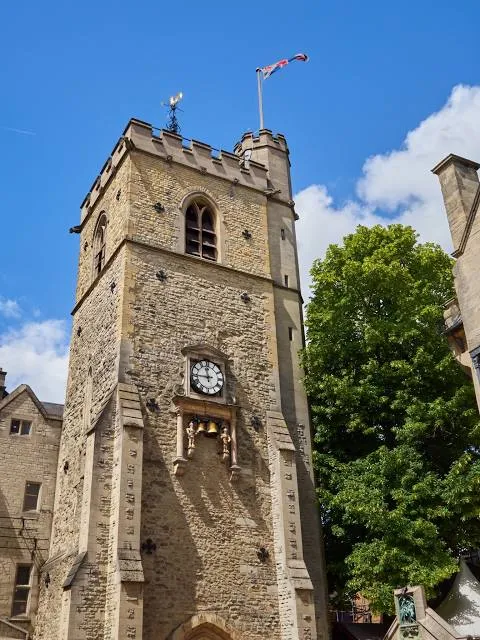
Carfax Tower
4.4
(1.4K)
Open until 3:30 PM
Click for details
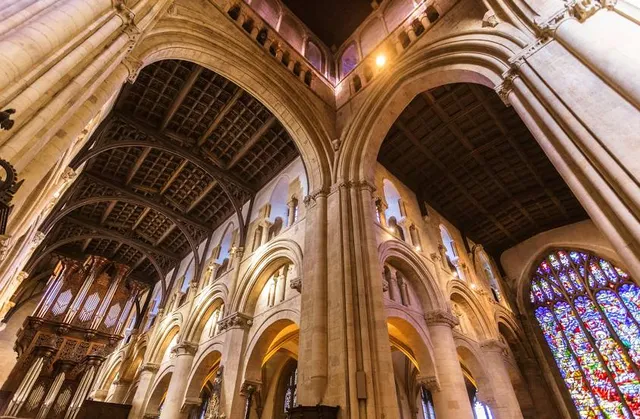
Christ Church Cathedral
4.6
(1.3K)
Open until 5:00 PM
Click for details
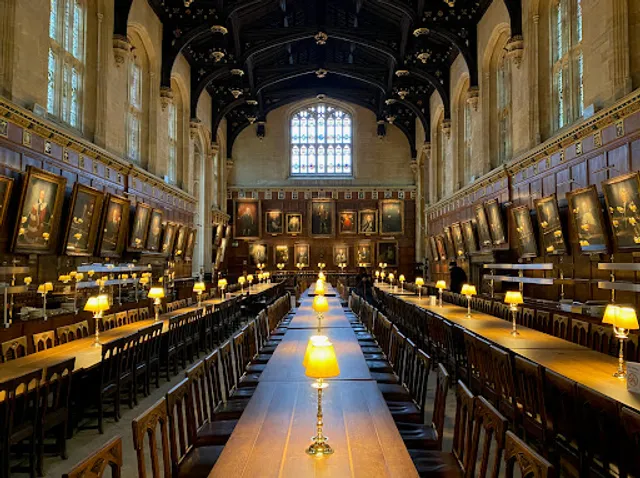
Christ Church
4.5
(722)
Open 24 hours
Click for details
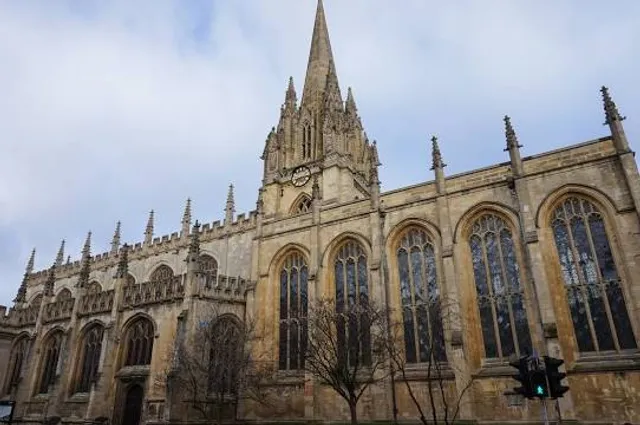
University Church of St Mary the Virgin
4.7
(1.3K)
Open until 6:00 PM
Click for details
Nearby restaurants of Oxford Town Hall
St Aldates Tavern
The Bear Inn, Oxford
Dishoom Permit Room Oxford
Chiang Mai Kitchen
The Varsity Club
OLD TOM PUB
The Ivy Oxford Brasserie
Gusto Italian - Oxford
PAUL Oxford
Popeyes Louisiana Chicken
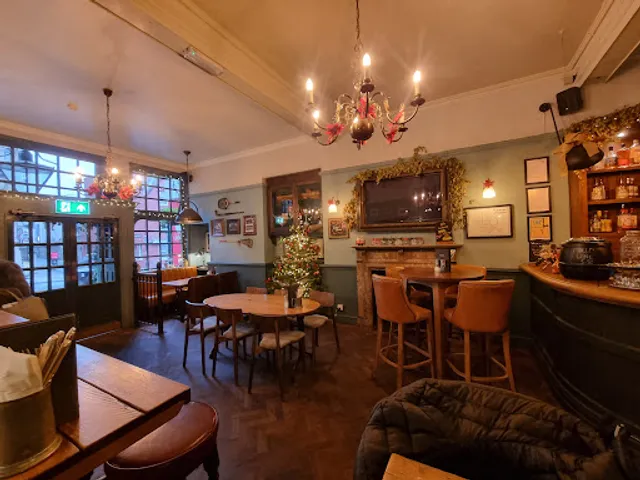
St Aldates Tavern
4.2
(710)
Open until 11:00 PM
Click for details
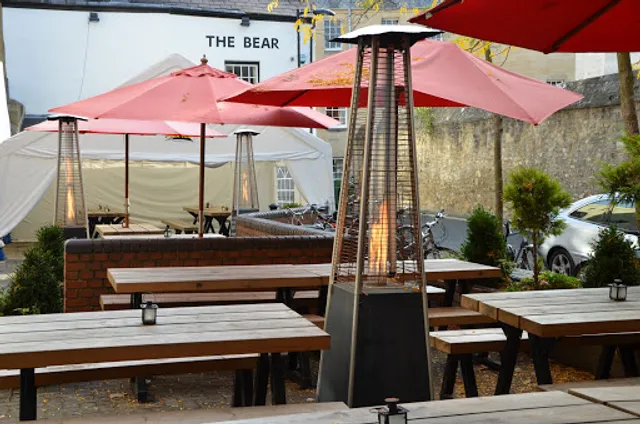
The Bear Inn, Oxford
4.4
(1.0K)
Open until 11:00 PM
Click for details
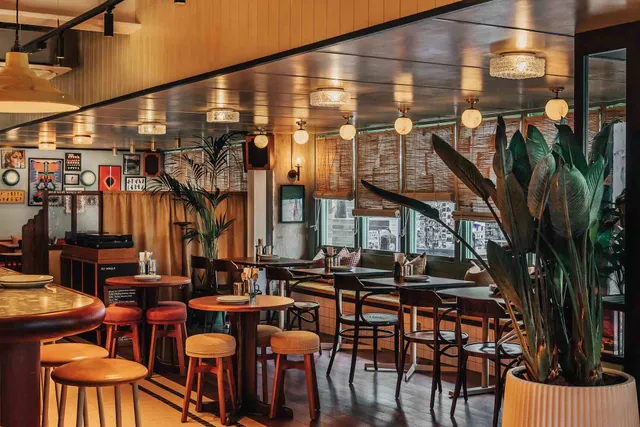
Dishoom Permit Room Oxford
4.9
(3.2K)
Open until 10:00 PM
Click for details
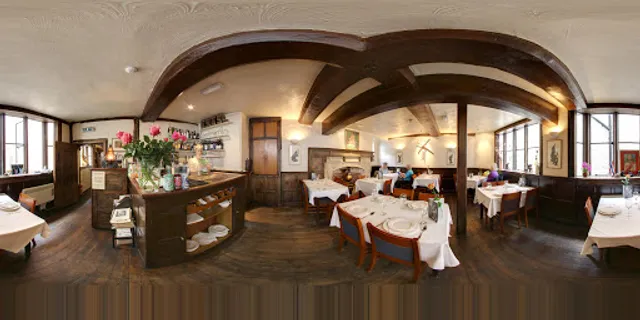
Chiang Mai Kitchen
4.4
(555)
Open until 2:30 PM
Click for details
Nearby local services of Oxford Town Hall
Esquires of Oxford
Repair My Phone Today
The Old Tom
Hightec Solutions
Westgate Oxford
Dukes Barbers
FitCookie Oxford Central
Oxford market barbers (The Barberium)
Sainsbury's Local
Vodafone

Esquires of Oxford
4.8
(413)
Click for details

Repair My Phone Today
4.8
(313)
Click for details
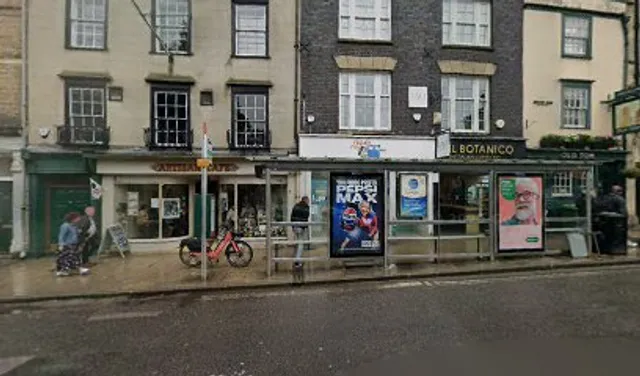
The Old Tom
4.8
(320)
Click for details

Hightec Solutions
4.6
(307)
Click for details