New Brighton Lighthouse things to do, attractions, restaurants, events info and trip planning
Basic Info
New Brighton Lighthouse
3 Hope St, Wallasey CH45 2LN, United Kingdom
4.7(204)
Open until 12:00 AM
Save
spot
spot
Ratings & Description
Info
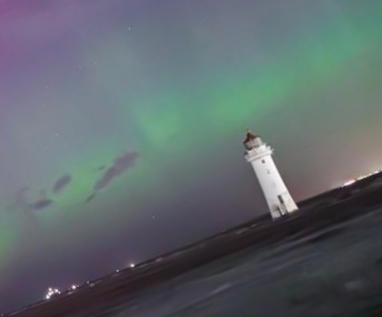
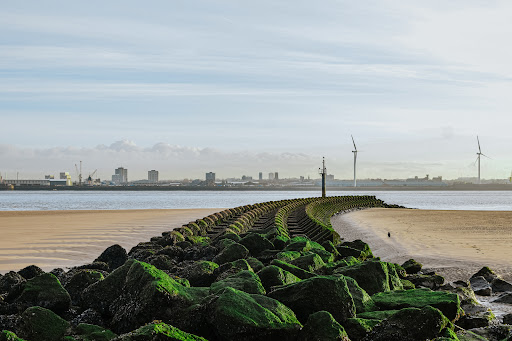
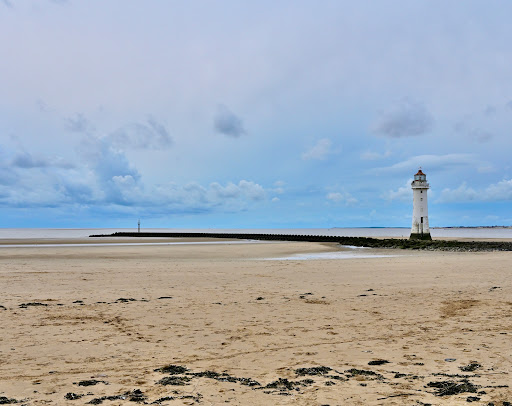
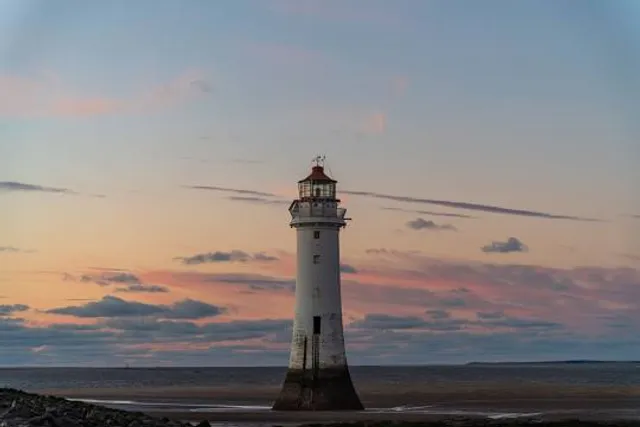
New Brighton Lighthouse is a decommissioned lighthouse situated at the confluence of the River Mersey and Liverpool Bay on an outcrop off New Brighton known locally as Perch Rock. Together with its neighbour, the Napoleonic era Fort Perch Rock, it is one of the Wirral's best known landmarks.
Scenic
Outdoor
Cultural
attractions: Fort Perch Rock, New Brighton Beach, Floral Pavilion Theatre, Adventureland, The Bright Spot Arcade, Wilkie Leisure Group Ltd, Bubbles' World of Play, Puddles Splash Water Play Area, restaurants: The Mess, Fort Perch Rock, Marino Lounge, Seahorse, Prezzo Italian Restaurant New Brighton, Cappadocia Turkish Charcoal Restaurant New Brighton, The Seaside Cafe, The Master Mariner, Chickn Hut Wallasey New Brighton, Portofino, Nando's New Brighton, local businesses: TheLight-Newbrighton, The New Palace and Adventureland, Riverside Bowl & LaserQuest, Ultimate Airsoft Range LTD, Arcadia
 Learn more insights from Wanderboat AI.
Website
lighthouseaccommodation.co.uk
Open hoursSee all hours
SunOpen 24 hoursOpen
Plan your stay

Pet-friendly Hotels in Wirral
Find a cozy hotel nearby and make it a full experience.

Affordable Hotels in Wirral
Find a cozy hotel nearby and make it a full experience.

The Coolest Hotels You Haven't Heard Of (Yet)
Find a cozy hotel nearby and make it a full experience.

Trending Stays Worth the Hype in Wirral
Find a cozy hotel nearby and make it a full experience.
Reviews
Live events

Walk through Liverpools history
Sun, Feb 22 • 10:00 AM
Merseyside, L3 1HU, United Kingdom
View details
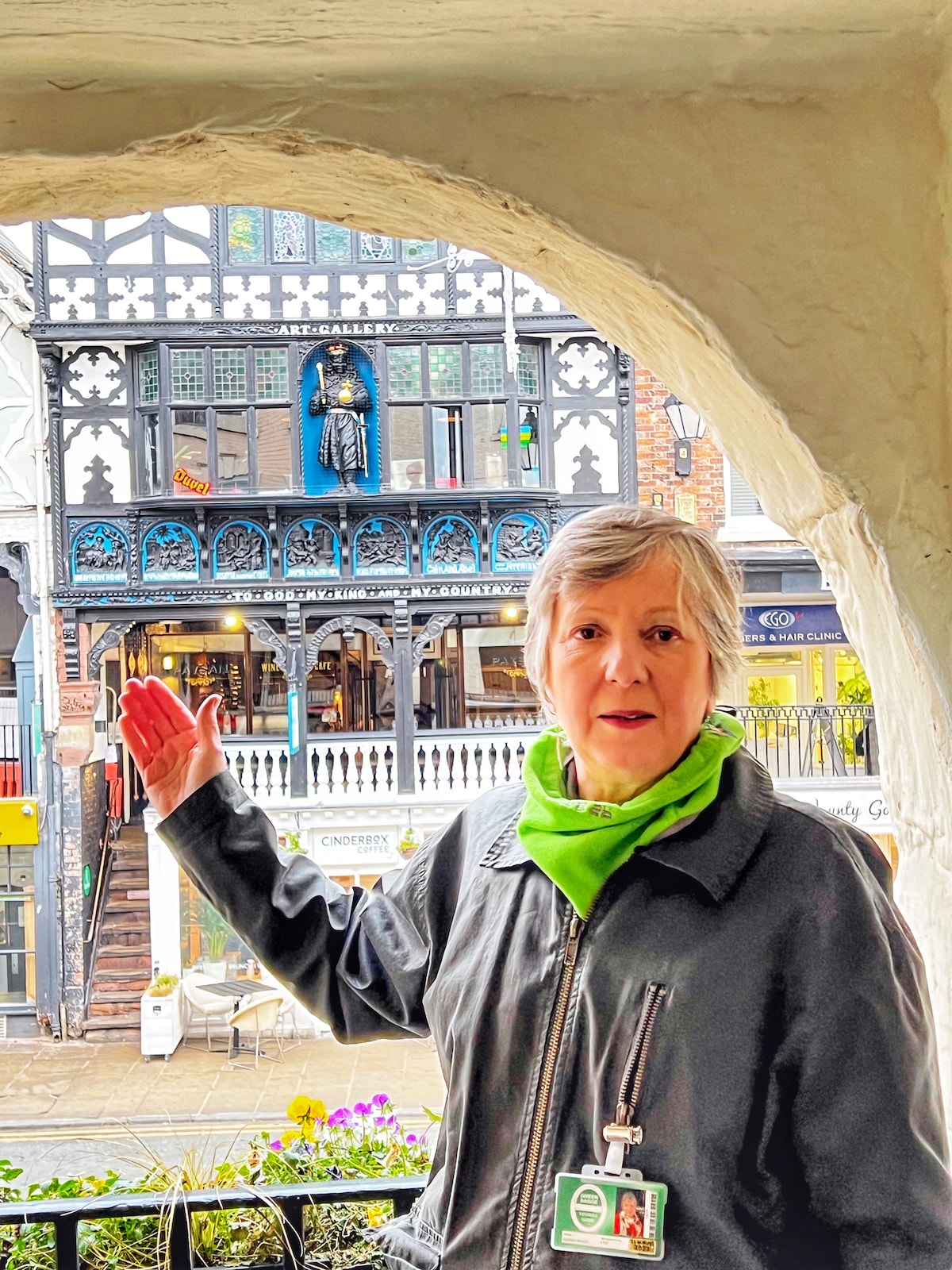
The Heart of Chester Walking Tour
Tue, Feb 24 • 1:00 PM
Cheshire West and Chester, CH1, United Kingdom
View details
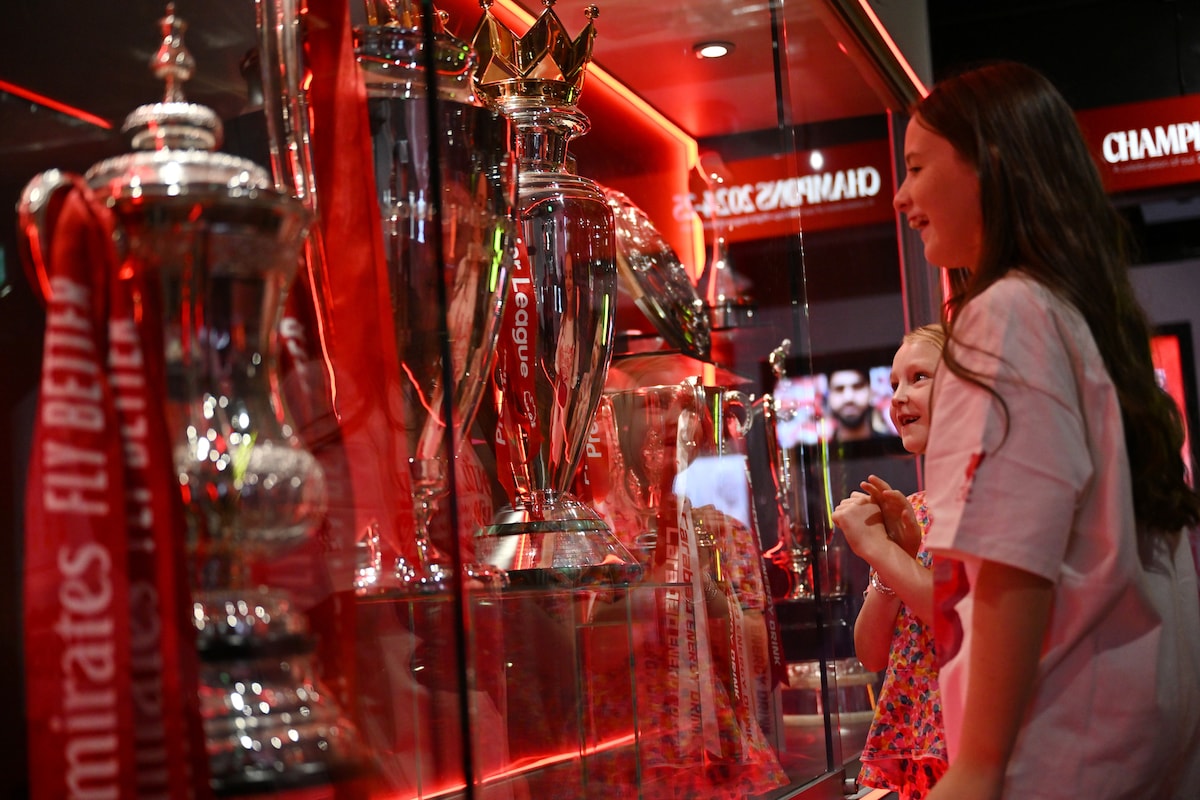
Liverpool Football Club Stadium Tour and Museum
Fri, Feb 27 • 10:00 AM
Anfield, L4 0TH, United Kingdom
View details
Nearby attractions of New Brighton Lighthouse
Fort Perch Rock
New Brighton Beach
Floral Pavilion Theatre
Adventureland
The Bright Spot Arcade
Wilkie Leisure Group Ltd
Bubbles' World of Play
Puddles Splash Water Play Area
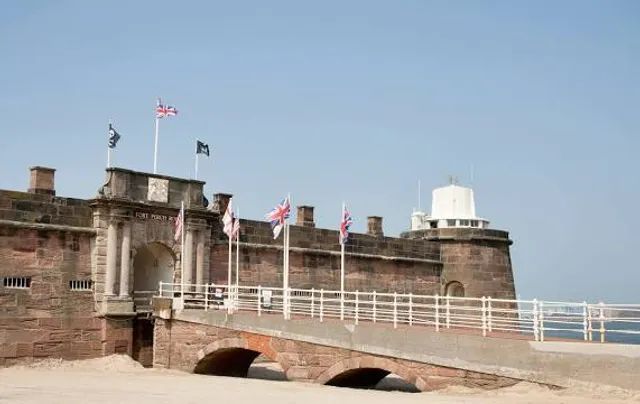
Fort Perch Rock
4.5
(403)
Closed
Click for details
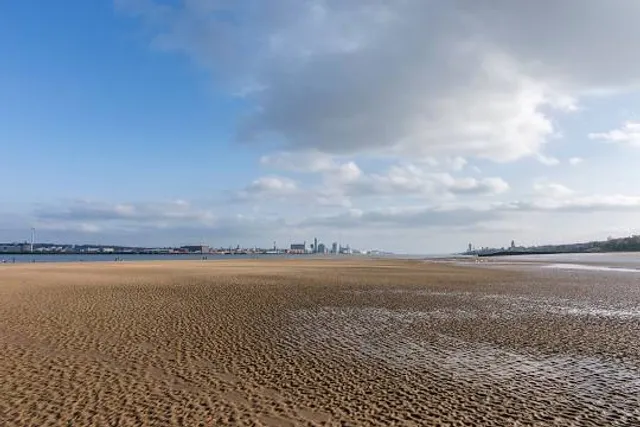
New Brighton Beach
4.6
(362)
Open 24 hours
Click for details
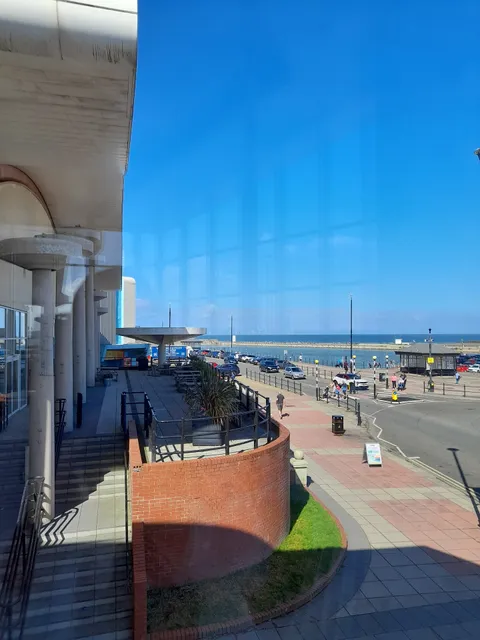
Floral Pavilion Theatre
4.5
(1.7K)
Open 24 hours
Click for details
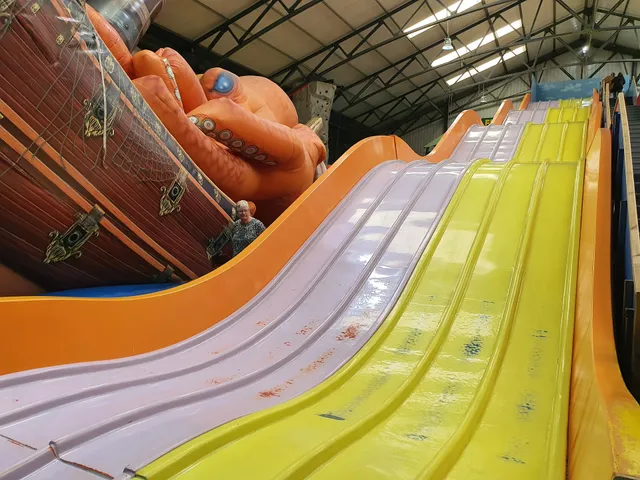
Adventureland
4.0
(807)
Closed
Click for details
Nearby restaurants of New Brighton Lighthouse
The Mess, Fort Perch Rock
Marino Lounge
Seahorse
Prezzo Italian Restaurant New Brighton
Cappadocia Turkish Charcoal Restaurant New Brighton
The Seaside Cafe
The Master Mariner
Chickn Hut Wallasey New Brighton
Portofino
Nando's New Brighton
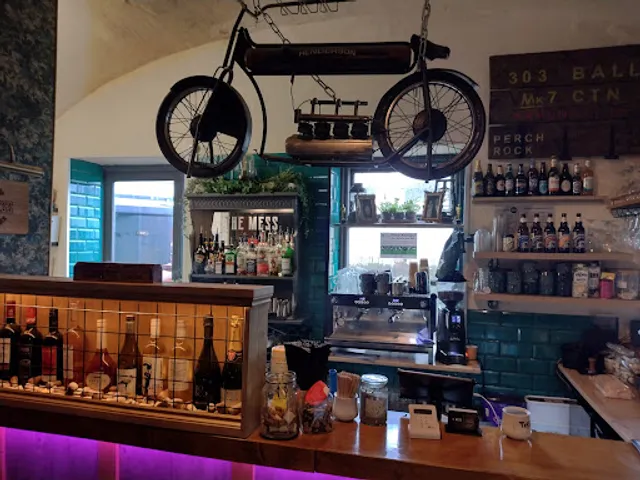
The Mess, Fort Perch Rock
4.3
(87)
Closed
Click for details
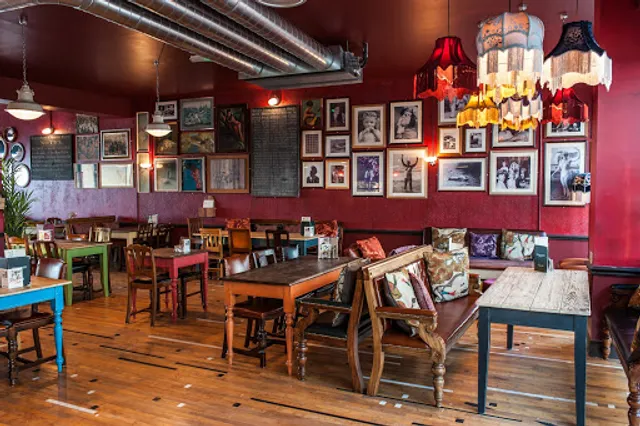
Marino Lounge
4.4
(866)
Closed
Click for details
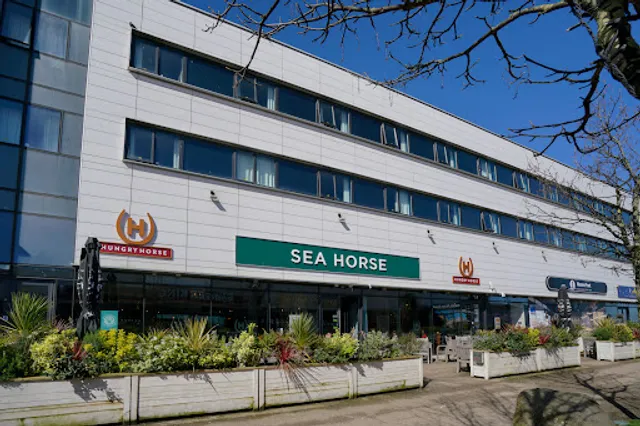
Seahorse
4.0
(1.1K)
Closed
Click for details
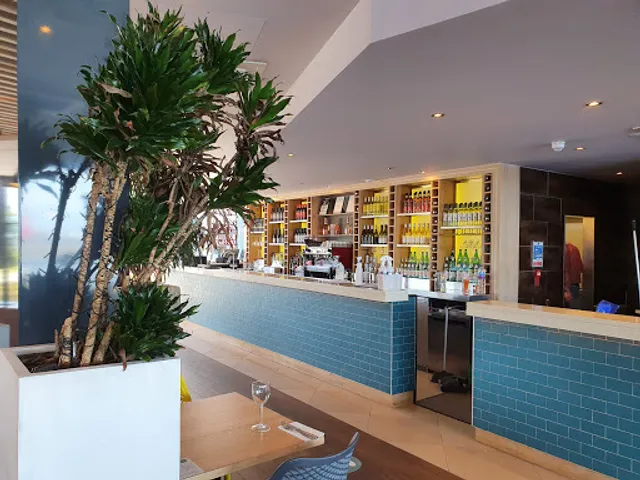
Prezzo Italian Restaurant New Brighton
4.1
(794)
Closed
Click for details
Nearby local services of New Brighton Lighthouse
TheLight-Newbrighton
The New Palace and Adventureland
Riverside Bowl & LaserQuest
Ultimate Airsoft Range LTD
Arcadia
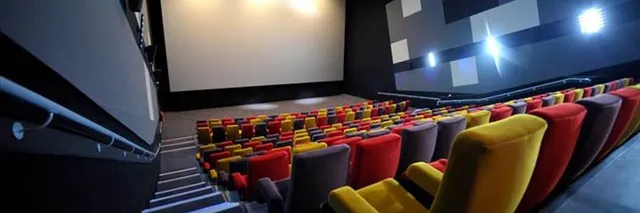
TheLight-Newbrighton
4.6
(1.1K)
Click for details
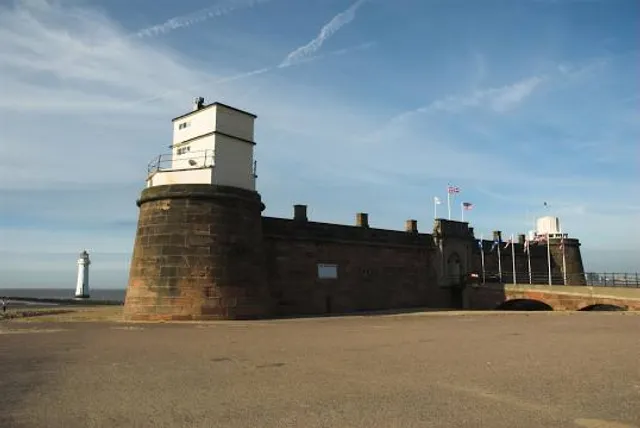
The New Palace and Adventureland
4.0
(752)
Click for details
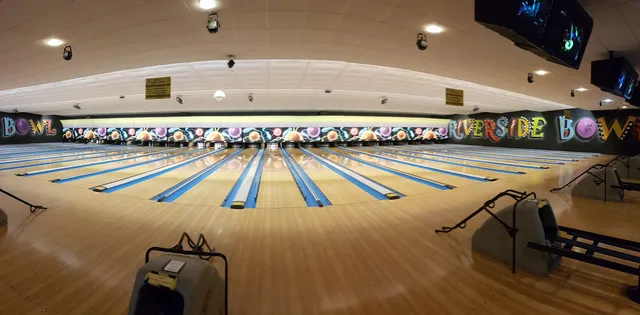
Riverside Bowl & LaserQuest
4.1
(385)
Click for details
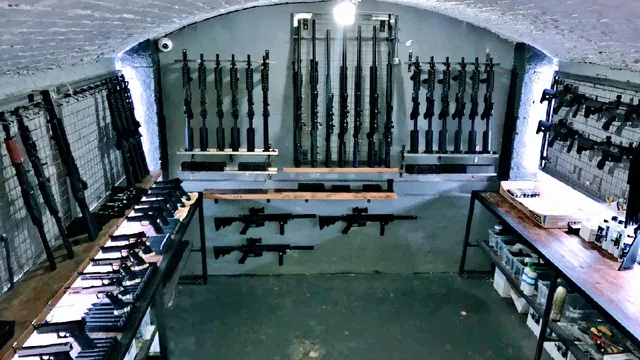
Ultimate Airsoft Range LTD
4.7
(83)
Click for details