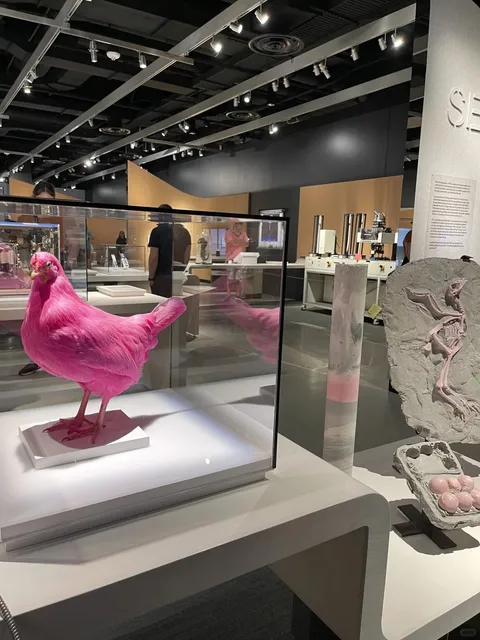
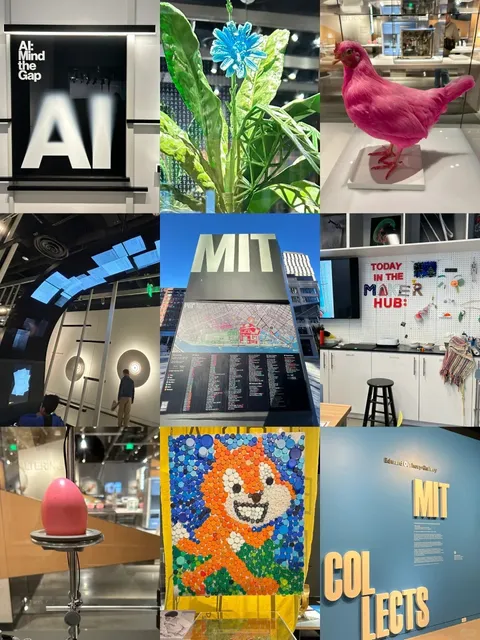
MIT Museum things to do, attractions, restaurants, events info and trip planning
Basic Info
MIT Museum
Gambrill Center, 314 Main St, Cambridge, MA 02142
4.4(1.7K)
Closed


tickets
Save
spot
spot
Ratings & Description
Info
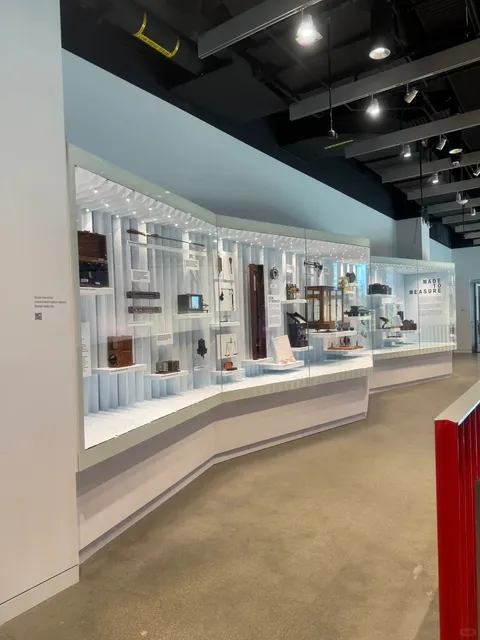
The MIT Museum, founded in 1971, is located at the Massachusetts Institute of Technology in Cambridge, Massachusetts. It hosts collections of holography, technology-related artworks, artificial intelligence, architecture, robotics, maritime history, and the history of MIT.
Cultural
Family friendly
Accessibility
attractions: Urban Park (UP) Roof Garden, MIT List Visual Arts Center, Kendall/MIT Open Space, MIT Wong Auditorium, Galaxy Park, Great Dome, Massachusetts Institute of Technology, Killian Court, MIT School of Science, Timothy J. Toomey, Jr. Park, restaurants: Legal Sea Foods - Kendall Square, Row 34 - Cambridge, Ripple Cafe, Shy Bird - Kendall Square, Bakey, CAVA, The Black Sheep Lounge & Bar, VESTER Cambridge, Chipotle Mexican Grill, Cafe Luna, local businesses: MIT Press Bookstore, Google Cambridge, Flat Top Johnny's, MIT Coop at Kendall Square, Kendall/MIT, Kendall Barbers, MIT Museum Store, MIT Admissions, Cambridge Mobile Telematics, Kendall Center
 Learn more insights from Wanderboat AI.
Phone
(617) 253-5927
Website
mitmuseum.mit.edu
Open hoursSee all hours
Fri10 AM - 5 PMClosed
Plan your stay

Pet-friendly Hotels in Cambridge
Find a cozy hotel nearby and make it a full experience.

Affordable Hotels in Cambridge
Find a cozy hotel nearby and make it a full experience.

The Coolest Hotels You Haven't Heard Of (Yet)
Find a cozy hotel nearby and make it a full experience.

Trending Stays Worth the Hype in Cambridge
Find a cozy hotel nearby and make it a full experience.
Reviews
Live events
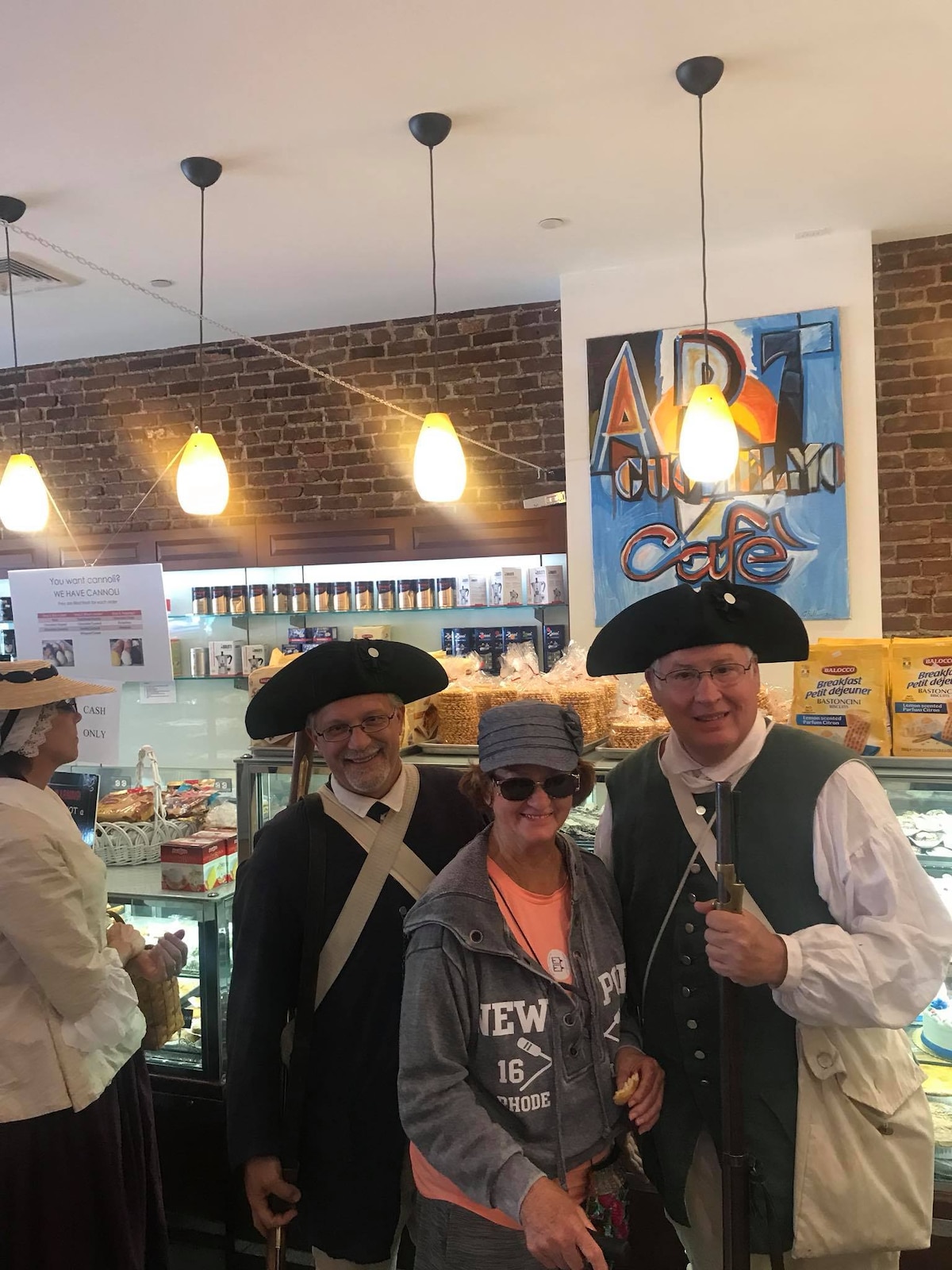
Bostons Politically Incorrect North End Food Tour
Sun, Mar 1 • 11:30 AM
Boston, Massachusetts, 02113
View details

Pilates: HWX x Black History Month Community Class
Fri, Feb 27 • 5:15 PM
393 Highland Avenue Somerville, MA 02143
View details

Opening Doors Presents: Black History Month Concert
Fri, Feb 27 • 7:00 PM
221 Concord Avenue Belmont, MA 02478
View details
Nearby attractions of MIT Museum
Urban Park (UP) Roof Garden
MIT List Visual Arts Center
Kendall/MIT Open Space
MIT Wong Auditorium
Galaxy Park
Great Dome
Massachusetts Institute of Technology
Killian Court
MIT School of Science
Timothy J. Toomey, Jr. Park
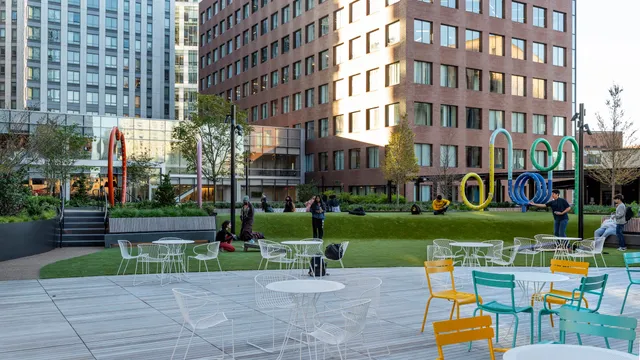
Urban Park (UP) Roof Garden
4.6
(100)
Closed
Click for details
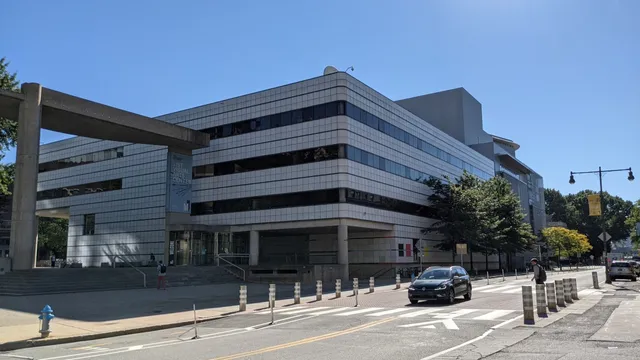
MIT List Visual Arts Center
4.4
(157)
Closed
Click for details
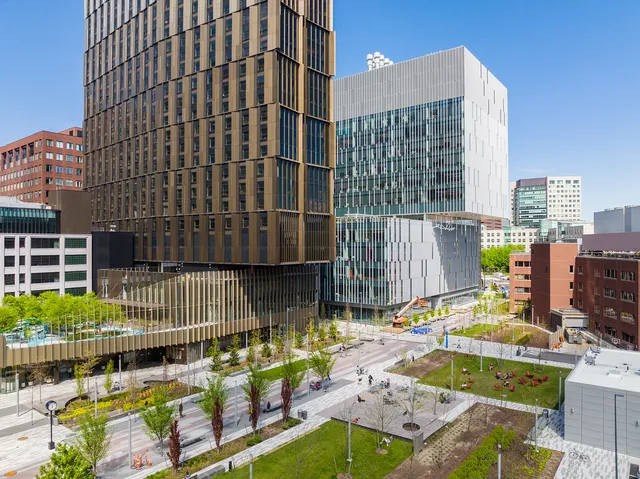
Kendall/MIT Open Space
4.7
(18)
Open 24 hours
Click for details
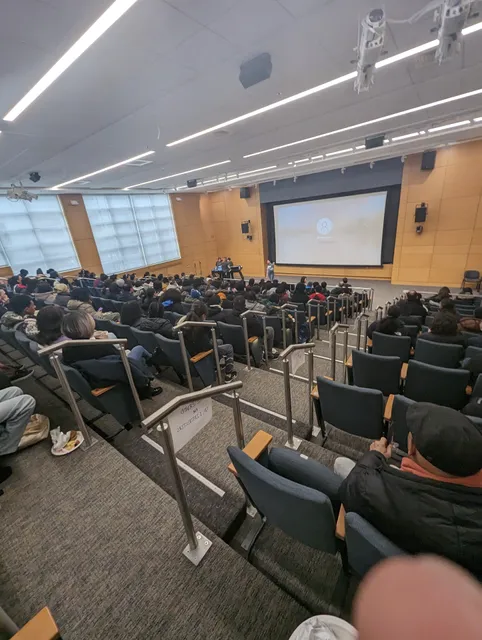
MIT Wong Auditorium
4.6
(35)
Open 24 hours
Click for details
Nearby restaurants of MIT Museum
Legal Sea Foods - Kendall Square
Row 34 - Cambridge
Ripple Cafe
Shy Bird - Kendall Square
Bakey
CAVA
The Black Sheep Lounge & Bar
VESTER Cambridge
Chipotle Mexican Grill
Cafe Luna
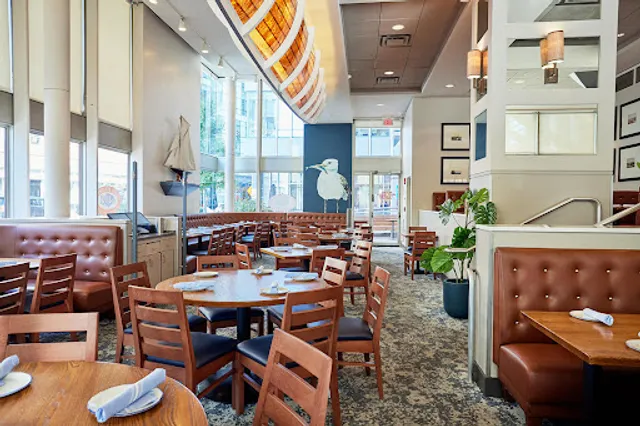
Legal Sea Foods - Kendall Square
4.2
(880)
$$
Click for details
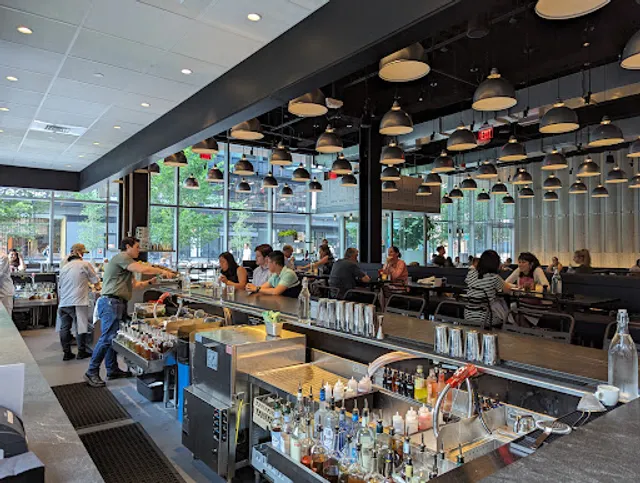
Row 34 - Cambridge
4.4
(252)
$$$
Closed
Click for details
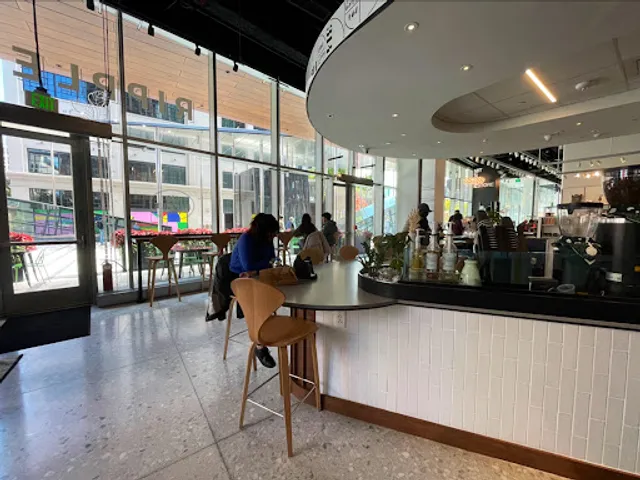
Ripple Cafe
4.2
(95)
$
Closed
Click for details
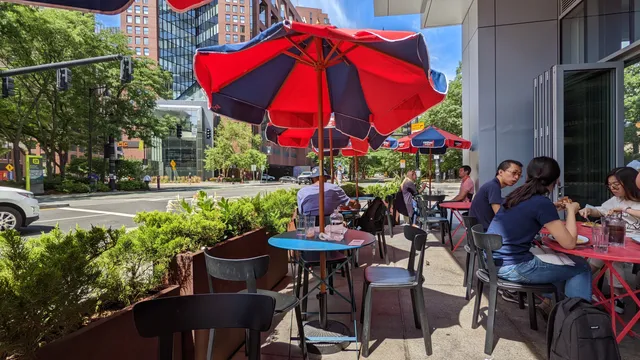
Shy Bird - Kendall Square
4.2
(490)
$$
Closed
Click for details
Nearby local services of MIT Museum
MIT Press Bookstore
Google Cambridge
Flat Top Johnny's
MIT Coop at Kendall Square
Kendall/MIT
Kendall Barbers
MIT Museum Store
MIT Admissions
Cambridge Mobile Telematics
Kendall Center
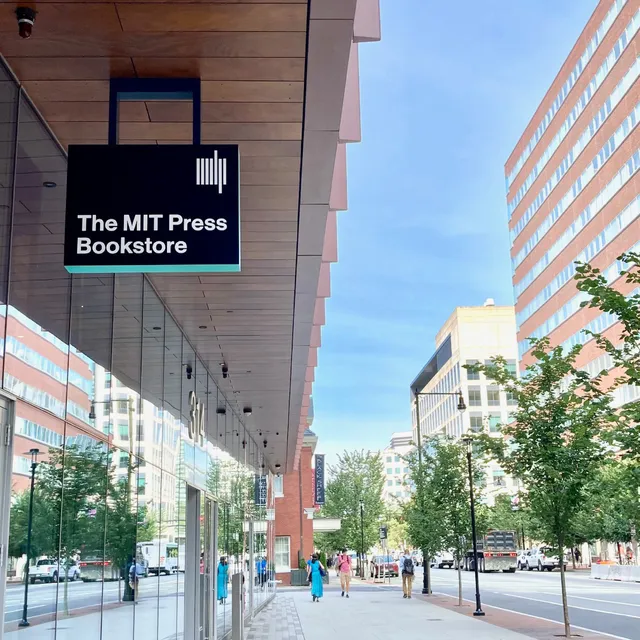
MIT Press Bookstore
4.7
(185)
Click for details
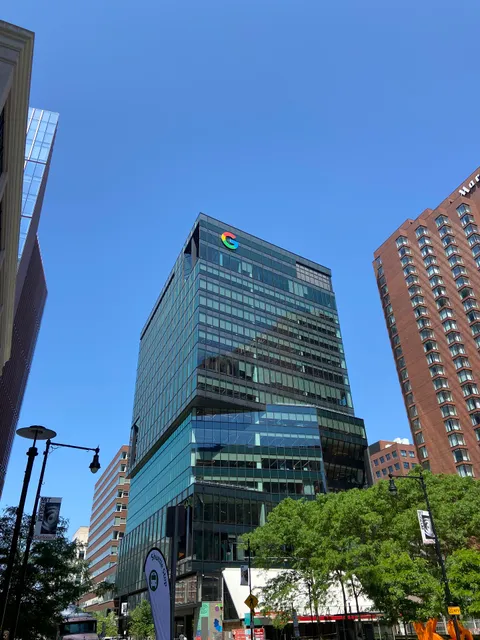
Google Cambridge
4.6
(222)
Click for details

Flat Top Johnny's
4.2
(363)
Click for details
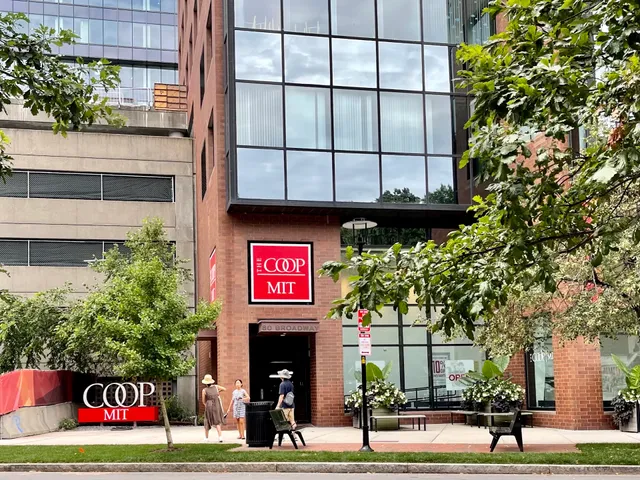
MIT Coop at Kendall Square
4.5
(277)
Click for details