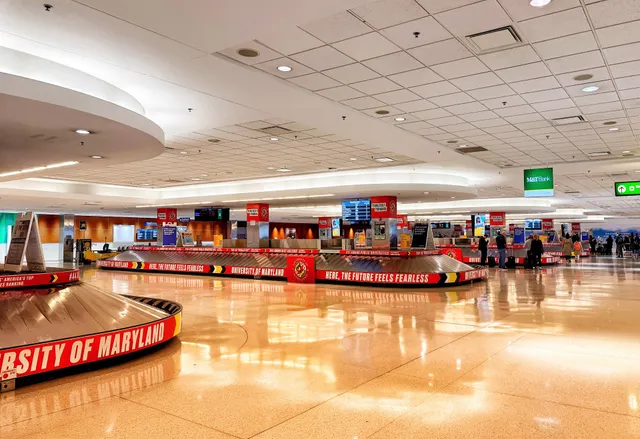
As your flight approaches Baltimore/Washington International Thurgood Marshall Airport, the distinctive geometry of its terminal complex emerges against Maryland's landscape — a study in white structural elements and blue accents that telegraphs both utility and aspiration.
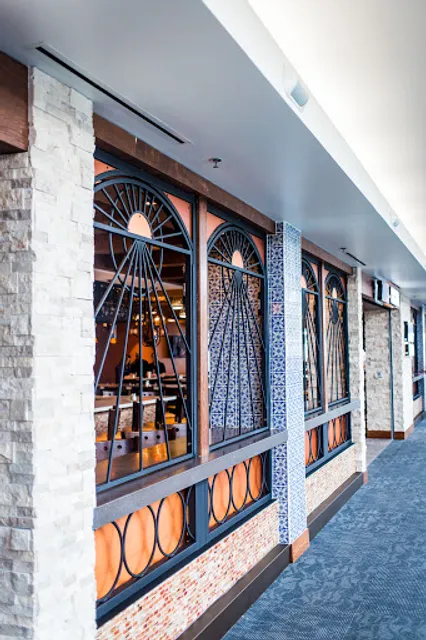
BWI exists in that curious architectural territory between workhorse regional hub and statement piece. The terminal's sweeping space-frame roof system creates a dramatic canopy that floods interior spaces with light, while the zigzagging ceiling-mounted LED fixtures form a subtly pleasing visual rhythm that guides travelers through the concourses. These architectural choices — dating from various renovation phases between 1979 and the present — reveal an airport perpetually reinventing itself, yet never quite achieving the cohesive vision of newer facilities.
Originally christened Friendship International Airport in 1950, BWI's evolution mirrors the changing relationship between airports and their regions. Its 1973 rebranding as Baltimore/Washington International (requiring delicate diplomatic negotiations with Papua New Guinea, which already held the BWI code) reflected an ambitious pivot toward capturing DC-area travelers. The subsequent 2005 renaming to honor Supreme Court Justice Thurgood Marshall added a layer of cultural significance to what might otherwise be merely utilitarian infrastructure.
The most transformative architectural intervention came via Southwest Airlines, which collaborated with URS Corporation on the 2005 terminal expansion that added 568,000 square feet and consolidated the airline's operations into 26 gates. This marriage of commerce and design has produced spaces that, while not particularly daring, offer travelers a refreshingly intuitive navigation experience — a stark contrast to the labyrinthine terminals that plague many American airports.
Southwest's dominance (commanding about 70% of BWI's traffic) has created a feedback loop wherein the airline's operational style has influenced the airport's architectural development, and vice versa. The current $425 million A/B Connector project, led by Skidmore, Owings & Merrill, represents the latest evolution in this symbiotic relationship.
For travelers, BWI presents a mixed bag. The airport earns respectable passenger satisfaction scores (7.7/10 in recent surveys), with standout ratings for security efficiency and terminal access. Yet it recently achieved the dubious distinction of ranking second-worst nationally for delays, with nearly 29% of flights departing at least 15 minutes late.
The contradiction between architectural ambition and operational challenges is particularly evident in the international terminal. Despite BWI's effort to position itself as a global gateway, Concourse E feels like an afterthought compared to Dulles's soaring international terminal, and the airport has struggled to attract long-haul carriers.
What BWI lacks in architectural cohesion, it partially compensates for in practicality. The airport was the first in America with a dedicated intercity rail station (1980), beating neighboring Dulles by more than four decades. Its observation gallery, featuring exhibits on Maryland aviation history, offers a thoughtful amenity for both travelers and aviation enthusiasts.
As BWI handles its 27 million annual passengers, it represents a particular American approach to airport design — pragmatic incrementalism rather than grand vision. While it may never achieve the architectural distinction of Denver's tent-like terminal or Singapore's Changi, BWI's ongoing evolution reflects an admirable responsiveness to changing travel patterns and regional needs. In its geometric ceiling patterns and bright, efficient concourses, one glimpses both the compromises and modest triumphs of American infrastructure at its...
Read moreBaltimore/Washington International Thurgood Marshall Airport (BWI) has become my go-to travel hub, and I genuinely look forward to every visit. It’s a refreshing mix of efficiency, comfort, and friendly service that makes travel feel a little easier and a lot more pleasant.
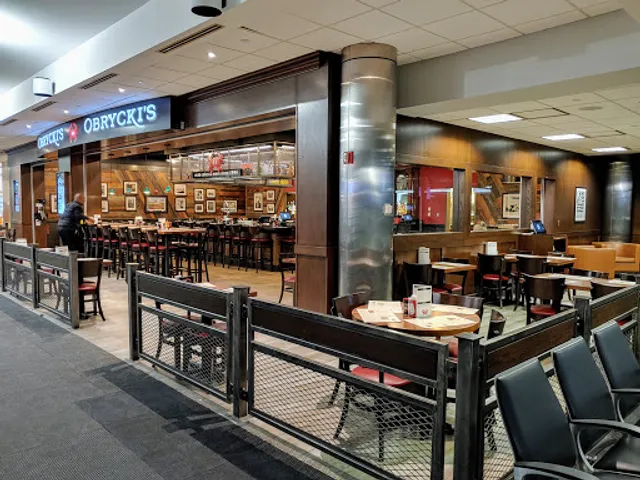
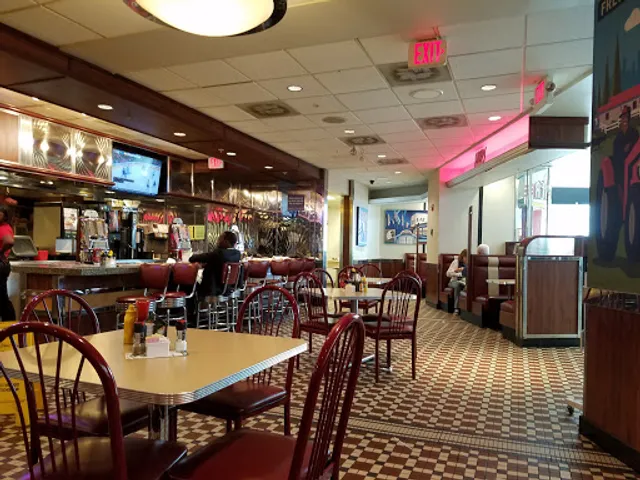
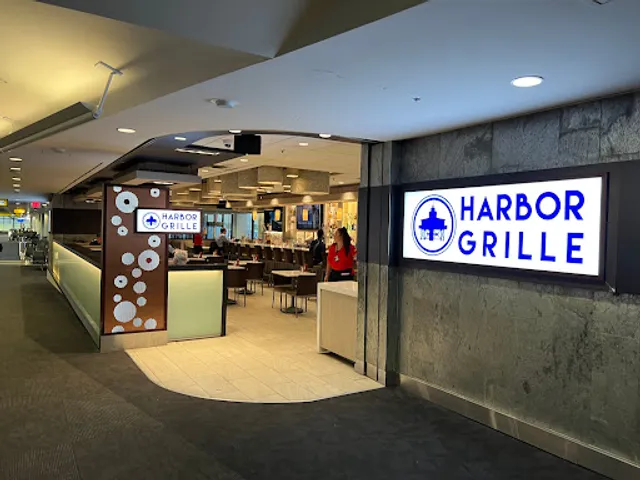
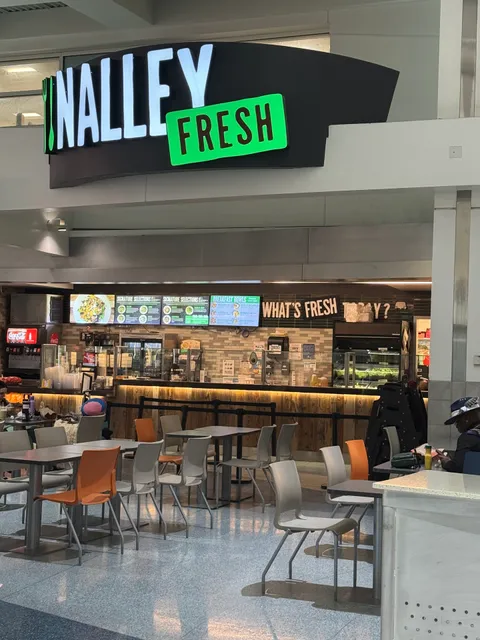
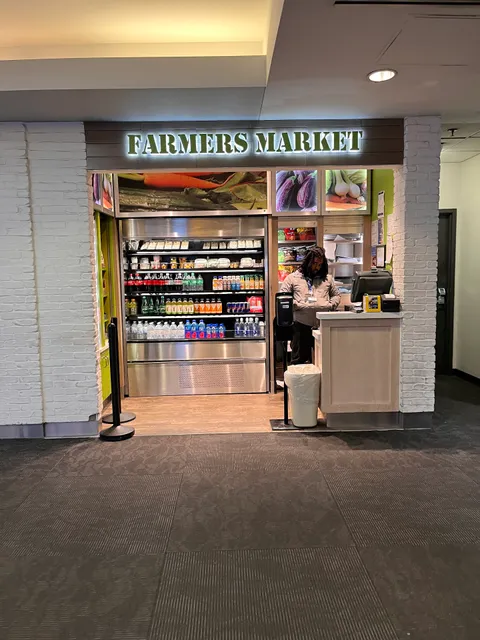
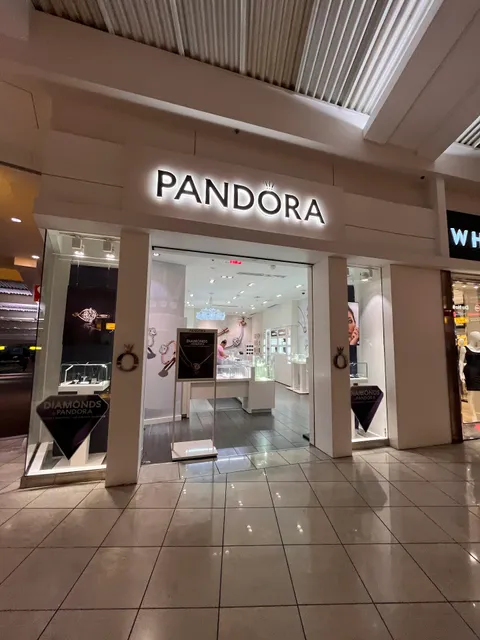
What keeps me coming back Smooth navigation and design: The airport layout is intuitive, with clear signage and logical gate clusters. It’s easy to pace through security, grab a bite, and reach your gate without feeling rushed or overwhelmed. Efficient security and comfortable lounges: Security lines move quickly, and the staff are courteous and professional. Once past security, the seating areas and lounges offer plenty of space to relax, work, or catch up on a bit of people-watching. Solid dining and shopping options: A good balance of quick-service favorites and local bites, plus thoughtfully curated shops. It’s nice to have tasty, convenient options for meals and last-minute necessities before boarding. Travel-friendly amenities: Free Wi-Fi that’s reliable, charging stations in comfortable nooks, and ample power outlets—perfect for working on the go or streaming while you wait. Customer-focused service: Airport staff across terminals are approachable and helpful, whether you need directions, gate changes, or tips on the best dining spots.
Facilities and comfort Cleanliness and upkeep: The terminals are well-maintained and clean, with attention to restrooms, seating cleanliness, and general cleanliness that matters on longer travel days. Accessibility and inclusivity: Clear pathways, accessible restrooms, and supportive services for travelers with special needs make the airport welcoming for everyone. Family-friendly and business-ready: Whether you’re traveling with kids or on a business trip, there are comfortable spaces for work, relaxation, and family moments alike.
Practical tips for a smooth trip Arrive early to enjoy pre-flight time and avoid last-minute stress. Check the BWI app or website for real-time gate updates and security wait times. Bring a portable charger and comfortable headphones for a relaxed pre-flight routine. Take advantage of nearby local eats or quick bite spots to sample something tasty before your flight.
Bottom line Baltimore/Washington International Airport consistently delivers a reliable, pleasant, and efficient travel experience. It’s my preferred gateway for trips to the region thanks to its practical design, friendly staff, and comfortable amenities. Highly recommended for frequent travelers who value smooth transitions, good options, and a stress-free start or end to...
Read moreYesterday 8/10 around 7 AM, while traveling through BWI airport with a friend, I had a troubling experience at the TSA security checkpoint. I travel frequently for work—at least twice a week—so I’m familiar with the process. After placing our belongings in bins and passing through the metal detector-style body scanner, my friend and I were both cleared to proceed.
However, immediately after exiting the scanner, we entered a small, confined area roped off by stanchions, roughly a 5x5 square, with only one exit. Inside this space were the TSA officer monitoring the scanner results, a young girl who went before me, and a woman wearing a black jacket labeled “Supervisor” who was standing in the only exit with both hands on the ropes, effectively blocking our way out.
Despite having been told we were cleared, we were unable to leave. The supervisor was talking with the officer but seemed to intentionally prevent anyone from exiting. When I politely said “excuse me” to ask to pass, the supervisor suddenly began yelling at me and the young girl, saying things like: “It’s about time, I’ve been waiting for one of y’all to say excuse me. You’ve got voices, don’t you? Why can’t you use them? What’s wrong with your voices?” She continued shouting, criticizing us for not speaking up sooner and accusing us of being “too scared.”
Meanwhile, my friend was quickly exiting the scanner and asked what was going on, but I just wanted to leave the situation. The supervisor then loudly told her coworkers how she “just wanted to see how long it would take for us to say something,” implying this was a deliberate power play. The other TSA staff members nearby appeared to silently accept this behavior.
This entire interaction felt uncomfortable, unnecessary, and disrespectful. It seemed as though the supervisor was using her position to intimidate and belittle us, especially by physically blocking the only exit and then verbally attacking us for politely asking to pass. The fact that other employees did nothing to intervene makes me concerned this is a repeated behavior.
If this type of conduct is typical of the supervisory staff, it raises serious questions about the environment and culture at this TSA checkpoint. Overall, it was a disappointing and unsettling experience, especially for young female travelers like myself. I will be filing a complaint with TSA...
Read more