Yorktown Victory Monument things to do, attractions, restaurants, events info and trip planning
Basic Info
Yorktown Victory Monument
803 Main St, Yorktown, VA 23690
4.8(535)
Open until 12:00 AM

tickets
Save
spot
spot
Ratings & Description
Info
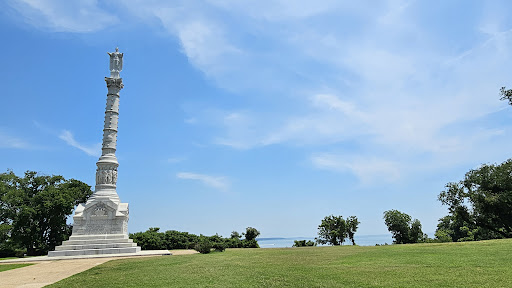
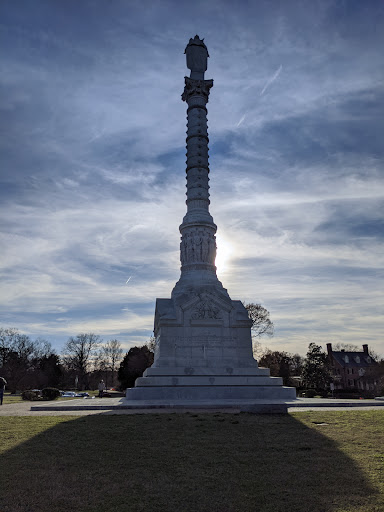
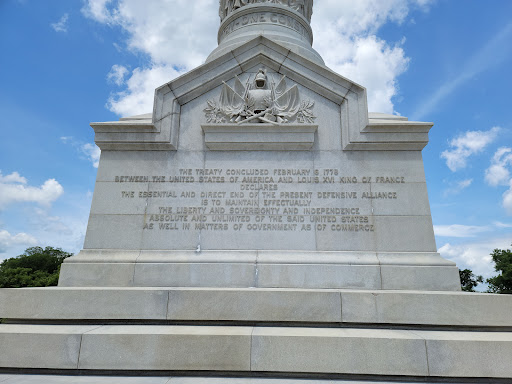
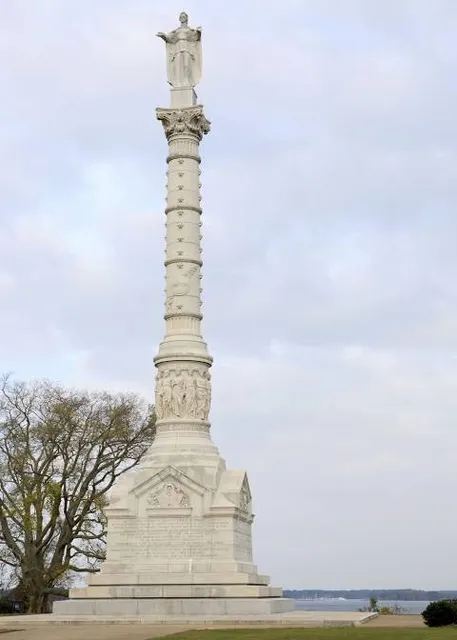
The Yorktown Victory Monument is a monument erected in Colonial National Historical Park in Yorktown, Virginia, commemorating the 1781 victory at Yorktown and the alliance with France that brought about the end of the American Revolution and the resulting peace with England after the American Revolutionary War.
Cultural
Scenic
Family friendly
Accessibility
attractions: Yorktown Beach, Cornwallis' Cave, Yorktown Battlefield Visitor Center, Nelson House, Yorktown Battlefield, Yorktown Beach Picnic Area, Yorktown Beach, Grace Episcopal Church, Little York Confectionery home of Yorktown & Co History Tours, The Old Custom House (c.1720), restaurants: Yorktown Pub, Mobjack Bay Coffee Roasters and Petite Cafe, Chef K Cafe, Coastal Thirst Beach Deli, Water Street Grille, Riverwalk Restaurant, Ben & Jerry’s, Carrot Tree Kitchens, Umi Sushi, local businesses: Yorktown Fishing Pier, 1000 Colonial Nat'l Historical Pkwy, Yorktown Beach, Yorktown Market Days Food and Artisans Market, Battlefield Museum Gift Shop, Yorktown Bookshop, Riverwalk Landing Parking deck, Viccellio Goldsmith & Fine Jewelry, Redoubt 9
 Learn more insights from Wanderboat AI.
Phone
(757) 898-2410
Website
nps.gov
Open hoursSee all hours
TueOpen 24 hoursOpen
Plan your stay

Pet-friendly Hotels in Gloucester Point
Find a cozy hotel nearby and make it a full experience.

Affordable Hotels in Gloucester Point
Find a cozy hotel nearby and make it a full experience.

The Coolest Hotels You Haven't Heard Of (Yet)
Find a cozy hotel nearby and make it a full experience.

Trending Stays Worth the Hype in Gloucester Point
Find a cozy hotel nearby and make it a full experience.
Reviews
Live events
Candlelight: The Best of Hans Zimmer
Sat, Feb 14 • 6:30 PM
65 Saunders Road,Newport News, 23601
View details

Cochon on 2nd | Passionate Wines for Passionate People
Thu, Feb 12 • 6:00 PM
311 2nd Street, Williamsburg, VA 23185
View details

Peri Party Tea With Dr. T & Nurse T.
Sun, Feb 15 • 2:00 PM
221 E Mellen St Hampton, VA 23663
View details
Nearby attractions of Yorktown Victory Monument
Yorktown Beach
Cornwallis' Cave
Yorktown Battlefield Visitor Center
Nelson House
Yorktown Battlefield
Yorktown Beach Picnic Area
Yorktown Beach
Grace Episcopal Church
Little York Confectionery home of Yorktown & Co History Tours
The Old Custom House (c.1720)
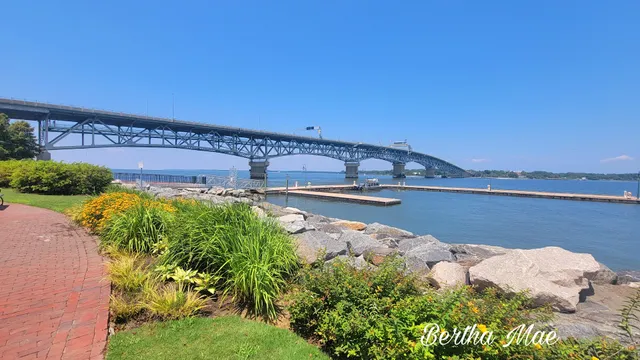
Yorktown Beach
4.6
(1.0K)
Open 24 hours
Click for details
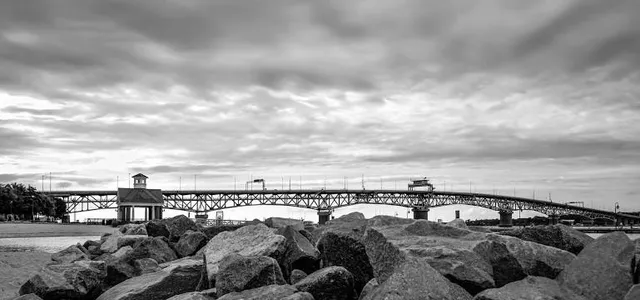
Cornwallis' Cave
4.1
(91)
Open 24 hours
Click for details
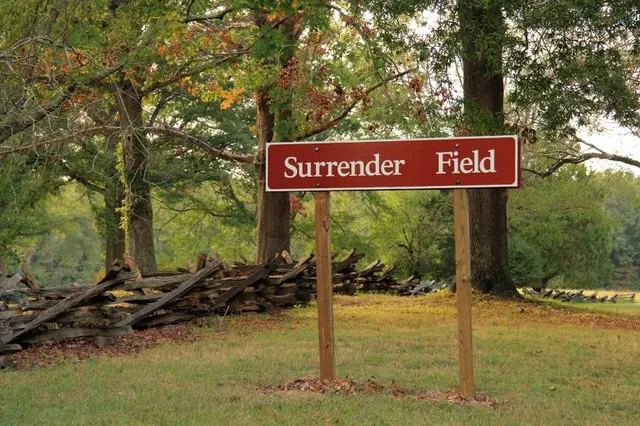
Yorktown Battlefield Visitor Center
4.7
(901)
Closed
Click for details
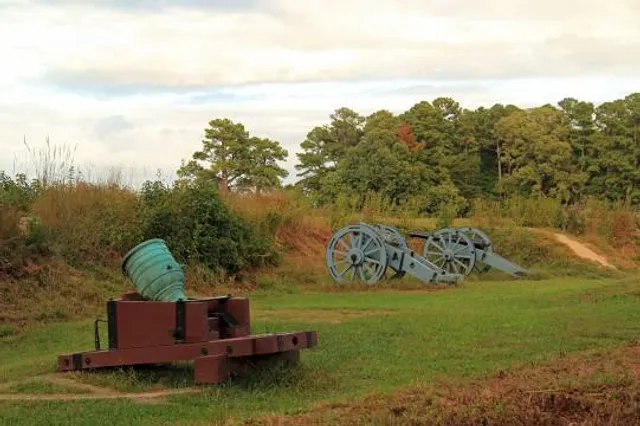
Nelson House
4.6
(75)
Open 24 hours
Click for details
Nearby restaurants of Yorktown Victory Monument
Yorktown Pub
Mobjack Bay Coffee Roasters and Petite Cafe
Chef K Cafe
Coastal Thirst Beach Deli
Water Street Grille
Riverwalk Restaurant
Ben & Jerry’s
Carrot Tree Kitchens
Umi Sushi
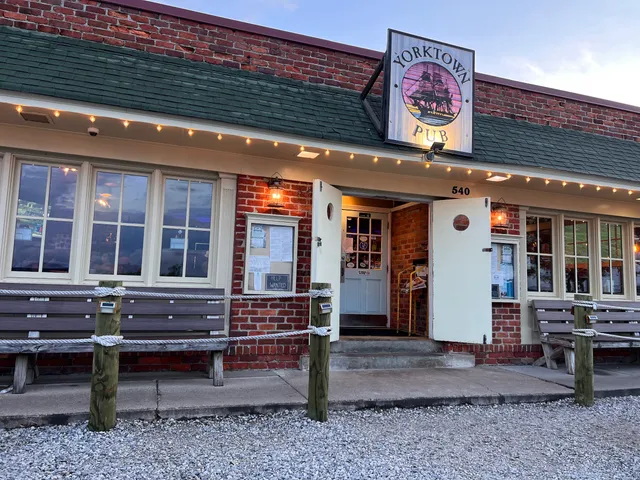
Yorktown Pub
4.5
(1.6K)
$
Closed
Click for details
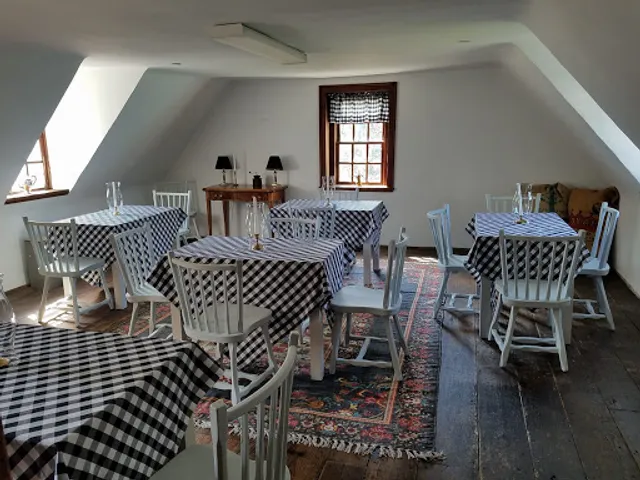
Mobjack Bay Coffee Roasters and Petite Cafe
4.7
(225)
$
Closed
Click for details
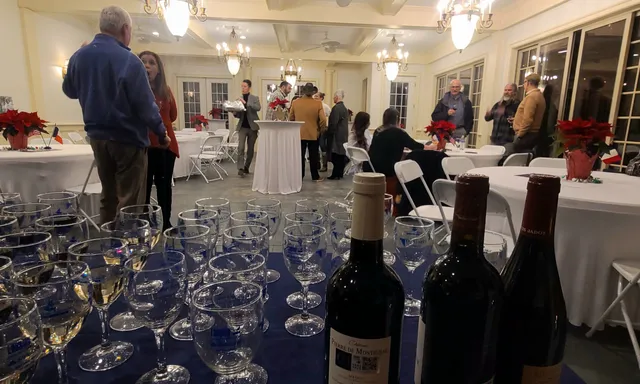
Chef K Cafe
5.0
(3)
Click for details

Coastal Thirst Beach Deli
4.7
(62)
$
Closed
Click for details
Nearby local services of Yorktown Victory Monument
Yorktown Fishing Pier
1000 Colonial Nat'l Historical Pkwy
Yorktown Beach
Yorktown Market Days Food and Artisans Market
Battlefield Museum Gift Shop
Yorktown Bookshop
Riverwalk Landing Parking deck
Viccellio Goldsmith & Fine Jewelry
Redoubt 9
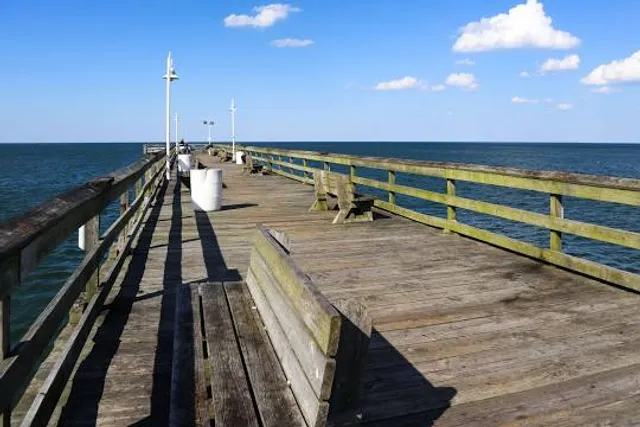
Yorktown Fishing Pier
4.6
(102)
Click for details
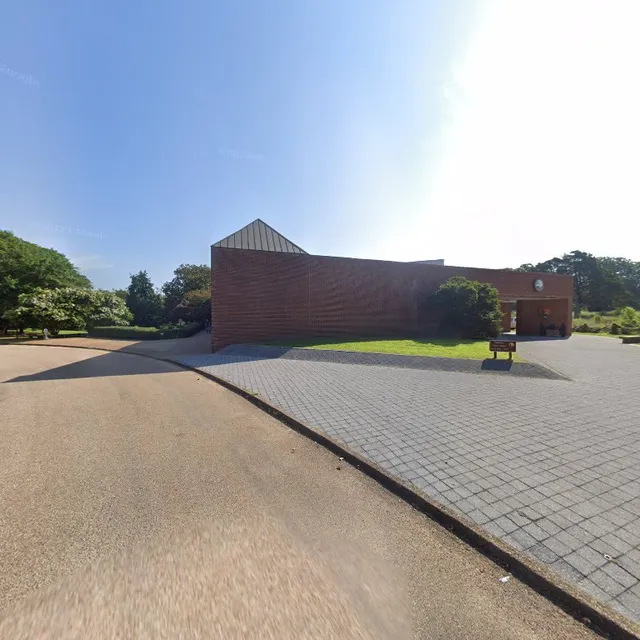
1000 Colonial Nat'l Historical Pkwy
4.7
(979)
Click for details
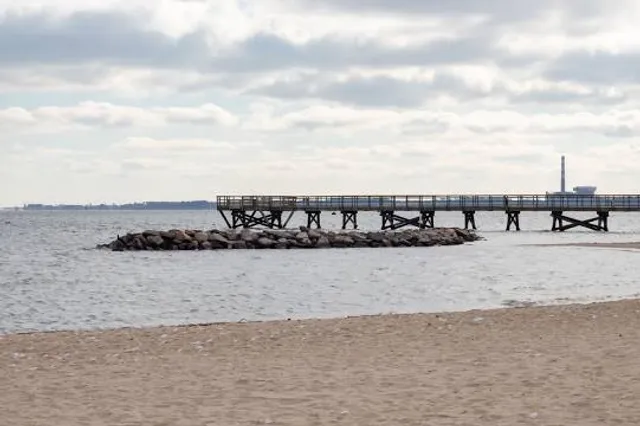
Yorktown Beach
4.4
(26)
Click for details
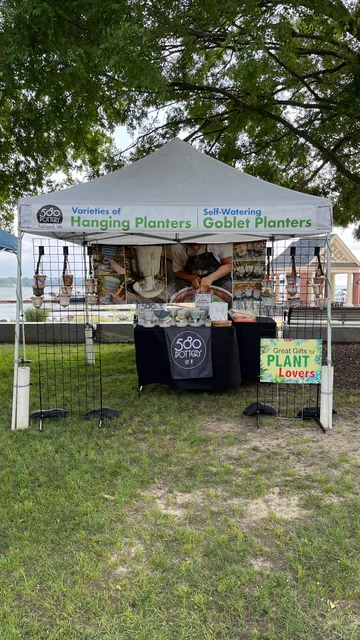
Yorktown Market Days Food and Artisans Market
4.8
(142)
Click for details